Ohio has a way of hiding its most jaw-dropping scenery behind the most ordinary-looking roadsides. One minute you are cruising past flat farmland and cornfields, and the next you are standing at the edge of a dramatic limestone gorge carved thousands of years ago by the Little Miami River.
Clifton Gorge State Nature Preserve, tucked just outside Yellow Springs, is exactly that kind of surprise – the kind that makes you wonder how you ever missed it. Pack your hiking shoes, because this one earns every step.
Where Clifton Gorge Sits on the Ohio Map
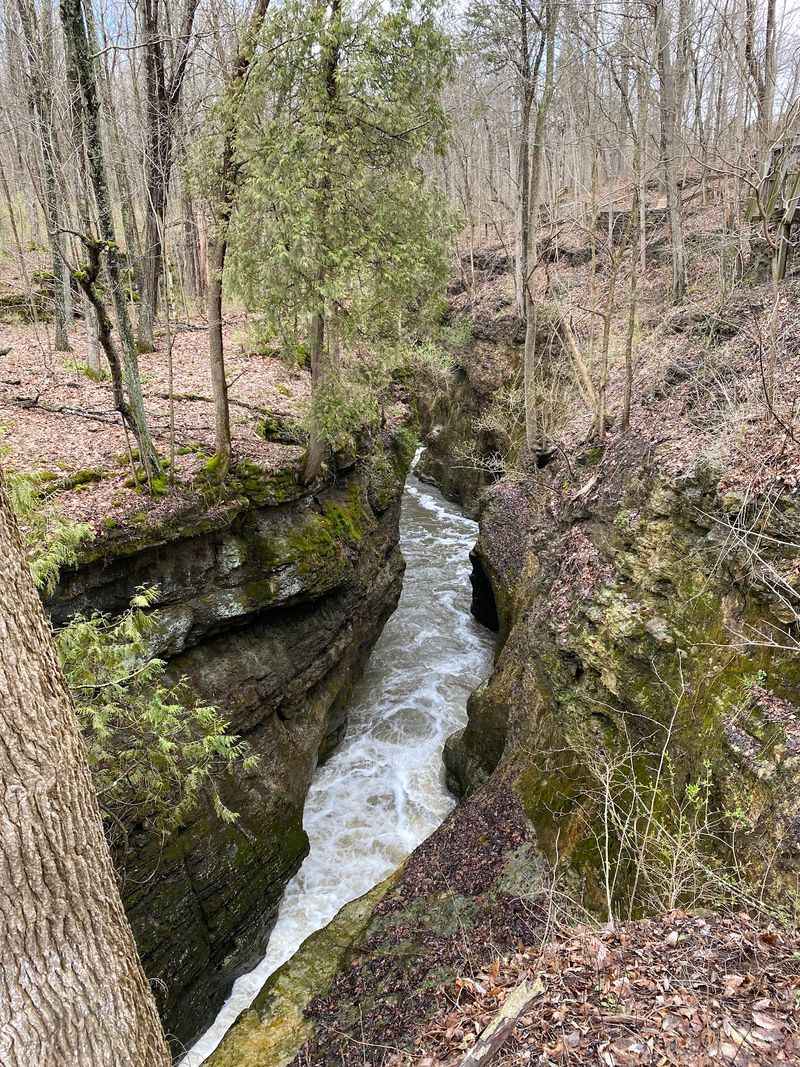
Finding Clifton Gorge is surprisingly straightforward for a place that feels so removed from everyday Ohio life. The preserve sits along OH-343 just outside Yellow Springs, a small and famously quirky town in Greene County that many Ohioans already love for its art scene and independent spirit.
What makes the location especially appealing is how close it sits to major population centers. Visitors from Columbus, Dayton, and Cincinnati can all reach the preserve within a reasonable drive, making it an easy candidate for a spontaneous day trip.
You do not need to block off a weekend or plan weeks ahead.
The address puts you right at the edge of the gorge system, and the connection to John Bryan State Park next door means the trail network extends well beyond the preserve boundaries. Arriving from Yellow Springs proper, you can even stop at nearby Clifton Mill for breakfast before heading out onto the trails.
The Geological Story Behind the Gorge
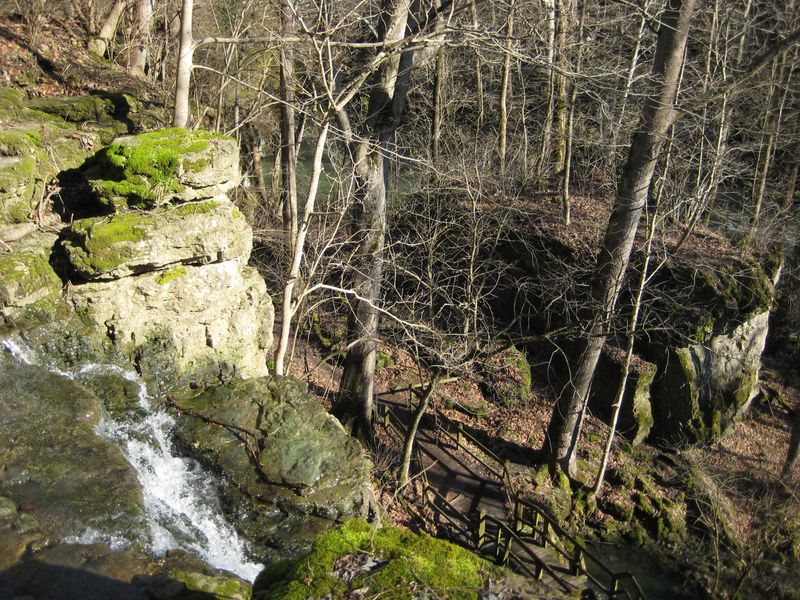
Long before Ohio was Ohio, glacial meltwater and the relentless force of the Little Miami River were doing the slow, patient work of carving what visitors now walk beside. The gorge is cut through limestone and dolomite bedrock, and the walls rise dramatically on either side of the river in a way that feels genuinely prehistoric.
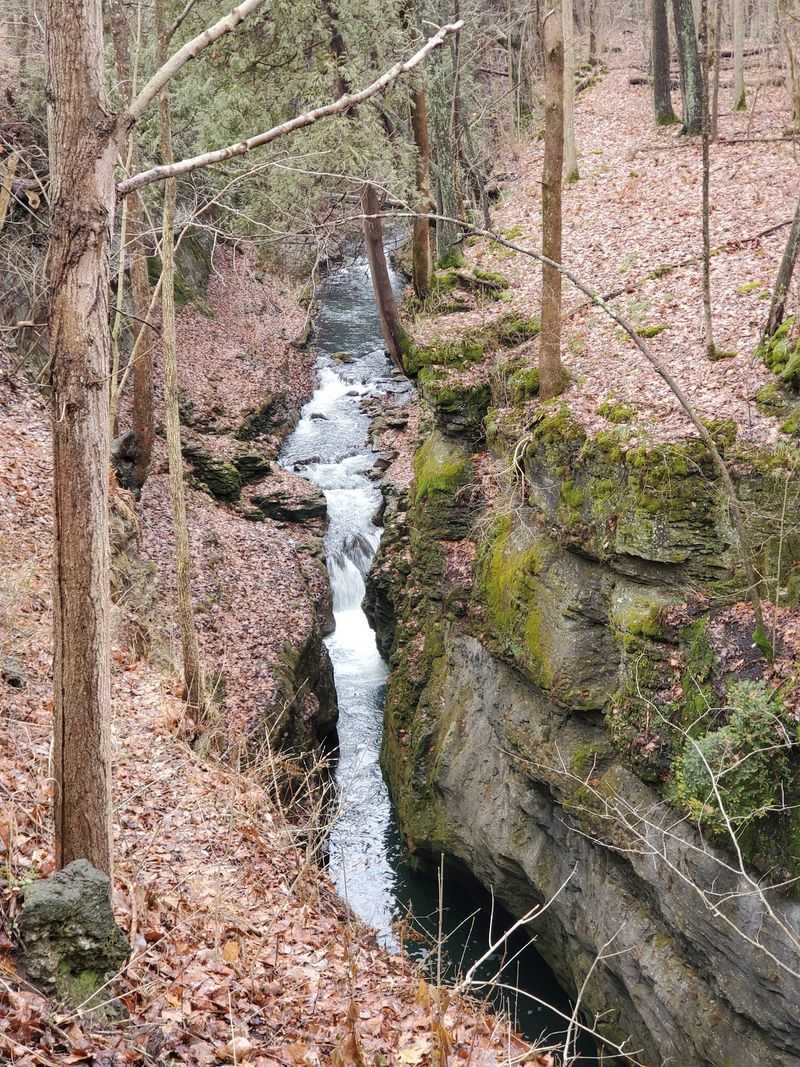
Geologists recognize the area as one of the finest examples of a post-glacial gorge in the entire state. The narrowing of the channel in certain sections – sometimes called the Narrows – creates a bottleneck where the river runs fast and loud, especially after a heavy rain.
Visitors who arrive following a wet spell often describe the river as absolutely raging, which adds a raw, powerful energy to the whole experience.
The rock layers themselves tell a story spanning hundreds of millions of years. Fossils of ancient marine organisms are occasionally visible in the exposed stone faces, a reminder that this landlocked corner of Ohio was once covered by a shallow inland sea.
Few places in the Midwest offer that kind of deep-time perspective on a casual afternoon hike.
What the Nature Preserve Classification Actually Means
Not every green space in Ohio operates the same way, and understanding the preserve designation helps set expectations before you arrive. Clifton Gorge is managed as a state nature preserve, which is a step beyond a typical state park in terms of ecological protection.
The goal is to keep the land as close to its natural state as possible, with minimal human interference.
That philosophy shows up in the rules. Trails are clearly marked, and wandering off the designated paths is discouraged – not just suggested, but actively enforced to protect native plant communities.
Visitors are even asked to brush off their shoes at the entrance to avoid accidentally introducing non-native seeds into the ecosystem. It is a level of care that reflects genuine conservation commitment rather than just bureaucratic policy.
Dogs are not permitted on the trails, which surprises some first-time visitors. The restriction exists to protect ground-nesting birds and sensitive plant species that thrive precisely because human impact is kept minimal.
For those who appreciate genuinely wild spaces, the tradeoff feels more than fair once you see what all that protection has preserved.
The Trail System and What to Expect Underfoot
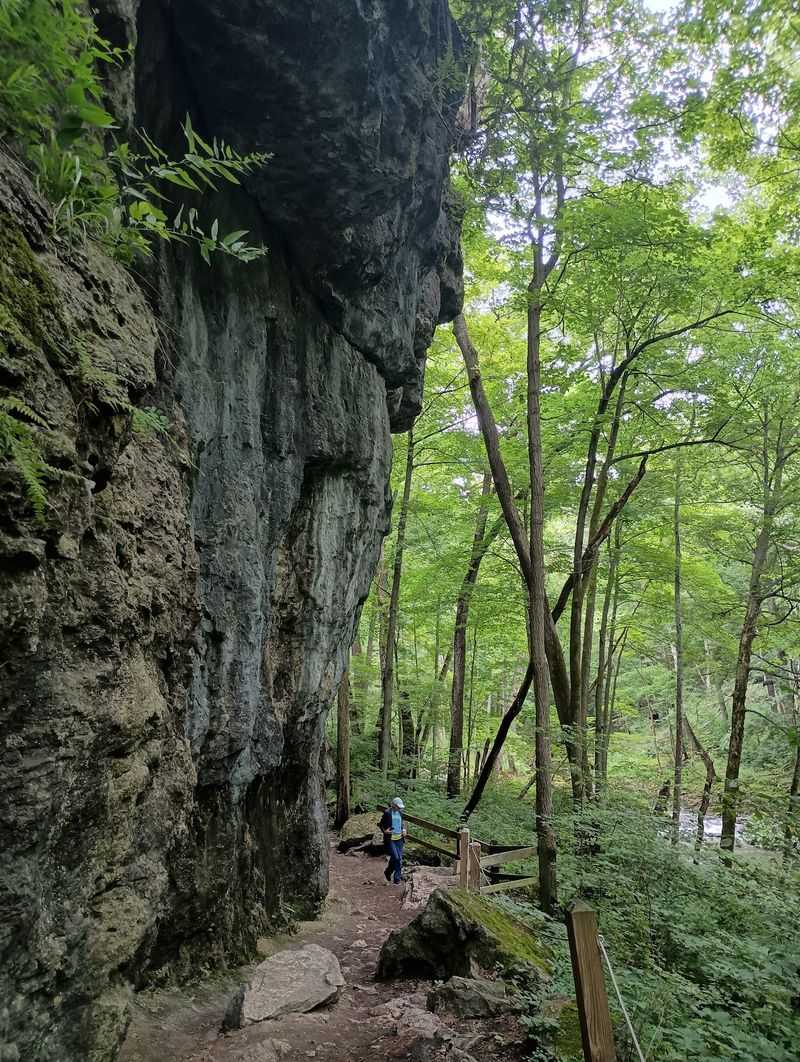
Clifton Gorge offers a trail experience that ranges from genuinely easy to legitimately challenging depending on which route you choose. The upper rim trail is accessible and relatively flat, rewarding walkers with elevated views down into the gorge without demanding much technical ability.
Wooden walkways and lookout platforms appear at intervals, giving everyone a chance to pause and take in the scenery.
The lower gorge trail is a different story. Rocky terrain, uneven footing, and steep staircases make it a workout that rewards preparation.
Visitors consistently mention that hiking shoes or sturdy footwear make a real difference, especially after rain when the rock surfaces become slick. The trail does not require technical climbing skills, but it asks for attentiveness and a reasonable level of physical confidence.
One practical note worth flagging: the trail system connects directly to John Bryan State Park, which opens up miles of additional hiking for those who want to extend their day. Many regulars plan a full loop that crosses over to the far bridge and returns, turning a short outing into an all-day adventure.
Even visitors with limited time find that just an hour on the trails offers enough scenery to make the trip worthwhile.
The Waterfalls and Moving Water
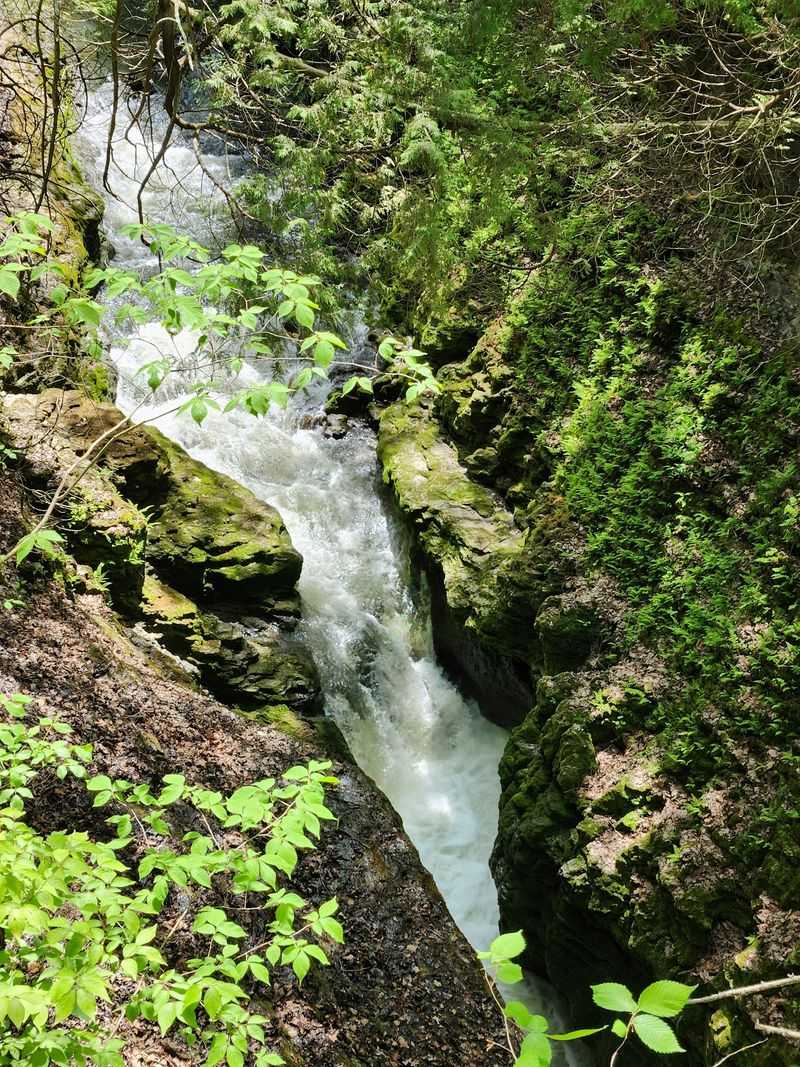
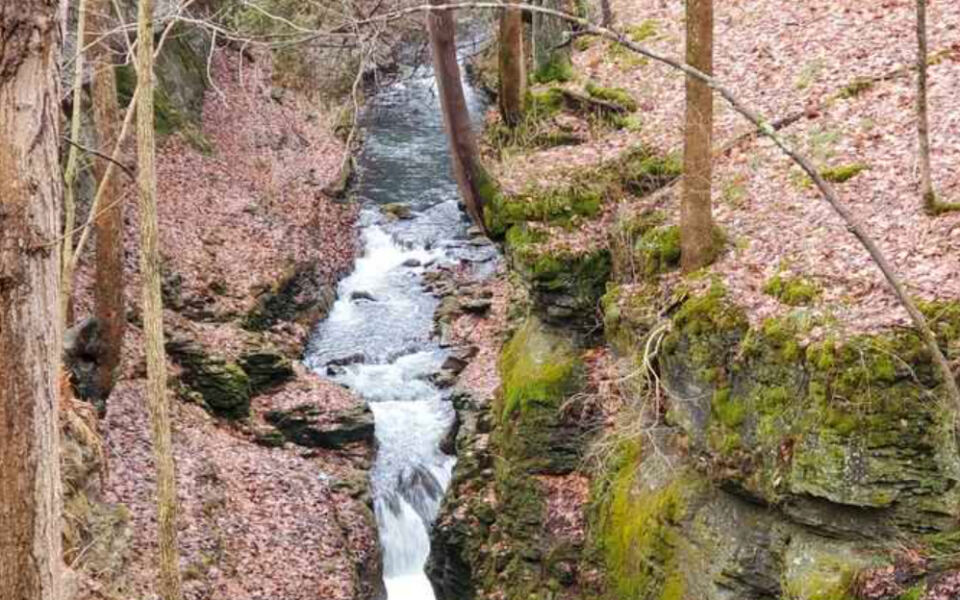
Water is the main character at Clifton Gorge, and it puts on a different performance depending on when you visit. After periods of heavy rain, the Little Miami River surges through the narrow gorge with impressive force, creating stretches of white water that visitors describe as genuinely breathtaking.
The sound alone – that constant rush and roar bouncing off stone walls – sets the atmosphere from the moment you step onto the lower trail.
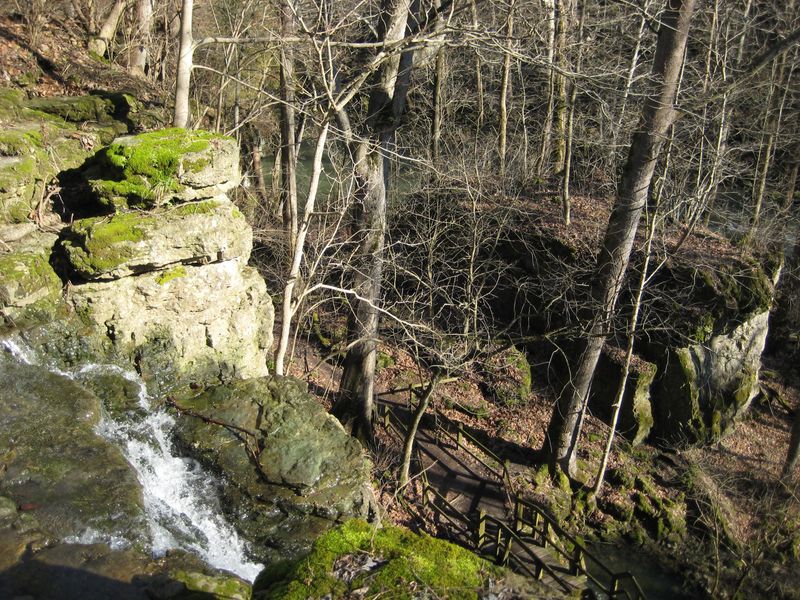
Waterfall features appear at several points along the route, where smaller tributary flows drop down the gorge walls to join the main river. Mossy rocks frame these cascades in a way that feels almost theatrical, and photographers tend to linger at these spots longer than anywhere else on the trail.
The combination of moving water, ancient stone, and overhanging forest canopy creates compositions that are hard to replicate anywhere else in southwestern Ohio.
Even during drier stretches, the river maintains enough flow to stay visually interesting. The gorge walls and rocky riverbed are always present, and the quieter water reveals details – submerged boulders, clear pools, the occasional fish – that the high-water seasons conceal.
Returning visitors often say no two trips look quite the same, which keeps the place feeling fresh year after year.
Wildflowers, Native Plants, and the Botanical Side of the Gorge
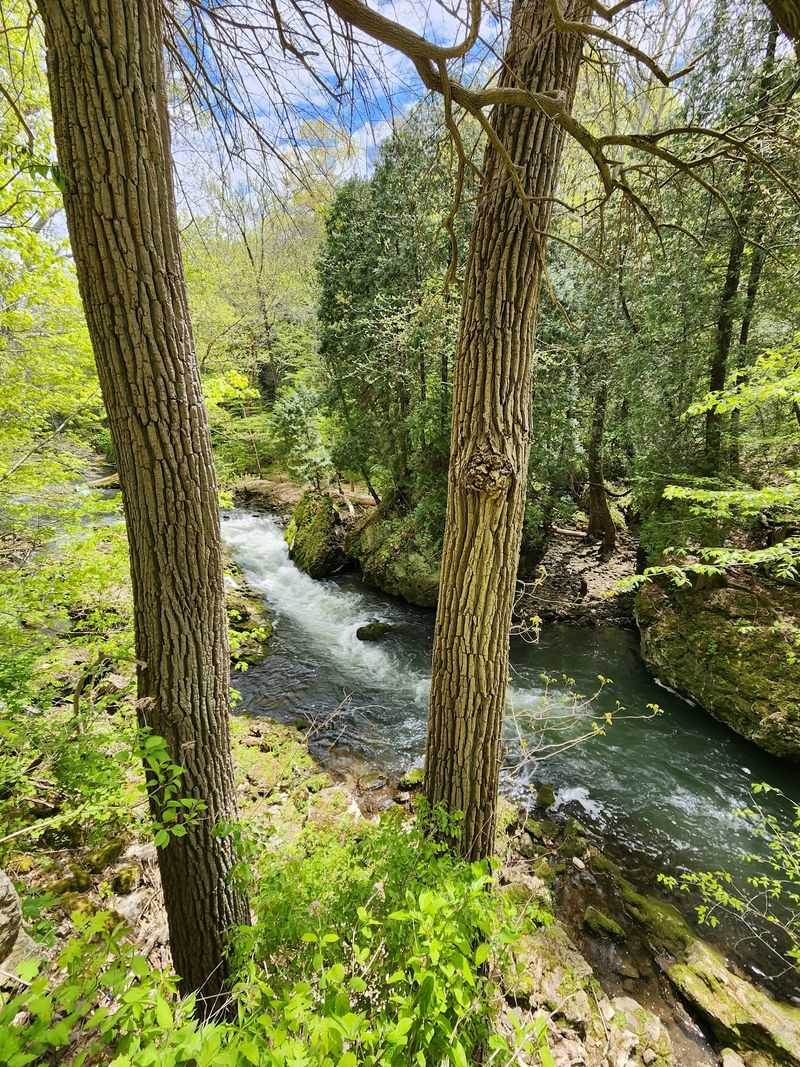
Spring at Clifton Gorge turns the forest floor into something that genuinely surprises first-time visitors. Snow Trillium, marsh marigold, and a wide range of native groundcover species bloom in succession through the season, creating a botanical display that one young visitor reportedly compared to walking through a botanical garden.
The comparison is not far off.
The preserve staff actively works to support this floral abundance. Invasive honeysuckle has been cleared in significant sections to allow native species room to reclaim the ground, and the results are visible to anyone paying attention.
Naturalists who staff the preserve occasionally walk the trails and share knowledge with visitors, pointing out rare finds and explaining the ecological relationships between plant species. Encountering a marsh marigold that turns out to be a genuinely rare sighting, as some visitors have experienced, adds a layer of discovery that no guidebook can fully replicate.
Wildflower timing varies year to year depending on winter conditions and spring temperatures, so there is always an element of pleasant uncertainty. Regular visitors note that every season brings a different cast of blooms, and even fall and winter visits reward careful observers with the stark beauty of bare limestone and skeletal tree canopy against the gorge walls.
Wildlife Spotted Along the Trails
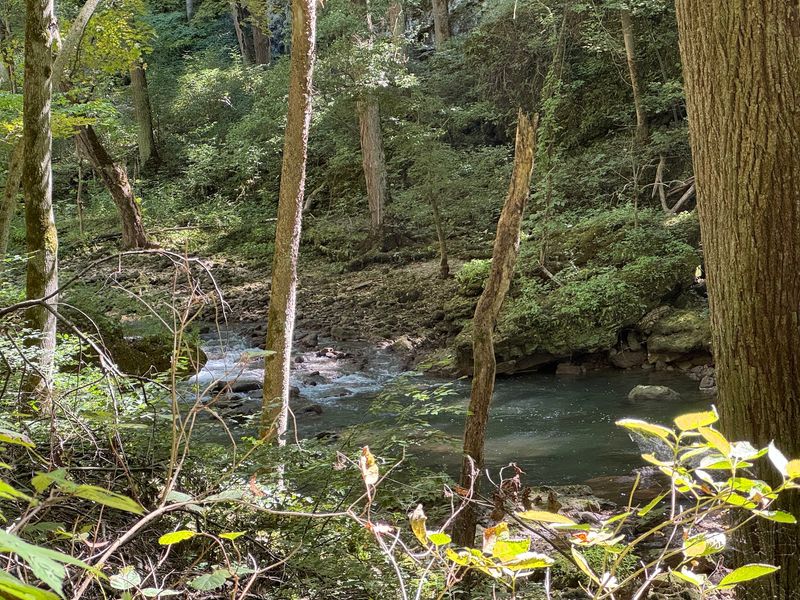
Clifton Gorge rewards patient, quiet hikers with wildlife encounters that feel genuinely earned. Deer sightings are common enough that visitors mention them almost casually in their accounts of the trail, but spotting a doe or a small group browsing near the gorge rim still carries a little thrill.
The preserve’s strict protection policies mean the animals here are relatively undisturbed, which likely contributes to how relaxed and visible they tend to be.
Bird life is equally impressive. Turkey vultures, cedar waxwings, and a rotating cast of migratory and resident species use the gorge corridor as habitat and travel route.
Photographers with even modest equipment find the preserve generous with opportunities, particularly in the early morning hours before foot traffic picks up. The mix of forest edge, open gorge, and riparian habitat along the river creates the kind of ecological variety that draws a wide range of species.
Smaller creatures are worth watching for as well. The preserve’s plant diversity supports insects, amphibians, and other wildlife that rarely get headline attention but add texture to the experience of walking through a genuinely intact natural system.
For anyone who approaches a hike with curiosity rather than just a destination in mind, Clifton Gorge consistently delivers something worth noticing.
Scenery Through the Seasons
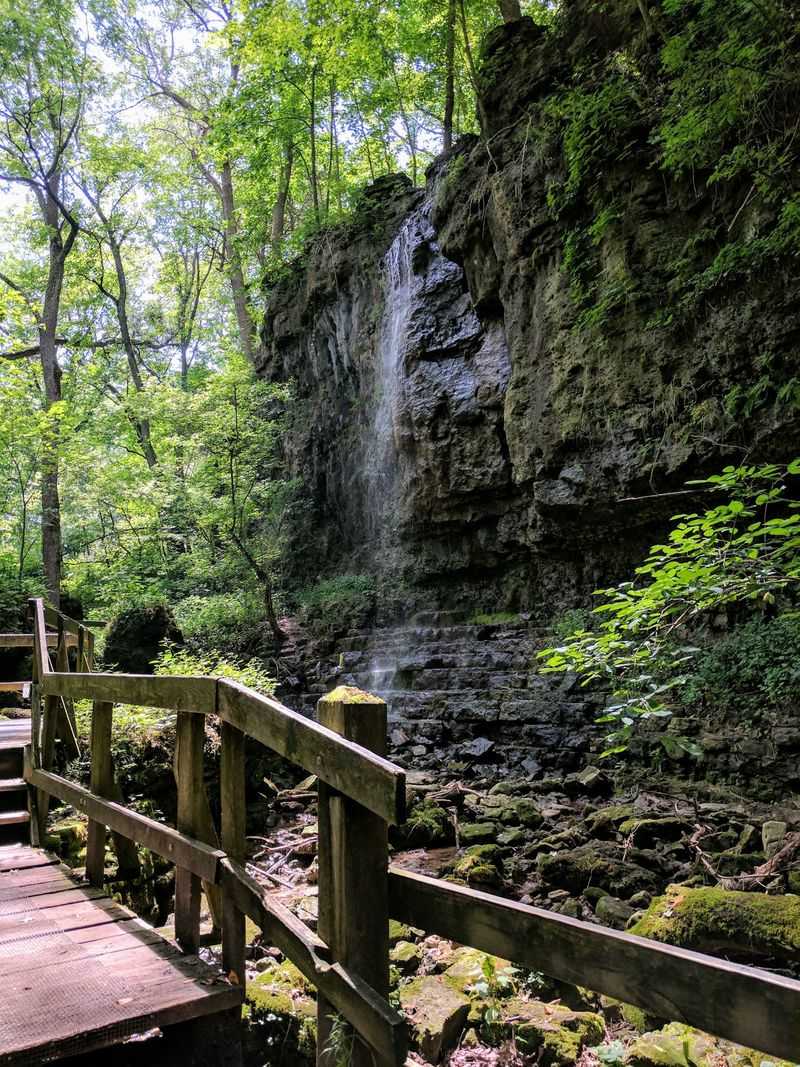
Most people assume spring and summer are the only seasons worth visiting a nature preserve, but Clifton Gorge pushes back hard on that assumption. Winter visits carry their own quiet drama – snow settles into the crevices of the limestone walls, ice forms along the river’s edges, and the absence of foliage opens up sightlines into the gorge that summer completely conceals.
Visitors who have made the trip in February describe the snow-covered views as genuinely stunning.
Fall transforms the forest canopy into a patchwork of amber, rust, and gold that frames the gorge in a completely different palette. The trails thin out a bit as summer crowds fade, which means more solitude and more chances to hear the river clearly.
Photographers who plan seasonal visits often say autumn light in the gorge hits the limestone walls at angles that summer’s dense canopy never allows.
Summer brings lush green density and the full soundtrack of a living forest, with wildflowers giving way to ferns and mosses that carpet the gorge floor. Each season essentially offers a different preserve, which is a large part of why so many visitors return repeatedly over the years.
Regulars who have been coming for over a decade report that the place never fully loses its capacity to surprise them.
How Clifton Gorge Connects to John Bryan State Park
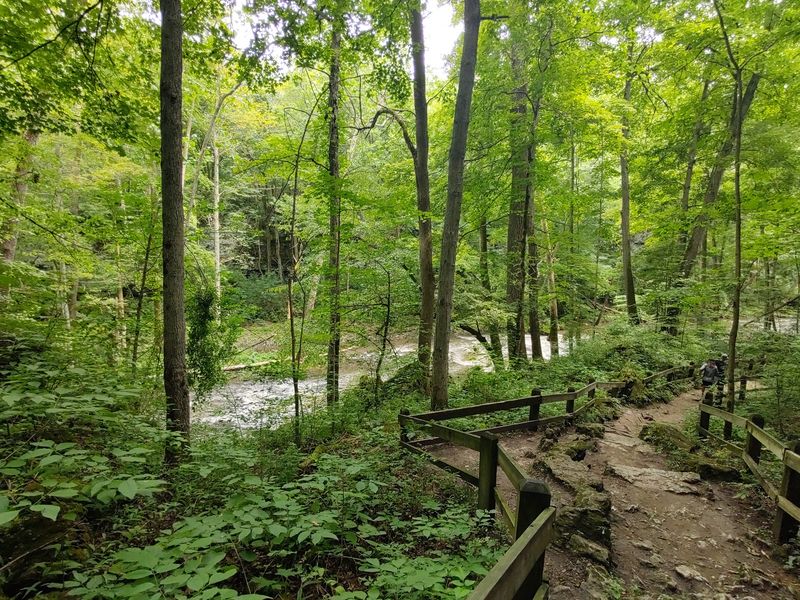
One of the more practical advantages of visiting Clifton Gorge is its seamless connection to John Bryan State Park, which shares the same gorge system and extends the trail network considerably. The two properties share trail access, meaning a hiker can start at the preserve and walk directly into the park without backtracking or moving their car.
For anyone who wants a longer outing, the combined system offers miles of varied terrain.
A popular route among regulars involves starting at Clifton Gorge, walking through to the farthest bridge in John Bryan, crossing over, and returning on the opposite bank. The full loop takes most people a solid chunk of the day, especially if they stop to photograph the gorge views along the way.
Families who have been making this exact trip for years describe it as a tradition that holds up no matter how many times they repeat it.
The park side of the trail system tends to be slightly less rocky and more accessible in certain sections, offering a gentler counterpart to the more rugged preserve trails. Together, the two properties create a connected natural corridor along the Little Miami that represents one of the more impressive public land partnerships in the region.
Planning a visit to both in a single day is not only possible but genuinely recommended.
Who the Preserve Suits Best and Accessibility Notes
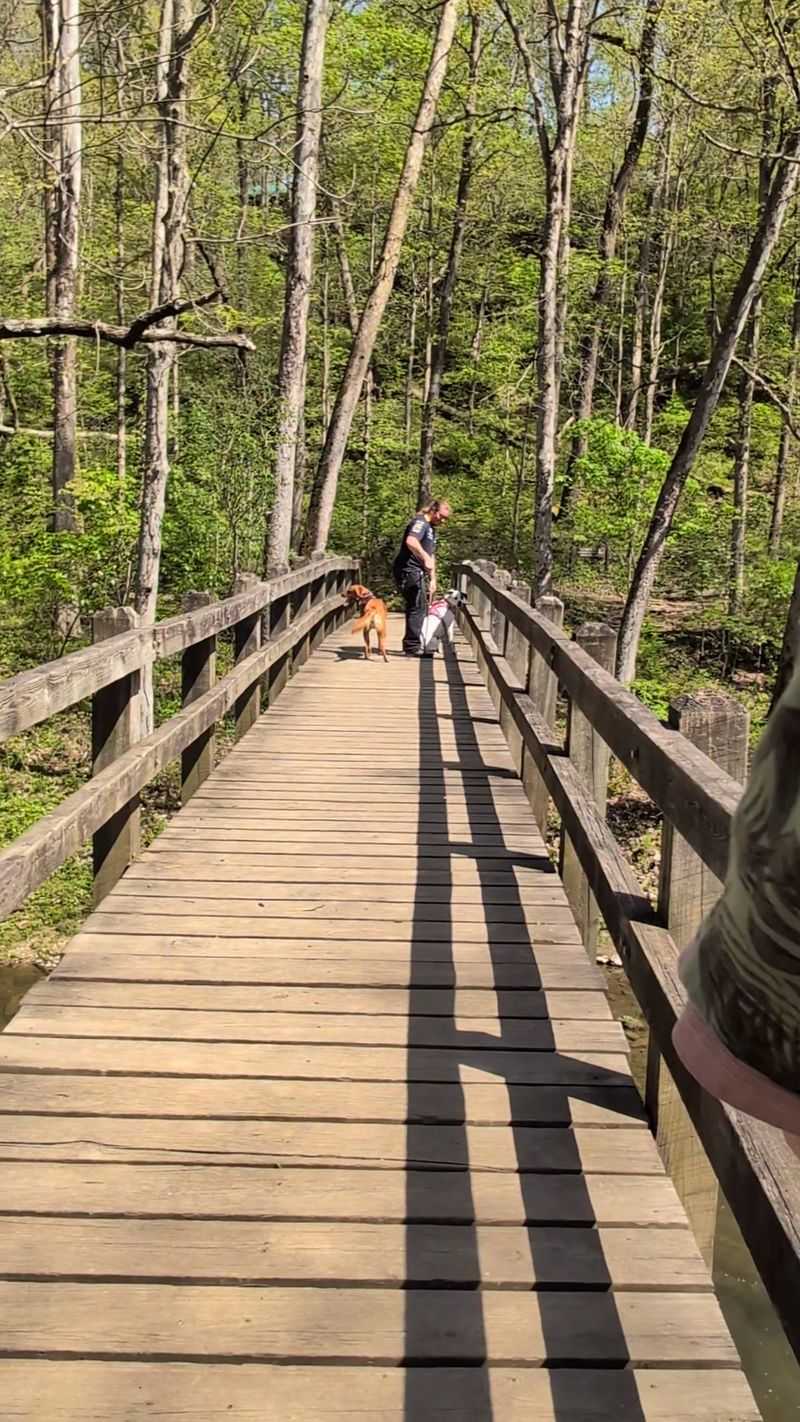
Clifton Gorge is not a preserve that works equally well for every visitor, and being honest about that upfront saves frustration. The upper rim trail is genuinely manageable for most adults with average fitness, featuring wooden walkways and relatively even footing in key sections.
The lower gorge trail, with its steep staircases, rocky surfaces, and uneven terrain, demands more from the body and the attention span.
Visitors who use wheelchairs, strollers, or mobility aids will find the gorge trails largely impassable. The terrain simply does not accommodate wheeled equipment, and the steep stairs present a real barrier.
Those with balance concerns or joint issues should stick to the rim trail and the viewing platforms, which offer substantial scenery without the physical demands of the lower route.
Children who are steady on their feet and comfortable with uneven ground tend to love the place – the rocky landscape reads as an adventure rather than an obstacle to younger hikers. Older kids and teenagers especially respond well to the dramatic gorge scenery.
Adults looking for a workout that feels meaningful rather than mechanical will find the lower trail genuinely satisfying. The key is matching your expectations to the terrain before you lace up your shoes.
Practical Visiting Information – Hours, Rules, and Getting There
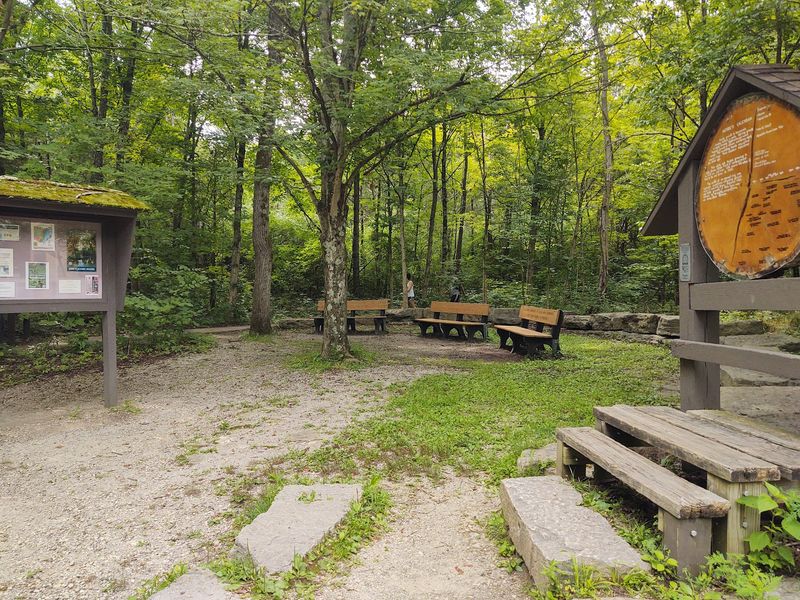
Clifton Gorge State Nature Preserve is open every day of the week from 8 AM to 8 PM, which gives visitors a generous window that covers everything from early morning hikes to late afternoon strolls as the light softens. There is no admission fee to enter, which makes it one of the more accessible natural destinations in Ohio for families or anyone watching a budget.
The preserve sits at 2381 OH-343 in Yellow Springs, Ohio. Parking is available near the entrance, and a separate lot near the mill provides an alternative starting point for those who want to combine a meal with their visit.
The nature center midway through the trail system includes restroom facilities, which is a welcome practical detail on a longer hike. Phone contact for the preserve goes through the Ohio Department of Natural Resources at 614-265-6453.
A few rules worth knowing before arrival: no pets are allowed on the trails, staying on marked paths is required, and visitors are asked to clean their footwear at the entrance to protect native plant communities. Parking lot closures can occur during construction or maintenance periods, so checking the ODNR website before a long drive is a reasonable precaution.
The official site is listed through ohiodnr.gov for current conditions and updates.
The Atmosphere That Sets Clifton Gorge Apart
Some natural places feel curated, almost theme-park-like in their tidiness. Clifton Gorge does not operate that way.
The preserve has an untouched quality that is immediately apparent once you step off the parking lot and onto the trail – the kind of atmosphere that reminds you what Ohio looked like before most of it was converted to farmland and subdivisions.
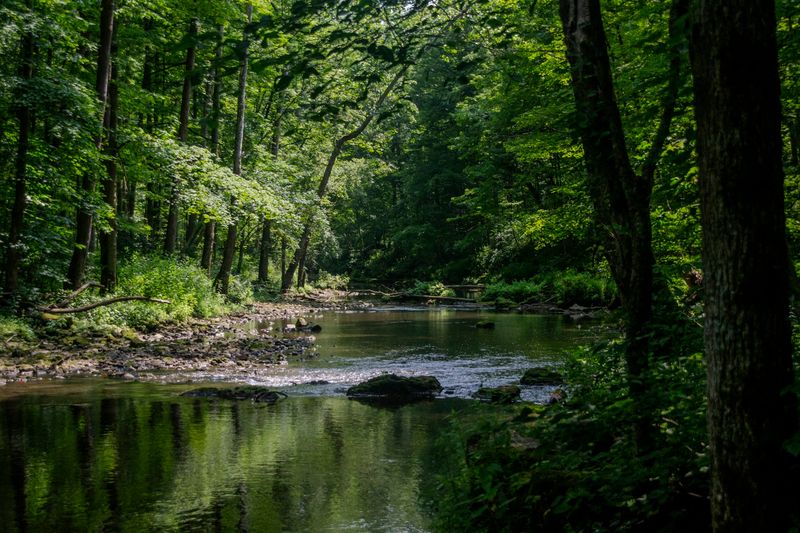
Dappled light moves across the trail as the tree canopy shifts in the breeze. The sound of the river reaches you before you see it, growing louder as the trail descends toward the gorge floor.
Moss covers the boulders in dense green patches, ferns crowd the shadier sections of trail, and the air carries that particular earthy freshness that only exists in places where the soil is genuinely alive. Visitors consistently describe a sense of calm that settles in quickly and lingers after they leave.
Midweek visits and early morning arrivals offer the most solitude, though even busier weekend days tend to feel manageable given the trail length. The preserve’s size and layout spread visitors out naturally, so it rarely feels crowded even when the parking lot is full.
For anyone who has felt the pull of places like Hocking Hills but wanted something closer to home, Clifton Gorge delivers a comparable sense of wonder at a fraction of the drive.
A Final Read on Whether the Trip Is Worth It
Clifton Gorge earns its reputation honestly. The combination of dramatic limestone geology, moving water, native plant diversity, and connected trail systems creates a destination that punches well above its weight for a free public preserve in the middle of Ohio.
Visitors who arrive expecting a pleasant walk leave having experienced something closer to genuine awe.
The place is not without its limitations. The rocky terrain excludes some visitors, pets are prohibited, and portions of the trail require careful footing that not everyone is prepared for.
Anyone expecting manicured paths and easy access to all viewpoints will need to adjust their expectations. But for those who come ready to engage with the landscape on its own terms, the rewards are substantial.
What makes Clifton Gorge stick in the memory is that feeling of discovering something improbable in a familiar state. Driving through Greene County, nothing about the surrounding landscape hints at the gorge waiting just off the road.
That contrast – ordinary Ohio exterior, extraordinary natural interior – is exactly the kind of payoff that makes a day trip feel like a genuine adventure. Go at least once.
Odds are strong you will start planning a return visit on the drive home.
Share this story