There is a place in Pennsylvania where you can paddle a 27-mile reservoir in the morning, ride an ATV through hardwood forests in the afternoon, and fall asleep under a canopy of stars that night. Most people have never heard of it, and that is honestly their loss.
Pennsylvania’s only National Forest stretches across more than half a million acres in the northwestern corner of the state, covering four counties and offering an almost ridiculous variety of things to do year-round. I first heard about this place from a friend who described it as the kind of spot where you show up for a weekend and start rescheduling your entire week.
After visiting, I completely understood what he meant. From ancient old-growth groves and wild scenic rivers to hundreds of miles of snowmobile trails and some of the best fall foliage drives in the Northeast, this forest rewards every type of traveler who makes the trip.
Keep reading, because what this place offers goes far deeper than you might expect.
Pennsylvania’s Only National Forest: Location and First Impressions
The Allegheny National Forest spans over 513,000 acres across Warren, McKean, Forest, and Elk counties in northwestern Pennsylvania, making it the state’s sole National Forest. The administrative headquarters sit in Warren, PA, at 4 Farm Colony Drive, while a key ranger station serves the Marienville area at 131 Smokey Lane, Marienville, PA 16239, reachable at (814) 927-6628.
The forest sits roughly 100 miles northeast of Pittsburgh, putting it within a day’s drive of Erie, Cleveland, and Buffalo. That accessibility is part of what makes it so popular, yet the sheer size of the place means crowds rarely feel overwhelming once you step beyond the main entry points.
The forest operates under the motto “Land of Many Uses,” balancing timber production, watershed protection, wildlife habitat, and outdoor recreation. My first hour there made it clear this was no ordinary state park.
The scale of the landscape catches you off guard in the best possible way, and the variety of things to do practically demands a return visit before you have even left.
A History Written in Tree Rings and Timber Towns
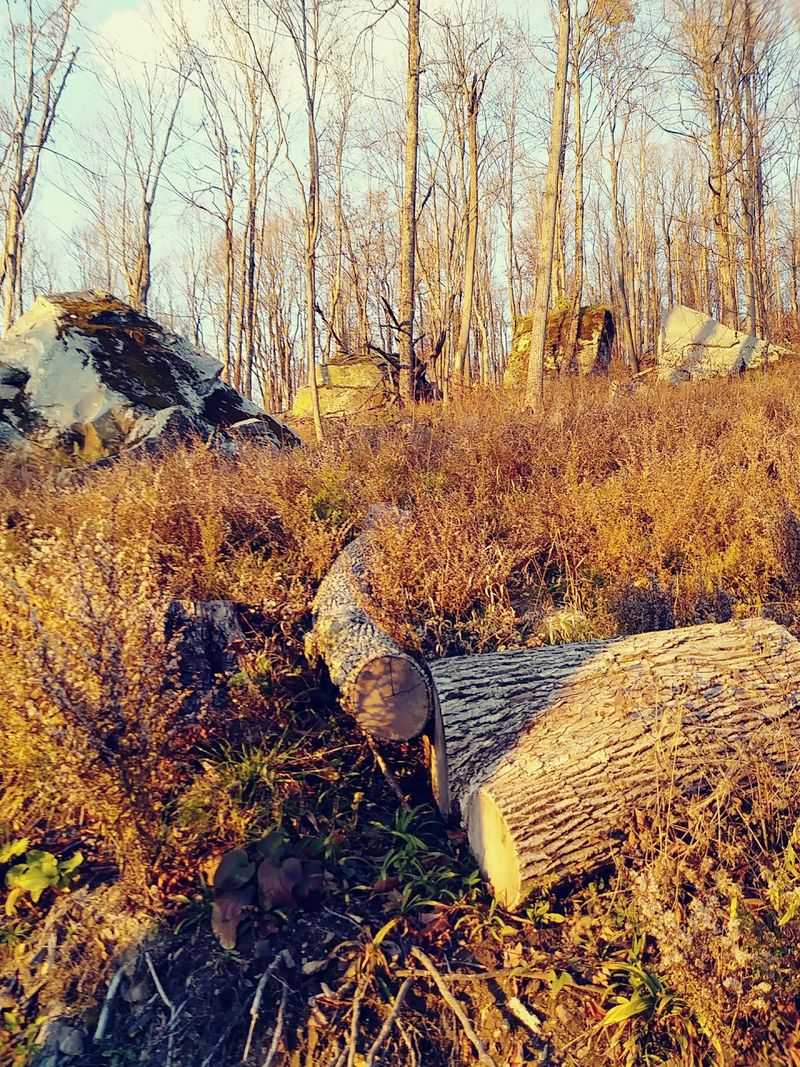
Before the late 1800s, this land was blanketed in towering old-growth hemlock and beech trees, home to Seneca and Lenape communities for generations. Then came the industrial logging era, roughly 1890 to 1930, when the demand for hemlock bark tannins and raw timber led to nearly complete clear-cutting of the original forest.
Locals at the time called the resulting wasteland the “Allegheny Brush-patch,” which is not exactly a name that inspires hiking brochures.
That widespread deforestation helped push Congress to pass the Weeks Act in 1911, which allowed the federal government to purchase eastern lands for National Forest designation. The Allegheny National Forest was officially established on September 24, 1923.
What grew back was different from what was lost. Sun-loving hardwoods like black cherry, red maple, and sugar maple filled the landscape, now known collectively as “Allegheny hardwoods.” That story of near-total loss followed by a century of careful recovery is genuinely remarkable, and the forest you walk through today is living proof that conservation efforts can reshape an entire landscape.
The Kinzua Dam, the Reservoir, and the Wild Rivers That Define the Waterscape
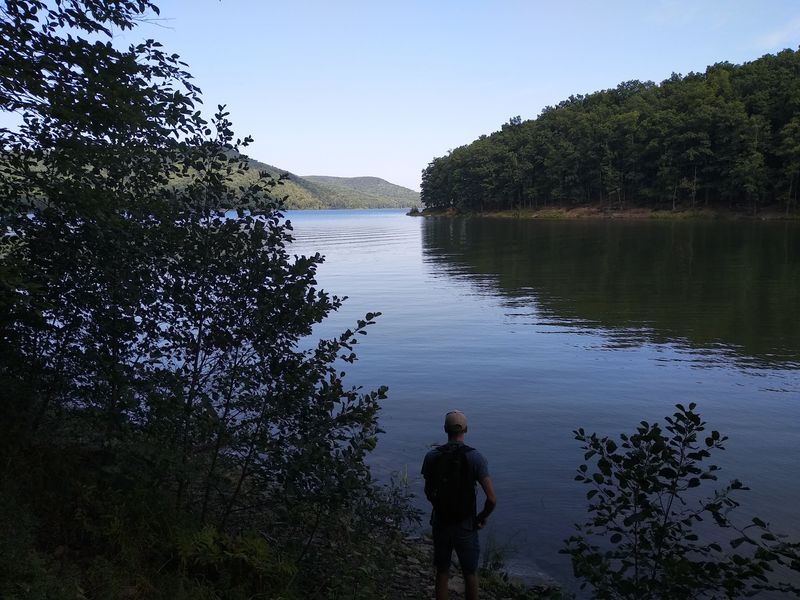
Water is absolutely central to the Allegheny National Forest experience, and the Kinzua Dam is the crown piece. Completed in 1965, the dam impounds the Allegheny River to create a 27-mile-long reservoir with over 90 miles of shoreline.
The sheer scale of it surprises first-time visitors who expect a modest lake and instead find something that looks closer to an inland sea surrounded by forest.
The reservoir draws kayakers, canoeists, motorboaters, and anglers chasing northern pike, walleye, brown trout, and channel catfish. Wolf Run Marina offers boat rentals for those who arrive without their own watercraft, and the marina hosts live music on Sundays, which is a genuinely pleasant bonus after a long day on the water.
Beyond the reservoir, the Allegheny River and the Clarion River both hold Wild and Scenic River designations, protecting 86.6 miles and 51.7 miles of their natural beauty respectively. Swimming is available at designated beaches, though no lifeguards are on duty, so awareness and caution are essential companions at every shoreline stop.
Over 600 Miles of Trails for Hikers and Backpackers of Every Skill Level
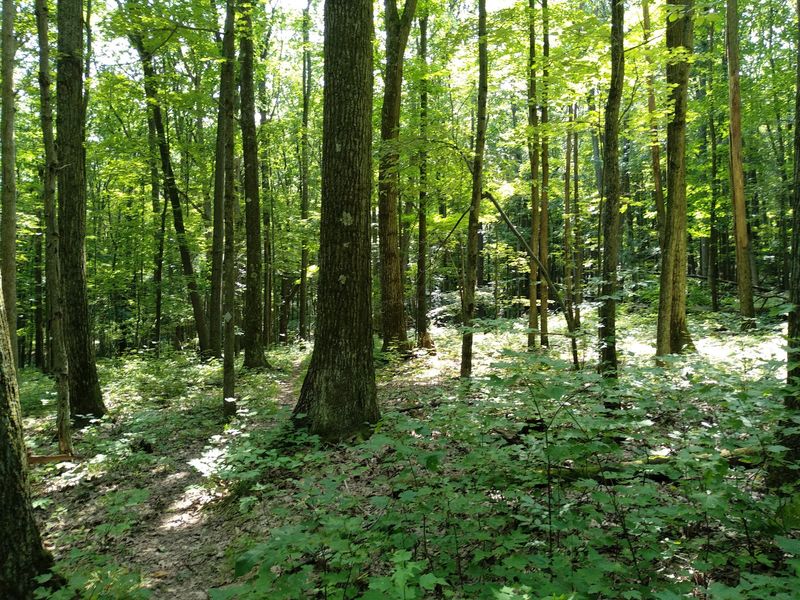
The trail network here is genuinely staggering. With over 600 miles of dedicated hiking, biking, and backpacking routes, and some sources citing more than 1,600 miles of hikeable pathways throughout the forest, there is enough terrain to keep even the most ambitious trail-seeker busy for years.
The North Country National Scenic Trail cuts through the forest for about 96 miles, guiding hikers past old-growth stands and rewarding them with sweeping views of the Allegheny Reservoir.
For a shorter but memorable experience, the Hearts Content Trails cover 7.8 miles through ancient woodland where you can still spot evidence of a powerful F-4 tornado that swept through decades ago. The Hickory Creek Wilderness Trail spans 8.8 miles and is beloved for its rock formations and dense, untamed beauty, while the Minister Creek Trail runs 10 miles past boulder fields that genuinely make you feel small.
Families and casual walkers are equally welcome here. The Shawmut Trail offers a gentle 2-mile loop, and the Knox and Kane Rail Trail provides an easy 4.4-mile flat path that forms part of a system eventually connecting to Kinzua Bridge State Park.
Every trail feels like its own distinct adventure.
ATV Trails, Snowmobile Runs, and the Thrill of Motorized Adventure
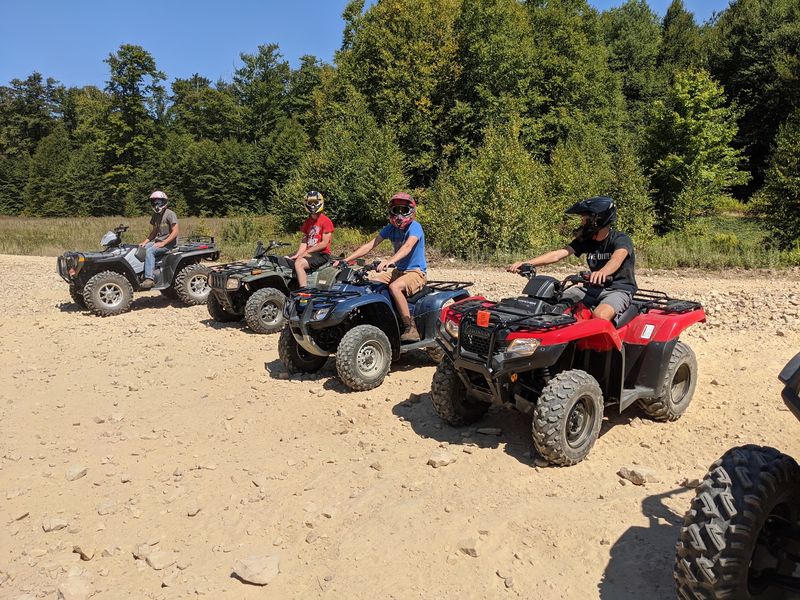
Marienville has earned a genuine reputation as the epicenter of motorized recreation in the Allegheny National Forest, and it is easy to see why. The forest contains over 100 miles of designated ATV trails, with the largest interconnected system, spanning 76 continuous miles, running between Marienville and Kane in the southern portions of the forest.
That stretch becomes especially lively during the “Tour-De-Forest” events held each May and October, which draw close to a thousand riders ready to put those trails to serious use.
ATV trails generally open from late May through September, timed to the warmer months when conditions are best. When winter arrives and snow blankets the rolling terrain, the forest transforms into a snowmobiler’s paradise with over 300 miles of interconnected trails.
Popular staging areas like Willow Creek and Timberline offer convenient access to these winter systems.
Mountain bikers also have a dedicated playground at the Jakes Rocks Mountain Bike Trail system, which offers over 30 miles of purpose-built routes with technical climbs, fast descents, and rock formations that keep riders fully engaged from start to finish. The variety of motorized and non-motorized options here is hard to match anywhere else in Pennsylvania.
The Longhouse Scenic Byway and the Views That Stop You Mid-Sentence
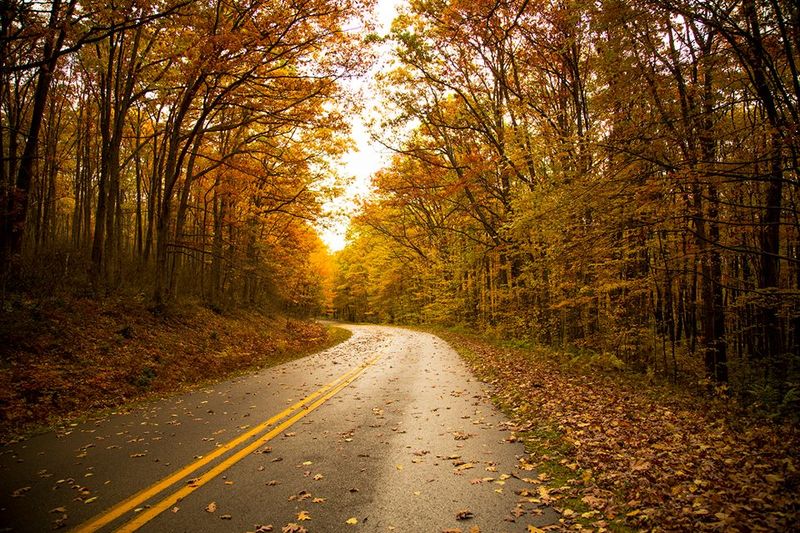
Not every great forest experience requires a trail map and hiking boots. The Longhouse National Scenic Byway offers a 36-mile loop that winds around the Kinzua Creek Arm of the Allegheny Reservoir, and it ranks among the most visually rewarding drives in all of Pennsylvania.
During autumn, the hardwood canopy along this route ignites in shades of red, orange, and gold that make even the most distracted driver slow down and stare.
Several overlooks punctuate the byway, giving you natural pauses to step out and take in the scenery. Rimrock Overlook delivers particularly expansive views across the reservoir, with the water shimmering far below and forested ridgelines rolling toward the horizon in every direction.
Jakes Rocks, popular with mountain bikers for its trail system, also offers panoramic vistas that showcase the rugged, boulder-strewn character of the landscape.
The byway works beautifully in every season, shifting from lush green corridors in summer to snow-framed passages in winter. It is the kind of drive that turns a simple afternoon into a memory you keep talking about long after you have returned home, and it requires nothing more than a full tank and a willingness to pull over often.
Wildlife Watching in a Forest That Teems with Life

The biodiversity packed into the Allegheny National Forest is genuinely impressive. The forest supports over 250 bird species, 50 mammal species, 25 amphibians, 20 reptiles, 80 fish species, and even 25 types of freshwater mussels.
Moving quietly along any trail increases your chances of spotting white-tailed deer, black bears, wild turkeys, grey foxes, and the constant cheerful activity of squirrels and chipmunks.
Birdwatchers have particular reason to celebrate here. Bald eagles are a regular sight above the Allegheny Reservoir, and colorful warblers fill the hardwood canopy during spring migration.
Herons wade patiently near Buzzard Swamp Wildlife Viewing and Hiking Area, a special management zone with 11.2 miles of trails specifically designed for optimal wildlife observation. The Timberdoodle Flats loop off Route 59 is another favorite for birding enthusiasts.
Geological wonders add another layer to the experience. Massive glacial boulders, some as large as houses, are scattered through areas like Minister Creek, Jakes Rocks, and Rimrock, and it is not unusual to spot trees growing directly out of solid rock formations.
The Hearts Content Scenic Area preserves old-growth forest where the lasting marks of the 1985 F-4 tornado still remind visitors how powerful natural forces can be.
Camping Options That Range from Cozy Developed Sites to True Backcountry Solitude
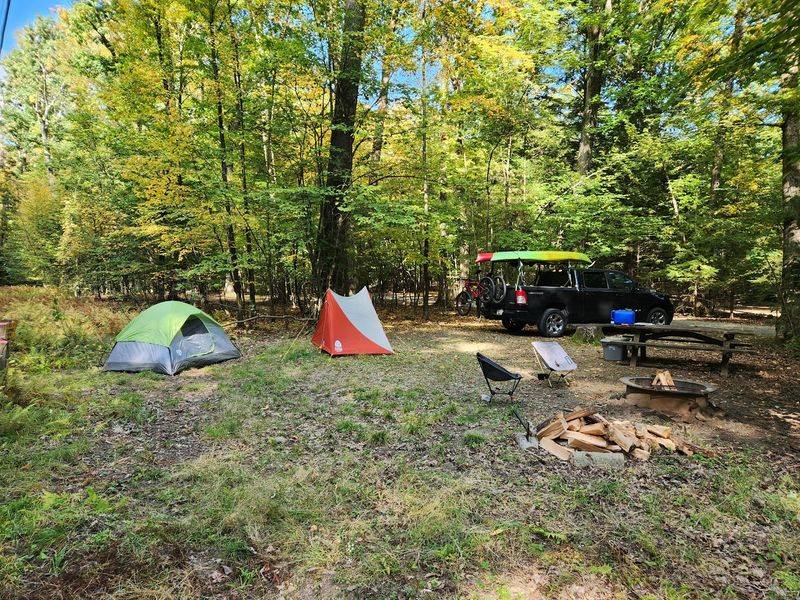
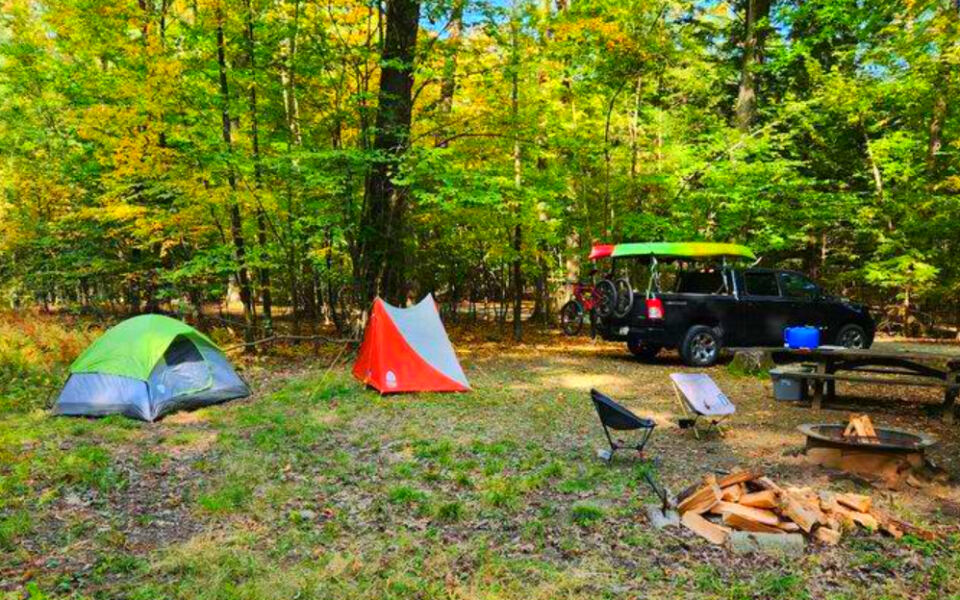
There are 17 distinct campgrounds spread across the Allegheny National Forest, covering a wide range of comfort levels and settings. Hearts Content Recreation Area is one of the most celebrated, set within old-growth woodland that gives every campsite a sense of quiet grandeur.
Dewdrop Campground sits conveniently along the Longhouse National Scenic Byway, making it an ideal base for those planning scenic drives and nearby trail explorations.
Buckaloons Recreation Area offers a beautiful riverside setting along the Allegheny Wild and Scenic River, perfect for anglers and paddlers who want to roll out of their sleeping bags and straight onto the water. For something uniquely remote, primitive reservoir campgrounds accessible only by boat provide a level of seclusion that feels genuinely off the grid.
Dispersed camping is permitted throughout most of the forest, giving experienced campers the freedom to find their own quiet corner of the wilderness. Horse camping is also available, adding yet another option for visitors traveling with equine companions.
Reservations for developed sites open months in advance through Recreation.gov, and the most desirable spots fill up fast, so planning early is not just helpful but essentially necessary for a stress-free stay.
Seasonal Rhythms: How the Forest Changes from One Month to the Next
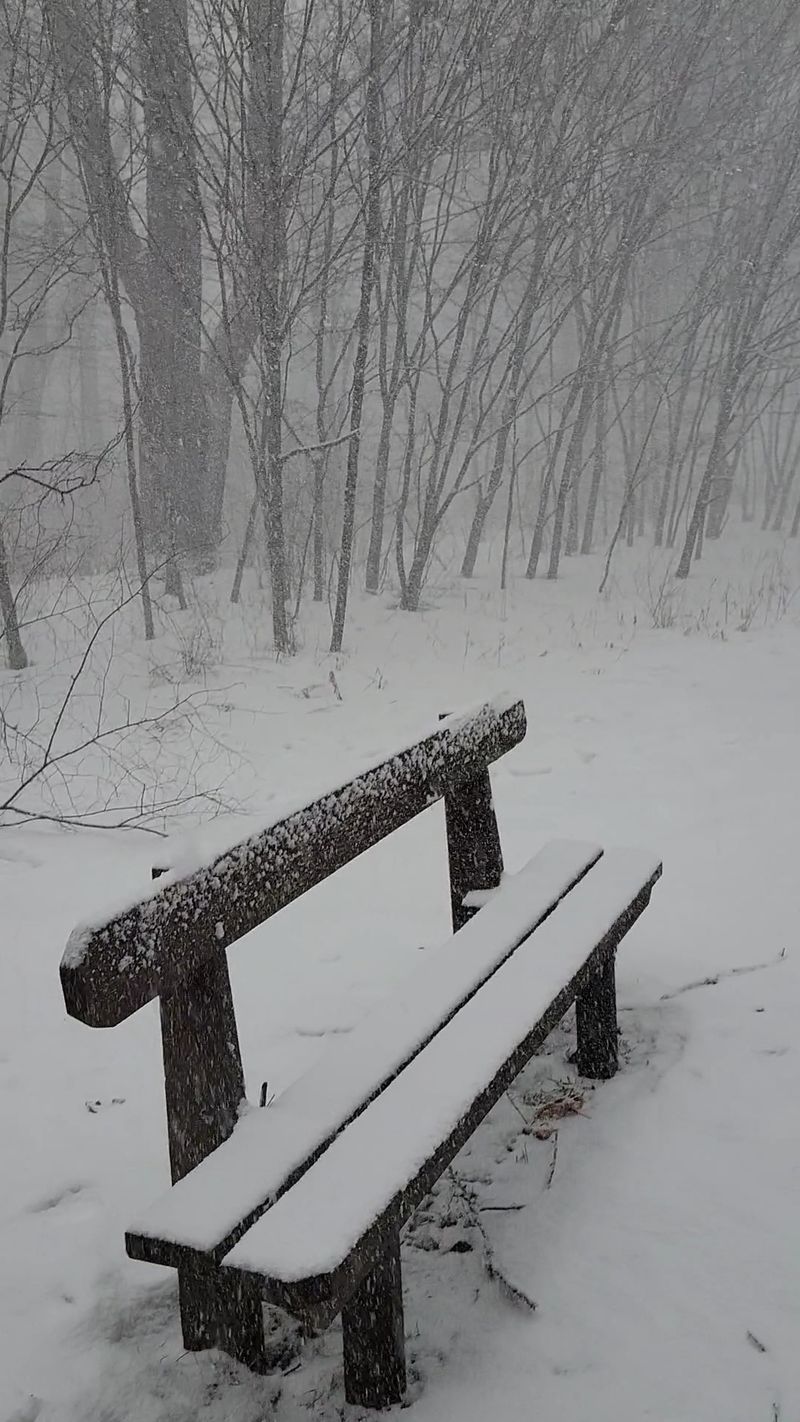
One of the most compelling things about the Allegheny National Forest is that it genuinely delivers a different experience depending on when you visit, and none of the seasons feel like a consolation prize. Autumn is widely considered the peak time, when the hardwood canopy erupts in shades of red, gold, and orange that make the Longhouse Scenic Byway feel like something out of a painting.
Fall foliage seekers arrive from across the Northeast, and with good reason.
Winter brings a quieter but equally thrilling version of the forest. Snowmobilers claim the 300-plus miles of groomed trails, and cross-country skiers and snowshoers find peaceful corridors through snow-draped woodlands.
The staging areas at Willow Creek and Timberline become lively hubs once the snow settles in, typically from December onward.
Spring opens the ATV trails and draws birders eager for migration season, while summer fills the reservoir with boaters and the campgrounds with families. Planning your visit around what you most want to experience is smart, but honestly, showing up in any season and letting the forest surprise you works just as well.
The place has a way of delivering something memorable no matter what month you arrive.
Practical Tips for Making the Most of Your Visit
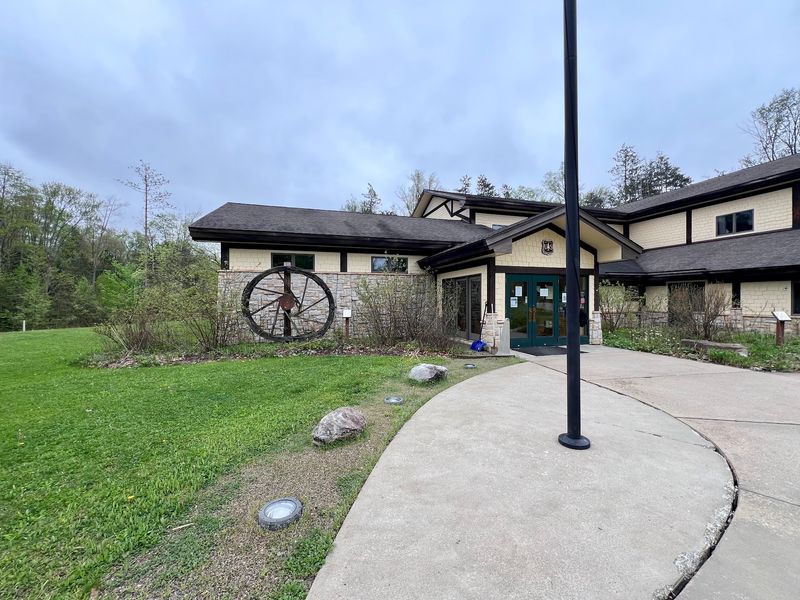
A little preparation goes a long way when visiting a forest this large. The Marienville Ranger District Office at 131 Smokey Lane, Marienville, PA 16239, phone (814) 927-6628, is the best first stop for current trail conditions, road closures, and any permit requirements.
The Allegheny National Forest Headquarters in Warren at 4 Farm Colony Drive can be reached at (814) 723-5150 for broader planning questions.
Campground reservations open several months in advance through Recreation.gov, and the most popular sites, particularly at Hearts Content and Dewdrop, fill up quickly during peak seasons. Booking early is the single most effective way to avoid disappointment.
Swimming at designated beaches is permitted but entirely at your own risk, as no lifeguards are stationed anywhere in the forest.
Wearing layers and carrying rain gear is wise regardless of the season, since weather in the Allegheny Plateau region can shift quickly. Moving quietly on trails dramatically improves your chances of wildlife encounters.
Cell service is limited in many areas, so downloading offline maps before you arrive is a practical habit that saves a surprising amount of frustration once you are deep in the trees and trying to find your way back to camp.
Share this story