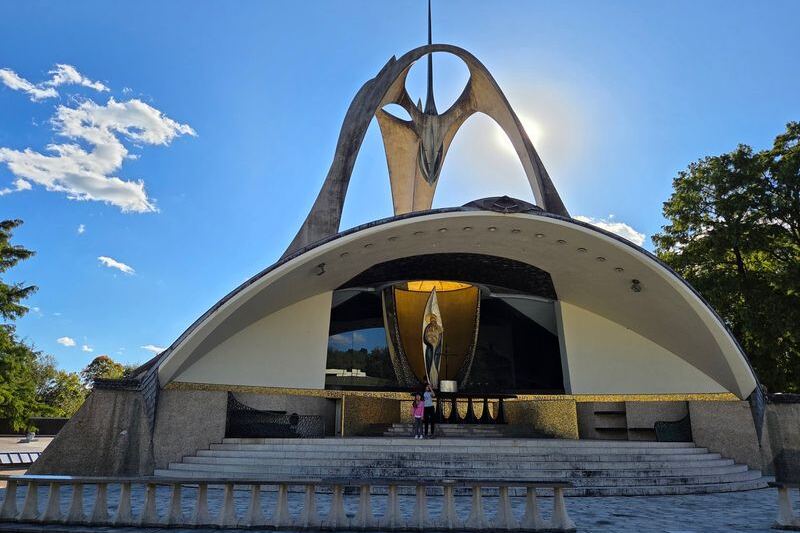
Illinois has a way of hiding its best surprises in plain sight, tucked between strip malls and suburban streets where you’d least expect to stumble onto something truly special. Most people drive past this particular corner of the state without a second glance, which is exactly what makes finding it feel like a small personal victory.
Once you step inside, though, the noise of ordinary life fades fast, and you start wondering how a place this quietly magical stayed off your radar for so long. Pack your walking shoes and bring your curiosity, because this one earns the trip.
Location and Identity of the Park
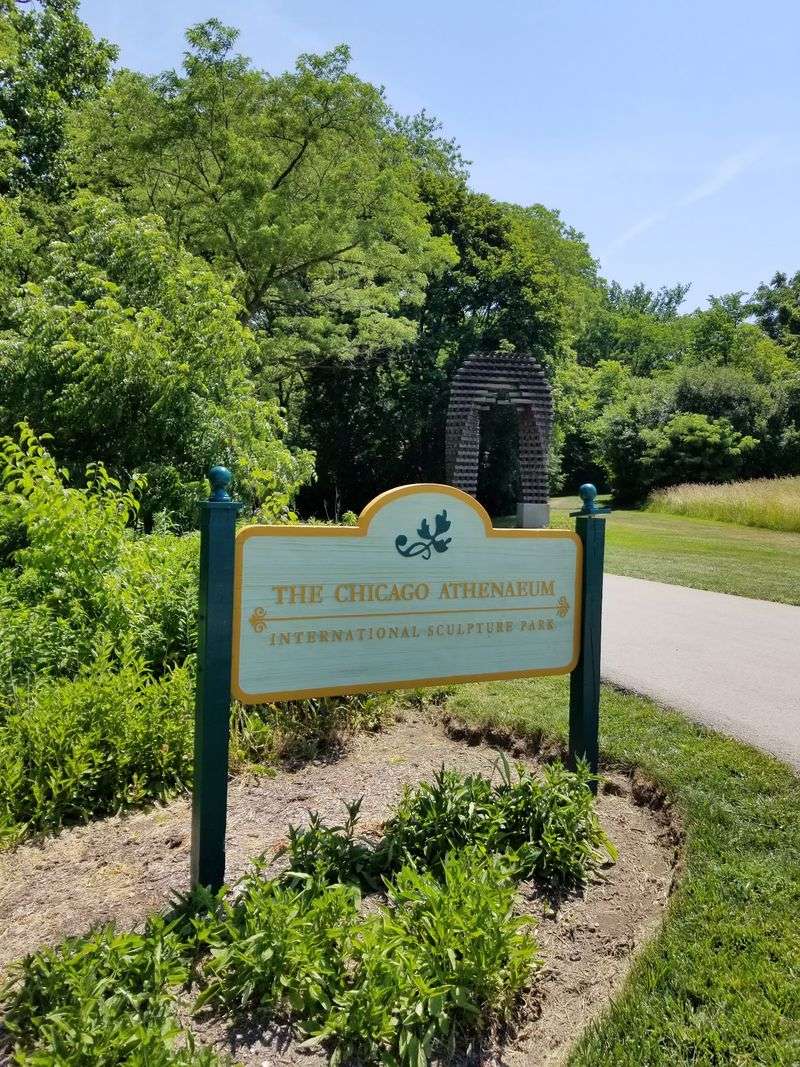
Tucked into a quiet residential pocket of Schaumburg, Illinois, the Schaumburg Sculpture Park sits at 201 Schaumburg Ct and manages to feel like a world apart from the suburbs surrounding it. The moment you pass the entrance, the ambient hum of everyday life softens noticeably, replaced by birdsong, rustling leaves, and the occasional splash from a fountain-fed pond.
Operated by the Village of Schaumburg, the park pairs an open-air sculpture collection with walking trails, green lawns, a small lake, and a peaceful woodland path. It is the kind of place that earns a second and third visit, not because it demands your attention, but because it rewards it.
Visitors who arrive expecting a modest roadside attraction tend to leave pleasantly caught off guard. The scale, the care in the landscaping, and the genuine quality of the artwork on display make it clear that real thought went into creating this space.
The International Sculpture Collection
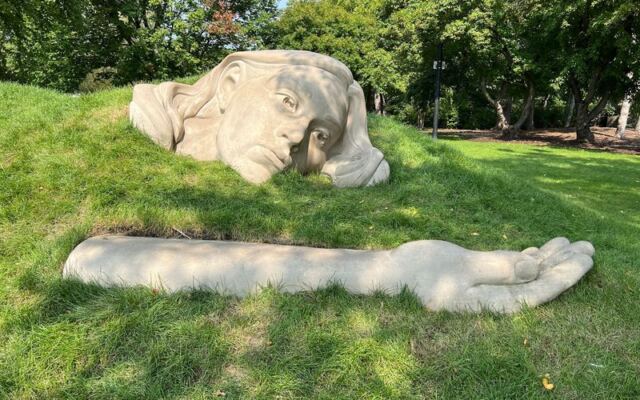
What sets this park apart from a typical municipal green space is the genuinely global reach of its artwork. The collection features sculptures from Iceland, Norway, Sweden, and Finland, alongside a handful of pieces from the United States, giving the park an international flavor that feels unexpected for a suburban Illinois setting.
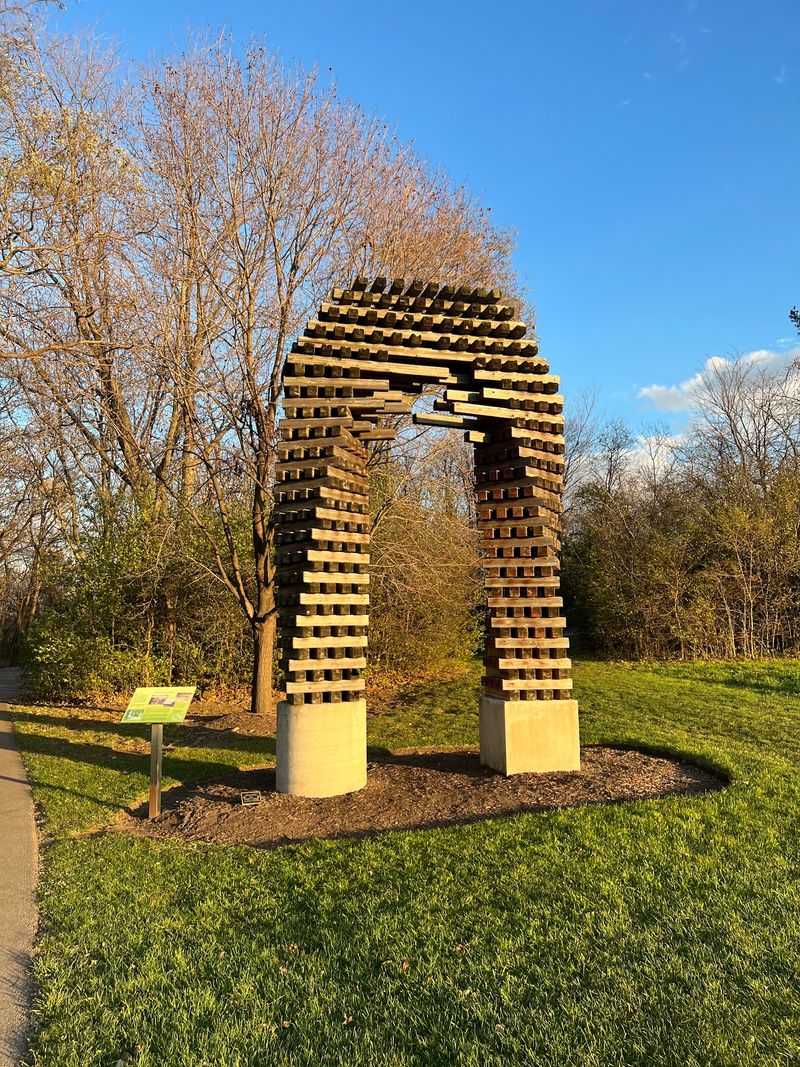
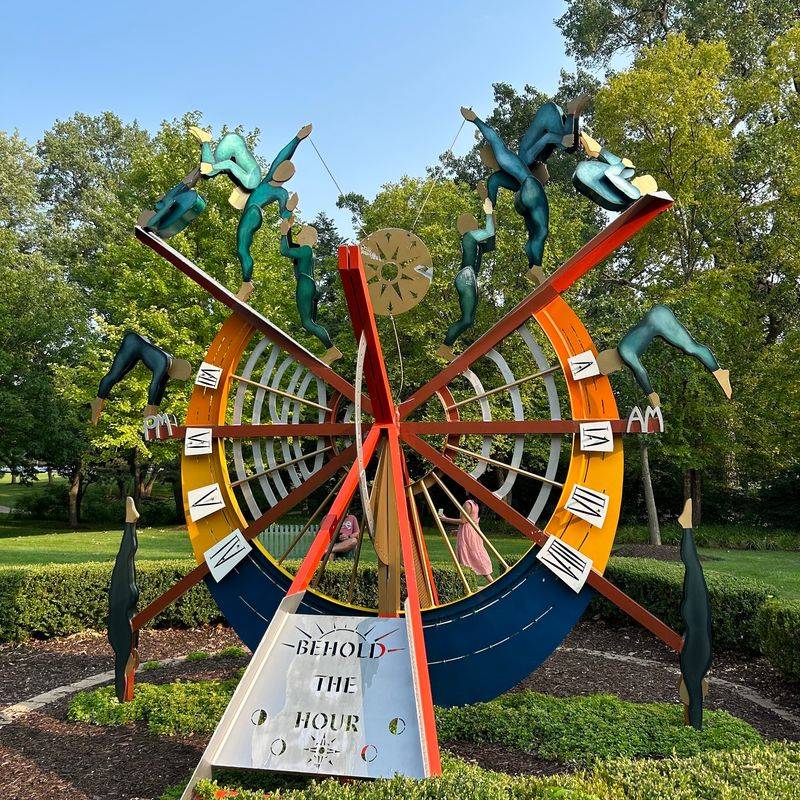
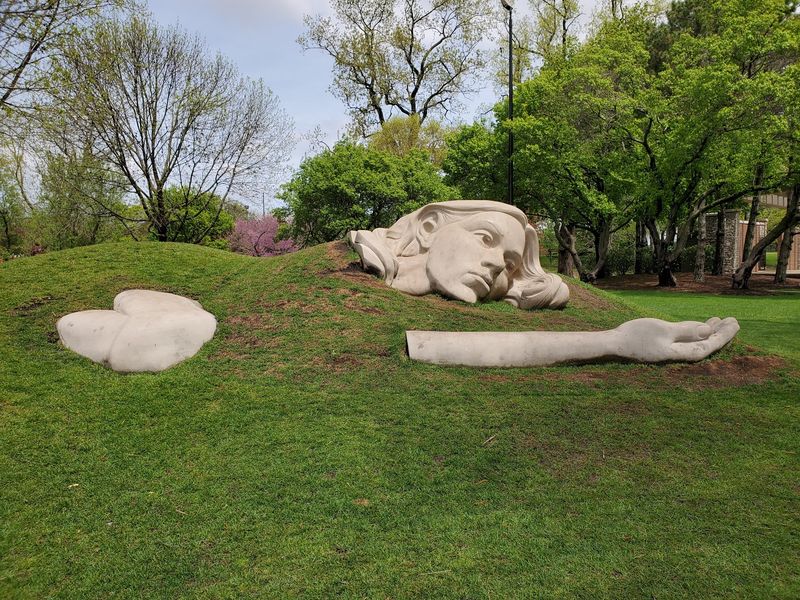
Each piece is distinct in material and mood. Metal, wood, and concrete renderings stand at various heights throughout the grounds, some bold and angular, others organic and almost playful.
Visitors who take the time to lean in and look closely often discover that certain sculptures have surprises built into their design, small details that reward patience.
The park’s website offers a self-guided tour with background information on each of the roughly 16 works, and using it while walking the path adds real depth to the experience. Without that context, the sculptures are still visually striking.
With it, they become conversations across continents and artistic traditions.
Trails, Paths, and the Woodland Loop
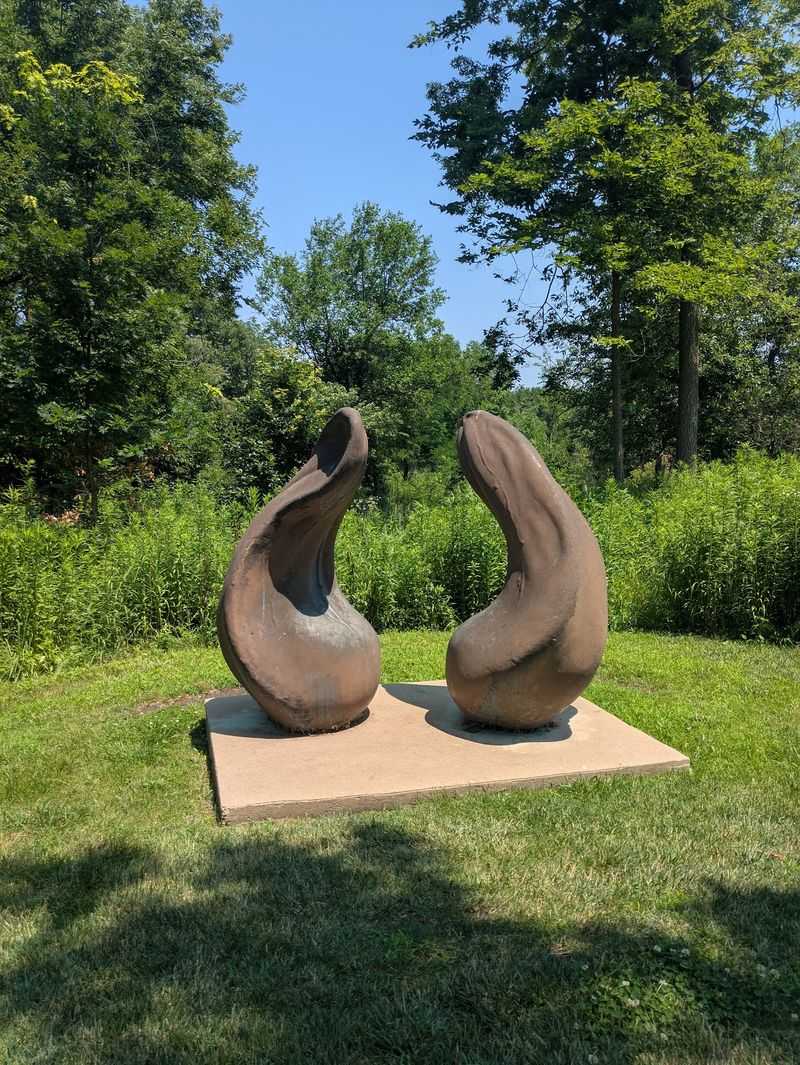
Getting around the park involves two distinct experiences that complement each other well. The main sculpture route follows a paved pathway, making it accessible for strollers and those who prefer a smooth surface underfoot.
Sculptures are spaced along this loop in a way that keeps the walk feeling fresh rather than rushed.
Branching off from the main path is a woodland trail with a wood-chip surface, shaded by a canopy of trees and landscaped with care. It has a noticeably different energy, quieter and more enclosed, the kind of path where you half-expect to spot a deer around the next bend.
Visitors have reported seeing deer, squirrels, and a variety of birds during their walks, which adds an element of casual wildlife watching to the outing.
One practical note worth knowing: the path is not a single connected loop, and a few of the sculptures on the far side of the performing arts building require a bit of navigation to find. Checking the map on the park’s website before you go will save some backtracking, especially in warm weather.
The Pond, the Swans, and the Fountain
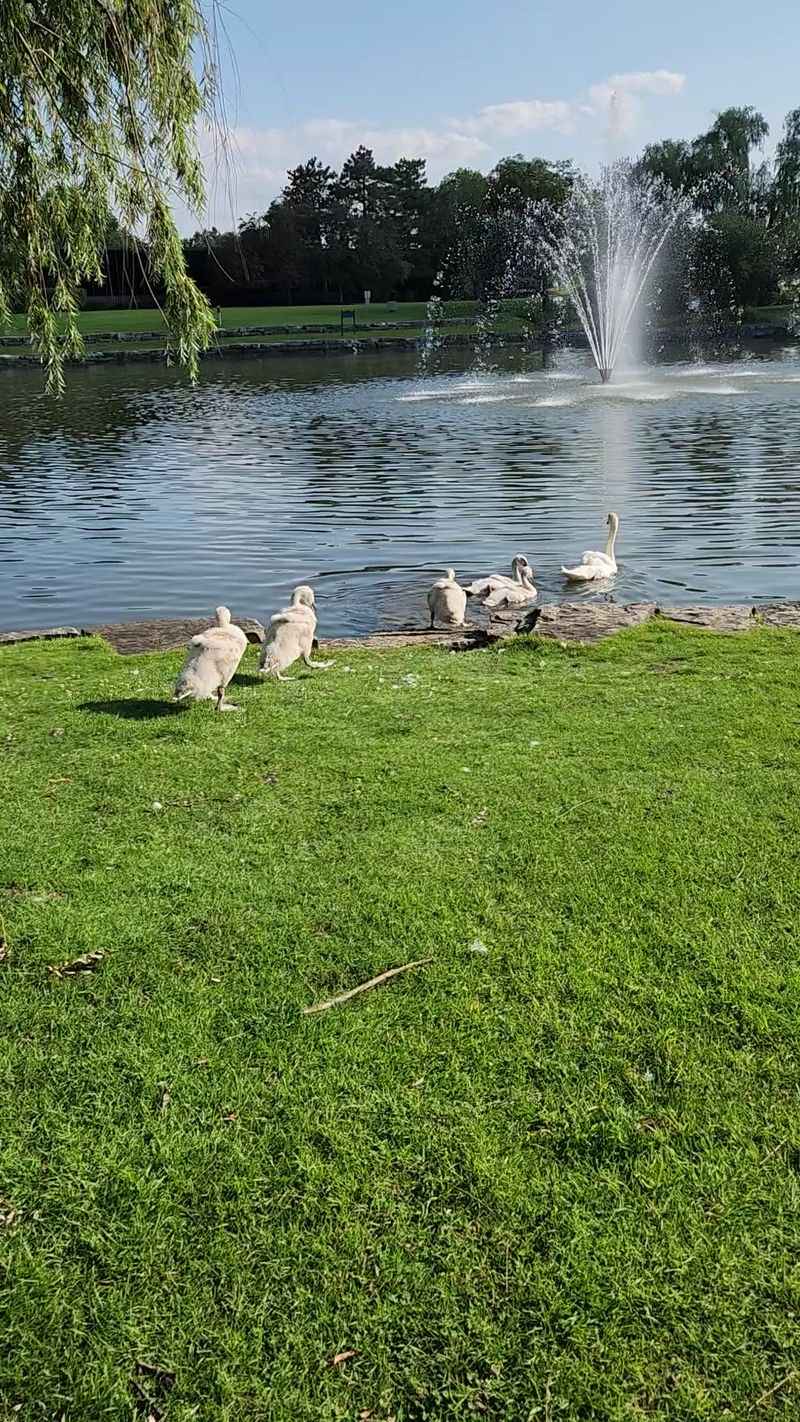
Among the park’s most talked-about features is the small lake at its heart, complete with a fountain and, on the right day, a pair of swans gliding across the surface. Swans are mentioned frequently by visitors, and for good reason: they add a storybook quality to the setting that is hard to manufacture and impossible to ignore.
The fountain sends a gentle arc of water into the air, and the reflection of the surrounding trees in the still water makes for one of the better photography spots in the Chicago suburbs. Sunset visits in particular have drawn enthusiastic responses from people who happened to time their walk just right.
Families with younger children should be aware that the water is accessible at multiple points around the lake, so keeping an eye on little ones near the edge is worth planning for. That said, the open grassy areas around the pond give kids plenty of room to run freely, making it a genuinely family-friendly stop.
The Atmosphere and Who It Suits Best
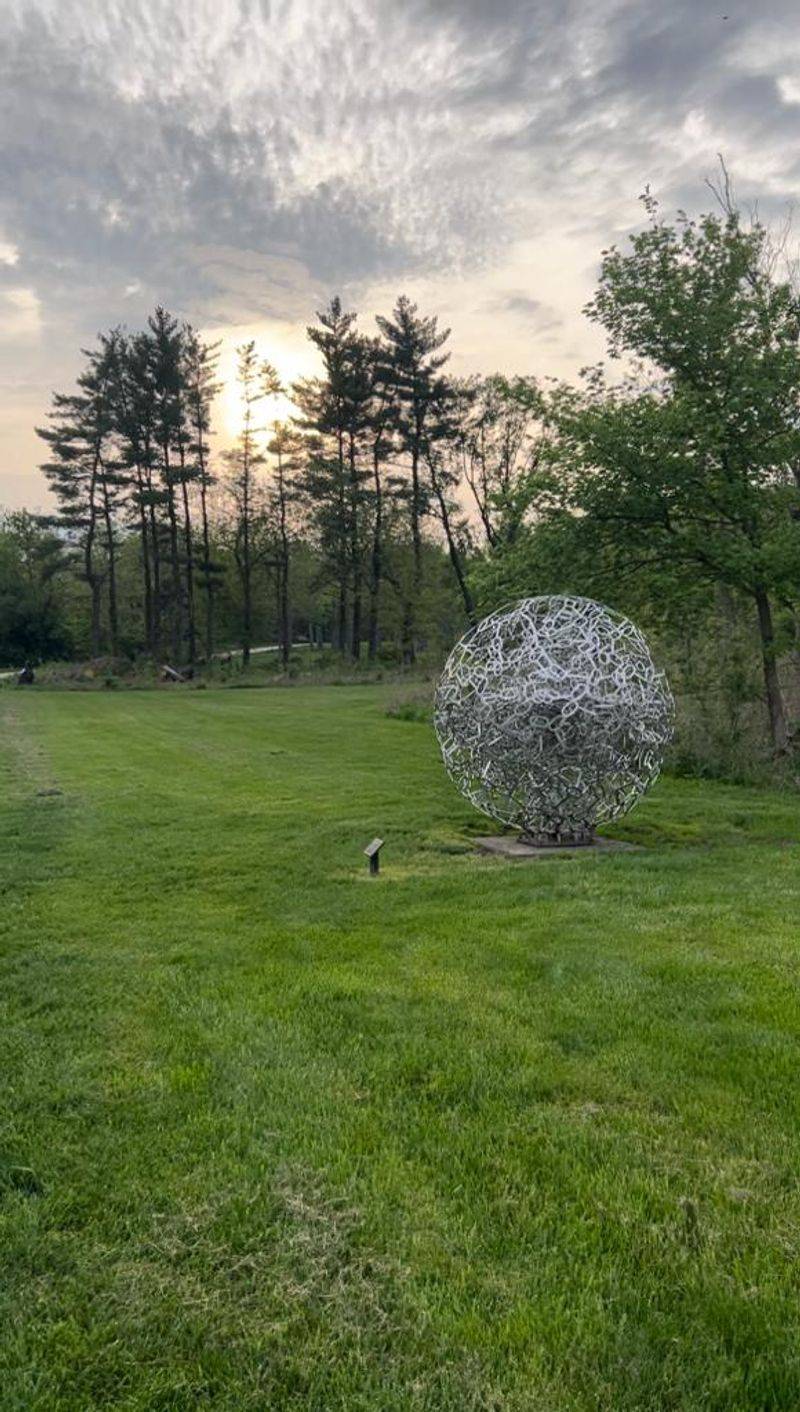
Peaceful is the word that comes up again and again from people who have spent time here. Once you are inside the park boundaries, the suburban noise that surrounds Schaumburg seems to fall away.
The combination of greenery, art, water, and open space creates a calm that feels earned rather than engineered.
Dog walkers are a regular presence on the trails, and leashed dogs are welcome as long as no events are scheduled. Couples, solo walkers, small friend groups, and families with kids of various ages all seem to find their rhythm here without getting in each other’s way.
The park is spacious enough to feel uncrowded even on a moderately busy afternoon.
Artists, photographers, and curious wanderers tend to get the most out of a visit, since the sculptures genuinely reward slow, attentive looking. For anyone who finds urban art museums a little overwhelming, the open-air format here offers all the creative stimulation with none of the pressure.
Picnic blankets are welcome on the grass, and the setting makes a relaxed afternoon feel completely natural.
Seasonal Charms Across the Year
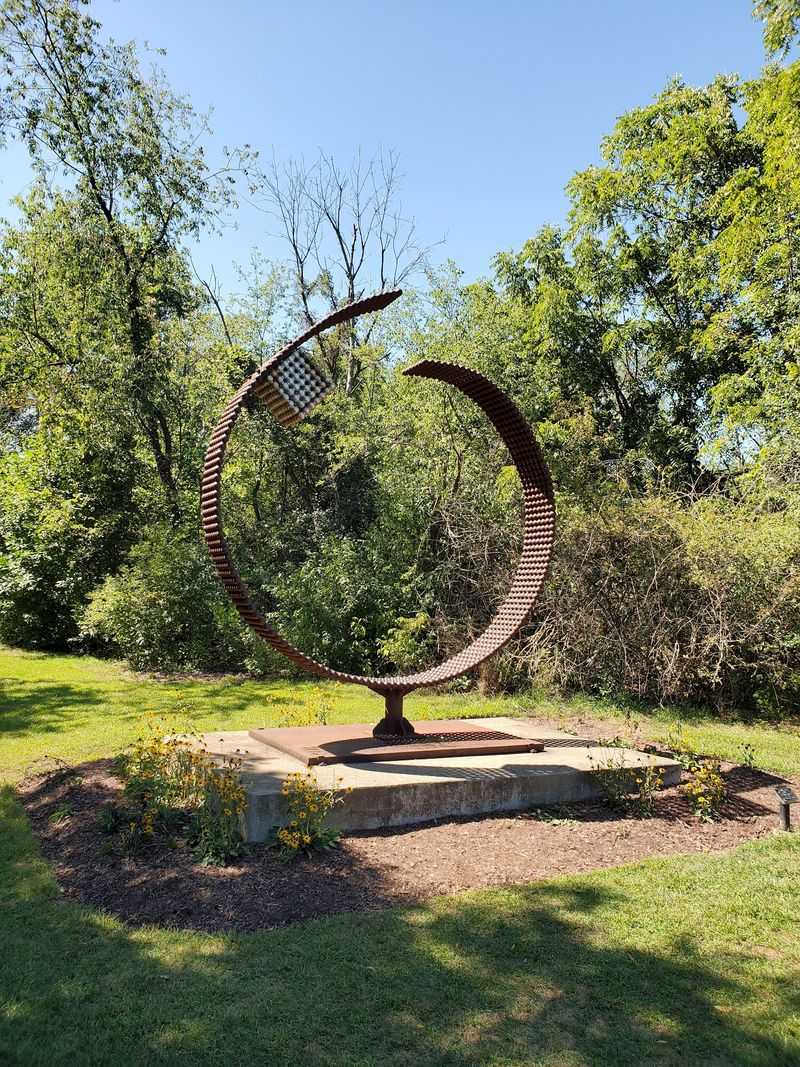
Few outdoor spaces in the Chicago suburbs hold up as well across all four seasons as this one does. Summer visits bring lush greenery, wildflowers, and the full visual impact of the sculptures against a backdrop of deep green.
Prairie wildflowers and mature trees frame the artwork in a way that shifts subtly as the weeks pass.
Autumn turns the woodland trail into something genuinely worth the drive on its own, with the leaf color adding warmth to the metal and concrete sculptures in a contrast that photographers appreciate. Winter visits, perhaps surprisingly, have their own appeal.
At least one visitor found a snow-covered walk through the park to be peaceful and beautiful, with the sculptures taking on a different character under a white blanket.
Spring brings birdsong and new growth, and the swans tend to be especially active as the weather softens. Because the park is open 24 hours a day every day of the year, there is genuinely no wrong season or time of day to show up, though evening visits at sunset have a particular reputation for being memorable.
Practical Visiting Details
Admission to the Schaumburg Sculpture Park is free, which makes it one of the better no-cost outings in the greater Chicago area. Parking is also free and conveniently located close to the main path entrance, so there is no long hike before the walk even begins.
The park is open 24 hours a day, seven days a week, year-round. That flexibility makes it easy to work into almost any schedule, whether you are squeezing in a morning walk before a busy day or wrapping up a weekend afternoon before heading home.
The phone number for the Village of Schaumburg parks line is 847-895-3600 if you need to check on scheduled events that might affect trail access for dogs.
A few small practical tips worth keeping in mind: bring your own water, as the water fountains on-site have received mixed feedback. Bug spray is a smart addition to your bag during warmer months.
And before you go, pulling up the self-guided tour map on the village website at villageofschaumburg.com will make navigating to every sculpture, including the ones tucked behind the performing arts building, much smoother.
A Verdict Worth Sharing
Not every hidden gem needs to be the biggest or the flashiest version of itself to be worth your time. Schaumburg Sculpture Park earns its place on the Illinois day-trip list precisely because it does not oversell itself.
It is a free, thoughtfully maintained outdoor space where international artwork, natural scenery, and genuine quiet coexist in a way that feels rare for a suburb of Chicago.
Will it take a full day? No. Most visitors spend somewhere between 30 minutes and two hours, depending on how slowly they move and whether they take the woodland trail.
But that is part of its charm. It fits neatly into a half-day outing, a detour on the way somewhere else, or a spontaneous Sunday morning decision without requiring a lot of planning or expense.
For Illinois day-trippers who feel like they have already checked off the obvious boxes, this one offers something genuinely different. It is the kind of place locals tend to half-keep to themselves, mentioning it only to people they trust to appreciate it.
Consider this your introduction, and plan the drive accordingly.
Share this story