Oklahoma has a way of hiding its best surprises in plain sight, and one downtown Tulsa art museum proves that point better than most. Tucked inside a former warehouse in the heart of the city, this satellite gallery punches well above its weight with rotating exhibitions, a standout Native American collection, and a free admission perk that makes showing up on the right Saturday feel like a genuine score.
Most visitors walk in expecting something modest and walk out genuinely impressed. Whether you are a lifelong art lover or just curious about what Tulsa’s creative scene has been quietly building, this place deserves a spot on your itinerary.
The Downtown Tulsa Location And What It Actually Is
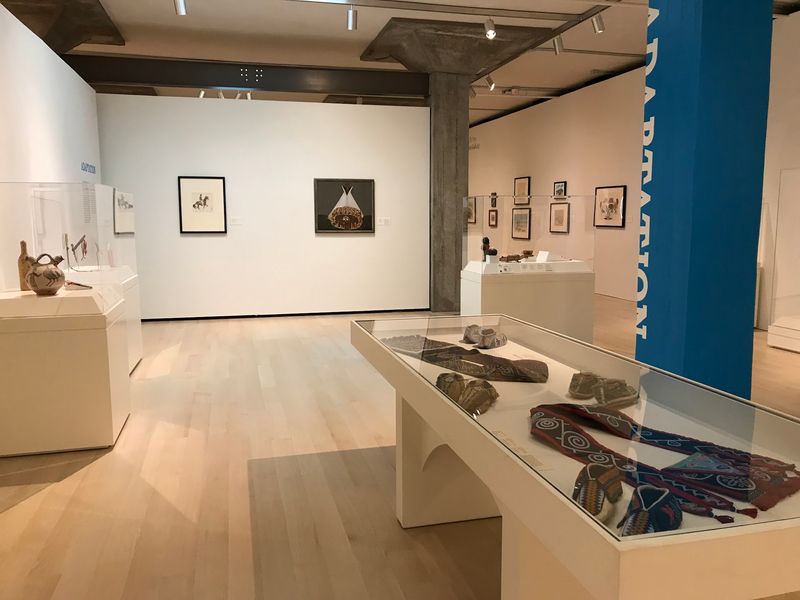
Sitting at 116 E Reconciliation Way in Tulsa, Oklahoma, Philbrook Downtown occupies a converted warehouse that manages to feel both industrial and welcoming at the same time. The address alone hints at something intentional, placed on a street whose name carries civic weight in a city known for confronting its complex history head-on.
Philbrook Downtown is the urban satellite of the larger Philbrook Museum of Art, which sits in a grand villa setting in the Brookside neighborhood. Where the main campus leans into sprawling grandeur, this location keeps things focused and curated.
Smaller square footage means tighter, more deliberate exhibitions that visitors can absorb without the fatigue that sometimes comes with larger institutions.
The museum functions as a genuine art space rather than a scaled-down afterthought. It hosts changing exhibitions across multiple floors, maintains a regionally recognized Native American library and resource collection, and has earned a reputation as one of the more thoughtful cultural stops in downtown Tulsa.
For anyone spending time in the area, it is the kind of place that earns its keep on a Saturday afternoon.
The Warehouse Building And Its Atmosphere Inside
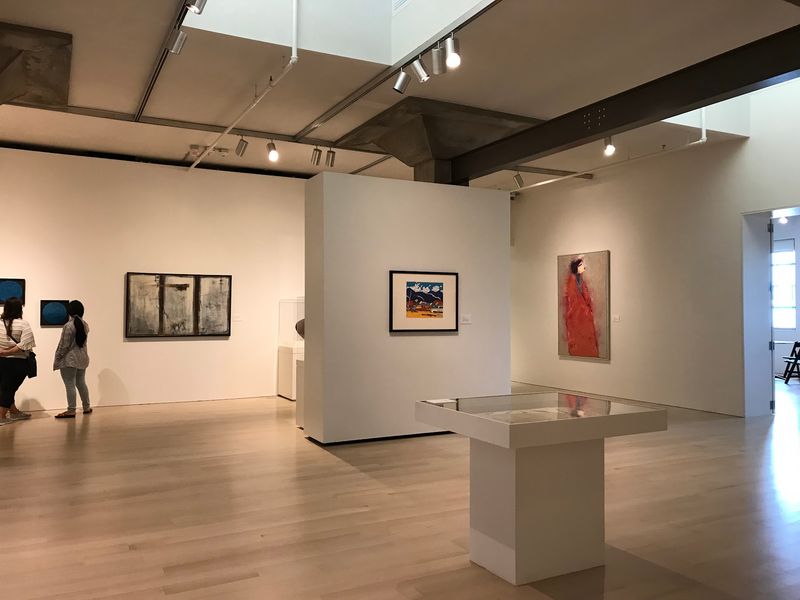
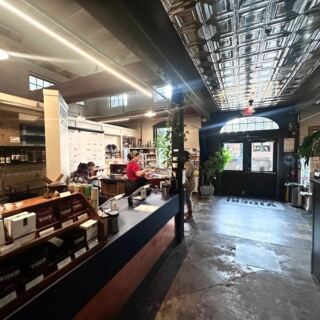
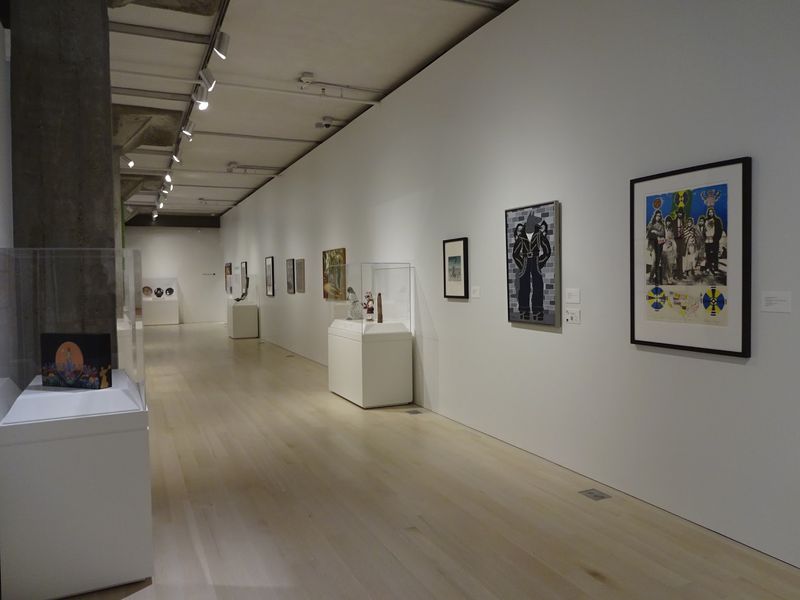
Walking through the entrance, the bones of the original warehouse are still very much present. High ceilings, open floor plans, and the kind of raw spatial quality that contemporary curators tend to love all contribute to an atmosphere that feels alive without being overwhelming.
Art breathes differently in spaces like this.
The layout is described by visitors as streamlined, which turns out to be a compliment rather than a criticism. Changing exhibitions typically occupy the lower floor, while the upper levels hold more permanent or long-running collections, including the Native American works that have become a signature of the space.
Moving between floors feels natural, almost like progressing through chapters of a well-organized book.
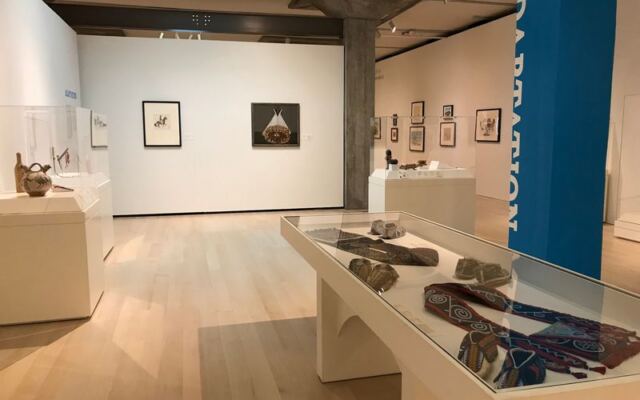
Lighting plays a significant role in how the work is experienced here. Pieces are well-positioned and thoughtfully illuminated, giving even modest works a sense of presence.
Visitors have noted that the layout respects both the art and the viewer, including clear signage around adult-oriented pieces so families can navigate comfortably. That kind of curatorial consideration tends to signal a museum that genuinely cares about who walks through its doors.
The Native American Collection Upstairs
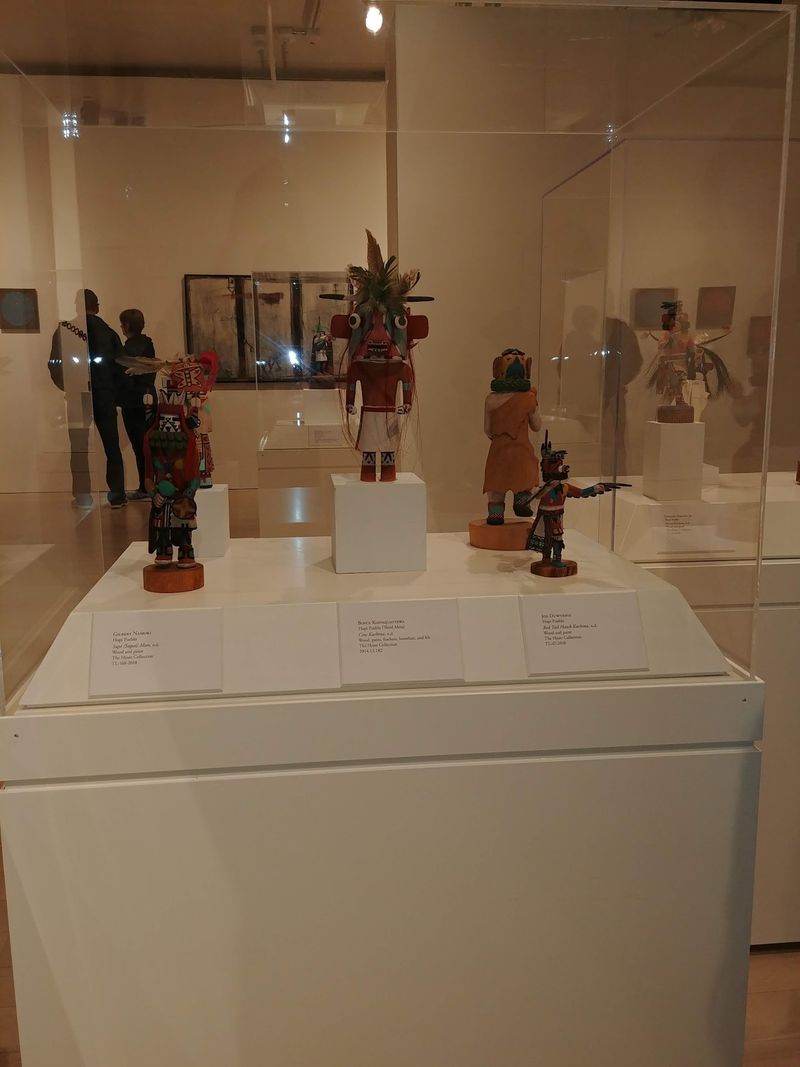
Few things catch first-time visitors off guard quite like rounding a corner upstairs and finding a genuinely impressive collection of Native American art waiting for them. For a satellite location, the depth and quality of what is on display here is a real standout.
Visitors consistently single out the Native American works as a highlight of the entire experience.
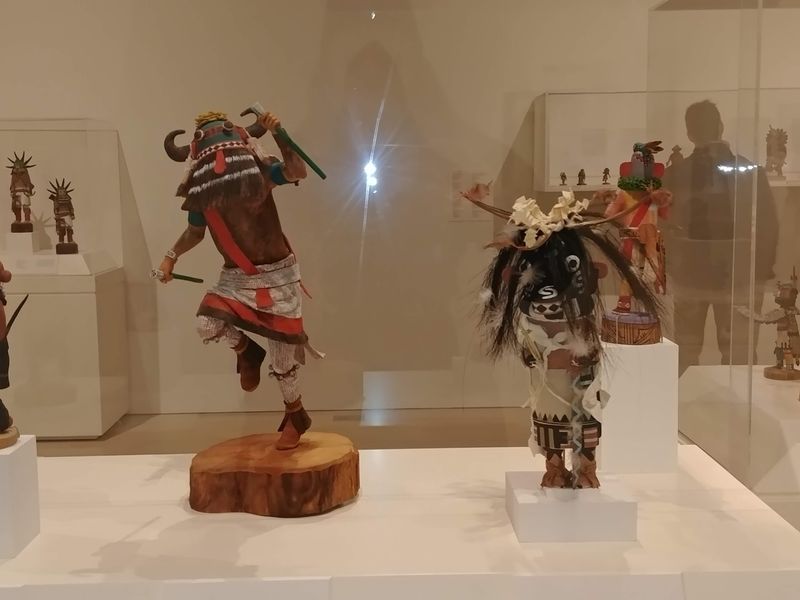
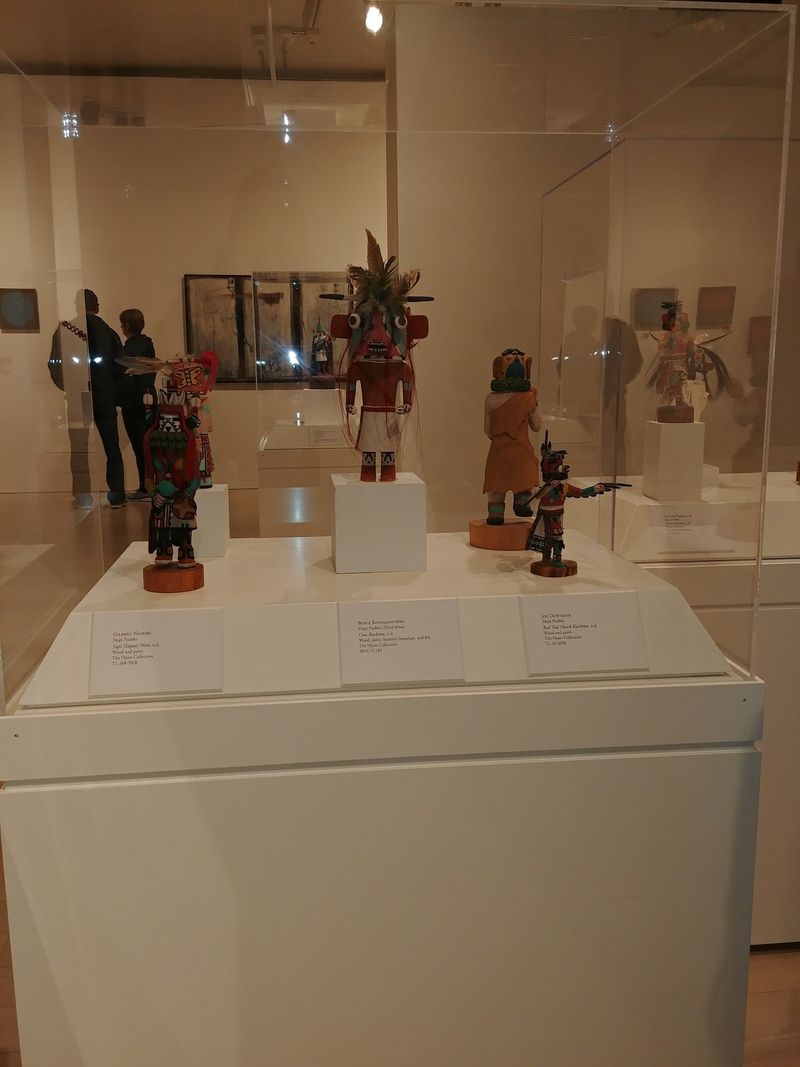
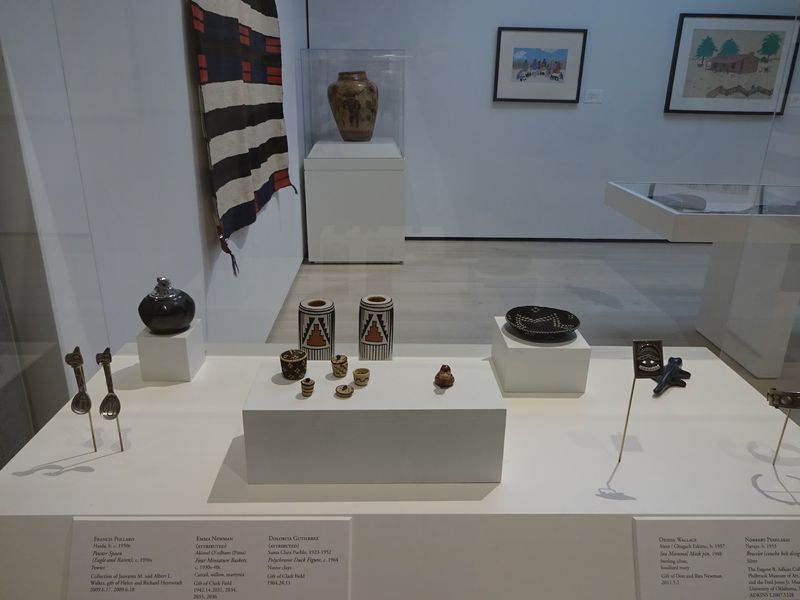
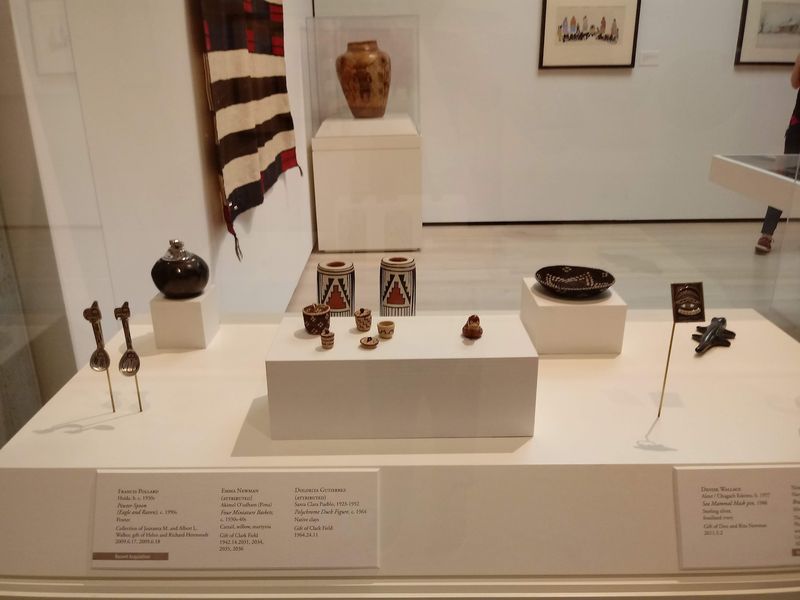
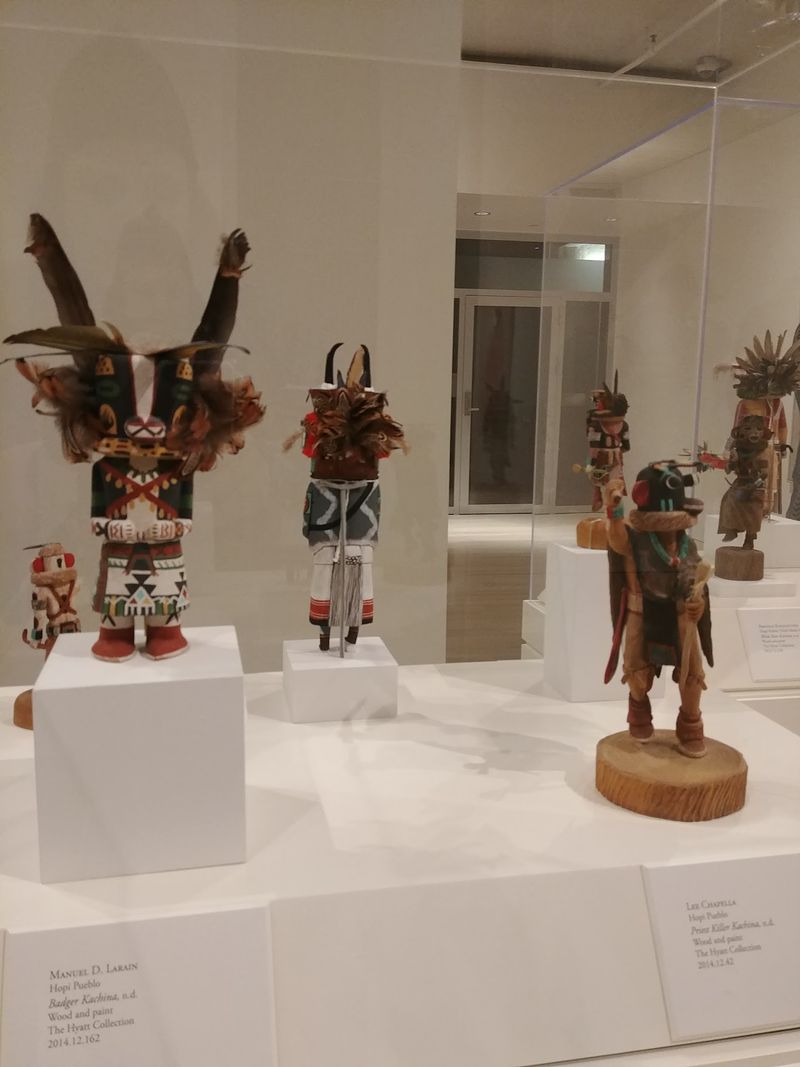
Among the pieces that tend to generate the most conversation are the Hopi kachina carvings. Reviewers have described them as wonderfully detailed, the kind of objects that reward slow looking and reward it generously.
Each carving carries cultural meaning that extends well beyond aesthetics, and the museum presents them with the context they deserve rather than treating them as decorative curiosities.
Woven pieces, including Native American blankets, have also drawn strong reactions from visitors. The textile work on display reflects both artistry and tradition, connecting viewers to practices that span generations.
Beyond the objects themselves, Philbrook Downtown maintains a regionally recognized Native American library and resource collection, making it a genuine center for scholarship and cultural preservation, not just a gallery stop. For anyone interested in Indigenous art and history, the upper floor alone justifies the trip.
Rotating Exhibitions That Keep Things Fresh
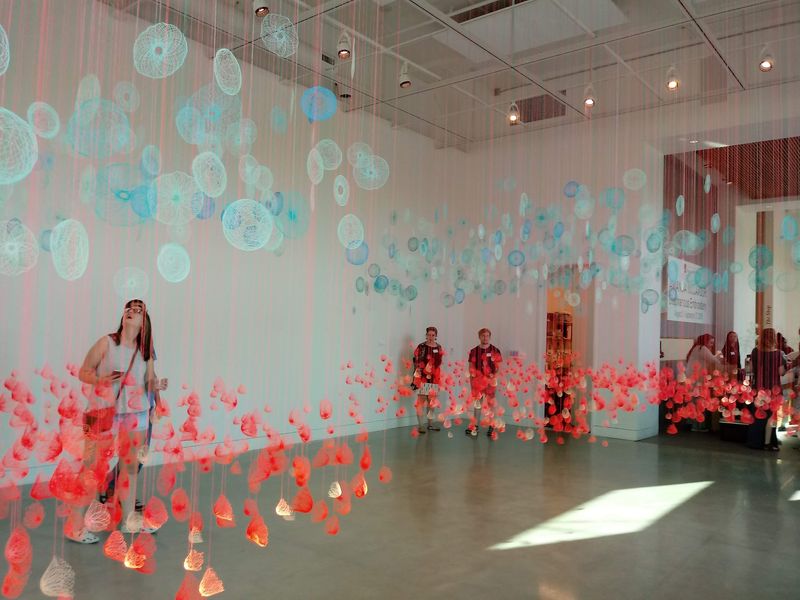
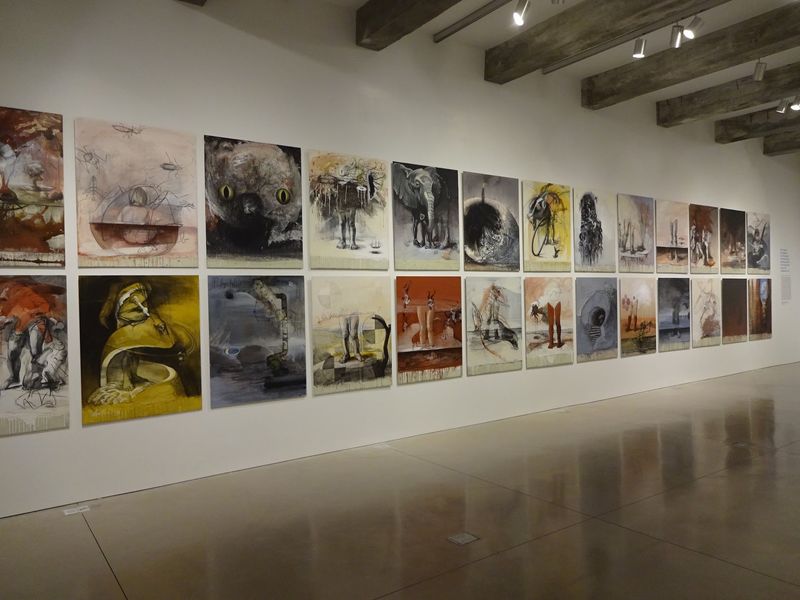
One of the smartest things about Philbrook Downtown is that its rotating exhibition program gives repeat visitors a genuine reason to return. The changing shows have covered a wide range of subjects and mediums, from large-format photography to contemporary painting, sculpture, and conceptual installations.
No two visits feel quite the same.
Past exhibitions have included photography work documenting life in Oklahoma and specifically Tulsa, giving local visitors the particular pleasure of recognizing familiar landscapes and communities rendered with artistic intention. Other shows have leaned into conceptual territory, presenting work that challenges viewers to reconsider what a museum display can be.
The variety keeps the programming from feeling predictable.
Locally sourced installations have also made appearances, including textile works made from Oklahoma materials that root the exhibition firmly in regional identity. Visitors who subscribe to the museum’s newsletter get advance notice of what is coming, which is a practical tip for anyone who wants to plan a visit around a specific show rather than arriving cold.
The rotating format means there is always something worth checking, and the relatively compact size of the space ensures that each exhibition gets the focused attention it needs rather than competing for wall space.
Photography Exhibitions That Hit Close To Home
Photography has featured prominently in Philbrook Downtown’s exhibition history, and the shows built around Oklahoma imagery have resonated deeply with local audiences. One well-remembered exhibition by photographer Jason Lee documented time spent in Oklahoma and specifically Tulsa, producing images that felt both documentary and deeply personal.
Visitors who saw that show described the experience of trying to identify familiar locations within the photographs, turning gallery-going into something almost like a hometown treasure hunt.
That kind of locally anchored photography creates a different kind of engagement than purely abstract or international work. There is an intimacy to seeing your own landscape interpreted through someone else’s lens, and Philbrook Downtown seems to understand that regional specificity can be a strength rather than a limitation.
The photographs on display in various exhibitions have earned consistent praise for their technical quality and emotional resonance.
For visitors from outside Oklahoma, photography exhibitions offer a compact introduction to what the state looks, feels, and lives like beyond the highway. For Tulsans, they offer the rarer pleasure of recognition.
Either way, the photography programming at this location has proven that the medium translates beautifully to the warehouse gallery’s clean walls and considered lighting setup.
Free Admission On Second Saturdays
Free admission on second Saturdays is the kind of policy that turns a casual thought into an actual visit. For families, couples, and solo explorers who might otherwise hesitate over ticket prices, knowing that one Saturday a month costs nothing removes the last barrier to showing up.
It is a genuinely democratic gesture from a museum that could easily charge every day and get away with it.
Visitors have specifically mentioned the free Saturday admission as a factor that made their visit possible, and more than a few have noted that the experience exceeded what they expected given the no-cost entry. There is something satisfying about discovering that free does not mean lesser in this case.
The quality of the exhibitions and the care put into the space are consistent regardless of what day you arrive.
Planning a trip around the second Saturday of any given month is a solid strategy, especially for those who want to pair the museum visit with other downtown Tulsa experiences. The area around Philbrook Downtown is active on weekends, making it easy to build a full afternoon around the gallery without spending much at all.
That combination of cultural value and low financial commitment is hard to beat anywhere in Oklahoma.
The Neighborhood Around The Museum
Location matters, and Philbrook Downtown picked a good one. The museum sits in close proximity to Guthrie Green, a popular downtown park that hosts outdoor events, food trucks, and community gatherings throughout the year.
Pairing a museum visit with whatever is happening at Guthrie Green on any given weekend turns a cultural stop into a full afternoon out.
The surrounding Brady Arts District has developed into one of Tulsa’s most energetic creative neighborhoods, drawing galleries, music venues, studios, and restaurants into a walkable stretch of downtown that rewards wandering. Visitors describe the area as the kind of place where the artsy and creative communities have genuinely taken root, giving the neighborhood an authentic energy that feels earned rather than manufactured.
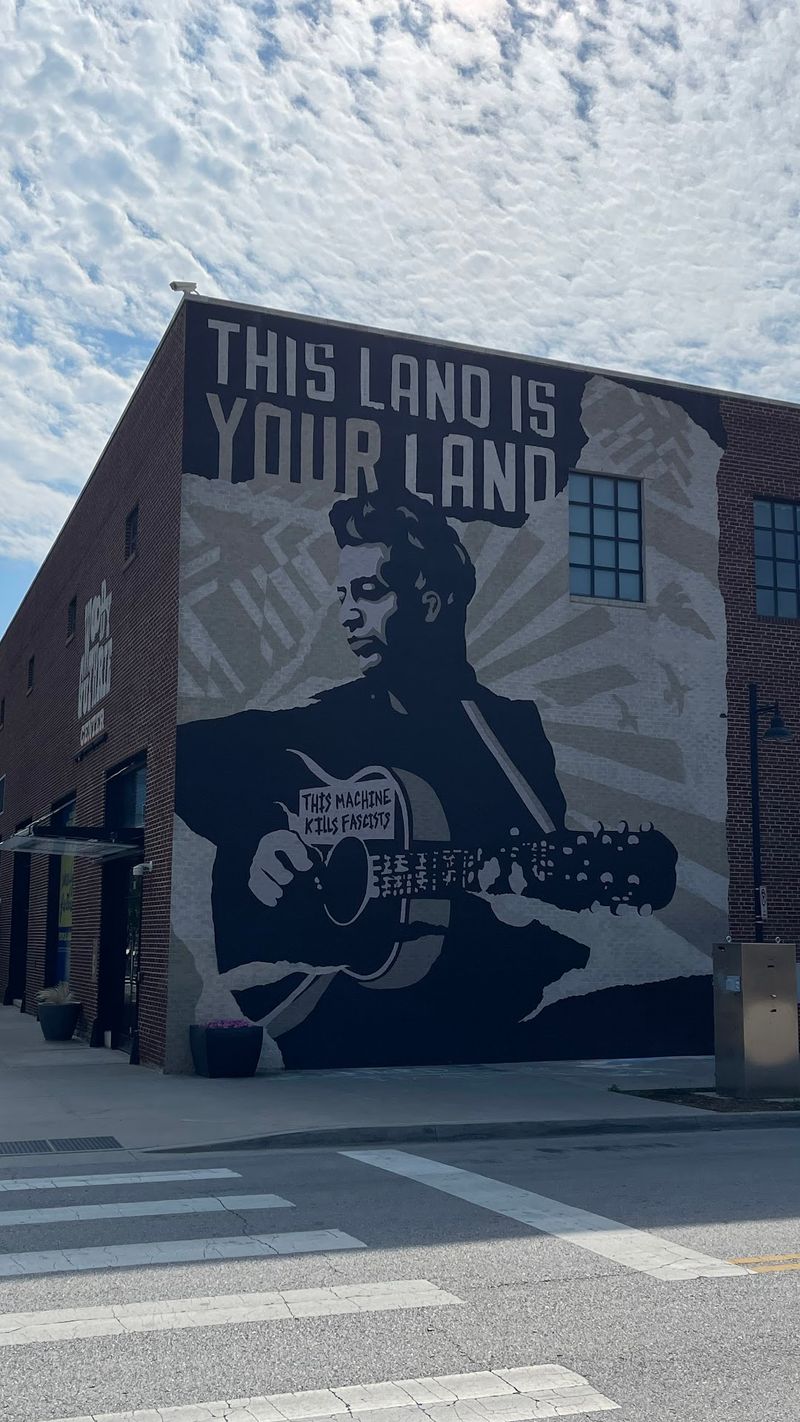
Proximity to the Woody Guthrie Center adds another layer of cultural interest to the block. Visitors interested in American music history can move between the two institutions in a single afternoon, making the neighborhood a legitimate cultural destination rather than just a backdrop for one attraction.
For anyone building a Tulsa itinerary, this corner of downtown offers more concentrated cultural value per block than almost anywhere else in the city.
Proximity To The Woody Guthrie Center
Standing near the Woody Guthrie Center is not a coincidence for Philbrook Downtown. The two institutions share a block in a part of downtown Tulsa that has deliberately positioned itself as a cultural anchor for the city.
Visitors who arrive for one often end up spending time at the other, and the combination makes for a well-rounded afternoon that covers both visual art and American musical heritage.
Reviewers have flagged this proximity as a practical bonus worth planning around. If you are traveling to Tulsa and want to make the most of limited time, knowing that two significant cultural institutions sit within easy walking distance of each other is genuinely useful information.
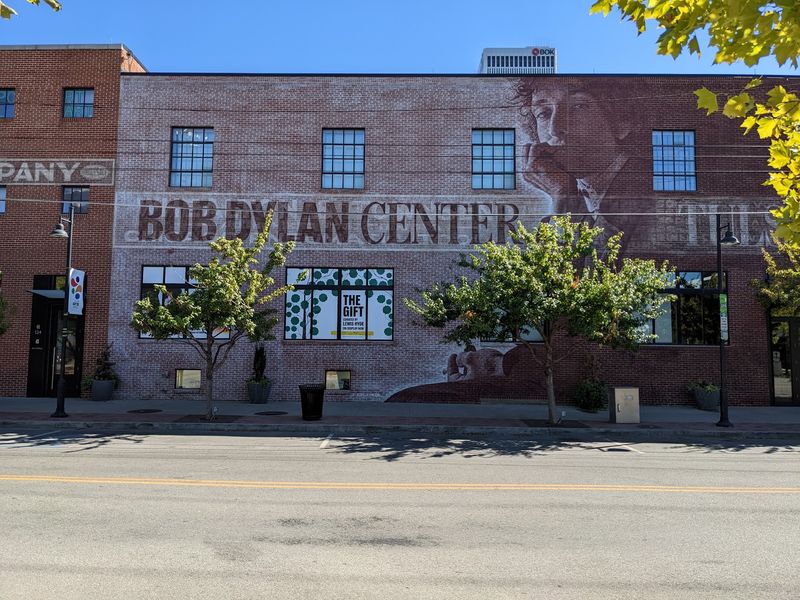
The Bob Dylan Center is also nearby, adding yet another option for music history enthusiasts who find themselves in the neighborhood.
The clustering of these venues is not accidental. Tulsa has invested meaningfully in its arts infrastructure over the past decade, and this corner of downtown reflects that commitment.
For a city that sometimes gets overlooked on national cultural maps, the concentration of serious institutions in a compact, walkable area is a quiet statement of intent. Philbrook Downtown fits naturally into that ecosystem and benefits from the foot traffic and curiosity it generates.
The Staff And How They Handle Visitors
Museum staff can make or break a visit, and at Philbrook Downtown, visitors have consistently described the team as helpful and genuinely friendly. That might sound like a low bar, but anyone who has navigated an indifferent front desk at a cultural institution knows how much a warm welcome actually shapes the experience that follows.
Beyond basic friendliness, the staff have been noted for thoughtful touches like clearly marking adult-oriented pieces in certain exhibitions. That kind of proactive communication shows awareness of who is coming through the door and a respect for the range of visitors the museum serves.
Parents bringing children can navigate the space confidently, knowing they will not stumble into something unexpected without warning.
The overall impression from visitor accounts is of a team that takes its role seriously without taking itself too seriously. There is a relaxed professionalism to the place that makes it easy to spend time without feeling watched or rushed.
For a smaller satellite location that might not have the staffing depth of the main Philbrook campus, the quality of the visitor experience here speaks well of how the institution prioritizes the human side of museum-going. Good staff are an underrated asset in any cultural space.
How It Compares To The Main Philbrook Campus
Comparing Philbrook Downtown to the main Philbrook Museum of Art in Brookside is almost like comparing a well-curated short story collection to a sprawling novel. Both have value, but they deliver it differently.
The main campus is housed in a grand Italian Renaissance villa surrounded by breathtaking gardens, and it offers the kind of sprawling, room-after-room experience that can genuinely fill a full day.
Philbrook Downtown is deliberately smaller and more focused. Visitors describe it as bite-sized, which in practice means you can see everything thoughtfully without hitting the wall of exhaustion that sometimes accompanies larger institutions.
A complete visit typically takes no more than a couple of hours, which makes it an easy addition to a downtown afternoon rather than a day-long commitment.
The two locations complement each other rather than compete. The main campus offers permanent collections and grand architectural drama.
The downtown location offers contemporary edge, rotating programming, and a Native American focus that gives it a distinct curatorial identity. Visitors who have been to both tend to describe Philbrook Downtown as the more contemporary-feeling of the two, with an energy that suits its urban setting.
Neither one replaces the other, and ideally a Tulsa trip includes a stop at both.
Family Friendliness And Who The Museum Suits Best
Museums that work for adults and children simultaneously are rarer than they should be, and Philbrook Downtown manages it with a light touch. The space is not specifically designed as a children’s museum, but it has earned a reputation as genuinely kid-friendly, which is notable for an institution whose exhibitions range from Indigenous cultural objects to conceptual contemporary art.
The manageable size helps enormously. Children who might struggle with the endurance required by a larger museum can move through Philbrook Downtown without losing interest or energy.
The two-hour window for a complete visit aligns well with younger attention spans, and the variety of mediums on display, from textiles to photography to sculpture, gives kids multiple entry points into the experience.
Solo visitors and couples will also find the space well-suited to their pace. There is no pressure to rush, no labyrinthine layout to navigate, and enough on the walls and in the cases to spark genuine conversation.
First Fridays have historically drawn a crowd looking for a social evening out, and the museum has served as a party venue for events, suggesting a flexibility that extends its appeal well beyond traditional museum-going demographics. Philbrook Downtown is genuinely hard to categorize, which is probably its greatest strength.
The Native American Library And Resource Collection
Beyond what hangs on the walls and sits in display cases, Philbrook Downtown maintains something that most casual visitors do not expect to find: a regionally recognized Native American library and resource collection. That designation signals a level of institutional commitment to Indigenous scholarship that goes well beyond decorative inclusion.
A library and resource collection of this kind serves researchers, educators, students, and community members who need access to materials that document Native American art, culture, and history with depth and accuracy. Having that resource housed within a working gallery space creates a productive overlap between scholarship and public engagement, making the museum useful in ways that extend beyond the typical exhibition visit.
For Oklahoma, where Native American nations have maintained a significant and ongoing presence for generations, this kind of resource carries particular weight. The state is home to 39 federally recognized tribal nations, and institutions that take Indigenous cultural preservation seriously are filling a meaningful role.
Philbrook Downtown’s commitment to maintaining and providing access to this collection places it in a different category from museums that treat Native American art as a visual accent rather than a subject worthy of sustained scholarly attention. That distinction is worth acknowledging and worth seeking out.
Practical Visiting Information And Getting There
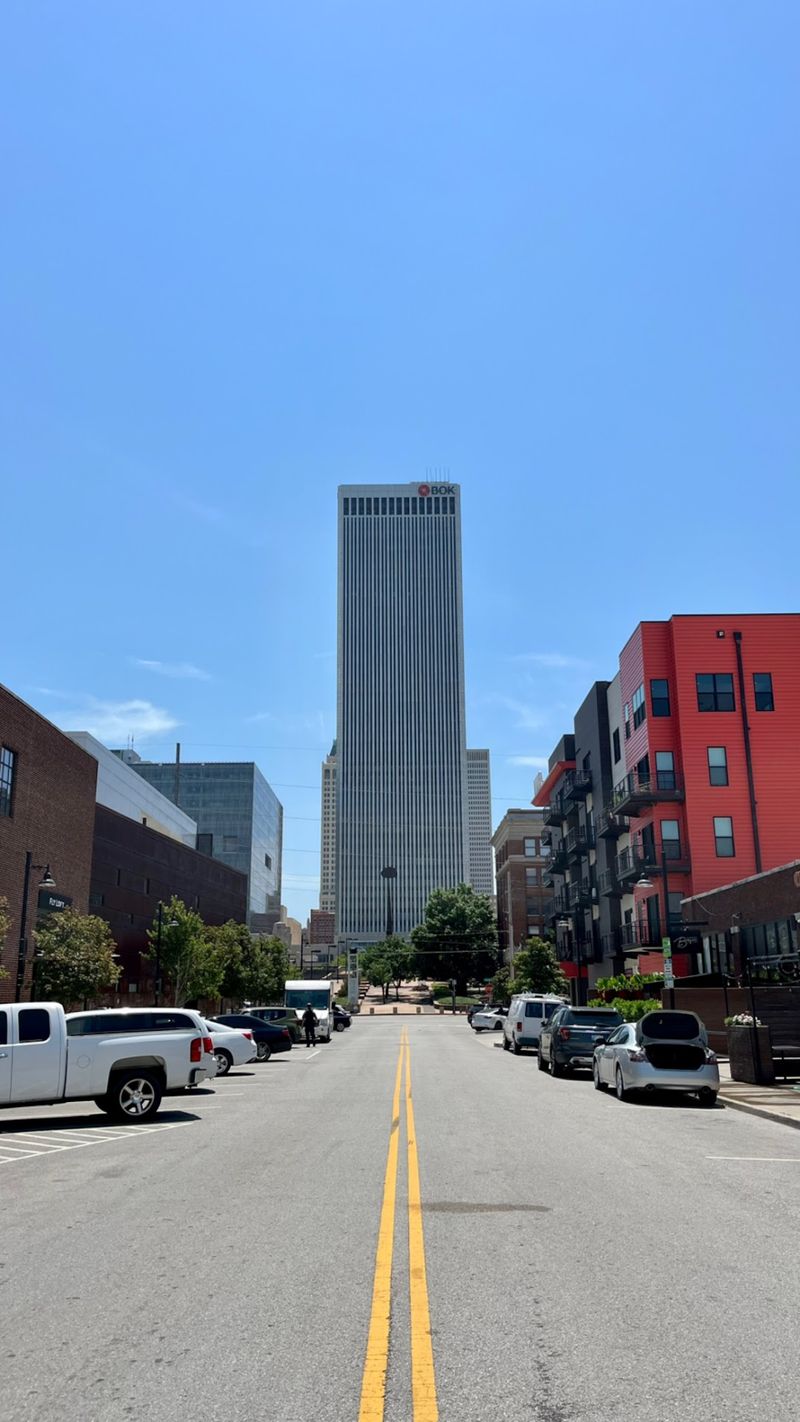
Philbrook Downtown is located at 116 E Reconciliation Way in Tulsa, Oklahoma, placing it squarely in the heart of the Brady Arts District. The address is easy to find using standard navigation apps, and the surrounding neighborhood is walkable enough that arriving on foot from other downtown attractions is a reasonable option depending on where you start.
For those driving in, downtown Tulsa has parking options in the vicinity, though availability can vary on weekends when the arts district draws larger crowds. Arriving a bit early on second Saturdays, when free admission draws additional visitors, is a practical move.
The museum’s phone number is listed as 918-749-7941 for anyone who wants to confirm hours or ask about current exhibitions before making the trip.
The museum website at philbrook.org is the best resource for up-to-date exhibition schedules, event listings, and any changes to admission policies. Subscribing to the newsletter has been recommended by visitors as the most reliable way to stay current on what is showing and when.
Given that the rotating exhibition program is a central part of what makes the location worth revisiting, staying informed is genuinely useful rather than just a polite suggestion from the institution. Plan ahead and the visit rewards you for it.
A Soft Verdict On Whether It Is Worth Your Time
Philbrook Downtown is not going to replace a full day at the main Philbrook campus, and it does not try to. What it offers instead is something more compact, more contemporary, and in some ways more surprising.
Walking in without high expectations and walking out genuinely impressed is a pattern that shows up repeatedly in how visitors describe the experience.
The Native American collection upstairs is the clearest argument for making the trip. For a satellite location, the depth and cultural significance of what is on display there is unexpected in the best way.
Add the rotating exhibitions that keep the programming fresh, the thoughtful staff, and the free admission perk on second Saturdays, and the case for a visit becomes easy to make.
For anyone spending time in downtown Tulsa, Philbrook Downtown fits naturally into an afternoon that might also include Guthrie Green, the Woody Guthrie Center, or a walk through the Brady Arts District. It asks for two hours of your time at most and tends to give back more than that in conversation, curiosity, and a few images that stick with you longer than expected.
That is a reasonable trade by any measure, and in Oklahoma, where the best discoveries often come without fanfare, it fits right in.
Share this story