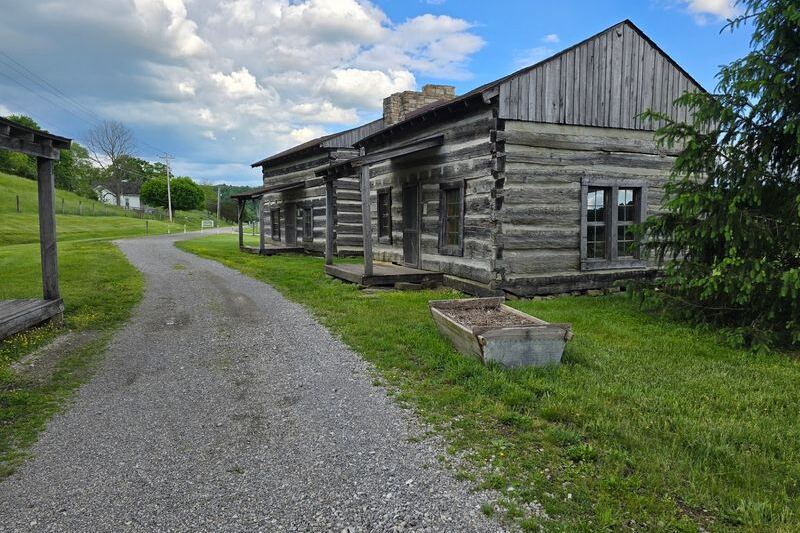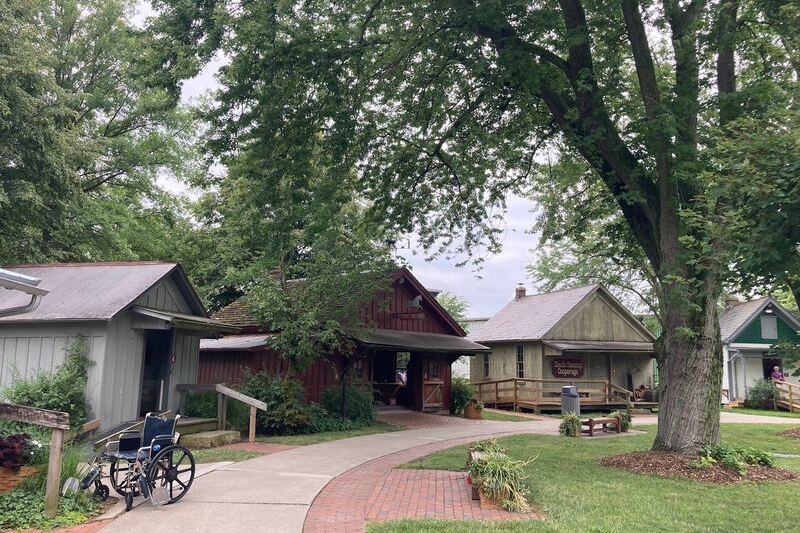
Ohio has a way of hiding its strangest treasures in the most ordinary-looking spots, and this one might take the cake. Tucked alongside a regional welcome center in Hocking Hills country, there is a tiny building devoted entirely to pencil sharpeners, and it is exactly as gloriously odd as it sounds.
Thousands of the little gadgets are on display, free to the public, and somehow the whole thing works. If you have ever driven past a roadside curiosity and wished you had stopped, this is your sign to pull over.
Where the Museum Actually Lives
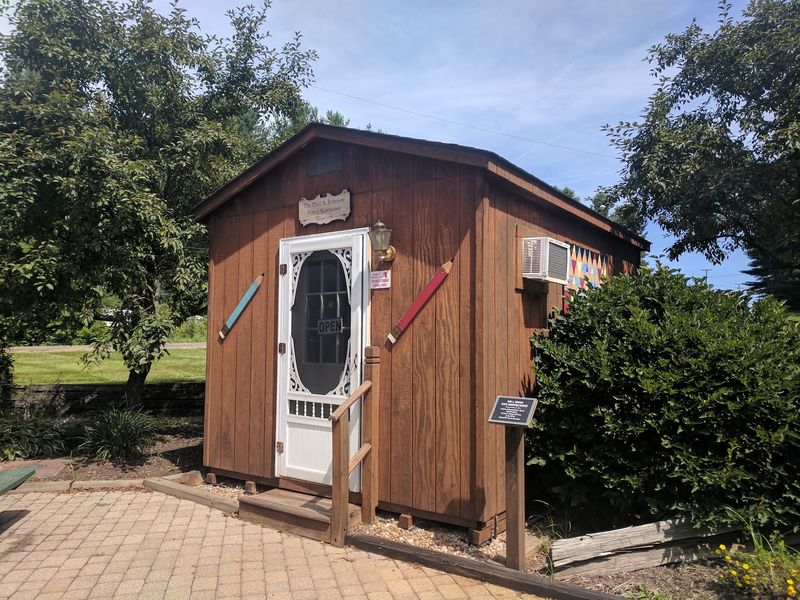
Right off Route 33 on OH-664 in Logan, Ohio, the Paul A. Johnson Pencil Sharpener Museum sits just steps away from the Hocking Hills Regional Visitor Center.
Finding it is almost effortless, and that accessibility is part of its quiet charm.
The museum shares a campus with the welcome center, making it an easy add-on stop for anyone already picking up trail maps or asking about hiking routes. Visitors heading into Hocking Hills for outdoor adventures routinely stumble across it and end up spending far more time than they planned.
Logan, Ohio anchors the Hocking Hills region, a stretch of southeast Ohio beloved for its gorges, waterfalls, and old-growth forest. Tucking a pencil sharpener museum into this landscape feels unexpected, but somehow the quirky little stop fits the spirit of discovery that defines the whole area perfectly.
The Man Behind the Collection
Every great collection has an origin story, and this one belongs to Reverend Paul A. Johnson, a man who turned a small personal passion into something genuinely remarkable.
His eye for unusual pencil sharpeners grew over decades into a collection that now numbers in the thousands.
Reverend Johnson had a gift for spotting the charm in everyday objects that most people toss in a drawer and forget. From whimsical novelty designs to classic metal antiques, his collection reflects a lifetime of curious, joyful accumulation rather than any single grand plan.
After his passing, his family partnered with the Hocking Hills Tourism Association to preserve and display the collection for the public. That act of stewardship transformed a private obsession into a shared cultural curiosity, giving visitors a chance to connect with the personality and passion of a man they never met.
A One-Room Building Packed With Thousands of Sharpeners

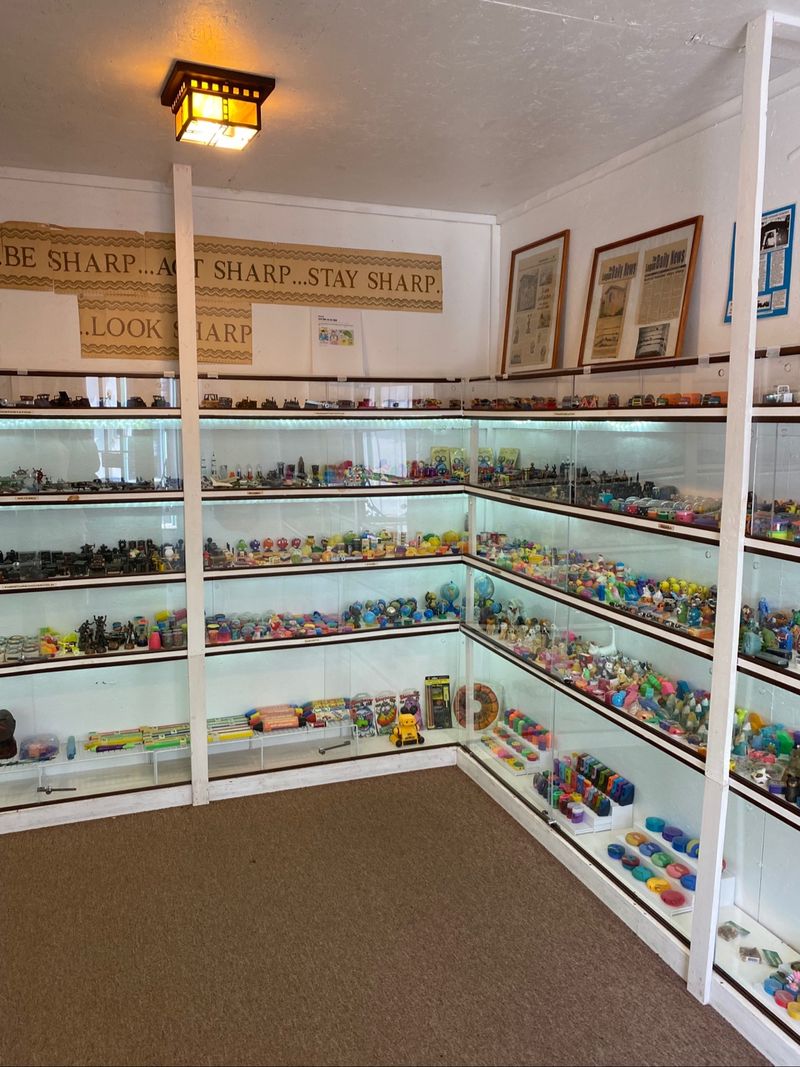
Compact is an understatement. The museum occupies a single cozy room, but every inch of available space is used with purpose.
Shelves line the walls from floor to near-ceiling, holding an extraordinary variety of sharpeners in every shape, size, and material imaginable.
Visitors have described the experience as visually overwhelming in the best possible way. Animals, cartoon characters, vintage cars, city landmarks, and classic metal barrel sharpeners all share shelf space in a display that somehow never feels cluttered, just deeply committed to its subject.
Remarkably, no two sharpeners in the collection are the same. Each one represents a distinct design, manufacturer, or era, turning what could have been a repetitive display into something that rewards close attention.
Spending a few minutes scanning the shelves often leads to unexpected moments of recognition, including childhood memories of a specific sharpener sitting on a grandparent’s desk.
Antiques and Novelties Side by Side
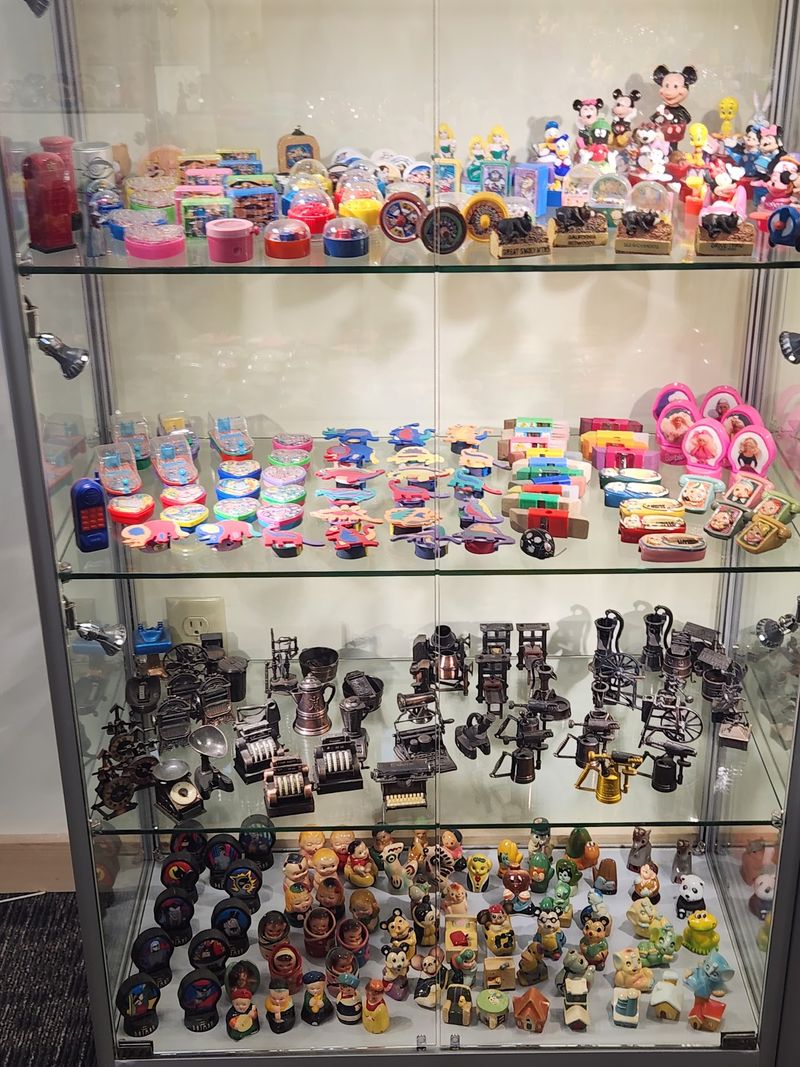
One of the most interesting tensions inside the museum is the contrast between old and new. Antique metal sharpeners, some clearly decades old and built with a craftsmanship rarely seen today, sit alongside cheerful plastic novelty pieces shaped like globes, animals, and pop culture figures.
Visitors with a collector’s instinct often gravitate toward the vintage pieces first. There is something genuinely striking about holding your gaze on a heavy cast-iron sharpener from the early twentieth century and then turning to spot a bright plastic sharpener shaped like the Eiffel Tower right beside it.
Several visitors have noted that the collection quietly makes a case for how much better older materials felt in the hand. Metal and wood sharpeners from past generations carry a satisfying weight and finish that modern plastic versions rarely replicate.
That unspoken commentary on material culture sneaks up on you between the novelty designs.
The Scavenger Hunt That Makes Kids Go Wild
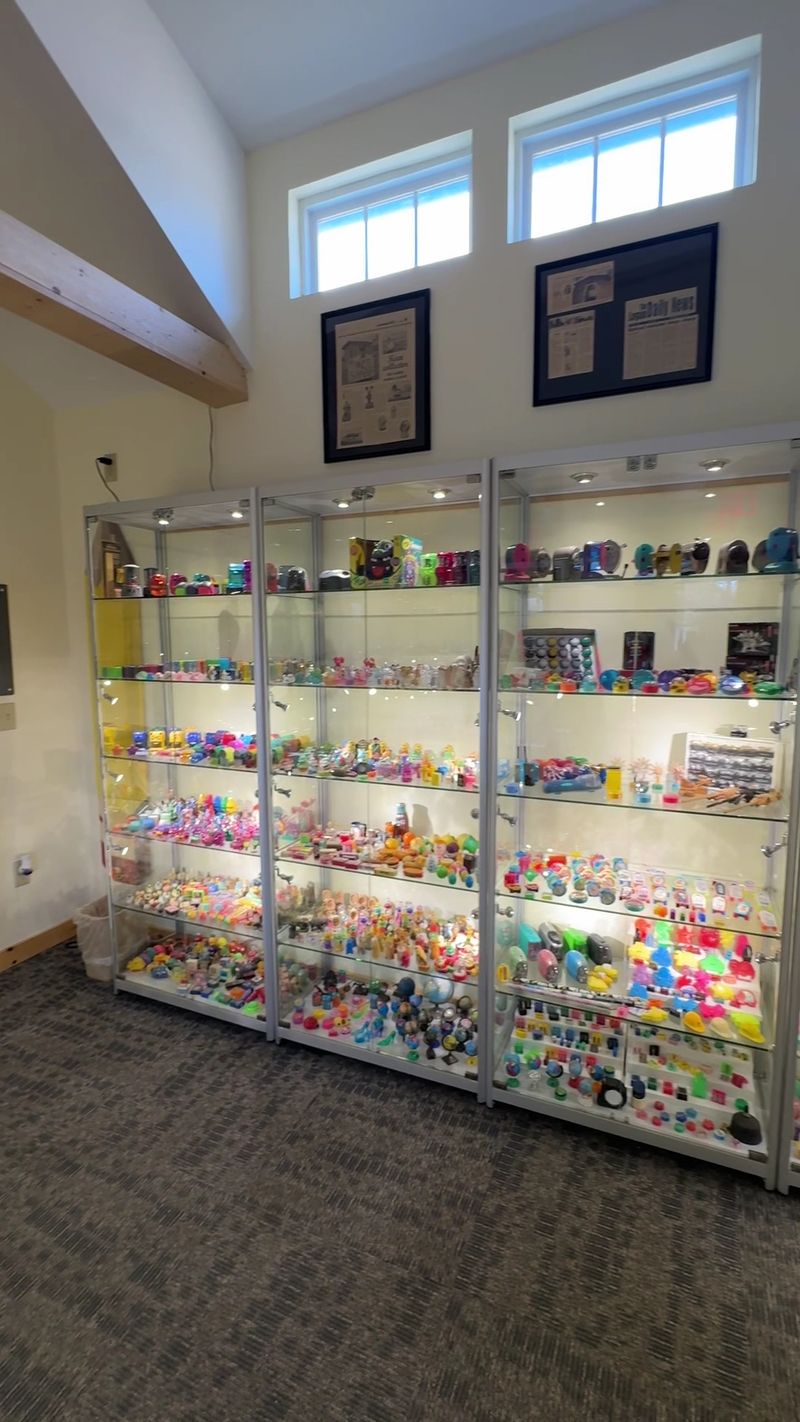
Families with younger kids get a bonus layer of fun that turns the museum visit into an interactive game. Staff at the adjacent Hocking Hills welcome center hand out a scavenger hunt sheet that sends children searching the collection for specific sharpeners hidden among the thousands on display.
Completing the hunt earns a prize: kids get to choose a pencil sharpener to take home. That small reward lands with surprising impact, turning a five-minute browse into a focused mission that keeps younger visitors genuinely engaged from start to finish.
Parents have mentioned that the scavenger hunt format works especially well for children who might otherwise lose interest quickly in a traditional museum setting. Having a checklist and a goal changes the dynamic entirely.
By the end, kids who walked in skeptical often leave proudly clutching their chosen sharpener like a hard-won trophy from a full afternoon of effort.
Free Admission, No Catch
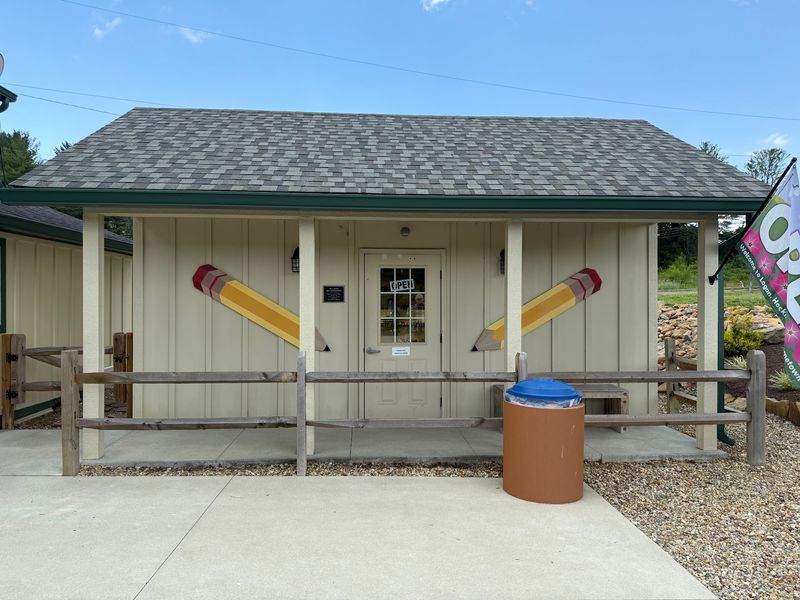
Admission to the Paul A. Johnson Pencil Sharpener Museum costs exactly nothing.
Walking through the door is free, the scavenger hunt sheet is free, and the overall experience carries zero financial pressure, which makes it one of the most guilt-free detours in the entire Hocking Hills region.
For travelers already investing in lodging, food, and gear for a Hocking Hills trip, a free stop that delivers genuine entertainment value feels like a small gift. The museum also has air conditioning, which visitors heading out on summer hikes have mentioned appreciating as a quick, cool-down break before hitting the trails.
Free museums sometimes carry a reputation for feeling underfunded or sparse, but this one sidesteps that entirely. The collection is substantial, the displays are thoughtfully organized, and the experience feels complete rather than stripped-down.
Zero cost does not mean zero effort went into making the place worth visiting.
The Welcome Center Connection
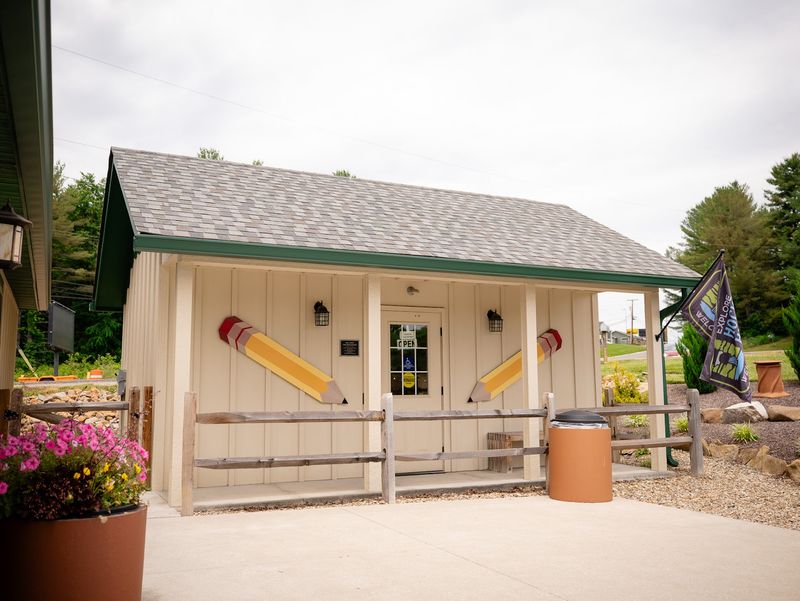
Sharing a campus with the Hocking Hills Regional Visitor Center is a strategic advantage the museum benefits from constantly. Hikers, campers, and first-time visitors to the region stop at the welcome center almost automatically, and the museum is right there waiting to be discovered.
Inside the welcome center, knowledgeable volunteers help visitors plan hiking routes, find trailheads, and learn about local events. They also point guests toward the pencil sharpener museum next door, often with the kind of cheerful enthusiasm that makes the detour feel like an insider tip rather than a tourist obligation.
The campus also features a gazebo with regional information, a giant Hocking Hills sign that makes for a popular photo stop, and the beginning of a butterfly trail. That cluster of attractions around one convenient location means visitors can easily fill a solid chunk of a morning without driving anywhere else at all.
Nostalgia as the Secret Ingredient
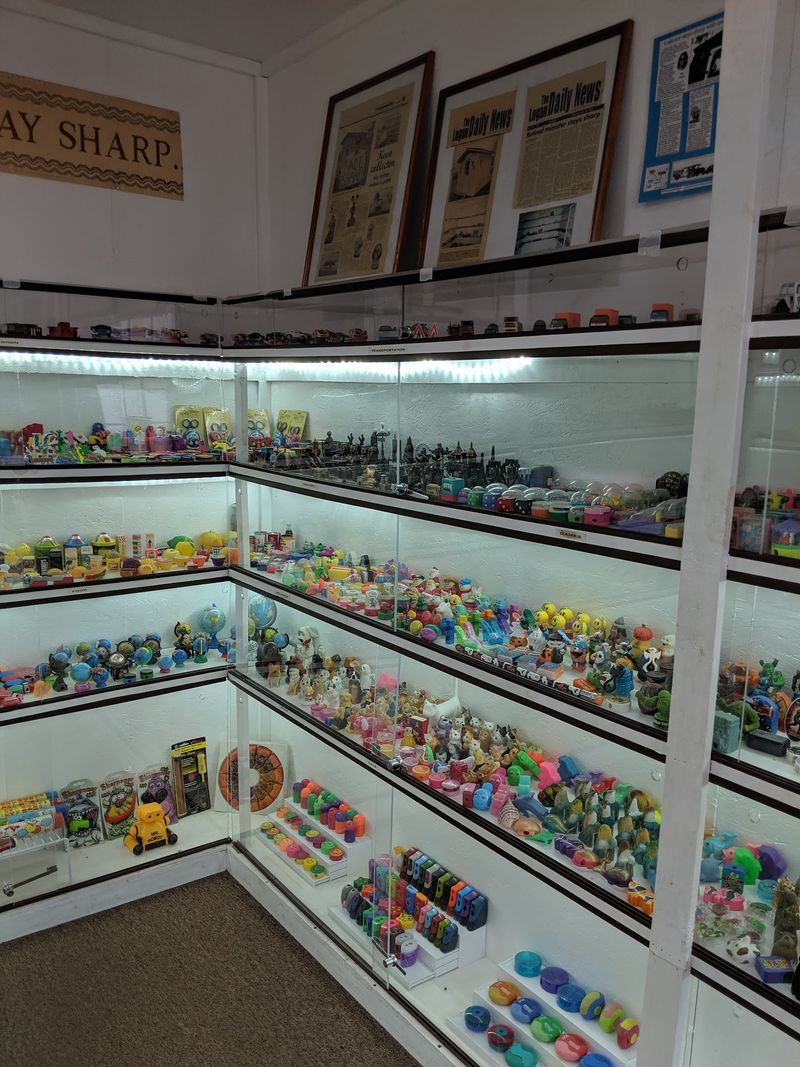
Something unexpected happens when you start walking the shelves slowly. A sharpener catches your eye, and suddenly you are seven years old again, sitting at a classroom desk.
The collection has a remarkable ability to trigger specific, vivid memories that visitors did not know they were carrying.
Several people who visited have mentioned spotting the exact sharpener their grandparent kept on a desk or the novelty piece they saved up allowance money to buy at a gift shop decades ago. Those moments of recognition hit with a warmth that no amount of curatorial text could manufacture.
That nostalgic pull is probably the museum’s most underrated quality. On the surface it looks like a room full of small objects.
But spend a few minutes in there and it starts to feel more like a memory archive, one built from the shared material culture of childhoods across multiple generations of American life.
Who Enjoys This Place Most
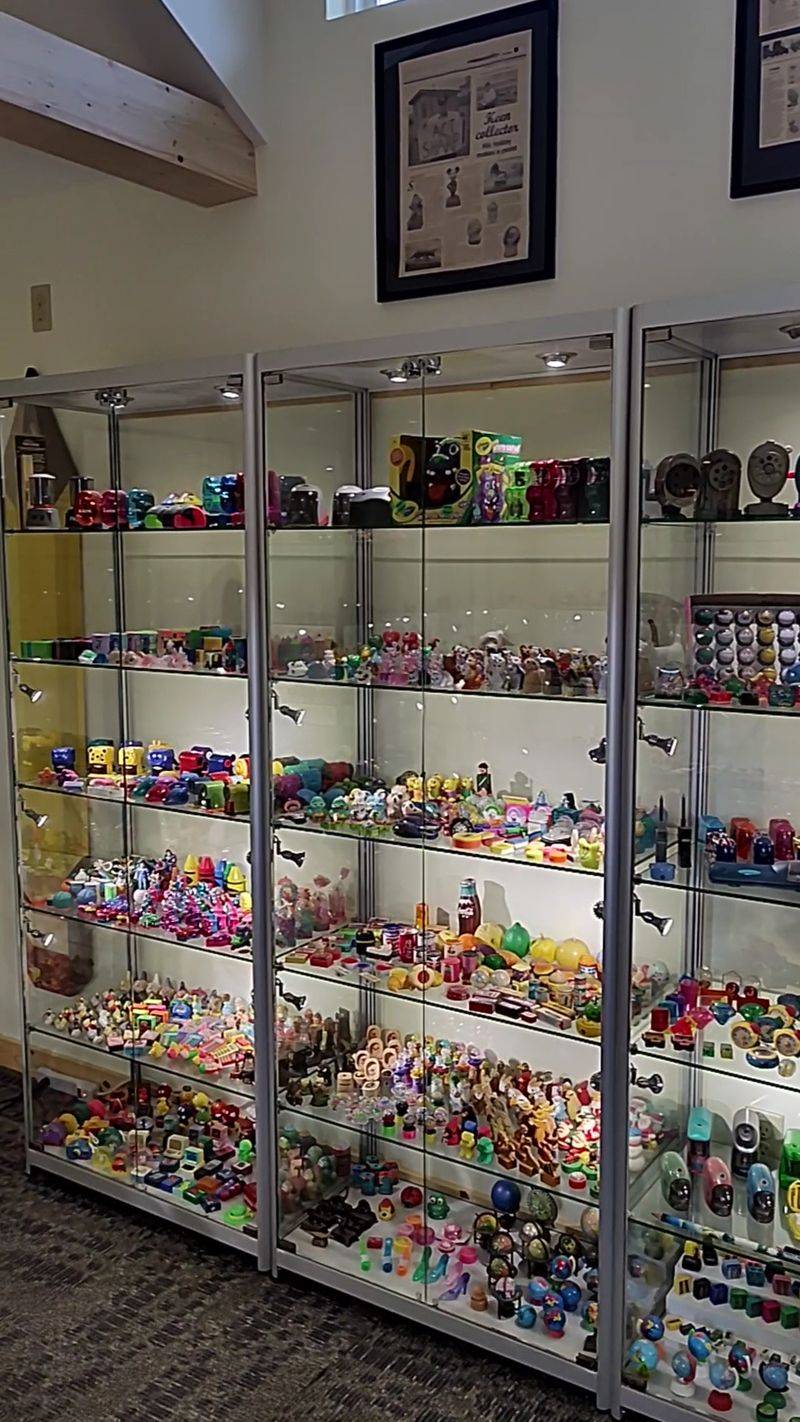
Curious travelers with an appetite for the offbeat tend to get the most out of a visit here. People who seek out roadside attractions, collect small objects, or simply appreciate the idea that someone devoted a lifetime to something specific and strange will feel immediately at home inside the museum.
Families with school-age children are a natural fit, especially with the scavenger hunt available. The combination of visual variety and an active goal keeps kids moving and looking rather than standing around waiting to leave.
Grandparents accompanying their grandchildren often end up the most absorbed visitors of all, drawn in by the vintage pieces.
Even skeptics tend to come around. More than one visitor has admitted walking in with low expectations and walking out genuinely charmed.
The collection has a way of disarming people who expected to find it silly, replacing mild doubt with something closer to quiet admiration for the whole unusual endeavor.
Hours and Days the Museum Is Open
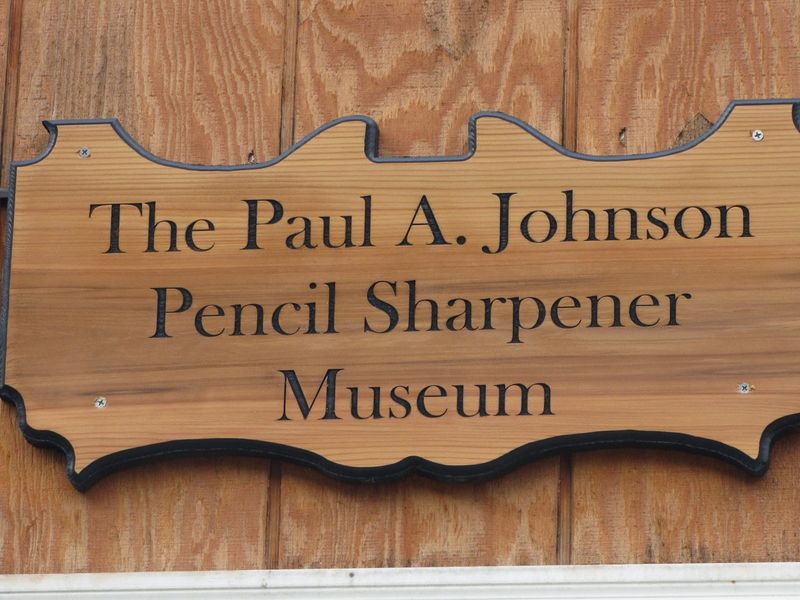
Planning a visit is straightforward. The museum is open Monday through Saturday from 9 AM to 5 PM, giving weekday and Saturday visitors a generous window to stop in at almost any point during a typical day trip to the Hocking Hills area.
Sunday hours are slightly shorter, with the museum opening at 11 AM and closing at 5 PM. That later Sunday start is worth keeping in mind if you are planning a weekend trip and hoping to catch the museum before heading out on a morning hike.
For questions about the museum or updated hours, the phone number on record is 740-385-9706, and additional information is available through the Hocking Hills tourism website. Because the museum sits right beside the welcome center, visitors can also simply ask staff on-site about any changes to operating schedules before making it a dedicated stop on their itinerary.
Getting There and What to Expect on Arrival
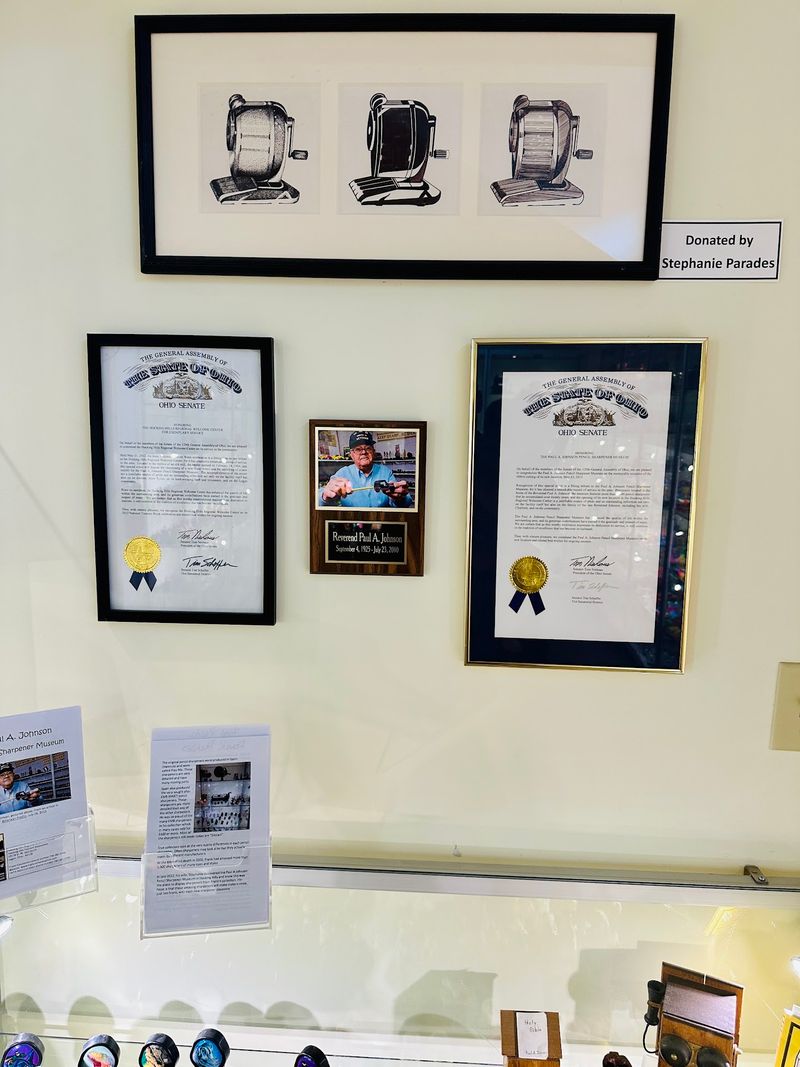
Located at 13178 OH-664 in Logan, Ohio, the museum sits just seconds off Route 33, making it genuinely easy to reach without any complicated navigation. Visitors coming from Columbus can reach the area in roughly an hour and a half, making it a very doable day trip from central Ohio.
Parking is available near the welcome center, and the layout of the campus makes it easy to move between the visitor center, the museum, and the surrounding outdoor features without much walking. The whole stop, including a browse through the welcome center and a full pass through the museum, fits comfortably into thirty to forty-five minutes.
First-time visitors should expect a small building rather than a sprawling facility. Knowing that ahead of time removes any risk of disappointment and lets you appreciate the place for exactly what it is: a tightly curated, genuinely surprising little museum that punches well above its square footage.
A Soft Verdict on a Sharp Little Stop

Not every worthwhile stop needs to take half a day. The Paul A.
Johnson Pencil Sharpener Museum earns its place on any Hocking Hills itinerary precisely because it asks so little and delivers something genuinely memorable in return. Free admission, a short time commitment, and an oddly moving collection make it hard to argue against stopping.
The museum works best when you let yourself slow down and actually look. Rushing through in two minutes misses the point entirely.
Give it ten or fifteen minutes of real attention and the collection starts to reveal its personality, including the humor, the history, and the human story behind every shelf.
Ohio has no shortage of surprising roadside finds, but few of them combine accessibility, zero cost, family-friendly programming, and a backstory as genuinely touching as this one. Penciling it into your next Hocking Hills trip is, without question, worth the small detour off the main road.
Share this story