Some songs burrow into your brain whether you want them to or not. They play at every party, every school dance, and every awkward family gathering until you know every word by accident.
One-hit wonders have a special talent for being both wildly popular and deeply annoying at the same time. Here are 15 of the most infamous songs that people love to hate, and somehow still know all the words to.
1. Disco Duck – Rick Dees and His Cast of Idiots
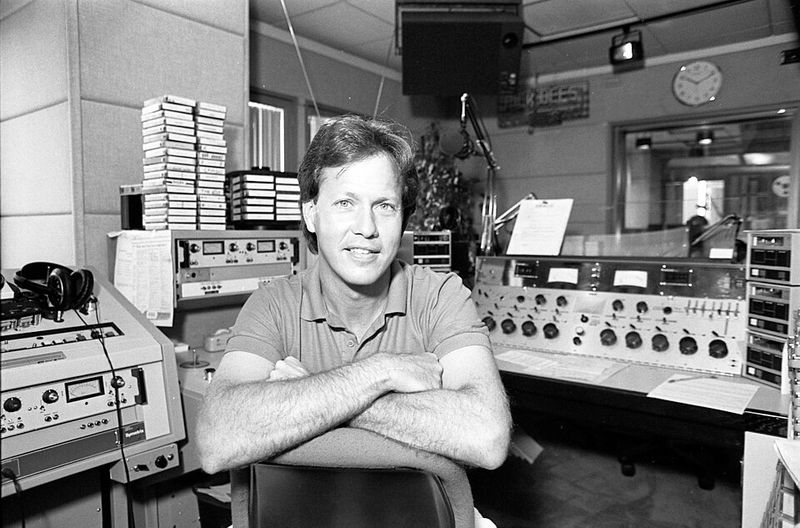
Back in 1976, radio DJ Rick Dees recorded a novelty song featuring a man who suddenly starts quacking like a duck while dancing. The result was “Disco Duck,” a track so ridiculous that many radio stations refused to play it at first.
Somehow, it still shot to number one on the Billboard Hot 100.
Dees was actually fired from his Memphis radio job for recording it, which makes the story even more bizarre. The song features spoken-word sections, duck sound effects, and a funky beat that somehow works despite every reason it should not.
It sold over a million copies and became a certified gold record.
Today, most people cringe the moment they hear that first quack. Yet it holds a weird charm that keeps it alive at retro parties and comedy playlists decades later.
2. Pac-Man Fever – Buckner and Garcia
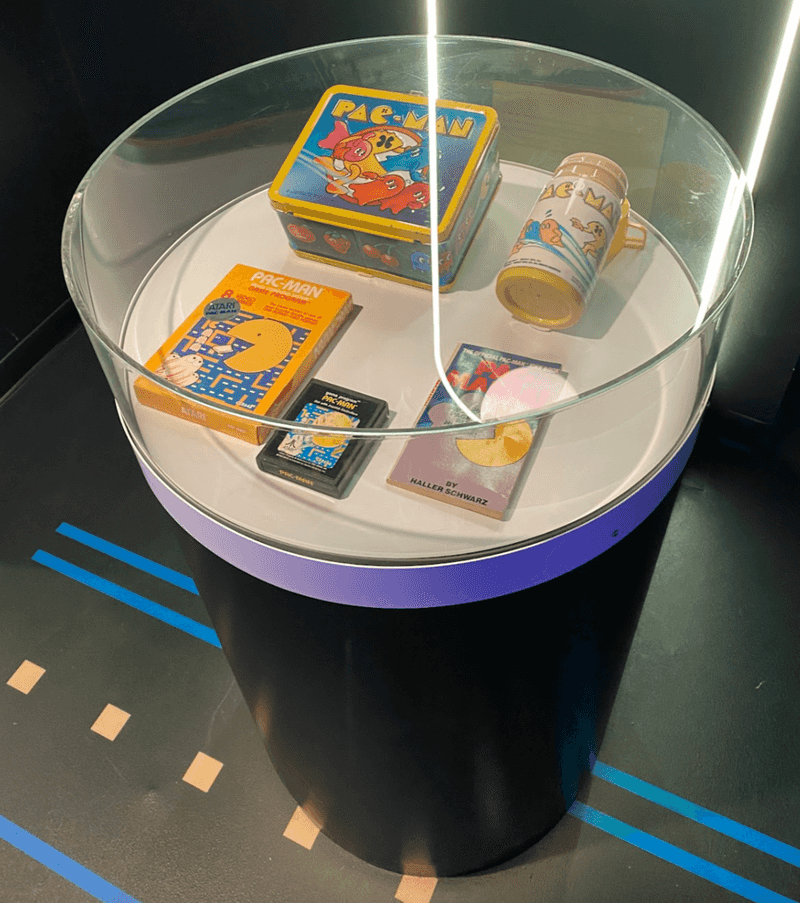
Arcade fever was real in 1982, and Buckner and Garcia decided to bottle it in song form. “Pac-Man Fever” was a bubbly pop track that captured the obsession millions of kids had with the iconic yellow dot-muncher. It peaked at number nine on the Billboard Hot 100 and even spawned a full album of video game-themed songs.
The track features actual Pac-Man sound effects woven into the music, which felt cutting-edge at the time. Jerry Buckner and Gary Garcia were session musicians who spotted a cultural moment and ran straight at it.
Critics were not exactly impressed, but the public disagreed loudly.
Listening to it now is like finding a dusty arcade token in an old jacket pocket. It is cheesy, dated, and oddly delightful.
The song remains a beloved relic of early gaming culture that gamers still reference today.
3. The Streak – Ray Stevens
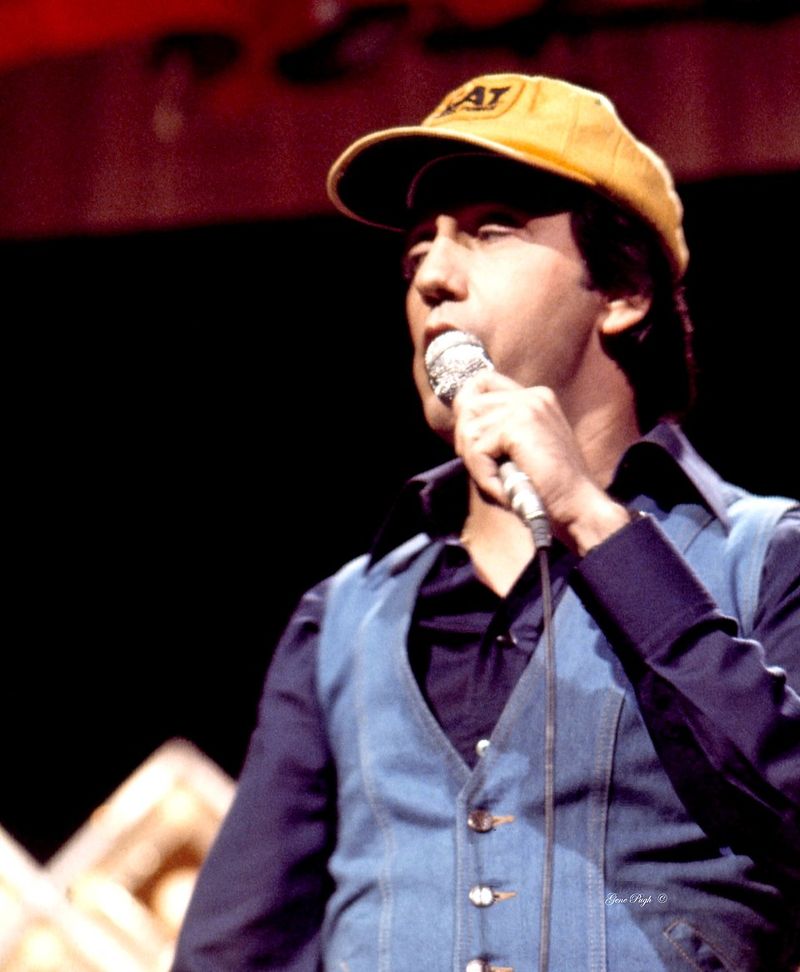
Streaking, the act of running naked through public spaces, was somehow a legitimate fad in 1974. Ray Stevens turned it into a country-comedy hit that reached number one on the pop charts. “The Streak” told the story of an enthusiastic reporter named Ethel covering a naked runner at various public events.
Stevens had a long career as a novelty and comedy songwriter, but this track became the one song everyone remembered. The song features exaggerated Southern accents, slapstick storytelling, and a catchy refrain that lodges itself firmly in your memory.
It sold over five million copies worldwide, which is genuinely staggering for such a goofy concept.
Hearing it today is a strange time capsule moment. It reminds listeners that every era has its weird trends, and someone will always write a song about them.
Stevens wore the label of one-hit wonder with humor and grace throughout his career.
4. Convoy – C.W. McCall
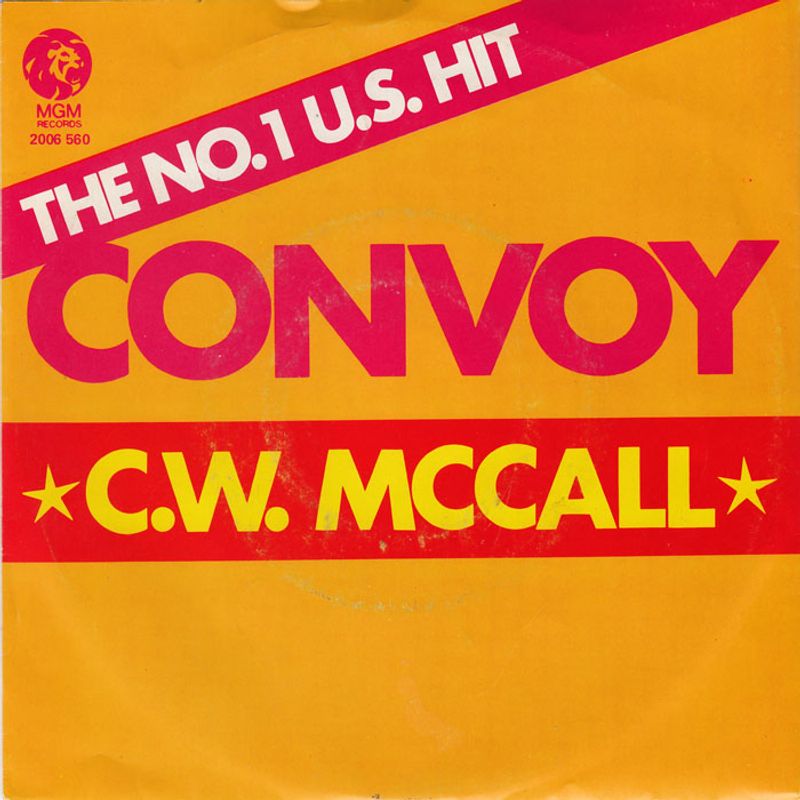
Truckers had their own subculture in the 1970s, complete with CB radio slang that most Americans had never heard before. C.W.
McCall changed that in 1975 with “Convoy,” a spoken-word country song packed with trucker lingo and rebellion against highway patrol officers. It hit number one on both the country and pop charts simultaneously.
The song tells the story of a massive convoy of trucks rolling across the country, refusing to stop at weigh stations. It was so popular it inspired a 1978 film directed by Sam Peckinpah and starring Kris Kristofferson.
Suddenly everyone was saying “10-4, good buddy” in everyday conversation.
C.W. McCall, whose real name was Bill Fries, was an advertising executive before striking musical gold.
The song is campy and very much of its time, but it genuinely captures a moment when truckers were seen as blue-collar folk heroes. It still gets played on classic country stations regularly.
5. Kung Fu Fighting – Carl Douglas
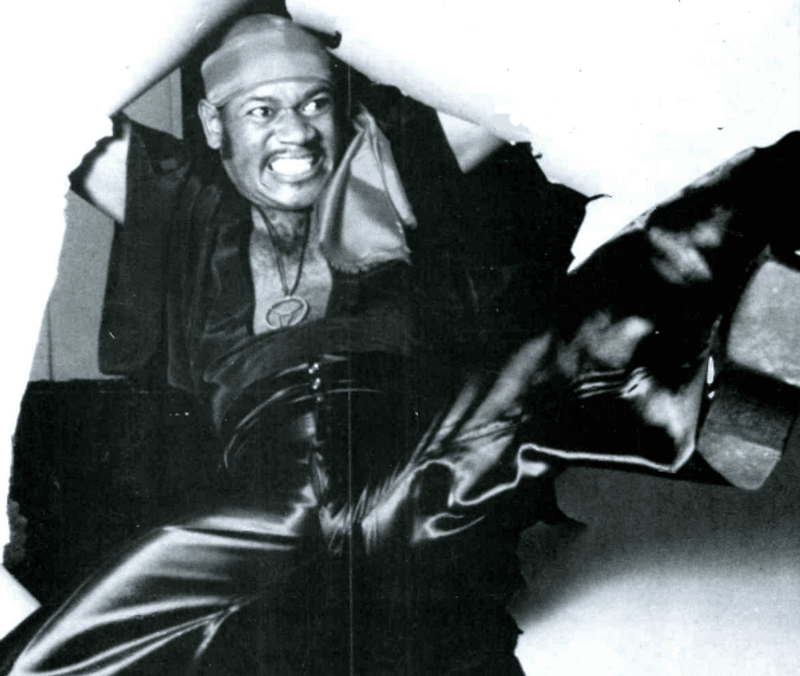
Carl Douglas originally recorded “Kung Fu Fighting” as a B-side filler track in 1974, reportedly in about ten minutes. His label flipped it to the A-side, and it became one of the best-selling singles of all time, moving over 11 million copies globally.
The timing was perfect, riding the wave of Bruce Lee’s explosive popularity in Western cinema.
The song is simple to the point of being almost embarrassingly catchy. It features a repetitive hook, kung fu sound effects, and a disco groove that makes it impossible to sit still.
Douglas himself seemed somewhat baffled by its success, having considered it a throwaway piece of work.
People groan when it comes on at weddings and karaoke nights, but everyone still knows the words. Few songs have been used in more TV commercials, movie trailers, and comedy sketches.
Its legacy as a lovable musical punchline is completely secure at this point.
6. Macarena – Los del Rio

Few songs have caused more involuntary arm movements than “Macarena” by Los del Rio. The Spanish duo released it in 1993, but it exploded globally in 1996 and sat at number one on the Billboard Hot 100 for a record-tying 14 weeks.
The accompanying line dance became inescapable at every school gym, wedding reception, and sporting event on the planet.
Antonio Romero and Rafael Ruiz were veteran flamenco musicians in their 50s when they accidentally became international pop stars. The song was originally a flamenco-pop track about a woman named Macarena who cheats on her boyfriend, which most English-speaking fans never realized.
The remixed version with a faster beat is what conquered the world.
Even people who despise the song can do the full dance from muscle memory. That combination of irritation and unavoidable participation is exactly what makes “Macarena” one of the most iconic one-hit wonders ever recorded.
7. Who Let the Dogs Out – Baha Men
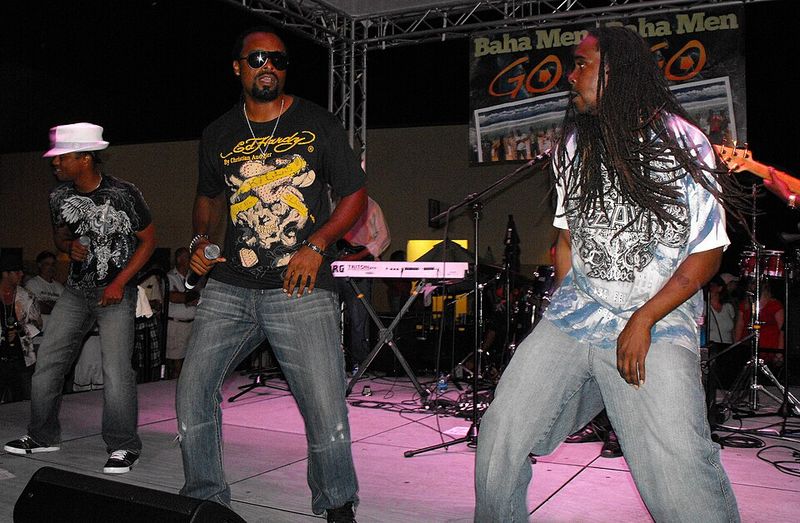
“Who Let the Dogs Out” by the Baha Men is one of those songs that raises more questions than it answers. The Bahamian group released it in 2000, and it became a massive global hit, winning a Grammy Award for Best Dance Recording.
That Grammy win still confuses music fans to this day.
The song was actually written by Anslem Douglas and originally performed by a different group before the Baha Men recorded their version. Its barking chorus was used at sports stadiums everywhere, which only amplified how inescapable it became.
Children loved it. Adults were less enthusiastic.
The phrase itself entered everyday language as a catchphrase used in countless jokes and memes. Years later, a documentary called “Who Let the Dogs Out” explored the song’s strange history and cultural footprint.
It is genuinely fascinating how much mileage one very silly question has gotten over more than two decades.
8. I’m Too Sexy – Right Said Fred
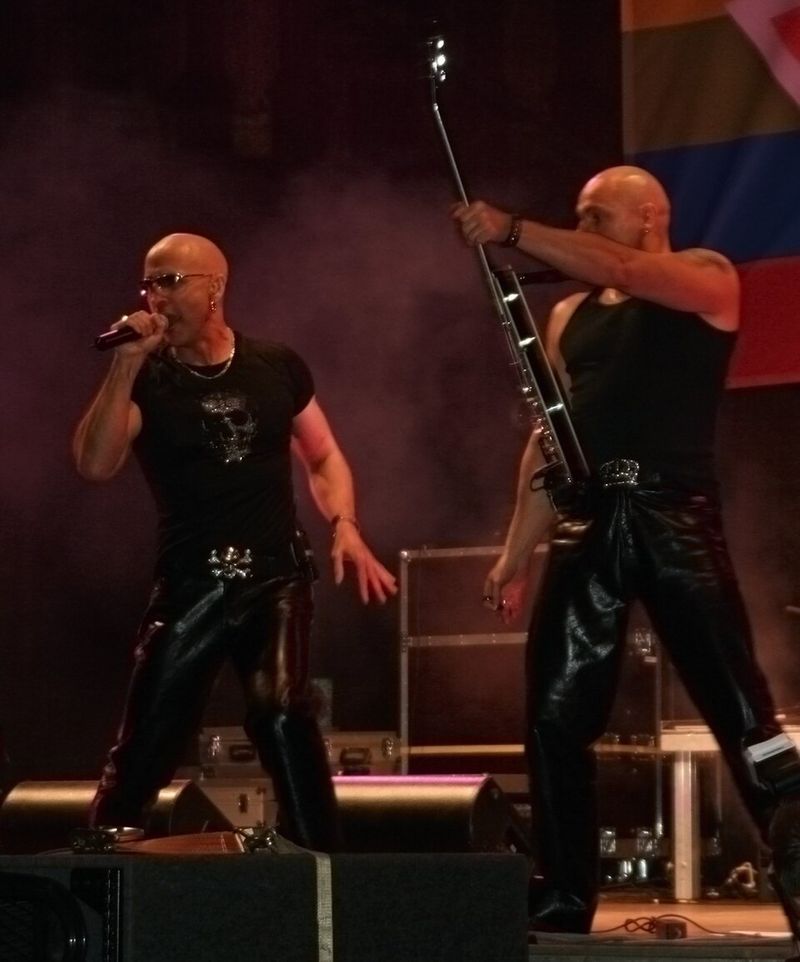
Right Said Fred strutted onto the music scene in 1991 with a song so gloriously self-absorbed it somehow became an anthem. “I’m Too Sexy” featured brothers Richard and Fred Fairbrass singing about being too attractive for their shirt, their car, their cat, and practically everything else. It was absurd, tongue-in-cheek, and completely irresistible.
The song peaked at number one in the UK and reached number one in the US in 1992. Critics were baffled, but the public embraced its ridiculous confidence wholeheartedly.
The duo had a background in session music and fitness, which explained the sculpted image they projected in the music video.
Taylor Swift famously sampled the song for her track “I Feel Like” during her reputation era, giving it a new generation of listeners. Right Said Fred did not exactly approve of the political context surrounding that use, which created its own media moment.
The song refuses to stay quietly in the past.
9. Mambo No. 5 (A Little Bit of…) – Lou Bega
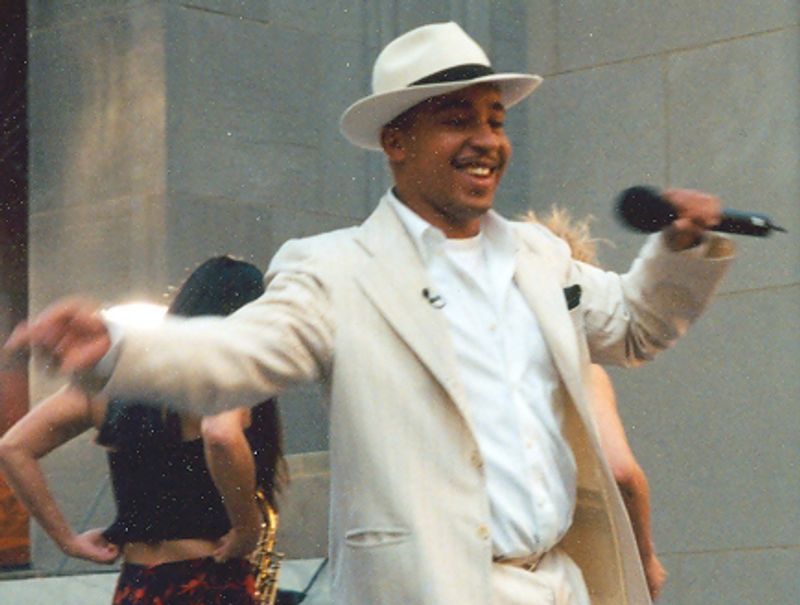
Lou Bega arrived in 1999 with a big band swagger and a list of women’s names that somehow became one of the most recognizable songs of the decade. “Mambo No. 5” was based on a 1949 Perez Prado instrumental, updated with new lyrics and a bouncy Latin-pop production. It topped charts across Europe and became a worldwide phenomenon almost overnight.
The German-born singer of Ugandan and Italian descent had a genuinely charming retro style that stood out sharply from the electronic pop dominating radio at the time. He wore fedoras, danced with big band musicians, and seemed to arrive from a completely different era.
It was refreshing and bizarre in equal measure.
Despite the song’s enormous success, Bega never replicated it commercially. He became a textbook definition of a one-hit wonder, though he continued performing and releasing music.
The song still appears in commercials, films, and party playlists with impressive regularity.
10. Barbie Girl – Aqua
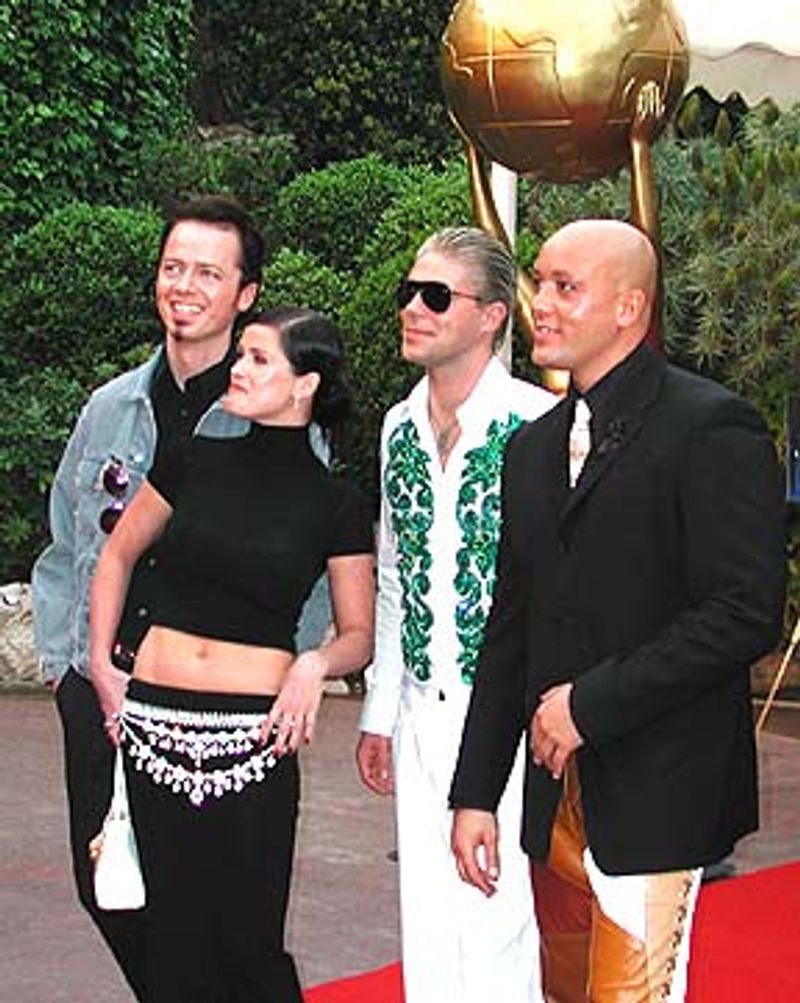
Aqua’s “Barbie Girl” arrived in 1997 like a pink plastic explosion nobody asked for but everyone remembered. The Danish-Norwegian group created a hyper-bubblegum pop track featuring Lene Nystrom as a breathy Barbie and Rene Dif as a deep-voiced Ken.
It was deliberately campy, satirical, and impossible to ignore on the radio.
Mattel, the company that makes Barbie, was not amused. They sued Aqua and MCA Records for trademark infringement, but the lawsuit was ultimately dismissed.
The judge famously wrote that the parties should “chill” in the ruling, which became its own cultural footnote.
The song hit number one in multiple countries and sold over eight million copies. Many adults found it grating, while children adored it completely.
The 2023 Barbie film brought it roaring back into public consciousness, introducing it to yet another generation. Few songs have had such an unexpectedly long cultural shelf life.
11. Cotton Eye Joe – Rednex
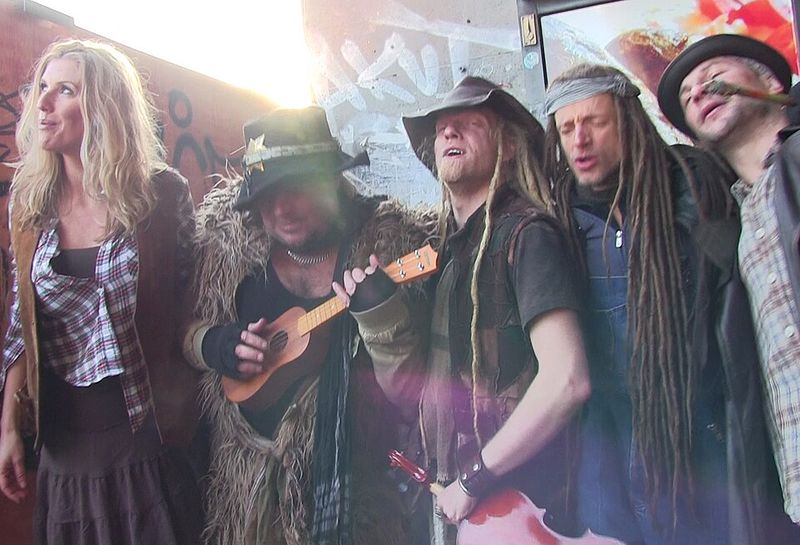
Rednex was a Swedish production group that decided to combine traditional American folk music with Eurodance beats, and the result was “Cotton Eye Joe.” Released in 1994, the track sampled an old American folk song and layered it over an aggressive electronic dance rhythm. It became a staple at school dances and sports arenas worldwide.
The irony is that Rednex had almost nothing to do with American country culture. They were Swedish producers wearing costumes, crafting a product designed purely for dance floors.
The actual performers were hired singers and musicians rather than a traditional band.
Despite the manufactured nature of the project, the song has remarkable staying power. It still gets played at roller rinks and middle school dances, where it causes the same chaotic line-dancing response it always did.
The fiddle hook alone is enough to make any crowd suddenly remember every step of the dance. Hate it or love it, it works.
12. The Ketchup Song (Aserejé) – Las Ketchup
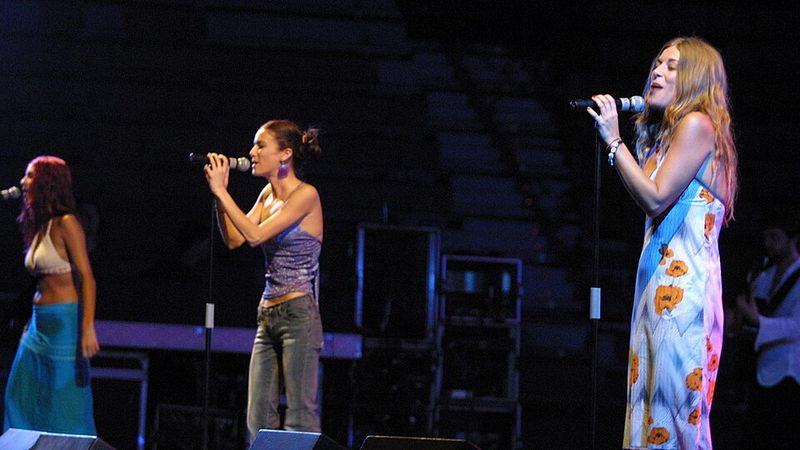
Three sisters from Cordoba, Spain became accidental global pop stars in 2002 with a song that made almost no linguistic sense to most of its listeners. “Aserejé,” known internationally as “The Ketchup Song,” featured lyrics that sounded like nonsense syllables phonetically imitating a DJ’s name. The actual meaning referenced rapper Sugar Hill Gang’s “Rapper’s Delight,” which most fans never knew.
The accompanying dance was simple enough for anyone to learn, which helped it spread rapidly across playgrounds and parties in Europe, Latin America, and beyond. Las Ketchup, daughters of flamenco guitarist El Tomate, had a warm family charm that made the whole thing feel sweetly innocent.
The song hit number one in over 20 countries and sold millions of copies. Critics found it silly, but children absolutely adored it.
A follow-up single failed to connect, cementing the group’s one-hit wonder status. The song remains a cheerful, slightly baffling artifact of early 2000s pop culture.
13. Because I Got High – Afroman
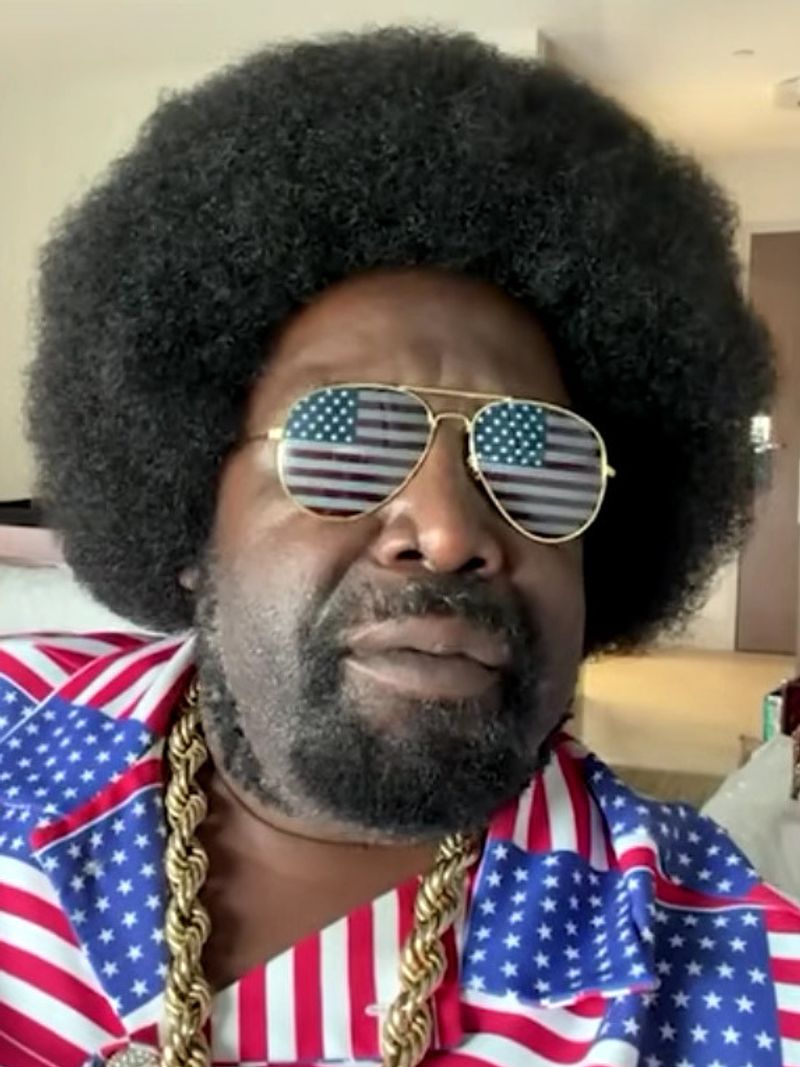
Afroman recorded “Because I Got High” in his home studio in 2000 as a joke track, never expecting it to reach a mainstream audience. The song’s narrator blames marijuana for every failure in his life, including missing court dates and losing custody of his children.
The repetitive structure and deadpan delivery made it comedy gold for a certain audience.
A friend uploaded it to the internet, and it spread rapidly before the era of social media made that kind of viral spread commonplace. Afroman signed with Universal Records and released a cleaned-up version that still managed to reach number one in the UK and Ireland.
It peaked at number thirteen on the US Billboard Hot 100.
The song was later reworked as a pro-marijuana legalization anthem with updated lyrics. Afroman embraced his one-hit wonder status with good humor and continues performing the song live.
Its raw, lo-fi origin story is genuinely one of the more interesting in pop music history.
14. What Is Love – Haddaway
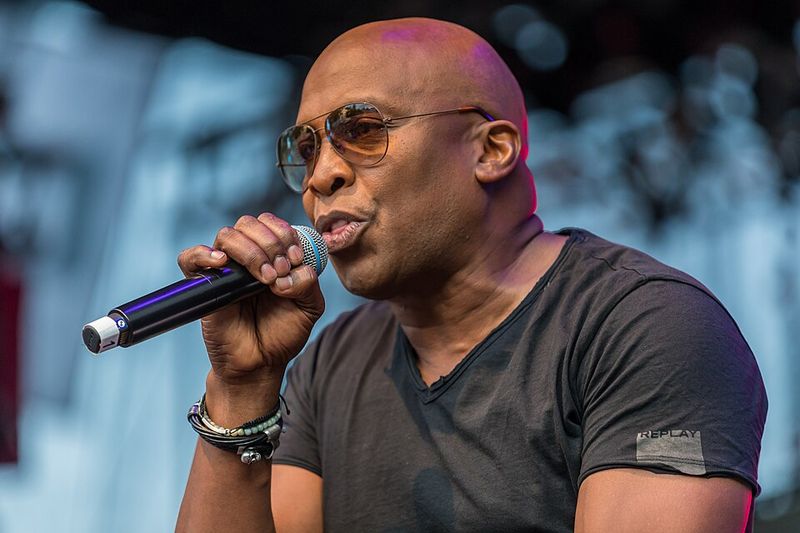
Haddaway asked one of music’s most dramatic questions in 1993, and nobody could stop listening. “What Is Love” is a Eurodance track built on a pounding keyboard riff and an emotionally desperate vocal performance that somehow became one of the defining sounds of the decade. The Trinidad-born, Germany-based singer delivered it with complete sincerity.
The song became even more famous after Mike Myers and Chris Kattan performed their iconic head-bobbing “Night at the Roxbury” sketch on Saturday Night Live. That sketch, and the 1998 film it inspired, gave the song a comedic second life that overshadowed its original emotional intent entirely.
Haddaway reportedly had mixed feelings about being permanently associated with the gag.
The track peaked at number two in the UK and became a top-ten hit across Europe. Its thundering chorus still fills dance floors at 90s-themed nights without fail.
Few Eurodance songs have remained this recognizable this many years after their original release.
15. Friday – Rebecca Black

Rebecca Black was just 13 years old when her parents paid a company called ARK Music Factory to produce a song and music video for her in 2011. “Friday” was released on YouTube and quickly became one of the most-watched and most-disliked videos in the platform’s history. The song’s lyrics, which carefully explained that Friday comes after Thursday, were widely mocked.
At its peak, the video was receiving around 300,000 dislikes per day. Black faced intense cyberbullying that she later spoke about publicly with remarkable maturity.
The song was not meant to be a professional release but rather a fun project for a middle schooler who loved singing.
“Friday” generated genuine cultural conversation about internet cruelty toward young people and the strange machinery of viral fame. Black has since built a legitimate music career, leaning into the song’s legacy with self-awareness and humor.
She re-released it in 2021 with a new version that actually charted.
Share this story