The 1960s was one of the most turbulent and creative decades in American history, and popular music tracked every twist and turn. From teenage dance crazes in 1960 to protest anthems in 1969, the records released during those ten years documented a society changing faster than most people could process.
Teenagers bought 45s with allowance money, debated which group was better, and carried records to parties the way later generations would share playlists. Radio stations, jukeboxes, and portable record players meant that a single song could reach millions of listeners within days of its release.
The artists on this list shaped what it meant to be young during that decade, each one arriving at exactly the right cultural moment. Whether you lived through it or discovered these songs later, the history packed into each groove is worth understanding.
1. Runaround Sue by Dion
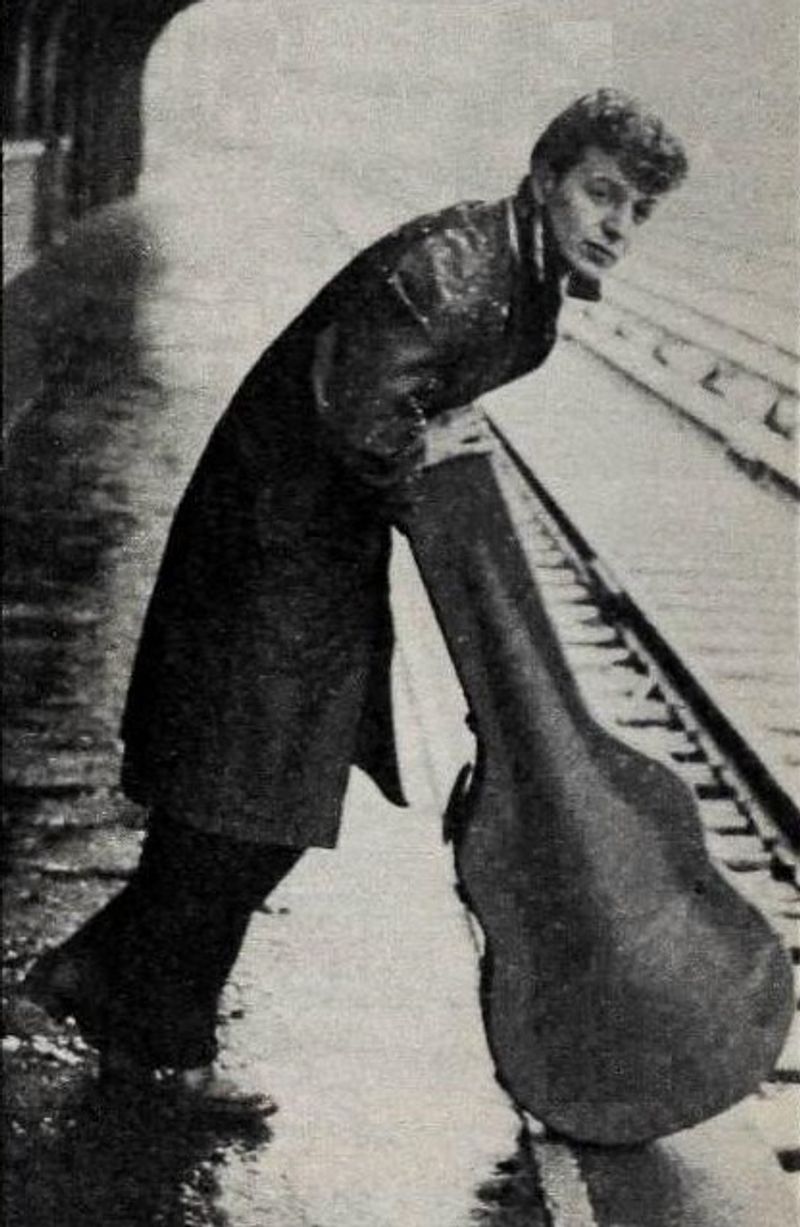
Before the British Invasion reshuffled American pop entirely, a kid from the Bronx was already ruling the charts. Dion DiMucci had built his reputation with the Belmonts, but Runaround Sue announced his solo career with unmistakable confidence.
Released in 1961, the song went straight to No. 1 on the Billboard Hot 100.
The arrangement featured prominent handclaps and call-and-response backing vocals that owed a clear debt to doo-wop, while the rock-and-roll energy pushed it firmly into the new decade. Jukeboxes in diners and car radios in parking lots played it constantly.
The story of a girl who couldn’t stay faithful was simple enough for any teenager to follow.
Dion’s charismatic delivery gave the song swagger without cruelty, which is part of why it held up. Runaround Sue remains a vivid snapshot of early-1960s youth culture, before the musical landscape shifted almost beyond recognition.
2. Be My Baby by The Ronettes
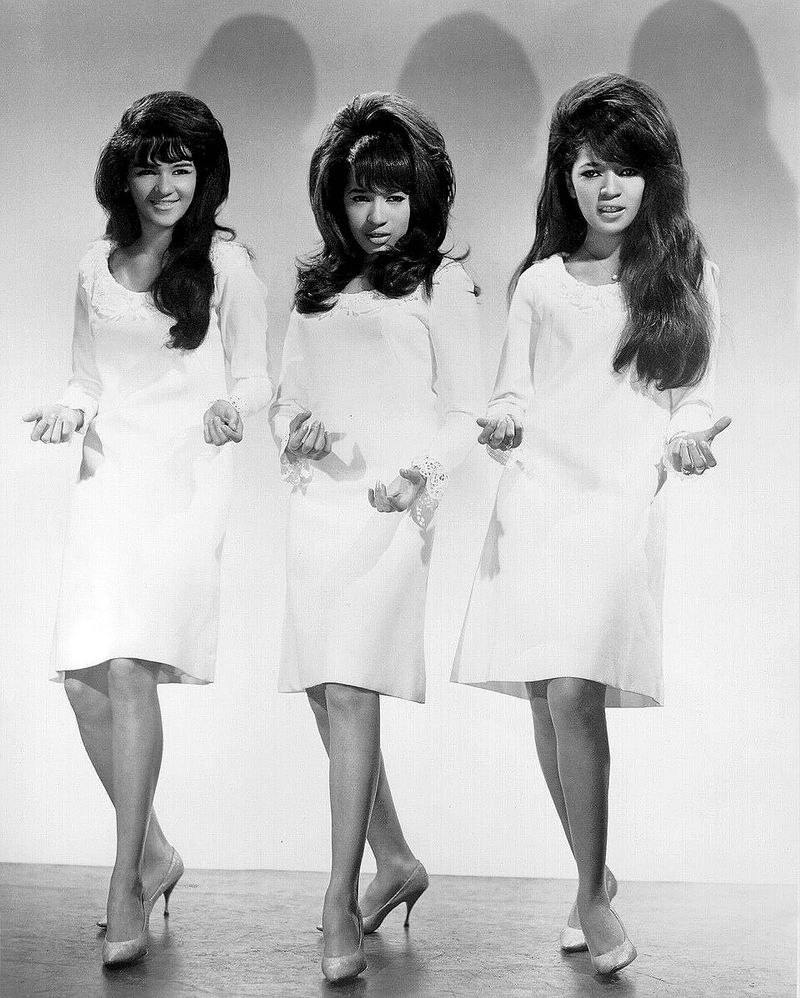
That opening drumbeat, played by session musician Hal Blaine, is one of the most instantly recognized moments in pop history. Be My Baby was released in August 1963 on Philles Records and reached No. 2 on the Billboard Hot 100.
Ronnie Spector’s lead vocal carried an emotional directness that cut right through the elaborate production surrounding it.
Phil Spector’s Wall of Sound technique layered instruments and vocals into a dense, massive arrangement that sounded far larger than a typical pop single. Co-written by Jeff Barry, Ellie Greenwich, and Phil Spector, the song set a production standard that influenced artists for decades.
Brian Wilson of the Beach Boys later named it one of the greatest pop records ever made.
For teenagers in 1963, Be My Baby represented something new: a record that felt genuinely enormous regardless of what it was played on. Ronnie Spector was the only Ronette who appeared on the actual recording.
3. I Want to Hold Your Hand by The Beatles
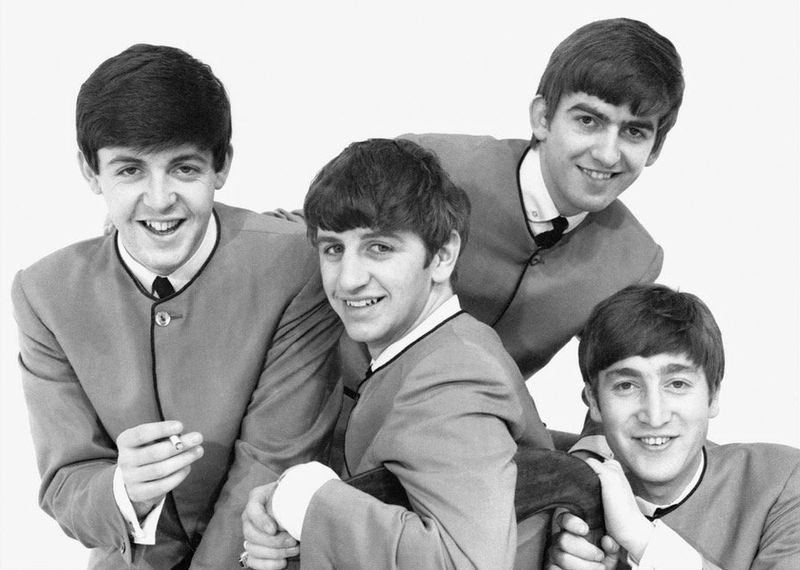
Capitol Records rush-released this song in the United States on December 26, 1963, responding to public demand that had already outpaced the original January release schedule. It hit No. 1 on the Billboard Hot 100 on February 1, 1964, just eight days before the Beatles appeared on The Ed Sullivan Show and performed it live to an estimated 73 million viewers.
Beatlemania spread with a speed that surprised even the music industry. Record stores ran out of stock.
Teenagers cut their hair to match the band. By April 4, 1964, the Beatles occupied all five of the top positions on the Billboard Hot 100, a chart achievement that has never been repeated.
The song itself is a model of focused pop construction: tight harmonies, handclaps, and a shared vocal between John Lennon and Paul McCartney. For Americans who experienced it in real time, the record marked a genuine before-and-after moment in popular culture.
4. My Girl by The Temptations
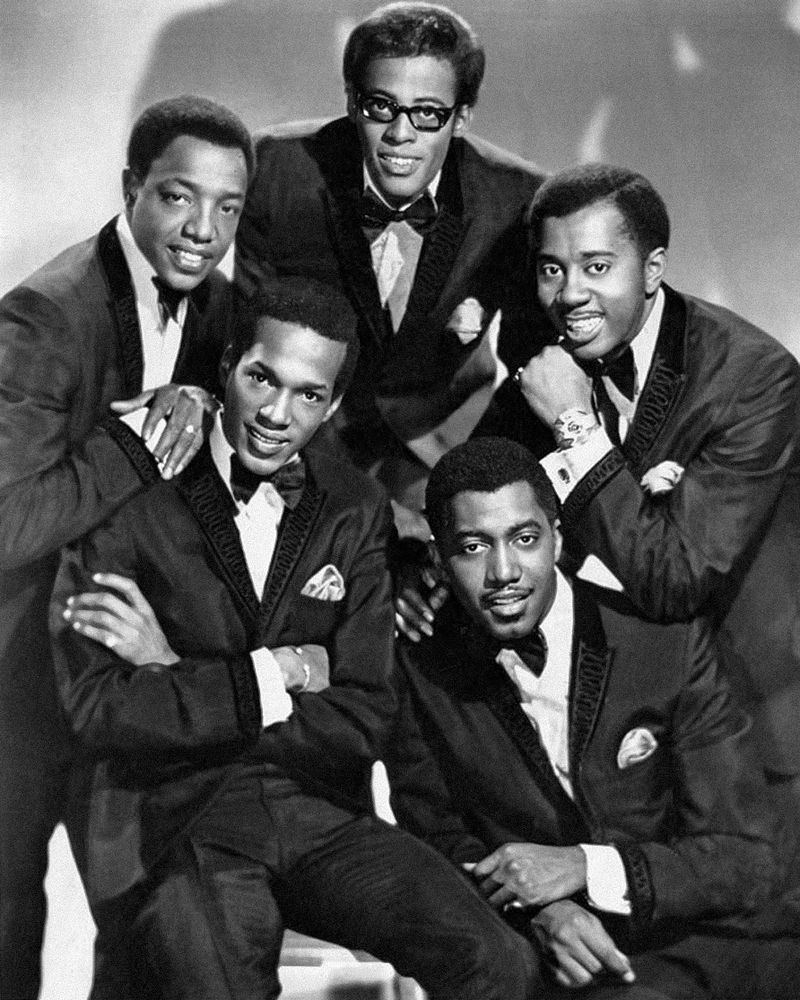
Smokey Robinson and Ronald White wrote this song after watching David Ruffin perform, and the result became the Temptations’ first No. 1 hit on the Billboard Hot 100. Released as a single on December 21, 1964, it reached the top of the chart on March 6, 1965.
The famous opening bass line was played by Funk Brothers bassist James Jamerson, whose work defined the Motown sound across dozens of hits.
Ruffin’s lead vocal balanced warmth and assurance in a way that made the song feel both personal and universal. The arrangement was elegant without being stiff, which is why it worked at school dances, on family radios, and at parties simultaneously.
Motown’s ability to cross audience lines was one of the decade’s most significant cultural developments.
My Girl was inducted into the Grammy Hall of Fame in 1998 and later added to the National Recording Registry by the Library of Congress in 2017 for its cultural and historical significance.
5. California Girls by The Beach Boys
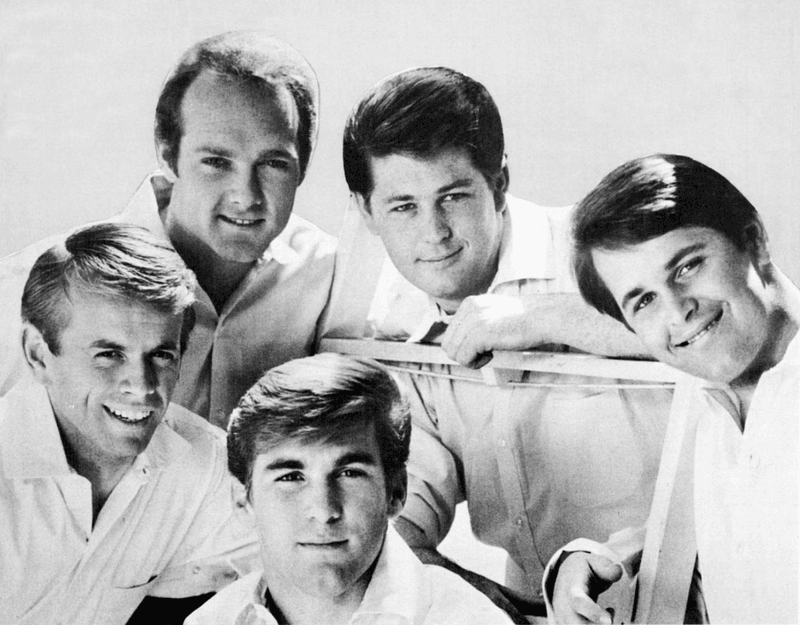
Brian Wilson and Mike Love wrote this song partly after the band returned from their first European tour, and Wilson later described it as a hymn to youth. Released on July 12, 1965, California Girls reached No. 3 on the Billboard Hot 100 and appeared on the album Summer Days (And Summer Nights!!).
The song opened with a lengthy instrumental passage that was unusually sophisticated for a pop single of the era, before Mike Love’s vocal arrived to celebrate girls from across the United States and around the world. For teenagers in landlocked states or cold northern climates, the Beach Boys had spent years constructing a California mythology built on surf, sun, and freedom.
California Girls was not just a catchy single. It was a geography lesson delivered through harmony vocals and studio craft.
The record helped establish California as the aspirational backdrop of American teenage life during the mid-1960s.
6. Like a Rolling Stone by Bob Dylan
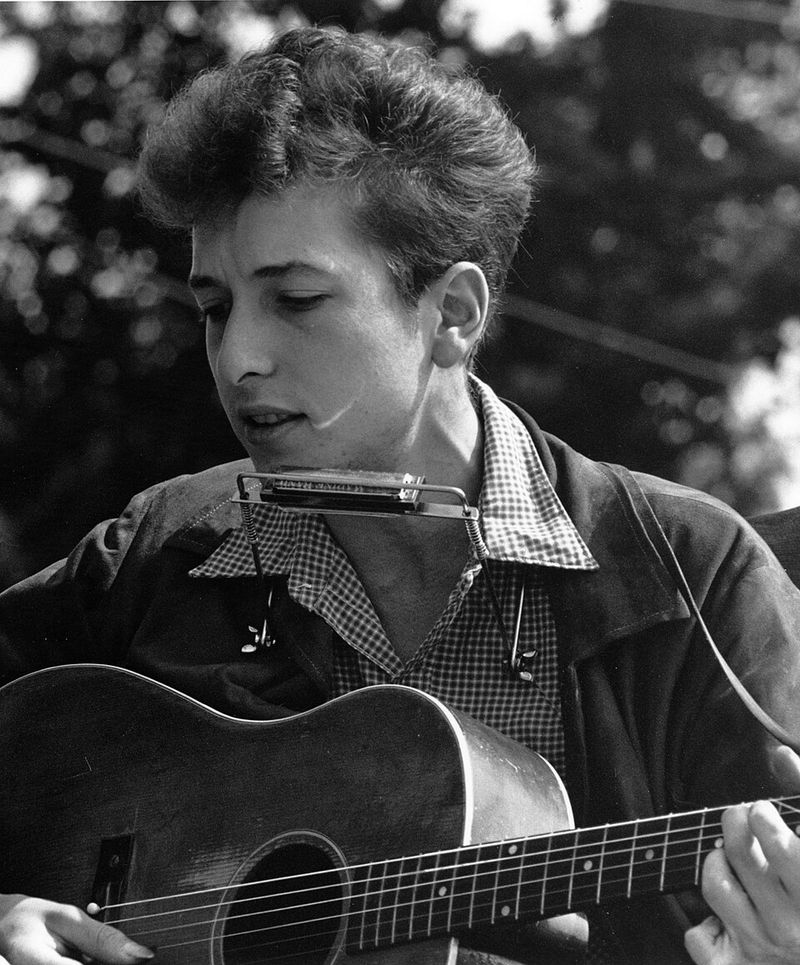
Columbia Records hesitated to release a six-minute pop single in 1965. The label eventually relented after the recording leaked to a club and influential DJs started playing it immediately.
Like a Rolling Stone was released on July 20, 1965, as the lead single from Highway 61 Revisited, and it climbed to No. 2 on the Billboard Hot 100, held back only by the Beatles’ Help!
Al Kooper, a session musician who had not been hired to play organ, improvised the memorable keyboard riff during the recording session. Dylan’s lyrics were confrontational and literary in a way that had rarely appeared on mainstream radio.
The question at the song’s center, asking how it feels to be on your own with no direction home, landed differently for teenagers than it did for anyone else.
Dylan’s performance at the Newport Folk Festival that same year, playing amplified electric instruments, signaled a broader shift in what popular music could be and who it could challenge.
7. You Cant Hurry Love by The Supremes
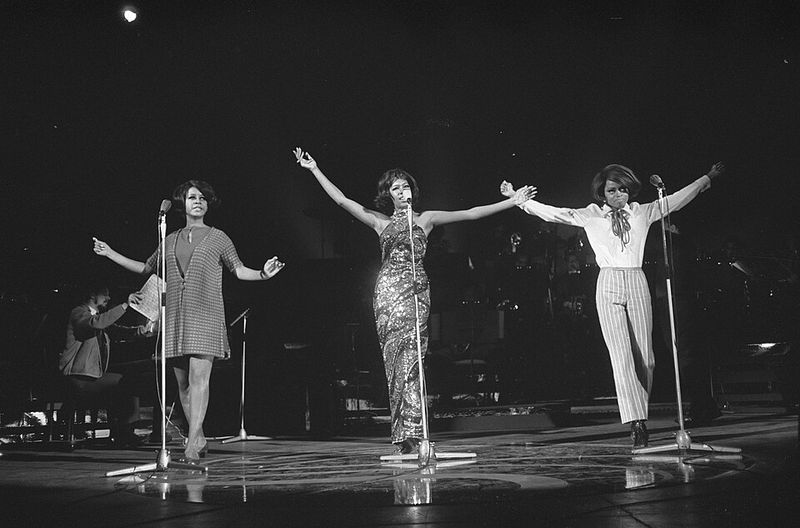
Holland-Dozier-Holland, Motown’s most productive songwriting and production team, crafted this single during the Supremes’ remarkable run of chart dominance. Released on July 25, 1966, You Can’t Hurry Love reached No. 1 on the Billboard Hot 100 for two weeks, from September 4 to September 17, and also topped the R&B chart.
It was the group’s seventh number-one hit.
Diana Ross’s vocal delivery made the song’s advice about patience feel genuine rather than preachy. The arrangement was propulsive and precise, which was a Holland-Dozier-Holland trademark.
The Supremes were regular guests on The Ed Sullivan Show and other television programs, making them among the most visible Black artists in America during the mid-1960s.
Their coordinated outfits and polished stage presence made them cultural figures as much as musicians. Billboard later placed You Can’t Hurry Love at number 19 on their list of the 100 Greatest Girl Group Songs of All Time.
8. Good Vibrations by The Beach Boys
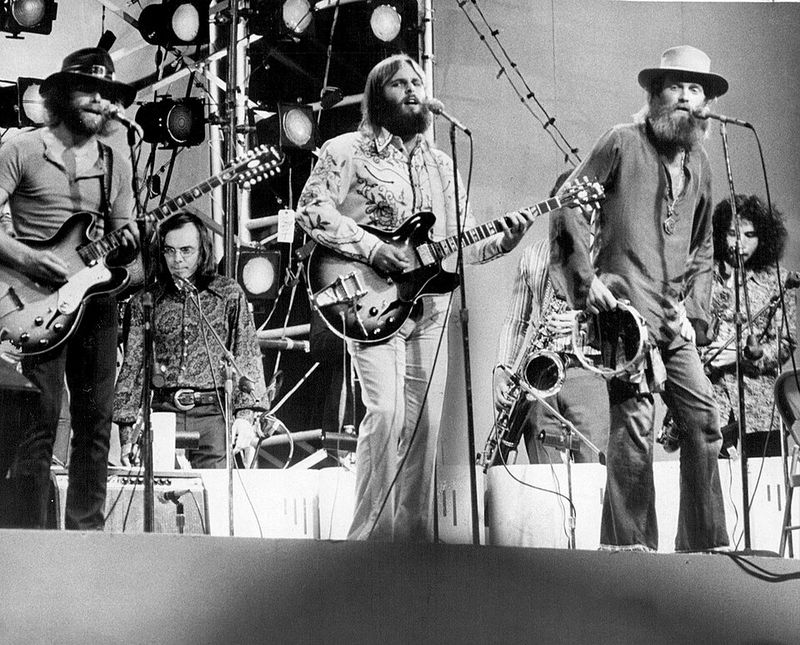
Brian Wilson spent an estimated $50,000 to $75,000 and more than 90 hours of tape assembling this single across multiple recording sessions in 1966. The result was unlike anything else on American radio that year.
Good Vibrations reached No. 1 on the Billboard Hot 100 in December 1966, spending one week at the top.
The production moved through distinct sections, switching instruments and vocal textures in ways that made the song feel like several ideas sewn together into one coherent piece. The electro-theremin gave it a particularly unusual quality.
Cello, bass harmonica, and layered harmonies completed an arrangement that was genuinely difficult to categorize.
Teenagers who had first known the Beach Boys through simple surfing songs heard something entirely different here. Good Vibrations demonstrated that a pop single could be experimental and still reach a mass audience.
The record influenced how producers and artists thought about what the recording studio itself could accomplish.
9. Respect by Aretha Franklin
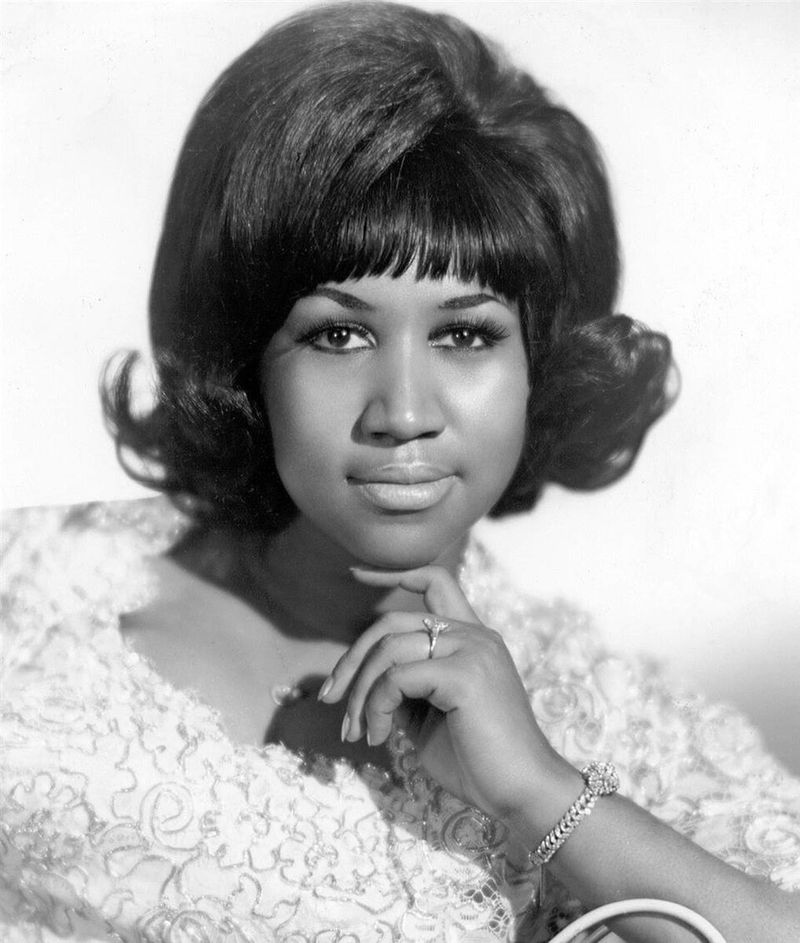
Otis Redding wrote Respect in 1965 as a plea from a man to a woman. Aretha Franklin took the song in 1967 and turned it into something entirely different.
Her version was released on April 10, 1967, and reached No. 1 on the Billboard Hot 100 for two weeks, while also topping the R&B chart. Franklin rewrote portions of the lyrics and added the famous spelled-out chorus.
Her backing vocals, the driving horn arrangement, and the sheer force of her delivery transformed a straightforward soul track into a statement. The civil rights movement and the emerging women’s movement both adopted the song almost immediately.
Franklin won two Grammy Awards for it in 1968, and it was inducted into the Grammy Hall of Fame in 1987.
Respect arrived at a moment when American society was visibly reorganizing itself along generational, racial, and gender lines. The record did not merely reflect that moment.
For many listeners, it helped define it.
10. Light My Fire by The Doors
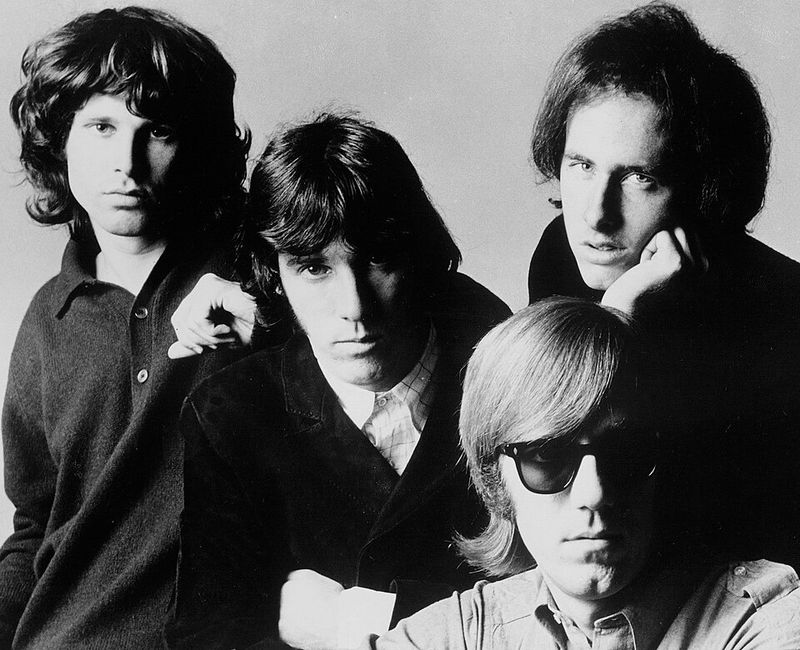
Robby Krieger wrote the bulk of this song, though it was credited to the entire band. The album version, released in January 1967 on the Doors’ self-titled debut, ran to 7 minutes and 6 seconds, with extended instrumental passages centered on Ray Manzarek’s keyboard work.
A radio edit trimmed it to under three minutes and reached No. 1 on the Billboard Hot 100 for three weeks in late July and early August 1967.
Jim Morrison’s theatrical vocal style and dark stage persona set the Doors apart from the more cheerful pop acts that had dominated American radio only a few years earlier. The song became closely associated with the psychedelic counterculture of 1967, sometimes called the Summer of Love.
For teenagers, the records you bought were increasingly becoming markers of identity and attitude. Light My Fire sat at the point where pop music moved from entertainment into something that felt more like a generational declaration.
11. Mrs. Robinson by Simon and Garfunkel
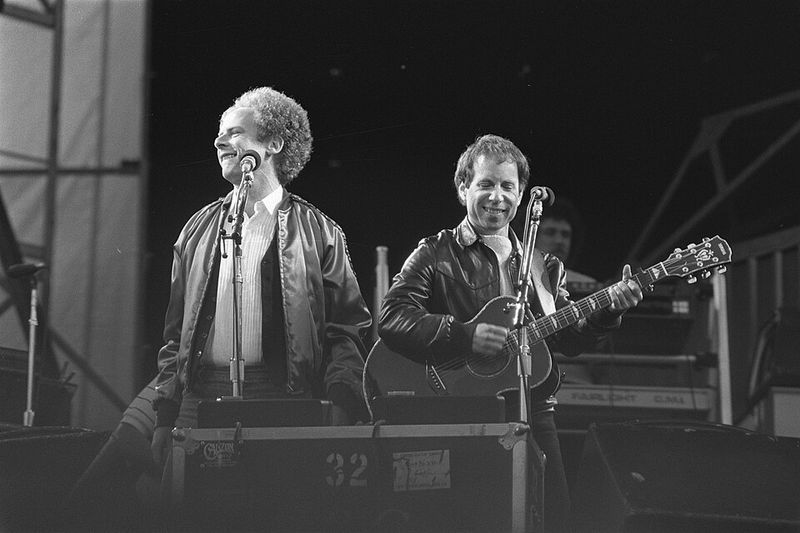
A shorter, unfinished version of this song appeared in the 1967 film The Graduate before the complete recording was released on the Bookends album in 1968. The single version reached No. 1 on the Billboard Hot 100 that year and won Grammy Awards for Record of the Year and Best Contemporary Pop Performance by a Vocal Duo or Group.
Paul Simon’s lyrics moved through sharp cultural references, including a direct mention of baseball legend Joe DiMaggio, while the cheerful melody sat in deliberate contrast to the underlying sense of disorientation. The Graduate itself resonated with young audiences who recognized the film’s themes of confusion and uncertainty about the future expected of them.
Mrs. Robinson tied together movies, generational anxiety, and popular music in a way that felt specific to 1968. Hearing it today brings back not just a song but an entire set of cultural attitudes that were shifting rapidly during the final years of the decade.
12. The Twist by Chubby Checker
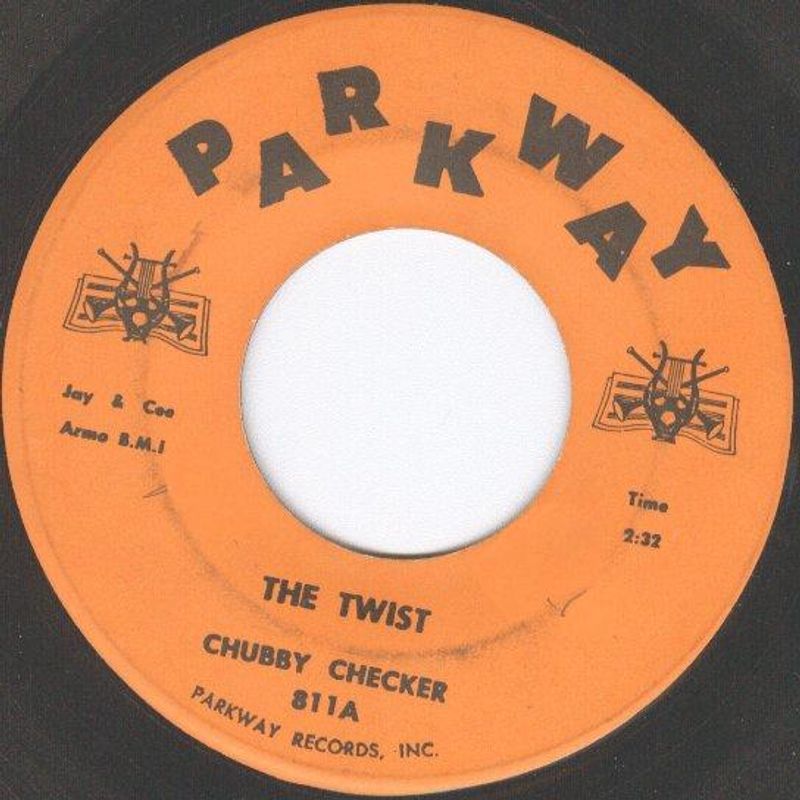
A single 45 record once convinced an entire country to learn a new dance in a matter of weeks. Chubby Checker’s version of The Twist was released in 1960, and it hit No. 1 on the Billboard Hot 100 on September 19 of that year.
Teenagers had seen him perform it on American Bandstand, and the appeal was immediate.
The dance required no partner and no complicated footwork, which made it accessible at school gyms, basement parties, and living rooms across the country. The Twist then pulled off something almost unheard of in pop music: it returned to No. 1 in January 1962, becoming the only non-holiday song to accomplish that feat at the time.
Producer Dave Appell shaped the record’s tight, energetic sound. The song was inducted into the Grammy Hall of Fame in 2000, confirming its place as one of the decade’s defining cultural events.
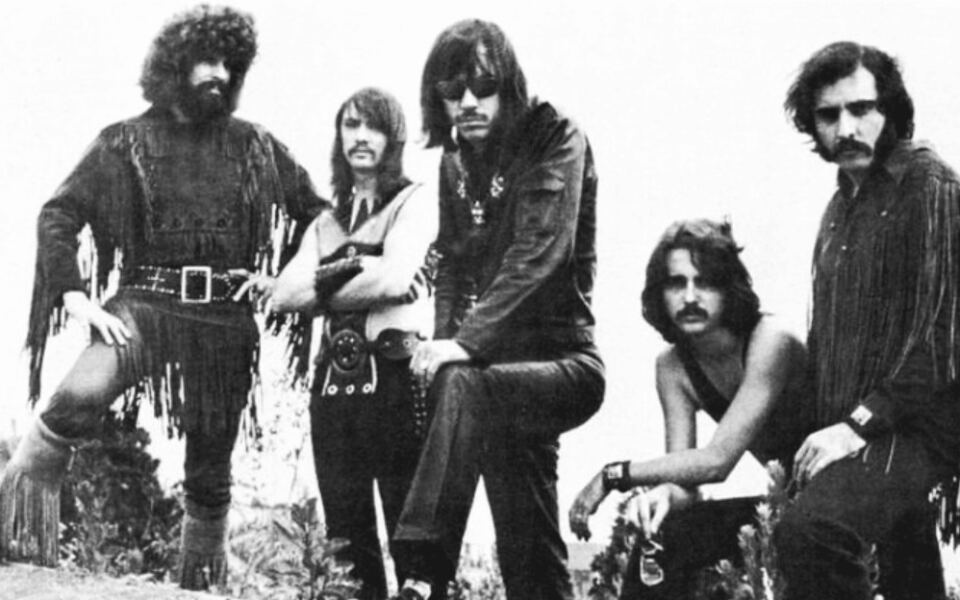
13. Born to Be Wild by Steppenwolf
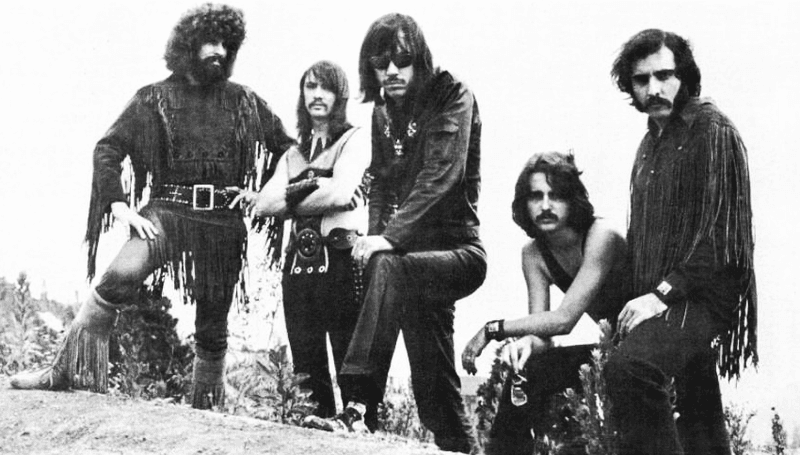
Steppenwolf released Born to Be Wild in 1968, and it climbed to No. 2 on the Billboard Hot 100. The song is widely credited with introducing the phrase heavy metal thunder into popular vocabulary, though the genre that would later carry that name was still forming.
John Kay’s raw vocal delivery and the roaring guitar arrangement gave the track an intensity that felt new on mainstream radio.
Its cultural footprint expanded dramatically when the song appeared in the 1969 film Easy Rider, which followed two motorcyclists riding across America. The connection between the song and the film became permanent almost immediately.
Born to Be Wild stopped being just a rock single and became shorthand for a particular vision of freedom and rebellion.
For teenagers too young to ride motorcycles or leave town, the record provided a convincing substitute. Its opening riff still carries the same charge it did in 1968, which is a reliable measure of how well the song was built.
14. Fortunate Son by Creedence Clearwater Revival
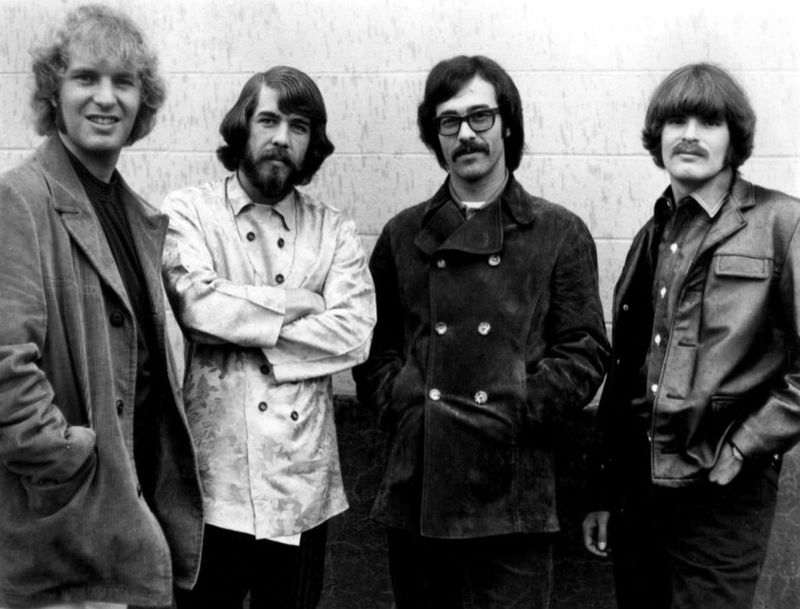
John Fogerty wrote Fortunate Son in a burst of anger after observing how wealth and political connections could protect certain young men from the Vietnam draft while others had no such options. Released as a single in September 1969 and included on the album Willy and the Poor Boys, it reached No. 3 on the Billboard Hot 100 in December of that year.
The song was short, direct, and built around a guitar riff that arrived at full force from the first measure. For young Americans near draft age, Vietnam was not a distant policy debate.
It shaped decisions about college enrollment, career paths, and personal relationships in ways that earlier generations had not faced in quite the same way.
Fortunate Son quickly became an anthem for the anti-war movement. The Library of Congress added it to the National Recording Registry in 2013.
As the final entry on this list, it captures exactly how far popular music had traveled in a single decade.
Share this story