Oklahoma has a way of hiding its most fascinating stories in plain sight, and few places prove that better than a crumbling frontier fort sitting just off historic Route 66. Soldiers, prisoners of war, and cavalry horses all left their mark on these weathered grounds, and locals say the stories never quite faded with them.
Whether you’re drawn by history, mystery, or just plain curiosity, this place rewards every kind of visitor. Pack your camera and your sense of wonder because Fort Reno is not your average afternoon stop.
A Frontier Outpost Rooted in the Oklahoma Plains
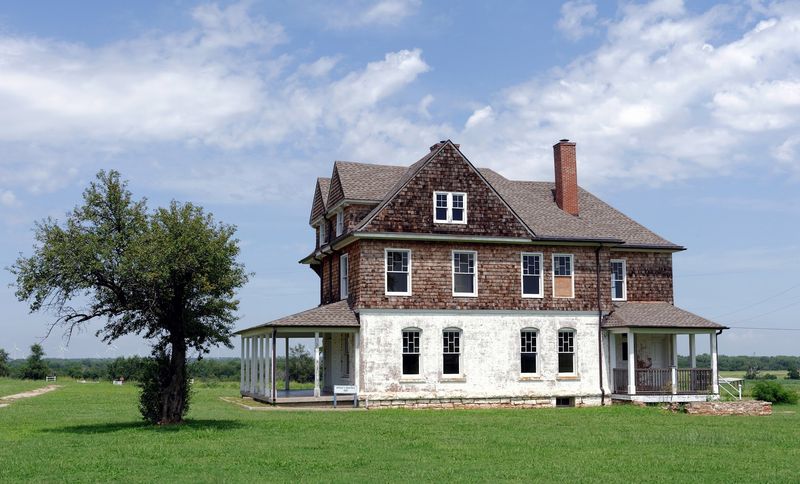
Planted on a rolling stretch of Oklahoma prairie just west of El Reno, Fort Reno carries one of the most layered histories in the entire state. Built in the 1870s during the Indian Wars, the fort was established to help manage tensions between settlers and Native American tribes on the southern plains.
What started as a military garrison eventually grew into something far more complex over the following decades.
Sitting along a section of historic Route 66, the fort has welcomed everyone from cavalry soldiers to World War II prisoners of war. Many visitors stumble upon it by happy accident while road-tripping west, and they almost always say the same thing: they had no idea this place existed.
That element of surprise is part of what makes Fort Reno so compelling.
The surrounding landscape still feels open and unhurried, much like it must have in the 1800s. Rolling grasslands stretch out beyond the parade grounds, and the original buildings stand as quiet reminders of the people who once called this remote outpost home.
For history lovers and casual explorers alike, Fort Reno delivers a sense of discovery that is genuinely hard to manufacture.
Layers of Military History Spanning Over a Century
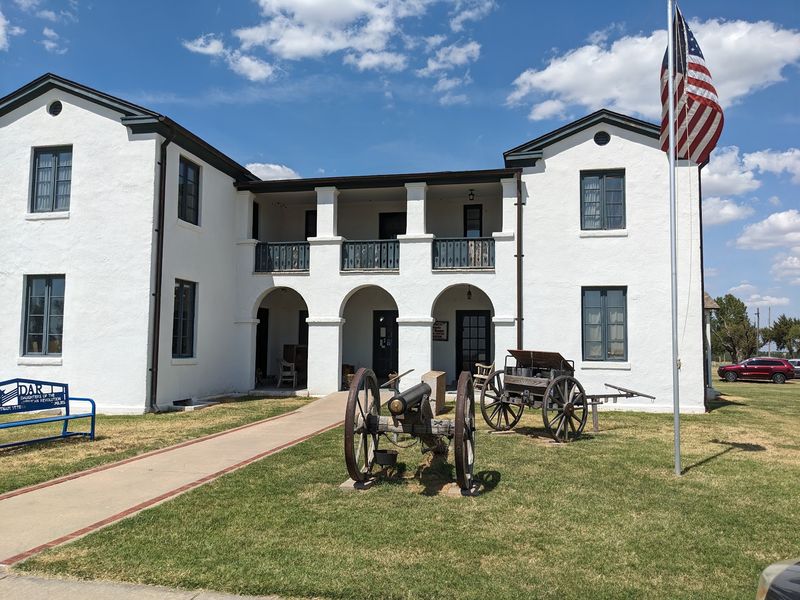
Few frontier forts can claim a timeline as packed as Fort Reno’s. From its origins in the Indian Wars of the 1870s through its role supplying trained horses and mules to military operations around the world, the fort kept reinventing its purpose across more than a century of American history.
Each era left behind something tangible, whether in the form of a building, a gravestone, or a worn exhibit panel.
During World War II, the fort took on a role that surprises most first-time visitors: it became a prisoner of war camp, housing German and Italian POWs on American soil. That chapter alone could fill a separate museum.
Knowledgeable staff members are quick to walk visitors through this period, connecting the dots between a dusty Oklahoma outpost and the global conflict unfolding thousands of miles away.
One of the fort’s most remarkable footnotes involves a horse named Black Jack, raised and trained at Fort Reno. That horse went on to serve as the riderless ceremonial horse in more than one thousand military funerals at Arlington National Cemetery, including the services for Presidents Kennedy, Johnson, and Hoover, as well as General Douglas MacArthur.
Not bad for a plains-bred Oklahoma horse.
Original Buildings That Still Stand Against Time
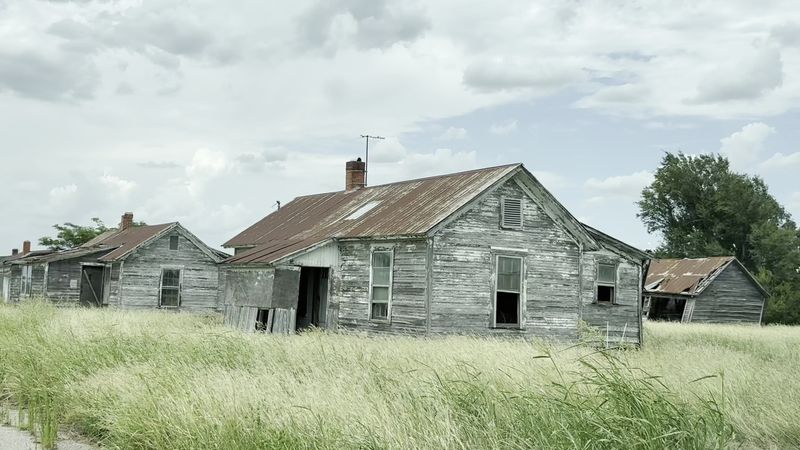
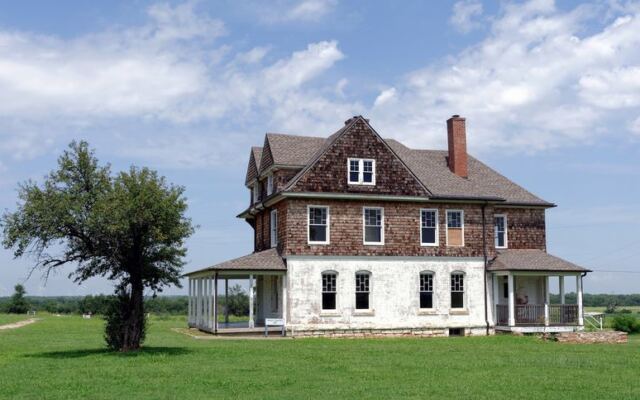
Walking the grounds of Fort Reno feels a little like stepping into a photograph that never quite finished developing. Several original 19th-century structures still stand across the property, ranging from well-preserved to visibly struggling against the weight of time.
The contrast between the maintained buildings and the ones slowly receding into the earth gives the site an honest, unvarnished quality that polished tourist attractions rarely manage to achieve.
Visitors can explore the exterior of many structures and enter select buildings that house museum exhibits and displays. The parade grounds remain wide and walkable, offering clear sightlines across the property.
Parking sits right outside, and wide pathways make it easy to move between buildings without feeling rushed or crowded.
Some visitors do note that a handful of structures are in real need of attention, and watching history slowly crumble is a bittersweet part of the experience. The fort runs largely on donations and volunteer effort, which means preservation is an ongoing challenge rather than a solved problem.
Still, what remains is impressive enough to spark genuine awe, and even the buildings that lean and sag carry a certain weathered dignity that no amount of restoration could fully replicate.
The Cemetery at the Back of the Hill
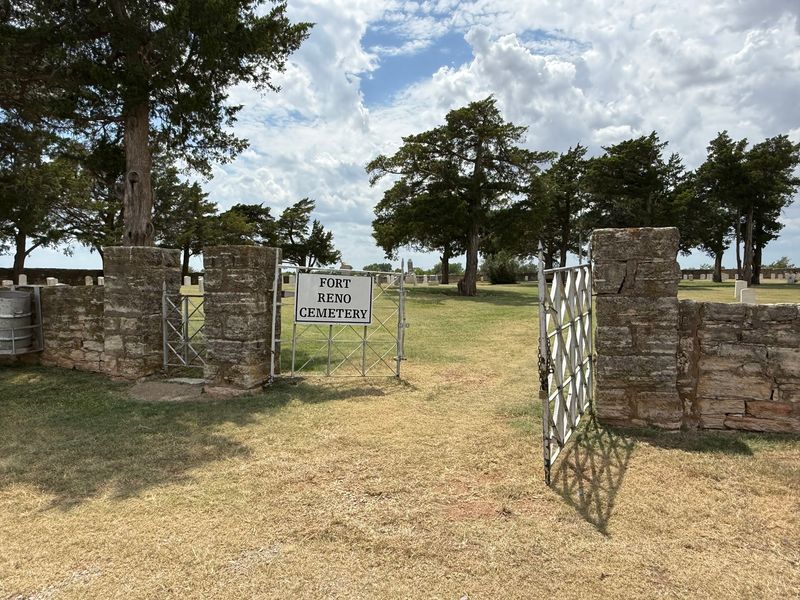
Every visitor who has made the trek to the back of the Fort Reno property seems to agree on one thing: the cemetery is not optional. Tucked up a hill at the far end of the grounds, the burial site holds some of the oldest graves on the property, belonging to early soldiers, staff members, and their families who lived and served at the fort during its most active years.
The headstones vary widely in condition and style, and reading the inscriptions offers a quiet, personal kind of history lesson. Some markers are barely legible, worn smooth by more than a century of Oklahoma wind and weather.
Others stand upright and clear, as if daring visitors to forget the names carved into them.
What makes the cemetery even more striking is the separate section reserved for German and Italian POWs who passed away while in custody at the fort during World War II. Reaching that section requires climbing up and over a small ladder at the back of the cemetery area, which adds a surprisingly memorable physical element to the visit.
Local lore suggests the grounds carry an energy that is hard to shake once you’ve walked them, and plenty of visitors leave the hill feeling like they’ve witnessed something genuinely rare.
The POW Chapter That Most Visitors Never Expect
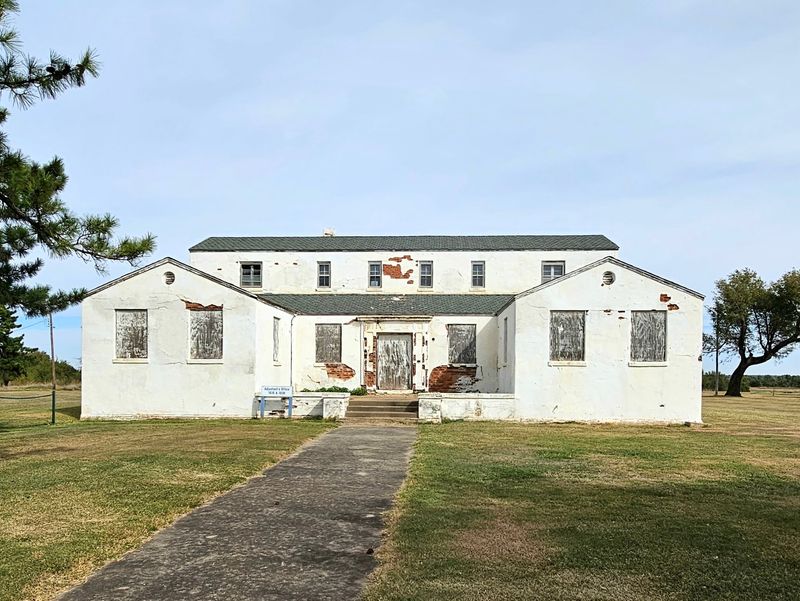
Most people driving along Route 66 through central Oklahoma have no idea that a World War II prisoner of war camp once operated just off the highway. Fort Reno held German and Italian prisoners during the war, a chapter of history that feels almost surreal when you’re standing on the quiet, sun-warmed grounds today.
The contrast between the peaceful prairie setting and the weight of that history is genuinely striking.
The POW section of the cemetery sits apart from the main burial ground, accessible by climbing up and over a small ladder at the rear of the cemetery. It’s a deliberate physical separation that carries symbolic meaning, and making that short climb to reach the graves adds to the sense that you’re entering a distinct and solemn space.
Visitors consistently describe this part of the tour as one of the most memorable moments of their stop.
Staff members at the fort are well-versed in this chapter and happy to provide context that the exhibit panels alone can’t fully capture. Hearing how a frontier cavalry post transformed into a wartime detention facility brings the history alive in a way that simply reading about it never quite does.
It’s the kind of unexpected story that stays with you long after you’ve driven away.
Ghost Stories and Local Lore That Linger
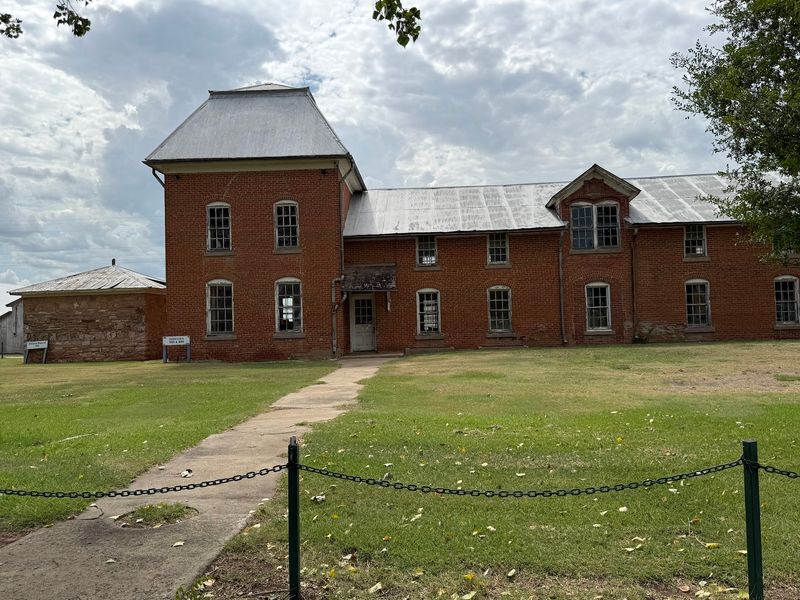
Ask locals around El Reno about Fort Reno after dark, and the stories start coming quickly. The fort has accumulated ghost stories the way old buildings tend to, quietly and persistently, passed from one generation to the next without any single definitive source.
Whether or not you believe in that sort of thing, the atmosphere of the grounds does nothing to discourage the imagination.
The cemetery in particular tends to generate the most whispered accounts. Visitors have reported an unsettling feeling of being watched while walking among the oldest headstones, and some say the POW section at the back carries an especially heavy stillness that is hard to explain away.
Local legend suggests that soldiers and prisoners alike left something of themselves behind on these grounds, though the fort presents those stories as folklore rather than fact.
Even during daylight hours, certain corners of the property have a way of feeling older and quieter than they should. The weathered buildings, the long unbroken sightlines across the prairie, and the knowledge of everything that happened here all combine into something that sits somewhere between history and atmosphere.
For visitors who love a good mystery alongside their history, Fort Reno delivers both without trying too hard to sell either one.
Special Events That Bring the Past Back to Life
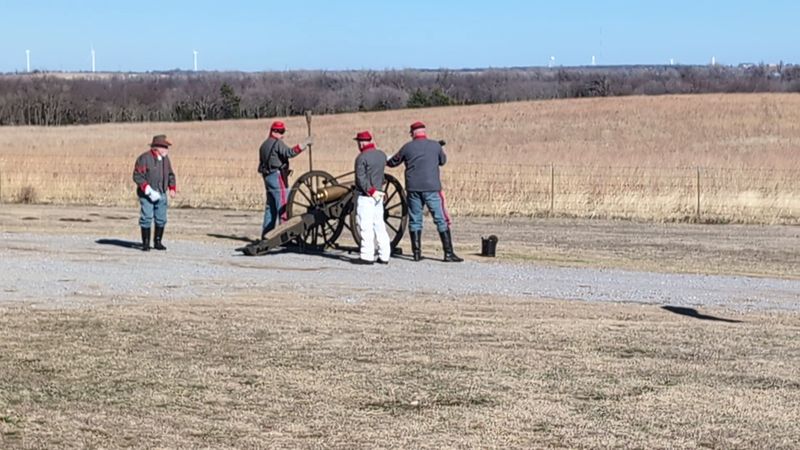
Beyond the everyday museum experience, Fort Reno hosts events that transform the already atmospheric grounds into something even more vivid. The Christmas guns ceremony is one of the most talked-about annual events, featuring a real cannon firing alongside pistol demonstrations and a wreath-placing ceremony.
Visitors who have attended describe it as genuinely moving, the kind of event that puts a lump in your throat before you fully understand why.
The fort also serves as home to the US Cavalry Association and hosts cavalry competitions, typically in September, that draw participants and spectators from across the region. Watching horsemanship demonstrations on the same grounds where cavalry soldiers once trained adds a layer of living history that static exhibits simply cannot replicate.
For families, these events offer an entry point into history that feels exciting rather than obligatory.
Reenactors have also led tours of the property in the past, bringing individual characters and periods to life with a passion that visitors consistently find infectious. The fort’s potential as an event venue is something enthusiastic supporters have long championed, pointing to its wide open spaces and historic setting as a natural fit for everything from harvest festivals to outdoor concerts.
For now, the scheduled events on the calendar are well worth planning a visit around.
The People Who Keep Fort Reno Running
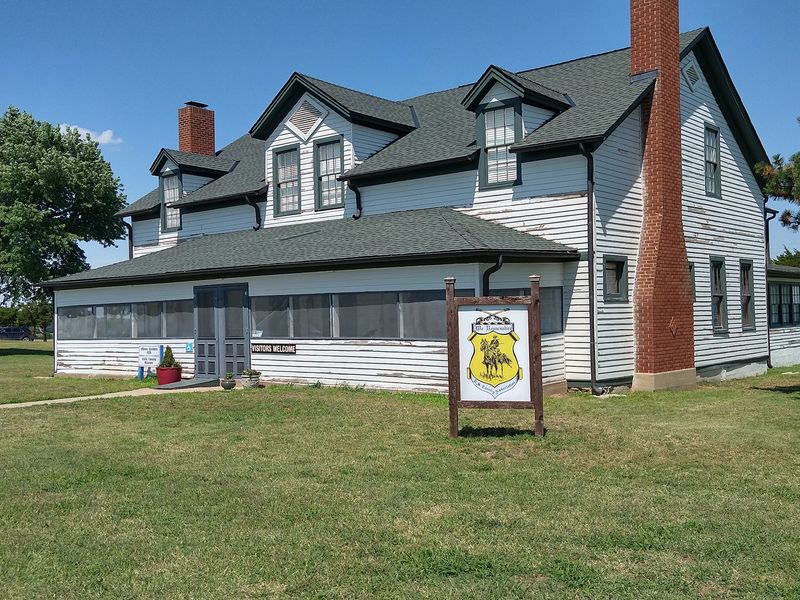
A place like Fort Reno doesn’t survive on history alone. Behind the exhibits and the carefully maintained grounds is a small, dedicated team of staff and volunteers who pour genuine enthusiasm into keeping the fort accessible and alive.
Visitors consistently single out the museum staff as a highlight of the visit, describing interactions that go well beyond a standard information-desk exchange.
One staff member in particular draws repeated praise from visitors for her encyclopedic knowledge of the fort’s history and her ability to make even the most obscure details feel relevant and fascinating. She has spent considerable effort writing grants to secure funding that keeps the fort operational, which is no small task for a site running largely on visitor donations and the goodwill of preservation-minded supporters.
Talking with her, visitors say, is worth the drive on its own.
Because the fort operates with volunteer support, visitors are encouraged to be patient if staff aren’t immediately available. A note on the door is not an uncommon sight during brief absences.
That small-town, community-run quality is actually part of what makes Fort Reno feel so different from a polished national monument. The people here care deeply about this place, and that care is palpable the moment you walk through the door.
Planning Your Visit to Fort Reno
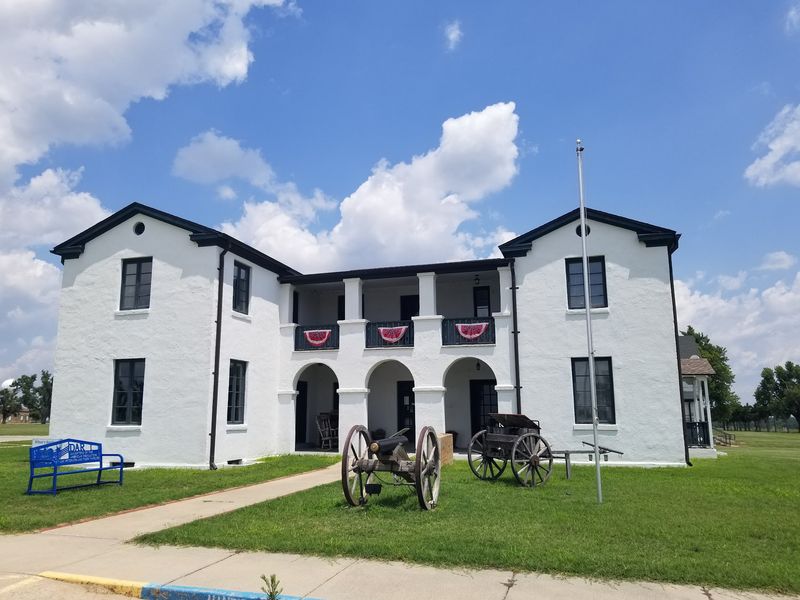
Getting to Fort Reno is straightforward. The fort sits at 7107 W Cheyenne St in El Reno, Oklahoma, just off historic Route 66, making it a natural and rewarding detour for anyone traveling across the state.
Parking is available right outside the main area, and the wide, flat pathways across the grounds are easy to navigate for most visitors.
The fort is open Monday through Friday from 10 AM to 4 PM. It is closed on Saturdays and Sundays, so planning your visit for a weekday is essential.
Admission is priced accessibly, with adults paying around $6 and children around $4, though the outdoor grounds offer plenty to explore even without paying for the museum interior. Because the site runs on a lean budget, any contribution visitors can make goes directly toward preservation efforts.
Comfortable walking shoes are a smart choice, especially if you plan to hike up to the cemetery at the back of the property. The POW section requires a short climb over a ladder, so keep that in mind if you’re visiting with younger children or anyone with mobility considerations.
For questions or to confirm hours before your trip, the fort can be reached at 405-262-3987 or through their website at fortreno.org. Allow at least two hours to do the place justice.
Share this story