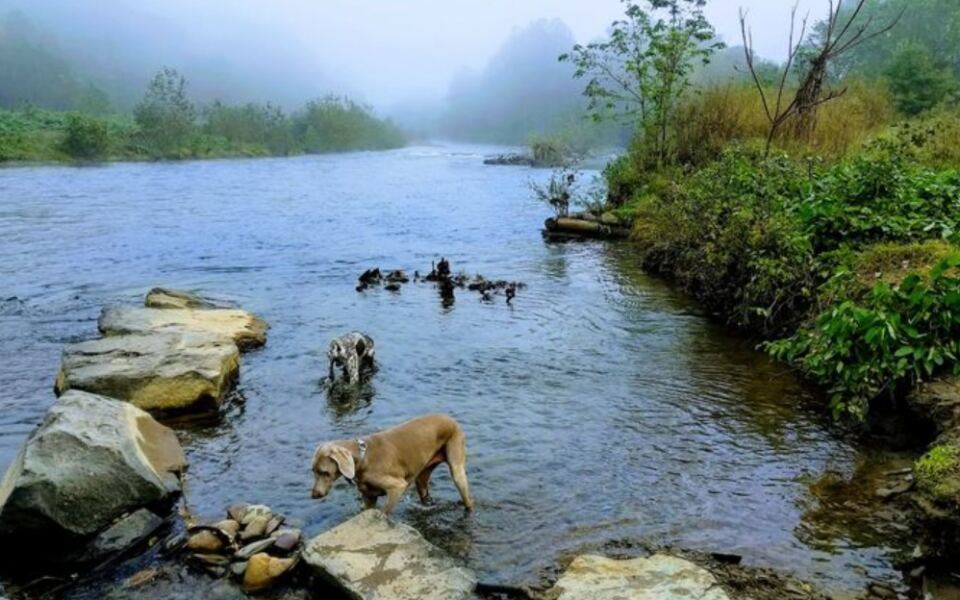
One small park in Columbia County offers something that is surprisingly hard to find along a Pennsylvania trout stream: easy access to the water for visitors with different mobility needs.
Fishing Creek runs directly through the property, while relatively gentle trails pass through open fields, wooded sections, and streamside habitat. An accessible fishing area and an educational wetland with easier paths make the park especially useful for families, older visitors, and people who do not want a strenuous hike.
The setting stays simple in the best way. You can fish, watch for great blue herons and kingfishers, stop at a bench beside the creek, or spend an afternoon walking without turning the outing into a major expedition.
The story behind how this former family property became a public park adds another reason to keep reading.
A Riverside Welcome in Orangeville
The full name of this park is Frank W. Kocher Memorial Park, though most people simply call it Kocher Park, and you will find it at 1519 PA-487 in Orangeville, Pennsylvania 17859, northeast of Bloomsburg in Columbia County.
Heading north from Bloomsburg on Route 487, the park entrance appears on the left side of the road, roughly a third of a mile north of the Lightstreet and Fowlersville Road intersection. The turn-off is easy to miss if you are driving fast, so slow down and keep your eyes open.
Parking is available on site, and the layout makes arrival straightforward even for first-time visitors. The park phone number is 570-317-9456 if you want to call ahead.
What greets you immediately upon arrival is the sound of Fishing Creek, a constant, welcoming murmur that sets the tone for everything that follows on the grounds.
How a Family Homestead Became a Public Treasure
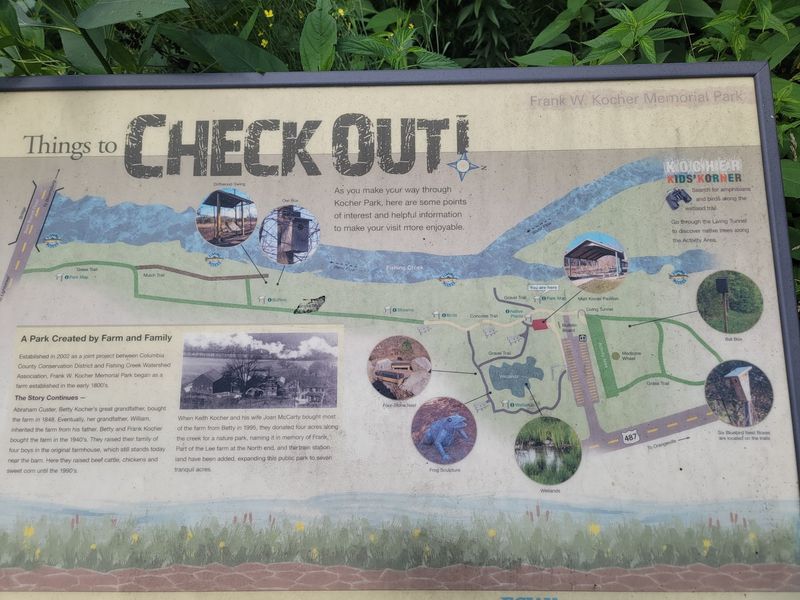
The land that makes up Kocher Park has roots stretching back to the 1850s, when it was part of the Custer/Kocher homestead, a working piece of rural Pennsylvania property with a long family history tied to this particular bend of Fishing Creek.
The transformation into a public park happened in 2002, driven by a generous land donation from Keith Kocher and Joan McCarty to the Columbia County Conservation District. That act of generosity set everything else in motion.
The Fishing Creek Watershed Association partnered with the Conservation District to develop the property, using grants and hundreds of volunteer hours to restore the creek banks, build accessible trails, and create the welcoming recreational space visitors enjoy today. The park now spans approximately 60 acres of streamside habitat.
Knowing that a private family chose to share this land with the entire community gives every visit a quiet sense of gratitude that is hard to shake.
What Makes Fishing Creek Worth the Drive
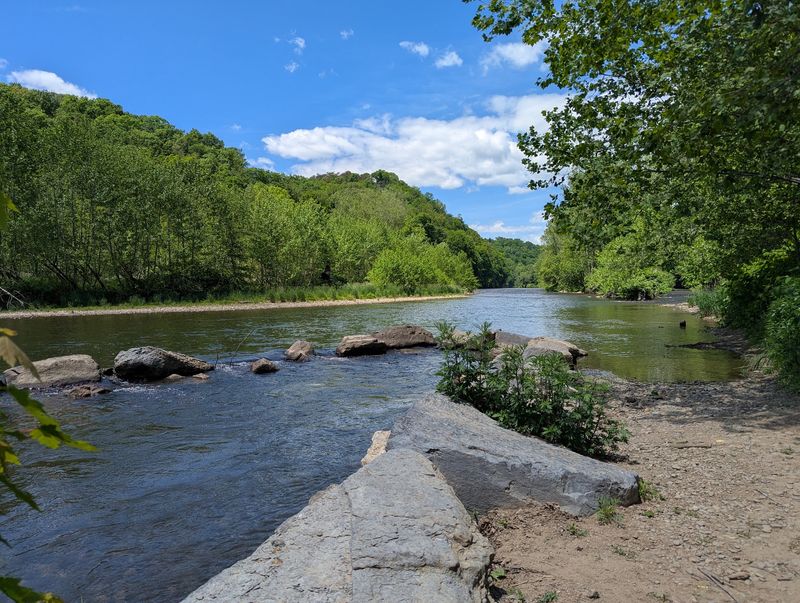
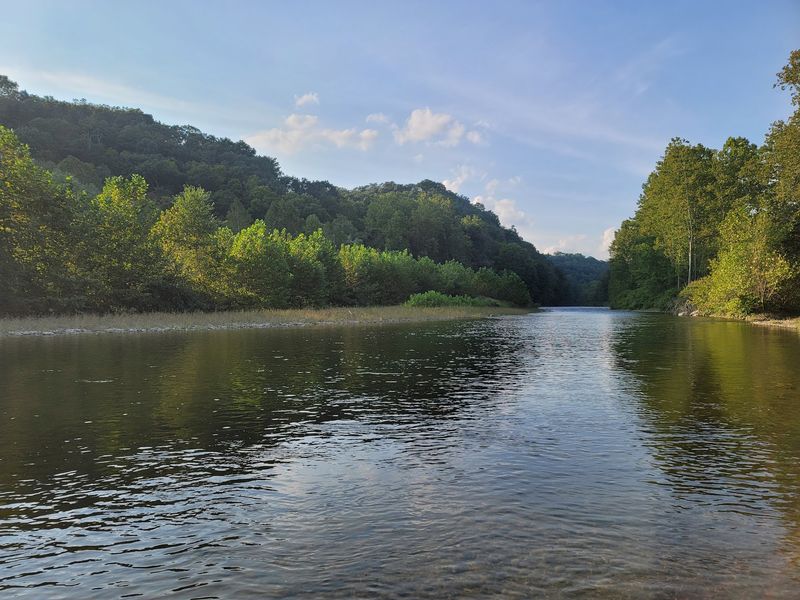
Fishing Creek is the backbone of this entire park experience, and it earns that role honestly. The creek flows southward for nearly 30 miles through Columbia County before joining the Susquehanna River, and its waters carry a cold clarity that signals a healthy, high-quality ecosystem.
The Pennsylvania Fish and Boat Commission classifies this stretch as a high-quality cold-water fishery, which is not a label handed out casually. Wild brook, brown, and rainbow trout all thrive here alongside stocked populations added regularly throughout the fishing season.
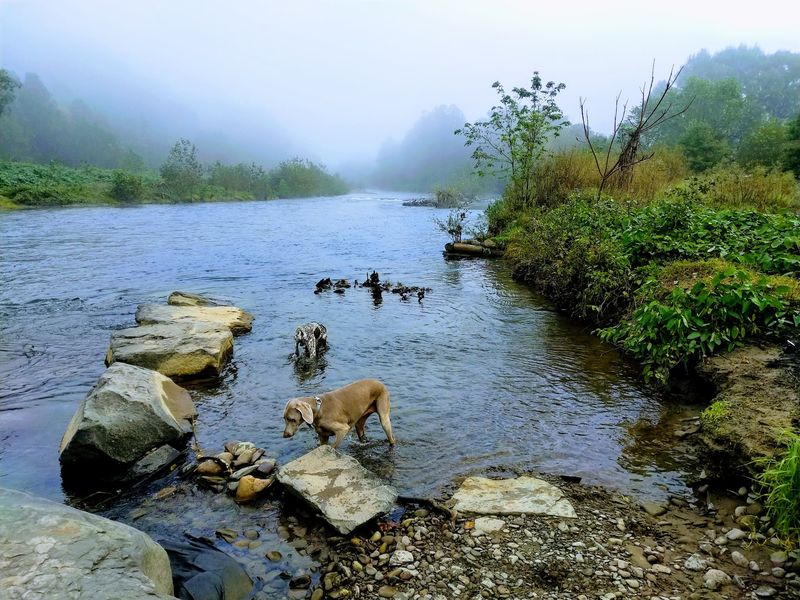
Beyond the fish, the creek itself is simply beautiful to observe. Gentle riffles alternate with deeper, slower pools, and the banks shift between open grassy areas and shaded riparian corridors.
The water stays noticeably cool even on warm summer afternoons, which explains why the trout population remains so strong. Watching the creek move is one of those rare activities that asks nothing of you and gives back more than expected.
Casting a Line With Real Results
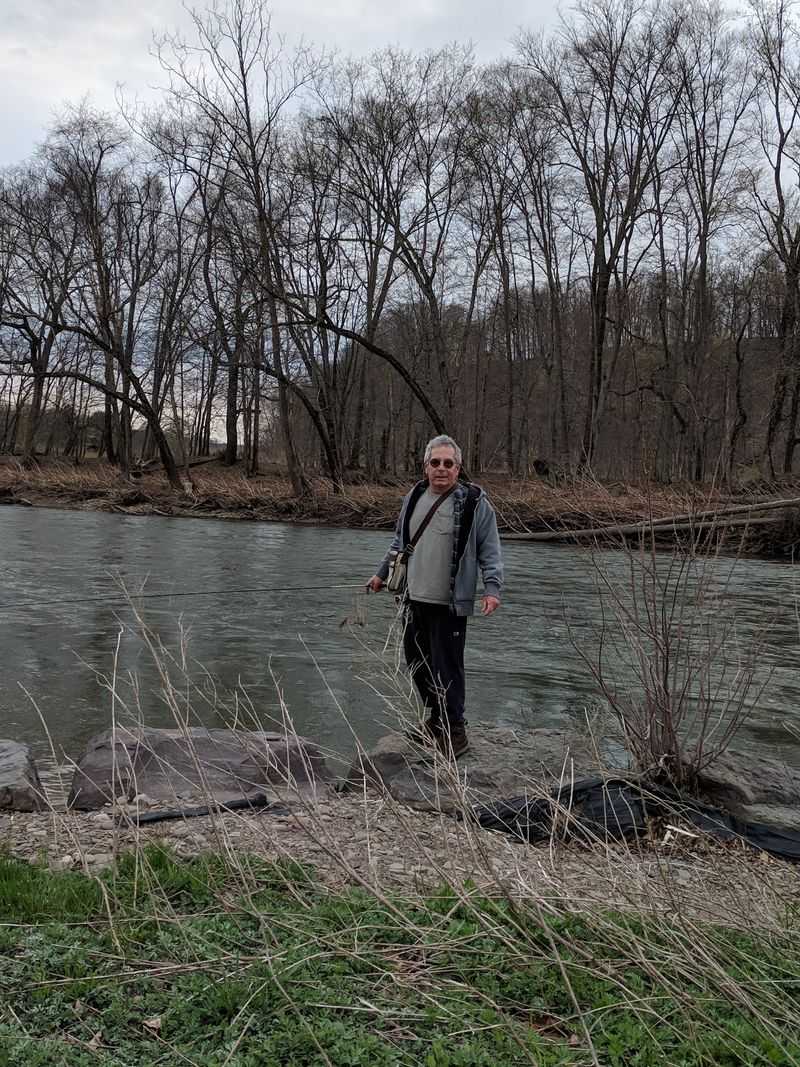
Anglers who visit Kocher Park consistently leave with good things to say, and that reputation is backed by the creek’s quality. Brook, brown, and rainbow trout are present throughout the season, with the Pennsylvania Fish and Boat Commission stocking the creek regularly to complement the wild fish already living there.
Smallmouth bass also show up in these waters, adding variety for those who want to target something beyond trout. The park provides one of the more accessible public entry points to Fishing Creek in the entire region, which is genuinely useful because such access points are not common along this stretch of water.
Fly fishing is especially popular here, and the pool-riffle structure of the creek lends itself well to that style. Anyone age 16 or older needs a current Pennsylvania fishing license before dropping a line.
Bring your gear early in the morning when the light is low and the water is still, and your chances of a memorable catch improve considerably.
Trails That Feel Like a Reward, Not a Workout
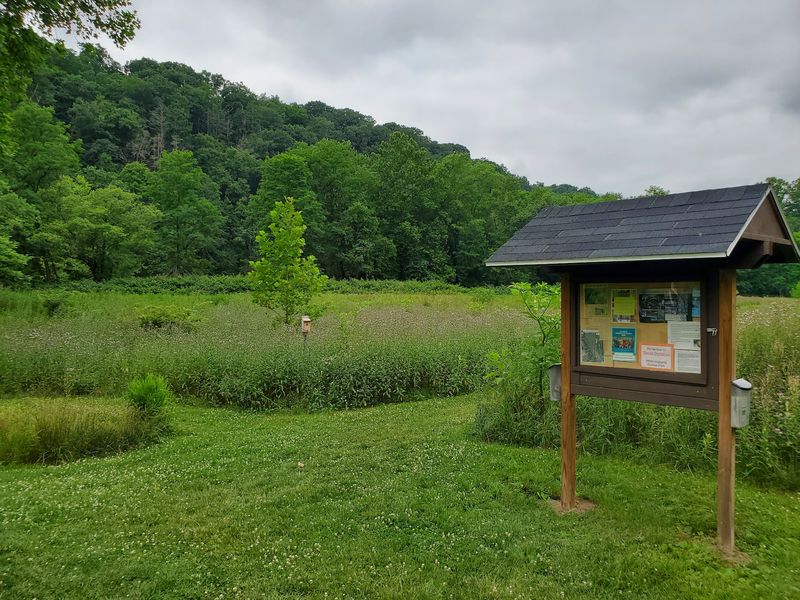
The trail network at Kocher Park is not designed to challenge you; it is designed to let you breathe. Paths wind through the park’s 60 acres, moving between open sunny fields, shaded woodland corridors, and streamside stretches where the creek is close enough to touch.
Trail markers and educational signage appear throughout, with ID tags on trees and informational posts identifying local plants, birds, and other wildlife. It functions like a quiet outdoor classroom that never feels preachy or overwhelming.
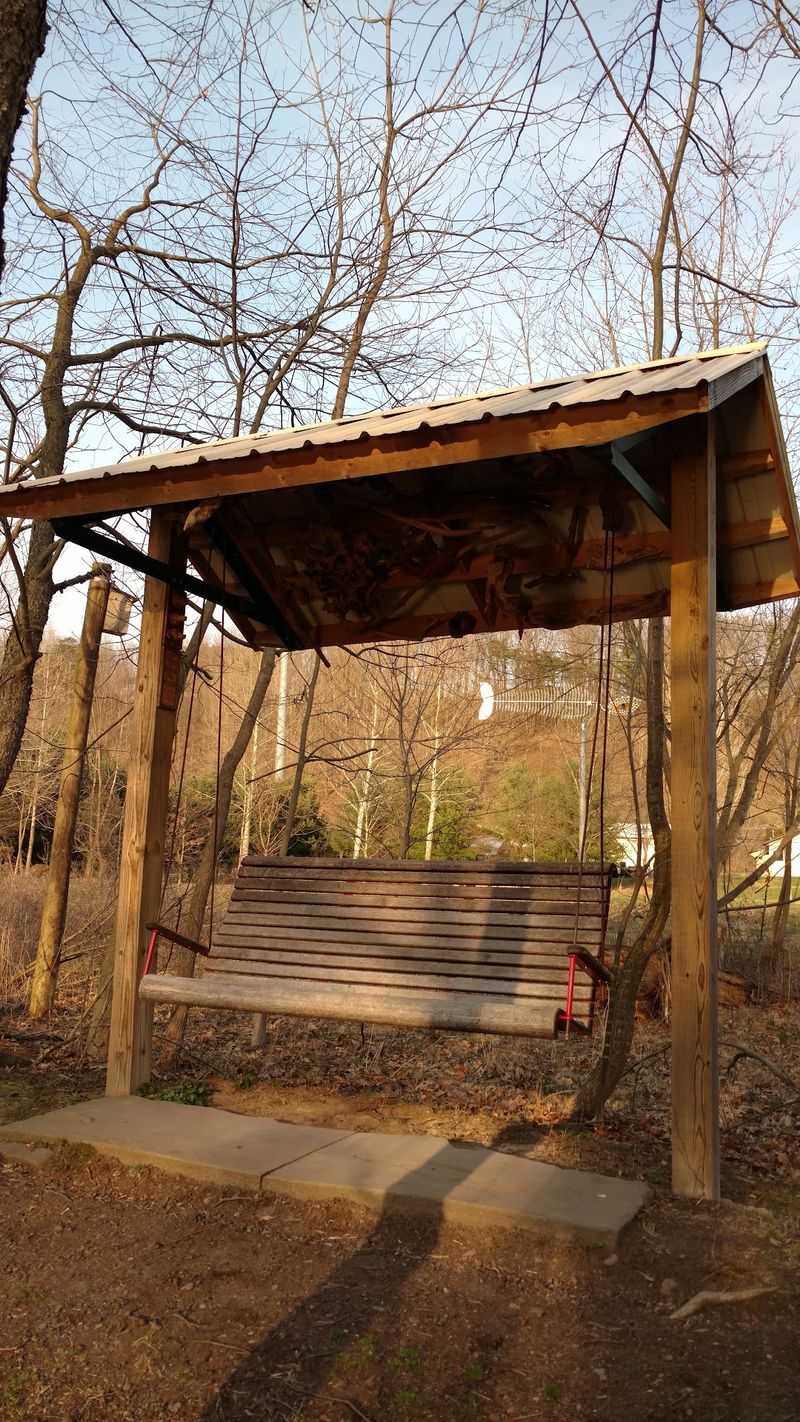
Wooden benches and porch-style swings are placed at intervals along the route, which means you can stop, sit, and simply watch the water move without feeling like you need to keep pushing forward. The paths are generally easy to navigate, suitable for casual walkers, families with young children, and visitors who prefer a relaxed pace.
Dogs are welcome on leash, and the wide, relatively flat sections make the trails accessible to a broad range of visitors throughout the warmer months.
An Accessible Park That Sets a New Standard
One of the most remarkable things about Kocher Park is how seriously it takes accessibility, and this is not just a ramp at the entrance. The park was intentionally designed as a wheelchair-accessible nature park, a distinction that reportedly makes it unique in the region.
An accessible fishing area along Fishing Creek allows visitors with physical disabilities to fish comfortably from a stable, well-positioned spot on the bank. A specially constructed educational wetland features accessible trails that loop through native plantings, giving everyone a chance to observe the local flora up close.
These features matter enormously for visitors who are elderly, use mobility aids, or are accompanying young children in strollers. The inclusive design reflects the values of the Columbia County Conservation District and the Fishing Creek Watershed Association, both of which clearly believe that outdoor spaces should welcome everyone rather than just those who can navigate rough terrain.
That philosophy makes this park worth highlighting and worth visiting.
Birdwatching at Its Most Unhurried
The variety of habitats packed into Kocher Park’s 60 acres creates ideal conditions for birdwatching, and the park seems to know it. Riparian zones, open meadows, and dense woodlands all exist within a short walk of each other, attracting a wide range of species throughout the year.
Great blue herons are a common sight along the creek bank, standing motionless in the shallows with a patience that puts most humans to shame. Kingfishers dart along the water with their distinctive rattling call, and egrets occasionally appear in the quieter backwater sections.
Deeper in the wooded areas, songbirds move through the canopy in numbers that reward anyone willing to slow down and listen. The park even features small birdhouses installed throughout the grounds to support local nesting populations.
Bring binoculars and plan to move slowly; the birds here are not particularly shy, but they respond well to visitors who match the park’s overall unhurried energy. Early morning visits tend to produce the best sightings.
Paddling the Creek From a Different Angle
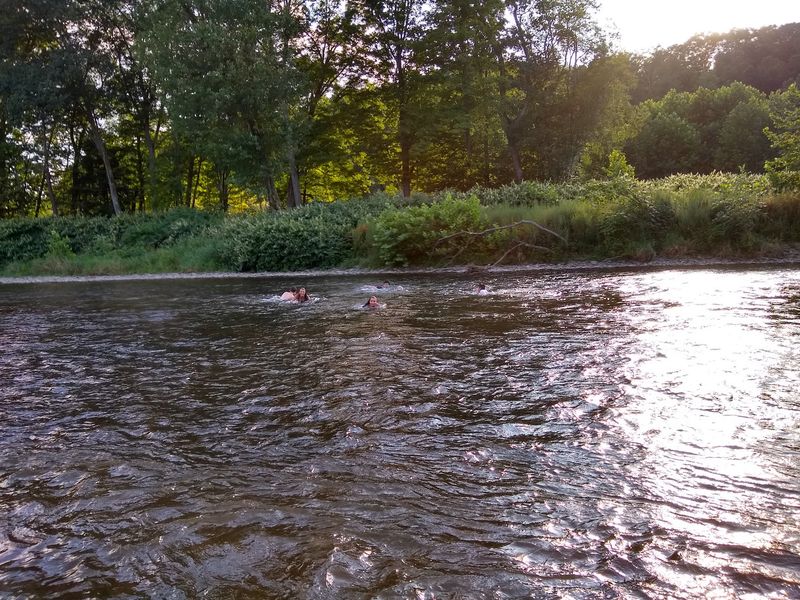
Fishing Creek is not just a backdrop; it is an invitation. The creek supports canoeing and kayaking along a stretch of approximately 15 to 20 miles of Class I water, running from the Benton area downstream toward its confluence with the Susquehanna River.
Class I classification means gentle riffles and calm pool sections with no serious technical challenges, making it genuinely approachable for paddlers who are newer to the sport. Spring through early summer typically offers the best water levels, when snowmelt and rain keep the creek flowing at a comfortable depth.
From the water, the park’s landscape looks entirely different. The tree canopy hangs lower over the creek than it appears from the bank, and the sounds of the forest carry across the surface in a way that feels almost amplified.
If you plan to paddle, bring your own canoe or kayak, and check water levels before heading out, since late summer can see lower flows that make navigation trickier in some sections of the creek.
Picnic Spots and a Pavilion Worth Claiming
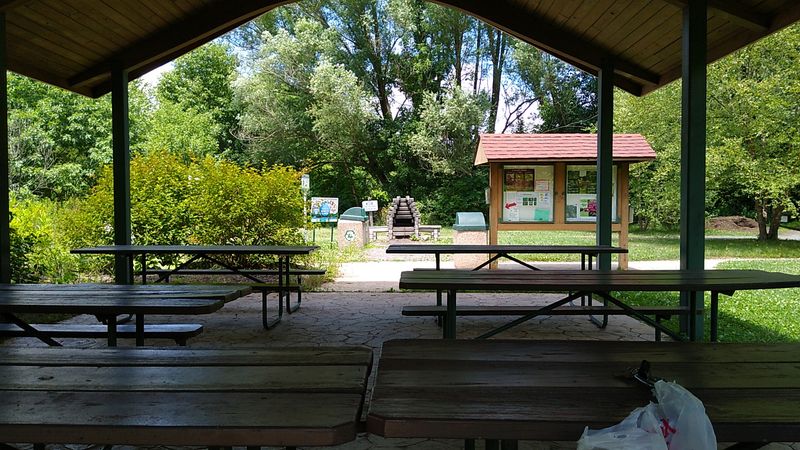
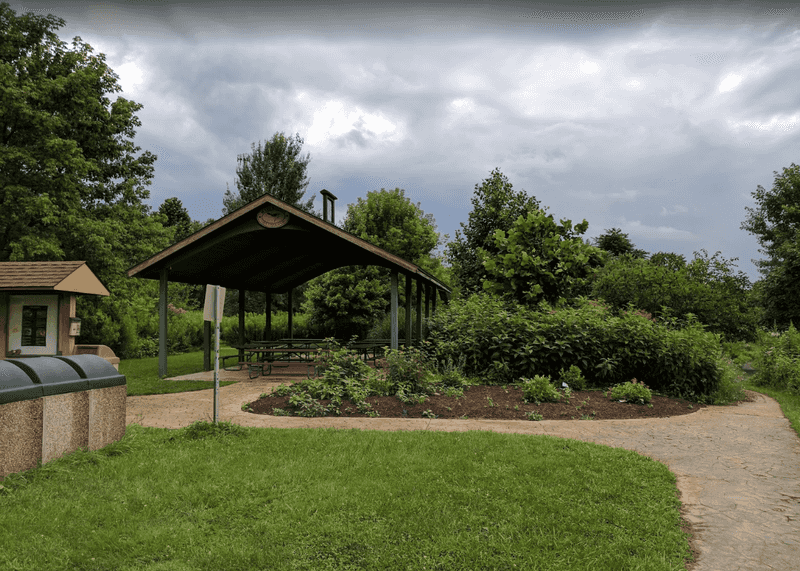
After a few hours of fishing or trail walking, the picnic areas at Kocher Park feel like exactly the right reward. Shaded spots are scattered throughout the grounds, and the Matt Kisner pavilion provides a covered gathering space large enough for family events or group outings.
The pavilion comes equipped with both a wood stove grill and a charcoal grill, which means you can arrive with something to cook and leave with a full stomach and a satisfied afternoon behind you. Picnic tables are positioned to take advantage of the creek views and tree cover.
The overall setup encourages visitors to linger rather than rush through. Whether you are celebrating something specific or simply looking for a reason to spend a full day outdoors, the pavilion and surrounding picnic areas provide a comfortable anchor point for the visit.
The combination of flowing water nearby, shade from mature trees, and the gentle sounds of the park creates a lunch setting that most restaurants would struggle to replicate.
Programs That Bring the Community Together
Kocher Park earns its place as a community hub through the programs that run here throughout the warmer months. The Columbia County Conservation District hosts a Nature Camp each summer for school-age children, along with a mini-camp specifically designed for preschool-aged kids in June.
Perhaps the most meaningful recurring event is the Fishing Creek Watershed Association’s annual Fish n Fun Day, an event created specifically for individuals with special needs. The program gives participants a chance to fish, explore the park, and enjoy the outdoors in an environment designed to be welcoming and supportive.
Visitors who prefer self-guided learning can pick up nature scavenger hunt activity pages at the park, and exploration backpacks focused on insects, pond and stream life, birding, and herping are available to borrow through the Columbia County Traveling Library. These thoughtful additions transform a simple park visit into something more interactive and educational, particularly for families with curious kids who want more than just a walk along the water.
Art, Sculptures, and Surprises Along the Way
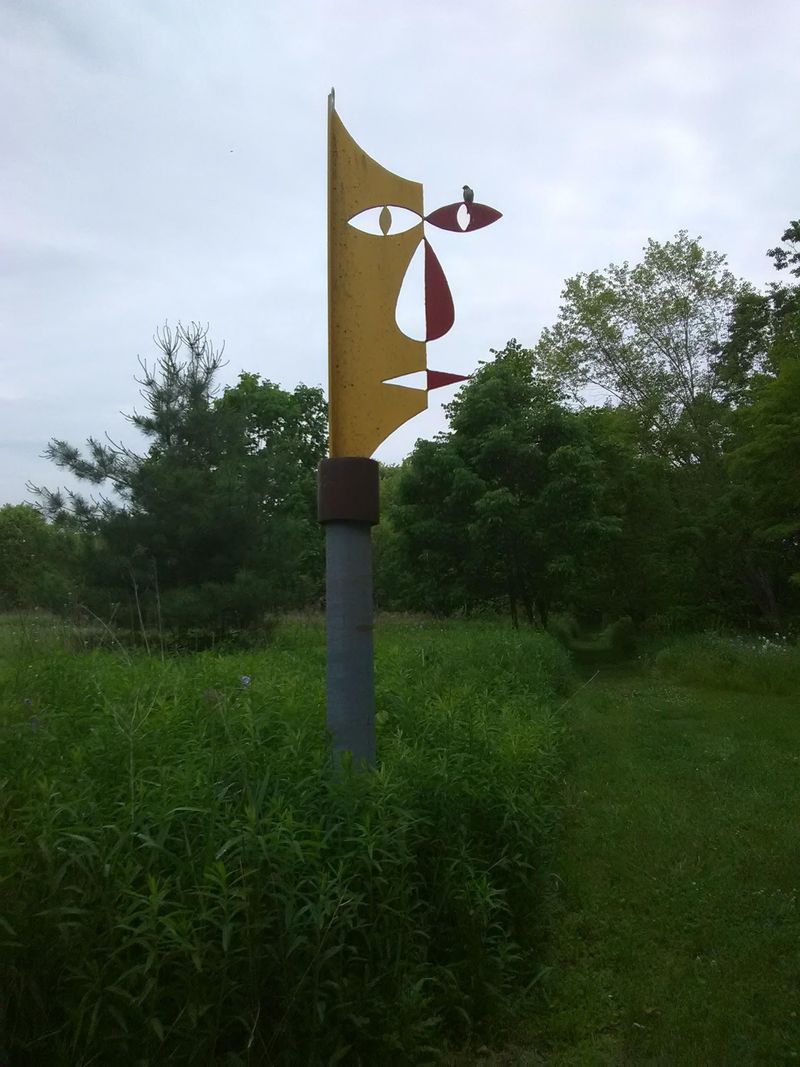
Not every park visit comes with an unexpected art encounter, but Kocher Park manages to weave creativity into its natural setting in a way that feels organic rather than forced. Sculptures and artwork appear along the trails, placed thoughtfully so that they reward visitors who take their time moving through the grounds.
The pieces tend to complement the surrounding landscape rather than compete with it, fitting naturally among the trees and creek-side vegetation. Finding them feels like a small discovery each time, which adds a layer of curiosity to what might otherwise be a straightforward nature walk.
Volunteers and community members have contributed to these installations over the years, reflecting the park’s broader culture of shared ownership and collective care. There is also ongoing work to remove invasive Japanese knotweed from sections of the park, which is itself a kind of quiet, persistent art form: the slow restoration of a landscape to its healthier, native state.
The park keeps offering new things to notice no matter how many times you visit.
Share this story