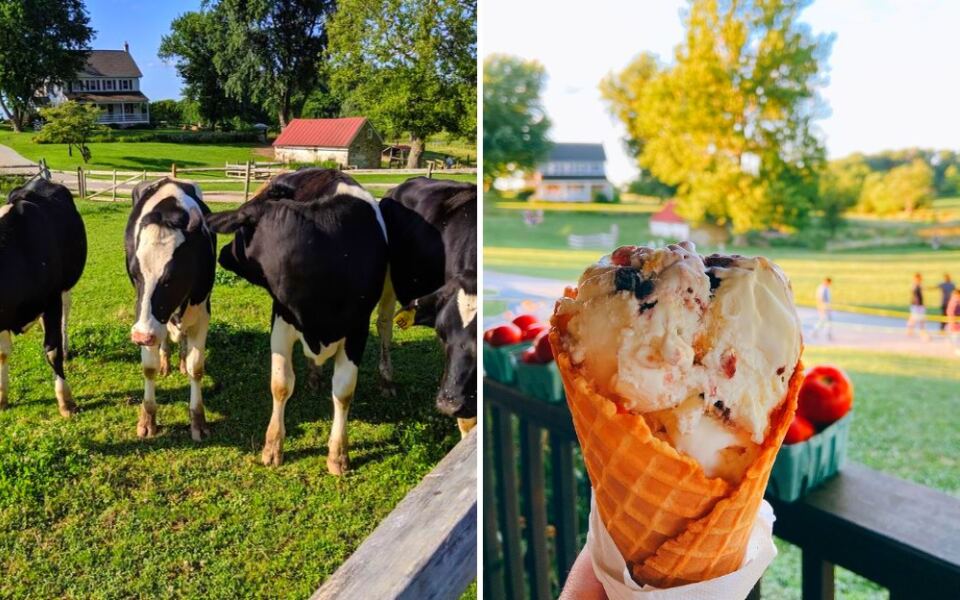
One Chester County farm gives visitors a much closer look at where their ice cream actually comes from. The dairy herd is right on the property, and milk from those cows is used to make more than 40 flavors of ice cream at the on-site creamery.
The experience goes well beyond dessert. Visitors can watch a robotic milking system operating inside a historic barn, meet farm animals, explore the grounds, and return in fall for pumpkin picking, hayrides, and other seasonal activities.
The farm has been in the same family for more than a century, while some of the stone buildings date back to the late 1700s and early 1800s. That combination of working agriculture, family history, and fresh-made ice cream is what turns a quick scoop stop into a much longer outing.
A Century of Heritage Rooted in Chester Springs
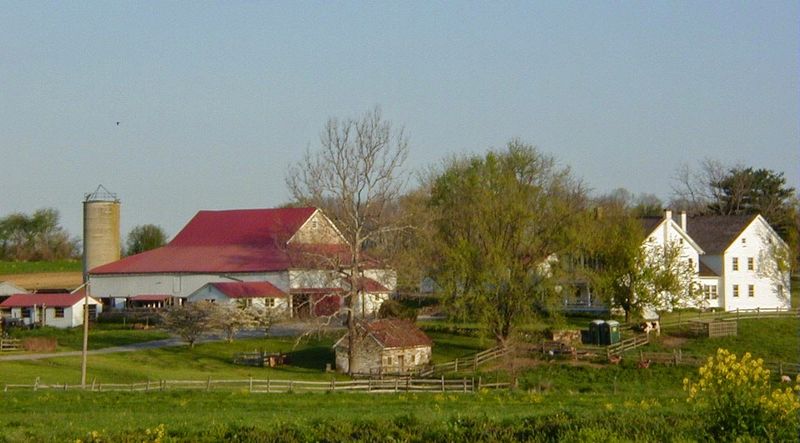
Some places earn their reputation over decades. Milky Way Farm, at 521 E Uwchlan Ave, Chester Springs, PA 19425, has been earning its place in Chester County history since 1902, when the Matthews family first took stewardship of this 103-acre property.
The land itself traces its roots even further back, to a farmstead established in the 1760s. The fieldstone buildings scattered across the grounds were constructed between 1790 and 1823, and walking past them gives you a quiet sense of how much history has unfolded on this soil.
The farm has earned the official designation of a Pennsylvania Century Farm, a recognition reserved for agricultural operations that have remained in the same family for 100 years or more. That badge is not just a title; it represents a genuine commitment passed down through four generations.
The name itself has a charming backstory: Melba Matthews coined it in 1947 after noticing an unusually vivid display of the Milky Way galaxy on a clear summer night.
The Creamery That Keeps People Coming Back
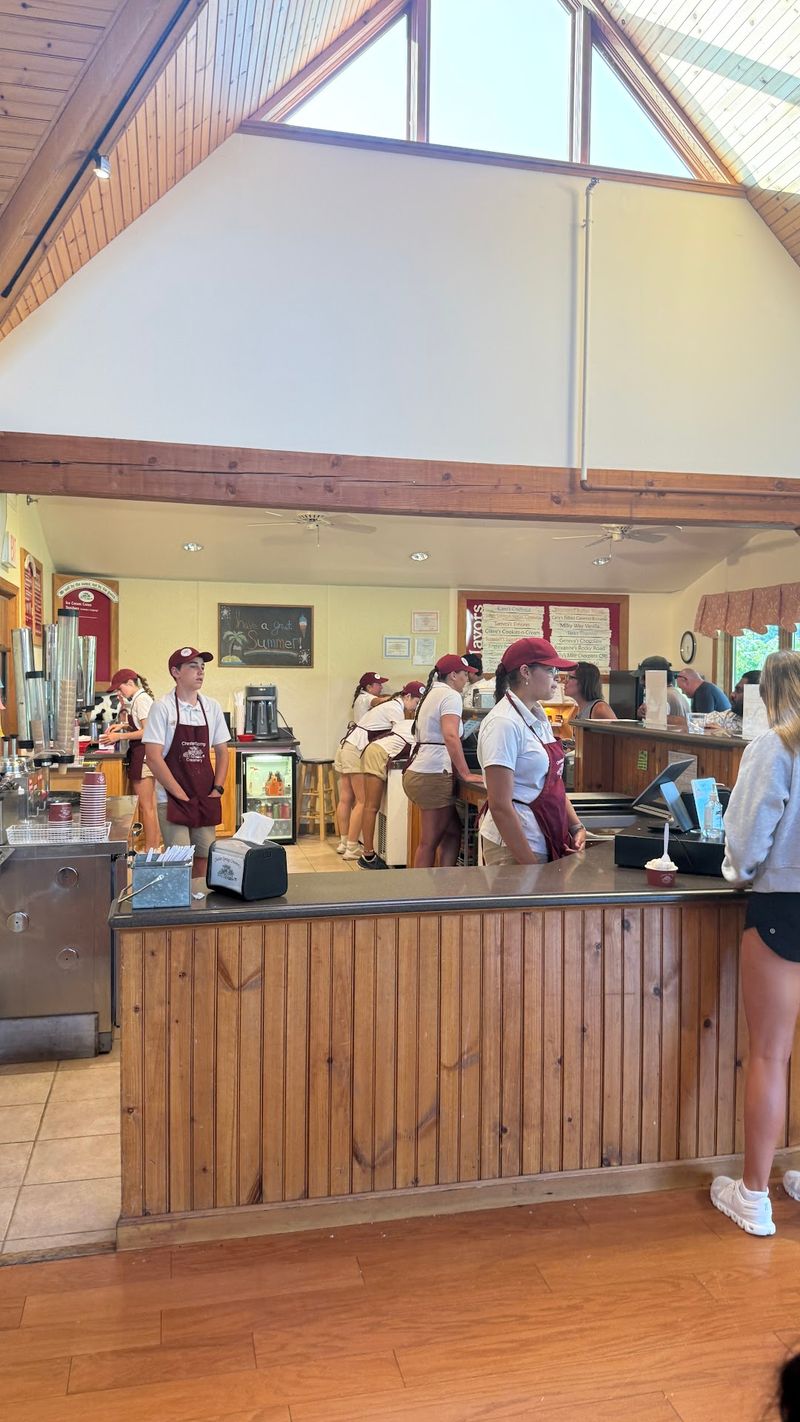
Chester Springs Creamery opened in May 2001 with a straightforward idea: use the farm’s own milk to make ice cream right on-site and serve it fresh. That idea turned out to be a very good one.
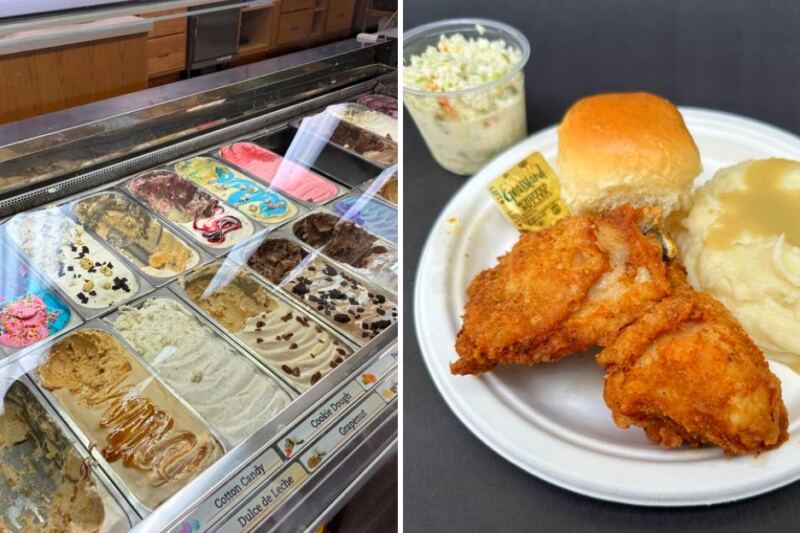
The creamery now offers over 40 flavors, each named after a cow in the herd. Rosita’s Rose, Bessie’s Black Raspberry, and Sammi’s Smores are just a few of the options that greet you at the counter.
The pistachio and lavender cream flavors have developed particularly enthusiastic followings, and the passionfruit is worth seeking out if it is available that day.
Beyond classic scoops, the menu includes milkshakes, sundaes, and prepackaged pints and quarts to take home. Sugar-free vanilla, sorbets, and lactose-free options are available for those with dietary needs.
Staff members are notably patient and will let you sample before committing, which is genuinely helpful when faced with that many tempting choices. The line moves quickly even on busy days.
From Pasture to Cone: The Cow-to-Cone Process
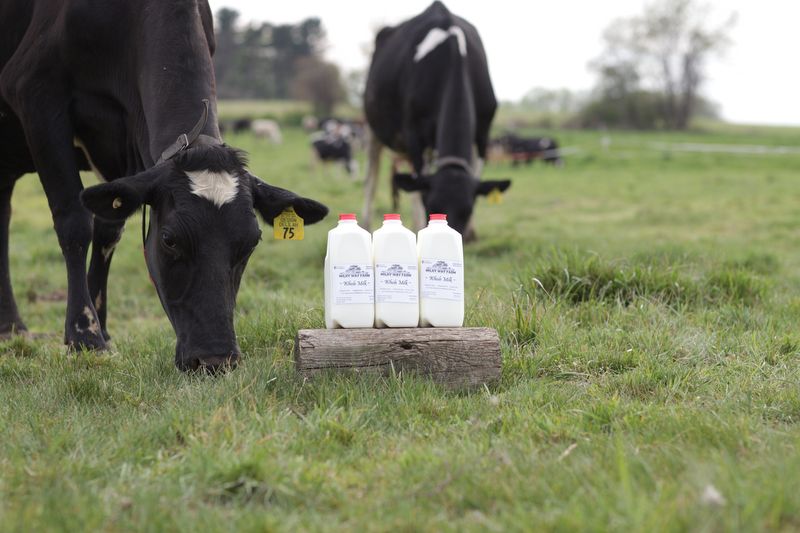
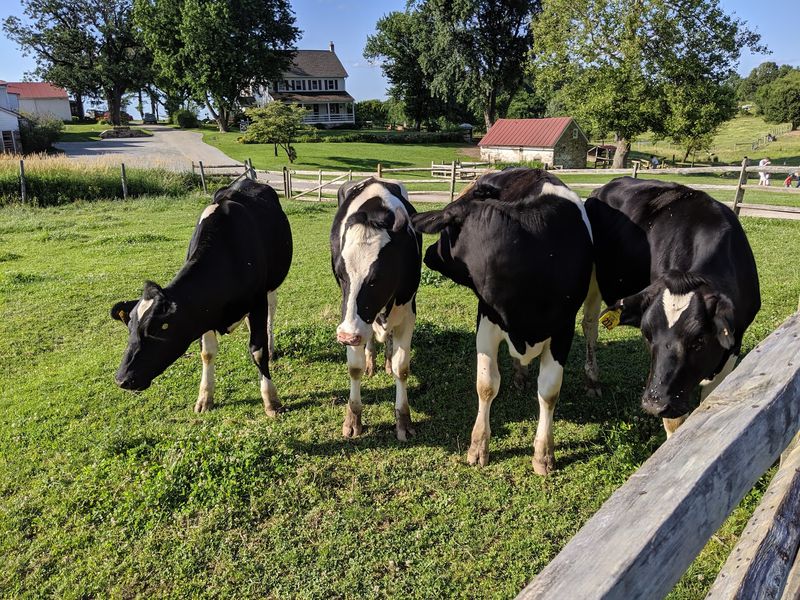
The phrase cow-to-cone gets used a lot in farm marketing, but at Milky Way Farm it is literally true. The farm keeps a herd of 30 Holstein-Friesian milking cows, along with 30 young stock including calves and heifers, all raised on corn, oats, and alfalfa hay grown right on the property.
The milk produced by these cows is pasteurized and bottled on-site, with a portion going to a cooperative and the rest used for the creamery and direct farm sales. From milking to finished ice cream can take as little as four days, which is part of why the texture and flavor stand out so clearly from store-bought alternatives.
The herd is grass-fed and raised without added hormones, which matters to a lot of the families who make regular trips out here. When you taste the difference in a scoop of chocolate or tiramisu, it is not just nostalgia talking.
There is a real quality that comes from knowing exactly where the ingredients started their journey.
Robotic Milking Inside a 200-Year-Old Barn
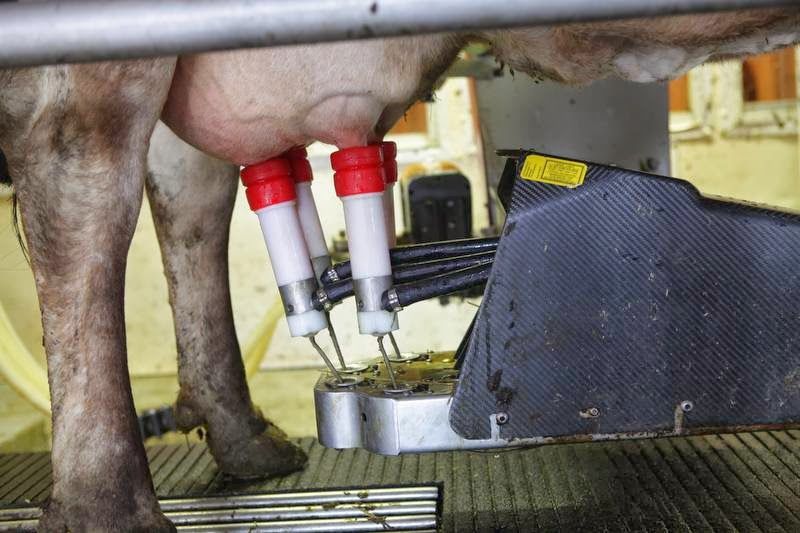
Here is a detail that surprises most first-time visitors: one of the oldest barns on the property houses one of the most advanced milking systems in the country. In 2001, Milky Way Farm became one of the first seven farms in the United States to install a Lely Astronaut Robotic milking system.
The technology allows cows to choose when they want to be milked, approaching the machine voluntarily rather than following a rigid schedule. This approach is considered better for the animals’ well-being, and the cows seem to agree.
The system operates around the clock without requiring constant human supervision.
Visitors can observe the robotic milking process through a dedicated viewing window, which makes for a genuinely fascinating few minutes regardless of your age. Watching a centuries-old stone structure accommodate cutting-edge agricultural technology is one of those unexpected contrasts that makes this farm feel like more than just a pleasant outing.
It is a working operation with real innovation at its core, and that combination is hard to find anywhere else.
Pumpkin Harvest Season: The Farm’s Busiest and Best Chapter
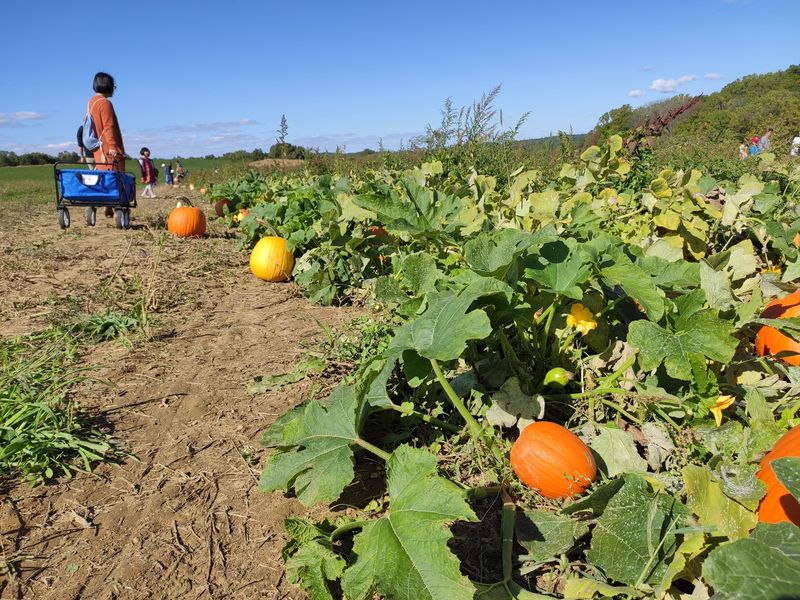
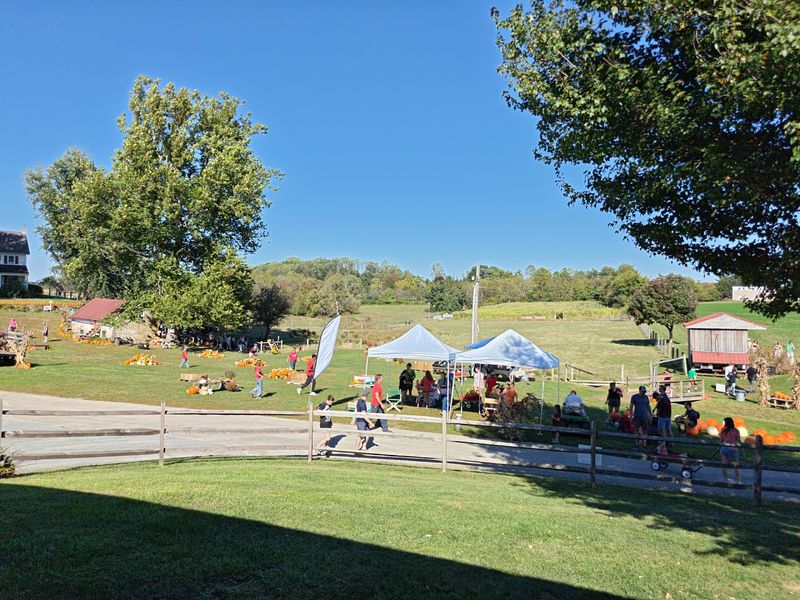
Every year, when September shifts toward October, Milky Way Farm transforms into the kind of place that fills up camera rolls and creates the sort of memories kids talk about for years. The Pumpkin Harvest Season typically runs from late September through late October, and the farm leans fully into the autumn mood.
Pick-your-own pumpkins are the centerpiece, with fields full of options ranging from classic orange carvers to unusual gourds and decorative varieties. Continuous hayrides carry visitors out to the patch, and the ride itself includes facts and stories about the farm’s history.
The corn maze adds a layer of playful challenge, with trivia questions embedded along the route to help guide you through.
Throughout the grounds, the farm sets up dedicated photo spots, including a decorated arch in the pumpkin patch and benches surrounded by seasonal arrangements. Farm animals come right up to the fence and are calm enough to pet.
Squash, Indian corn, honey, and other harvest products round out the shopping options for anyone who wants to bring the season home.
Farm Animals That Actually Want to Meet You
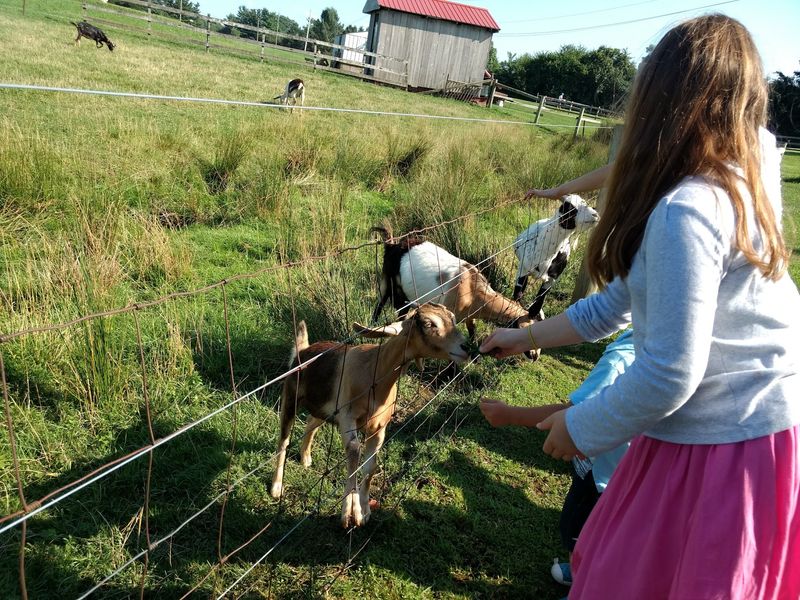
The animals at Milky Way Farm are not shy. Sheep, pigs, goats, and cows populate the farm, and many of them actively approach the fence when visitors get close.
Baby goats and piglets make appearances during certain seasons and tend to draw the biggest crowds of admirers, which is completely understandable.
During the Pumpkin Harvest Season, the petting area becomes one of the most photographed spots on the property. The animals are calm and well-cared-for, making the experience comfortable even for younger children who might be nervous around larger farm animals for the first time.
Beyond their obvious entertainment value, the animals serve an educational purpose. Seeing calves alongside the milking herd, or watching sheep graze in the same pastures where the cows roam, helps visitors of all ages understand how a working farm actually functions as a connected system.
The farm permits only service dogs on a leash to ensure the comfort and safety of its resident animals, which is a thoughtful policy that keeps the environment calm for everyone involved.
Agricultural Education With Real Hands-On Value
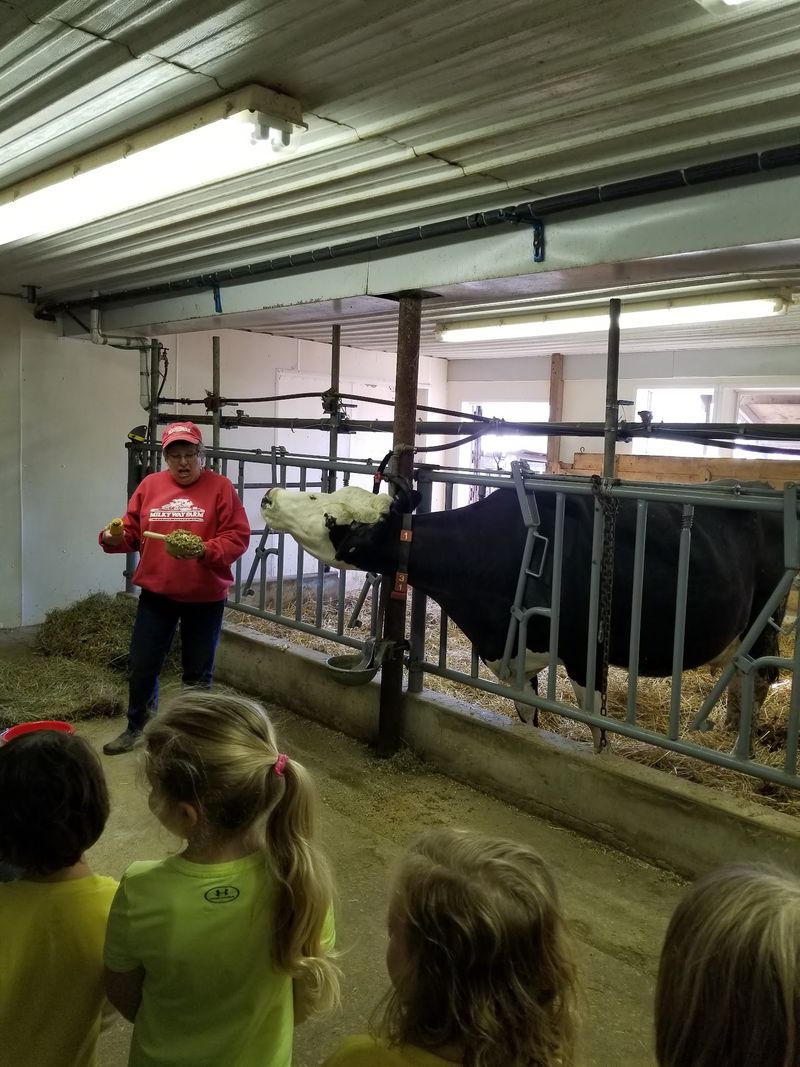
The Matthews family has always believed that connecting people to the source of their food matters. That conviction shaped the farm’s educational programming, which goes well beyond a standard guided walk around the property.
School groups can book reserved tours that cover agricultural practices, crop cycles, and the nutritional value of farm-fresh products. The tours are designed to be interactive, giving participants close-up encounters with the animals, the barns, and the milking operation.
Historical tours of the Manor House offer a deeper look at the farm’s long story, starting from the early 1800s and moving forward through each chapter of its development.
Summer camps run on the property as well, giving children a multi-day immersion in farm life that goes far beyond anything a classroom can replicate. Reservations are required for educational tours, so planning ahead is necessary if you want the full experience.
The curriculum-style approach makes these visits genuinely useful for teachers and parents who want something more substantive than a casual outing, and the setting does most of the teaching on its own.
The Pastoral Setting That Makes You Slow Down
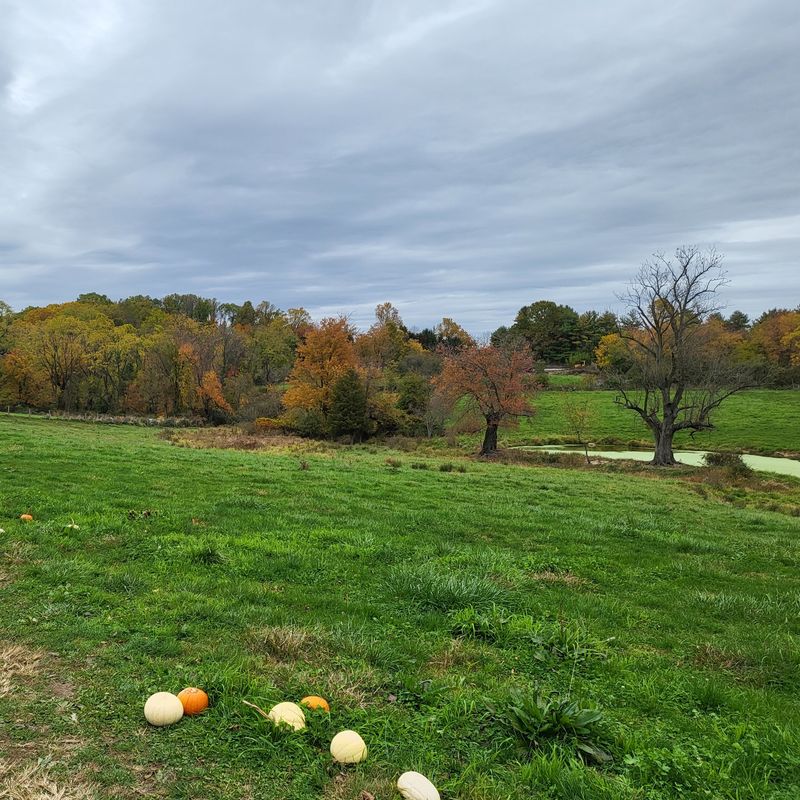
One hundred and three acres of open farmland in Chester Springs has a particular effect on people who spend most of their time in suburbs or cities. The pace here is noticeably different, and that shift happens almost immediately upon arrival.
The Chester Springs Creamery building itself was constructed with materials pulled directly from the farm. Its post-and-beam frame incorporates stones hand-picked from the fields, giving the structure a texture and character that no prefab building could match.
A wraparound porch overlooks the surrounding property, and paths and small bridges invite leisurely exploration of the grounds beyond the main buildings.
The Springhouse area is worth a visit for anyone who appreciates historic farm architecture. Rolling hills frame the landscape, especially striking during autumn when the foliage changes color across the surrounding countryside.
Outside seating fills up quickly on warm days, but the indoor space is comfortable and well-organized. The overall atmosphere is relaxed without feeling sleepy, active without feeling chaotic, which is a balance that is harder to achieve than it looks.
Visiting Hours, Admission, and What to Budget For
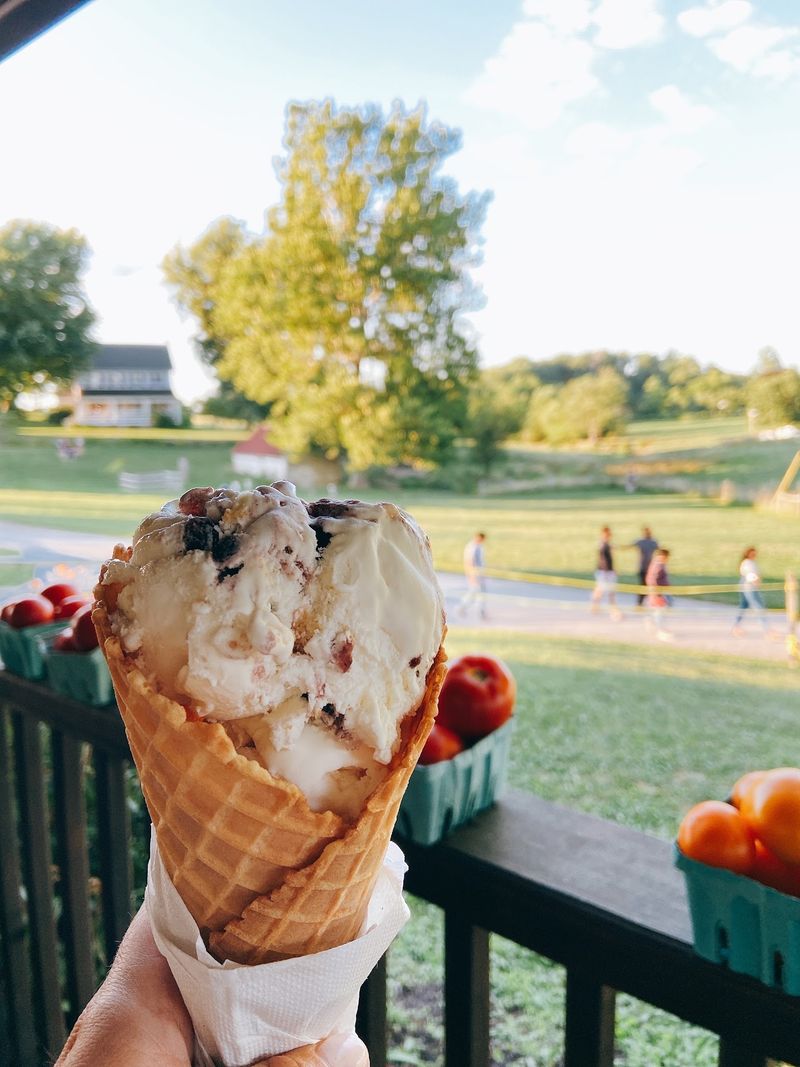
Planning your visit around the farm’s schedule makes a real difference in how smoothly the day goes. During spring and early fall, the farm and creamery are open Friday through Sunday from 1 PM to 9 PM.
Summer hours expand to Wednesday through Sunday, also from 1 PM to 9 PM.
Pumpkin Harvest Season brings a slightly different setup. Farm activities run Friday from 3 PM to 5 PM and Saturday through Sunday from 10 AM to 5 PM.
The creamery stays open later during that period, from 1 PM to 8 PM on Fridays and 11 AM to 8 PM on weekends. Hours can shift based on the season, so checking the farm’s website before heading out is always a practical move.
General farm access is free of charge, which is a genuinely pleasant surprise. Hayrides carry an additional fee, and the Pumpkin Harvest Season activities may include a modest admission cost for children over age three.
Budget separately for ice cream, pumpkins, and any farm products like eggs, local honey, or honeycomb that catch your eye on the way out. Parking is free and plentiful.
Community Roots and the Farm-to-Table Connection
The decision to open the pumpkin fields to the public in 1986 was, by the Matthews family’s own account, a turning point that helped the farm survive a difficult period for small agricultural operations. That pivot toward community engagement became a defining part of the farm’s identity.
Today, the farm operates as a small local hub for fresh products beyond just ice cream. Fresh brown eggs, local honey, honeycomb, and seasonal produce are available for purchase, often displayed on the creamery porch or sold through a cooperative arrangement with neighboring farms.
This network of local producers adds variety and reinforces the farm’s commitment to keeping regional agriculture visible and accessible.
The MoooBucks loyalty program rewards frequent visitors with credits toward future purchases, a small but effective way of acknowledging the regulars who have made the farm part of their seasonal routine. Families who grew up visiting with their own parents now bring their children, and that generational continuity is something the Matthews family clearly values as much as any award or designation the farm has received.
Preserving the Land for Generations to Come
In 1997, the Matthews family made a decision that went beyond day-to-day farm management. They enrolled the property in the Chester County Farmland Preservation program, legally protecting the land’s agricultural use in perpetuity.
That choice was not made lightly, and it reflects the family’s long view of what this place represents.
Chester County has lost significant farmland to development over the decades, making preservation commitments like this one genuinely meaningful for the region’s character and food supply. Milky Way Farm’s protected status ensures that these 103 acres will remain working agricultural land regardless of what happens in the surrounding area.
The farm’s entire operation, from the educational tours to the creamery to the seasonal events, is built around the idea that people who understand farming care more about preserving it. Every child who pets a calf through the fence or watches the robotic milker do its work leaves with a slightly different relationship to the food on their plate.
That quiet shift in perspective, multiplied across thousands of annual visitors, is perhaps the farm’s most lasting contribution to Chester County.
Share this story