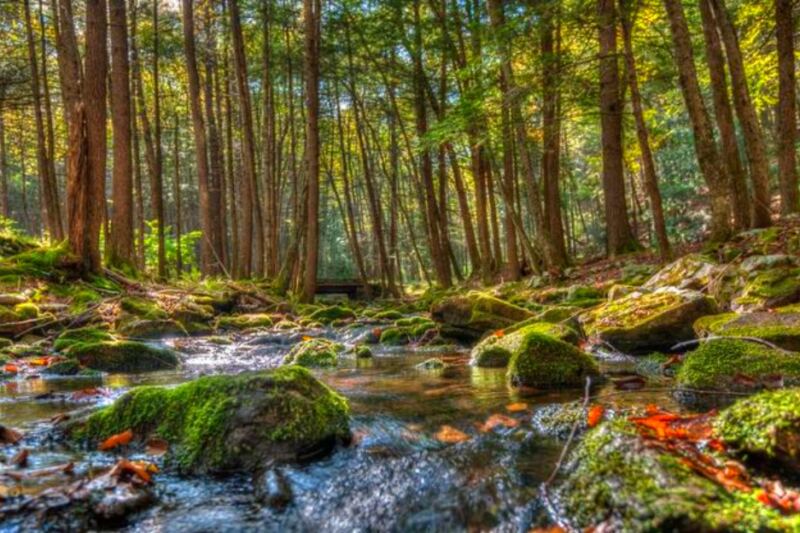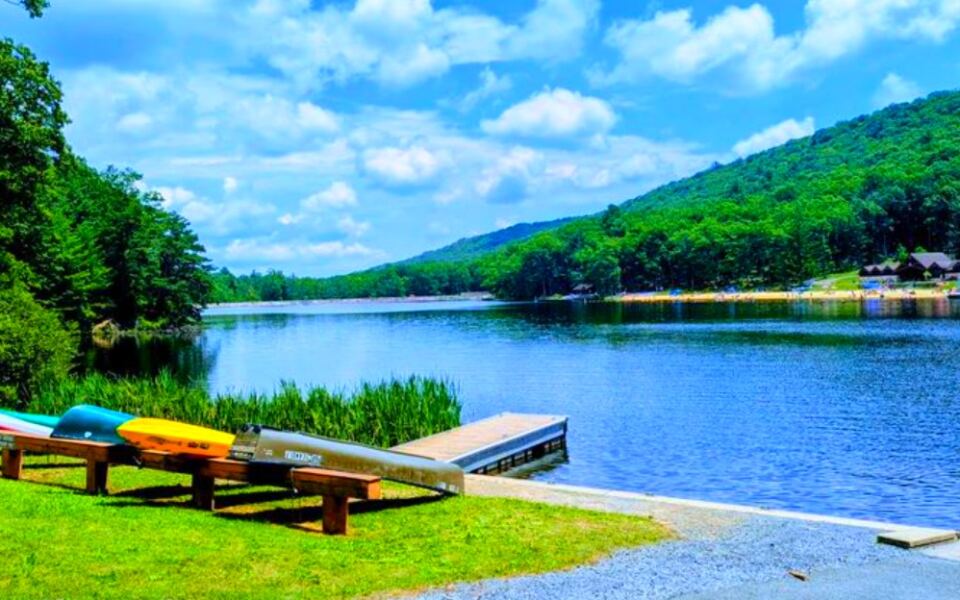
One secluded Pennsylvania park hides a 25-acre lake and sandy swimming beach deep inside the mountains of Centre County. Getting there means following winding forest roads into an area where cell service can disappear and the nearest busy highway quickly feels far away.
The lake is surrounded by hiking trails, campsites, picnic areas, and quiet water for kayaking and fishing. Much of the park also traces back to Civilian Conservation Corps work during the Great Depression, including the dam that created the lake in the 1930s.
What makes this place stand out is the combination. A real sandy beach, forested mountain trails, and a small lake sit together in one remarkably remote valley that feels much farther from civilization than the map suggests.
Finding the Place: Location, Access, and First Impressions
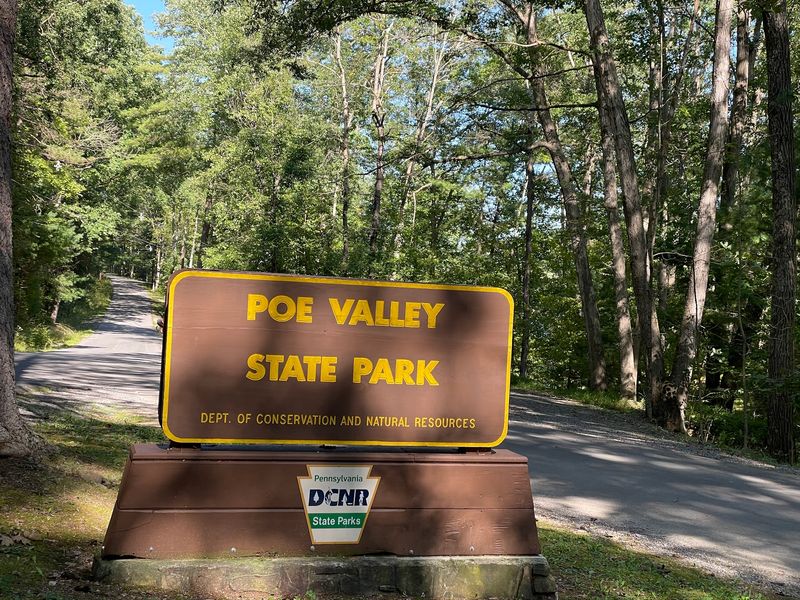
Getting to Poe Valley State Park is an adventure before the adventure even starts. The park sits at 136 Poe Valley Rd in Penn Township, Centre County, Pennsylvania, roughly 17 miles east of State College, deep inside the Bald Eagle State Forest.
The final stretch involves several miles of narrow gravel road that winds through dense forest, with barely enough room for two vehicles to pass each other. Your GPS might suggest routes that are less than ideal, so following the official park signage is the smarter move once you leave the main highway.
The drive takes about 20 to 25 minutes from the nearest highway, and that slow approach is actually part of the charm. By the time you reach the park entrance, the outside world already feels far away.
No cell service, no traffic noise, no distractions. Just tall trees, birdsong, and the quiet anticipation of a lake waiting just around the next bend.
Built by Hand: The CCC Legacy That Shaped This Valley
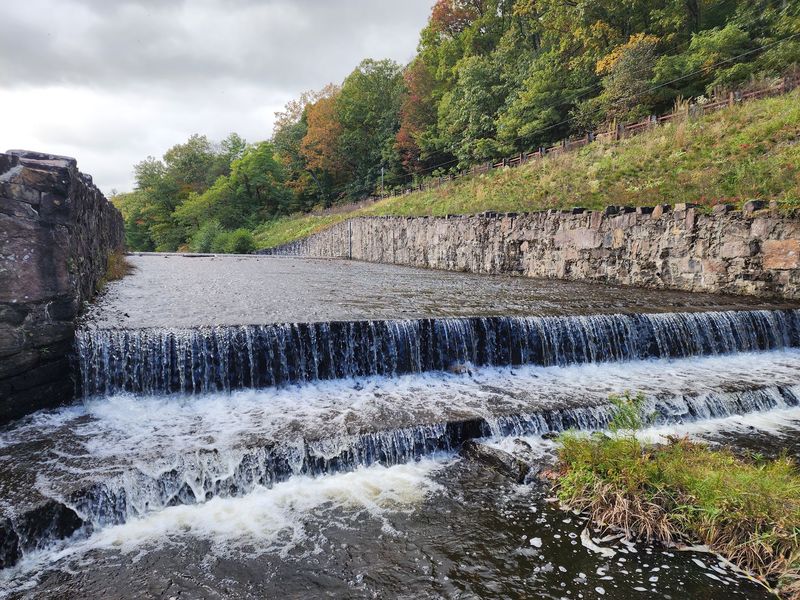
Long before anyone paddled across Poe Lake or spread a towel on the sandy beach, about 200 young men from the Civilian Conservation Corps arrived in this remote valley with tools, determination, and very little else.
As part of Camp S-63-PA during the Great Depression, these workers cleared underbrush, constructed roads and bridges, cleaned streams, and built the infrastructure that would eventually become the park visitors enjoy today. The dam that created Poe Lake was completed in 1937, with additional support from the Works Progress Administration.
A stone memorial once marked the location of the CCC camp, though the site now sits on private land. Still, the craftsmanship those workers left behind is visible everywhere you look, from the layout of the grounds to the structures that have stood for nearly nine decades.
Visiting here carries a quiet appreciation for what was built during one of the hardest chapters in American history.
Poe Lake: The Sparkling Core of the Whole Experience
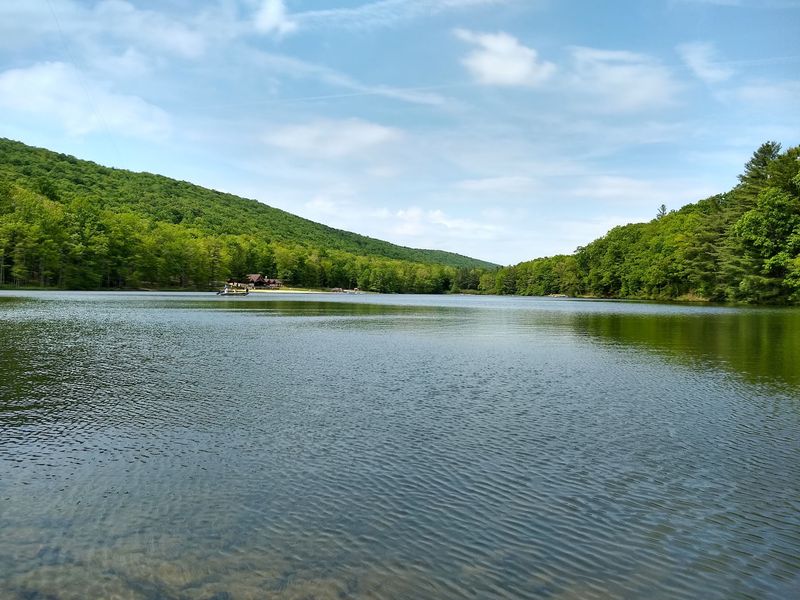
Everything at this park orbits around one central feature: a calm, clear, 25-acre lake nestled between forested ridges that seem to hold the water like cupped hands. Poe Lake was formed by damming Big Poe Creek in 1937, but it looks and feels completely natural, as though the mountains simply decided one day to collect a little extra sky.
Only electric motors are permitted on the water, which keeps the lake quiet and wake-free. That policy makes the whole surface feel like a mirror on calm mornings, reflecting the green canopy above in near-perfect detail.
Two boat launch areas serve those who bring their own electric-powered vessels, and seasonal mooring spaces are available for those planning longer stays. The lake also supports warm-water and cold-water fish species, making it a productive spot year-round.
Watching the light shift across the surface at different times of day is one of those small pleasures that keeps visitors lingering longer than they originally planned.
Sand Between Your Toes: The Beach That Surprises Everyone
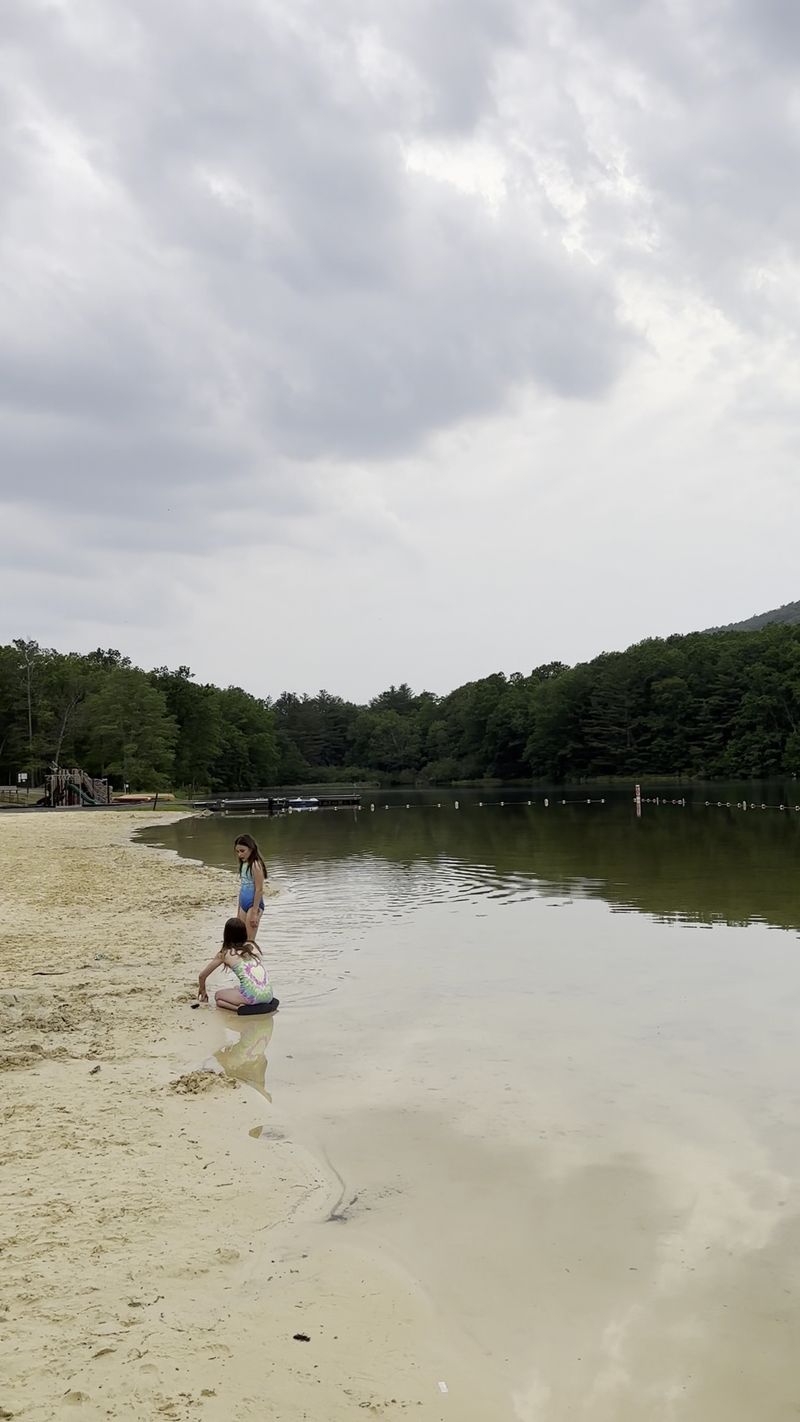
A sandy beach in the middle of a dense Pennsylvania mountain forest sounds like something out of a daydream, but here it is, soft underfoot and well-maintained, sitting right along the edge of Poe Lake. The beach is open for swimming from late May through early September, welcoming visitors daily from 8 AM until sunset.
Swimming is allowed within a designated area with a maximum depth of five feet, and while lifeguards are not on duty, the area is clearly marked and well monitored by park staff. A smoke-free policy keeps the beach clean and comfortable, with designated smoking areas set just adjacent to the main zone for those who need them.
Right next to the sand, a concession stand sells hot food, snacks, ice cream, and drinks, along with some basic camping and picnic supplies. Paddleboat, canoe, and kayak rentals are also available from the same spot, so your beach day can easily evolve into an afternoon on the water without much planning at all.
Trails That Go From Easy Strolls to Serious Climbs
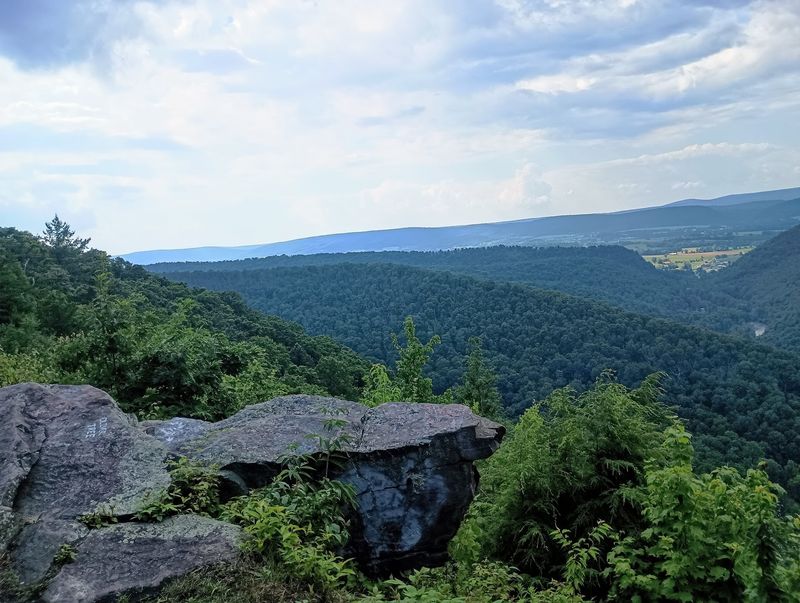
The hiking at Poe Valley ranges from a gentle lakeside loop to rugged climbs that will test your legs and reward your lungs. The Nature Trail, a 0.9 to 1-mile loop behind the park office, meanders through the woods and offers peaceful views of Big Poe Creek, making it the perfect choice for a relaxed family walk.
For those who want more of a challenge, trails like the Deep Low Place Trail and the Loggers Path are rated most difficult, featuring steep terrain and rocky footing that demand real effort. The Hunters Path, Little Poe Trail, and Tower Trail offer moderate options in between, giving every fitness level a reason to lace up.
The legendary Mid State Trail, a 306-mile footpath that crosses Pennsylvania, passes directly through the park, connecting day hikers to a much larger wilderness network. The sheer range of trail options, from a 30-minute stroll to a multi-day backpacking expedition, makes this place feel far bigger than its 620 acres suggest.
Camping Here Feels Like the Real Thing
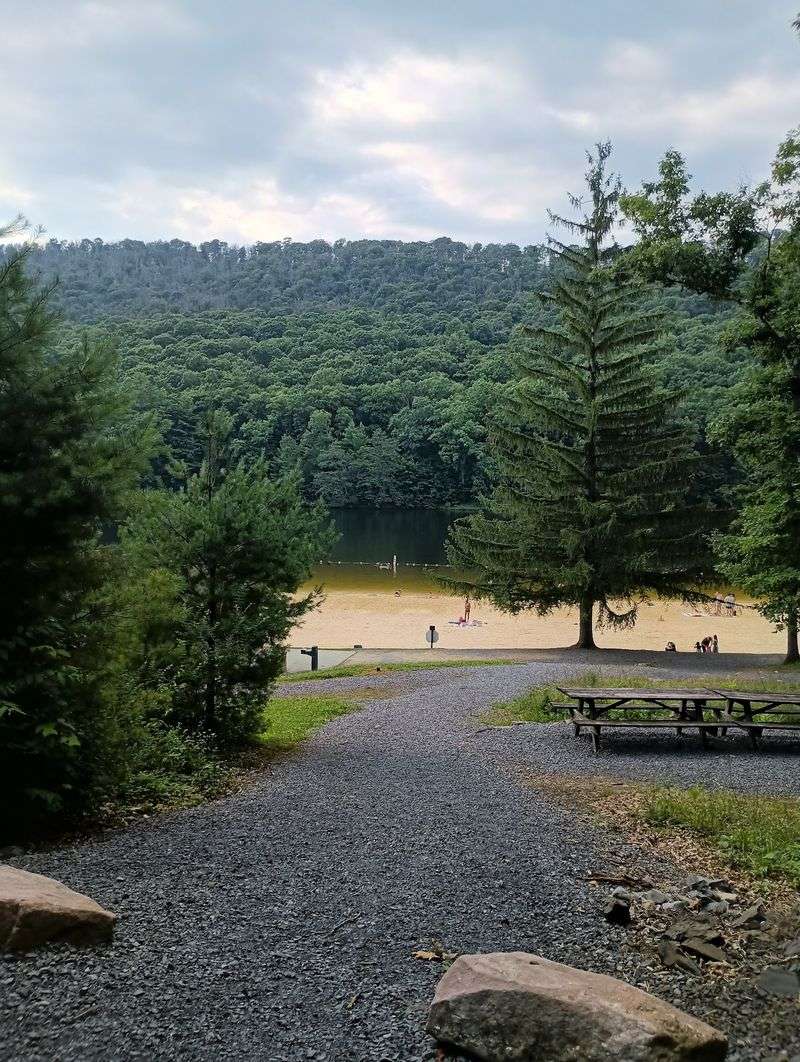
The campground at Poe Valley is the kind of place that makes you wonder why you ever stayed in a hotel. Forty-five campsites accommodate tents, trailers, and motorhomes, with 27 of those sites wired for 50-amp electric hookups for those who appreciate a little modern comfort without fully leaving the woods behind.
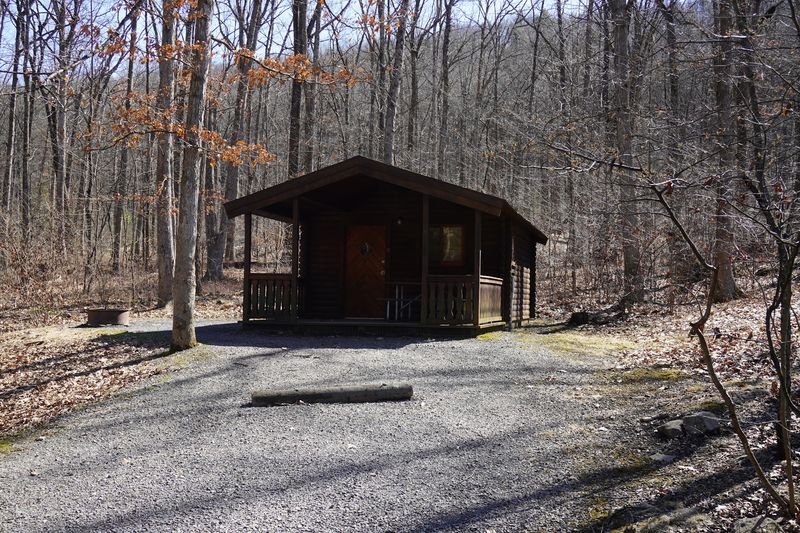
For visitors who want a roof overhead without sacrificing the outdoor experience, three camping cottages and one deluxe cottage are available. None of the cottages include running water inside, but a well-maintained shower house nearby provides hot water showers, flush restrooms, and drinking water, along with a dump station and recycling facilities.
Select sites are pet-friendly, so four-legged family members can join the adventure. The campground operates from mid-April through early December, which means fall camping is absolutely on the table, and the autumn foliage surrounding the lake during that season is reason enough to book early.
Waking up to birdsong echoing through the trees here is a genuinely hard experience to beat.
Paddling the Lake: Quiet Water and Good Company
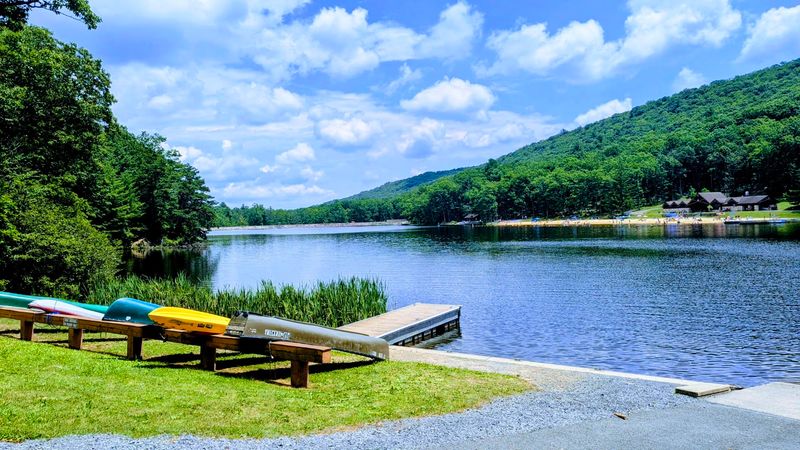
There is something deeply satisfying about paddling across a no-wake lake with nothing but the sound of your own paddle dipping into the water. Poe Lake is perfectly sized for kayaking, canoeing, and paddleboating, big enough to feel like an adventure but small enough that you can circle the entire shoreline at a leisurely pace without exhausting yourself.
Canoes, kayaks, and paddleboats are available for rent near the beach from Memorial Day through Labor Day, with rentals running around $10 for a half hour, making it an affordable activity for families and solo visitors alike. The concession stand near the rental area keeps the whole operation convenient, so you can grab a snack before or after your time on the water.
The electric-motor-only rule means the surface stays calm and quiet throughout the day, which makes paddling genuinely peaceful rather than a competition for space. Early morning is the best time to get out on the water, when the lake is glassy and the surrounding ridges are still wrapped in soft mist.
Four Seasons, Four Completely Different Parks
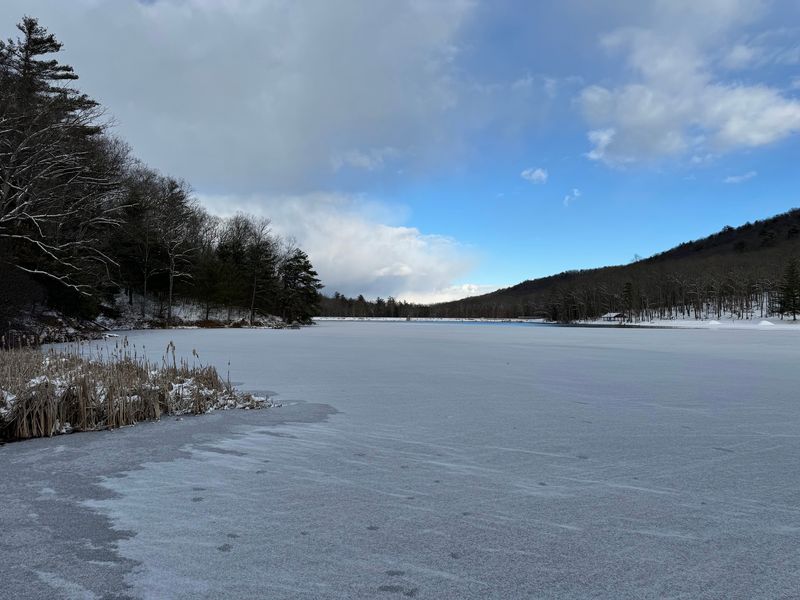
Most parks have a peak season, but Poe Valley genuinely earns its keep across all four seasons. Summer brings the crowds, the beach, the boat rentals, and the long warm evenings around a campfire.
Fall transforms the surrounding ridges into a blazing tapestry of gold, orange, and red that reflects in the lake with almost painterly precision.
Winter strips the trees bare and wraps the valley in silence, but it opens up a different set of activities. Ice fishing draws patient visitors out onto the frozen lake, and registered snowmobiles can travel Big Poe Road and connecting state forest roads after antlerless deer season ends.
Cross-country skiing and snowshoeing through snow-covered trails offer an invigorating way to experience the landscape in its quietest form.
Spring brings the rush of snowmelt through Big Poe Creek, the return of migratory birds, and the anticipation of trout season opening in mid-April. Each visit to this valley feels like meeting a slightly different version of the same beloved place, which is a rare quality for any destination to have.
Picnic Tables, Playgrounds, and Lakeside Afternoons
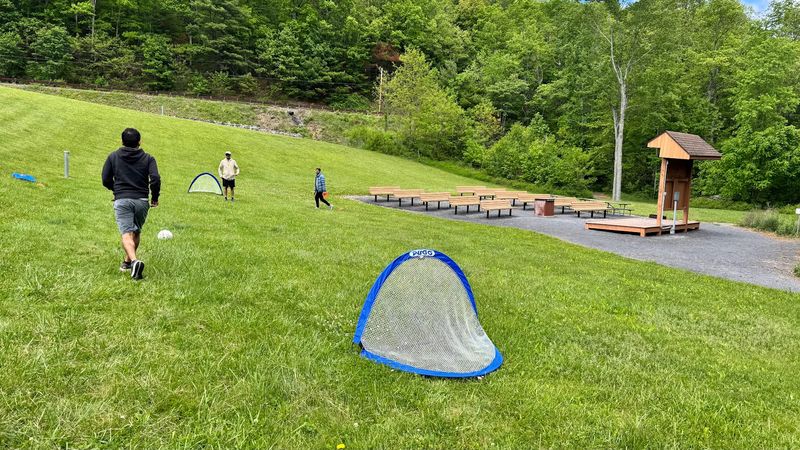
Not every great park visit involves a hike or a boat. Sometimes the best afternoon is a simple one: a shaded picnic table, a charcoal grill, a packed cooler, and a view of the water.
Poe Valley delivers exactly that kind of uncomplicated pleasure with well-placed picnic areas scattered along the lake’s edge, complete with drinking water and accessible table options.
Two picnic pavilions are available for larger groups, making the park a reasonable choice for family reunions or group outings that need a bit more shelter and space. The pavilions can be reserved in advance, which is worth doing during peak summer weekends when the park draws its largest crowds.
A playground near the beach area gives younger visitors a dedicated space to run, climb, and burn off energy between swims. The combination of a beach, a playground, picnic facilities, and a concession stand in one compact area means families with children of different ages can all find something to enjoy without anyone having to wander far from the group.
Wildlife, Birds, and the Quiet Thrill of Watching
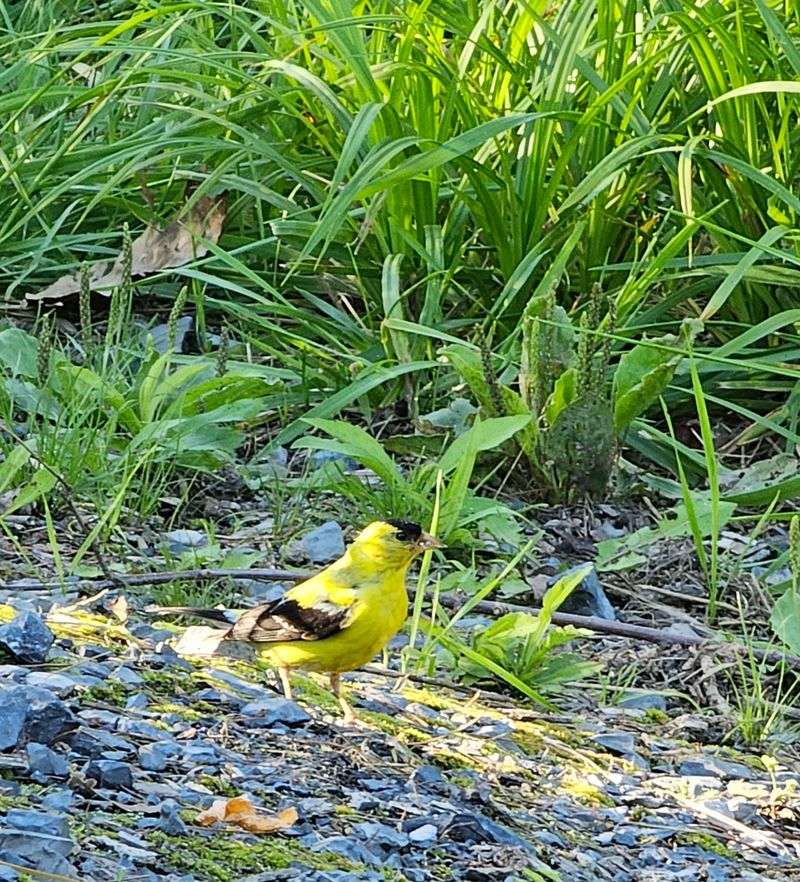
The wildlife at Poe Valley does not announce itself dramatically. It shows up quietly, on its own schedule, and rewards the visitors who slow down long enough to notice.
White-tailed deer move through the undergrowth at dawn and dusk, and wild turkeys are spotted regularly in the park’s clearings and along the forest edges.
Birdwatching here is genuinely rewarding, with the surrounding Bald Eagle State Forest providing habitat for a wide variety of species. Ruffed grouse, various woodland songbirds, and the famously vocal whip-poor-wills, which call through most of the night during summer, are among the most memorable encounters.
Squirrels are constant companions, and black bears are also residents of the broader forest, though sightings within the park are less common.
Hunting is permitted on over 450 acres of the park during established seasons, with strict regulations protecting certain species and keeping areas around the lake off-limits. Visitors who simply want to observe are always encouraged to maintain a respectful distance, letting the animals go about their business undisturbed in the valley they call home.
What to Know Before You Pack the Car
A little preparation goes a long way when the destination involves gravel roads and no cell service. The park is open year-round from 8 AM to 9 PM daily, but specific facilities follow seasonal schedules.
The beach runs from late May to early September, the campground from mid-April through early December, and the concession stand is closed on Wednesdays even during peak season.
Insect repellent is a genuine necessity in the warmer months, not just a suggestion. Ticks and mosquitoes are active throughout the forest, and a good repellent makes hiking and lakeside time significantly more comfortable.
Sturdy shoes with grip are essential for the more rugged trails, which can turn muddy after rain.
Food options outside the park are very limited, so packing a cooler with meals and snacks is a smart move for day visitors. Locking coolers are recommended for campers, as raccoons are experienced opportunists and black bears are known to visit the area.
The park office can be reached at (814) 349-2460 for current conditions and reservations before your trip.
Share this story