There is a place in western Pennsylvania where a brown bear might take a treat right from a tube you are holding, where a sloth family hangs overhead in a tropical room, and where a llama could very well spit chewed-up carrot directly onto your face. That last part is not a warning so much as a badge of honor among regulars.
Living Treasures Animal Park in Jones Mills sits quietly along Route 711 in the Laurel Highlands, and it has been turning ordinary afternoons into wild, unforgettable memories since 1998. With more than 400 animals representing over 70 species, it punches well above its weight for a family-owned park tucked into the rolling hills of Pennsylvania.
Whether you are five years old or fifty, the combination of exotic wildlife, hands-on feeding, and genuine warmth from the staff creates something that feels rare and real. Read on to find out exactly what makes this place so worth the trip.
A Family Dream Built from Passion: The Origin Story
Not every animal park starts with a business plan. This one started with a man named Tom Guiher and a lifelong obsession with animals that grew from a personal collection of deer, wallabies, and pot-bellied pigs into something far bigger than anyone expected.
The original Living Treasures Wild Animal Park opened in New Castle, Pennsylvania in 1992. Six years later, Tom acquired a nine-acre parcel along Route 711 in the Donegal area, developed it through the winter of 1997, and opened the Jones Mills location in April 1998.
Many animals born at the New Castle site made the move, joined by new residents sourced from parks across the United States and Canada.
In 2008, Tom’s daughter Fawn and her husband Matt stepped in as General Managers of the Jones Mills park, deepening the family connection that still defines the place today. That personal investment shows in every carefully maintained pathway, every well-fed animal, and every friendly interaction between staff and guests.
Finding the Park: Address, Location, and First Impressions
The full address is 288 PA-711, Jones Mills, PA 15646, and the drive there is half the fun. The Laurel Highlands region of western Pennsylvania wraps around you with forested hills and quiet two-lane roads that make the arrival feel like a proper escape from the everyday.
From the parking lot, which is free and dedicated, the park’s entrance is straightforward and welcoming. There is no grand spectacle at the gate, just a modest, clean entry point that quickly gives way to a world that surprises nearly every first-time visitor.
The staff greet you with genuine friendliness, and the layout becomes clear within the first few minutes of walking.
Paved and gravel pathways wind through the exhibits in a logical loop, making navigation easy for strollers and wheelchairs alike. The park’s phone number is 724-593-8300 if you want to call ahead, and the website at ltanimalpark.com keeps hours and seasonal updates current.
First impressions here tend to be understated but quickly overtaken by delight.
Over 400 Animals, 70-Plus Species, and Zero Boring Moments
The sheer range of life packed into this park is one of the first things that genuinely catches visitors off guard. You expect goats and maybe a few deer.
What you get is camels, kangaroos, wolves, servals, primates, sloths, alligators, brown bears, and a white tiger, all within a single afternoon’s walk.
With more than 400 individual animals representing over 70 species, the park covers an impressive spectrum from the familiar to the truly exotic. Each enclosure or habitat area is labeled with a photo of the animal, its name, species information, place of origin, and dietary preferences, turning every stop into a small but satisfying learning moment.
The animals themselves appear well-fed and behaviorally healthy, not pacing in stressed loops but resting, playing, or actively engaging with visitors. That visible contentment is something longtime fans of the park point to repeatedly as a reason they keep coming back.
The variety alone is worth the admission price, and the interactions push the value far beyond that.
Feed Cups, Carrot Bags, and the Joy of Getting Nose to Nose
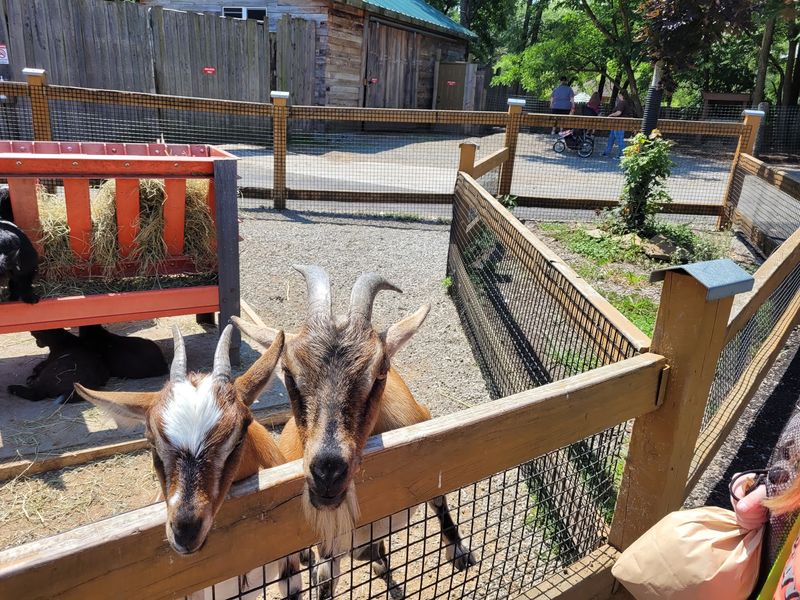
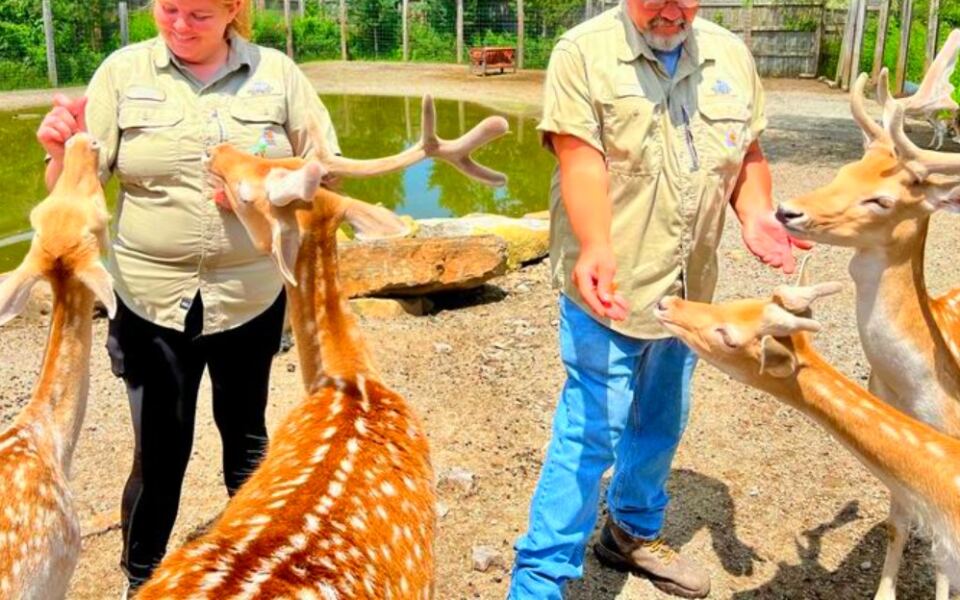
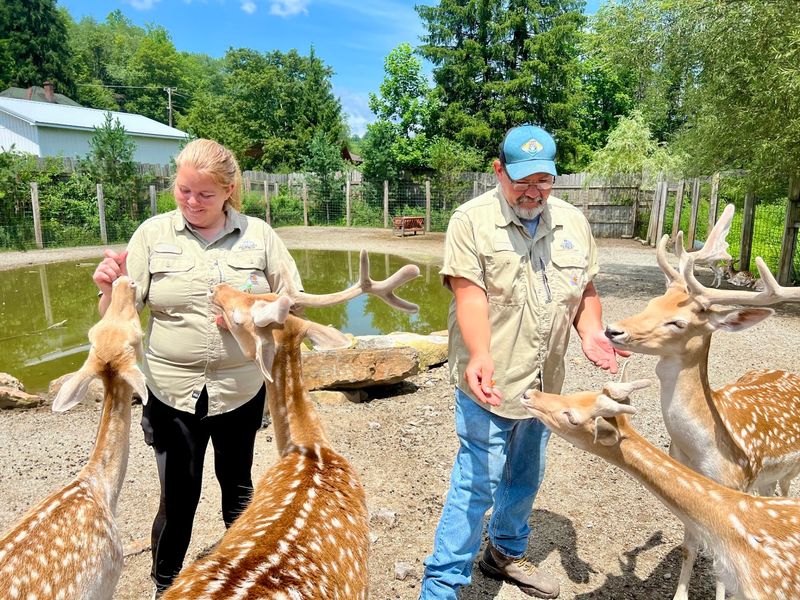
Buying a bag of carrots or a cup of dry feed at the park office is one of the best decisions you will make all day. The staff provide clear guidance on which food goes to which animal, so there is no guessing and no risk of offering the wrong snack to the wrong resident.
Camels extend their long necks with surprising grace to accept treats from open palms. Fallow deer with spotted coats and gentle eyes press right up to the fencing.
Nubian goats practically vibrate with excitement at the sight of a carrot. The portions are generous enough to last a full loop of the park, which means the interactive moments keep coming long after you think the bag is almost empty.
Only food purchased inside the park is permitted for feeding, which protects the animals’ health and keeps the experience consistent for everyone. That rule is easy to follow when the park-approved options already produce such enthusiastic responses from the animals.
Bring extra cash for refills because you will want them.
Brown Bears and Big Cats: The Wild Side of the Park
There is a moment at this park that stops most visitors in their tracks, and it usually involves a brown bear. These animals are large, intelligent, and surprisingly close.
Specially designed feeding tubes allow guests to pass treats through safely, creating an interaction that feels both thrilling and respectful of the animal’s space.
The big cat section adds another layer of awe. Servals pace with the fluid confidence of animals built for speed, their oversized ears swiveling at every sound.
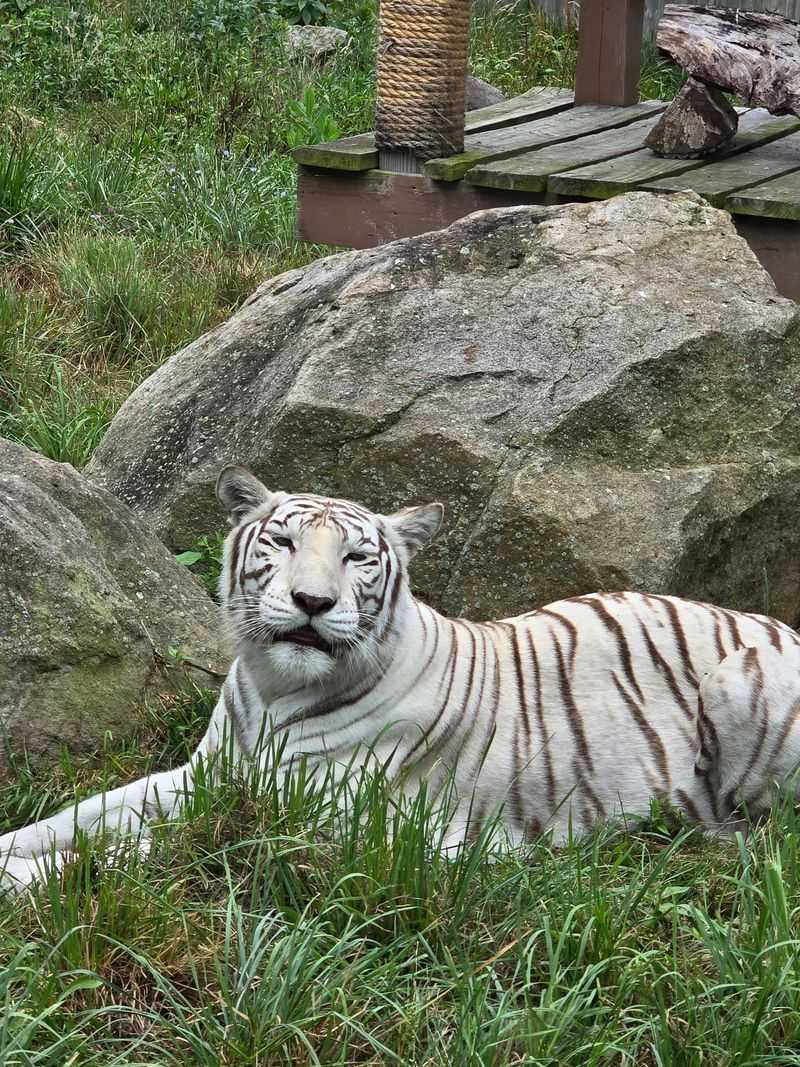
The park’s white tiger draws crowds for obvious reasons, its striking coloration making it one of the most photographed residents on the property. High-percentage Barbary lions, a lineage no longer found in the wild, round out the predator exhibits with their distinctly fuller manes and powerful builds.
Clouded leopards add a more elusive presence to the mix, their spotted coats blending beautifully with the dappled light of their habitat. Each of these animals commands attention in a completely different way, and the park’s layout gives you time to linger and absorb the experience properly.
The Rainforest Room: A Tropical World Hidden Inside the Park
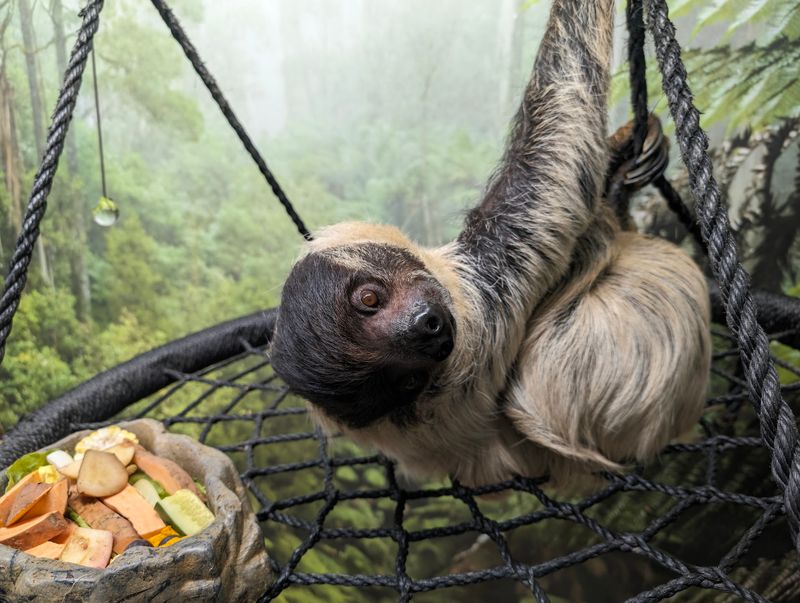
Tucked inside the park is an indoor exhibit that genuinely transports you somewhere else entirely. The Rainforest Room is humid, green, and alive with sound, a sharp contrast to the open-air pathways outside and a welcome retreat on a hot afternoon.
Two-toed sloths named Yuma, Padawan, and Mizuki are the headline residents, often visible draped across branches in the slow, deliberate way that makes them endlessly watchable. A lively marmoset colony adds quick, chattering energy to balance the sloths’ unhurried pace.
The room also houses American alligators, a nine-foot red-tailed boa named Rexy, a black-throated monitor named Groot, poison dart frogs, mountain horned dragons, various geckos, and an assortment of tortoises.
Dallas, a scarlet macaw, has been known to greet visitors with a cheerful “Good Morning” that catches people completely off guard and tends to produce laughter every single time. The Rainforest Room is included with general admission, making it one of the best value moments of the entire visit.
Plan to spend more time here than you think you will need.
Sloth and Otter Encounters: The Premium Experiences Worth Booking
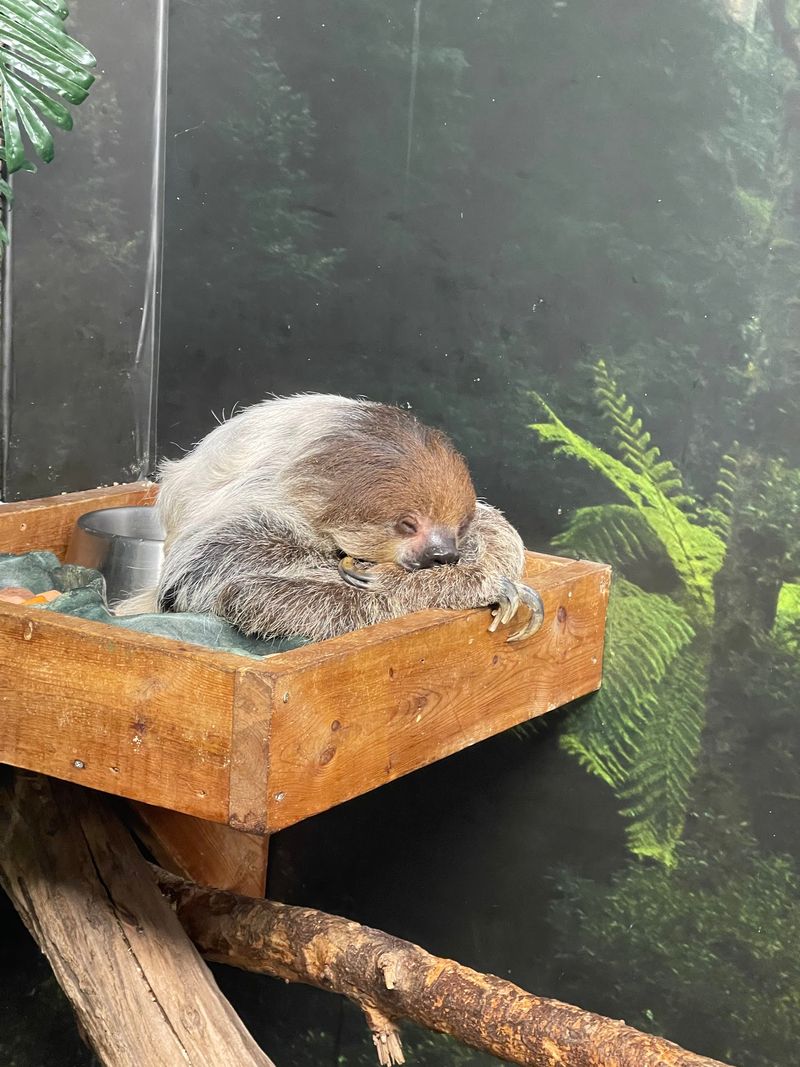
For visitors who want to go beyond the general admission experience, the park offers private animal encounters that are genuinely extraordinary. The Sloth Encounter costs $125 for up to two people, with an option to add a third person for $75, and runs for 30 minutes with 15 to 20 of those minutes spent directly inside the sloth exhibit.
Participants aged 8 and older, accompanied by an adult, get to meet Yuma, Padawan, and Mizuki up close, learn detailed facts from a knowledgeable keeper, take photos, and gently touch the sloths on their backs. The Otter Encounter offers a similarly priced and timed session with the park’s Asian small-clawed otters, Saco, Peanut, and Jelly, the smallest and most social otter species in the world.
During the otter session, visitors can feed, touch, and even watch the otters perform their signature handshake trick through a plexiglass window. Both encounters require advance booking and do not include park admission, though discounted tickets are available when combined.
These experiences book up quickly, so reserving early is strongly recommended.
Feathers, Hooves, and the Walk-Through Aviary
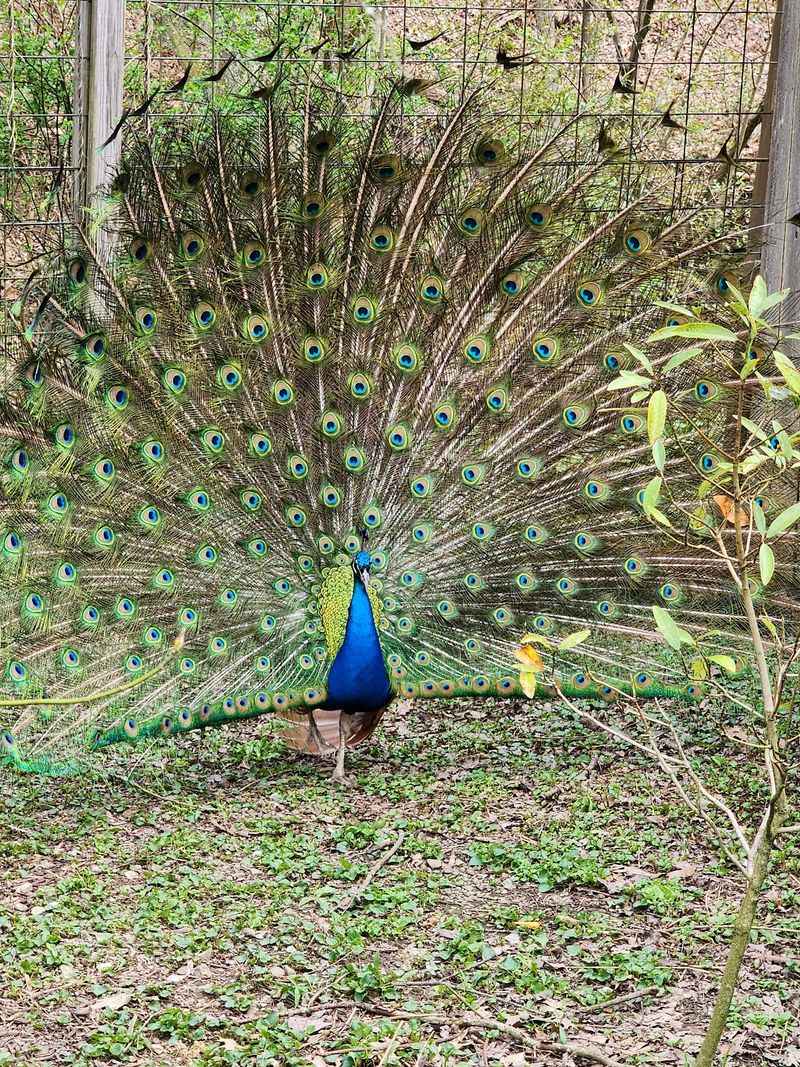
The walk-through aviary is one of those low-key highlights that sneaks up on you. Colorful birds move freely around the space, and the close proximity creates a sense of being genuinely inside their world rather than observing it from a distance.
Photo opportunities here are exceptional, especially for anyone with even a passing interest in bird photography.
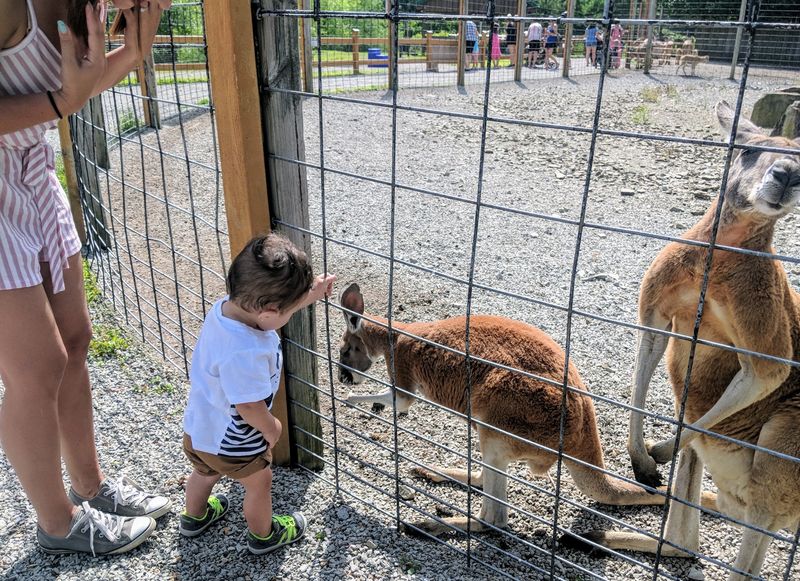
Outside the aviary, Chilean flamingos gather near water features with their characteristic pink elegance, often posing as if they know exactly how photogenic they are. Bennett’s wallabies, some with joeys visible in their pouches, add a touch of Australian wilderness to the mix, while red kangaroos bound through their habitat with effortless athleticism.
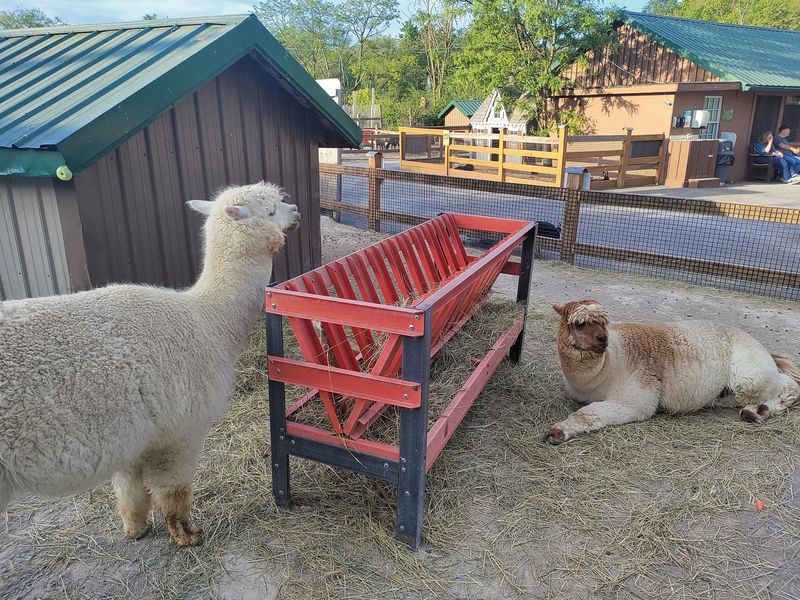
Dromedary camels and hybrid Tulu camels are among the most interactive hoofstock in the park, eagerly accepting treats and leaning in with a curiosity that makes them surprisingly endearing despite their size. Prairie dogs, guanacos, draft horses, and miniature Mediterranean donkeys fill out the roster of hoofed and burrowing residents, ensuring that every corner of the park offers something fresh and unexpected to discover.
Wolves, Primates, and the Animals That Command Respect
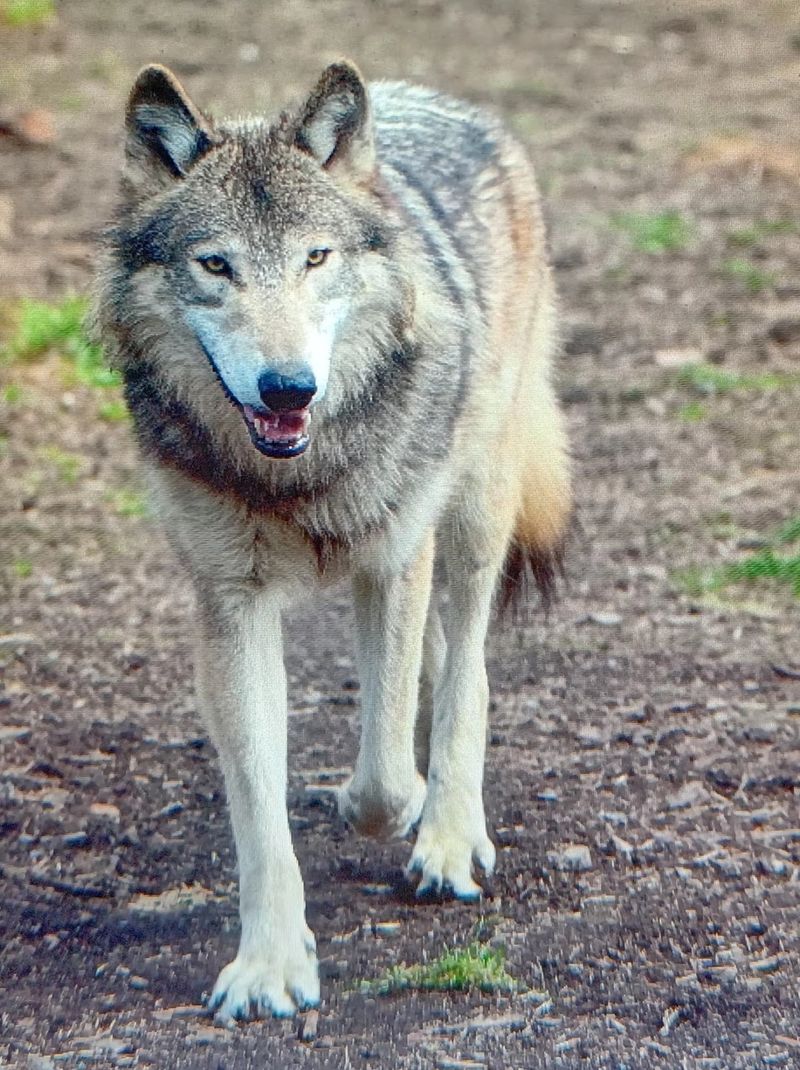
Some of the park’s residents are not there to be petted or fed by hand, and that distinction actually adds something valuable to the experience. Wolves move through their enclosure with a quiet authority that is genuinely difficult to look away from.
Their presence adds a layer of wildness to the park that feels authentic rather than performative.
The primate section brings a completely different energy. Various monkey species observe visitors with an intelligence that is both amusing and slightly unnerving, their expressions shifting between boredom and intense curiosity depending on what is happening nearby.
Pygmy hippos, one of the more surprising residents, tend to generate genuine shock from visitors who had no idea the park housed them at all.
Dingoes round out the predator and semi-wild section with their lean, alert builds and watchful eyes. Viewing platforms recently built near the serval enclosure give visitors an elevated perspective that improves sightlines and makes the entire predator section feel more immersive.
These are the animals that remind you this park is operating at a level well above what its modest setting might initially suggest.
Tickets, Hours, and Everything You Need Before You Go
The park operates seasonally, generally from late March or early April through October. Standard daily hours run from 10 AM to 6 PM during spring and fall.
In June, July, and August, Friday and Saturday hours extend to 8 PM, giving summer visitors extra time to explore without rushing.
Admission is reasonably priced at $18.50 for adults, $16.50 for seniors, and $15.50 for children aged 3 to 11. Kids under 3 get in free.
Discounts are available for military personnel and first responders, and season passes are worth considering for anyone within a reasonable driving distance. Tickets can be purchased online or at the gate, and re-entry is permitted with your receipt.
The Watering Hole concession stand provides snacks and beverages, though calling ahead to confirm availability on your chosen day is a good habit. Picnic tables are available for families who prefer to bring their own food.
Motorized scooters are available for rent on a first-come, first-served basis. Pets and service animals are not permitted due to the presence of free-roaming birds throughout the park.
Extending the Trip: The Laurel Highlands Beyond the Park Gates
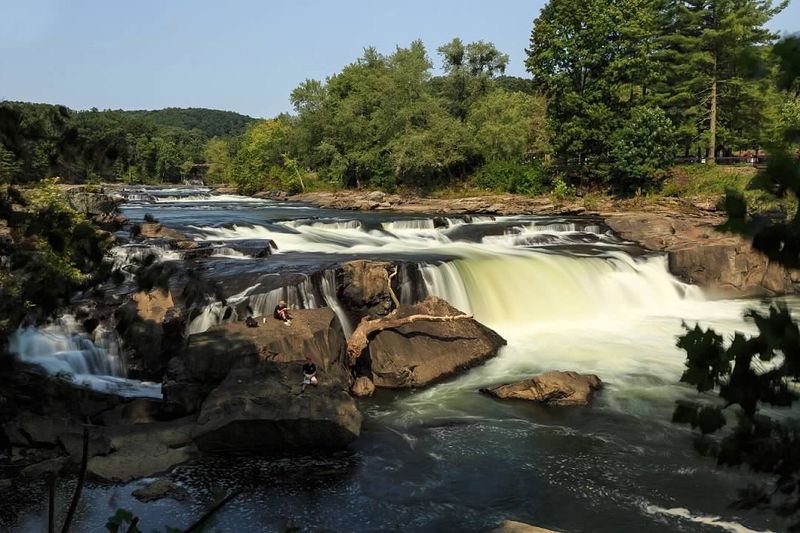
The park sits in one of Pennsylvania’s most rewarding corners for a longer trip. Ohiopyle State Park is roughly 20 minutes down the road and offers hiking trails, stunning natural waterslides along Meadow Run, and white-water rafting on the Youghiogheny River.
Pairing a morning at the animal park with an afternoon at Ohiopyle makes for a genuinely full and satisfying day outdoors.
Architecture enthusiasts have two Frank Lloyd Wright masterpieces within close reach. Fallingwater and Kentuck Knob both sit in the Laurel Highlands and offer guided tours that reveal some of the most celebrated residential design in American history.
Booking those tours in advance is essential, especially during peak season.
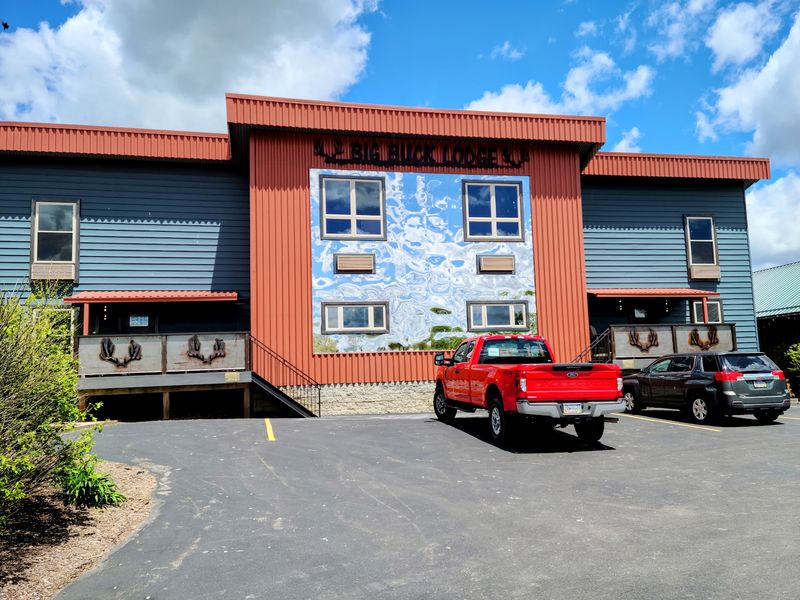
The Log Cabin Lodge and Suites, adjacent to the park, frequently offers discounted admission as part of a stay package, making it the most convenient base for a weekend getaway built around the animal park experience. Small towns in the region provide local dining and shops that round out the visit nicely.
The Laurel Highlands rewards slow travel, and Living Treasures Animal Park is an ideal anchor for exploring everything this part of Pennsylvania quietly offers.
Share this story