Most people visit Oahu for the beaches, but there is one place on the North Shore that pulls you into six completely different island worlds before the sun goes down. You can watch a coconut tree get climbed, paddle a traditional canoe, learn a ukulele chord, and witness fire dancing that will genuinely make your jaw drop, all without leaving a single property.
The Polynesian Cultural Center has been preserving and sharing Pacific island traditions since 1963, and the scale of what happens here on any given afternoon is hard to fully believe until you see it yourself. Six island villages, live performances, a luau, and a theatrical evening show make this one of the most packed and genuinely educational days you can spend anywhere in Hawaii.
The Six Island Villages You Walk Through
Walking into the village area at the Polynesian Cultural Center feels less like entering a theme park and more like crossing six international borders in a single afternoon. Each village is dedicated to a specific Pacific island culture: Hawaii, Tahiti, Samoa, Aotearoa (New Zealand), Fiji, and Tonga.
The architecture changes noticeably as you move from one to the next. Thatched roofs, carved wooden posts, and woven panels reflect the distinct building traditions of each culture.
These are not generic tropical backdrops. Real details separate them.
Every village has its own scheduled demonstrations and activities running throughout the day. You can try traditional games, watch craft demonstrations, or simply absorb the atmosphere.
Visitors who arrive early and plan their route carefully tend to see the most. The canoe pageant that kicks things off around 1 PM is a smart starting point before heading toward the far villages first.
The Canoe Pageant That Opens the Day
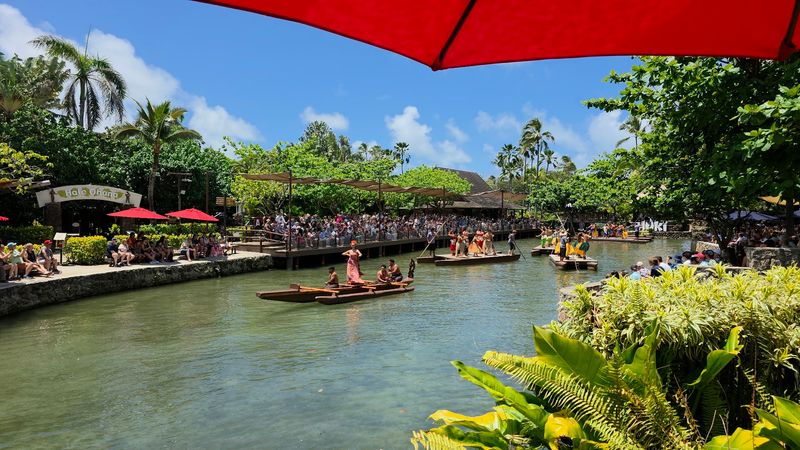
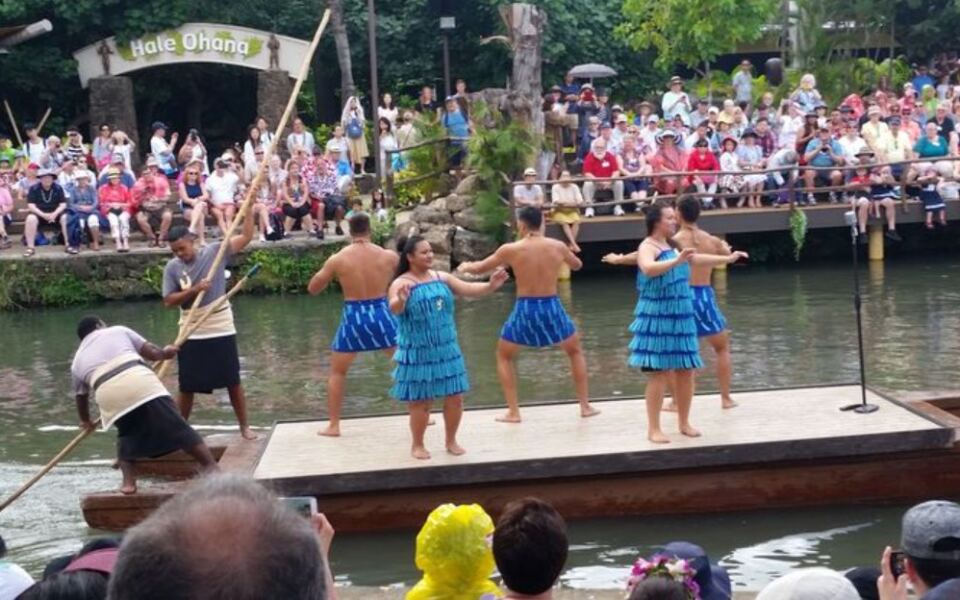
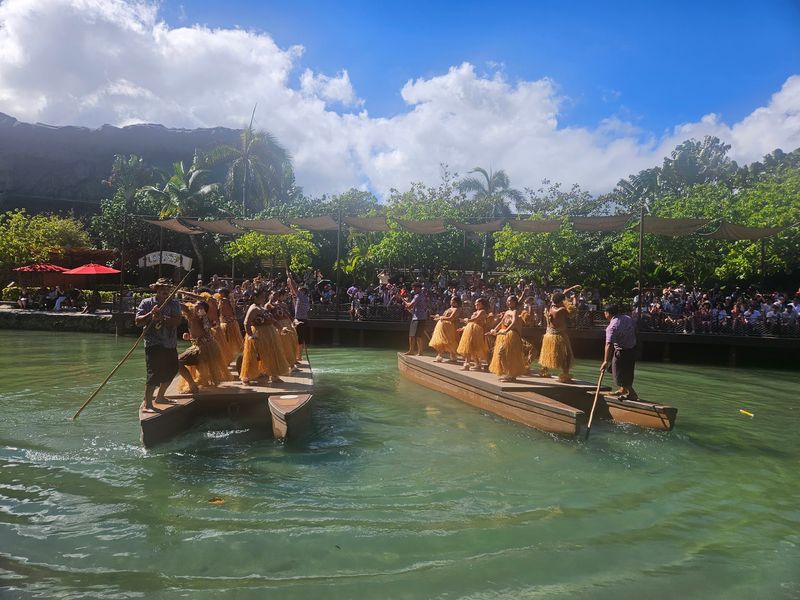
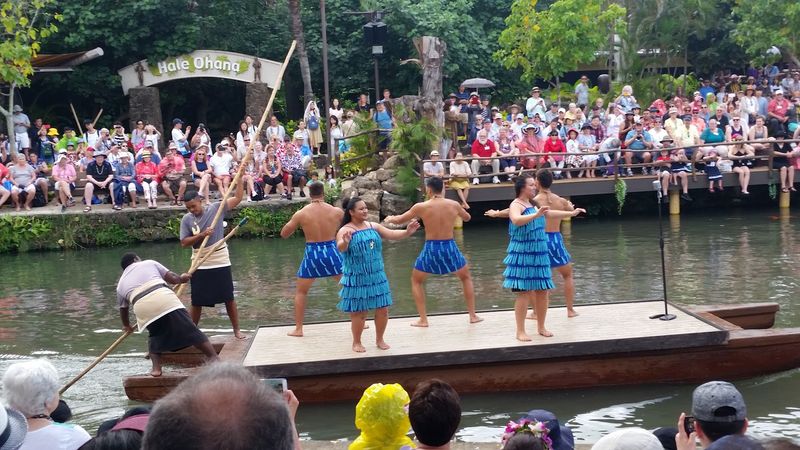
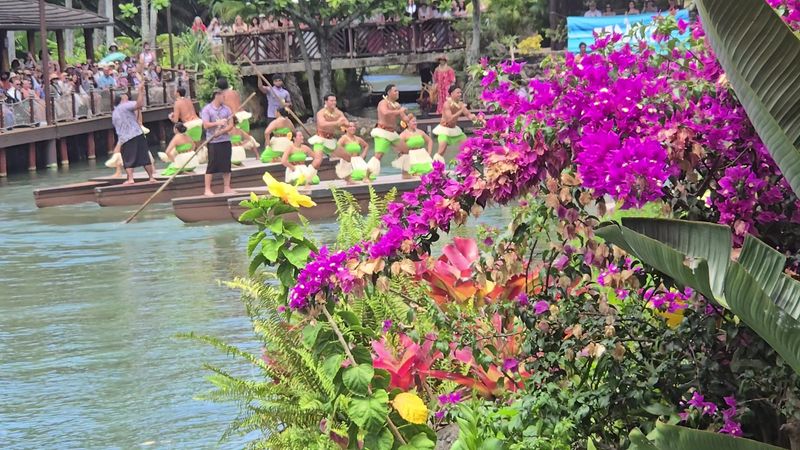
There is a moment early in the afternoon when the waterway running through the center comes alive with color, drumming, and movement. The canoe pageant brings performers from each island village onto traditional canoes, and they travel the full length of the waterway while representing their home culture through song and dance.
Watching it from the banks, you get a quick but vivid preview of everything you are about to explore in the villages. Each group brings its own energy.
The Samoan performers tend to draw big reactions, and the Tongan and Tahitian groups are visually striking.
Arriving before the pageant starts gives you a good spot along the waterway. It runs about 45 minutes and moves at a comfortable pace.
Many visitors say it sets the tone perfectly for the rest of the day, which tracks, because it genuinely does pull you into the experience right from the start.
What Happens Inside the Samoa Village
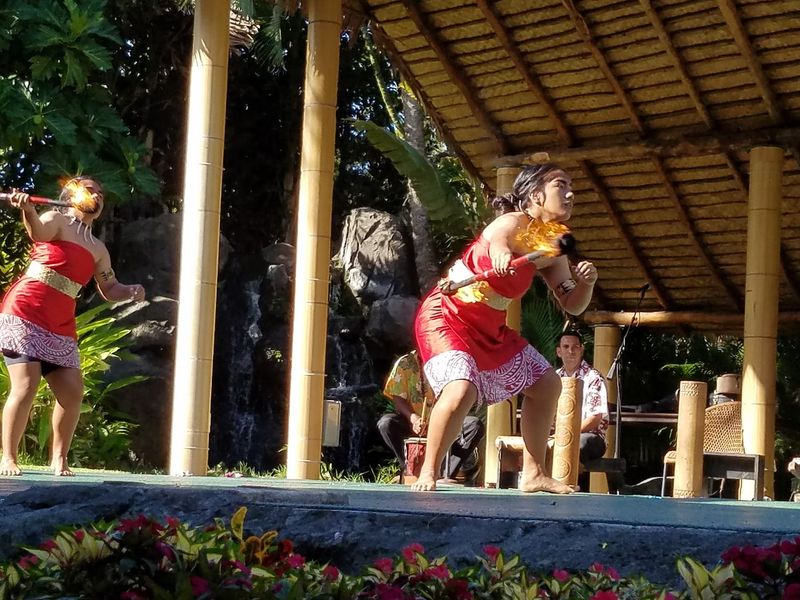
The Samoa village tends to produce the loudest laughter of any stop on the property, and that is not an accident. The demonstrations here are deliberately interactive and genuinely funny without losing their educational value.
Tree climbing is one of the signature moments. Watching a performer scale a tall coconut palm barefoot at a speed that seems physically impossible is one of those things that earns a real reaction from even the most low-key crowds.
Fire-starting demonstrations follow, showing how traditional friction methods work without any modern help.
Multiple visitors have called out the Samoa village as their personal favorite of the six, largely because of the personality of the performers and the humor woven into every demonstration. One reviewer specifically mentioned a performer named Kap as running what felt like a professional comedy show that also happened to be deeply educational.
That balance is harder to pull off than it looks.
The Aotearoa Village and the Haka
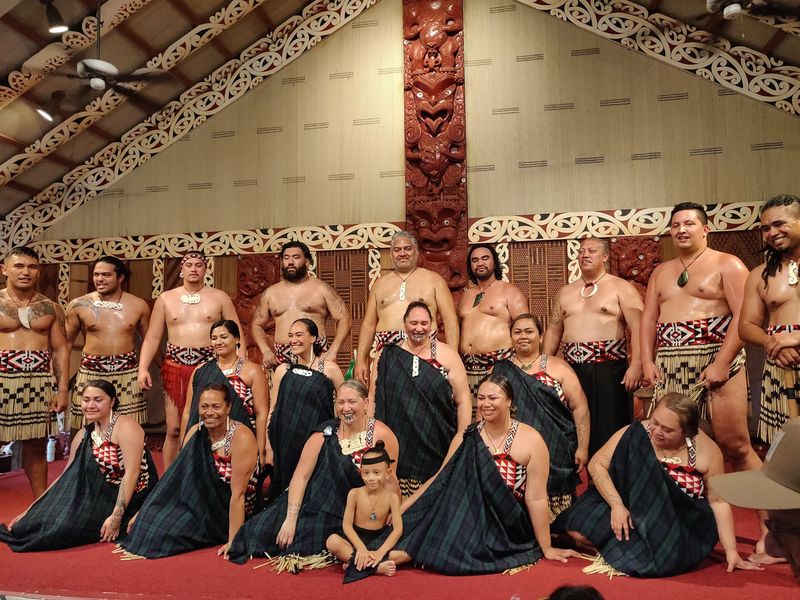
New Zealand’s Maori culture gets its own dedicated space at the center, and the Aotearoa village is one of the most visually distinct stops on the property. Intricate wood carvings mark the entrance, and the detail work in the architecture reflects the importance of carving in Maori tradition.
The haka performed here is not a watered-down tourist version. It carries real intensity, and first-time viewers are often surprised by how physically commanding it is in person compared to seeing it on a screen.
The performers commit fully, and the sound fills the space in a way that is difficult to describe without experiencing it.
Beyond the haka, the village offers demonstrations of traditional weaving and other cultural practices. The craftsmanship on display gives visitors a sense of how much skill these traditions require.
Spending extra time here is worth it, especially if you have any interest in Pacific art forms or indigenous cultural history.
Hands-On Activities Available Throughout the Day
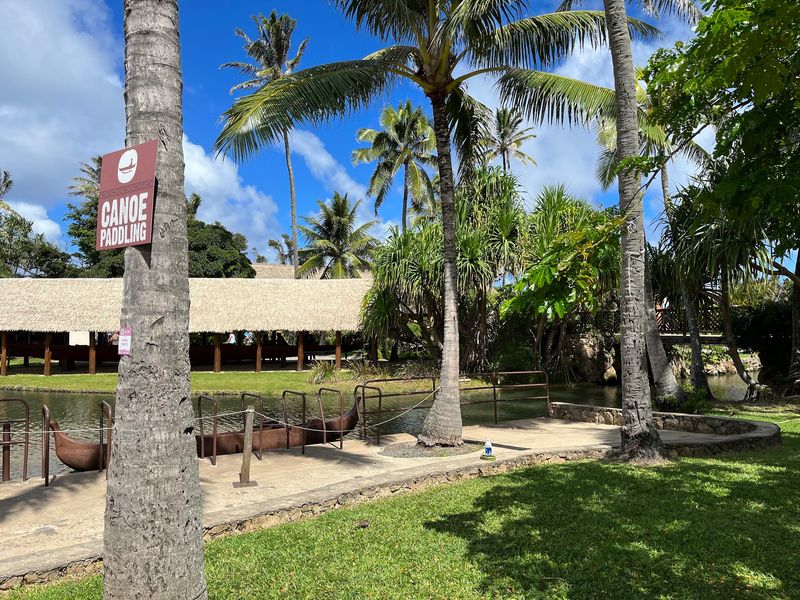
One thing that separates this place from a standard museum or cultural show is how much you are actually allowed to do yourself. Ukulele lessons run regularly and are genuinely beginner-friendly.
Canoe paddling lets you try the real thing on the waterway rather than just watching from shore.
Traditional games from various island cultures are set up throughout the villages, and staff members walk visitors through how to play them. Craft activities give families something tactile to focus on between shows.
Kids tend to stay engaged longer here than at most cultural attractions because there is always something to do with their hands.
The taro and coconut milk tasting is a small but memorable sensory moment. Visitors also report being offered ripe bananas and fresh coconut water at various points around the property.
These little food moments add up and make the experience feel more immersive than a standard ticketed attraction ever manages to feel.
The Guided Tour Option and Why It Changes Everything
Going at your own pace is a perfectly valid way to spend the day here, but the guided tour option fundamentally changes what you walk away knowing. Guides bring context that signage simply cannot provide.
They explain the connections between island cultures, point out details most visitors miss entirely, and manage timing so you actually catch the scheduled demonstrations in each village.
Multiple visitors have described their guides as the best part of the entire experience. One couple had two guides from Hawaii and New Zealand who turned the tour into a friendly rivalry about which island culture is superior.
That kind of personality makes a long day genuinely entertaining.
The Ambassador package takes the guided experience further by including reserved seating at shows and the luau. For families or anyone who wants to maximize a single day on the property, the investment tends to pay off in ways that are hard to quantify until you are actually there.
The Gateway Buffet and What to Eat There
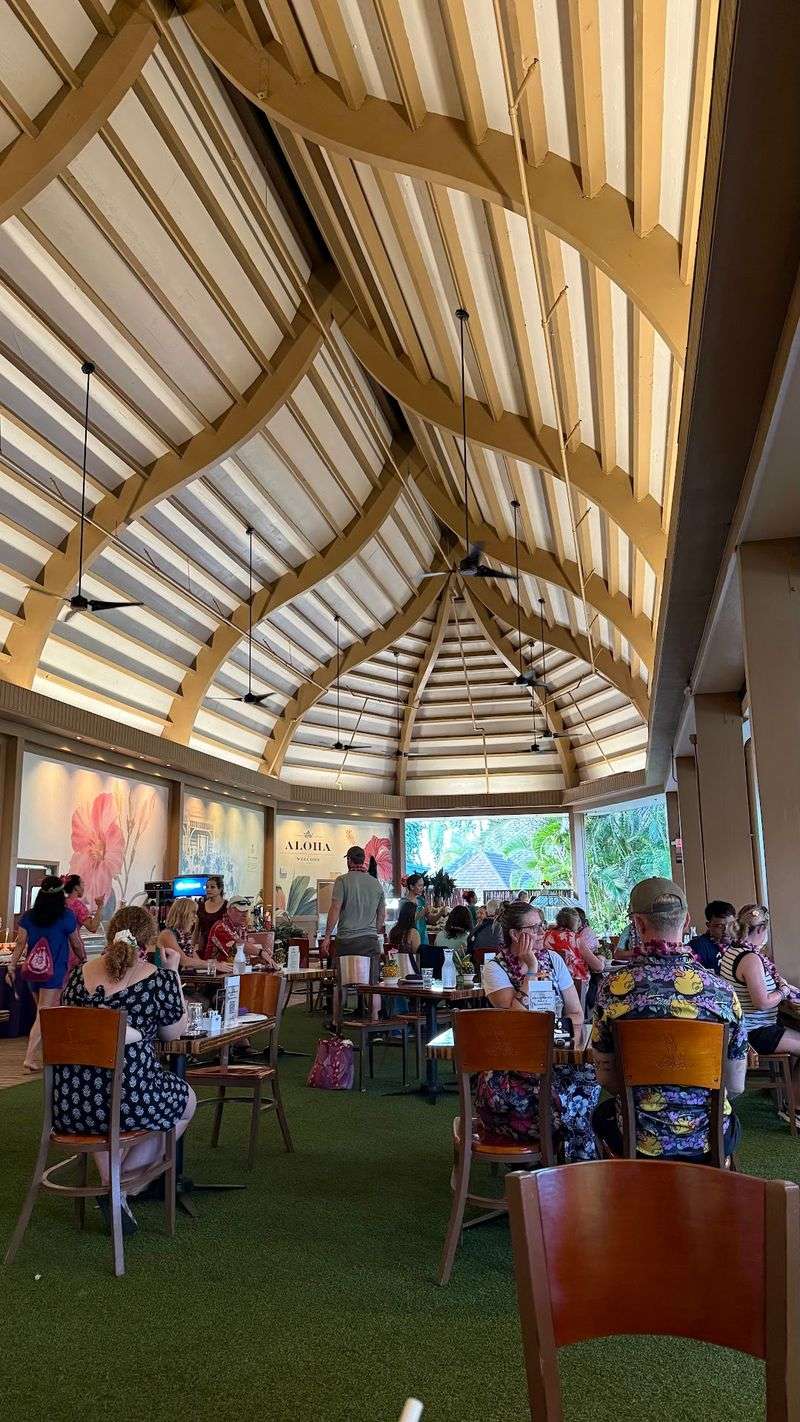
Buffets at large attractions rarely earn genuine praise, which is what makes the response to the Gateway Buffet here so interesting. Visitor after visitor has described it as exceeding expectations by a noticeable margin, and the variety covers both Pacific island staples and more familiar options for picky eaters.
The purple taro buns have become something of a signature item. Multiple visitors have flagged them specifically as a surprise highlight, which is a specific enough detail to suggest they are genuinely worth tracking down.
Kalua pork is another consistent standout, particularly for visitors who enjoy watching it carved directly from the buffet line.
Taro bread, coconut-based dishes, and fresh fruit round out a spread that leans into Hawaiian and Pacific flavors without being inaccessible. One visitor who had attended multiple luaus across Oahu ranked the food here above what she had found elsewhere on the island.
The buffet is included with certain ticket packages and is a legitimate meal worth planning around.
The Aloha Luau Experience
The luau at the Polynesian Cultural Center is a full production, not just a meal with background music. The imu ceremony, where the kalua pig is removed from the underground oven, is one of those moments that genuinely earns its dramatic buildup.
Watching the process unfold gives the meal that follows a different kind of weight.
The food spread at the luau is all-you-can-eat and covers a range of traditional Hawaiian dishes alongside more broadly familiar options. Poi, lomi salmon, haupia, and fresh pineapple appear regularly, and the quality holds up across multiple servings.
Families with varied tastes tend to find enough options to keep everyone satisfied.
Live entertainment runs throughout the luau, keeping the energy up between courses. Visitors who book early tend to secure better seating positions, which matters when performers are moving through the space.
The luau flows naturally into the evening, setting up the final show of the night in a way that feels like a deliberate and well-paced conclusion to the full day.
Ha: Breath of Life, the Evening Theatrical Show
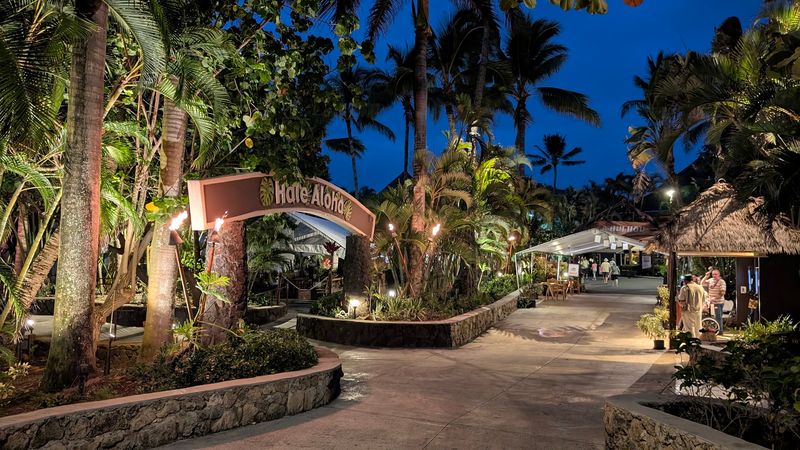
Ha: Breath of Life is the capstone of the entire day, and it earns that position. The show runs in a dedicated theater and tells a multi-generational Polynesian story through dance, music, and theatrical staging.
It draws together elements from all six island cultures represented in the villages, which gives it a satisfying sense of completion for anyone who spent the day exploring them.
Fire knife dancing is the moment most audiences talk about afterward. The performers work with real fire at close range, and the choreography surrounding those sequences is timed to maximize impact.
The hula sequences, the haka, and the Tahitian drumming sections each land differently, and the pacing keeps the show moving without feeling rushed.
Photography is not permitted during the performance, which is a deliberate choice that keeps audiences fully present. Booking seats in advance is strongly recommended.
Visitors who secured fifth-row seats reported the proximity made the fire sequences genuinely thrilling rather than simply impressive from a distance.
The Students Who Run the Center
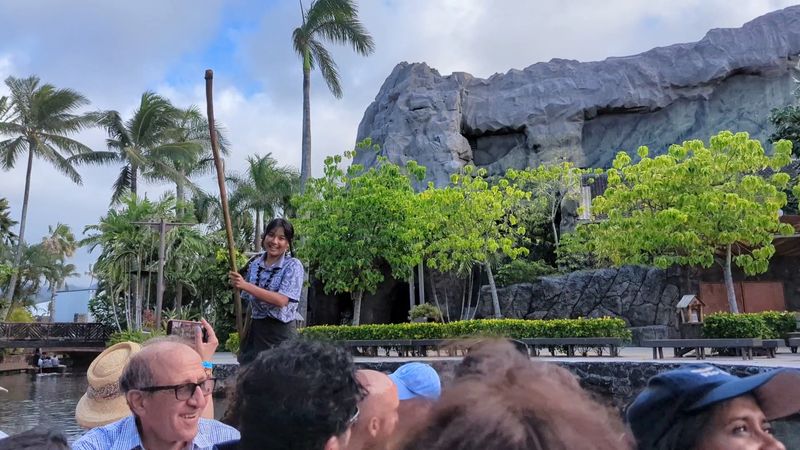
One of the most distinctive things about the Polynesian Cultural Center is who actually runs it. The majority of the performers and demonstrators are students from Brigham Young University-Hawaii, many of whom are from the Pacific island nations represented in the villages.
They work at the center as part of a program that helps fund their education.
That context changes how you experience the demonstrations. These are not hired actors playing a role.
They are people sharing the actual cultural practices of their home communities, and that authenticity comes through in how they engage with visitors. One reviewer wrote about the light in the performers’ eyes being genuinely striking, which is the kind of observation that only makes sense once you have seen it yourself.
The energy across the property reflects that genuine investment. Even on rainy days, multiple visitors have noted that performers maintained full enthusiasm and professionalism.
That consistency is not easy to sustain, and it is one of the reasons the center has maintained its reputation for decades.
Practical Tips for Planning Your Visit
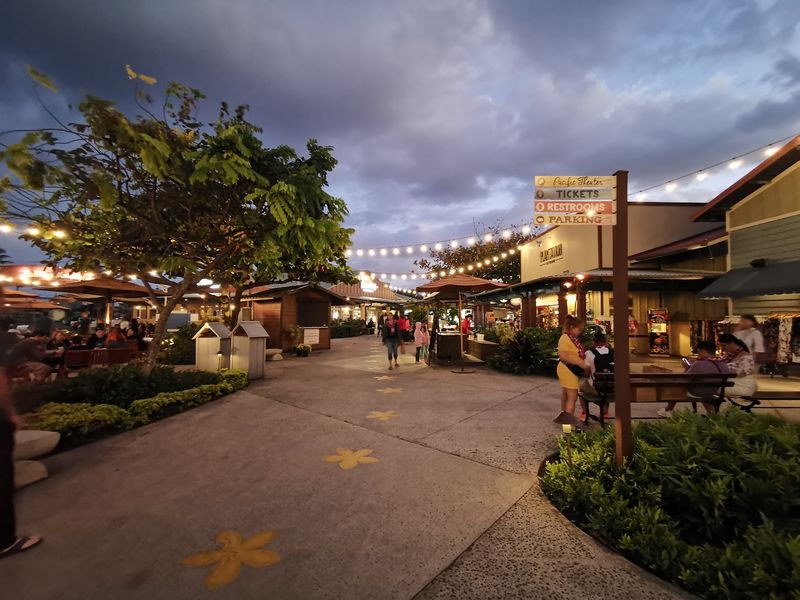
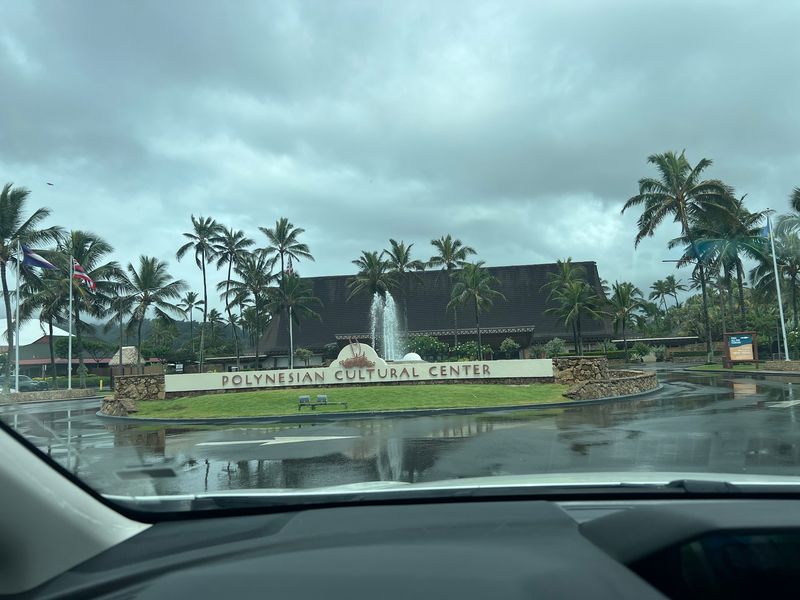
The center is located at 55-370 Kamehameha Hwy in Laie on Oahu’s North Shore, which is roughly an hour’s drive from Waikiki depending on traffic. That distance is worth factoring into your schedule, especially if you plan to stay for the evening show, which ends late.
The center is open Monday, Tuesday, Thursday, Friday, and Saturday, with doors opening at 12:15 PM. It is closed on Wednesdays and Sundays.
Midweek visits tend to draw smaller crowds, and some ticket packages offer discounts on certain days, so checking the website before booking makes sense.
Parking fills up on busy days, and overflow parking requires a shuttle. Bringing water, sunscreen, and a light rain layer covers most weather scenarios on the North Shore.
Comfortable walking shoes matter more than most visitors expect, since the property spans 42 acres and a full day of exploring adds up to a lot of ground covered.
Why This Place Stands Apart from a Standard Luau
A traditional luau typically runs two to three hours, includes a meal, and ends with a performance. The Polynesian Cultural Center operates on a completely different scale.
The day starts at 12:15 PM and runs through the evening show, giving visitors six to eight hours of programming across six distinct cultural environments.
The depth of content available here has no real equivalent on Oahu. You are not watching a curated highlight reel of Polynesian culture.
You are moving through dedicated village spaces, participating in hands-on activities, watching demonstrations specific to each island tradition, and building toward an evening show that synthesizes everything you encountered during the day.
Visitors who have attended multiple luaus across the island consistently note that the value here is not comparable to a standard evening dinner show. The interactive component, the educational depth, and the theatrical quality of Ha together create something that functions more like a full cultural immersion day than a tourist attraction.
That distinction is worth understanding before you book.
Share this story