There is a valley in north-central Pennsylvania where the mountains press in close on both sides, the creek runs cold and clear, and the only traffic you will encounter is a great blue heron standing in the shallows. Most people drive right past the turnoff without knowing it exists.
That is exactly the kind of secret that makes a place worth seeking out. Kettle Creek State Park is a 1,793-acre sanctuary tucked deep into Clinton County, surrounded on all sides by the Sproul State Forest, the largest state forest in Pennsylvania.
The park holds a 167-acre reservoir, miles of forested trails, two campgrounds, and a wild trout stream that fly fishers travel hours to reach. Bald eagles patrol the sky above the water, elk have been spotted grazing just down the road, and the night sky here is dark enough to see the Milky Way without any effort.
Read on to find out what makes this remote park one of Pennsylvania’s most rewarding outdoor destinations.
A Valley With an Address Worth Finding
Some parks announce themselves with grand signs and busy parking lots. Kettle Creek State Park does neither, and that restraint is part of its appeal.
The park is located at 97 Kettle Creek Park Lane, Renovo, PA 17764, in Clinton County, deep within the Pennsylvania Wilds region. To get there, you follow winding roads through thickening forest until the mountains close in around you and the creek appears alongside the road like a quiet companion.
The park covers 1,793 acres and sits within the embrace of the Sproul State Forest, which adds hundreds of thousands of surrounding acres of protected land. That geography creates a sense of true remoteness that is increasingly rare on the East Coast.
The drive itself, particularly along PA-144, is worth the trip on its own. Forested ridges rise steeply on both sides, and the road traces the creek through a narrow valley that feels genuinely wild.
You can reach the park office by phone at 570-923-6004 for trip planning details.
How a Flood Control Dam Created a Recreation Paradise
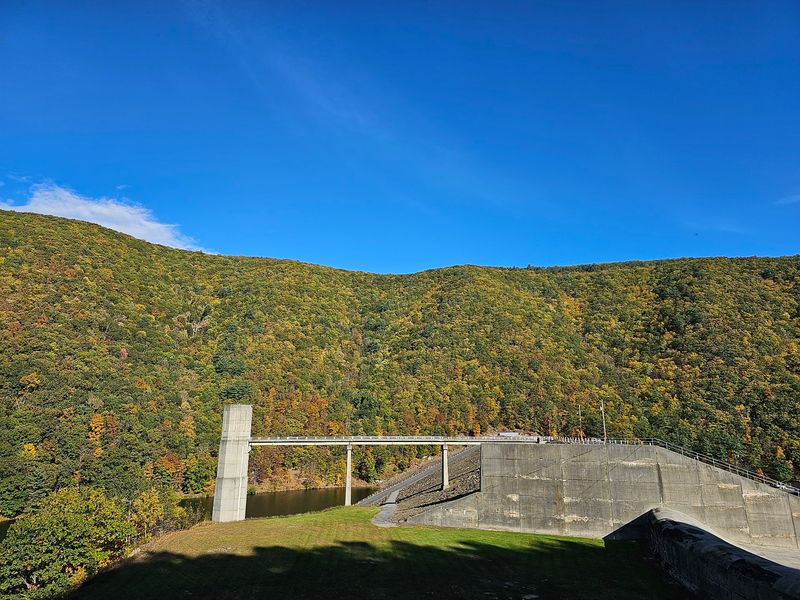
The 167-acre Kettle Creek Reservoir did not exist until 1962, and the story of how it came to be is more interesting than most park histories.
The U.S. Army Corps of Engineers completed the Alvin Bush Dam that year as a flood control measure designed to protect communities along the West Branch Susquehanna River downstream.
The dam stands at a maximum height of 165 feet and stretches 1,350 feet across the valley, an impressive piece of engineering that reshaped the entire landscape.
What the engineers perhaps did not fully anticipate was how perfectly the resulting reservoir would suit recreational use. The calm, clear water became ideal for non-motorized and electric-motor boating, fishing, and wildlife watching almost immediately.
A roadside observation area near the dam provides panoramic views of the structure and the reservoir behind it, and a small memorial there honors the Pfoutz family, the first European settlers in this valley back in 1813. The history layered into this overlook makes it far more than just a pretty view, and the fall foliage framing it in October is unforgettable.
Wild Trout Water That Serious Anglers Travel Miles to Reach
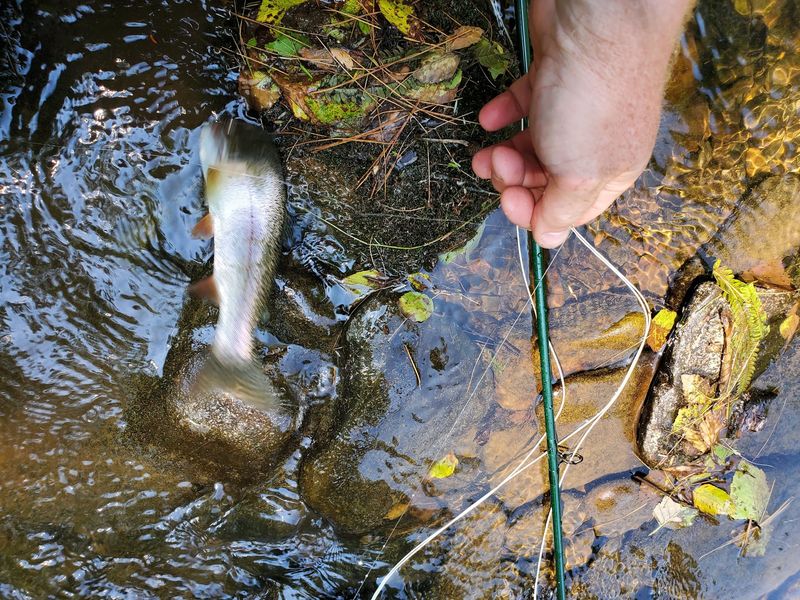
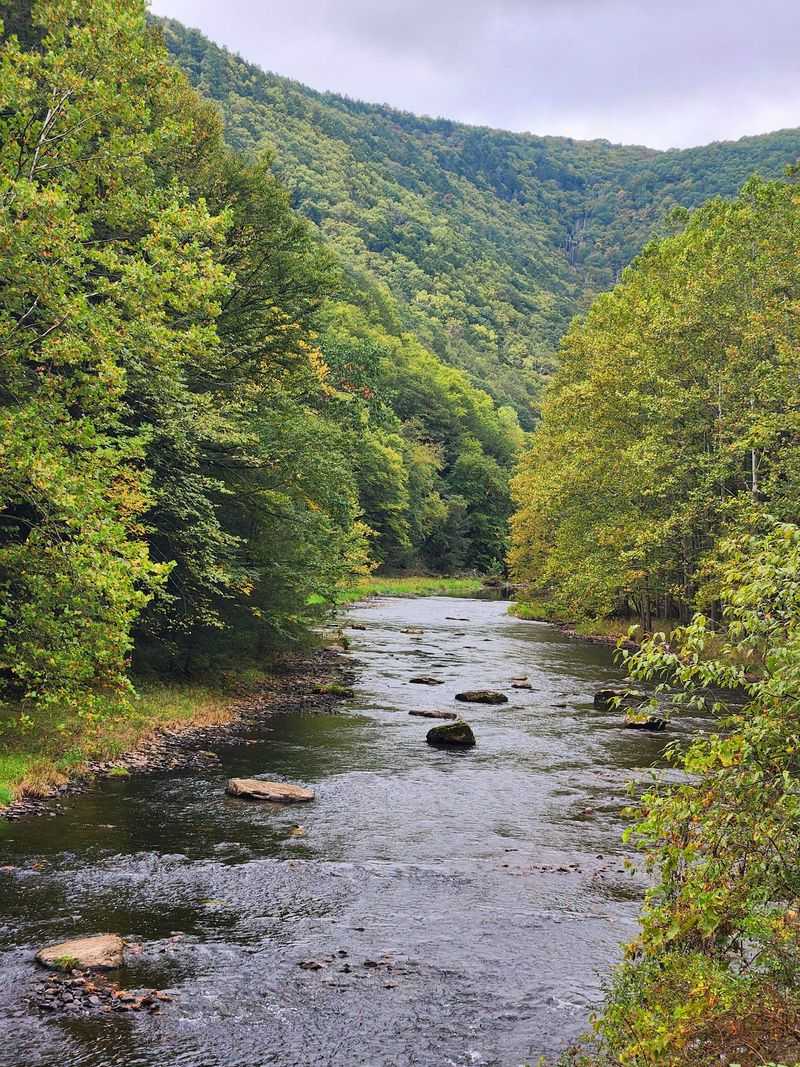
The creek itself is the reason many visitors make the long drive to this remote corner of Clinton County. Kettle Creek is classified as a wild trout stream, meaning the fish here reproduce naturally rather than relying heavily on stocking programs.
The Pennsylvania Fish and Boat Commission manages significant sections of the creek under special regulations to protect the resident populations of wild brook trout and brown trout. Brook trout dominate the narrower headwaters, while brown trout hold the broader main stem, which runs 30 to 50 feet wide in places.
Standing in that current on a cool morning, surrounded by hemlocks and hardwoods, with no sounds other than moving water, is an experience that is hard to put into words accurately. The fish are clever, the water is cold, and the setting is as good as trout fishing gets in the eastern United States.
Notable tributary streams including Cross Fork Creek and Hammersley Fork contribute cool, oxygen-rich water that keeps conditions favorable for trout throughout the season, making this system one of the more ecologically healthy in Pennsylvania.
The Civilian Conservation Corps Left Their Mark Here
Before the reservoir existed, before most of the modern facilities were in place, a group of young men with shovels and determination quietly built the foundation of what this park would become.
The Civilian Conservation Corps arrived in the late 1930s and established much of the early infrastructure around what is now the Lower Campground. Their work was part of a national effort during a period of economic hardship, and the quality of what they built reflects both the care they took and the pride they had in the work.
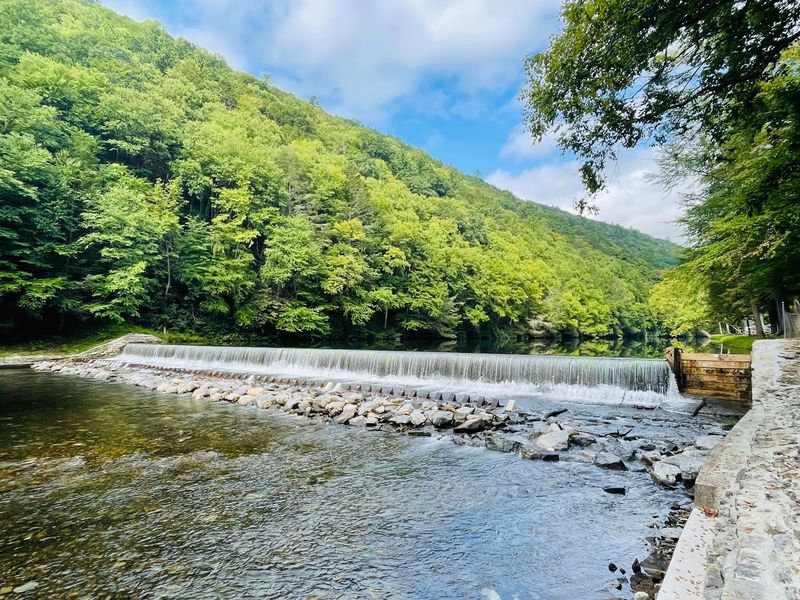
The CCC also constructed a small dam along the lower section of Kettle Creek, creating a pooled area that campers in the Lower Campground still use today for relaxed fishing right from the bank beside their sites. That particular detail, fishing from a bench at your own campsite, is the kind of quiet luxury that makes a camping trip genuinely memorable.
The legacy of the CCC at Kettle Creek is a reminder that conservation and community have always been intertwined here, and that some of the best infrastructure is the kind built to last a century.
Wildlife Encounters That Catch You Off Guard
The park’s remote location within the Pennsylvania Wilds is not just a selling point for solitude seekers. It also means the wildlife here is abundant, diverse, and occasionally surprising in the best possible way.
Bald eagles are a regular presence above the reservoir, and ospreys cruise the water surface during summer, diving for fish with remarkable precision. Great blue herons stand motionless in the shallows, kingfishers rattle past at low altitude, and during spring and fall migrations, the lake attracts loons, grebes, ducks, and gulls passing through on longer journeys.
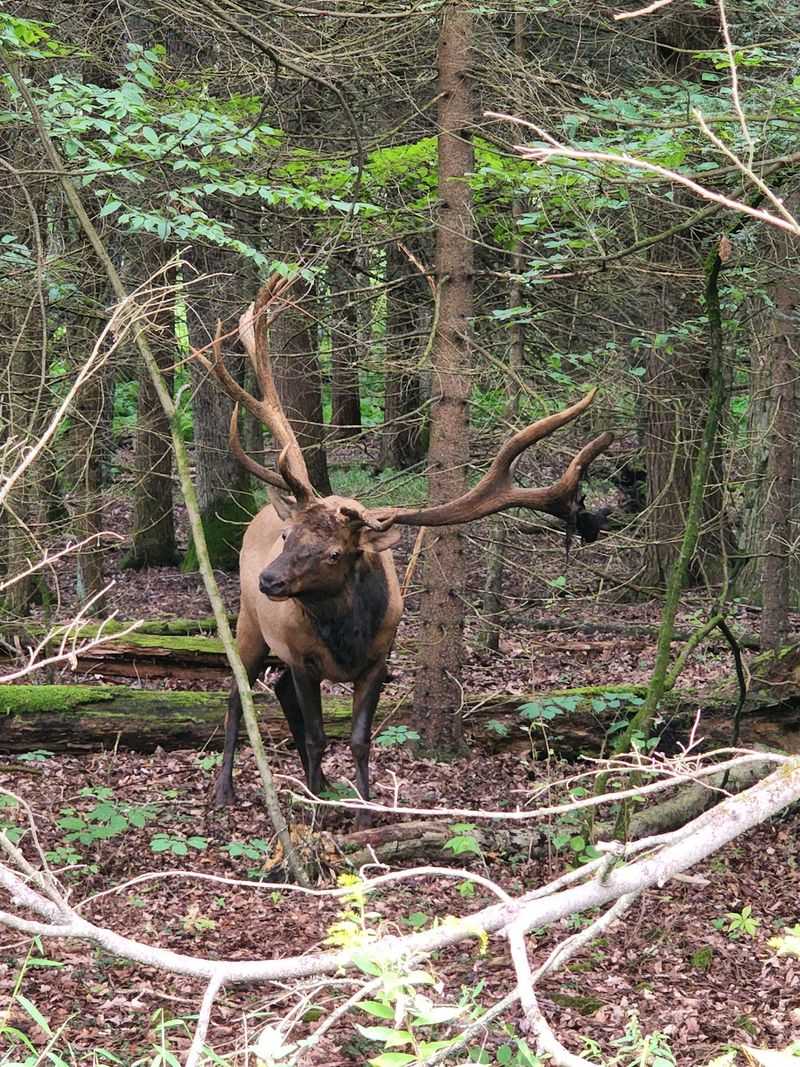
On land, white-tailed deer and wild turkeys appear frequently, black bears roam the surrounding forest, and the area is well known for its elk population. A drive down the road from the park has rewarded visitors with elk sightings on more than a few occasions.
One campsite stay produced a bobcat sighting for a visitor in the upper campground, which is the kind of story that gets retold around every subsequent campfire. Winter even brings golden eagles drifting through the valley, making this one of the more rewarding wildlife watching destinations in north-central Pennsylvania year-round.
Two Campgrounds, Two Very Different Experiences
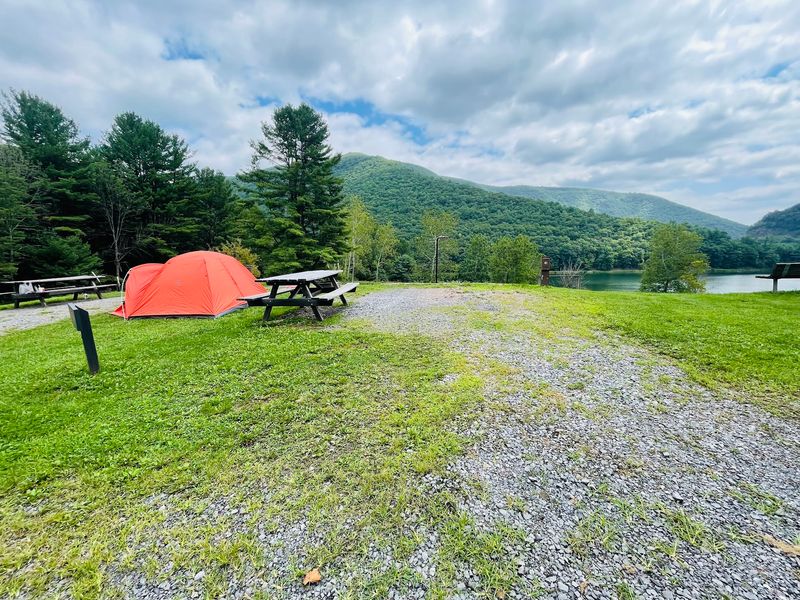
Choosing between the Lower and Upper campgrounds at Kettle Creek is less a matter of one being better and more a matter of knowing what kind of trip you want to have.
The Lower Campground hugs the edge of the seven-acre Kettle Creek Lake and offers 41 modern electric sites, clean restrooms with warm showers, a nature center, playgrounds, an ADA-accessible fishing pier, and a dump station. Some sites sit directly alongside the creek, where the CCC dam creates a pooled section ideal for relaxed fishing.
This campground does not allow pets.
The Upper Campground, with 27 sites perched at roughly 1,820 feet above sea level, provides sweeping views of the reservoir and surrounding ridges. It welcomes pets, offers both electric and primitive sites, and has a nature trail and playground.
The tradeoff is vault toilets and no on-site showers, though the lower facilities are accessible by car.
Sites in the upper campground run around $25 per night. The Lower Campground typically stays open into December, while the Upper Campground closes around mid-October, giving visitors a range of seasonal options.
Trails, Vistas, and the Sprawling Sproul State Forest
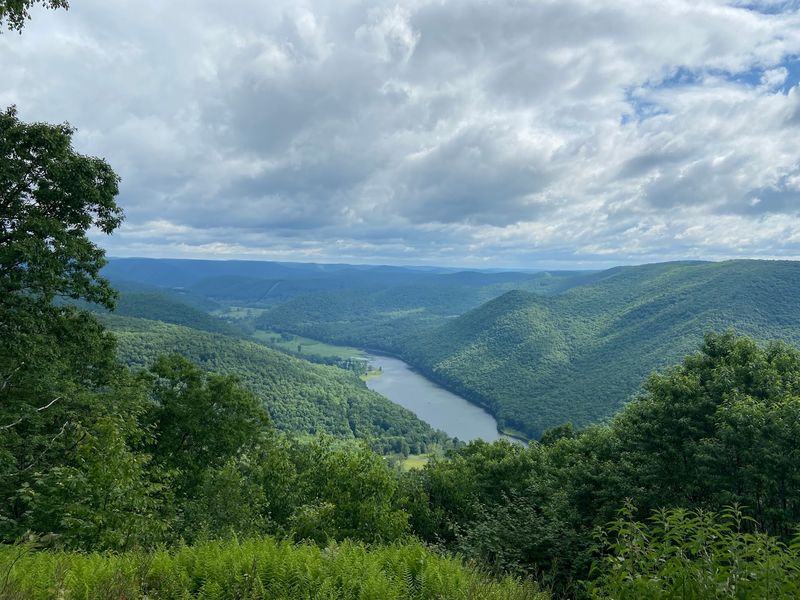
The park’s trail network is honest rather than extensive, and that honesty is worth appreciating. What the park itself offers in marked trails is modest, but the surrounding Sproul State Forest, the largest state forest in Pennsylvania, opens up a genuinely vast backcountry for those willing to explore beyond the park boundary.
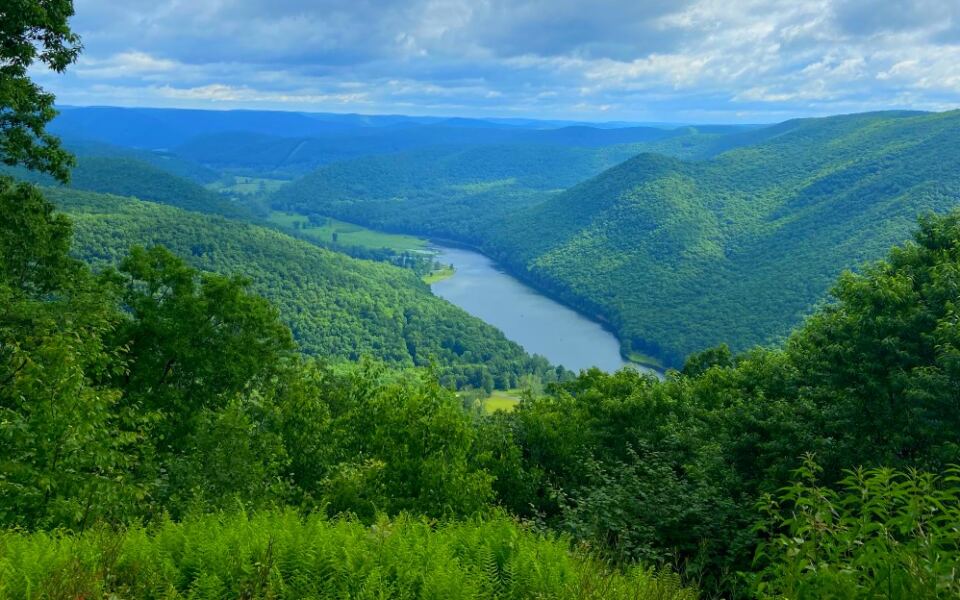
The Kettle Creek Vista, technically within the state forest but easily reached from the park, delivers one of the most satisfying overlooks in the region. The view takes in the Alvin Bush Dam, the reservoir, and the forested ridges rolling away in every direction.
In October, the color display from this vantage point is extraordinary.
Mountain bikers have a dedicated five-mile loop within the park, with connections to additional miles of trails in the forest. Portions of the 53-mile Donut Hole Trail also pass through the broader area for hikers seeking a longer challenge.
Equestrian riders can access a 22-mile trail system further up the road with an overnight camping permit, and ATV trails wind through designated sections of the surrounding forest. The variety of trail users here reflects how well the landscape accommodates different types of outdoor recreation without crowding any single group.
On the Water: Kayaking and Boating the Reservoir
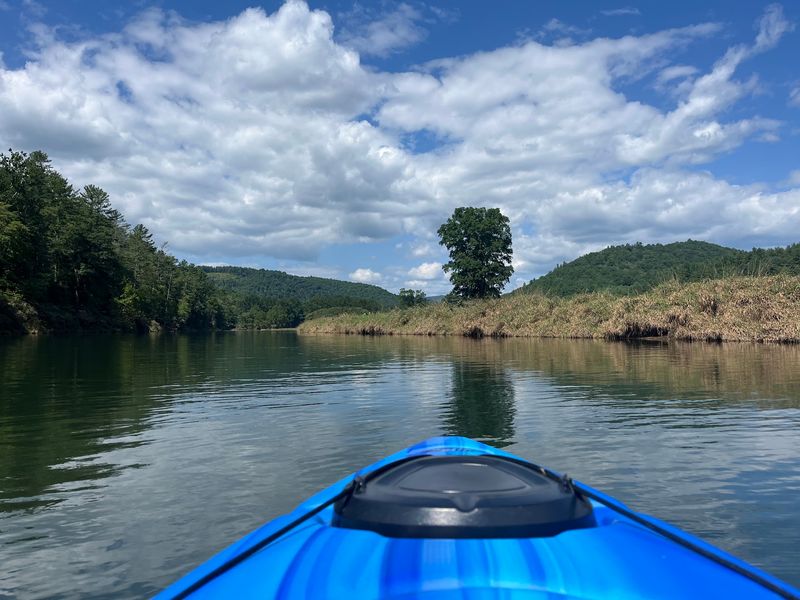
The 167-acre reservoir is a genuinely beautiful body of water to be out on, and the park’s policy of limiting boats to non-motorized craft and electric motors keeps the atmosphere calm and the surface quiet.
Kayak rentals are available at the park by the water, which means you do not need to haul your own gear to enjoy a paddle. The boat launch and mooring area at the northern end of the lake accommodates up to 60 vessels, and overnight mooring is available with a permit, free of charge for registered campers.
Early mornings on the reservoir are particularly rewarding. The water is often glassy before any wind picks up, the herons are already working the shallows, and the forested ridges reflect clearly on the surface.
Fishing from a kayak or canoe lets you reach quieter coves and position yourself more precisely than bank fishing allows.
Swimming is not permitted in the reservoir, which keeps the focus on boating and fishing rather than beach activity. That restriction, combined with the electric-only motor rule, means the water stays peaceful in a way that feels genuinely restorative rather than just quiet by default.
Every Season Brings a Different Park to Life
Summer gets the most attention at Kettle Creek, with warm days in the 70s and 80s drawing campers, anglers, and paddlers to the valley. The evenings cool into the 50s and 60s, making sleeping conditions comfortable even without air conditioning.
Bug repellent is a practical necessity near the creek during the warmer months.
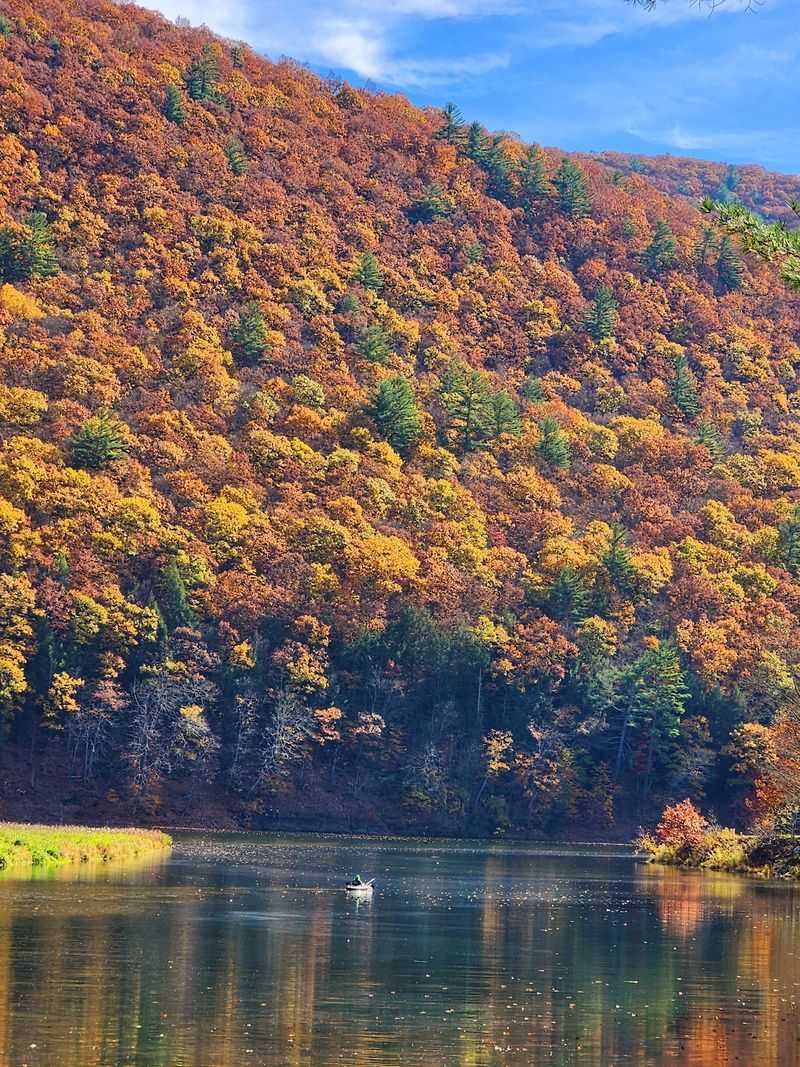
Autumn transforms the park into something close to spectacular. The mixed hardwood forest lights up with reds, oranges, and yellows across the mountain slopes, and the reservoir mirrors the color back from its surface.
The Kettle Creek Vista becomes a destination in its own right during peak foliage weeks.
Winter quiets everything down and opens up a different set of activities. Ice fishing on the reservoir, cross-country skiing, snowmobiling on designated trails that connect to the Sproul State Forest network, and sledding on the slopes below the park office all become options when temperatures drop and snow covers the ground.
Spring brings rising water levels, hungry trout, and emerging wildlife, though rain is more frequent and the bugs return early. Each season has a clear personality here, and none of them feel like the wrong time to visit.
The Broader Region Rewards Curious Travelers
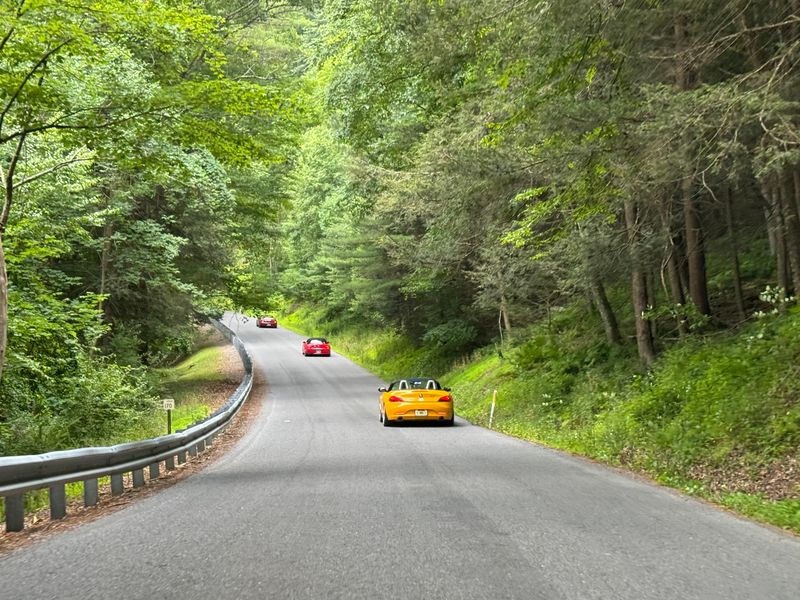
Kettle Creek does not exist in isolation, and the surrounding region adds real depth to any visit for travelers willing to explore a bit beyond the park boundary.
The town of Renovo sits about 16 miles away and hosts the Flaming Foliage Festival each October, a community celebration of the autumn color season that draws visitors from across the region. It is a low-key, genuinely local event worth timing a trip around if fall foliage is your main motivation for visiting.
Hyner View State Park, a short drive from Kettle Creek, offers one of the most dramatic overlooks in Pennsylvania, perched above the West Branch Susquehanna River Valley and used as a launch point for hang gliders. The view from that ridge on a clear day is expansive in a way that feels almost disorienting after the enclosed intimacy of the Kettle Creek valley.
The Bucktail State Park Natural Area follows PA-120 through the Sinnemahoning Creek valley and offers a scenic drive with consistent water views. Together, these nearby destinations create a full itinerary for anyone spending multiple days in this corner of north-central Pennsylvania, where the landscape keeps delivering well past the first impression.
Share this story