There is a small Victorian train station sitting just steps away from one of Minnesota’s most photographed waterfalls, and most visitors walk right past it without a second glance. Built in 1875, this tiny depot once served as the end of the line for passengers riding out of Minneapolis to spend the day in the park.
It has survived well over a century of Minnesota winters, and today it still stands with much of its original charm intact. The story behind this little building is far more interesting than its modest size might suggest.
A Victorian Depot That Time Almost Forgot
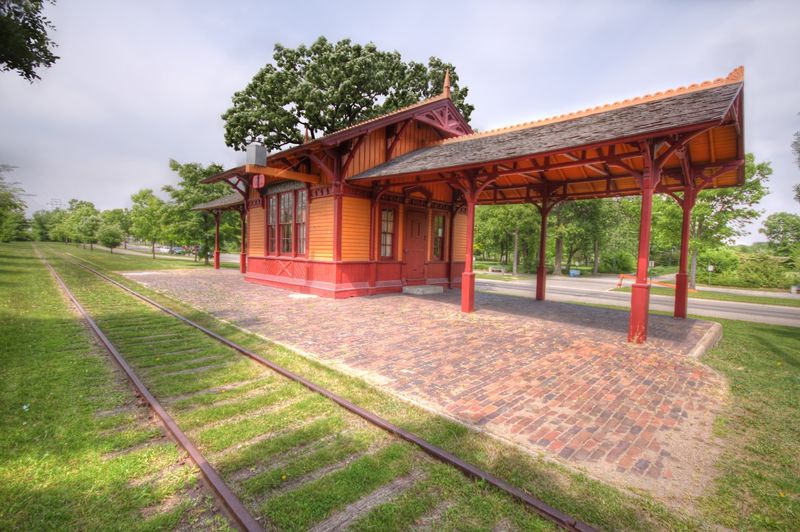
Most people visit Minnehaha Park for the waterfall and never realize there is a 19th-century train station just a short walk away. The Minnehaha Depot, located at Minnehaha Park Hwy, 55 and Minnehaha Ave, Minneapolis, MN 55417, is one of the oldest surviving depots in the state.
Built in 1875, the structure is a genuine piece of Minnesota railroad history. It was constructed to serve passengers traveling from Minneapolis to the park, and it quickly became a busy stop during the warm-weather months when crowds flocked to see the falls.
The depot is now managed by the Minnesota Historical Society and is listed on the National Register of Historic Places. Seeing it in person feels like flipping back a page in a history book that most people did not know existed.
How the Depot Got Its Nickname
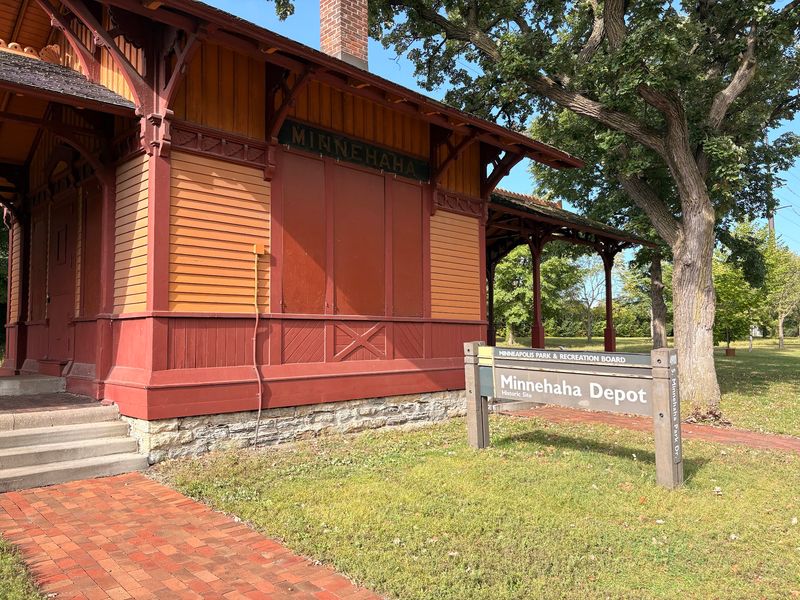
Locals have long called this spot “Princess Station,” a nickname that carries a certain old-fashioned charm. The name reportedly comes from the legend of Hiawatha and Minnehaha, the fictional Native American couple made famous by Henry Wadsworth Longfellow’s poem published in 1855.
The poem romanticized the area around the falls, and the depot became associated with that same romantic spirit. Visitors arriving by train were stepping into a landscape already famous in American literature, which made the little station feel grander than its small footprint suggested.
That literary connection added a layer of cultural meaning to what might otherwise have been just another functional railroad stop. Even today, a plaque near the depot shares some of this history, giving visitors who take a moment to read it a much richer sense of why this small building mattered so much to the community.
The Railroad Line That Made It Possible
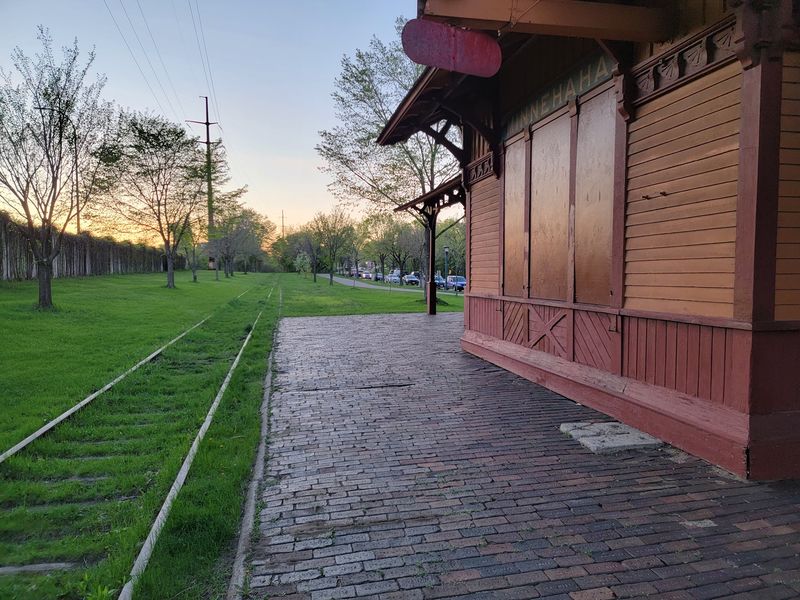
The depot was part of the Milwaukee Road railroad network, which operated a line specifically designed to bring city residents out to Minnehaha Park for recreation. At its peak, the line reportedly ran as many as 13 trains per day between Minneapolis and the park, which tells you just how popular the destination was during the late 1800s and early 1900s.
Families, couples, and groups of friends would board the train downtown and ride out to spend the day near the falls. It was one of the earliest examples of a railroad actively promoting leisure travel to a natural attraction.
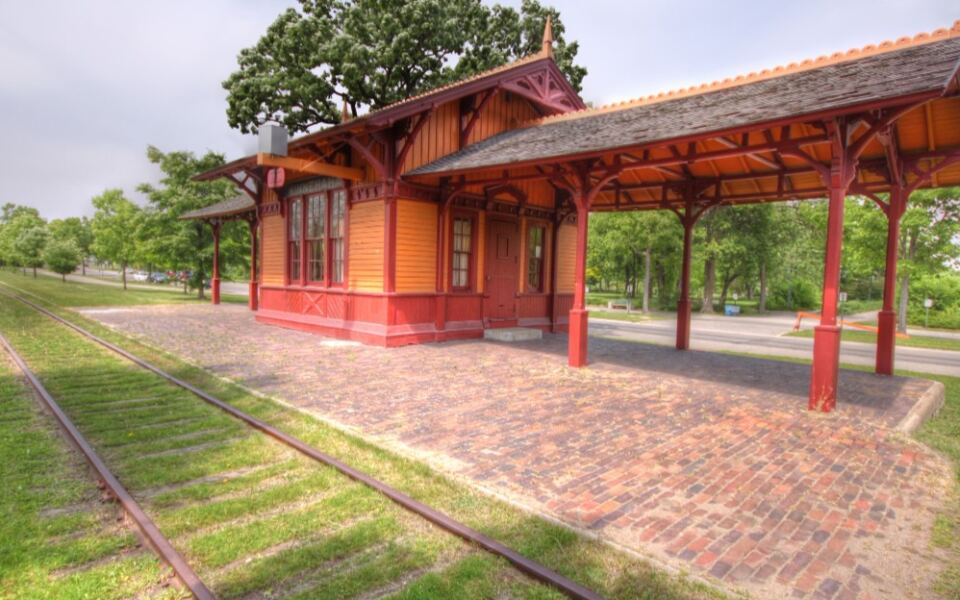
A section of the original narrow-gauge track still sits beside the depot today, partially visible from the path. Seeing those old rails tucked alongside the building makes the whole scene feel remarkably preserved, like a small slice of the 19th century left right out in the open.
What the Building Actually Looks Like Up Close
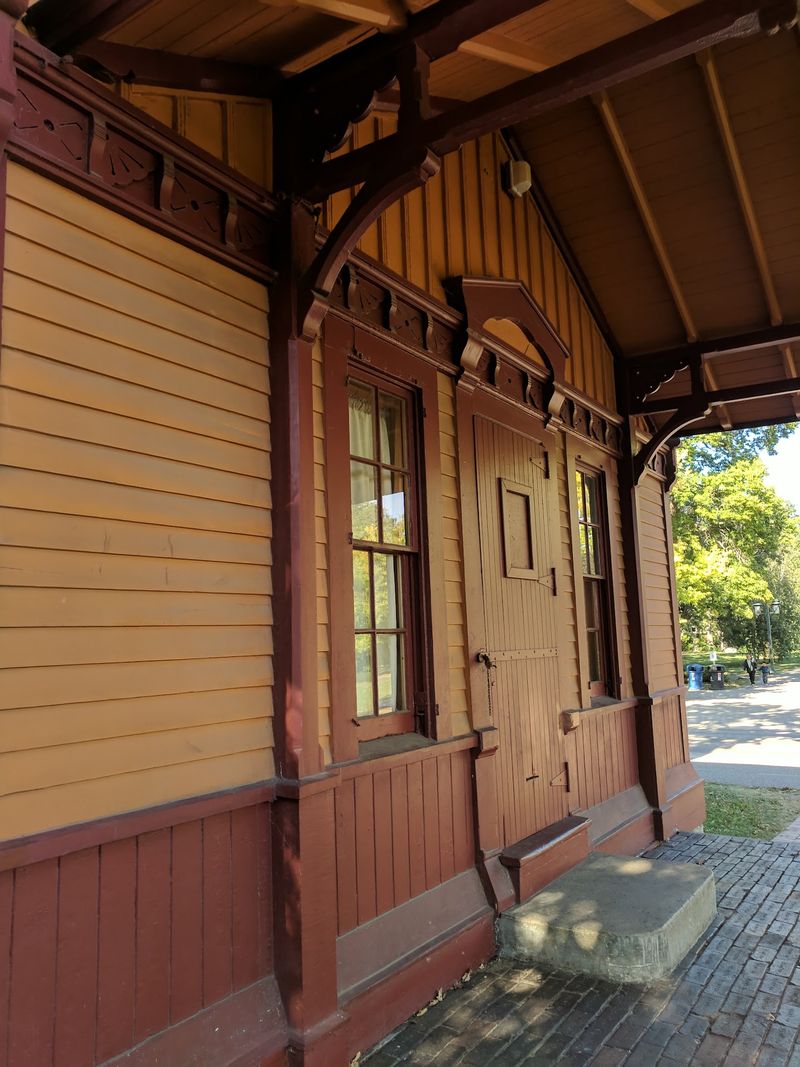
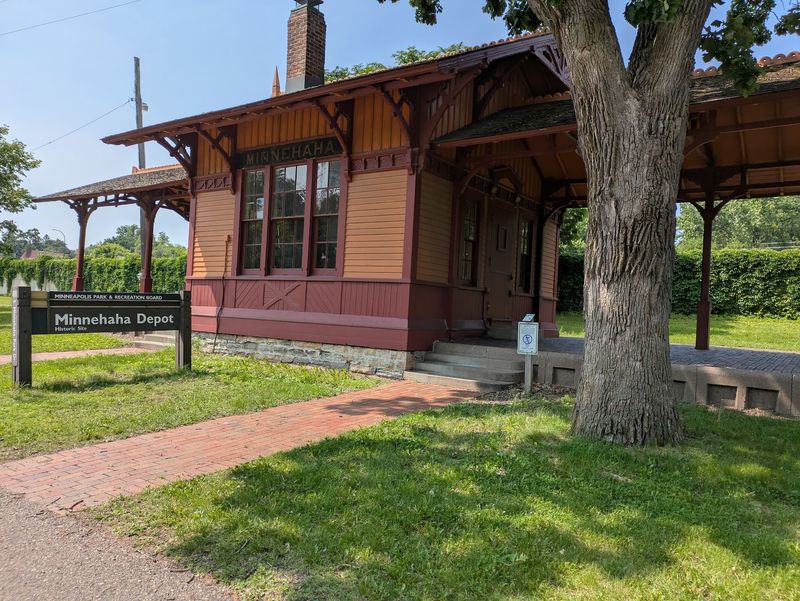
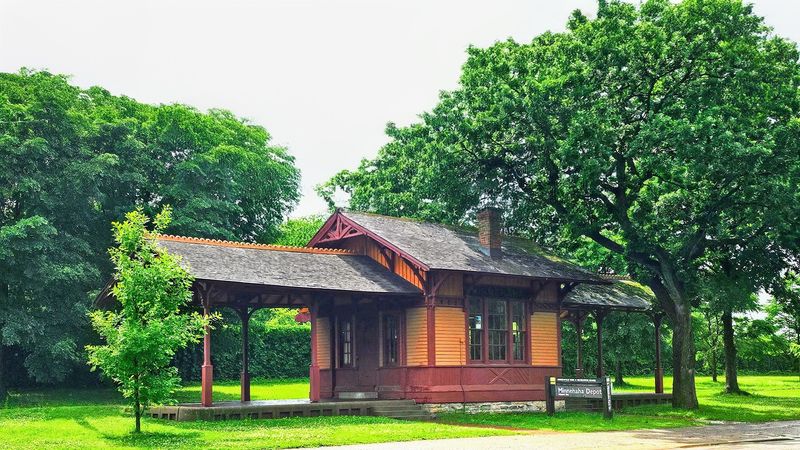
The depot is genuinely small, which surprises a lot of first-time visitors who expect something more imposing given its age and reputation. The building features decorative wooden trim and Victorian-era architectural details that were common on passenger stations of that period.
The exterior has been carefully maintained to reflect its original appearance. The painted woodwork and modest proportions give it a storybook quality that photographs extremely well, especially in the soft light of a late afternoon.
Up close, you notice the craftsmanship that went into a building that was essentially a functional transit stop. There was no reason to make it beautiful, and yet someone clearly cared about the details.
That attention to aesthetics, even in a utilitarian structure, says something meaningful about the era in which it was built. The building rewards a slow walk around its perimeter rather than a quick glance from the path.
Inside the Depot on Open Days
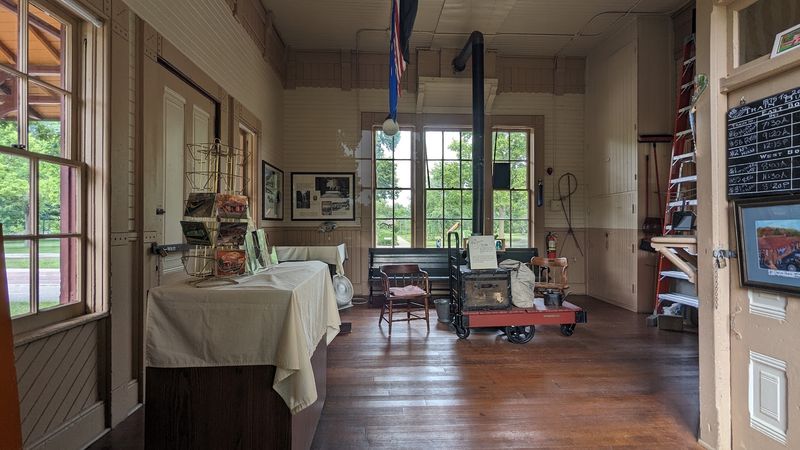
The interior of the depot is open to visitors on select Sundays during the warmer months, staffed entirely by volunteers who are passionate about railroad and local history. Getting inside feels like a reward for those who plan ahead, since the building is not open every day.
The space inside is compact but thoughtfully arranged. Artifacts and displays connect visitors to the depot’s operational years, offering a tangible sense of what it was like to wait for a train here more than a century ago.
The volunteers who run the depot bring genuine enthusiasm to the experience. They know the history well and are happy to share details that go well beyond what any sign could explain.
Visiting on an open Sunday turns what could be a quick photo stop into a genuinely memorable hour spent learning about a corner of Minneapolis that most residents have never fully explored.
The Minnesota Historical Society Connection
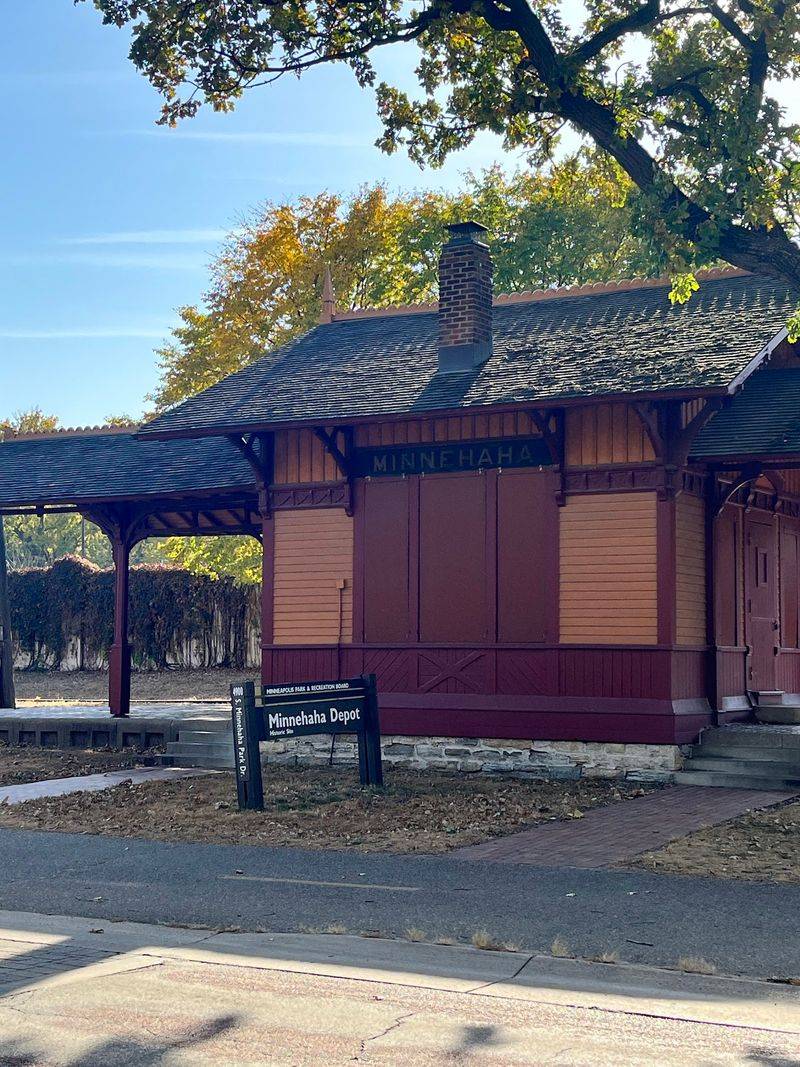
The Minnesota Historical Society has been the steward of the Minnehaha Depot for decades, which is a big reason the building has survived in such good condition. The society works to preserve historic sites across the state, and this depot is one of its more unique properties given its outdoor park setting.
Their involvement means the depot has benefited from professional preservation expertise and ongoing maintenance that a small volunteer group alone could not sustain. The partnership between the society and local volunteers has kept the building both structurally sound and historically accurate.
For anyone interested in Minnesota history beyond the obvious landmarks, the society’s website at mnhs.org/minnehahadepot provides background on the depot’s history and information about visiting hours. Knowing that a professional organization is actively working to protect this building makes the visit feel more meaningful, because you understand the effort required to keep a 150-year-old structure standing.
Minnehaha Falls Just Steps Away
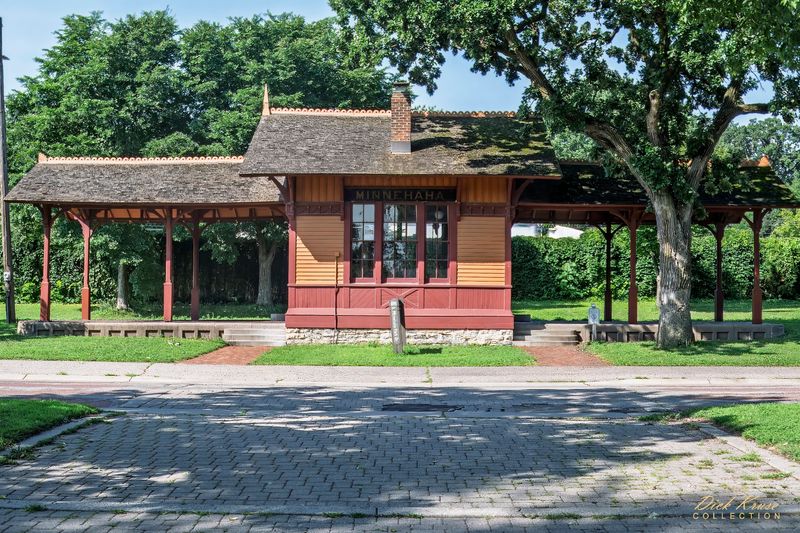
One of the most striking things about visiting the depot is how close it sits to Minnehaha Falls, one of the most recognizable natural landmarks in the Twin Cities. The falls drop approximately 53 feet into a gorge lined with limestone, and the sound of the water carries through the surrounding park.
The proximity of the depot to the falls is not a coincidence. The railroad brought passengers specifically to see this waterfall, so the station was positioned to make the walk from train to falls as short and inviting as possible.
That relationship between the man-made structure and the natural landscape is part of what makes the site feel so cohesive.
On a clear day, the combination of the historic depot, the wooded park paths, and the sound of falling water creates an atmosphere that feels far removed from the surrounding city, even though downtown Minneapolis is only a few miles away.
The Park Setting That Surrounds It All
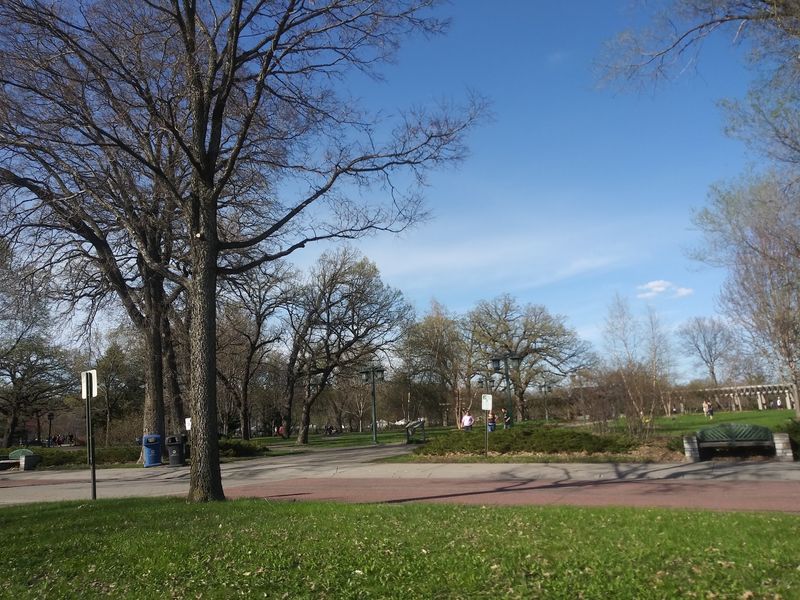
Minnehaha Regional Park is one of the most visited parks in Minneapolis, drawing residents and tourists throughout the year. The depot sits within this park, which means a visit to the station naturally becomes part of a larger outdoor experience.
The park has well-maintained paths that wind through wooded areas, past the creek that flows from the falls down toward the Mississippi River. Walking those paths after seeing the depot gives the whole visit a pleasant, unhurried rhythm that is easy to settle into.
There are open lawn areas, picnic spots, and plenty of shaded stretches that make the park comfortable even on warm summer days. The depot anchors one corner of the park experience without overwhelming it, fitting naturally into the landscape the way a well-placed historic structure should.
It is the kind of place where you arrive expecting to spend 20 minutes and end up staying much longer.
Photography Opportunities Around the Depot
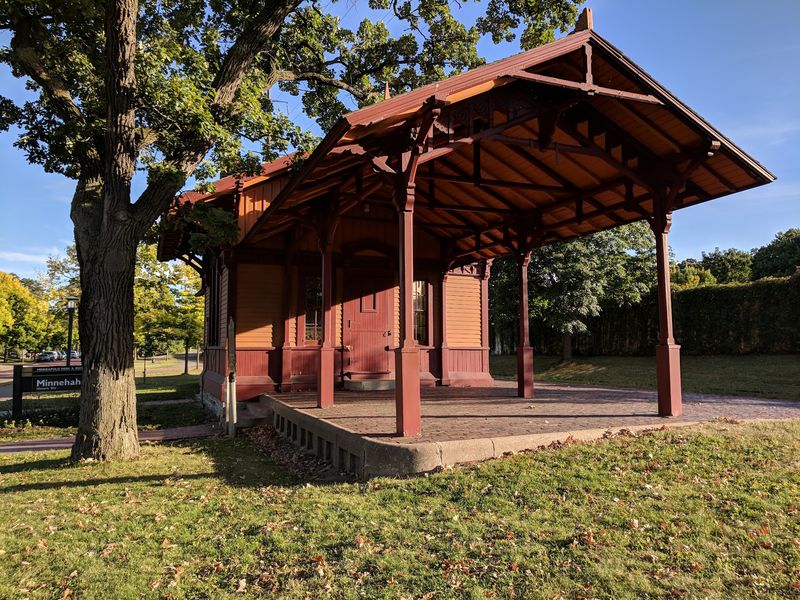
The depot is genuinely photogenic in a way that rewards patience. The painted exterior, the old track sections, the surrounding trees, and the nearby park scenery combine to create compositions that work well in almost any light.
Early morning visits offer soft, even light and far fewer people in the frame, which is worth the earlier alarm if photography is a priority. Late afternoon light catches the building’s painted trim in a warm glow that is hard to replicate at other times of day.
The surrounding park adds natural framing options that a standalone building simply would not have. Trees, creek views, and the nearby falls all become part of the visual story if you take time to explore beyond the immediate depot area.
One practical note: parking can be genuinely difficult during busy summer weekends, so arriving early or on a weekday morning makes the whole experience smoother and more enjoyable.
What the Plaque Tells You That Most People Miss
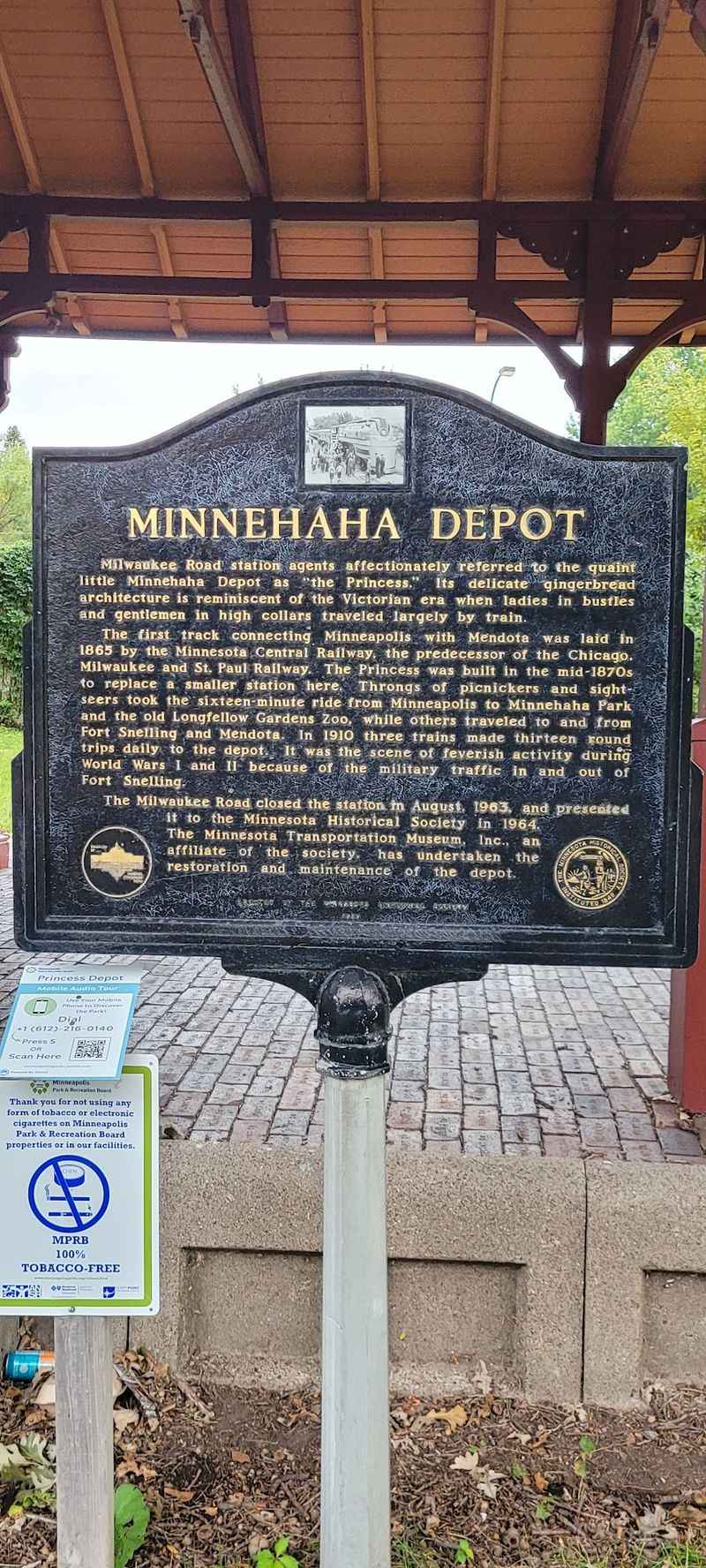
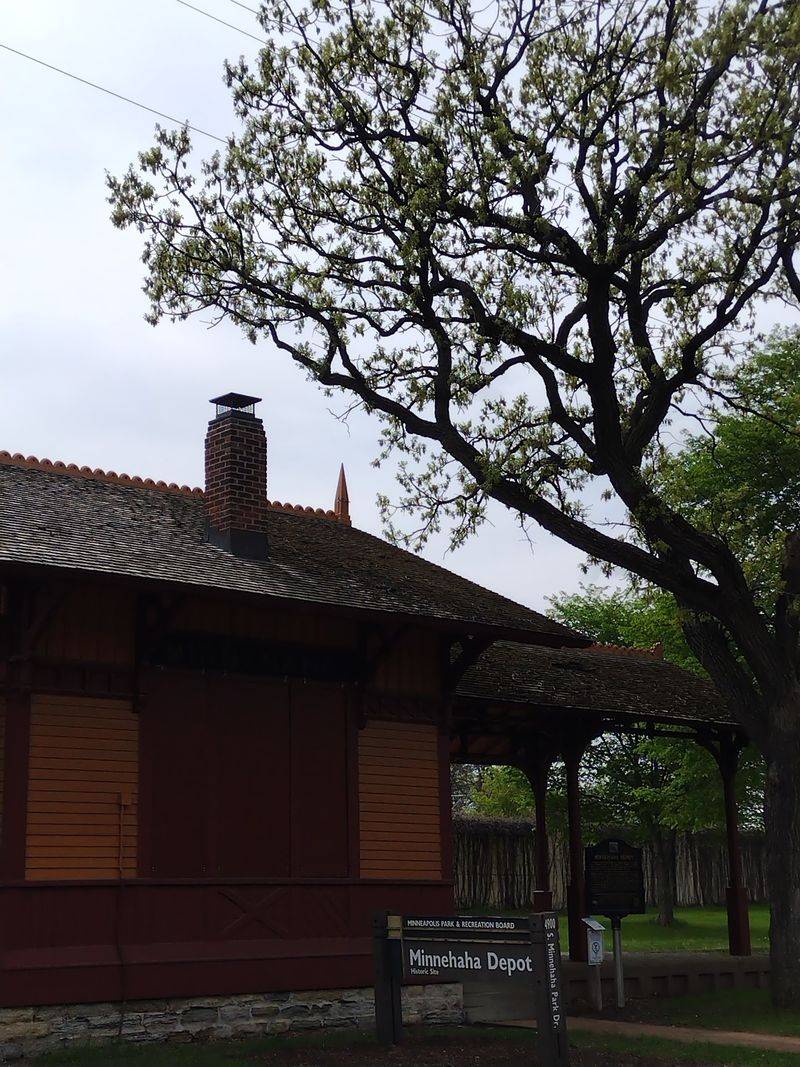
There is a historical plaque near the depot that carries more information than most visitors take time to read. Stopping to read it properly takes only a few minutes, but it reframes everything you see around you in a much more interesting way.
The plaque details the depot’s role in the park’s history and its connection to the railroad era that shaped how Minneapolis residents experienced leisure and nature in the late 19th century. It is the kind of contextual detail that transforms a building from a curiosity into a genuinely meaningful landmark.
Many visitors walk past without pausing, focused on getting to the falls or the main park areas. That is understandable, but it means they leave without the full story.
The plaque is one of those small, easy-to-overlook details that actually enriches the visit considerably if you give it a moment of your attention.
Seasonal Changes That Transform the Visit
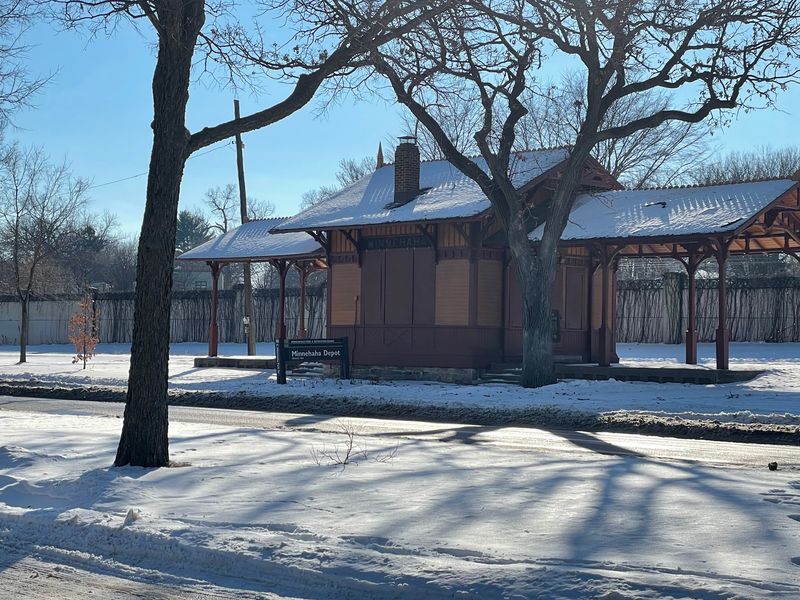
The depot looks different in every season, and that variety is part of what keeps locals returning throughout the year. In summer, the surrounding trees are full and green, framing the building in a way that feels lush and alive.
Fall brings a dramatic shift as the foliage turns gold and orange around the park.
Winter is perhaps the most striking season of all. The depot under a fresh snowfall, surrounded by bare trees and a quiet park, has an atmosphere that feels genuinely timeless.
Minnehaha Falls itself sometimes partially freezes in winter, creating an icy spectacle that draws visitors even in the coldest months.
Spring brings the park back to life with budding trees and the sound of the falls running full after snowmelt. Each season offers a different reason to visit, and the depot serves as a constant anchor point regardless of when you make the trip.
Why Locals Keep Coming Back
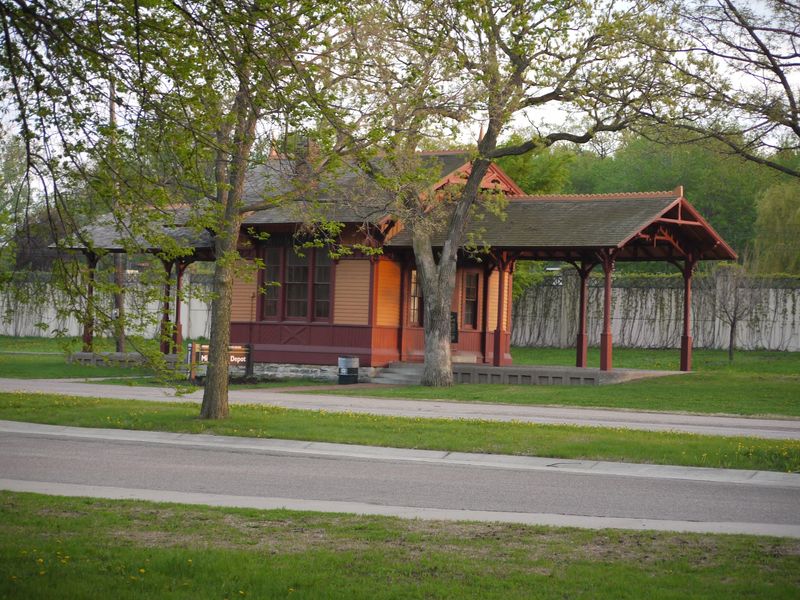
The depot is not a major tourist attraction in the conventional sense. There is no gift shop, no ticketed admission on most days, and no elaborate visitor center.
What it offers instead is something harder to quantify: a sense of genuine history in an accessible, outdoor setting.
Locals return because the combination of the park, the falls, and the depot creates an experience that feels both relaxing and enriching without requiring much planning or expense. It is the kind of place that works equally well for a solo afternoon walk or a casual outing with family.
The depot adds a layer of historical depth to what could otherwise be just a pretty park visit. Knowing that trains once pulled up to that small building and discharged passengers eager to see the falls gives the whole landscape a richer meaning.
That extra dimension is exactly what keeps people coming back rather than simply checking the park off a list.
Practical Tips for Planning Your Visit
Planning ahead makes a real difference when visiting the depot and the surrounding park. Parking along the park road can become quite limited on summer weekends, particularly when events are happening near the falls.
Arriving before 10 in the morning or visiting on a weekday significantly reduces the hassle.
The depot itself is open to the public as an exterior landmark year-round, so you can visit the building and read the historical plaque any time you choose. Interior access is available on select Sundays during the operating season, run by volunteers, so checking the Minnesota Historical Society website before your visit is the smartest move.
Comfortable walking shoes are a good idea since the park paths involve some gentle terrain near the gorge and falls area. Combining a depot visit with a walk along the creek trail gives you a much fuller sense of the park’s character and natural beauty.
The National Register of Historic Places Recognition
Being listed on the National Register of Historic Places is not a distinction that comes easily. It requires documentation, review, and a demonstrated level of historical significance that goes beyond simple age.
The Minnehaha Depot earned that recognition because of its well-preserved condition and its genuine role in the development of recreational travel in the Minneapolis area.
That federal designation also provides a layer of protection that helps ensure the building will continue to exist for future generations. It signals to preservation organizations and government agencies that this structure has value worth protecting through proper channels.
For visitors, the designation is a useful reminder that what looks like a modest little building actually carries significant historical weight. Not every old structure survives long enough to earn that kind of recognition.
The depot’s continued presence is the result of deliberate effort by people who understood its value before most of the public had even heard of it.
A Quiet Corner Worth Seeking Out
There is something genuinely satisfying about finding a place this old and this well-preserved tucked into a busy urban park. The Minnehaha Depot does not announce itself loudly.
You have to be paying attention to notice it, and that quality is part of its appeal.
The broader Minnehaha Park area has plenty to keep visitors busy well beyond the depot itself. The creek trail, the views of the Mississippi River gorge, and the falls themselves all add up to a full afternoon of exploration without needing to drive anywhere else.
If you find yourself in Minneapolis and want to experience a part of the city that combines natural beauty with authentic history, the depot area delivers both without any fuss. Similar parks and historic sites throughout the Twin Cities metro reward the same kind of curious, unhurried approach to exploring what is hiding in plain sight all around you.
Share this story