Pennsylvania is home to some of the most extraordinary green spaces in the entire country, and many of them sit quietly off the radar, waiting to be discovered. From a 1,100-acre horticultural wonderland with fountains that could rival any European estate, to a 48-acre woodland retreat that charges absolutely nothing at the door, the variety here is genuinely impressive.
Some of these gardens grew out of private estates, others from university campuses or museum grounds, and a few from land that was once farmland or even mined for coal. What they all share is that rare ability to make visitors feel like they have crossed into a completely different world the moment they arrive.
This list covers 12 Pennsylvania arboretums and botanical gardens that deliver exactly that feeling, mixing well-known destinations with smaller spots that are just as rewarding and far less crowded.
1. Longwood Gardens, Kennett Square, Pennsylvania
Pierre S. du Pont bought this Quaker farmstead in 1906 specifically to save its historic trees from being cleared, and what he built in their place became one of the most ambitious garden projects in American history.
Today, Longwood Gardens covers more than 1,100 acres, with formal gardens, meadows, woodlands, and a Conservatory District that houses the relocated Cascade Garden designed by Brazilian landscape architect Roberto Burle Marx, a project that took four years to reassemble.
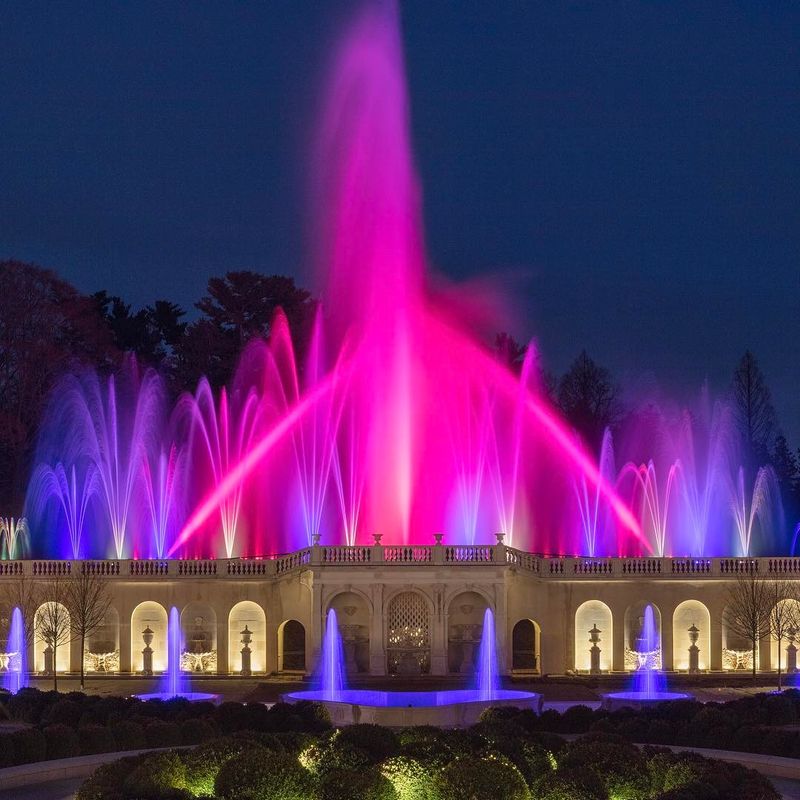
The Italian Water Garden alone features 600 jets, and the Main Fountain Garden hosts elaborate performances that draw visitors from across the country.
Outside the glass walls, the 86-acre Meadow Garden offers a completely different experience, with trails winding through wetlands, ponds, open fields, and forest edges.
Timed tickets are strongly recommended, since Longwood is one of the busiest garden destinations on the entire East Coast and fills up quickly on weekends and holidays.
2. Chanticleer, Wayne, Pennsylvania
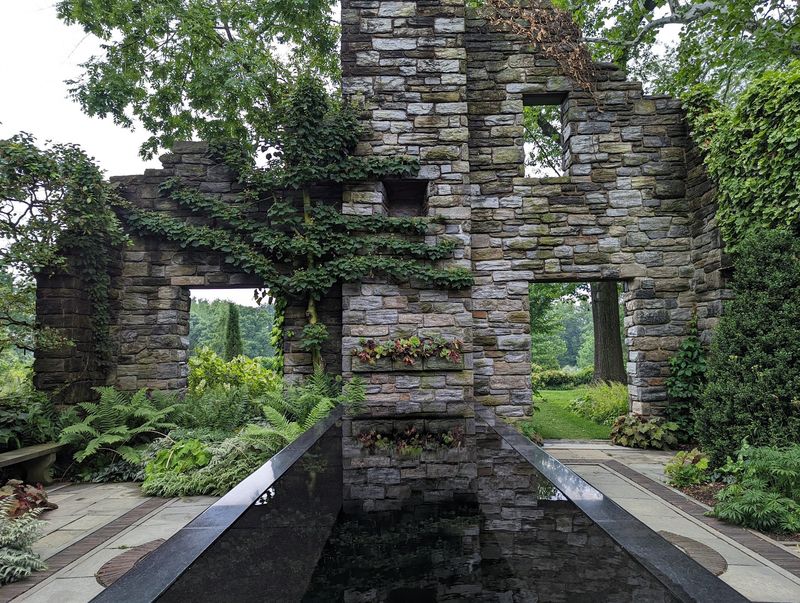
Calling itself a pleasure garden rather than a botanical garden tells you a lot about what Chanticleer is going for, and it genuinely delivers on that promise in a way that few designed landscapes manage.
The 35-acre property in Wayne is organized around a series of intimate garden rooms, wooded corners, open lawns, and plant combinations that prioritize artistic composition over scientific classification.
Every section feels deliberately different from the one before it, so the experience of walking through Chanticleer is less like following a tour and more like working through a series of small surprises.
The design team changes plantings regularly, which means repeat visitors rarely see exactly the same garden twice.
Chanticleer’s 2026 season runs from April into early November, and admission is ticketed, so checking the official website before visiting is a smart first step to avoid disappointment at the gate.
3. Morris Arboretum & Gardens, Philadelphia, Pennsylvania
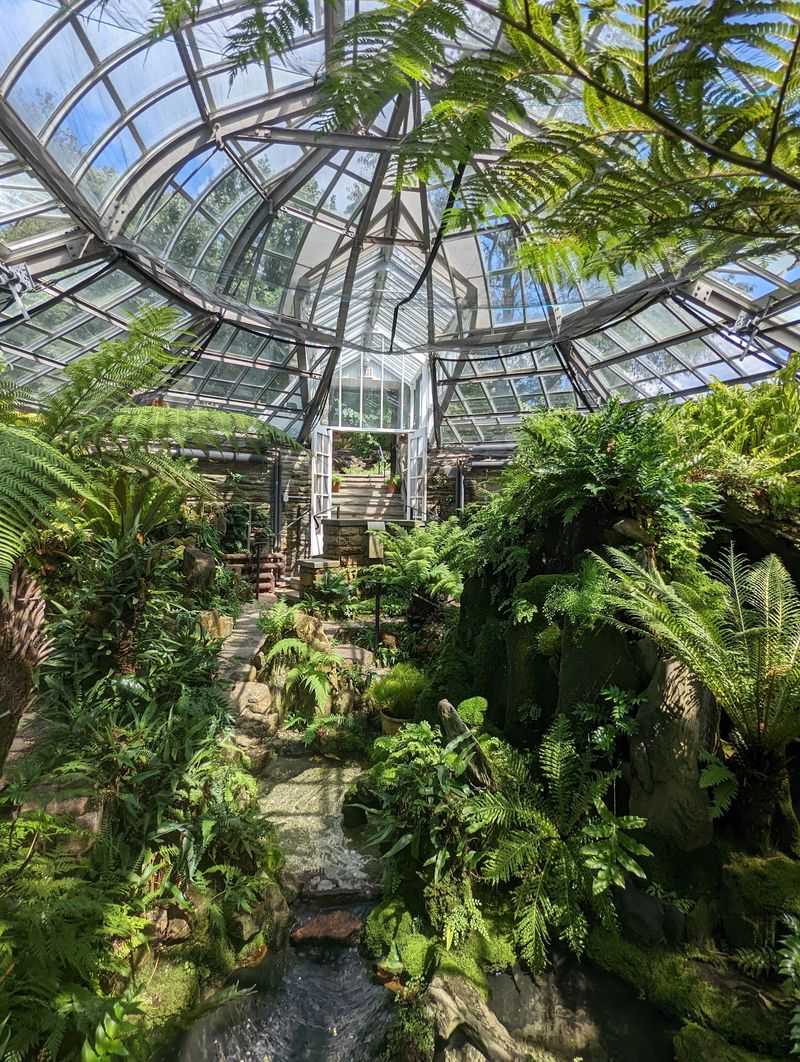
Ninety-two acres hidden inside Philadelphia’s Chestnut Hill neighborhood is enough space to make a major American city feel remarkably far away, and Morris Arboretum pulls that trick off with consistent success.
The collection includes more than 12,000 accessioned plants representing 2,500 types of woody plants, with rare and historic specimens tucked into nearly every corner of the grounds.
Two standout features are the Victorian-era Fernery, one of the few remaining structures of its kind in North America, and the Out on a Limb canopy walk, which gives visitors an elevated perspective on the tree canopy that is hard to find anywhere else in the region.
Morris Arboretum stays open year-round, so the same landscape transforms dramatically between spring blooms, summer greenery, autumn foliage, and bare winter branches.
Visitors who enjoy slow, unhurried exploration rather than rushing between highlights will find this arboretum especially rewarding on a second or third visit.
4. Tyler Arboretum, Media, Pennsylvania
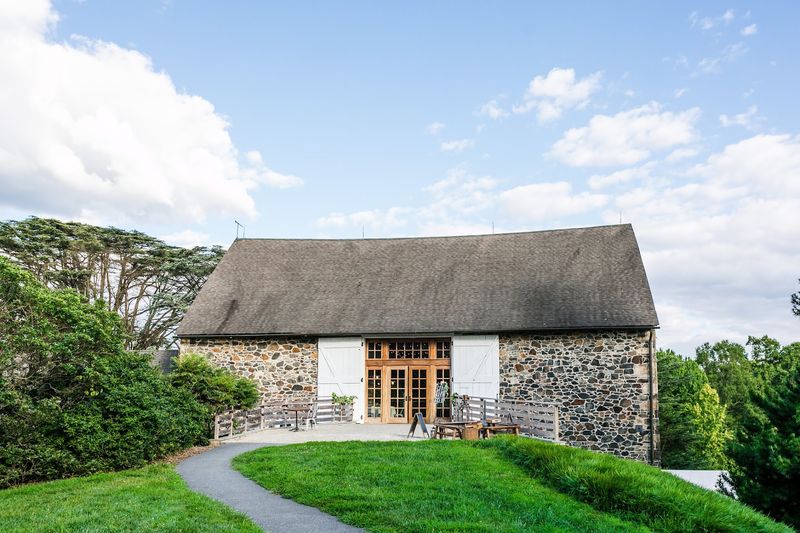
Not many green spaces in Pennsylvania can trace their origins back to a 1681 land grant from William Penn himself, but Tyler Arboretum carries that history through every trail on its 650 protected acres.
The Minshall family stewarded this land for generations before it became a public arboretum, and remnants of that past are still visible in an 18th-century stone cottage and the ruins of a 19th-century dairy barn scattered across the property.
About 17 miles of trails cross meadows, woodlands, and stream corridors, ranging from easy flat walks to more demanding routes with hills and creek crossings.
One of the most ecologically unusual corners is Pink Hill, a serpentine barren where native wildflowers like pink phlox bloom in April due to the unique soil chemistry found there.
Picking up a trail map at the visitor center before heading out is genuinely useful here, since the property is large enough that it is easy to lose track of where you are.
5. Jenkins Arboretum & Gardens, Devon, Pennsylvania
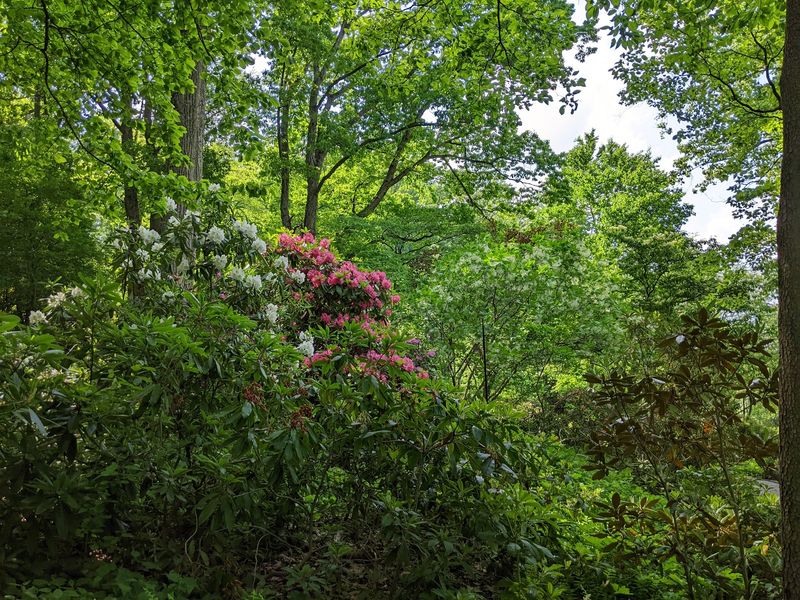
Free admission and a 48-acre woodland setting is a combination that sounds too good to be true, yet Jenkins Arboretum delivers exactly that for visitors year-round without any catch at the entrance.
The property sits in Devon, close enough to Philadelphia’s suburbs to be convenient but designed in a way that makes the surrounding forest feel like a genuine escape from the surrounding development.
Spring is the season that draws the biggest crowds, when the arboretum’s extensive azalea and rhododendron collections transform the landscape into a vivid display that covers much of the property.
Outside of spring, the rolling terrain, quiet paths, and mature tree canopy continue to reward visitors looking for a calm, unhurried outdoor experience.
Jenkins was designed from the start to be a four-season destination, so the plant collections were chosen to offer something worth seeing regardless of when visitors happen to show up throughout the calendar year.
6. The Arboretum at Penn State, State College, Pennsylvania
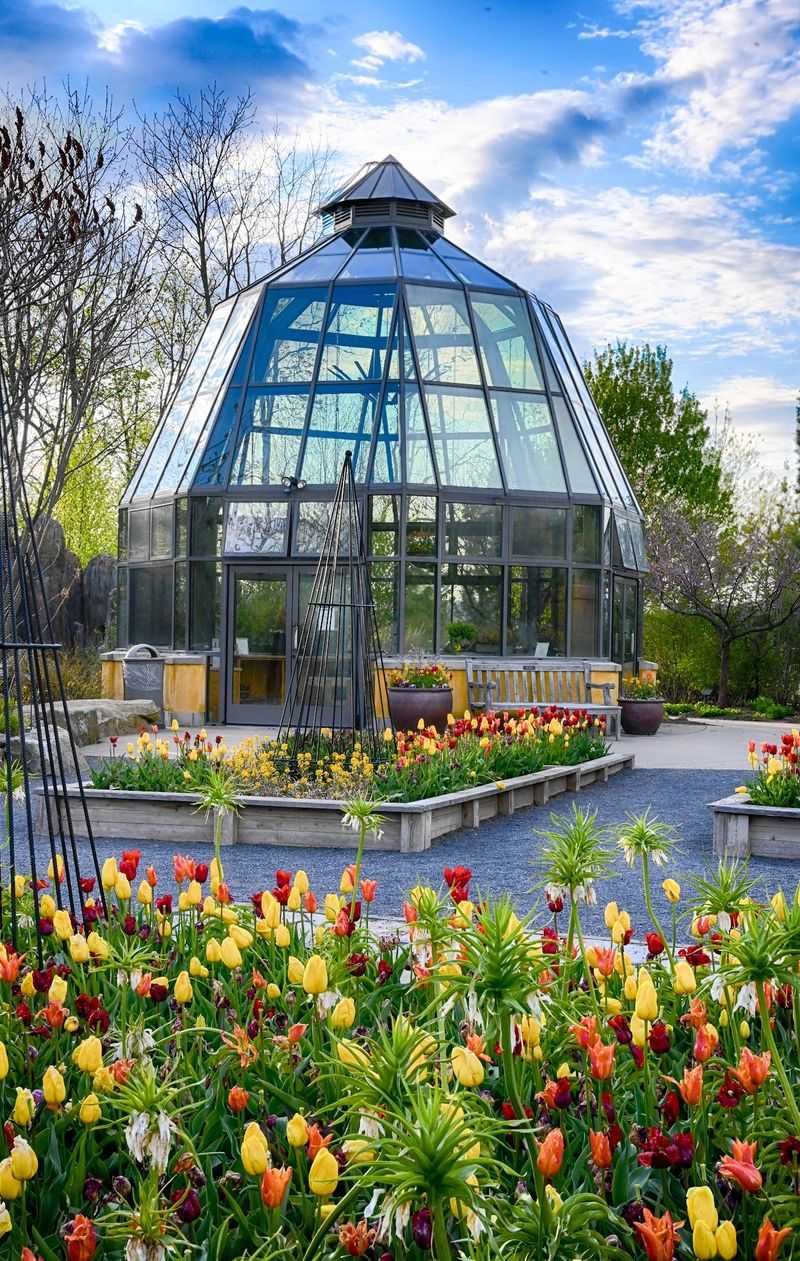
Most campus green spaces are afterthoughts, but Penn State’s arboretum covers 370 acres and operates as a fully developed horticultural destination with free admission from dawn until dusk every day of the year.
The H.O. Smith Botanic Gardens anchor the experience with 10 acres of themed gardens showcasing a wide variety of plant species and carefully arranged displays that change with the seasons.
Beyond those formal areas, another 14 acres of meadows and walking paths extend the property outward, and Hartley Wood adds a forested dimension with a wildflower trail running through it.
Restored prairie land and pollinator gardens added in 2021 expanded the arboretum’s ecological value and created new habitat for birds and native insects across the property.
Free maps are available at the Overlook Pavilion, which also serves as a convenient rest stop, though visitors should note that parking in the adjacent Lewis Katz Building lot does carry a modest hourly fee.
7. Phipps Conservatory and Botanical Gardens, Pittsburgh, Pennsylvania
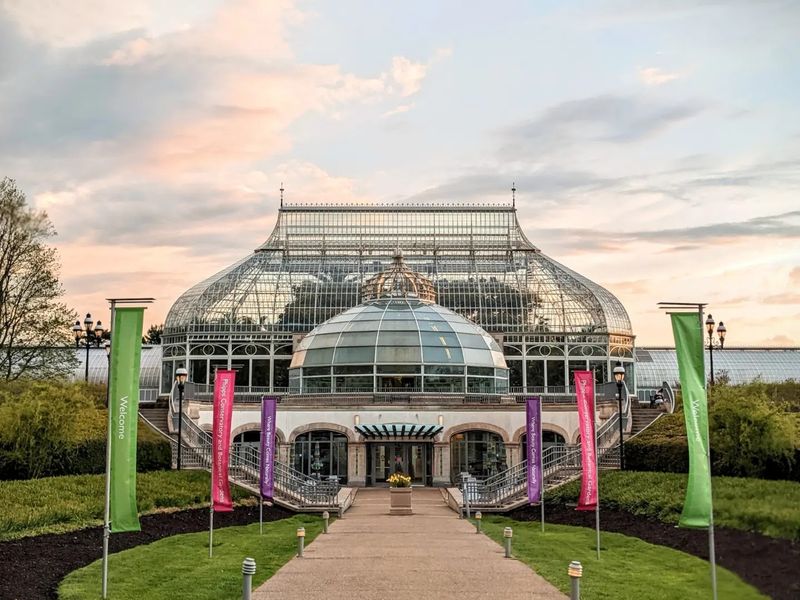
Pittsburgh has been home to Phipps Conservatory since 1893, making it one of the oldest continuously operating botanical institutions in the country, yet the interior still manages to feel genuinely surprising on a first visit.
The original Victorian glasshouse is organized into rooms, each housing a different botanical environment, from tropical greenery to desert plants to rotating seasonal floral displays that are refreshed throughout the year.
Beyond the historic structure, the experience expands into the Tropical Forest Conservatory, several outdoor gardens, green rooftops, and the Center for Sustainable Landscapes, which showcases advanced green building technology integrated into the facility itself.
Phipps has consistently prioritized environmental education and sustainable practices, weaving those themes into its displays rather than treating them as separate programming.
On a cold Pittsburgh winter day, the shift from the outdoor chill to the warm, lush botanical rooms inside the conservatory is one of the more dramatic contrasts any Pennsylvania garden can offer a visitor.
8. Bowman’s Hill Wildflower Preserve, New Hope, Pennsylvania
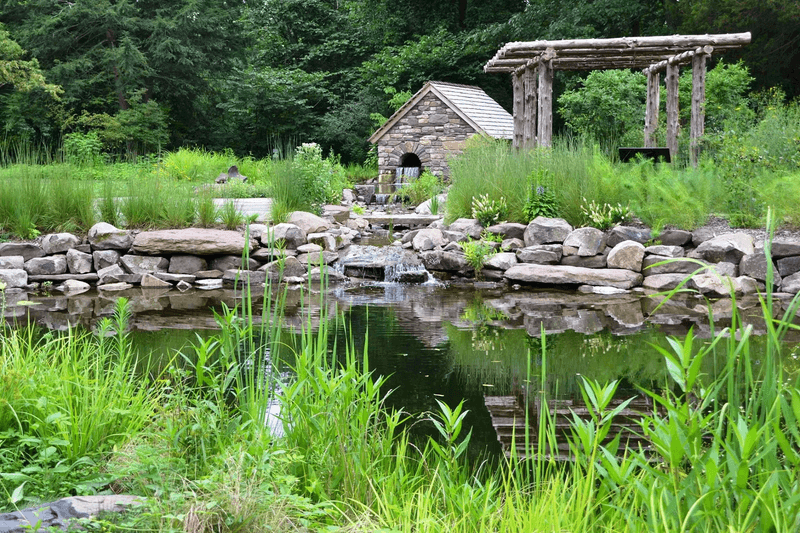
Established in 1934 within Washington Crossing Historic Park, Bowman’s Hill Wildflower Preserve has a layered identity that combines serious plant conservation with a landscape that genuinely feels like undisturbed Pennsylvania wilderness.
Rather than importing exotic species, the preserve focuses entirely on native plants, protecting and displaying more than 700 species indigenous to Pennsylvania and the Delaware Valley across its 134 acres.
More than two dozen marked trails totaling over five miles pass through eastern deciduous woodland, open meadow, wetland, and riparian zones along Pidcock Creek, covering enough habitat variety to keep even experienced naturalists engaged for hours.
The preserve also holds historical significance as the site near where George Washington’s army camped during the Revolutionary War, adding a dimension to the visit that goes well beyond botany.
Bird-watching is particularly productive here because the diversity of native plant life supports a corresponding diversity of wildlife, making the preserve a reliable destination for visitors with binoculars as well as wildflower enthusiasts.
9. Hershey Gardens, Hershey, Pennsylvania
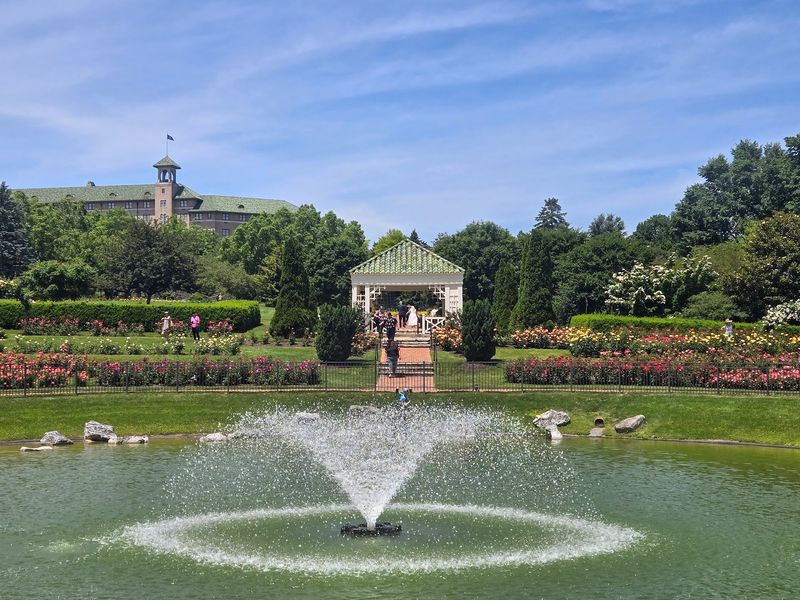
Milton Hershey’s original request in 1937 was modest: he wanted a nice garden of roses. That straightforward idea grew into a 23-acre botanical destination with 3,000 roses representing 115 varieties still at its historic core.
Perched above the town of Hershey, the gardens now include extensive seasonal displays, themed garden areas, and a collection of mature trees that give the grounds a well-established, unhurried character.
The most unexpected feature is indoors, inside the 16,000-square-foot Milton and Catherine Hershey Conservatory, which houses one of only about 25 indoor tropical butterfly atriums in the entire country.
Hundreds of butterflies from South and Central America, Africa, and Asia move through a tropical plant environment year-round, and a chrysalis cabinet allows visitors to observe the transformation from pupa to butterfly up close.
A Zoology Zone featuring unusual insects and arachnids adds another layer to the conservatory experience, making the indoor portion of the visit surprisingly educational for visitors of all ages.
10. Pittsburgh Botanic Garden, Oakdale, Pennsylvania
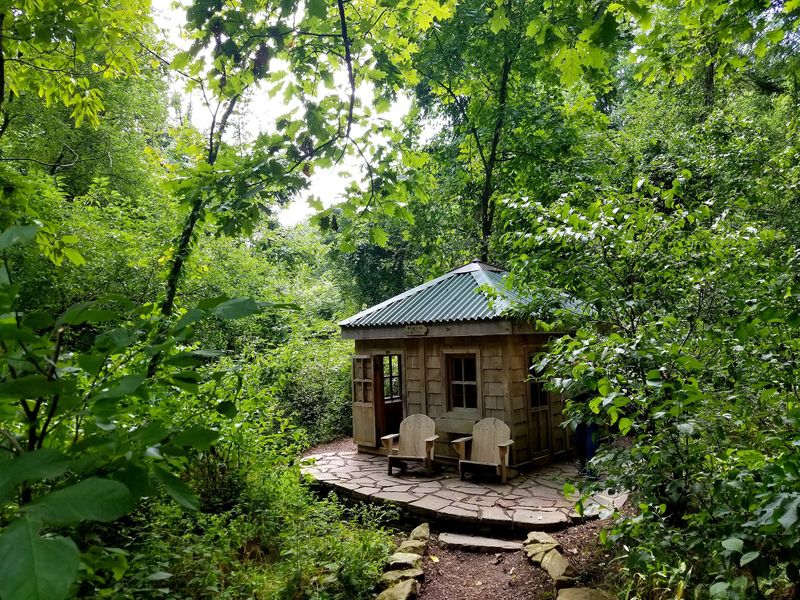
Few botanical gardens can claim an origin story as striking as Pittsburgh Botanic Garden’s: the property was once deep-mined for coal, and what visitors now walk through is a careful ecological transformation of that altered land.
The 452-acre property blends cultivated garden spaces with restored woodland, giving the overall experience a natural, exploratory quality that feels less designed and more discovered as you move through it.
Distinct areas include the Lotus Pond, the Garden of the Five Senses, vibrant pollinator plantings, and the Margaret Lawrence Simon Dogwood Meadow, an eight-acre open ecosystem surrounded by more than 500 naturally occurring flowering dogwood trees.
That meadow is managed with prescribed burns to maintain its unique habitat for native sun-loving plants and insects, a land management practice that connects visitors to active ecological stewardship.
A Heritage Homestead with a log cabin and apple orchard adds a historical dimension, offering a look at how early European settlers interacted with the western Pennsylvania landscape.
11. Scott Arboretum & Gardens, Swarthmore, Pennsylvania
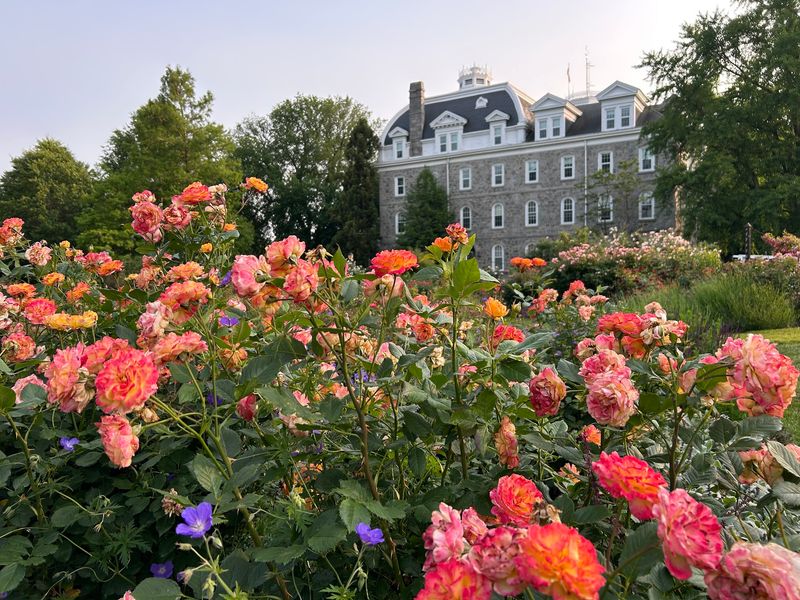
Swarthmore College has one of the most botanically rich campuses in the country, but many visitors arrive expecting ordinary college landscaping and leave genuinely surprised by the depth of what Scott Arboretum has assembled across the grounds.
More than 4,000 plant varieties are integrated throughout the campus, organized into specialized collections covering magnolias, hollies, hydrangeas, conifers, cherries, and tree peonies, among many others.
Distinct areas such as the Dean Bond Rose Garden, the Glade Garden, the Pollinator Garden, and the Winter Garden each offer their own character, making a walk through the campus feel like moving between a series of separate botanical worlds.
The Metasequoia Allee provides one of the most dramatic visual corridors on any college campus in Pennsylvania, lined with towering dawn redwoods that create a striking pathway through the grounds.
Because the collections are woven into the fabric of an active college, botanical discoveries tend to appear in unexpected places, which gives first-time visitors a genuine sense of exploration throughout the visit.
12. Reading Public Museum Arboretum, Reading, Pennsylvania
Landscape architect John Nolen designed the Reading Public Museum Arboretum in the late 1920s with a specific goal: to create a place where architecture and nature exist on equal footing, and a century later that intention is still legible in the layout.
The 25-acre grounds hold specimens that date to those original plantings, including large exotic and indigenous trees that have had nearly 100 years to establish themselves as genuine landmarks within the landscape.
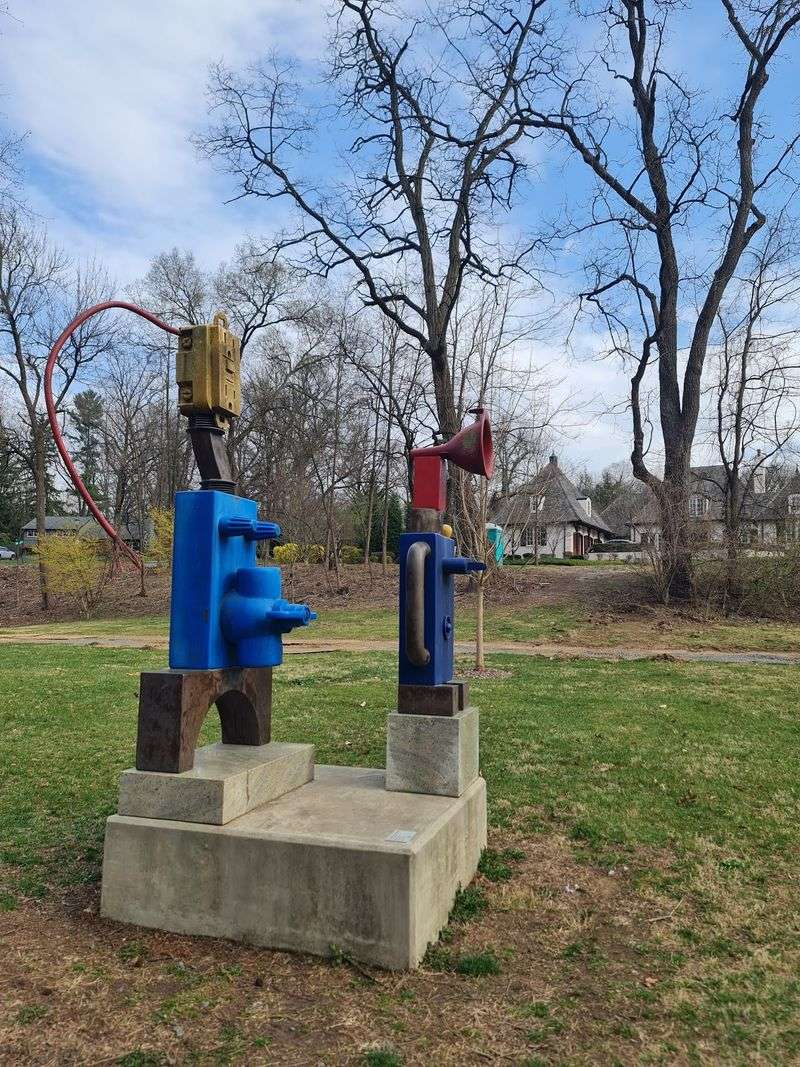
Wyomissing Creek winds through the property, and paved paths with footbridges follow its course, passing seasonal flower displays, diverse wildlife, and outdoor sculptures that add an artistic thread to the natural setting.
Self-guided tour maps available in the museum atrium identify 65 unique botanical exhibits across the grounds, giving visitors a structured option if they prefer something more organized than open wandering.
The combination of flowing water, century-old trees, art installations, and museum access in one compact space makes this arboretum one of the more genuinely unusual green destinations in eastern Pennsylvania.
Share this story