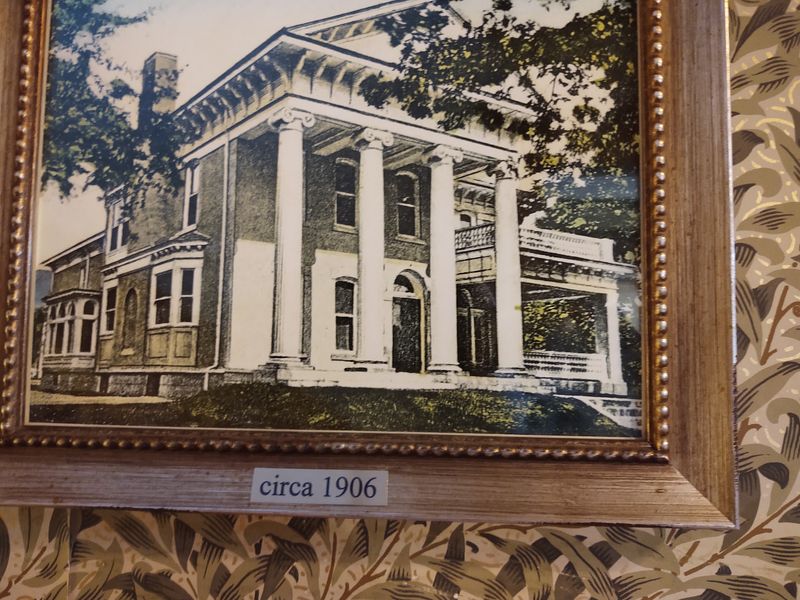
Most people have heard of Hormel Foods, but very few know that the man who started it all once lived in a stunning mansion in a small Minnesota city. This grand home has stood for over a century, quietly holding stories about one of America’s most recognized food companies.
The rooms inside still carry the original woodwork, the original floors, and a sense of the family that shaped a brand known worldwide. Once you step inside, the history feels surprisingly personal and close.
The Man Behind the Mansion
George A. Hormel was not born into wealth.
He worked his way up through the meatpacking industry in the late 1800s, eventually founding Geo. A.
Hormel and Company in Austin, Minnesota, in 1891. That single decision changed the food industry in ways few could have predicted at the time.
The company he built grew into one of the most recognized food brands in American history. Products bearing the Hormel name reached kitchens across the country, and eventually, across the world.
George’s drive and business instincts turned a small-town operation into something much larger than Austin itself.
What makes visiting his home so compelling is realizing that behind every major brand, there is a real person with a real story. George Hormel was that person, and his mansion in Austin gives visitors a rare chance to stand inside the life he actually lived.
Where the Hormel Historic Home Sits in Austin
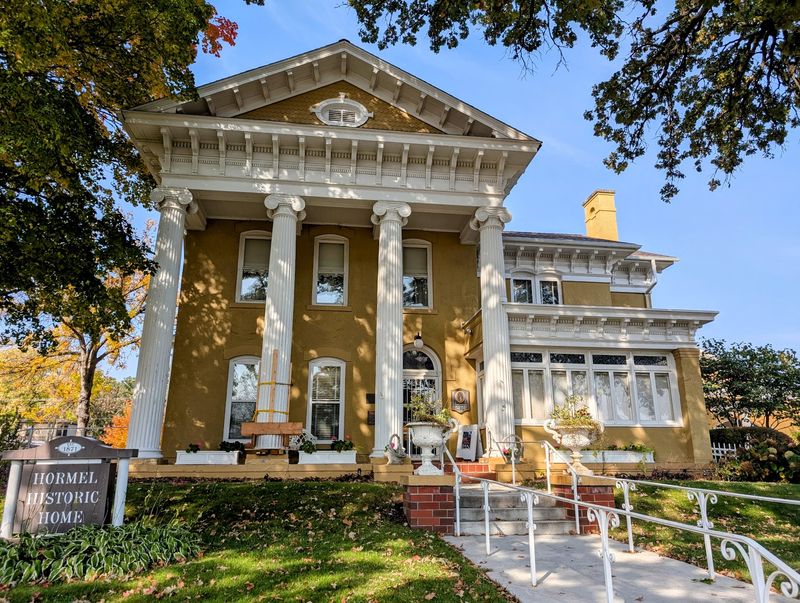
The Hormel Historic Home sits at 208 4th Ave NW in Austin, Minnesota. Austin is a mid-sized city in southern Minnesota, and this address places the mansion in a quiet, tree-lined part of town that still feels residential and unhurried.
The home is open for tours Tuesday through Friday, from 10 AM to 4 PM. It is worth planning your visit carefully because the mansion is closed on weekends, which catches some out-of-town visitors off guard.
Getting there is straightforward, and the home is within easy walking distance of other Austin landmarks, including the SPAM Museum. That proximity makes it simple to combine both stops into a single afternoon.
The neighborhood surrounding the home is calm and pleasant, and the mansion itself is easy to spot once you are on the right street. First-time visitors often pause just to take in the exterior before heading inside.
A Closer Look at the Architecture
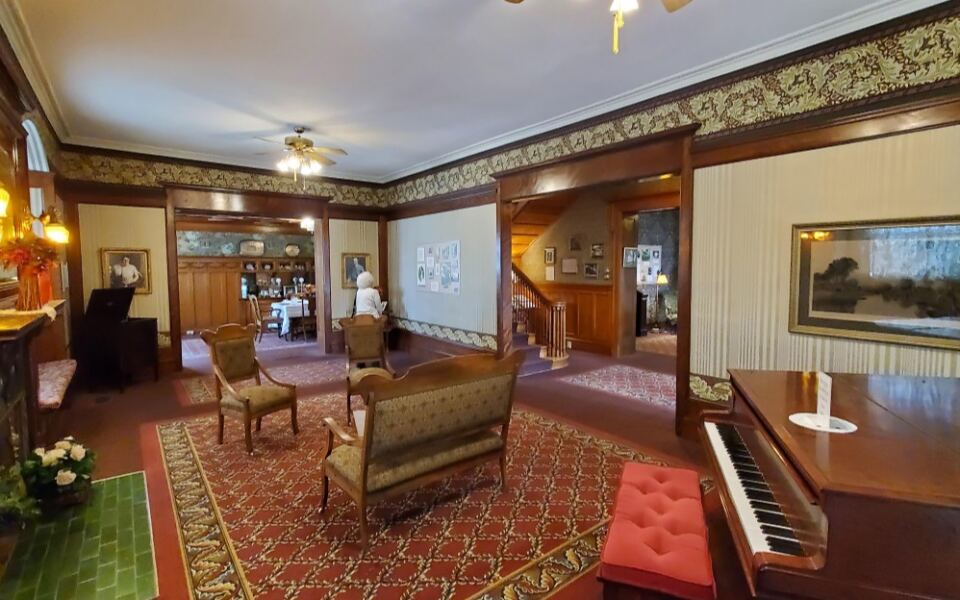
The woodwork inside the Hormel Historic Home is one of the first things visitors notice. Original hardwood floors run through the main rooms, and the trim and staircase details reflect the craftsmanship common to well-built homes of the early 1900s.
Nothing feels rushed or cheap about the construction.
The overall style of the home reflects the tastes of a prosperous American family at the turn of the 20th century. It is stately without being cold, and the scale of the rooms feels grand but not overwhelming.
Many original architectural features have been carefully preserved through restoration efforts over the years.
There is something satisfying about standing in a space where the bones of the building are still intact. The floors do not creak apologetically.
They creak with confidence, the way old things do when they have been properly cared for across generations.
The Self-Guided Tour Experience
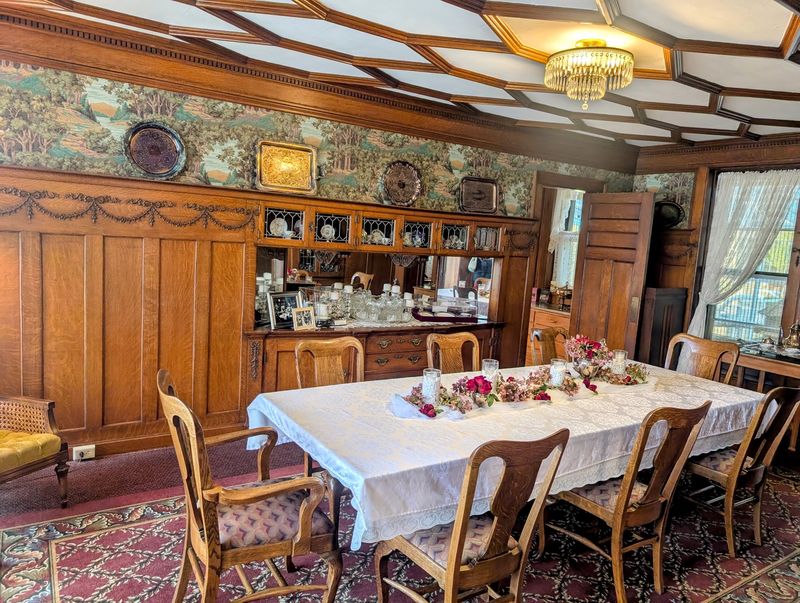
One of the most appealing parts of visiting the Hormel Historic Home is the flexibility of the tour format. After a short introduction from a historian or staff member, visitors are free to roam through the house at their own pace.
That freedom changes everything about how the experience feels.
There is no pressure to keep up with a group or rush through rooms that deserve a longer look. You can linger in the parlor, study the details of the dining room, or spend extra time reading the information displayed in each space.
The home rewards curiosity.
The self-guided format also makes the visit feel more personal. It is just you and the rooms and the history, without someone narrating every moment.
For visitors who enjoy absorbing a place quietly and at their own rhythm, this approach works very well. Most tours take around an hour depending on how much time you want to spend.
What the Rooms Reveal About the Hormel Family
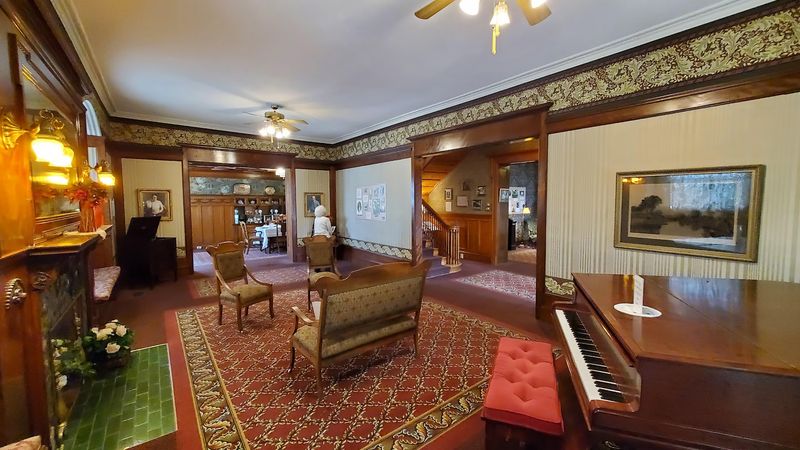
Each room in the Hormel Historic Home tells a slightly different part of the family’s story. The furnishings and decor reflect the tastes and lifestyle of a family that had earned real prosperity but still maintained a connection to the practical Midwestern values of the era.
The home does not feel like a museum in the sterile sense. It feels more like a family residence that has been thoughtfully preserved.
Personal touches remain visible throughout the space, giving visitors a sense that real people once gathered in these rooms for meals, conversation, and everyday life.
Learning about the Hormel family through their living spaces rather than through a textbook makes the history feel more human and relatable. The rooms carry personality.
Some visitors find themselves genuinely surprised by how warm and approachable the home feels, given the scale of the business legacy connected to the family name.
The Peace Garden and Outdoor Space
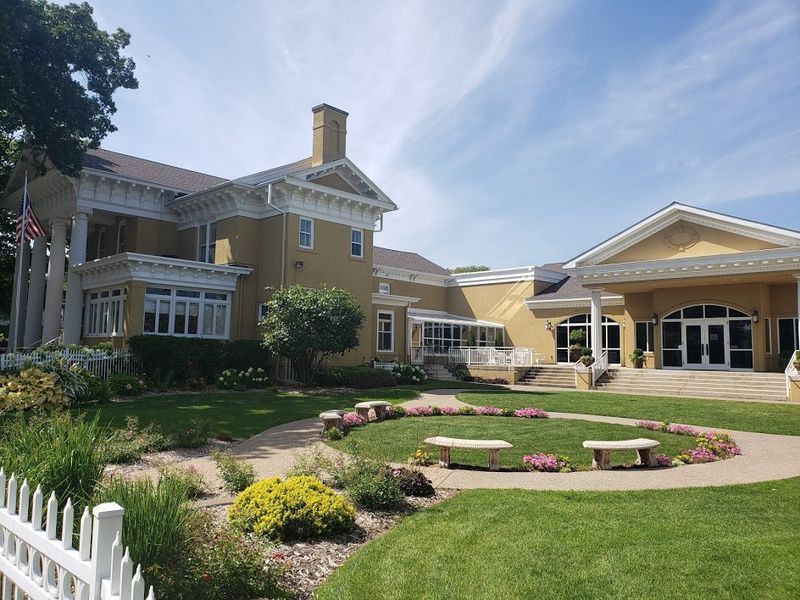
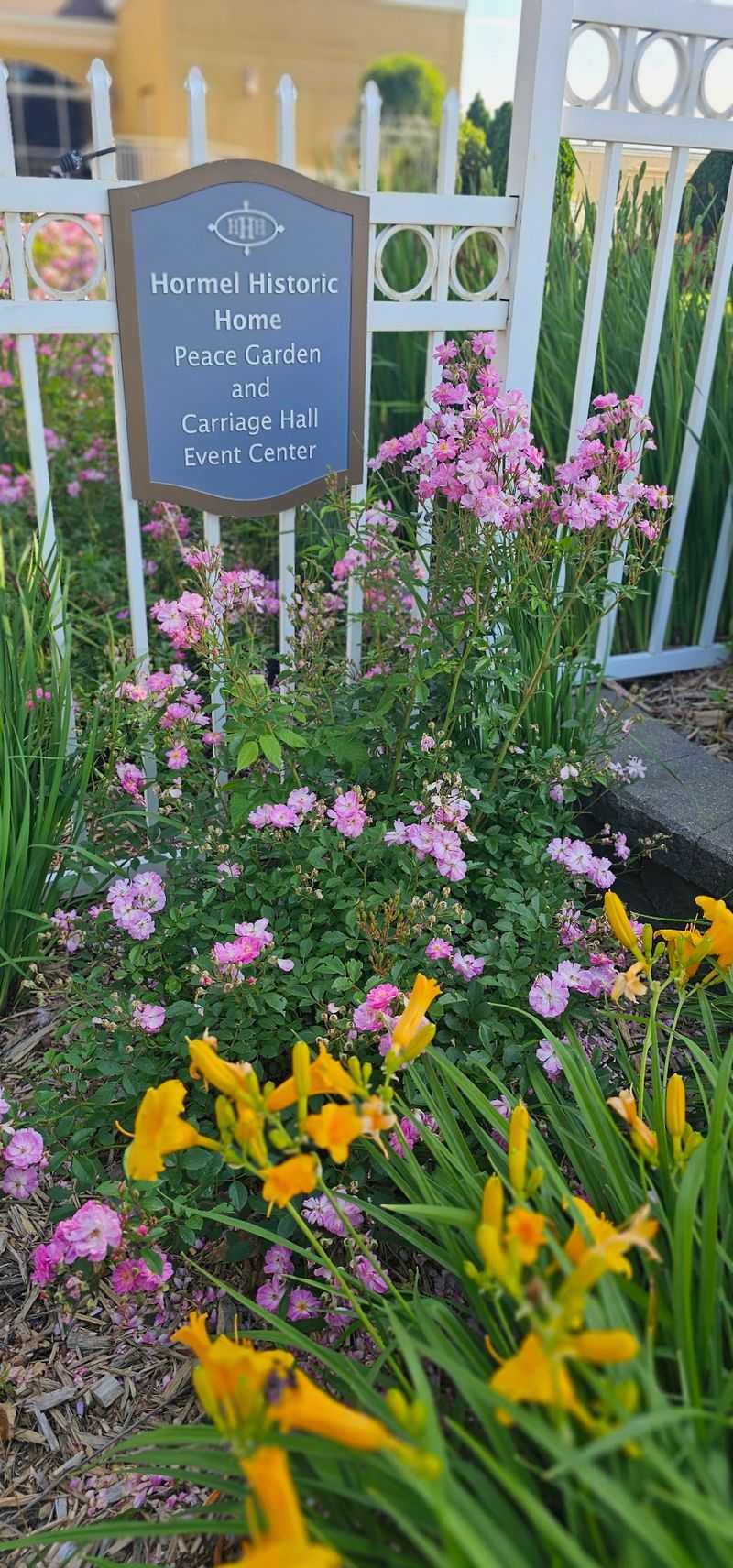
The grounds surrounding the Hormel Historic Home include a peace garden that adds a quiet, reflective dimension to the visit. During warmer months, the outdoor space becomes a place where visitors can sit and decompress after exploring the interior of the mansion.
The garden has also served as a venue for outdoor music events during the summer, making the property feel like an active part of the Austin community rather than simply a preserved relic. That community connection gives the home a livelier energy than many historic properties manage to maintain.
Spending time outside after touring the interior is a natural way to let the history settle in. The garden is calm, well-kept, and provides a pleasant contrast to the more formal atmosphere inside the mansion.
On a clear Minnesota afternoon, the outdoor space alone is worth the stop. The transition from indoors to outdoors feels unhurried and easy.
Christmas at the Hormel Historic Home
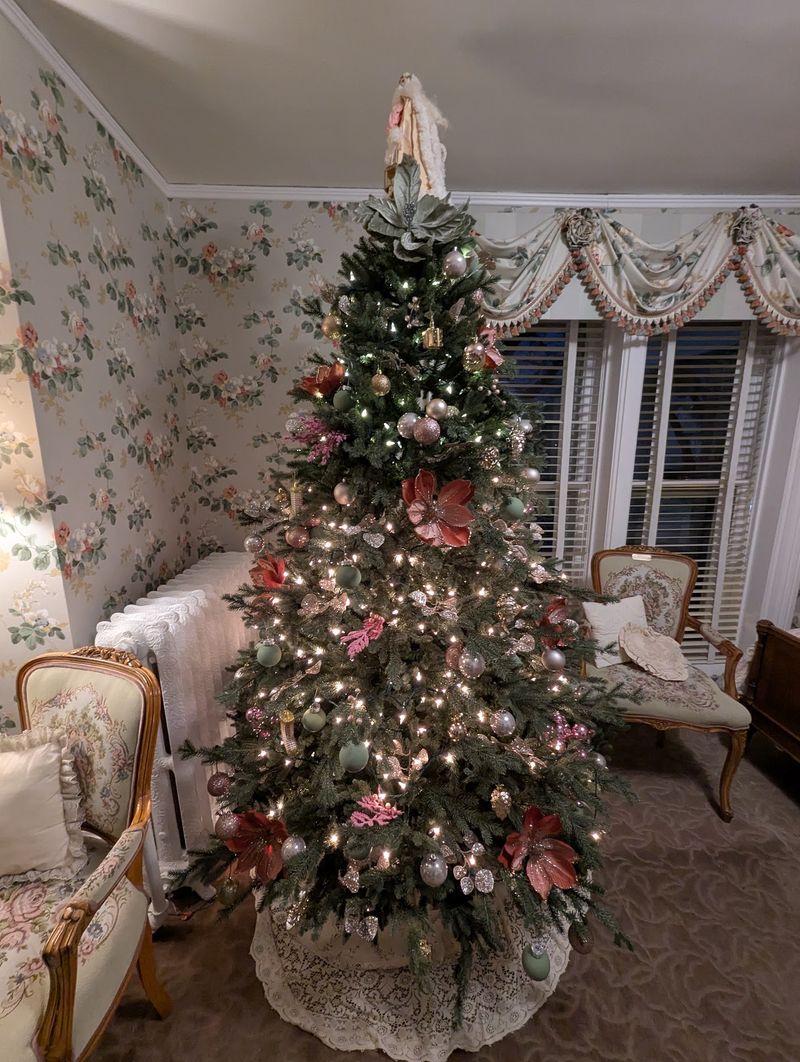
During the holiday season, the Hormel Historic Home transforms into something genuinely special. Christmas decorations fill the mansion’s rooms, and the combination of historic architecture with festive decor creates an atmosphere that feels both elegant and welcoming.
Past holiday events at the home have included themed readings and comedy performances connected to classic Christmas stories, along with treats for younger visitors. The mansion handles the holiday season in a way that appeals to both adults who appreciate the history and children who simply enjoy the magic of a beautifully decorated old house.
Visiting during December gives the home an entirely different character than a standard tour. The warmth of the holiday decorations against the original woodwork and period furnishings creates a visual combination that is hard to replicate in a modern setting.
If you have the chance to visit during the Christmas season, it is a version of the home well worth seeing.
Using the Home as an Event Venue

Beyond tours, the Hormel Historic Home operates as a venue for private events, and it has hosted everything from wedding receptions to birthday parties to corporate meetings. The combination of historic architecture and flexible event spaces makes it an appealing choice for gatherings that need a setting with real character.
The home has handled weddings, groomsmen dinners, and milestone celebrations, with catering options available through the venue. Guests who attend events here often end up touring the mansion during the reception, turning a private gathering into an informal history lesson that nobody planned for but everyone appreciates.
For couples looking for a venue with genuine personality and a price point that does not require a second mortgage, the Hormel Historic Home is worth a serious look. The setting is distinctive, the history adds natural conversation to any event, and the overall atmosphere feels far more interesting than a standard banquet hall.
The $5 Donation That Gets You Inside
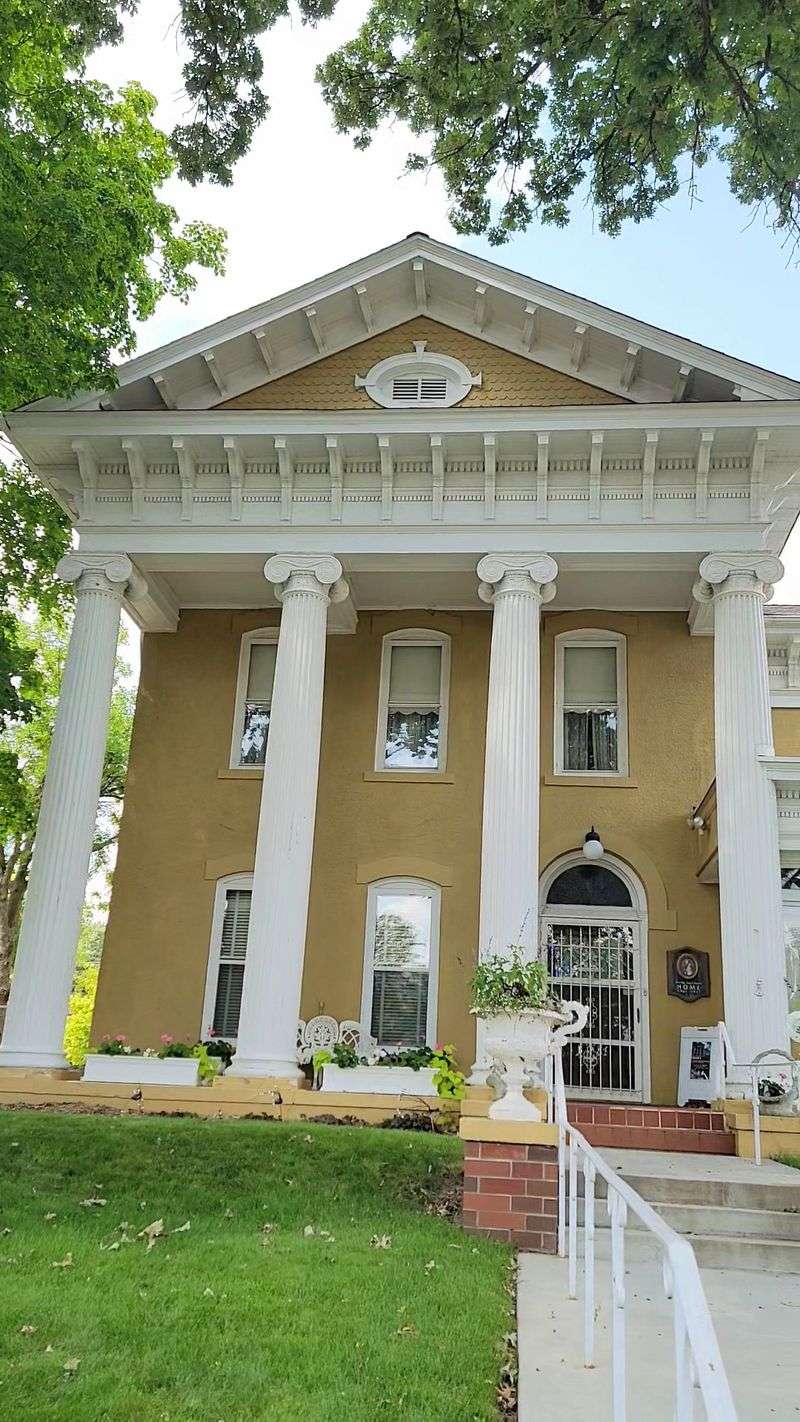
Admission to the Hormel Historic Home operates on a suggested donation model, with visitors asked to contribute around five dollars to support the property. For what you get in return, that is genuinely one of the better deals in Minnesota heritage tourism.
The donation structure also reflects the community-supported nature of the home. This is not a large commercial operation with corporate backing.
It is a preserved historic property that depends on visitor support and community involvement to keep its doors open and its rooms in good condition.
Knowing that a small contribution directly supports the preservation of a place this significant makes the visit feel more meaningful. You are not just paying to look around.
You are participating in the effort to keep a piece of American food industry history accessible to future visitors. That context adds a layer of purpose to what might otherwise feel like a simple afternoon outing.
The Connection to SPAM and Hormel Foods

The Hormel Historic Home and the SPAM Museum are both located in Austin, and visiting both in the same day gives you a surprisingly complete picture of what this one company contributed to American food culture. The mansion shows you where it all started.
The museum shows you where it went.
SPAM, introduced by Hormel Foods in 1937, became one of the most widely distributed canned meat products in history. It fed soldiers during World War II and became a cultural fixture in countries far beyond the United States.
That global reach traces back to decisions made by a company founded in the same city where this mansion stands.
Walking through the Hormel Historic Home with that context in mind shifts how you see the rooms. The parlor, the dining room, the staircase.
All of it connects to a business story that influenced what people ate across multiple continents for decades.
Why Locals Keep Coming Back
The Hormel Historic Home is not just a stop for out-of-town visitors. Locals return to it repeatedly, which says something meaningful about how the community values the property.
A place that only draws first-time tourists tends to feel static. A place that keeps welcoming familiar faces feels genuinely alive.
Part of what keeps people coming back is the rotating nature of events. Holiday programming, private gatherings, and seasonal activities give the home new reasons to visit beyond the standard tour.
The property functions as a community gathering space as much as a historic site.
There is also something comforting about a place that stays consistent while the world around it changes. The original floors are still there.
The woodwork has not been replaced with something cheaper. The history has not been simplified or commercialized beyond recognition.
For locals, that consistency is part of what makes the home worth returning to year after year.
Planning Your Visit to the Hormel Historic Home
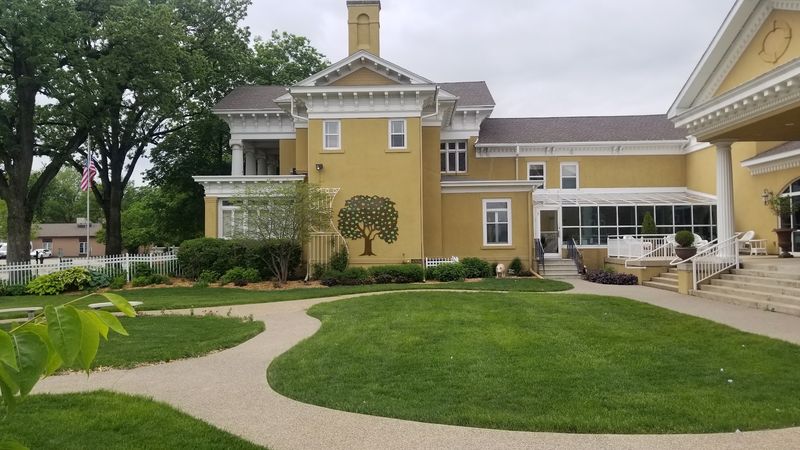
Before heading to the Hormel Historic Home, the most important thing to confirm is the schedule. Tours run Tuesday through Friday from 10 AM to 4 PM, and the home is closed on weekends.
That is a detail that catches visitors off guard more often than you might expect, so planning ahead saves a wasted trip.
The home is located at 208 4th Ave NW in Austin, Minnesota, and parking in the surrounding neighborhood is generally easy to find. The SPAM Museum is nearby, making a combined visit a practical and worthwhile way to spend an afternoon in Austin.
Comfortable walking shoes are useful since you will be moving through multiple rooms across different levels of the house. The visit is relaxed and unhurried, and there is no need to rush.
Give yourself enough time to actually absorb what you are seeing rather than moving through the rooms too quickly.
Share this story