Detroit is the kind of city that surprises people who think they already know what to expect. Yes, it built the cars.
Yes, it created a sound that changed popular music forever. But beyond those well-known chapters, Detroit holds a remarkable collection of art, history, architecture, food traditions, and public spaces that reward curious visitors at every turn.
The city has been rebuilding and reinventing itself for years, and the results are genuinely worth seeing in person. From a world-class art museum on Woodward Avenue to a narrow downtown alley turned outdoor gallery, from a century-old pottery studio to an iconic hot dog counter that has fed Detroiters since 1924, the experiences below cover the full range of what makes this city worth the trip.
Pack comfortable shoes and a healthy appetite for discovery.
1. Detroit Institute of Arts, Detroit, Michigan
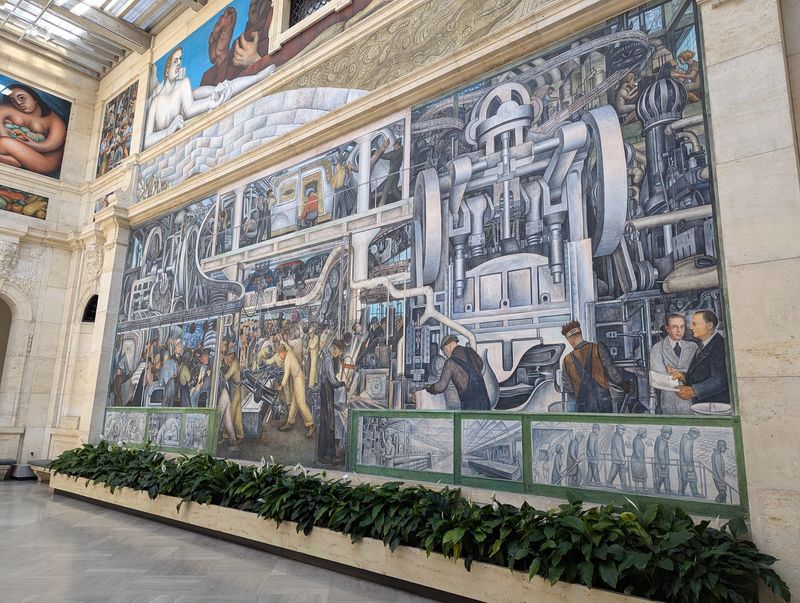
USA Today readers voted it the number one art museum in the country in both 2023 and 2024, and once you spend a few hours inside, that ranking makes complete sense. The Detroit Institute of Arts holds more than 65,000 works spread across over 100 galleries, covering everything from ancient artifacts to modern masterpieces.
The undisputed centerpiece for first-time visitors is Diego Rivera’s Detroit Industry Murals, a set of monumental frescoes filling the central courtyard. Rivera painted them between 1932 and 1933 as a tribute to industrial Detroit, and they remain one of the most significant works of public art in the United States.
The museum is located at 5200 Woodward Avenue and carries a 4.8-star rating from thousands of reviewers. County residents with valid ID get in free, and the café makes a midday break easy.
2. Detroit RiverWalk, Detroit, Michigan
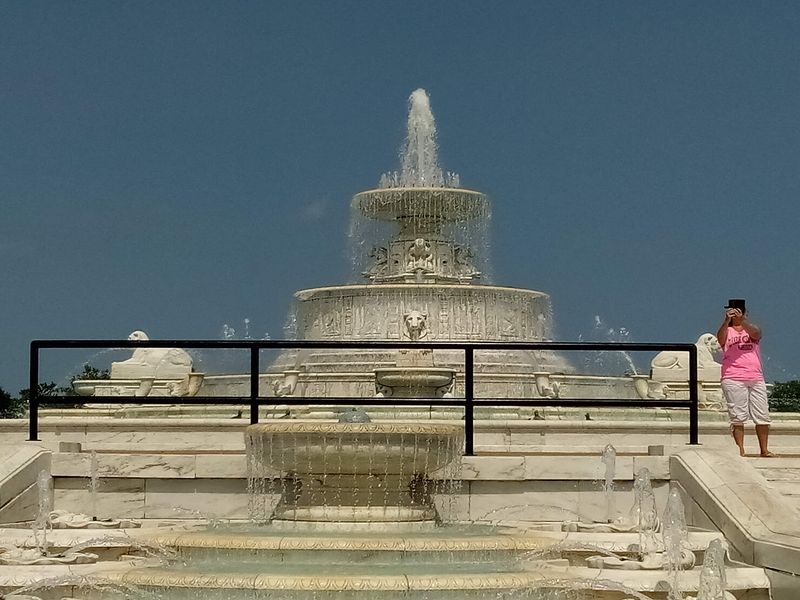
USA Today named it the best riverwalk in the country three years running, and a single afternoon on the path makes it easy to understand why. The Detroit RiverWalk stretches nearly five miles from Gabriel Richard Park on the east to Ralph C.
Wilson Jr. Centennial Park on the west, linking parks, plazas, and public art along the way.
The route is open daily from 6 a.m. to 10 p.m. and welcomes pedestrians, cyclists, and skaters, with designated lanes keeping things organized. Notable stops include Cullen Plaza, which features a carousel with local river creatures, and William G.
Milliken State Park, where a 63-foot lighthouse marks the waterfront.
Wheelhouse Detroit at Cullen Plaza rents bicycles for those who want to cover the full stretch. Sunset along the river, with the Windsor skyline across the water, is genuinely hard to beat.
3. Belle Isle, Detroit, Michigan
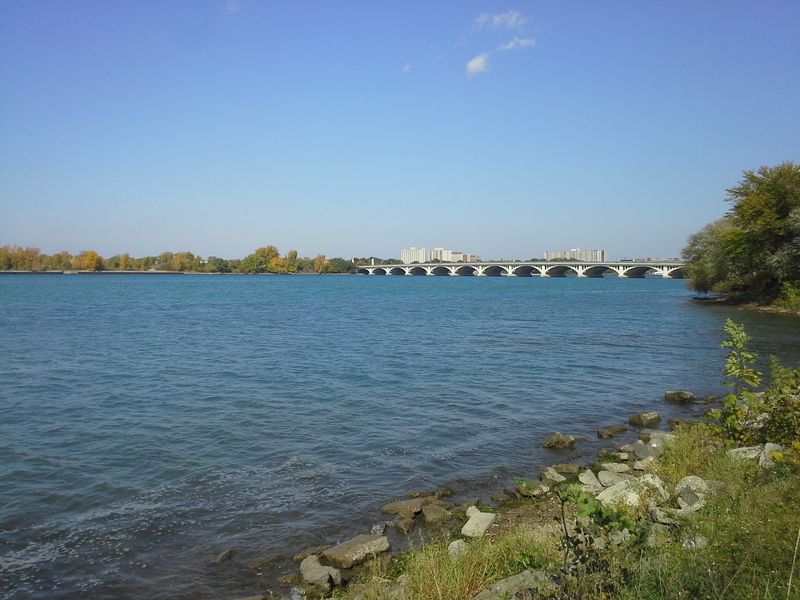
At 982 acres, Belle Isle is larger than New York City’s Central Park, which makes it a genuinely impressive escape for an island sitting just minutes from downtown Detroit. The Michigan Department of Natural Resources has managed it as a state park since 2014, and the investment in upkeep shows.
Vehicles entering the island require a Michigan Recreation Passport, but visitors arriving on foot or by bicycle get in free. The Anna Scripps Whitcomb Conservatory, the oldest continuously operating conservatory in the United States, is worth a stop on its own.
The Belle Isle Aquarium, the oldest public aquarium in North America, offers free admission with a suggested donation.
Roads and paths wind through wooded areas and open waterfront spaces where the city suddenly feels far away. Overlooks on the island’s eastern and western edges offer views of both the Detroit and Windsor skylines at once.
4. Ford Piquette Avenue Plant Museum, Detroit, Michigan
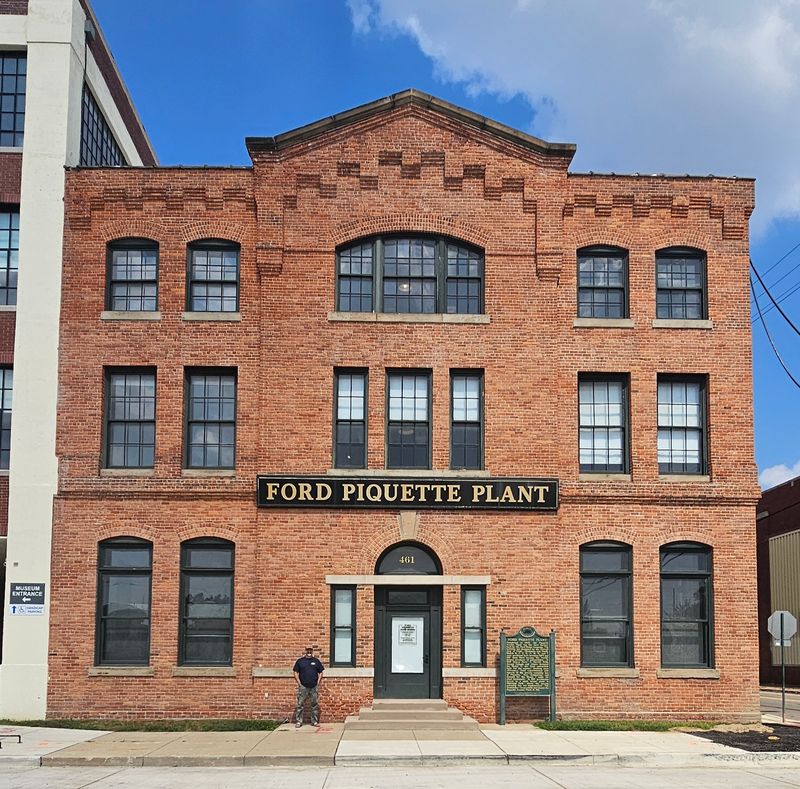
This is the factory where the Model T was born. Built in 1904, the Ford Piquette Avenue Plant is the oldest surviving purpose-built automotive factory open to the public anywhere in the world, and its status as a National Historic Landmark reflects exactly how significant that distinction is.
The museum displays more than 65 rare vehicles, including Henry Ford’s personal Letter Cars and early Model T examples, alongside artifacts from the factory’s original operations. A third-floor Secret Experimental Room is where Ford and his team quietly developed the Model T before its public announcement.
Guided 75-minute tours run at 10 a.m., noon, and 2 p.m., Wednesday through Sunday.
Adult admission is $20, with discounts for seniors, veterans, and students. Free parking is available across the street at 461 Piquette Avenue.
Visitors who enjoy automotive history will likely find themselves staying longer than planned.
5. Guardian Building, Detroit, Michigan
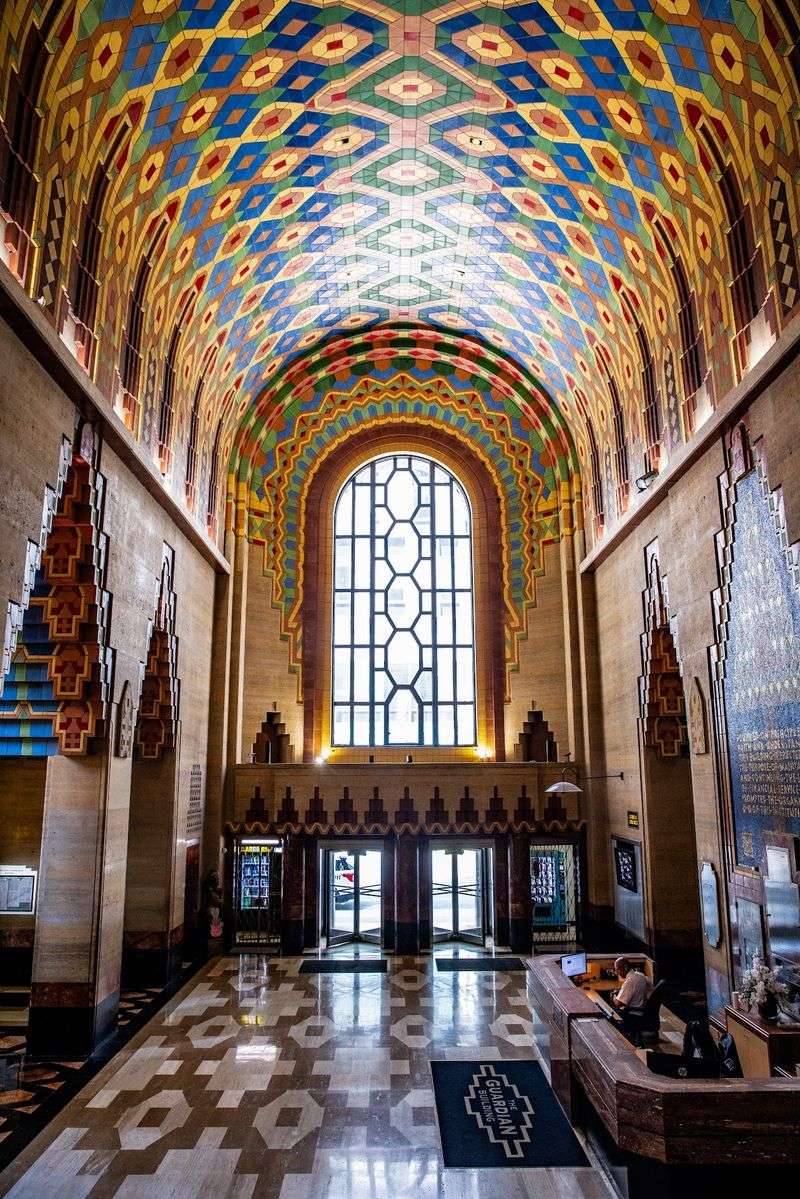
Completed in 1929, the Guardian Building earned the nickname Detroit’s Cathedral of Finance, and the interior makes that title feel completely appropriate. Architect Wirt C.
Rowland designed the 40-story skyscraper with nearly two million custom tangerine-colored bricks on the exterior and an interior that ranks among the most elaborate Art Deco spaces in the country.
The main lobby rises three stories and features interlocking hexagonal patterns of Rookwood pottery and Pewabic Tile, columns of imported Italian Travertine marble, and French-imported stained glass in the elevator lobbies. A grand glass mosaic by Michigan artist Ezra Winter anchors the lobby, with a corresponding mural in the banking hall depicting Michigan’s industries.
The lobby and banking hall are generally accessible during weekday office hours at no charge. Guided tours are available for a fee and provide access to historic bank vaults not open during regular hours.
The building is located at 500 Griswold Street downtown.
6. Michigan Central, Detroit, Michigan
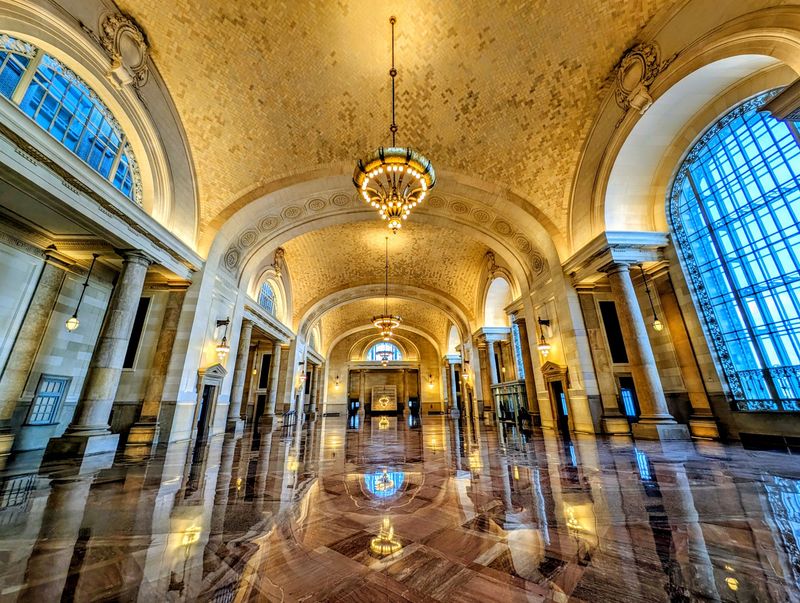
For decades, photographs of Michigan Central Station served as a shorthand image for Detroit’s struggles. The 1913 Beaux-Arts building sat abandoned and deteriorating for years before Ford Motor Company acquired it in 2018 and launched a nearly $1 billion restoration effort that concluded with a public reopening on June 6, 2024.
The restored Grand Hall now showcases its 54-foot Guastavino tile vaulted ceiling under natural light, and portions of the building intentionally preserve original graffiti from the vacancy years as a record of what the station went through. The surrounding 30-acre Corktown campus operates as an innovation district with office and retail spaces.
Future plans include a multimodal transit hub projected for 2029 and a boutique hotel on the upper floors anticipated by 2027. The annual Cars at The Station event on September 11 and 12 is free and draws automotive enthusiasts from across the region.
7. Eastern Market, Detroit, Michigan
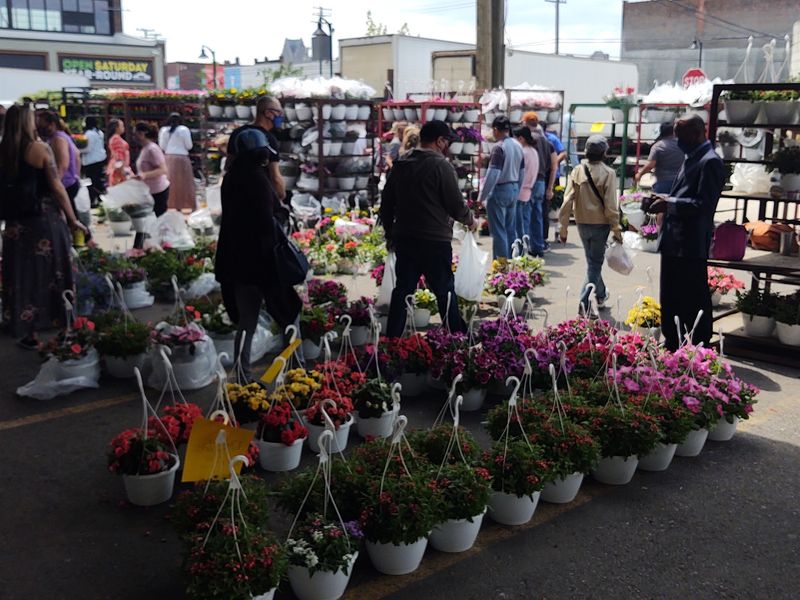
Eastern Market has been feeding Detroit since the 1850s, and it has grown into the largest open-air market in the United States. The Saturday Market runs year-round from 6 a.m. to 4 p.m. and draws thousands of shoppers to its historic sheds, where vendors sell produce, meats, baked goods, specialty foods, and a wide range of artisan products.
Seasonal Sunday and Tuesday markets run from June through September, adding local crafts and wellness programming to the mix. The market district also serves as one of Detroit’s most impressive outdoor art spaces, with dozens of building exteriors covered in large-scale murals created through the annual Murals in the Market festival.
Beyond the sheds, the surrounding blocks hold local restaurants, coffee roasters, and independent businesses worth exploring on foot. First-time visitors should budget at least two hours here, and arriving early on Saturday guarantees the best selection of fresh goods.
8. Charles H. Wright Museum of African American History, Detroit, Michigan
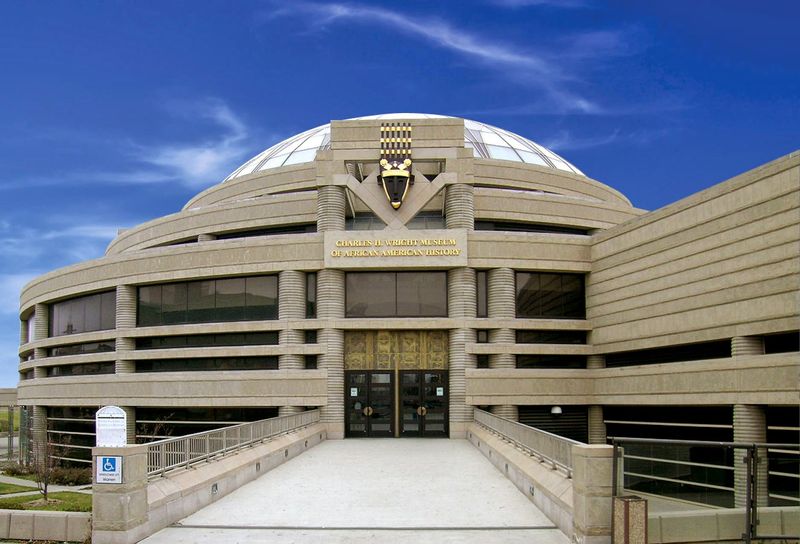
Founded in 1965, the Charles H. Wright Museum is one of the world’s oldest and largest independent African American museums, holding more than 35,000 artifacts and archival materials that represent the most extensive permanent collection of African American culture anywhere in the world.
The signature permanent exhibition, And Still We Rise, spans 22,000 square feet across more than 20 galleries. It traces the African American experience from Africa through the Middle Passage and into the Americas, including a replica slave ship, and documents stories of resilience and cultural contribution across centuries.
The Ford Freedom Rotunda, topped by a 65-foot glass dome, anchors the building’s center.
Located at 315 E Warren Ave in Midtown, the museum is open Tuesday through Sunday. Adult admission is $15, with discounts for seniors and youth.
A free admission day is scheduled for September 20, 2026, in honor of Dr. Wright’s birthday.
9. Campus Martius Park, Detroit, Michigan
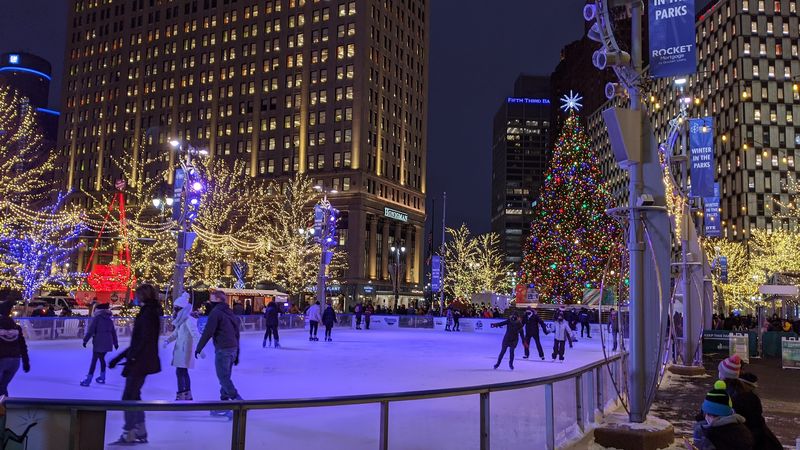
USA Today twice recognized Campus Martius as the number one public square in the United States, and the park earns that distinction by staying genuinely active year-round. Positioned at the intersection of five major city thoroughfares including historic Woodward Avenue, the 1.2-acre park draws more than two million visitors annually through consistent seasonal programming and a central location that makes it nearly impossible to miss.
The Woodward Fountain anchors the park’s center, with sculptures and a performance stage filling out the surrounding space. In winter, the plaza converts to an ice-skating rink with a Christmas tree and a chalet area offering views of the Detroit skyline.
Dining options around the perimeter include The Fountain Detroit for casual outdoor meals and Parc for contemporary cuisine with park views.
Campus Martius also works well as a navigation anchor. From here, Woodward Avenue, major downtown architecture, and several other entries on this list are all within comfortable walking distance.
10. Detroit Historical Museum, Detroit, Michigan
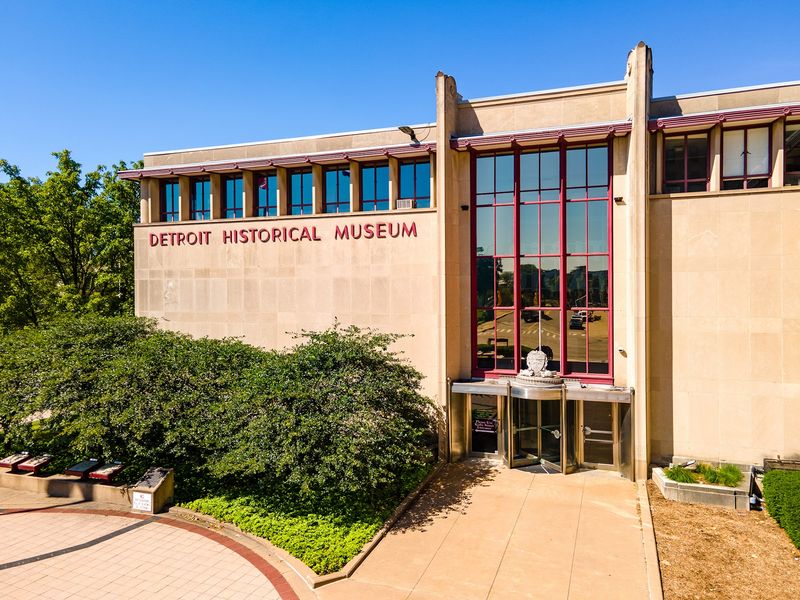
Founded in 1921 and now housing more than 250,000 artifacts, the Detroit Historical Museum is the most logical place to get the full sweep of the city’s story in a single visit. Permanent exhibitions cover Detroit’s earliest days through its rise as the automobile capital and beyond.
The Streets of Old Detroit exhibit recreates 19th and early 20th century streetscapes with cobblestone roads and period storefronts that give the museum an unusually immersive quality. America’s Motor City features a working assembly line display.
The City of Champions Gallery, which opened in 2024, adds a permanent tribute to Detroit’s long sports history.
Current rotating exhibitions include Detroit Red Wings at 100: Becoming Hockeytown, running through January 3, 2027. The museum is located at 5401 Woodward Avenue, open Wednesday through Saturday from 10 a.m. to 5 p.m. and Sundays from 1 to 5 p.m.
Adult admission is $15.
11. Third Man Records, Detroit, Michigan
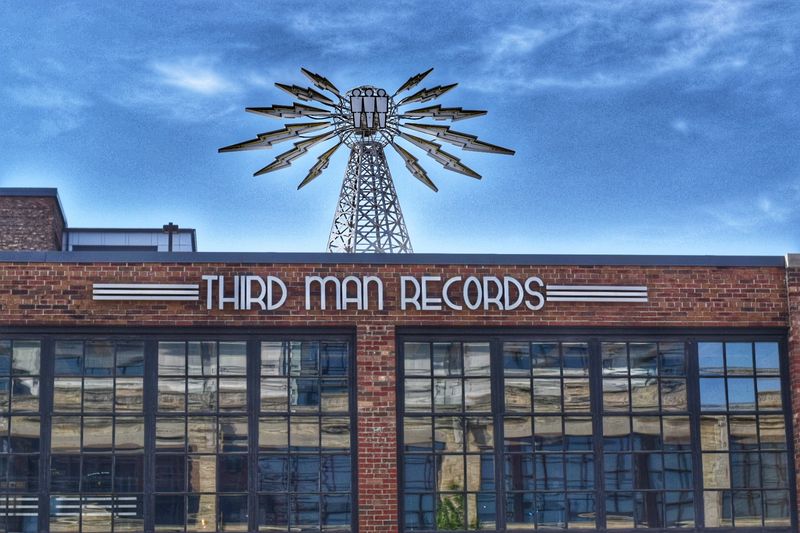
Jack White opened Third Man Records in 2001, and the Detroit location on West Canfield Street has been doing things its own way since it opened in 2015. The Cass Corridor store combines a fully stocked record shop with Third Man Pressing, a working vinyl manufacturing facility that marked the first new pressing plant in Detroit since 1965.
The store runs Monday through Saturday from 11 a.m. to 6 p.m. and Sundays from 11 a.m. to 5 p.m. A novelties lounge with vintage machines and a voice recording booth where visitors can cut their own 5-inch record add a distinctly eccentric touch to the shopping experience.
Viewing windows allow shoppers to watch records being pressed in real time.
Friday tours of the pressing facility run at 2, 3, and 4 p.m. for $15 per person and last approximately one hour. An in-store performance stage hosts regular live acts, making the venue worth checking for upcoming shows before any visit.
12. Pewabic Pottery, Detroit, Michigan
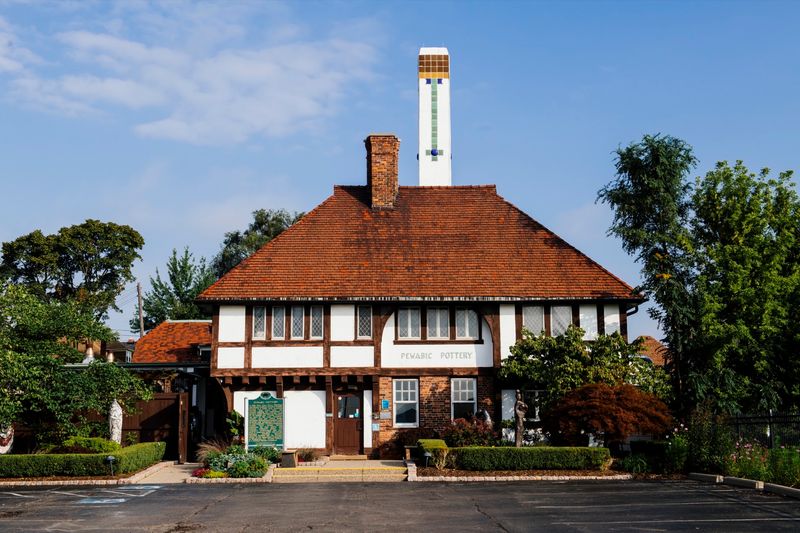
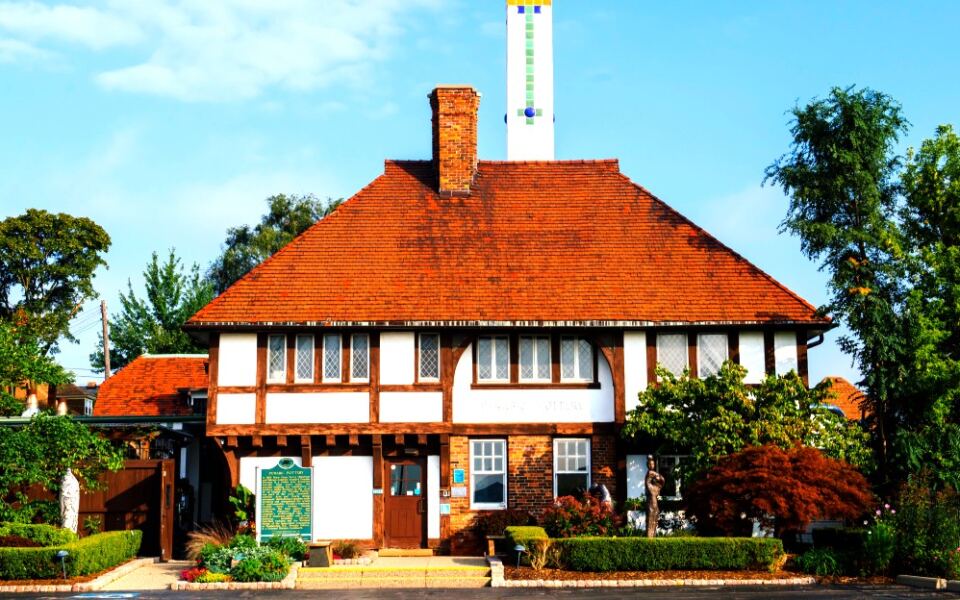
Mary Chase Perry Stratton founded Pewabic Pottery in 1903, and the nonprofit has been producing handcrafted ceramics and architectural tile from the same East Jefferson Avenue location ever since. The Tudor-style building earned National Historic Landmark status in 1991, and it remains a working studio rather than a static museum piece.
The store and second-floor museum are free to visit, with hours Tuesday through Thursday and Saturday from 10 a.m. to 5 p.m., Fridays until 6:30 p.m., and Sundays from 11 a.m. to 4 p.m. The store carries original Pewabic ceramics and tiles alongside works from more than 50 independent artists.
Self-guided fabrication studio tours run on Fridays from 10 a.m. to 4 p.m.
Roof restoration work is underway through November 2026, but Pewabic plans to remain open during regular hours throughout the project. Complimentary onsite parking is available, and an accessibility ramp is provided upon request for the historic building entrance.
13. Lafayette Coney Island, Detroit, Michigan
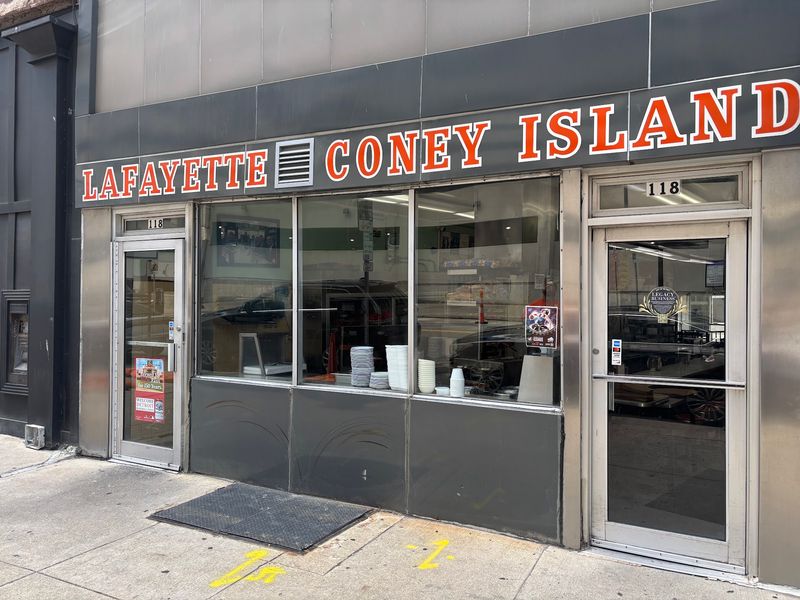
William Keros opened Lafayette Coney Island in 1924, and it has been serving the same straightforward menu from the same downtown address ever since. The restaurant sits famously side by side with its longtime rival American Coney Island on West Lafayette Boulevard, and the debate over which is better has been a Detroit institution in its own right for generations.
The menu keeps things direct: a classic Coney dog features a natural casing beef frankfurter in a steamed bun, topped with loose meat chili without beans, yellow mustard, and finely chopped white onions, priced at $4.35. Loose burgers, chili fries, and gyro sandwiches round out the options.
The restaurant operates from 8 a.m. to 4 a.m. daily.
Counter seats fill up fast during busy hours, and the no-frills atmosphere is completely intentional. Lafayette currently holds a 4.6-star rating from nearly 5,900 reviews.
Order the classic, grab a counter seat, and consider one Detroit food tradition properly handled.
Share this story