Detroit will host the inaugural MICHELIN Guide American Great Lakes Ceremony on April 21, 2027, and the setting will be one of the city’s most recognizable restored landmarks: Michigan Central.
The ceremony will reveal the first restaurant selection for MICHELIN’s new American Great Lakes Guide, bringing chefs and restaurants from the newly covered region into the spotlight. The event comes to Michigan Central just a few years after the former train station reopened following its extensive restoration.
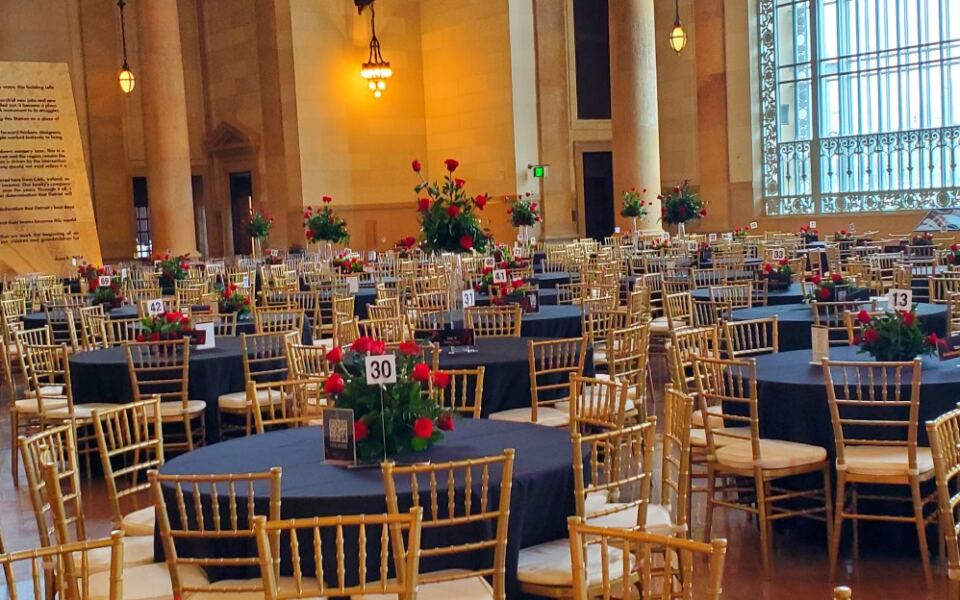
The venue adds another layer to the story. Michigan Central’s restored Grand Hall can accommodate roughly 1,000 to 1,200 guests, making the former railroad station a dramatic setting for one of Detroit’s biggest upcoming culinary events.
A Grand Dame with a Street Address Worth Knowing
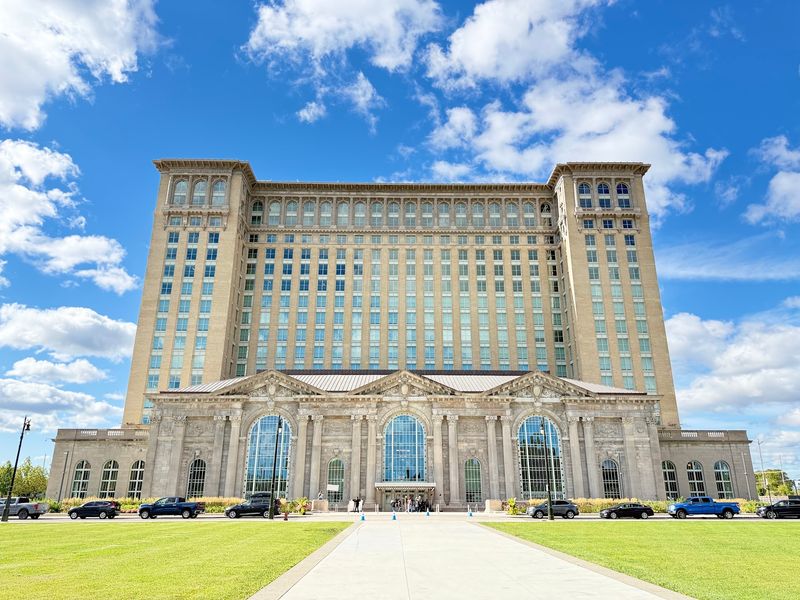
Right in the heart of Detroit’s historic Corktown neighborhood, at 2001 15th Street, Suite 101, Detroit, MI 48216, stands one of the most architecturally striking buildings in the entire Midwest. Michigan Central Station is a Beaux-Arts masterpiece that opened on January 4, 1914, originally serving as the city’s primary intercity passenger rail hub.
The building was designed by the same architectural duo behind New York’s Grand Central Terminal, Warren and Wetmore, working alongside Reed and Stem. That shared DNA is visible in every soaring column, every classical arch, and every carefully proportioned facade detail.
Its 18-story office tower rises dramatically above the three-story depot below, creating a silhouette that has anchored the southwest Detroit skyline for over a century. Today it holds a 4.8-star rating across more than 3,100 visitor reviews, which tells you everything about how this restored landmark has captured hearts all over again.
From Bustling Gateway to Haunting Ruin
There was a time when Michigan Central Station was called Detroit’s Ellis Island, and that nickname was earned honestly. Waves of European immigrants, Middle Eastern newcomers, and Black workers migrating north during the Great Migration all passed through its enormous arched doorways, each carrying a suitcase and a hope for something better.
At its peak, the depot buzzed with ten train gates and an office tower packed with more than 500 businesses. But the rise of personal automobiles and commercial air travel in the 1950s slowly drained the life from its halls, and on January 6, 1988, the last train pulled away for good.
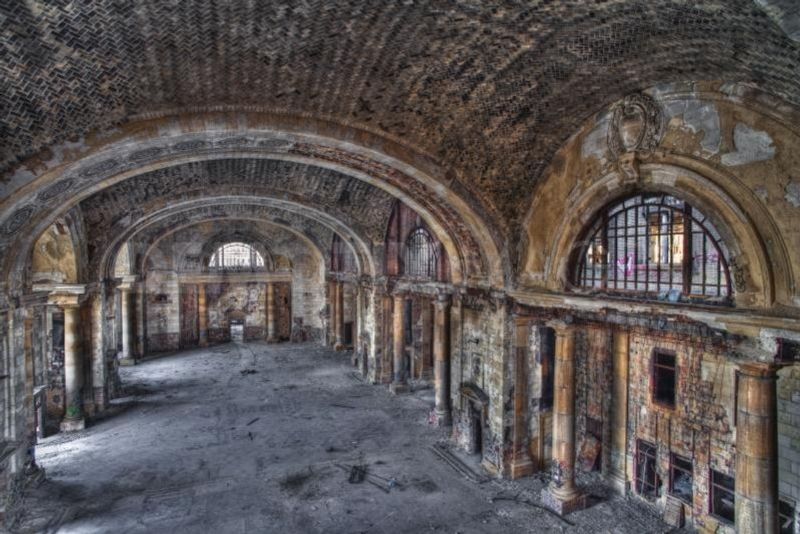
For the next three decades, the station sat dormant, its magnificent bones exposed to the elements, its walls tagged with graffiti, its floors covered in debris. Yet even in that state of neglect, the National Register of Historic Places had already recognized its significance back in 1975, a designation that ultimately saved it from the wrecking ball.
Ford’s Billion-Dollar Bet on Detroit’s Future
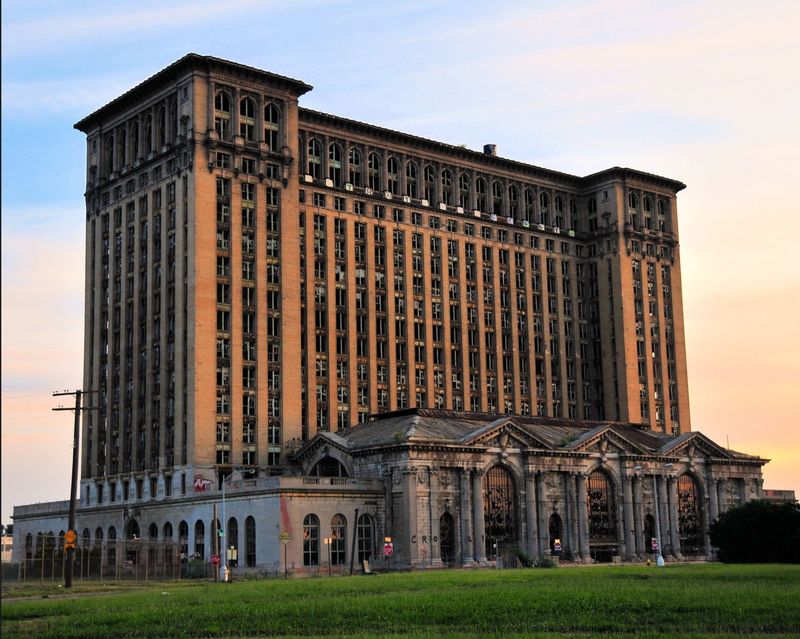
In May 2018, Ford Motor Company made a move that surprised nearly everyone, purchasing the long-dormant Michigan Central Station for a reported $90 million. What followed was not a simple renovation but a complete reimagination of what a 110-year-old train station could become in the 21st century.
Over six years, more than 3,000 skilled tradespeople poured roughly 1.7 million hours of labor into the project. The total investment surpassed $900 million, making it one of the most ambitious historic restoration efforts in American history.
On June 6, 2024, Michigan Central officially reopened its doors to the public, unveiling a gleaming campus that now anchors a 30-acre innovation district. The economic impact has been staggering, with the district supporting approximately $2.95 billion in statewide economic impact in 2025 alone and a cumulative $5.2 billion to date.
Bill Ford himself said it best: the goal was never just to restore a building, but to create the future of transportation, right here in Corktown.
The Grand Hall That Will Take Your Breath Away
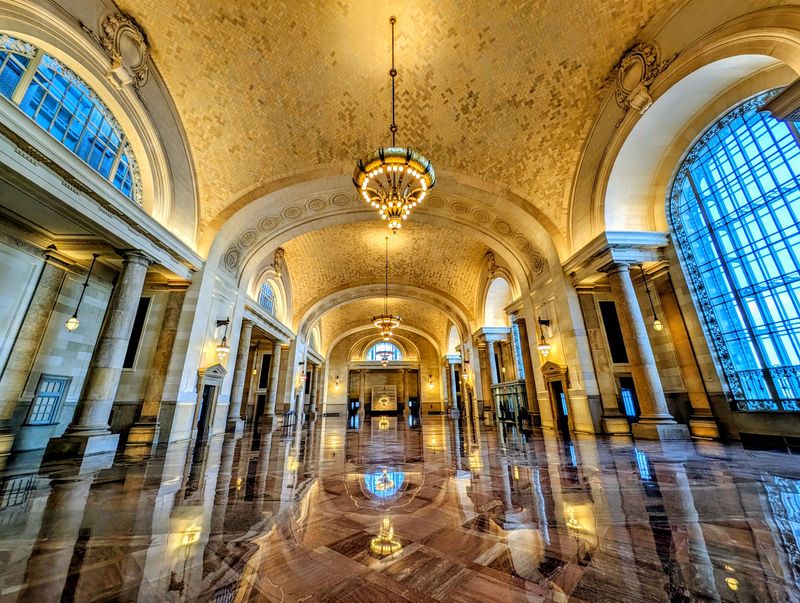
Nothing quite prepares you for the moment you walk into the Grand Hall at Michigan Central. Your eyes shoot straight up to a breathtaking 54-foot Guastavino tile vaulted ceiling, a defining feature that restoration crews worked painstakingly to preserve and repair.
Of the roughly 29,000 ceiling tiles addressed during the restoration, all but about 1,300 are original, a remarkable preservation achievement that required miles of fresh grout and countless hours of careful handiwork. Marble floors gleam underfoot, reflecting light from elegant bronze chandeliers that hang in perfect symmetry.
The space was originally designed to make every arriving and departing passenger feel like they were part of something ceremonial, and it still delivers that feeling today with full force. Free self-guided access to the Grand Hall and Arcade is available daily from 8 a.m. to 5 p.m., so you can take your time soaking in every intricate detail.
And trust me, you will want every single minute of that time.
An Innovation Hub Unlike Any Other
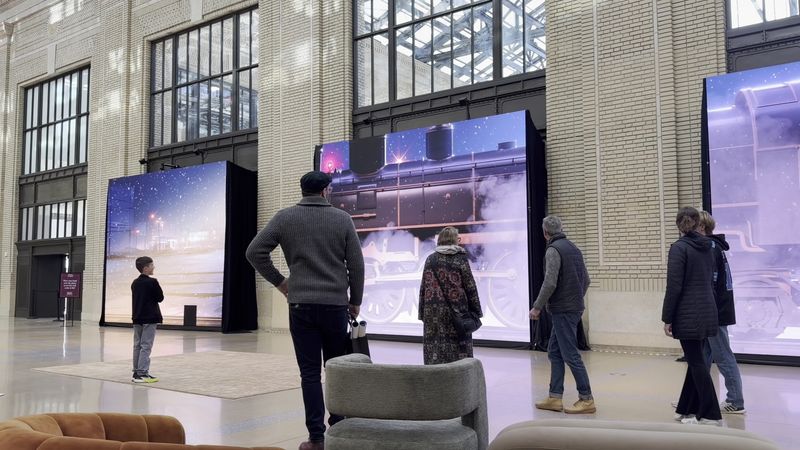
Beyond the marble and the vaulted ceilings, Michigan Central hums with a very different kind of energy, the kind that comes from engineers, entrepreneurs, and forward-thinkers working to reshape how people and goods move through cities. The 30-acre campus is a living laboratory for mobility innovation, and it is genuinely unlike anything else in the country.
Key anchor facilities include Newlab at Michigan Central, a cutting-edge tech incubator housed in the former Detroit Public School Book Depository, and The Factory, a space now home to Ford Pro that focuses on practical transportation solutions. The campus actively brings together established corporations, startups, universities, and community organizations under one ambitious roof.
Google has partnered with the district to offer its Code Next program, providing free coding education to Michigan high schoolers and underscoring the campus’s commitment to community benefit alongside technological advancement. This is not just a corporate campus with a pretty facade; it is a place where the next chapter of urban mobility is being actively written, one collaboration at a time.
Roosevelt Park and the Greenway Beyond the Doors
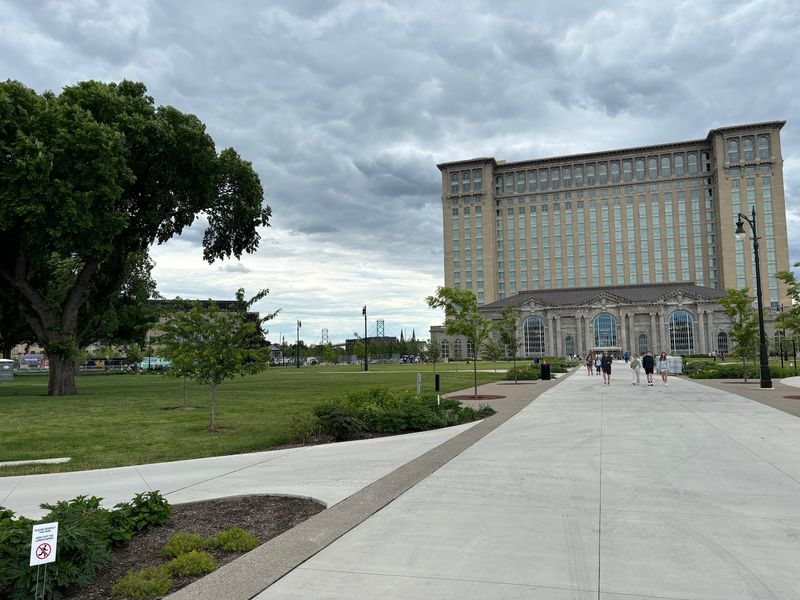
The experience at Michigan Central does not begin the moment you step inside; it starts the second you set eyes on Roosevelt Park, the beautifully renovated green space that stretches out directly in front of the station. This expansive City of Detroit park serves as a grand, welcoming entryway, offering some of the best vantage points for appreciating the station’s full architectural scale.
A thoughtful redesign unified the park into a single coherent parcel, creating a green bridge between the historically rich Corktown and Mexicantown neighborhoods. It is a genuine community gathering space, hosting festivals, seasonal events, and everyday moments of quiet enjoyment.
Behind the station, the Southwest Greenway Bagley Trailhead connects pedestrians and cyclists directly to the Detroit Riverfront and the upcoming Centennial Park, extending the adventure well beyond the campus itself. The entire landscape has been developed with sustainability in mind, incorporating green infrastructure into both the buildings and the grounds.
Arriving at Michigan Central through Roosevelt Park feels less like approaching a building and more like entering a conversation about what Detroit is becoming.
Coffee, Shops, and Small Delights Inside the Arcade
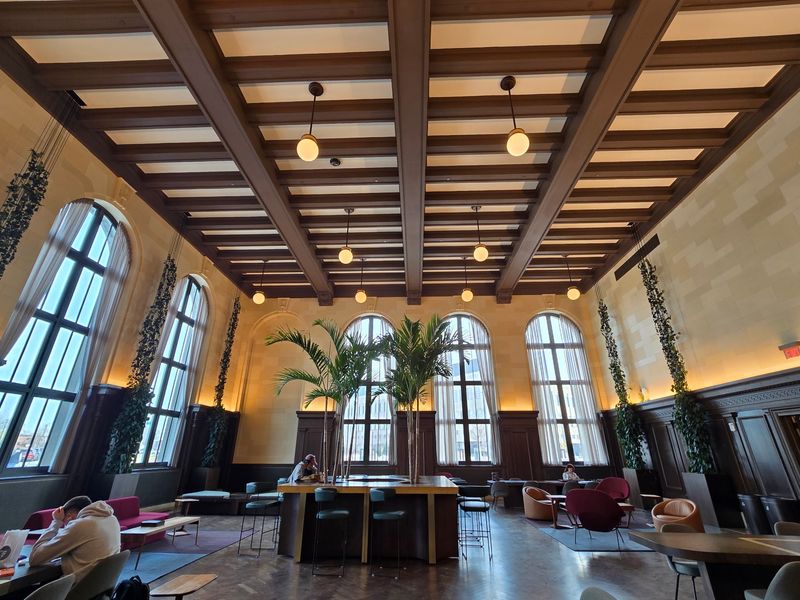
History and a good cup of coffee are a surprisingly excellent pairing, and Michigan Central figured that out early. Yellow Light Coffee and Donuts is tucked into the historic retail arcade near the East Entrance, serving freshly brewed coffee and made-to-order donuts that hit the spot whether you are starting your visit or wrapping it up.
Right alongside it, Neighbor x Folk offers a curated selection of modern sundries, the kind of thoughtfully chosen goods that make for genuinely interesting browsing. For official mementos, The Shop at Michigan Central, housed in the beautifully reimagined historic ticket office, stocks a selection of merchandise that captures the spirit of the district.
The Study Bar is also worth noting, typically open Friday through Sunday, offering a quieter spot to sit and reflect. All of these spaces are cashless, so come prepared with a card.
The integration of local businesses into such an iconic historic setting is a deliberate choice, one that reinforces Michigan Central’s role as a community anchor rather than just a tourist attraction.
Practical Tips for Planning Your Visit
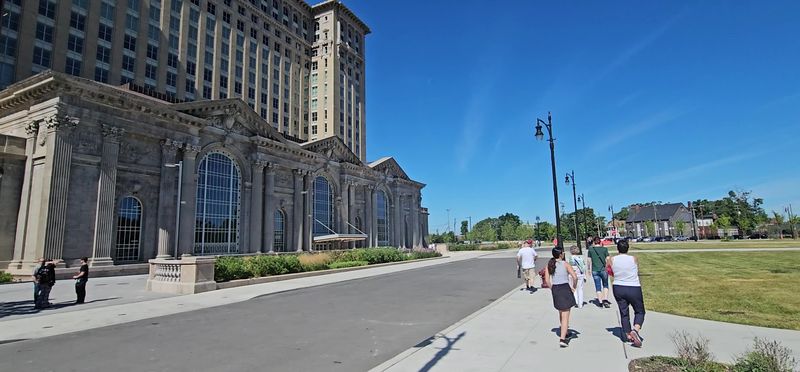
Michigan Central is open to the public Monday through Sunday from 8 a.m. to 5 p.m., with extended hours during the warmer months on Friday evenings from 5 p.m. to 9 p.m. and Saturdays from 10 a.m. to 5 p.m. as part of the Summer at The Station program. Always check the official website at michigancentral.com before visiting, since special events occasionally affect public access hours.
Parking is available at the Bagley Mobility Hub at 1501 Wabash Street, Detroit, MI 48216, with a standard flat rate of $5. During certain special events, free parking is offered as a bonus perk worth watching for.
Accessibility is well considered throughout the campus. An ADA drop-off point is available at the East entrance triangle off 15th Street, and all guest entrances and restrooms are ADA accessible.
City buses serve Michigan Avenue with stops nearby, and ride-sharing services drop off conveniently at the front. Personal photography is warmly encouraged, though professional equipment like tripods typically requires prior approval from the venue.
The Historic MICHELIN Ceremony Coming in 2027
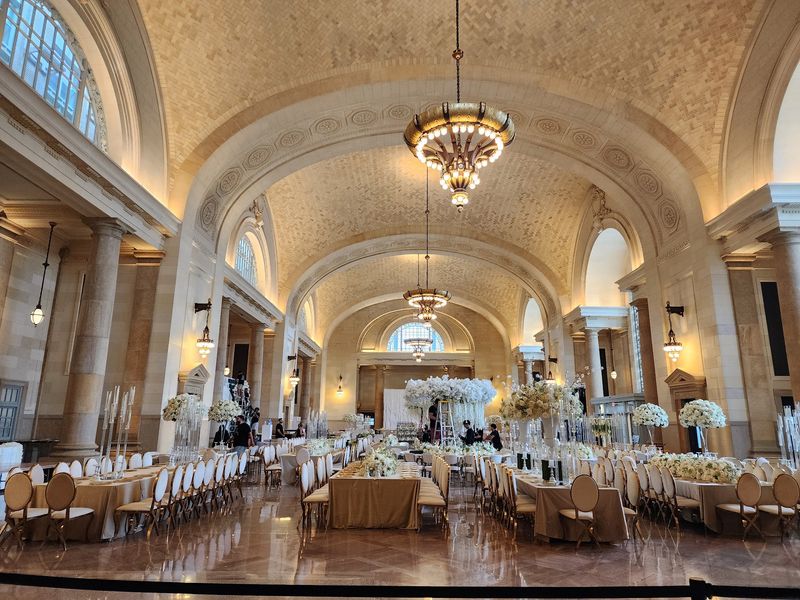
On April 21, 2027, Michigan Central will make culinary history as the venue for the inaugural MICHELIN Guide American Great Lakes Ceremony. For the first time ever, MICHELIN inspectors will formally recognize restaurants from across the Great Lakes region, including cities like Detroit, Cleveland, Cincinnati, Indianapolis, Milwaukee, Minneapolis, and Pittsburgh.
Chefs and restaurateurs from all of these vibrant food cities will gather in the Grand Hall, waiting to learn whether their kitchens have earned a coveted MICHELIN Star, a Bib Gourmand for quality at accessible prices, or a Green Star for outstanding sustainable practices. MICHELIN itself described Detroit as the perfect fit to host this inaugural event, a nod to the city’s culinary momentum and its unmistakable spirit of reinvention.
The ceremony is an invitation-only affair, but its ripple effects will be felt across the entire region, driving new interest in Great Lakes dining and shining an international spotlight on a part of America that has long deserved this kind of recognition. The Grand Hall will never look more spectacular than on that night.
Detroit’s Culinary Scene Steps into the Global Spotlight
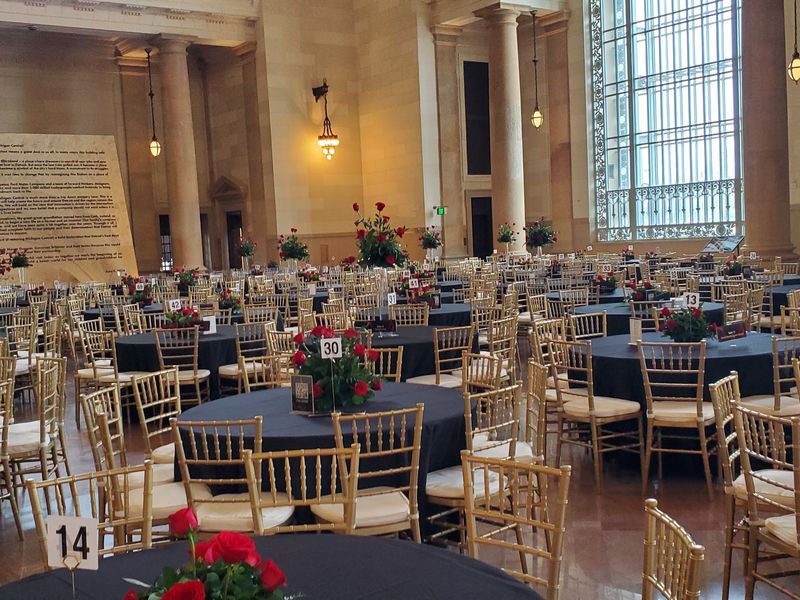
The MICHELIN announcement has done more than schedule an awards night; it has formally declared that Detroit’s culinary scene is ready for the global stage. The city’s food culture has been quietly building for years, driven by chefs who mix Midwestern ingredients with bold, creative technique and a distinctly Detroit sense of pride.
The Corktown neighborhood surrounding Michigan Central is a great place to start exploring that scene. Slows Bar BQ has anchored the area since 2005, earning a devoted following for its slow-smoked barbecue.
The Mercury Burger and Bar offers a laid-back spot for classic comfort food, while Grandma Bobs serves Detroit-style pizza with vegan and gluten-free options available.
Venture a little further and the options multiply quickly, from regional pizza spots in Southwest Detroit to nationally recognized cocktail bars that have put the city on the map for serious food travelers. The MICHELIN ceremony at Michigan Central is not just a celebration of what Detroit has; it is a promise of what is still coming, and the city is very much ready to deliver.
A Landmark That Belongs to Everyone
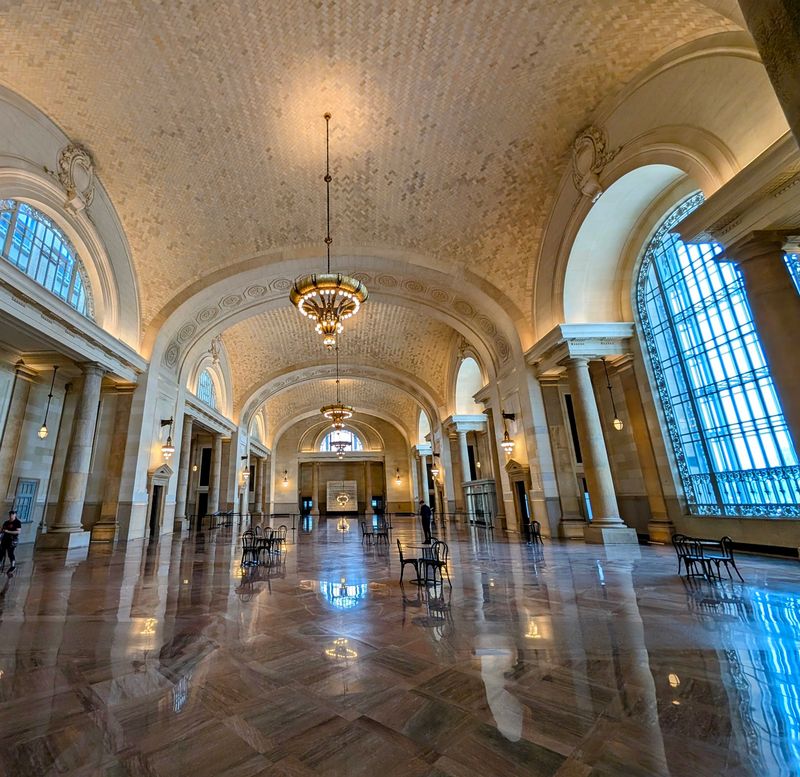
What makes Michigan Central truly special is not just the architecture or the innovation campus or the upcoming MICHELIN moment. It is the deliberate, consistent effort to make this place belong to everyone.
Free admission to the Grand Hall and Arcade ensures that the building’s beauty is not gated behind a ticket price, which matters deeply in a city with Detroit’s history.
Since redevelopment began in 2018, more than 50 renovation and new construction projects have been completed in the surrounding Corktown and Southwest Detroit communities, creating a positive ripple effect that extends well beyond the station’s walls. Community input shaped the redesign of Roosevelt Park, and plans to connect the campus to Detroit’s Joe Louis Greenway will link dozens of neighborhoods to the district.
From Candlelight concerts in the Grand Hall to family-friendly Doodle Days and workforce development programs for local high schoolers, Michigan Central keeps finding new ways to invite the community in. This is a building that has been given a second chance, and it is spending that chance generously.
Share this story