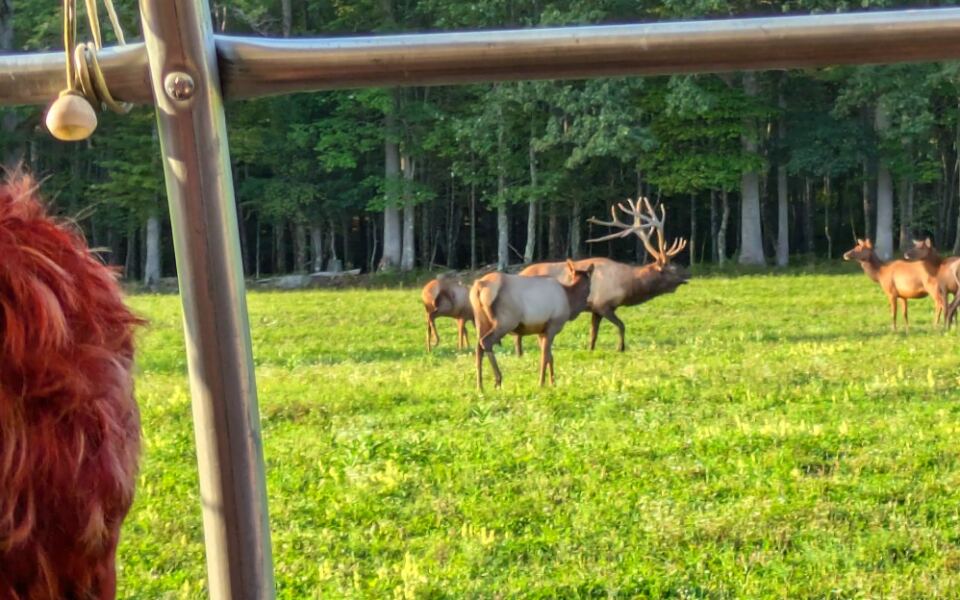
In north-central Pennsylvania, a sprawling 217,000-acre forest provides a wild home for the largest free-roaming elk herd in the northeastern United States. Visitors can hear bull elk bugling across misty valleys, explore quiet trails, and watch wildlife from designated viewing areas.
Once heavily logged, the forest has made a remarkable recovery and now offers some of Pennsylvania’s most memorable outdoor experiences. Elk watching, hiking, camping, and dark-sky stargazing make this peaceful corner of the Pennsylvania Wilds well worth exploring.
Where Exactly This Forest Lives and How to Find It
Elk State Forest sprawls across Elk and Cameron counties in north-central Pennsylvania, with smaller sections reaching into Potter and McKean counties. The district office sits at 258 Sizerville Road, Emporium, PA 15834, and serves as a practical starting point for planning your visit.
The forest covers approximately 217,000 acres, making it one of the largest state forests in Pennsylvania. It is part of the Pennsylvania Wilds region, a broad swath of wild land in the northern part of the state where development thins out and nature takes over in a serious way.
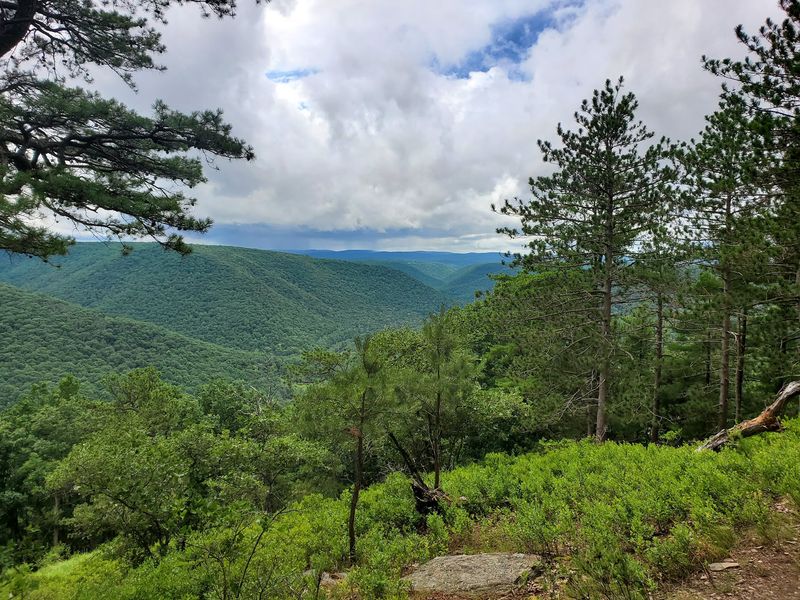
The terrain here is dramatic. Deep river valleys carve through the landscape, steep sidehills rise sharply from the valley floors, and hardwood-covered ridgetops offer long, sweeping views that genuinely stop you in your tracks.
The forest is made up primarily of northern hardwoods and mixed oak, with black cherry, sugar maple, birch, and beech filling in the canopy.
The Remarkable Story Behind How Elk Returned to Pennsylvania
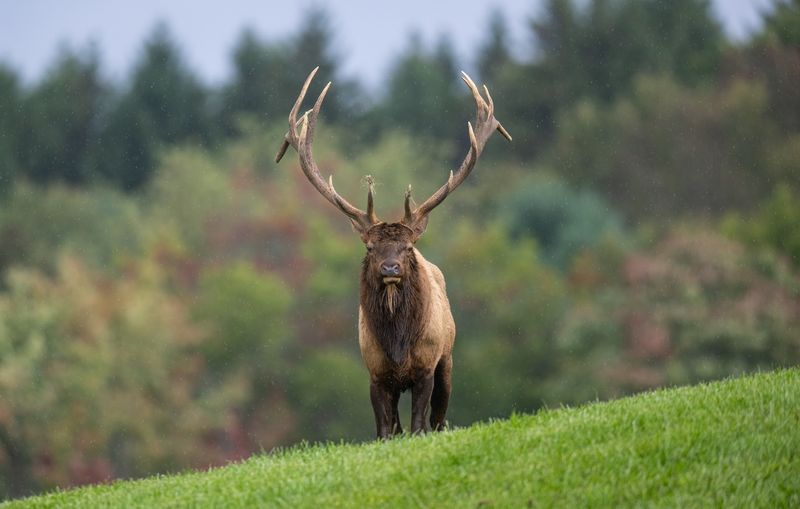
By the mid-1800s, elk had completely vanished from Pennsylvania. Unregulated hunting and widespread habitat destruction had wiped out a species that once roamed freely across the entire state.
For decades, the forests were silent in a way that felt permanent.
Then, in 1913, wildlife managers made a bold move. They transported 177 Rocky Mountain Elk from western states, including animals from the Yellowstone National Park region, and released them into north-central Pennsylvania.
It was an ambitious gamble, and it worked beyond anyone’s reasonable expectations.
Today, the herd numbers well over 1,000 animals, with some estimates placing the population closer to 1,400. The Pennsylvania Game Commission manages the herd carefully, maintaining open grassy areas and using controlled timber harvesting to create diverse browse habitat that keeps the elk healthy and well-fed year-round.
This comeback story is one of the most successful wildlife recovery efforts in the entire eastern United States, and it started right here.
Fall Rut Season and Why September Changes Everything
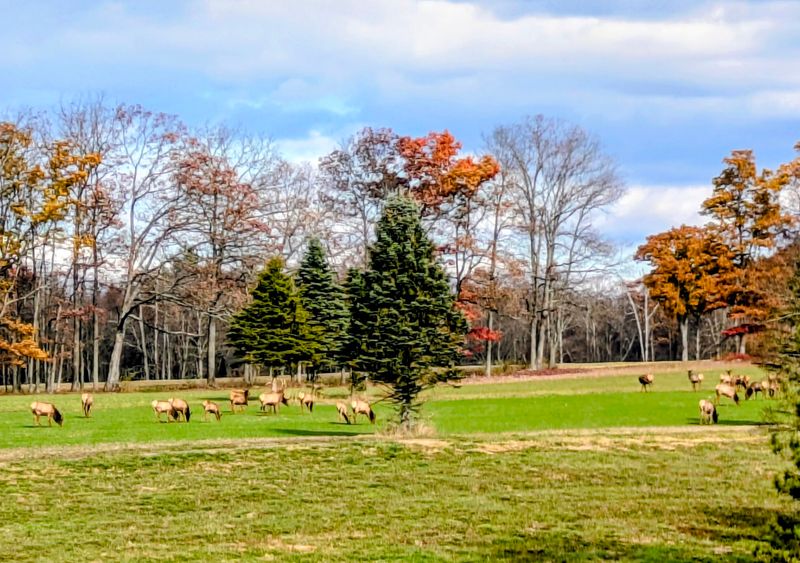
Nothing in the forest calendar compares to September and October in Elk State Forest. This is when the rut, the elk mating season, turns the landscape into something that feels genuinely primal.
Bull elk bugle to attract mates, and that sound carries for miles through the valley air.
During the rut, dominant bulls gather harems of 15 to 20 cows and defend them aggressively. Sparring battles between competing bulls are not unusual to witness from a safe viewing distance, and the energy in the meadows is electric in a way that photographs simply cannot capture.
Dawn and dusk are the magic windows. Arriving before sunrise at one of the designated viewing areas gives you the best chance of watching bulls move through the meadows while the mist is still low on the ground.
Dress in layers, keep your voice down, and bring binoculars or a zoom lens, because the experience rewards patience in the most spectacular ways imaginable.
The Elk Country Visitor Center at Winslow Hill Road
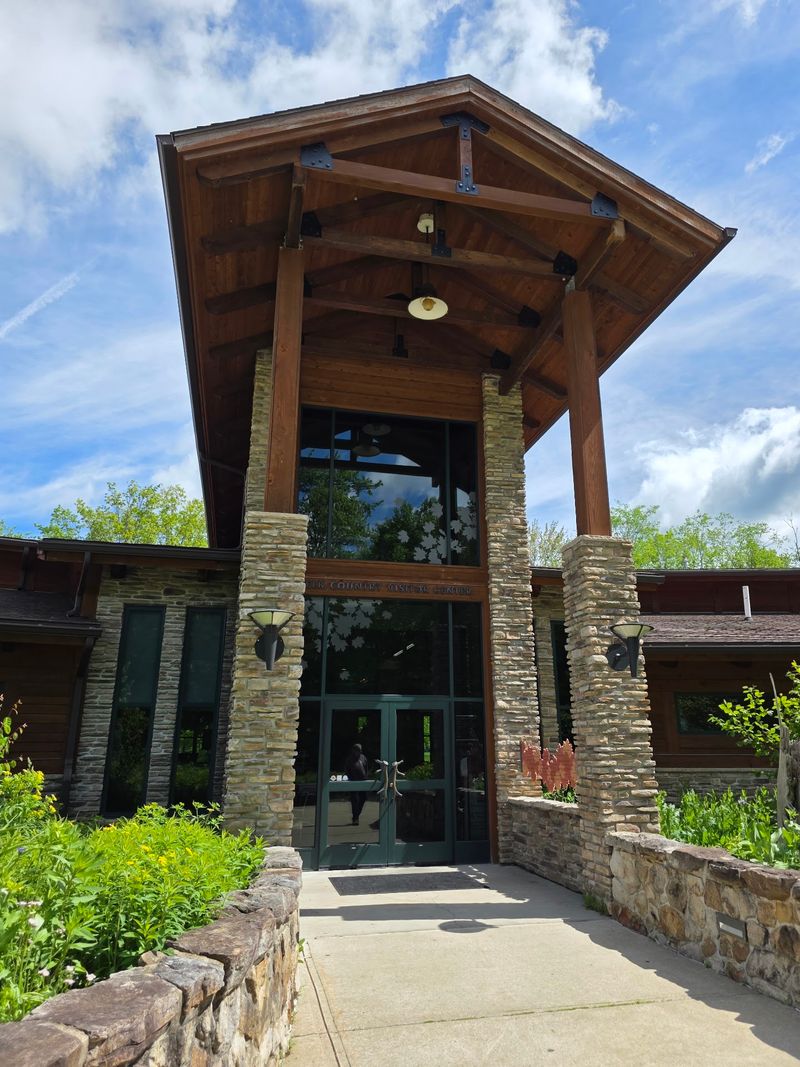
The Elk Country Visitor Center at 950 Winslow Hill Road in Benezette is the best place to begin any serious elk-watching trip. This 245-acre facility was built as a partnership between the Pennsylvania Department of Conservation and Natural Resources and the Keystone Elk Country Alliance.
Inside, you will find detailed interpretive exhibits explaining the history of the elk herd, the biology of the animals, and the conservation efforts that brought them back from local extinction. A 4D theater adds a genuinely immersive layer to the experience, and a gift shop lets you take a piece of elk country home.
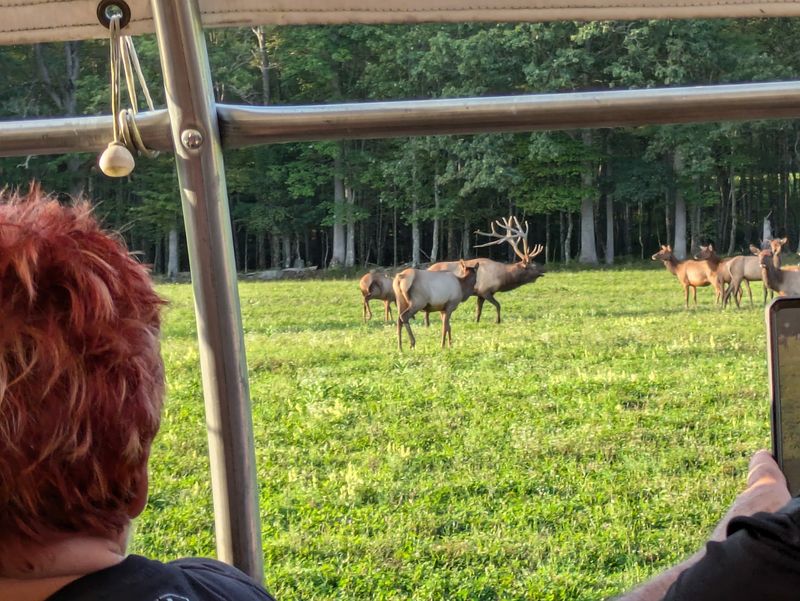
Outside, wildlife trails and viewing blinds are positioned to give visitors close looks at elk without disturbing them. Guided covered wagon tours are available and offer a relaxed, comfortable way to move through the landscape while a knowledgeable guide points out wildlife and explains the forest ecosystem.
It is a polished facility that never feels overdone or touristy, which is a rare balance to strike.
Winslow Hill Elk Viewing Area and What Makes It Special
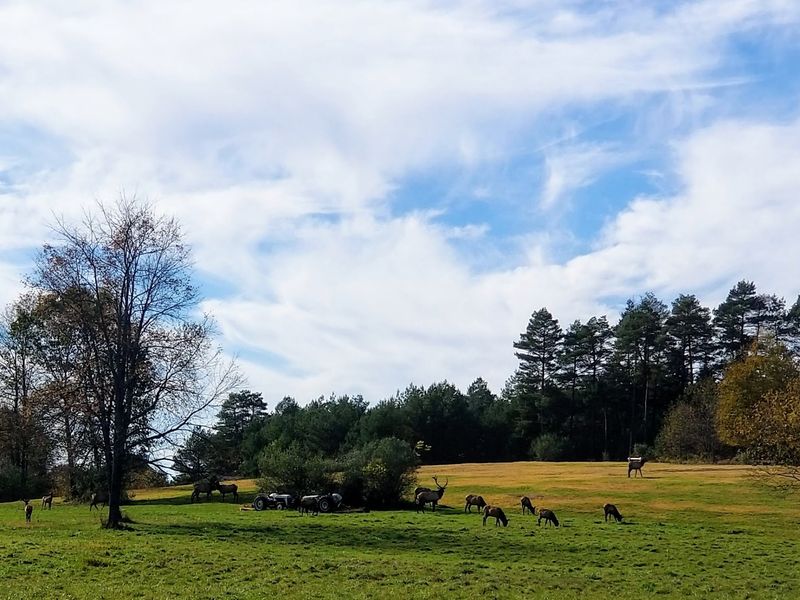
The Winslow Hill Elk Viewing Area in Benezette is the most popular single spot in the entire forest for watching elk, and the reputation is completely earned. Large open meadows stretch out below the viewing area, and elk move through them with a casual confidence that suggests they have long since made peace with human observers keeping a respectful distance.
Off-road parking, a covered pavilion, and portable toilet facilities make this spot accessible and practical even for families with young children or visitors who are not up for a long hike. You can set up a folding chair, pour coffee from a thermos, and simply watch the meadow come alive as the light changes.
During peak rut season, the area fills up quickly, so arriving well before sunrise is genuinely important if you want a good position. Cell service is spotty throughout much of the forest, so download any maps you need before leaving the main road, and keep your gas tank full since stations are sparse in this region.
Hicks Run, Dents Run, and Woodring Farm Viewing Spots
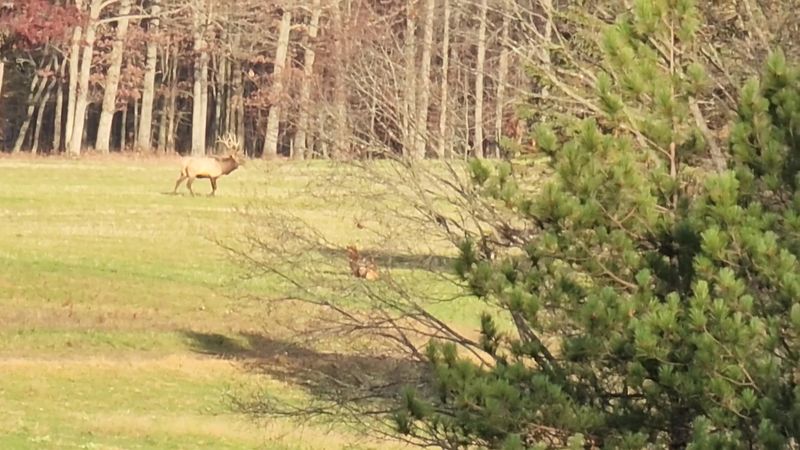
Beyond Winslow Hill, the forest offers several other well-developed elk viewing locations that are worth building into your itinerary. Each one has a distinct character and a slightly different vantage point into the landscape.
The Hicks Run Viewing Area, found along Route 555 near Benezette, features a handicap-accessible covered observation blind that overlooks high-quality elk forage. The setup is thoughtful and makes elk watching genuinely inclusive for visitors with mobility limitations.
The Dents Run Elk Viewing Area provides a scenic overlook with accessible facilities and educational exhibits that add context to what you are seeing in the field.
Woodring Farm takes a different approach entirely. An interpretive three-quarter-mile hiking trail winds through the property, with educational exhibits and local artwork placed along the route.
It turns a wildlife walk into something closer to an outdoor gallery experience. Each of these spots tends to be quieter than Winslow Hill, which means you often get a more private and unhurried encounter with the elk and the surrounding forest.
The 127-Mile Elk Scenic Drive Through Five Counties
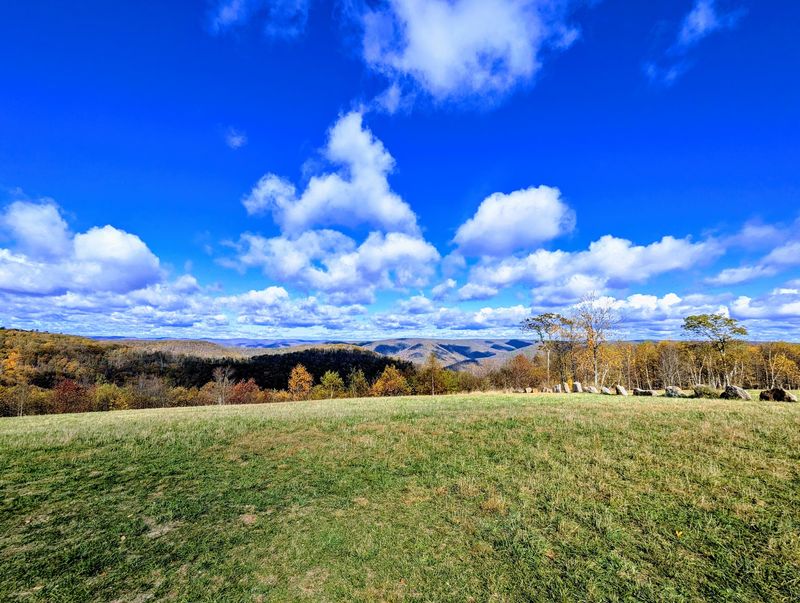
For visitors who prefer exploring by car, the Elk Scenic Drive is a 127-mile loop that threads through five counties, three state forests, three state game lands, and four state parks. With 23 designated stops along the route, it functions as a self-guided tour of the entire elk country region.
The drive takes most people a full day to complete comfortably, though rushing through it would genuinely be a mistake. Each stop offers something different, whether that is a long ridgeline view, a streamside pull-off, or a meadow that just happens to have a dozen elk standing in it at exactly the right moment.
Autumn is the obvious peak season for this drive, when the hardwood canopy turns every shade of orange, red, and yellow against a backdrop of deep green conifers. That said, spring brings its own rewards, with new antler growth beginning on the bulls in early April and wildflowers appearing along the forest floor in ways that feel almost theatrical in their timing.
Trails, Backpacking, and Getting Properly Lost in a Good Way
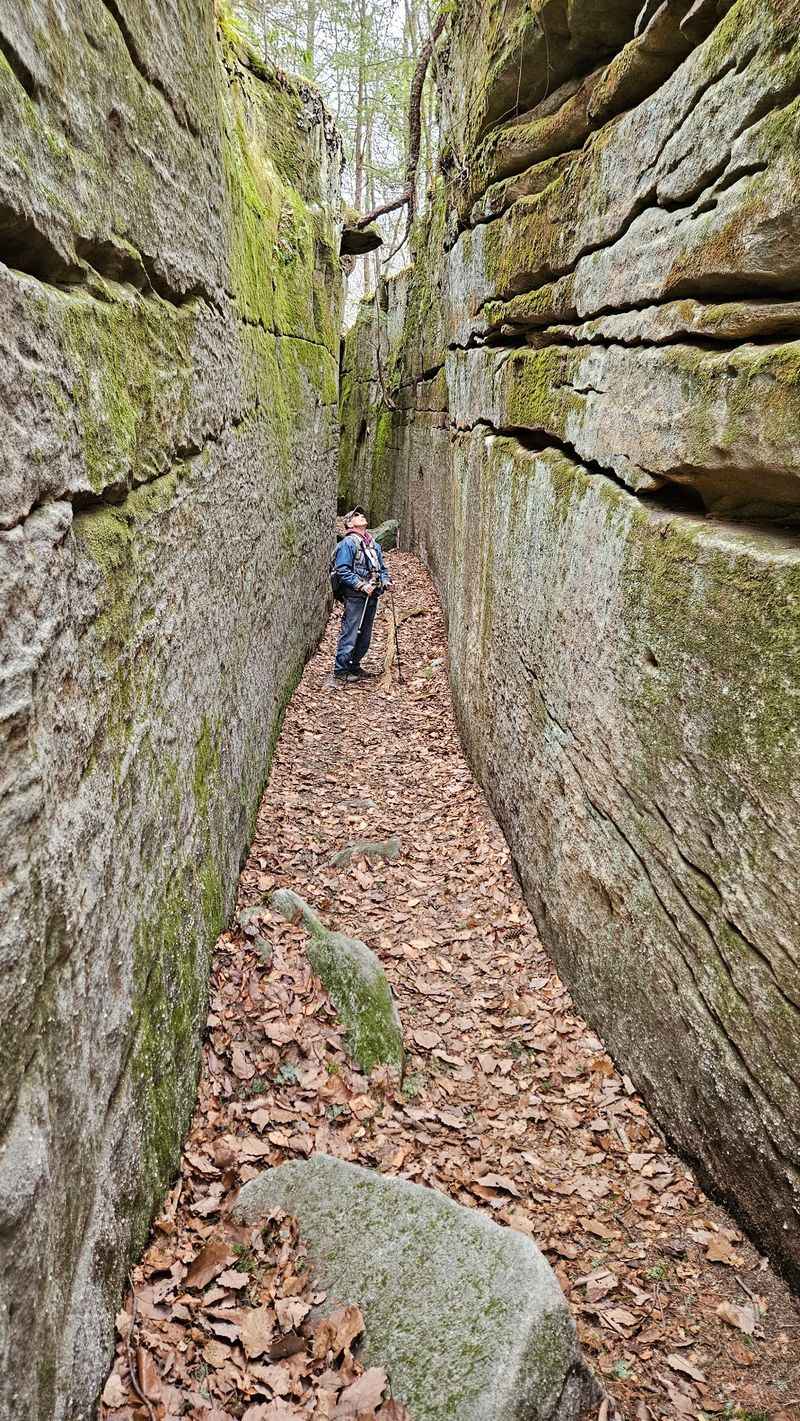
The trail system inside Elk State Forest is extensive enough to keep serious hikers busy across multiple visits. Seventeen named hiking trails cover a wide range of terrain and difficulty levels, with the Quehanna Trail standing out as the flagship route for backpackers willing to commit to a multi-day adventure.
The Fred Woods Trail, Pine Tree Trail, and Elk Trail each offer their own distinct character, moving through different forest types and elevation profiles. Horseback riders have access to 53 miles of dedicated trails, including the Thunder Mountain Equestrian Trail, while cross-country skiers can follow 23 miles of groomed routes when winter settles in.
Primitive backpack camping is permitted throughout most of the forest without a permit for single-night stays, provided you follow the distance rules from roads, trails, and streams. Designated campsites at Hicks Run, Dark Hollow, and Gaswell require reservations.
Campfires are prohibited from March 1 through May 25 during spring wildfire season, so check the current regulations before packing your fire kit.
The Quehanna Wild Area and Old-Growth Forest Treasures
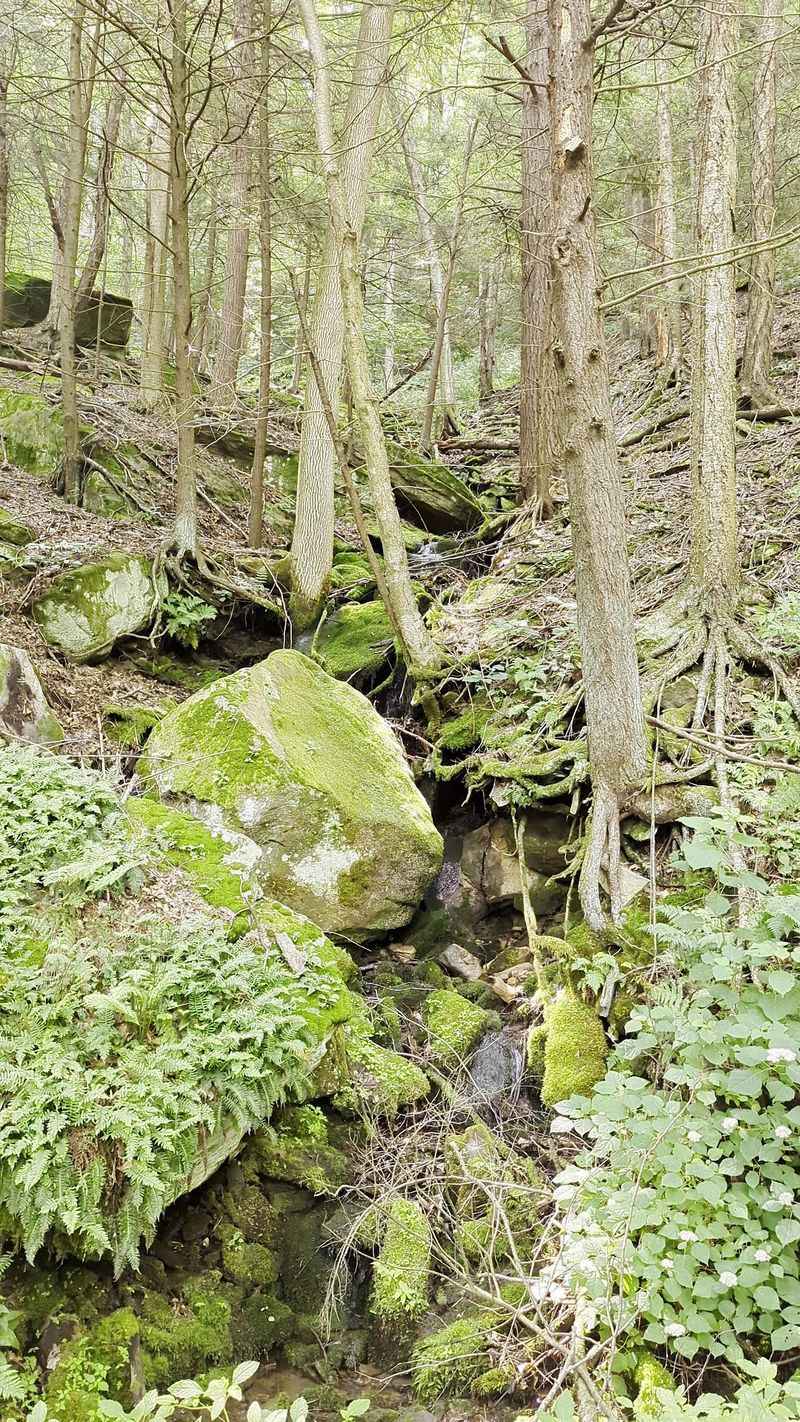
Tucked inside Elk State Forest is the Quehanna Wild Area, a 50,000-acre designated wilderness that represents some of the most remote and least-disturbed land in the entire state. There are no developed facilities here, no maintained roads in winter, and no cell service to fall back on.
That is exactly the point.
The Square Timber Wild Area adds another 5,615 acres of protected forest to the mix, and in 2024 it was inducted into the Old Growth Forest Network, recognizing it as a genuinely rare example of mature eastern forest that has been allowed to develop on its own terms over many decades.
Walking through either of these areas feels fundamentally different from a standard trail hike. The trees are larger, the understory is denser, and the sounds of the forest carry a weight that more trafficked areas simply do not have.
Black bears, white-tailed deer, wild turkeys, and various raptors are all regular residents, and encountering any of them in this kind of setting is a reminder of how wild Pennsylvania can still be.
The Forest’s History From Clear-Cut Land to Conservation Success
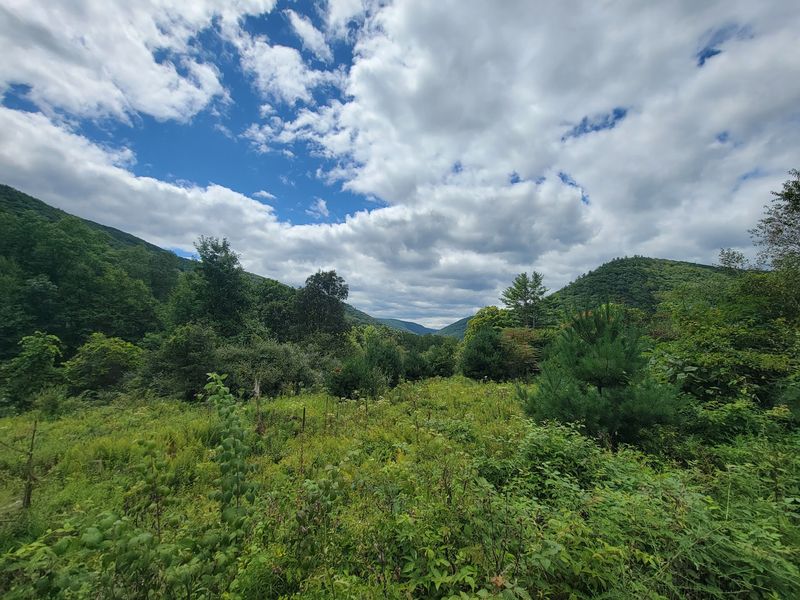
The forest you walk through today looks nothing like what was here a hundred years ago. By the early 1900s, logging companies had stripped most of north-central Pennsylvania down to bare hillsides, and the land was sold off cheaply because nobody thought it had any remaining value.
The state stepped in and began purchasing those worn-out tracts to rebuild what had been lost.
From 1933 to 1941, Civilian Conservation Corps camps played a central role in the recovery. CCC workers built roads, trails, and bridges throughout the forest, fought wildfires, and planted conifers across thousands of acres of eroded hillside.
Their work created the physical infrastructure that still shapes how visitors move through the forest today.
Organizations like the Western Pennsylvania Conservancy continue adding forestland to Elk State Forest through active acquisitions, slowly expanding the protected area and strengthening the wildlife corridors that the elk and other animals depend on. The forest is named, appropriately, for the very animals whose story mirrors its own, both nearly gone, both remarkably recovered.
Dark Skies, Wildlife Beyond Elk, and Sensory Surprises
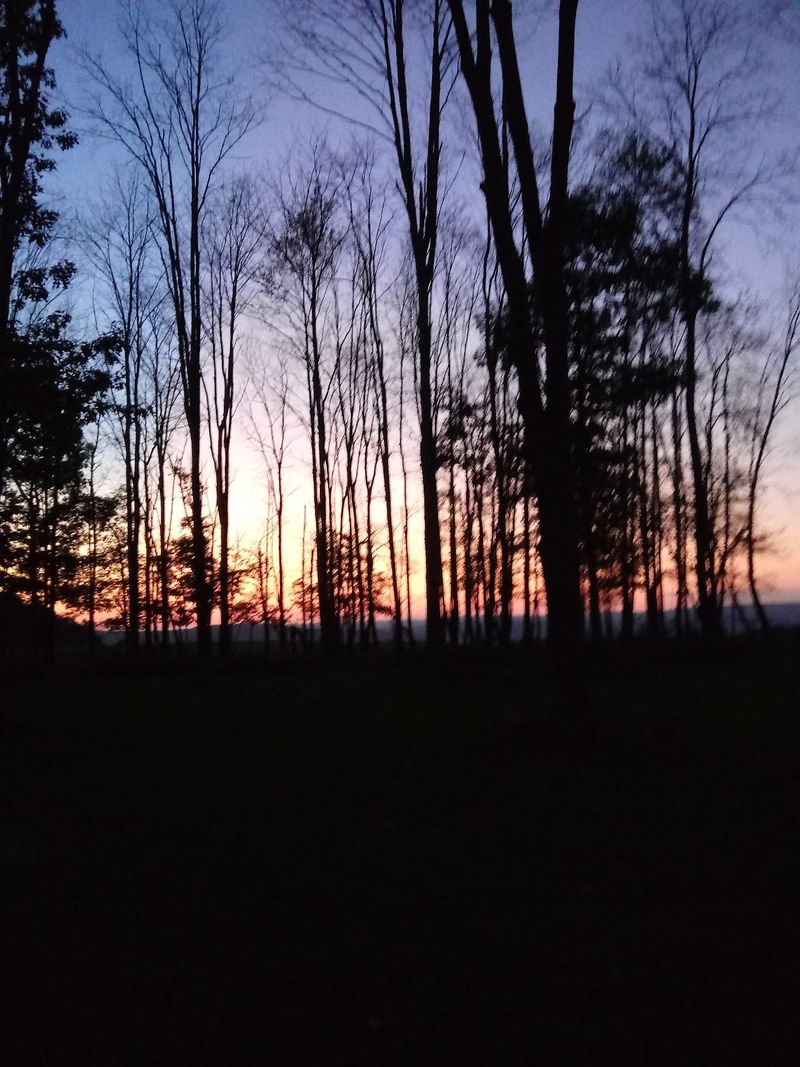
Most people come for the elk, but the forest has a way of offering unexpected bonuses that end up becoming the stories you tell afterward. The dark sky situation here is genuinely impressive.
With minimal light pollution across hundreds of thousands of acres, the night sky above Elk State Forest puts on a display that suburban and urban visitors rarely experience anymore.
Wildlife beyond elk includes black bears, white-tailed deer, wild turkeys, and various raptors that patrol the ridgelines. One visitor’s camping trip produced a bear sighting with two cubs, which tends to reorder your priorities in a memorable way.
The forest rewards those who slow down and pay attention to what is moving at the edges.
Fishing and hunting are both permitted within the forest under state regulations, adding to the range of reasons people return season after season. Mountain biking, picnicking, and accessible recreation options round out the activity list, making this a destination that genuinely works for a wide range of visitors with very different ideas of what a good day outdoors looks like.
Practical Tips for Visiting and Getting the Most From Your Trip
A few practical notes can make the difference between a frustrating trip and one you will want to repeat every fall. Gas stations are genuinely scarce in this part of Pennsylvania, so fill your tank before heading into the forest.
Cell service is spotty throughout much of the area, which means downloading offline maps in advance is not optional, it is necessary.
Binoculars and a zoom lens are essential for elk watching. Getting too close to the animals, especially to bull elk during the rut, is dangerous and disrupts their behavior.
The Pennsylvania Game Commission recommends maintaining a safe distance at all times, and the viewing areas are designed to make that easy without sacrificing the experience.
Wear sturdy footwear, dress in layers regardless of the season, and pack out everything you bring in. State forest roads do not receive winter maintenance and are not plowed, so check road conditions before any off-season visit.
Nearby attractions like Kinzua Bridge State Park and Sinnemahoning State Park make it easy to build a longer trip around this region of Pennsylvania.
Share this story