Tucked behind one of the busiest tourist strips in Tennessee sits a hillside campus that most passersby never notice, even though people drive in from other states, and fly in from other countries, just to spend days learning a craft there. Quilters, woodturners, glass artists, and painters check into dorms, share meals, and spend long days in well-equipped studios with teachers who travel in from around the world.
It began generations ago as a way to teach mountain children and keep local handwork alive, and today it draws students who return year after year. Here is a closer look at the place, how it works, and what to know before signing up.
A Craft School Hiding in Plain Sight
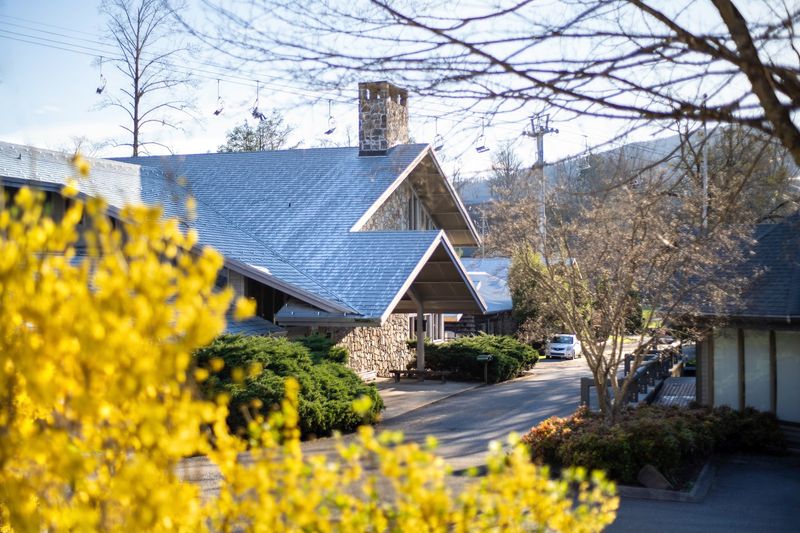
Thousands of people cruise through Gatlinburg every week and pass right by one of the most respected craft schools in the country without a second glance.
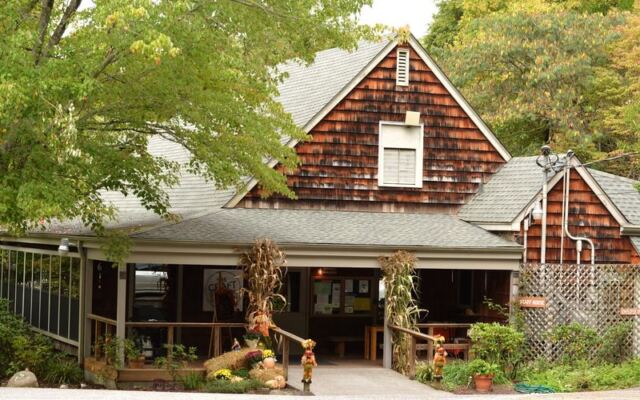
Arrowmont School of Arts and Crafts sits at 150 Baskins Creek Bypass, Gatlinburg, TN 37738, tucked just off the busy tourist strip in the foothills of the Great Smoky Mountains. It is an art school first, with a campus built for hands-on classes, gallery exhibits, and an art supply shop.
The setup is refreshingly simple. Adults sign up for workshops, move onto campus for several days, and spend their time learning from working artists.
Fiber arts like quilting share the schedule with everything from basketry to woodturning, which explains why people load up the car in other states and make the drive. Some come from much farther than a neighboring state.
Once the gate closes behind them, the souvenir shops and traffic feel like part of another town entirely.
Roots Planted by Pi Beta Phi
Long before glass artists and metalsmiths started booking rooms here, the story began with a mission to teach.
The school traces its roots to the Pi Beta Phi fraternity, which worked to educate children in this mountain community. That effort grew to include developing the crafting skills of local mountain residents, giving traditional handwork a place to be taught and passed along.
Fast forward to today, and the same campus hosts artists known around the world. They share their expertise with students who arrive from across the country and overseas.
Here is a detail that makes Tennessee folks proud. The school still keeps a foot planted in its hometown by offering community-based art classes to local children.
So the original purpose never really left. It simply expanded, stitch by stitch, into a craft center with a reach far beyond the Smokies.
Not bad for a place plenty of locals have never set foot in.
Thirteen Acres on a Gatlinburg Hillside
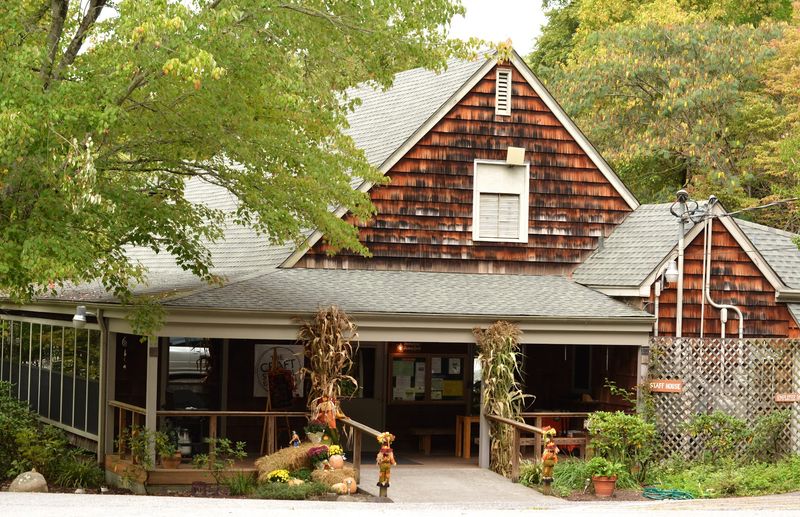
Thirteen-plus acres is a lot of room to hide a school in the middle of a tourist town.
The campus climbs a hillside, so comfortable shoes are a smart packing choice. Getting between studios, dorms, and the dining hall doubles as a daily workout, and nobody seems to mind.
A gated entrance and a green buffer of trees help set the grounds apart from the downtown bustle. The whole place feels secluded, even though the busiest part of Gatlinburg sits just outside.
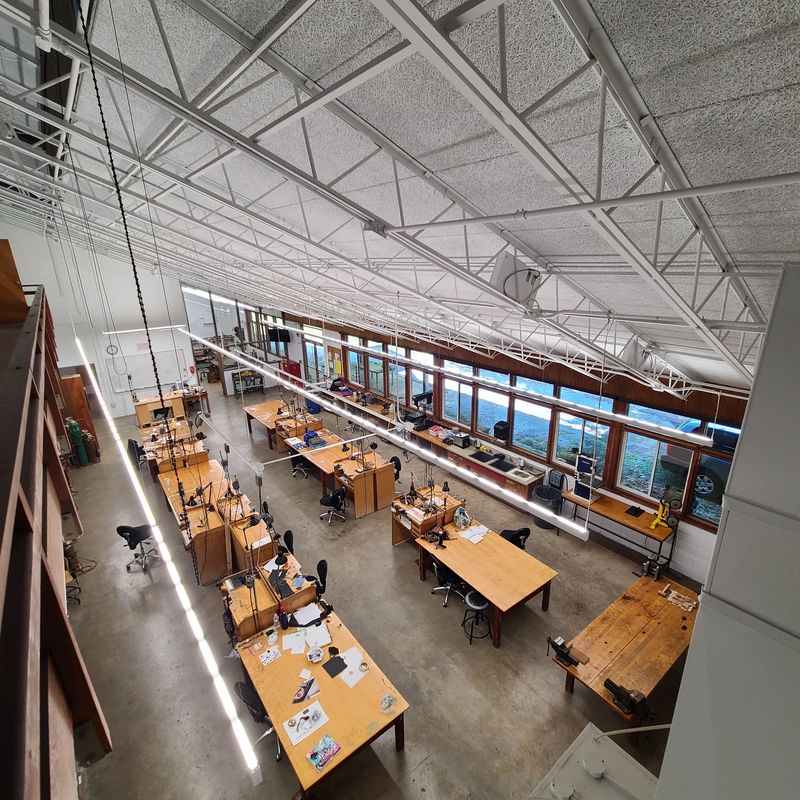
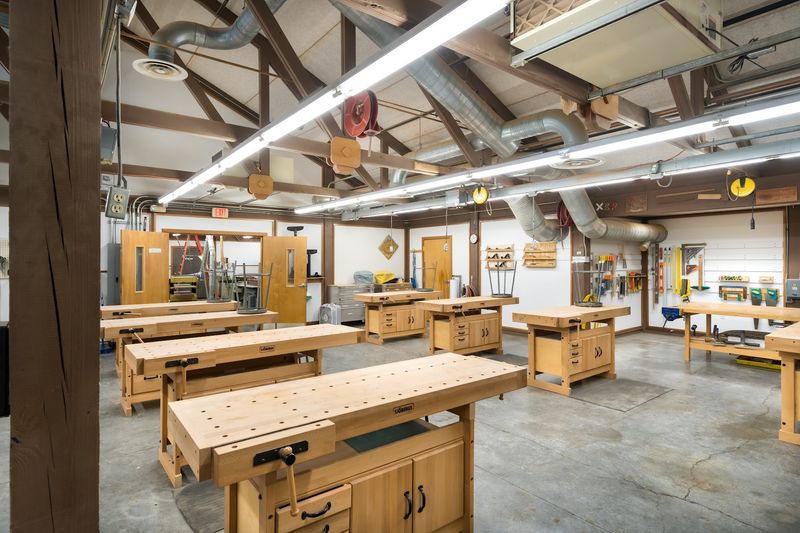
Inside, the buildings are known for light-filled spaces that suit focused work. Studios stay clean, neat, and tidy.
And yes, the neighbors occasionally drop by. A bear once wandered onto campus to scratch its back on a tree, which is about as Smoky Mountains as a campus welcome can get.
The result is a tranquil complex that feels miles away from the crowds, without actually being miles away.
From Quilts to Lathes and Everything Between
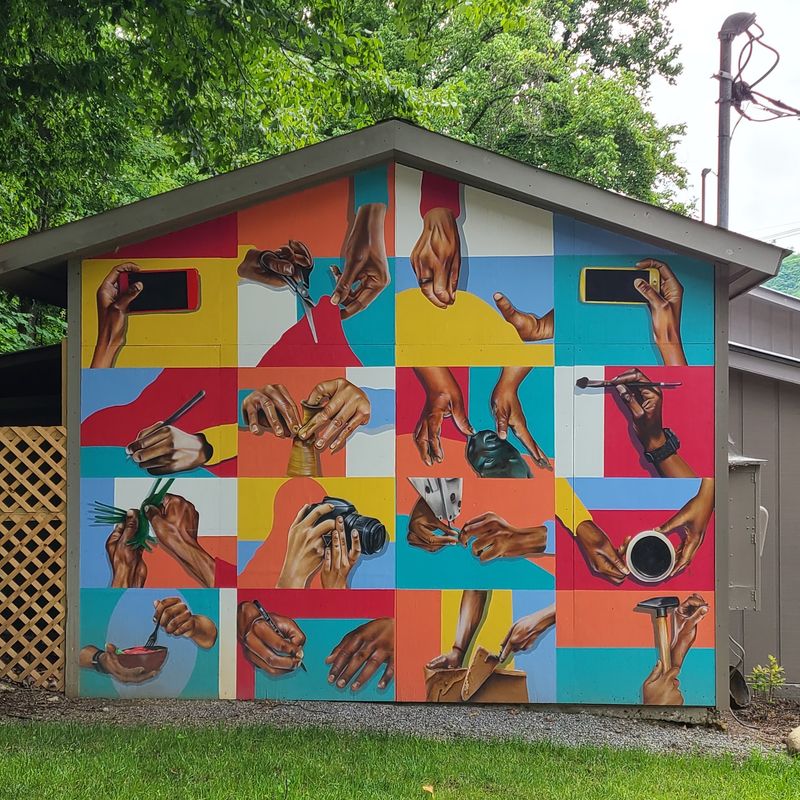
Pick a craft, almost any craft, and there is a decent chance a workshop covers it.
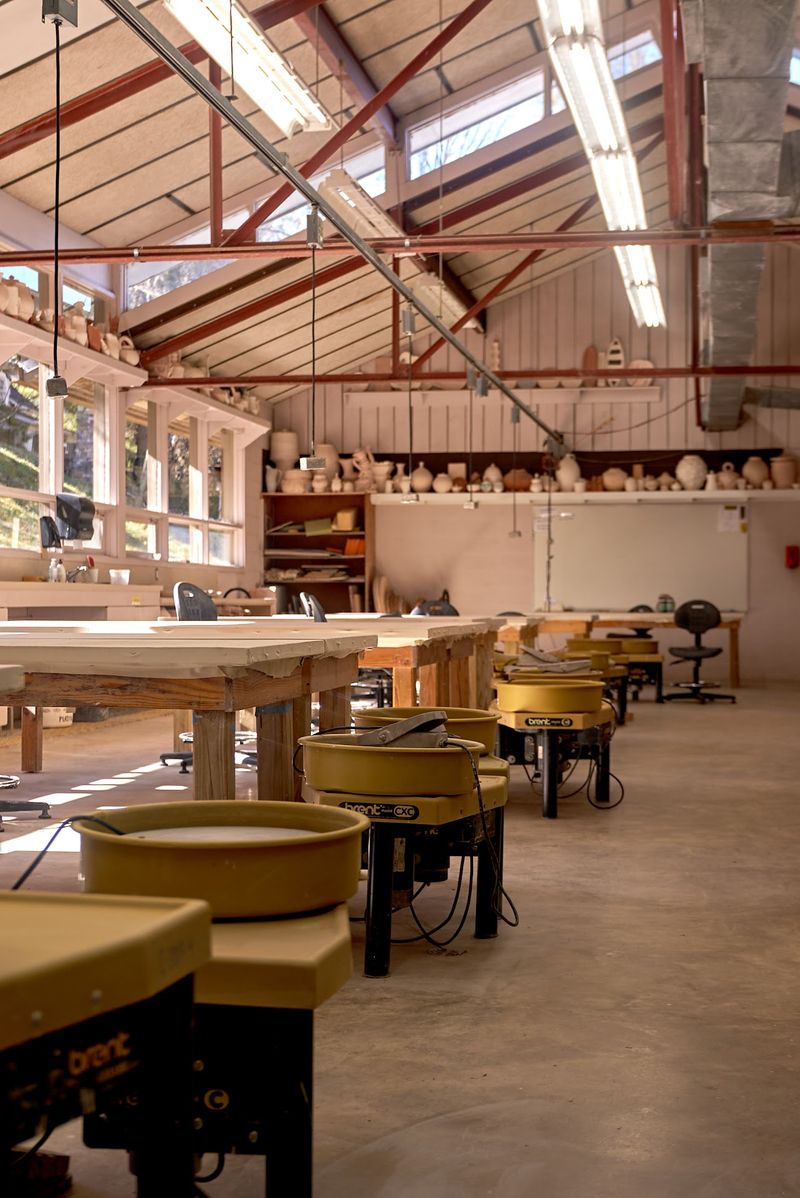
The lineup reaches well past quilting and textiles. Recent classes have included basketry, woodturning, glass, metalsmithing and casting, and oil painting, which gives a sense of how wide the menu runs.
Workshops vary in length. A three-day woodturning session is one option, while other classes stretch across a full week of studio time.
Equipment is a big part of the draw. The woodturning studio is stocked with Robust lathes, a name that makes serious turners perk up, and the machinery across campus is considered world class.
Beginners fit right in alongside experienced makers, since the school welcomes adult artists of all abilities.
Most people leave with far more than the skills printed in the course description. The conversations, the shared studio hours, and the new friendships quietly become part of the lesson plan.
Teachers Who Fly In, Classmates Who Stay Connected
Talent arrives from all directions at this school, and it does not stop with the teachers.
Instructors come from around the country and around the world, and they are known for giving each class their full effort. One oil painting course featured honest critiques, clear demonstrations, handouts, and step-by-step guidance right down to proper brush cleaning.
Teaching here tends to be a treat for the teachers, too. Artists who lead workshops often leave just as happy as their students, with high marks for the staff, the facilities, and the community.
The student side is just as varied. Classmates might include a first-time woodturner, a seasoned painter, or a returning student who has made the trip from India more than once.
That blend has built an inclusive community around craft. People from very different walks of life end up sharing tables, tools, and ideas.
For a mountain town known for tourist traffic, that global creative crowd is worth bragging about.
The Dining Hall Where Phones Go Quiet
Returning students tend to pass along one insider tip before anything else: buy the meal plan.
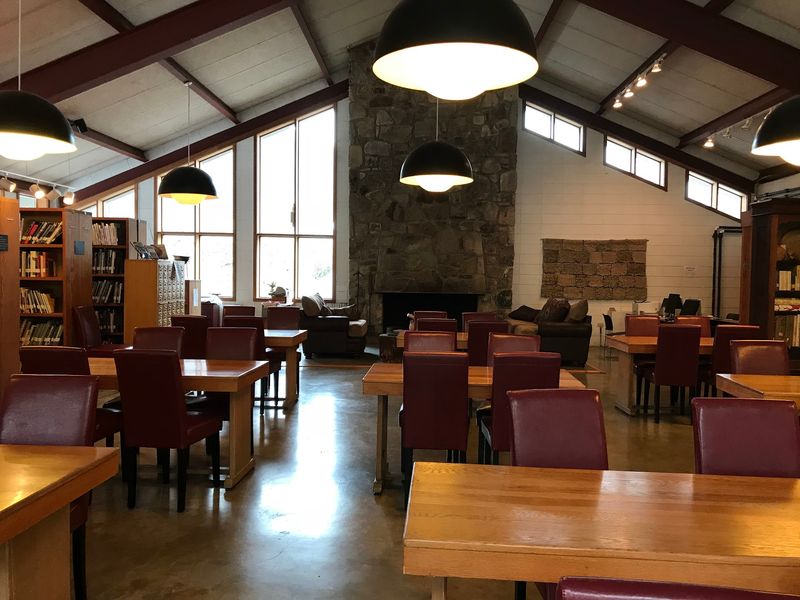
Meals are served in a dining hall that some fondly call the mess hall. The food is fresh and well prepared by a culinary chef and his team, who are as friendly as they are skilled.
Special diets are not an afterthought. Vegetarian students find enough options to stay happily fed through a full week.
The bigger reward is social. Shared meals with classmates and instructors turn strangers into friends quickly, and the studio conversations simply continue at the table.
Something funny happens around those tables. People get so caught up in talking that they forget their phones exist, which might be the rarest luxury in modern travel.
Skipping the meal plan means missing a real piece of the experience. It is where the week stops feeling like a class and starts feeling like a creative retreat with friends.
Rocking Chairs, Porches, and Bill May Hall
After a long day at the workbench, rest comes easy up on the hill.
Rooms on campus are known for being clean, comfortable, and spacious. The newer dorms at Bill May Hall are a highlight, offering a modern place to settle in for the week.
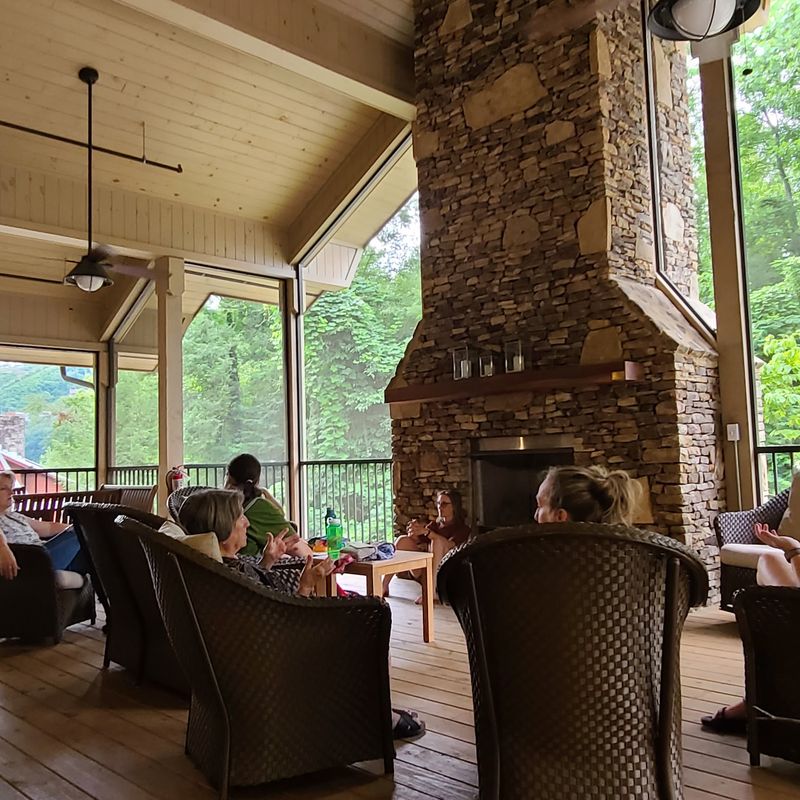
Screened-in porches with rocking chairs are scattered around campus. They make ideal spots to sketch, chat, or simply sit once studio hours wrap up.
Staff members get plenty of credit for the overall feel. They are known as friendly, caring, and attentive, making sure stays run smoothly from arrival to departure.
So who fits in best here? Adults eager to learn a new craft, artists craving focused time away from daily routines, and curious folks who enjoy meeting creative people from different backgrounds all tend to thrive.
Many describe the campus as a home away from home. With a porch, a rocker, and a room waiting up the hill, that description makes plenty of sense.
Galleries, Weekday Hours, and Smart Planning
Not every trip has to involve a week-long class.
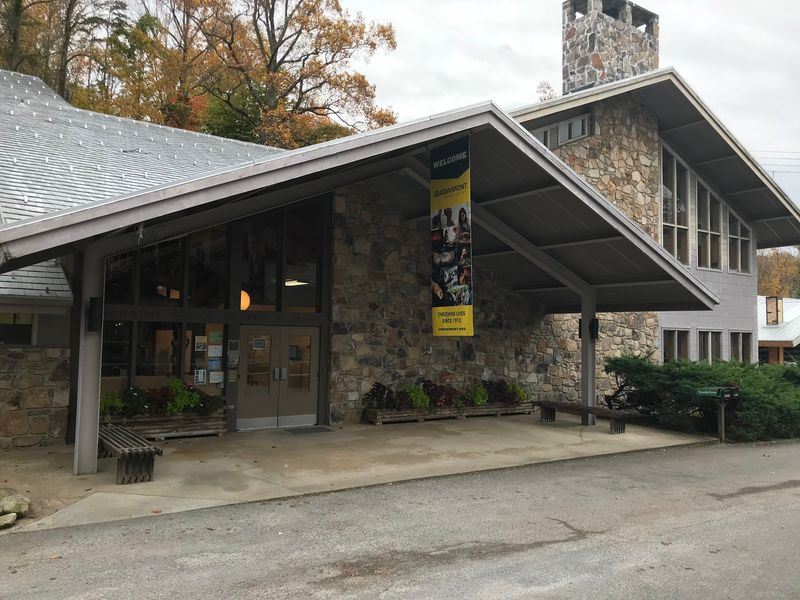
The galleries and showroom welcome drop-ins, and past guests have found the exhibits free to browse. Beautiful and interesting pieces fill the space, and an art supply shop is on site as well.
Timing matters. Hours run Monday through Friday from 8:30 AM to 5 PM, and the campus is closed on Saturday and Sunday, so a weekday stop works best.
Workshop students should know one scheduling detail. Studios close early on Friday afternoon, and Friday dinner and Saturday breakfast have not always been included for those staying over, so plan the drive home or extra meals ahead of time.
Workshops bundle tuition with room and board, and the school website at arrowmont.org is the best place to check current offerings and costs.
Pack walking shoes for the hill. Gatlinburg sits within a comfortable drive for much of East Tennessee and several neighboring states.
A Place That Stays With People for Decades
Four summers in the 1970s. That is how long one artist studied here, surrounded by makers and teachers from all over the world.
Those summers went on to shape roughly 50 more years of an artistic life. Stories like that explain why this campus keeps drawing people back, generation after generation.
Many call it life changing. Others simply plan their next visit before the current one ends.
The appeal is not flashy. It is a gated hillside, a set of well-run studios, shared meals, and teachers who care about every student in the room.
For Tennessee residents, there is an extra layer of pride here. A world-class craft school sits quietly in the middle of Gatlinburg, and most tourists never realize it.
So the next time the drive into the Smokies comes around, consider trading an afternoon of shopping for a few days of making something by hand. The quilt, the bowl, or the basket might outlast the trip by decades.
Share this story