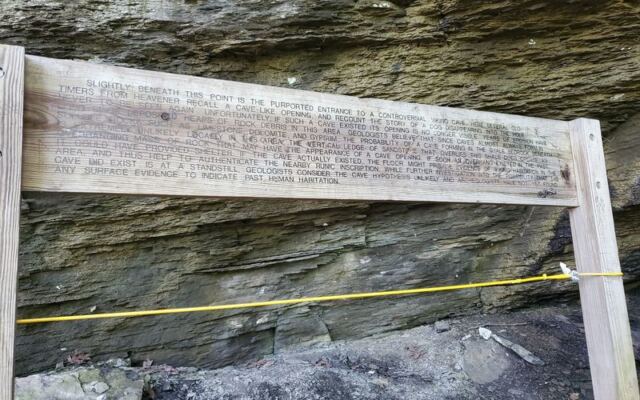
Tucked into the forested hills of southeastern Oklahoma, a massive sandstone slab covered in ancient symbols has been sparking debates for well over a century. Nobody can agree on who carved it, when, or why, and that mystery is precisely what makes it so hard to ignore.
Heavener Runestone Park is the kind of place that sneaks up on you, starting as a casual roadside curiosity and ending as one of the most thought-provoking stops you have ever made in the Sooner State. Whether you are a history buff, a trail hiker, or just someone who loves a good unsolved puzzle, this spot delivers something genuinely unforgettable.
Where the Runestone Calls Home
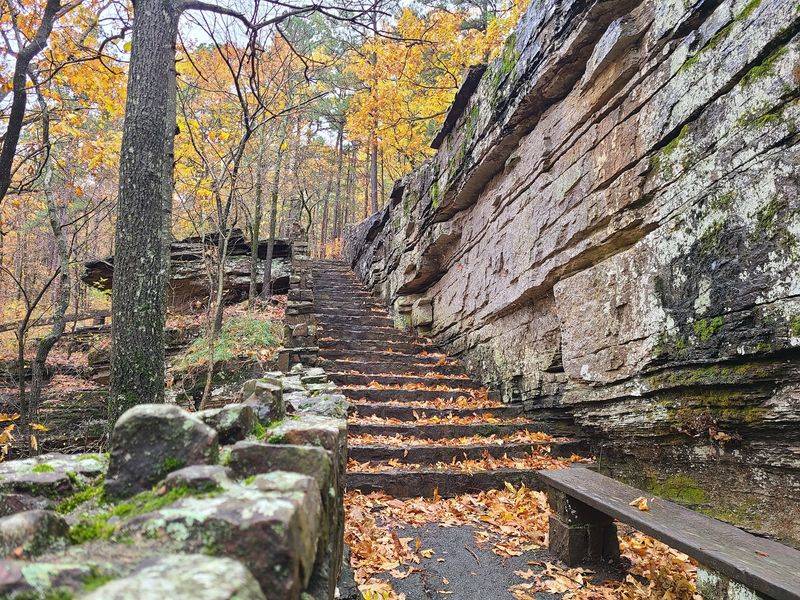
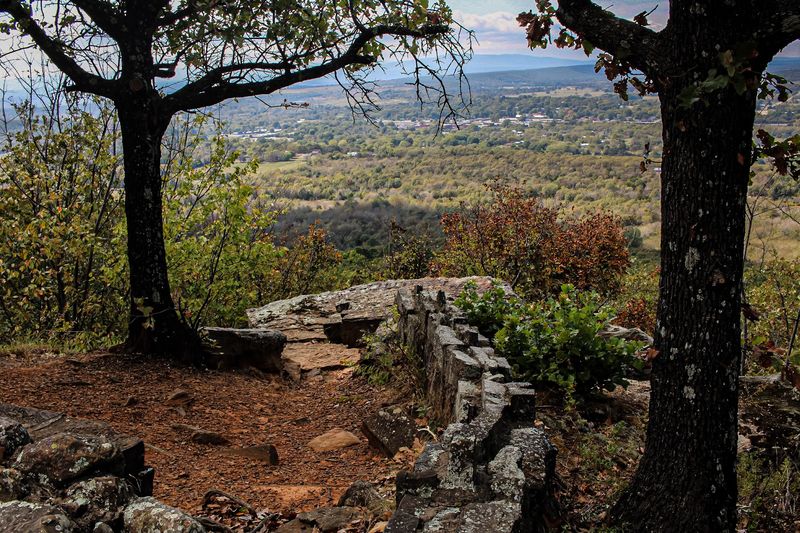
Nestled in the Ouachita Mountains of LeFlore County, Heavener Runestone Park sits at 18365 Runestone Rd in Heavener, Oklahoma, a small town near the Arkansas border. The park occupies a narrow, wooded canyon where towering sandstone bluffs frame the landscape and the forest feels genuinely ancient.
Getting here is part of the experience, with scenic roads winding through dense tree cover before opening up to the park entrance.
Heavener is a modest community, but this park puts it firmly on the map for history enthusiasts and outdoor adventurers alike. The location in southeastern Oklahoma means visitors often combine it with nearby state parks or Ouachita trail segments, making it a natural anchor for a regional road trip.
The address is easy to find, and the roads leading in are well maintained.
Visitors consistently mention how surprised they are by the setting. The canyon walls, the birdsong, and the sense of stepping somewhere genuinely off the beaten path all hit before you even reach the stone itself.
For a place carrying such a weighty historical question, the surroundings feel almost deliberately serene, as if the landscape is in on the secret.
The Stone That Started Everything
At the heart of the park stands a ten-foot-tall sandstone slab bearing eight carved runic characters, and it has been confounding researchers, historians, and curious visitors for generations. The carvings are deep and deliberate, clearly not the work of casual scratching.
What makes them so polarizing is that they appear to be written in an older form of the Norse runic alphabet, which raises an obvious and thrilling question: how did they get here?
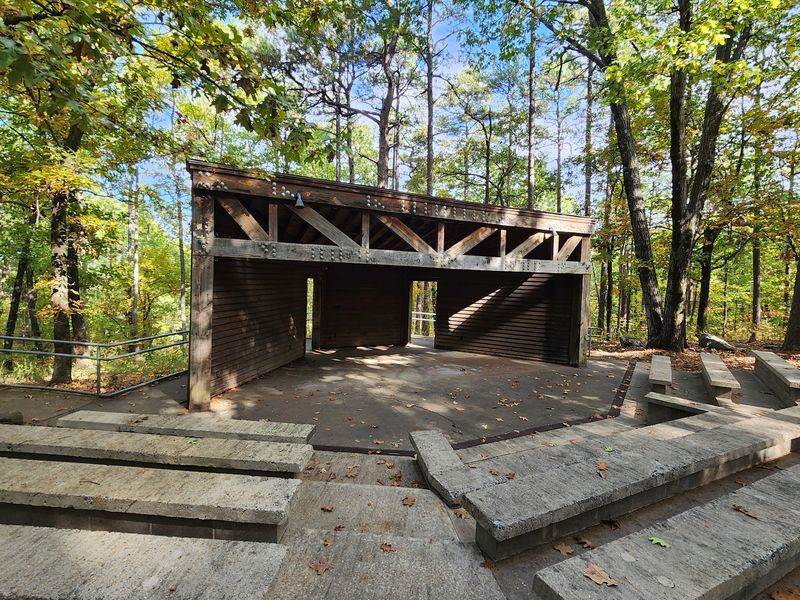
The runestone is housed under a covered structure that protects it from the elements while keeping it fully visible. Visitors can stand close enough to study the individual characters, which are surprisingly crisp given their presumed age.
Interpretive signage nearby walks through the leading theories and the history of how the stone was first brought to wider attention in the early twentieth century.
Scholars have proposed everything from Viking explorers around 600 AD to later Scandinavian travelers to outright hoaxes, and none of those camps has landed a definitive knockout blow. That ongoing argument is baked right into the experience of standing before it.
You end up staring at those eight symbols longer than you planned, running your own mental theories, which is exactly what the stone seems to invite.
Vikings in Oklahoma – The Big Debate
Could Norse explorers have paddled and trekked their way deep into the American interior more than a thousand years ago? That is the question the Heavener Runestone refuses to let go of.
Some researchers point to the runic style as consistent with inscriptions found in Scandinavia dating to roughly 600 to 900 AD, which would place potential Viking visitors here centuries before Columbus ever set sail.
The Arkansas and Poteau rivers form a navigable corridor that, in theory, could have carried determined travelers from the Gulf Coast inland to this region. Proponents of the Viking theory argue that such a journey, while extraordinary, was not beyond the capabilities of Norse seafarers already known for remarkable long-distance exploration.
The park itself notes that the Heavener stone is one of five runestones found in Oklahoma, a detail that adds genuine weight to the broader pattern.
Skeptics push back hard, pointing to the lack of corroborating archaeological evidence and the possibility of a more recent carver with knowledge of runes. Academics remain divided, and no consensus has emerged despite decades of study.
What is undeniable is that the debate itself has given this small Oklahoma park an outsized place in conversations about pre-Columbian American history, drawing researchers and curious minds from across the country.
Hiking Trails Through the Canyon
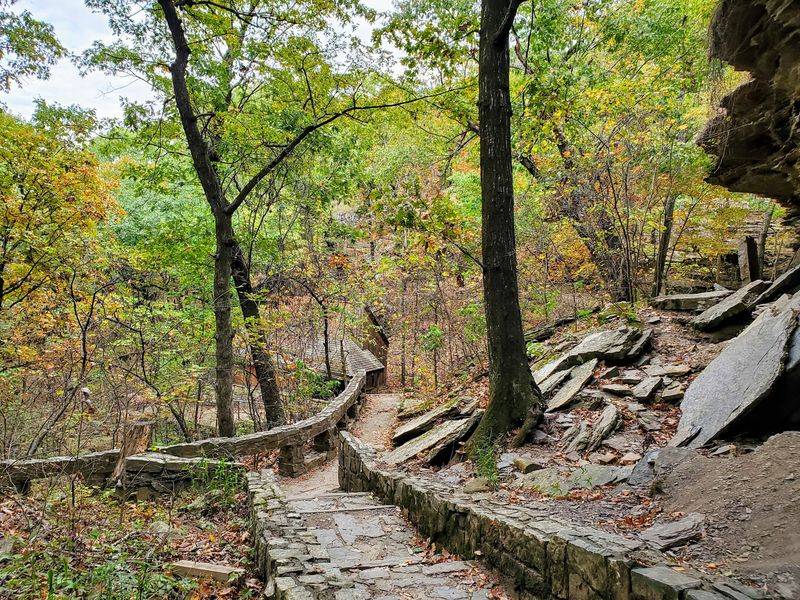
Beyond the runestone itself, the park offers three distinct walking trails that wind through some genuinely beautiful Ouachita Mountain terrain. The paths move through forested canyon walls, past interesting rock formations, and alongside seasonal water features that make each visit feel a little different depending on when you arrive.
Trail conditions are consistently praised as well maintained and easy to follow.
Hikers of most fitness levels find the trails approachable. One reviewer noted that the terrain is not strenuous but does involve some elevation, so comfortable footwear is a smart call.
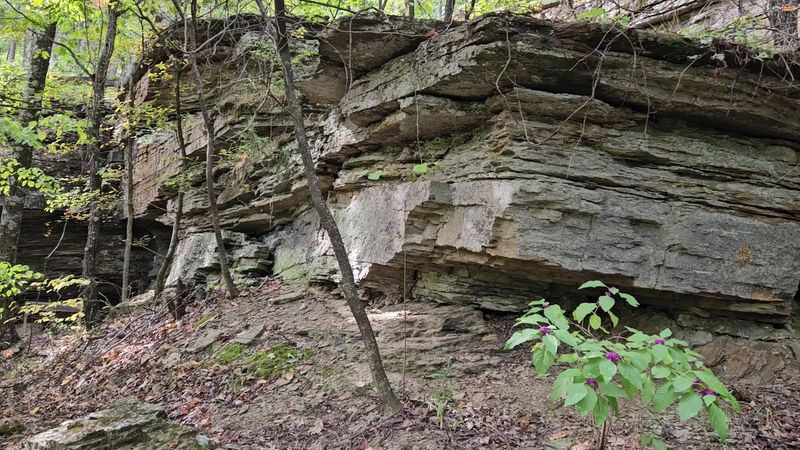
Families with younger children have found the paths manageable, and the varied scenery, including cave-like rock overhangs and slab walls, keeps the walk engaging rather than routine.
Fall and spring visits tend to draw the most enthusiasm from regulars, who describe the foliage and wildflower displays as genuinely striking. Even a midwinter visit in freezing temperatures has earned glowing responses from hikers who appreciated the quiet solitude and the stark beauty of bare trees against sandstone cliffs.
With trails that feel genuinely exploratory rather than just functional, the hiking here earns its own recommendation separate from the runestone entirely. Dogs are welcome, which only adds to the appeal for four-legged trail companions.
A Waterfall Hidden in the Woods
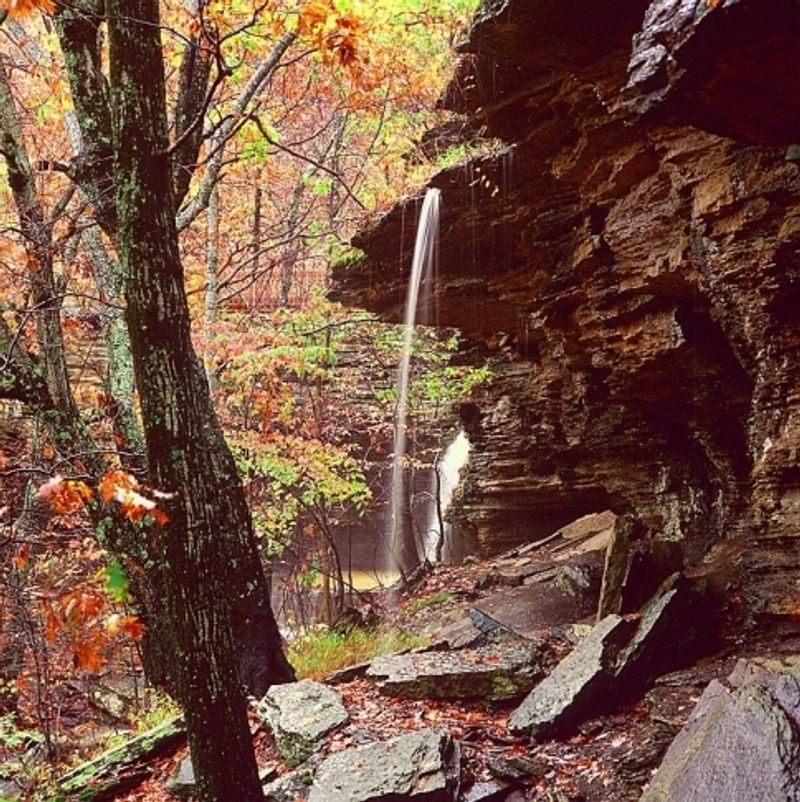
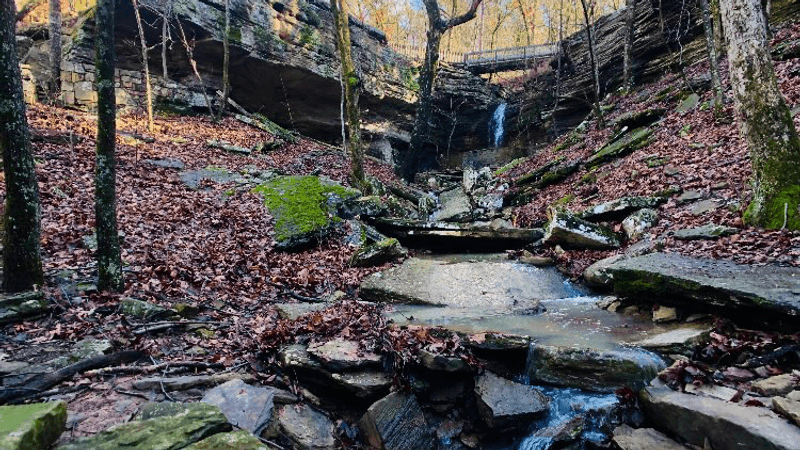
Plenty of visitors arrive expecting the runestone and leave talking about the waterfall. Tucked along one of the park’s trails, a seasonal waterfall tumbles over sandstone ledges in a setting that feels almost theatrical given how quietly the forest announces it.
When conditions are right, especially after rainfall or during wetter seasons, the falls run strong enough to create a genuinely memorable moment on the trail.
One visitor described encountering the waterfall during a January trip when temperatures hovered around twenty degrees, and even in those icy conditions the falls were running and the scene was breathtaking. Spring and fall visits tend to offer the most reliable flow, though the surrounding scenery is rewarding in any season.
The rocky terrain around the waterfall also makes for excellent photographs, with natural framing from the canyon walls adding drama to every shot.
Park staff and interpretive materials do not heavily advertise the waterfall, which means stumbling upon it carries a genuine sense of discovery. That element of surprise fits perfectly with the broader spirit of Heavener Runestone Park, where nearly every turn along the trail offers something unexpected.
For a park already carrying the weight of a thousand-year mystery, a hidden waterfall feels like exactly the right bonus.
The Gift Shop Worth Stopping For
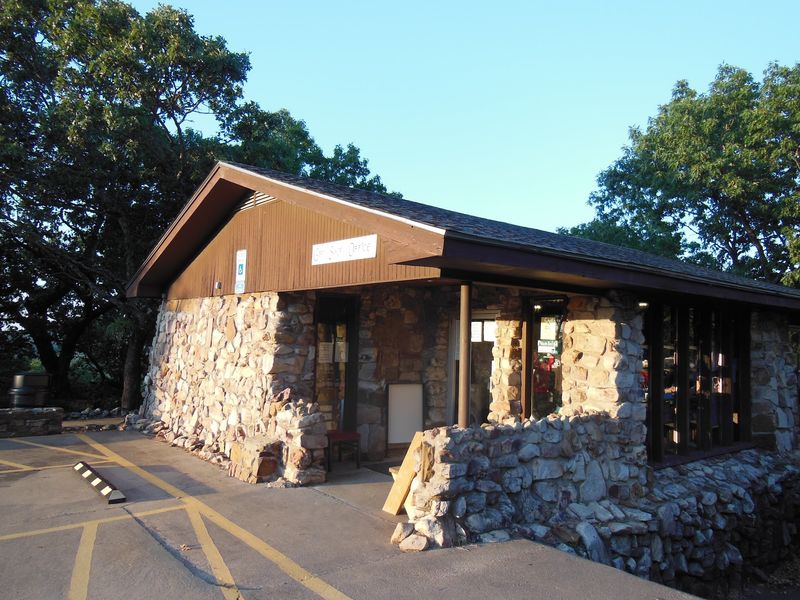
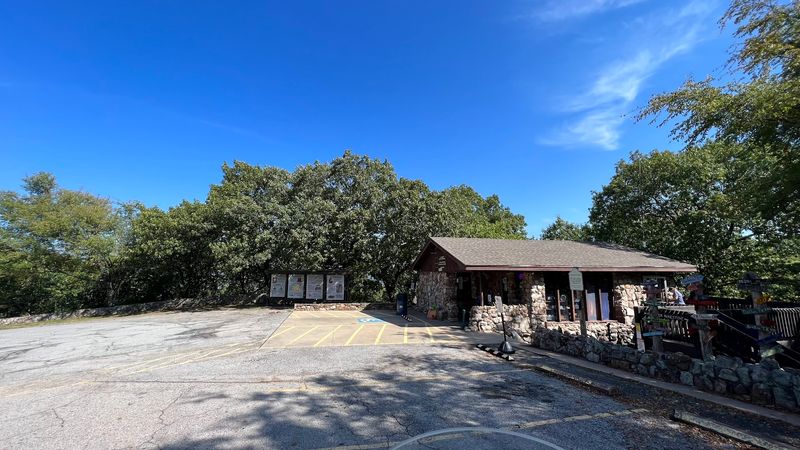
Small park gift shops can feel like afterthoughts, but the one at Heavener Runestone Park has earned a reputation of its own. Visitors mention it with genuine warmth, often highlighting the knowledgeable and welcoming staff as one of the highlights of the whole visit.
The shop is positioned at the start of the trailhead, making it both a natural first stop and a comfortable place to decompress after the hike.
Inside, the shelves carry a solid selection of Norse rune-related items, books on Viking history and the runestone’s theories, gifts for kids, and assorted keepsakes. Snacks and cold drinks are available and reportedly priced fairly, which is always a welcome detail after a trail walk on a warm afternoon.
The selection feels curated rather than generic, leaning into the Norse and runic theme in a way that makes browsing genuinely enjoyable.
Multiple visitors have specifically mentioned the staff going above and beyond, from sharing detailed historical context to opening the shop early for arriving guests. One account described a staff member offering an impromptu deep-dive on the park’s history and the competing theories behind the runestone.
That kind of personal touch transforms a gift shop stop from a transaction into a conversation, and it is clearly a consistent part of what makes this park feel so welcoming.
Camping Under the Stars at the Park
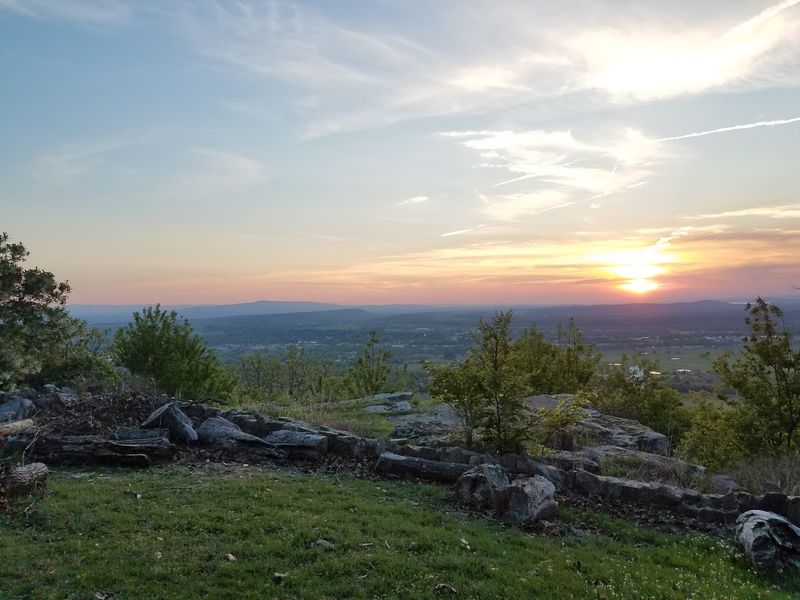
Spending a night at Heavener Runestone Park adds a completely different dimension to the visit. The park offers primitive camping, meaning no electrical hookups or water connections at the sites, but the grounds are comfortable and the facilities, including bathrooms and showers, are kept clean and functional.
For campers who enjoy a stripped-back experience without sacrificing basic amenities, the setup hits a satisfying middle ground.
The campground sits within the park grounds, so waking up surrounded by forested canyon scenery rather than a parking lot is a genuine perk. Pavilions with covered eating areas, fire pits, and open space make the camping area feel well-equipped for a relaxed overnight stay.
The atmosphere after day visitors leave tends to be quiet and genuinely peaceful, with birdsong and natural sounds taking over.
An RV area is also available for those who prefer to bring their own shelter on wheels, giving the park a bit more flexibility for different camping styles. Visitors who have stayed overnight consistently describe it as a comfortable and worthwhile extension of the day trip experience.
Given that trail admission is free, the camping option makes an already affordable outing even more accessible for families or solo travelers looking to stretch their time in this corner of southeastern Oklahoma.
Family-Friendly Extras Around the Grounds
History and hiking are the headline acts here, but the park quietly packs in a solid range of extras that make it genuinely appealing for families with kids of all ages. A playground gives younger visitors a chance to burn energy between trail segments, and multiple covered pavilions with picnic tables provide comfortable spots for a mid-visit meal or snack break.
The grounds feel spacious without ever feeling overwhelming.
An open-air amphitheater on the property hints at the park’s capacity for events and gatherings, and the Viking festival held annually draws visitors from well beyond the local area. Fire pits scattered around the camping and picnic zones add to the relaxed, communal atmosphere that the park seems to cultivate naturally.
Families with dogs also find the park welcoming, with trails accessible enough for pets without the paths feeling crowded.
Visitors with kids frequently mention that the runestone itself sparks genuine curiosity in younger visitors, turning what could be a dry historical stop into an active conversation about ancient mysteries and exploration. The combination of physical activity on the trails, interactive history at the stone, and creature comforts like clean restrooms and a playground makes the park a well-rounded outing rather than a single-purpose stop.
It earns repeat visits across different age groups.
Atmosphere and Who Will Love It Most
Certain places carry a mood that is hard to articulate but impossible to miss, and Heavener Runestone Park has it in abundance. Visitors describe the energy as calm and reflective, with birds singing through the tree canopy, light filtering through the forest, and the occasional sound of water moving over rocks.
A small meditation bench tucked into the grounds captures that spirit perfectly, offering a quiet perch for anyone who wants to sit with the mystery for a while.
History enthusiasts and archaeology buffs are the obvious audience, but the park draws a broader crowd than you might expect. Hikers come for the trails and stay for the story.
Families find it educational without being lecture-heavy. Photographers find compositions around every corner, from the runic carvings to the canyon walls to the waterfall.
Solo travelers consistently describe it as one of those rare places that rewards slow, attentive exploration.
The park also appeals to people who simply appreciate well-maintained natural spaces with genuine character. It does not feel commercialized or manufactured.
The mix of ancient mystery, forested trails, and unhurried pace creates an atmosphere that lingers after you leave. Whether your interest is Norse history, Oklahoma nature, or just a compelling afternoon away from the ordinary, this park has a way of exceeding whatever expectations you arrive with.
Hours, Admission, and Planning Your Trip
Planning a visit to Heavener Runestone Park is refreshingly straightforward. The park is open seven days a week from 9 AM to 5 PM, giving visitors a consistent and reliable window regardless of which day the trip falls on.
Those hours work well for a morning arrival that leaves the afternoon free for nearby drives or additional exploration in the Ouachita region.
Trail admission is free, which makes the park an exceptional value for an experience that genuinely punches above its weight. Camping fees apply for overnight stays, and the primitive sites are priced accessibly for budget-conscious travelers.
The gift shop operates during park hours and accepts visitors without any obligation to purchase, though most people find something worth taking home.
The park can be reached by phone at 918-653-2241, and the official website at heavenerrunestonepark.com carries current information on events like the annual Viking festival, which brings additional programming and vendors to the grounds. The address, 18365 Runestone Rd, Heavener, OK 74937, is easy to navigate to with standard mapping apps.
Southeastern Oklahoma roads in this area are scenic and well maintained, making the drive itself a pleasant lead-in to the park. Arriving with comfortable shoes, a camera, and a healthy appetite for unsolved history will set you up for a visit worth repeating.
Share this story