Some of the most unforgettable stops in Oregon are the ones you almost drive right past. Picture pulling off a quiet gravel road in the mountains, stretching your legs, and finding a humble pile of stones with a story that still has no ending.
There is no gift shop, no crowd, and no name carved in granite, just a mystery that travelers have wondered about for generations. Once you hear it, you may never look at a forest road the same way again.
A Rock Cairn Beside a Mount Hood Gravel Road
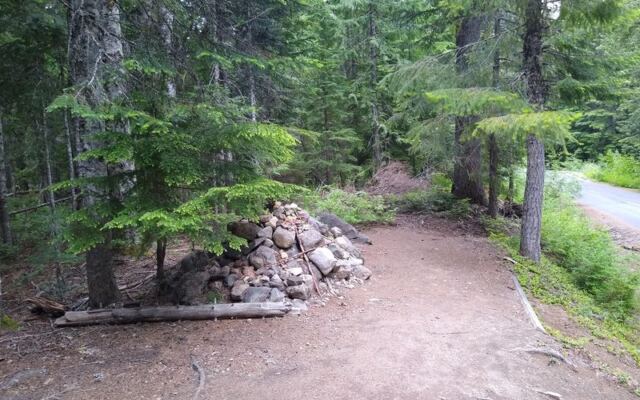
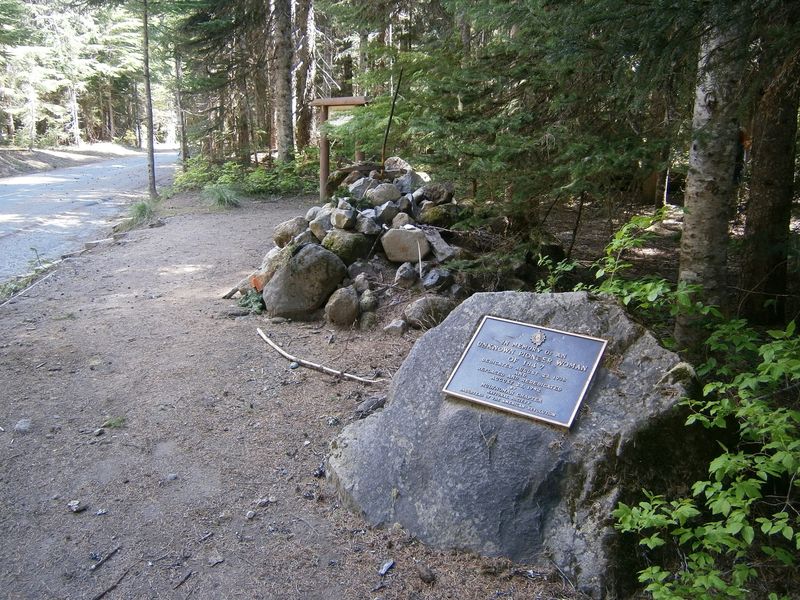
Blink on the drive near Government Camp and you might miss it entirely. Tucked beside a gravel road in the Mount Hood country, Pioneer Woman’s Grave is a small historic cemetery site marked by little more than a heap of stones and a plaque.
Visitors describe it as right off the main road, which makes it one of the easiest pieces of Oregon history to reach without lacing up hiking boots. You pull off, you park, and suddenly the hum of the highway feels a lot farther away than it really is.
For a spot so tiny, it carries surprising weight.
Maps list it simply as a cemetery, though that word hardly captures the feeling. There are no rows of headstones, no iron gates, no caretaker’s office.
What you get instead is one solitary resting place in the forest, and a question that has hung in the mountain air for generations.
The Barlow Road Backstory
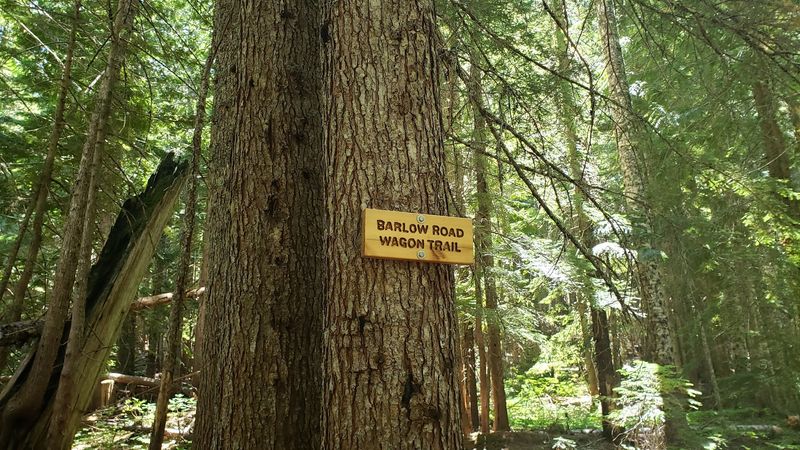
Every rut in these woods has a story, and the Barlow Road holds more than most. Visitors point out that the grave sits right on the historic Oregon Trail scenic route, along the old wagon path that carried families over the shoulder of Mount Hood on the final push toward the Willamette Valley.
For those travelers, the end was almost in sight. Months of dust, rivers, and mountain passes lay behind them, and only a few more ridges separated them from new farms and fresh starts.
That nearness is what makes the site hit so hard. One visitor described grieving for everything she nearly reached, a feeling that captures the emotional core of the place better than any textbook.
Standing here, you are looking at a journey that came heartbreakingly close to its finish line, on a road that still carries the Barlow name today.
A Woman With No Certain Name
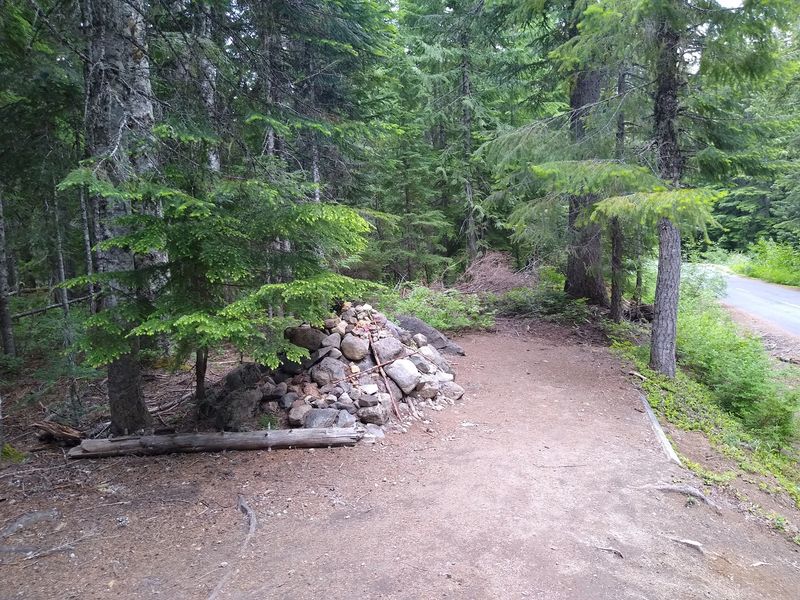
Here is the puzzle at the heart of it all: nobody can say for certain who she was. The pioneer woman laid to rest along the Barlow Road remains unnamed, and visitors note that even the exact location of the grave is unclear.
That uncertainty has invited plenty of theories. One recent visitor offered a name, Mrs. Channey, though nothing in the available details confirms it.
Another admirer was so touched by her story that they wrote a full tribute and chose a name for her themselves.
Honestly, the not-knowing is part of what keeps people coming back, since a marked headstone would answer the question and close the book. Instead, this quiet spot leaves every visitor to fill in the blanks, imagining the woman, the wagon, and the family who had to keep moving west without her.
Some mysteries, it turns out, feel more personal unsolved.
Humble Stones That Speak Volumes
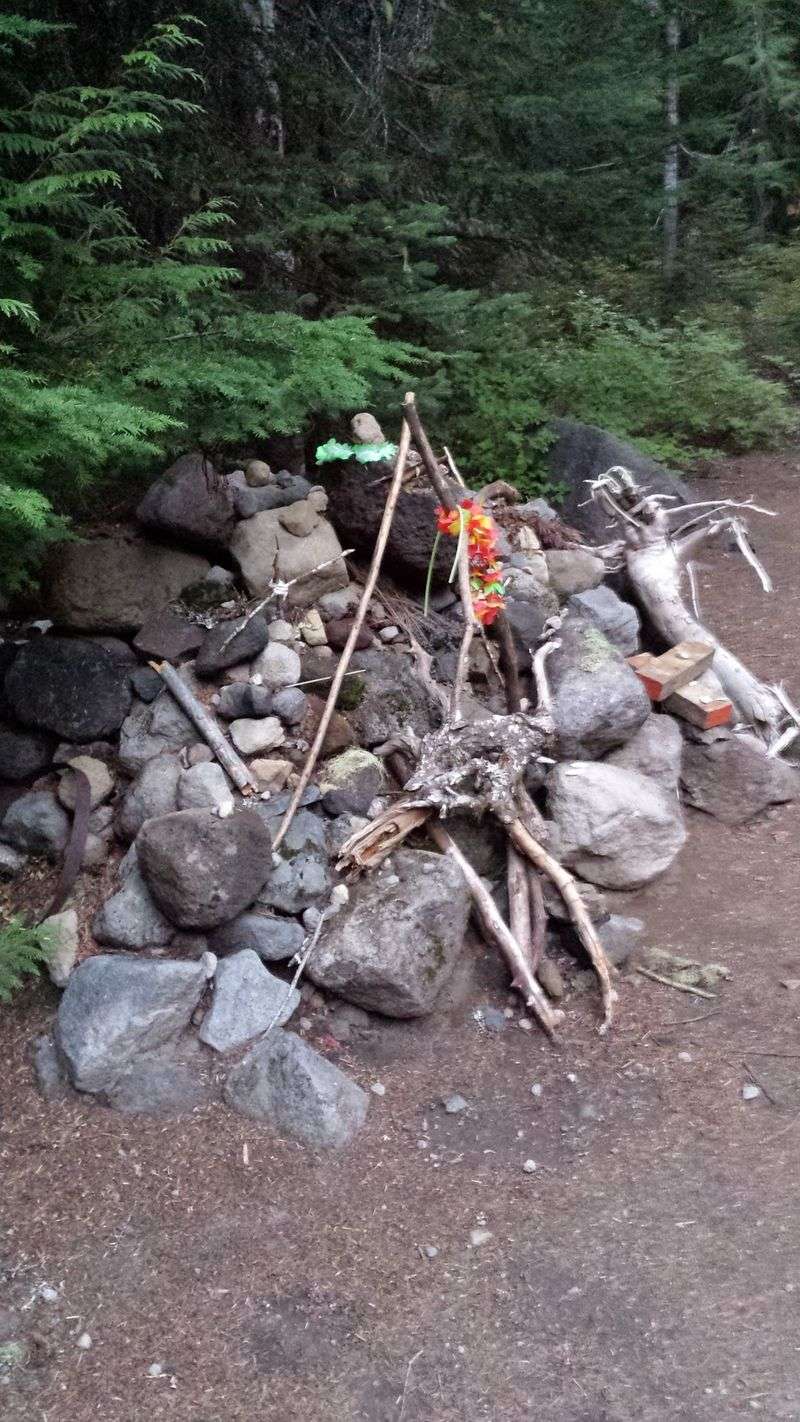
A pile of rocks. That is the honest, unglamorous description one visitor gave, and it is not wrong.
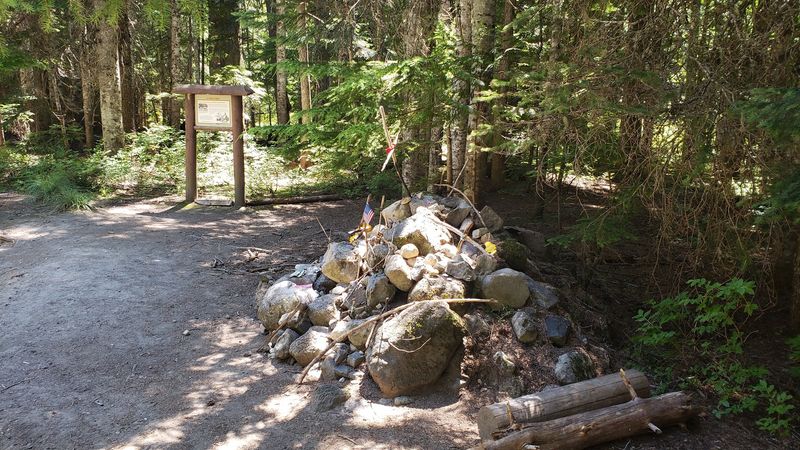
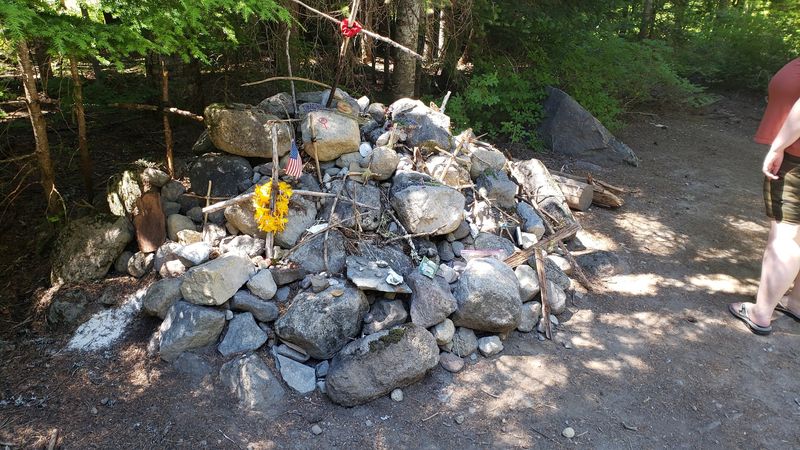
The grave is marked by a mound of stones rather than a carved monument, which surprises people expecting something grander.
Look a little longer, though, and the humble marker starts to make sense. Pioneer families on the trail often had little time or few tools for anything elaborate, so stones gathered from the forest floor could be the most lasting tribute they were able to leave.
Another visitor urged people to see past the rocks and understand what was sacrificed so later generations could build a home in Oregon. That shift in perspective changes everything, and suddenly the cairn looks less like debris and more like a message, stacked by hands that had to say goodbye quickly.
Snap a photo, sure, but give the stones a moment of quiet attention too.
Words on a Weathered Plaque
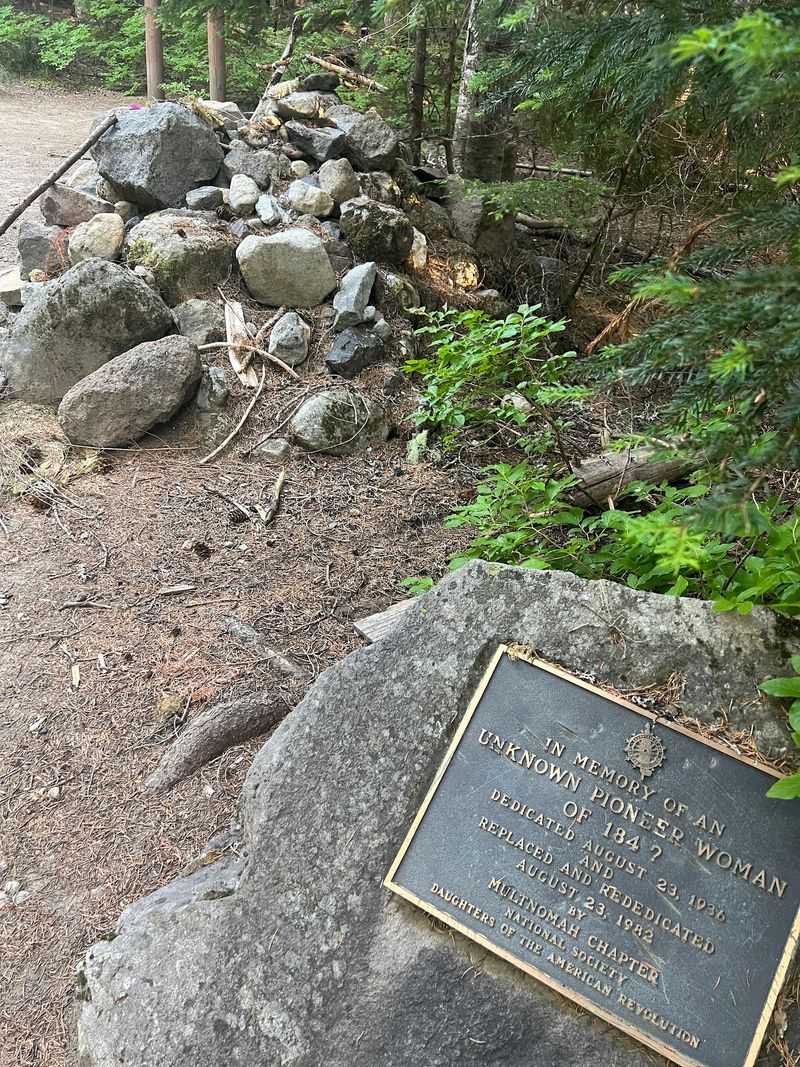
Reading material in the middle of the woods? Yes, and it is worth your time.
A plaque stands near the rock pile, and visitors have called it informative, giving context to a site that would otherwise be a puzzling heap of stones beside a gravel lane.
The sign is the closest thing to a tour guide you will find here. It connects the grave to the larger story of the Barlow Road and the families who pushed through the Cascades on the last leg of the Oregon Trail.
Some visitors feel there still is not a whole lot of information to go on, and that is fair. The plaque cannot answer who she was, because nobody truly knows, but it does offer a starting point for curiosity.
Plenty of folks leave with a phone full of notes and a sudden urge to read up on pioneer history once they get home.
Small Offerings Left by Strangers
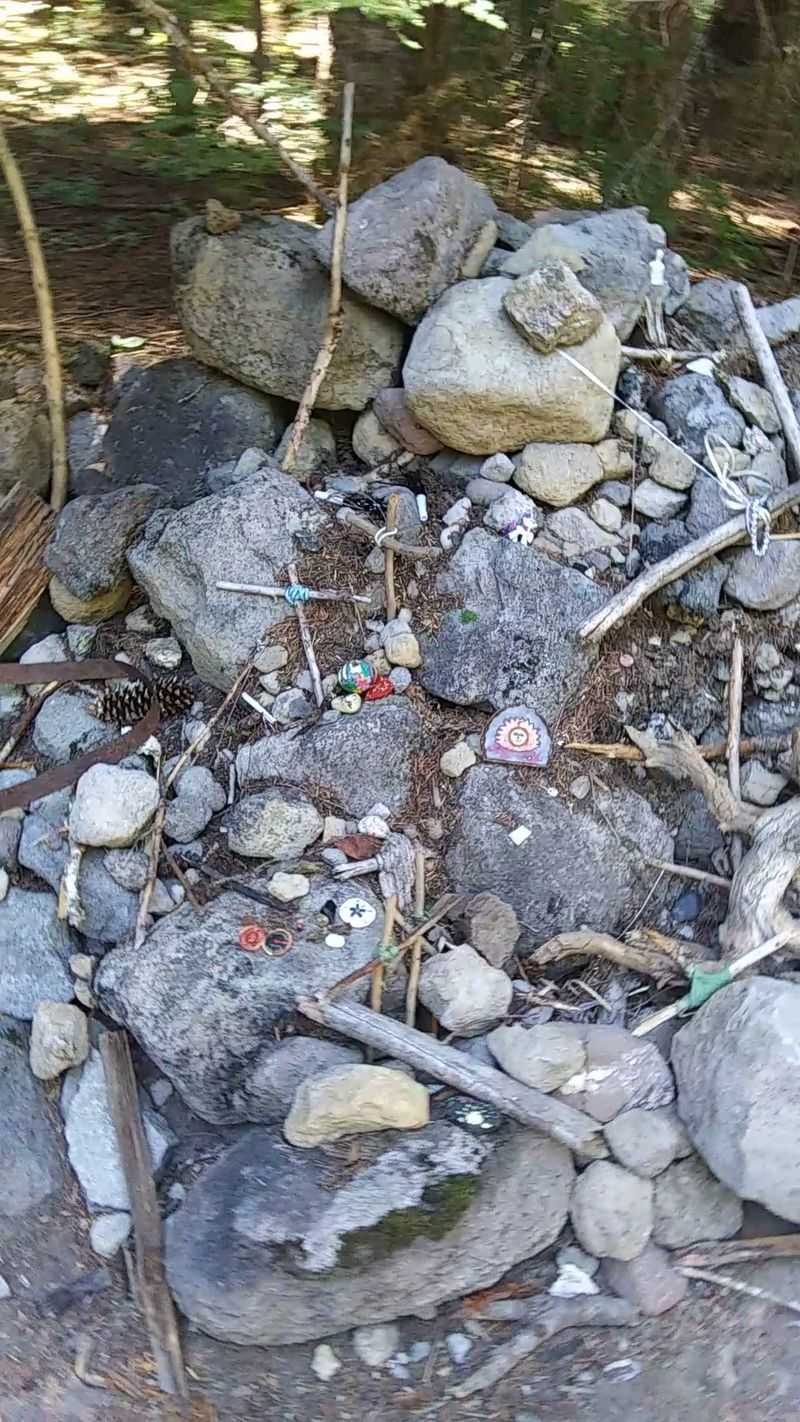
Tiny tokens tell a big story. Visitors mention that the grave often has memorial items left by passing hikers and travelers, small gestures from strangers who never knew her name but felt moved to leave something behind anyway.
It is a quietly touching tradition. Nobody organizes it, and there is no sign asking for contributions, yet people keep adding their own little tributes to the stones.
One mother and daughter who stopped by described being deeply moved by the hardship and sacrifice of their ancestors, a feeling that seems to inspire many of these offerings.
If you want to join in, keep it simple and respectful. A smooth stone carried from home, a handwritten note, or simply a few silent moments all fit the spirit of the place.
Visitors also note the area is kept very clean, so pack out anything extra and help it stay that way for the next wanderer.
Formidable and Beautiful Timber
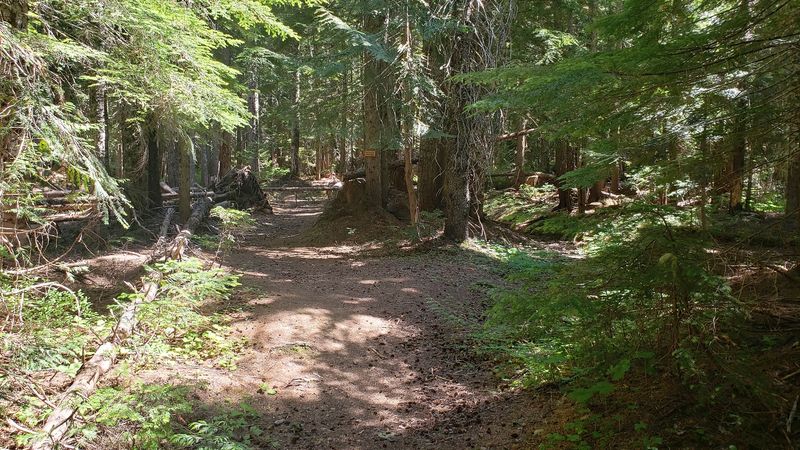
Tall timber crowds in on every side. One visitor summed up the surrounding forest as both formidable and beautiful, and that pairing captures the mood perfectly.
The trees feel protective in one moment and a little imposing the next.
Expect classic Mount Hood woodland, dense and green, with the kind of hush that settles in once your car door closes. Sunlight slips down in patches, and the scent of evergreens hangs in the cool mountain air.
For Oregonians used to packed trailheads on summer weekends, the stillness here feels like a small luxury. Another traveler said the rich history of Oregon forms a majestic backdrop to the site and the old wagon trail, and it is easy to see why.
Stand quietly for a minute and you can almost imagine the creak of wheels and the murmur of weary families picking their way through these same shadowed trees.
An Eerie Tale From Elk Season
Every lonely spot collects a spooky story or two, and this one has a doozy. A recent visitor shared that he and his brother, heading out for elk season in the White River area, pulled up the gravel road late one evening to catch a few hours of sleep in their SUV.
As they drifted off, both heard what sounded like children laughing and shouting on a playground. The next morning, pulling out, they spotted the rock pile and plaque, then drove on expecting to pass a house or play area nearby.
They found nothing, no buildings and no open field at all.
Whether you chalk it up to echoes, wildlife, or tired imaginations, the tale has made the rounds among curious travelers along the Barlow Road. Other visitors have simply called the site creepy or chilling.
In broad daylight, though, the mood tends to feel more reflective than frightening.
Who Will Feel the Pull
History buffs, road trippers, and anyone with a soft spot for underdog stories will feel right at home here. The site rewards curiosity more than adrenaline, so it suits travelers who enjoy slowing down and letting a place sink in.
Families can make it a meaningful stop, too. One parent visited with a daughter and came away moved by the sacrifices of earlier generations, which makes it a natural conversation starter for kids learning about the Oregon Trail.
Another visitor recommended bringing anyone who needs encouragement to push over one more ridge toward their own goals.
Folks craving big attractions might feel differently. A couple of travelers noted there is not a lot to see beyond the stones and sign, so expect a short, contemplative visit rather than an afternoon of activities.
Pair it with other Mount Hood explorations, and it becomes a lovely little chapter in a bigger day.
Seasons on the Mountain
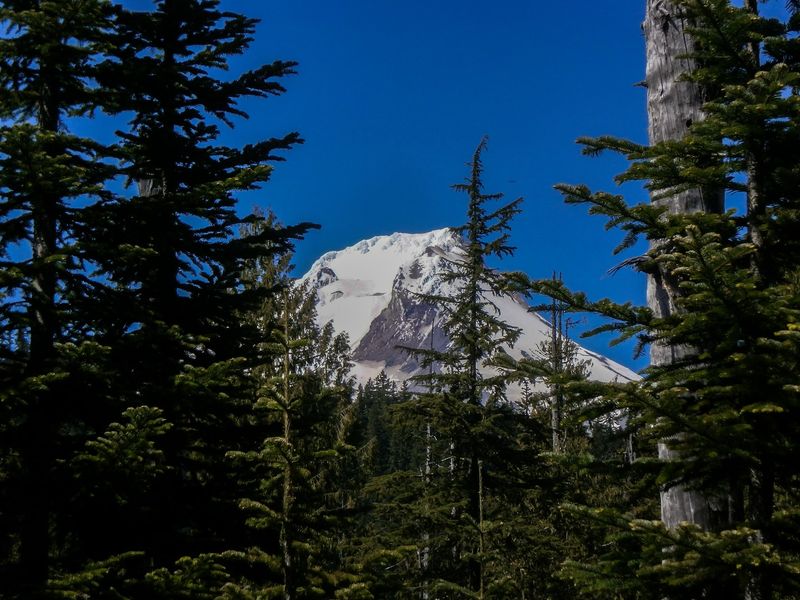
Timing can shape the whole experience. Government Camp sits high on the flanks of Mount Hood, so the surrounding forest shifts dramatically with the seasons, and each one brings its own mood to this humble site.
Summer and early fall offer the easiest conditions for most drivers, with long daylight hours that let you linger without rushing. Autumn in particular adds a crisp, reflective quality that suits the story of a traveler who never quite reached the valley below.
Winter is a different animal. Snow is common in this part of the Cascades, and a gravel side road may be tricky or impassable, so check conditions before assuming you can pull in.
Spring can bring a quieter window as the woods wake back up, and whatever season you pick, a weekday visit will likely leave you sharing the trees and stones with almost no one.
Getting There and the Easy Loop
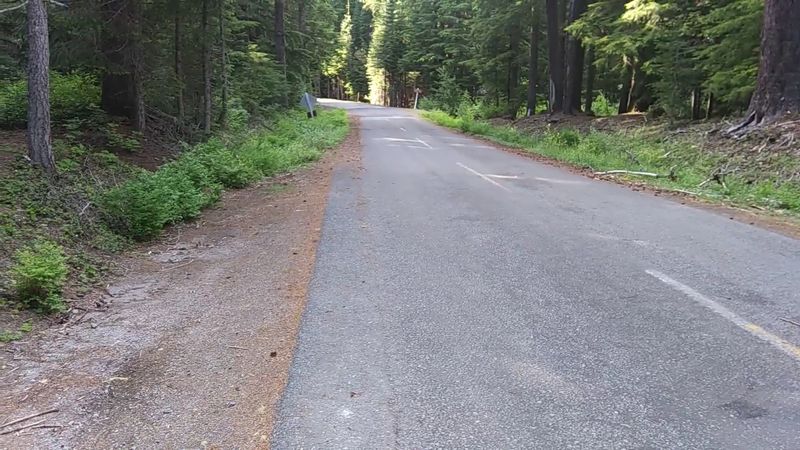
Good news for anyone short on time: reaching the grave takes almost no effort. The site sits along a gravel road off the highway near Government Camp, and visitors describe it as a handy little turnout right on the Barlow Road route.
You can stay in your car if you like, since one traveler pointed out that the road forms an easy loop back to the highway. There is some roadside parking along with trailhead markers, so hopping out for a closer look is simple too.
The listing does not include posted hours or admission prices, so treat it as a casual roadside stop and plan for daylight. Cell service and road conditions can vary in the mountains, so it helps to save the location on your map ahead of time.
For precise navigation, the coordinates are roughly 45.2817, -121.6996, putting you right at the edge of the story.
Worth a Quiet Detour
So, is a pile of stones in the forest really worth the detour? For the right traveler, absolutely.
Pioneer Woman’s Grave will not dazzle you with facilities or fanfare, but it has a way of lingering in your thoughts long after you return to the highway.
Visitors walk away with very different impressions. Some call it neat and unique, others find it eerie, and a few simply shrug at the modest marker.
Yet many describe feeling genuinely moved, touched by a stranger whose name and exact resting place remain uncertain to this day.
That mix of mystery and meaning is what makes it such a fitting find for curious Oregonians. It is small, low-key, and easy to reach, yet it carries the weight of an entire migration.
Pull over next time you pass near Government Camp, and give her a quiet moment of your time.
Share this story