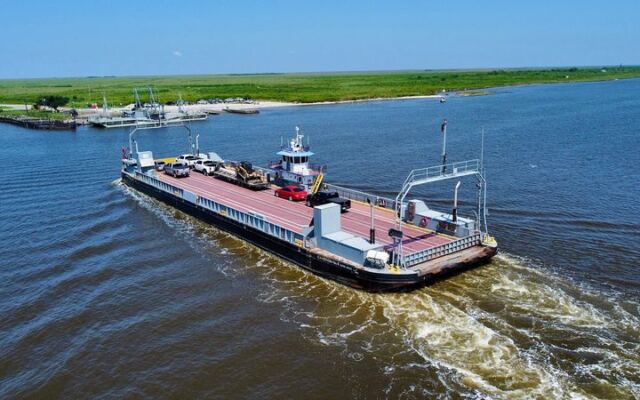
Most drivers heading to the far southwestern coast of Louisiana assume the only route loops up through Lake Charles, with plenty of highway miles and marsh in between. There is a quicker option, and it floats.
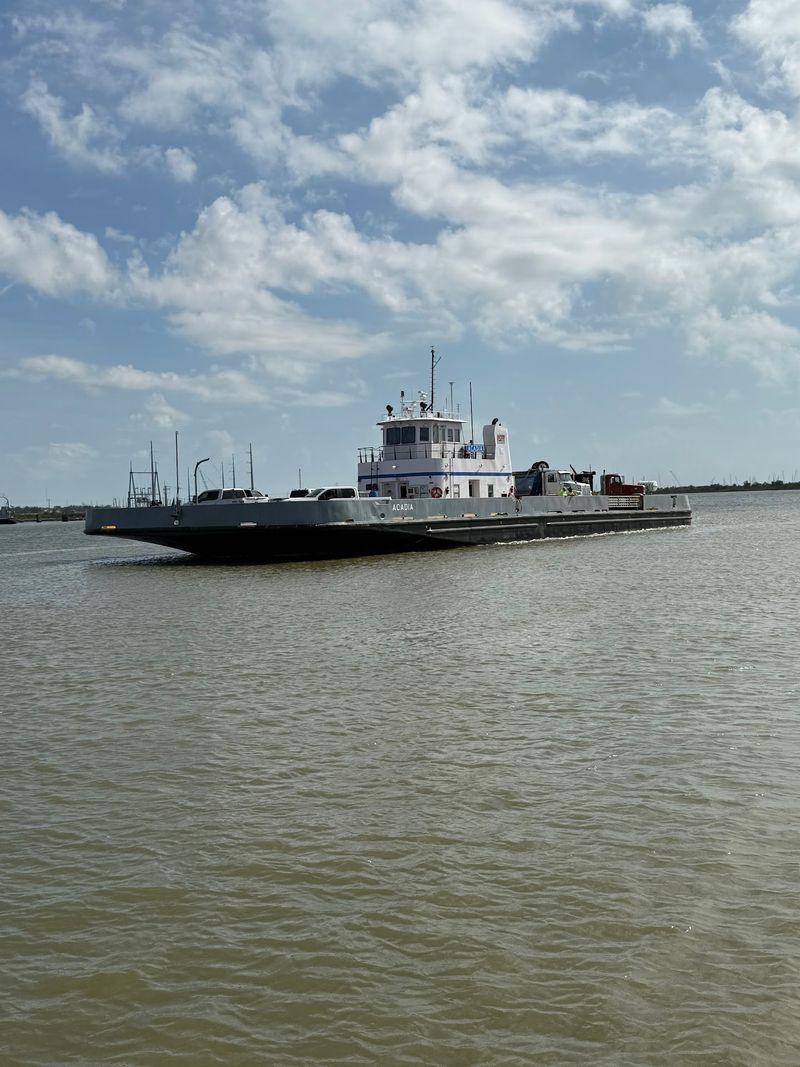
A short car ferry near the town of Cameron carries vehicles across a busy channel in about ten minutes, and dolphins often surface right beside the boat along the way. One direction costs nothing at all, while the other costs a single dollar, cash only.
The catch is that this crossing has a few quirks, and knowing them ahead of time can save a road trip from an unexpected U-turn.
A Waterfront Stop on Gulf Beach Highway
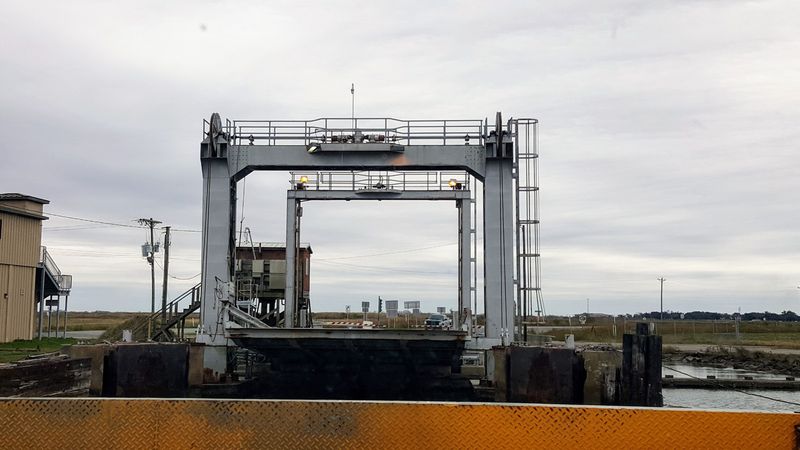
Down at the bottom of the Louisiana map, where the highway runs out of land, sits Cameron Ferry West Landing. The official address is 200 Gulf Beach Hwy, Cameron, LA 70631, in the far southwestern corner of the state.
The landing is the boarding point for a state-run car ferry. Its live status page sits on the website of the Louisiana Department of Transportation and Development, which is the first place to check before heading out.
Hundreds of travelers have shared their thoughts about the spot online, and the overall tone is positive. Most describe a quick, handy crossing that turns a long detour into a short float.
The landing itself is simple. It is mainly a lane of pavement and a spot to wait for the next boat, with few extras nearby.
That plain setup is part of its character, though. The real draw here is what happens once the ramp drops and the cars roll aboard.
The Detour This Boat Erases
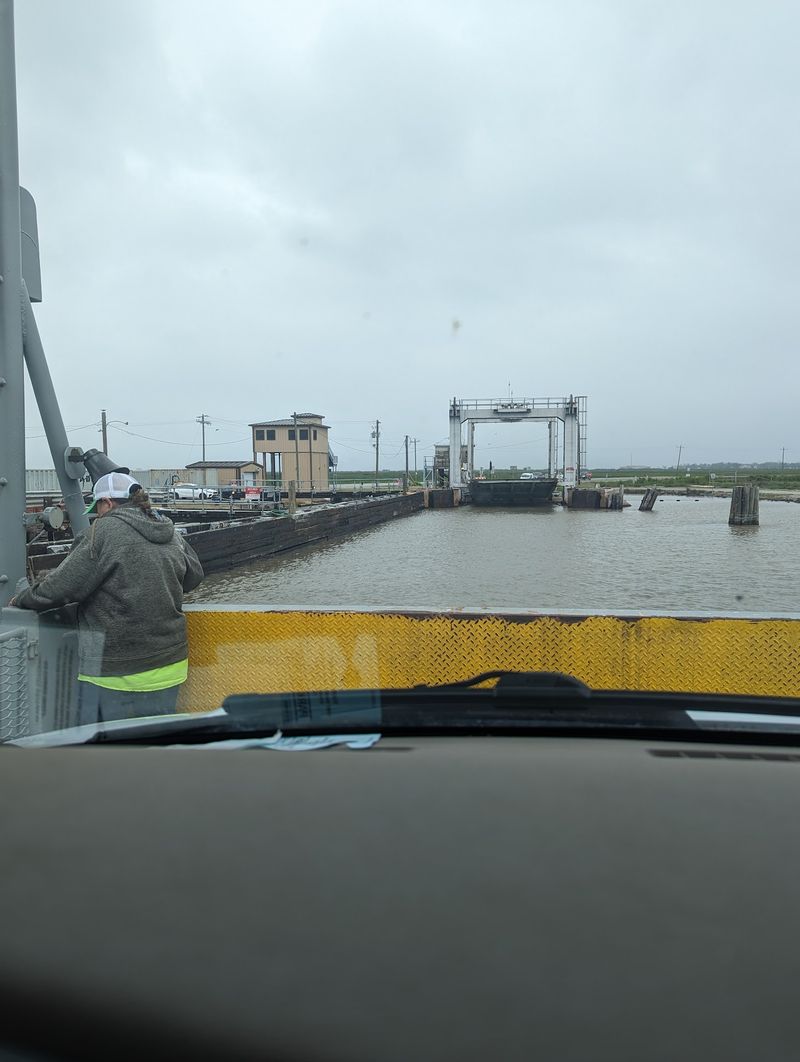
Cameron is not an easy town to reach. Only two main routes lead into it, and one of them depends on this ferry.
Without the boat, drivers face a backtrack north toward Lake Charles and Interstate 10 before swinging back south. Travelers who have been turned away describe adding quite a few extra miles to their day because of that loop.
The ferry flips that math. The ride across takes about ten minutes, so the crossing can shave a serious chunk off a coastal drive.
For locals, the boat is an everyday piece of transportation, carrying commuters and workers alongside tourists. For road trippers, it is a shortcut with a bonus view.
Some who skip the ferry joke that going around Lake Charles means dodging gators on the long way. That is a colorful reminder that the marshy detour is real, and the boat exists for a very good reason.
Dolphins Riding Alongside
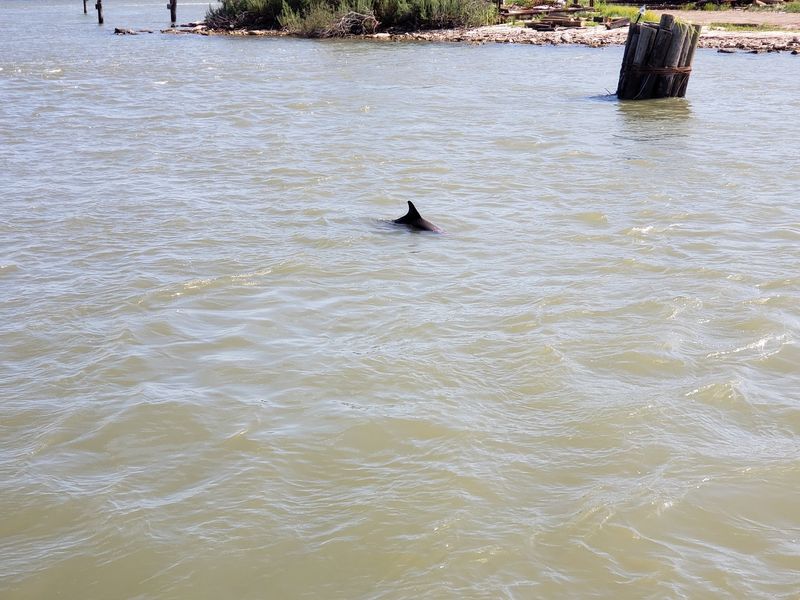
Few commutes come with marine mammals. Dolphin sightings are the most talked-about highlight of this crossing, and for good reason.
Dolphins regularly surface near the boat as it moves across the channel. Many riders say spotting them coming up for air is likely, not just a lucky break.
Nobody needs a tour ticket for this show. Drivers can simply stay in the car, kick back and let the boat carry them across while keeping an eye on the water.
A common piece of advice is to put your feet up and relax while the ferry does the work. The short ride leaves just enough time to scan the channel a few times before docking.
Families with kids tend to love this part most. A ten-minute ride that includes dolphins is a strong way to break up a long day of driving, and it often becomes the moment everyone talks about later.
Pelicans, Big Ships and Heavy Industry
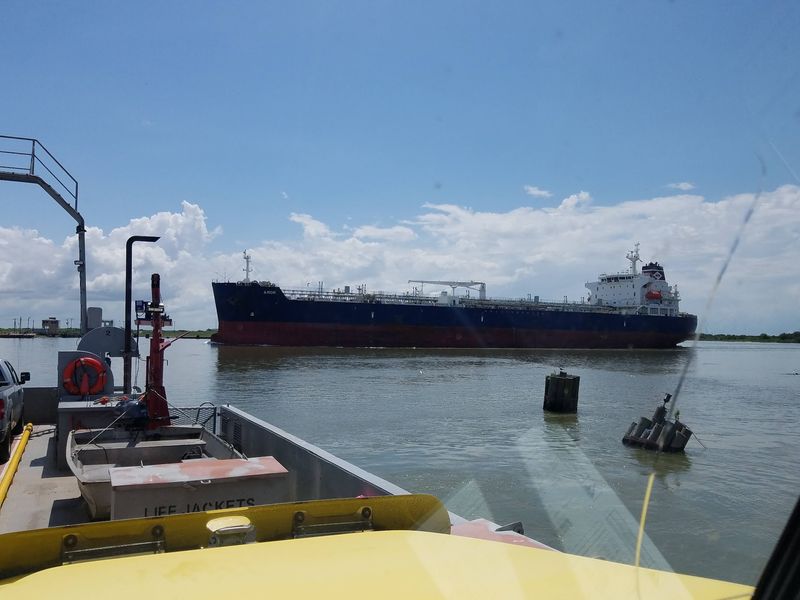
Dolphins get top billing, but they are not the only cast members. Pelicans are also frequent companions on the crossing, often close to the boat.
The channel is a working waterway too. Large ships pass through, and the scale of the vessels and nearby projects leaves plenty of riders impressed by what people can build.
A major LNG plant has been under construction in the area, and its workforce is part of the daily ferry traffic. That mix of heavy industry and wildlife gives the ride an unusual personality.
Some people come for the nature and end up just as interested in the ships. Others come for the shortcut and leave talking about both.
It is not a quiet nature preserve, and it does not try to be one. The crossing offers a front-row seat to the Gulf Coast as it actually works, with dolphins and cargo sharing the same stretch of water.
Free One Way, a Dollar the Other
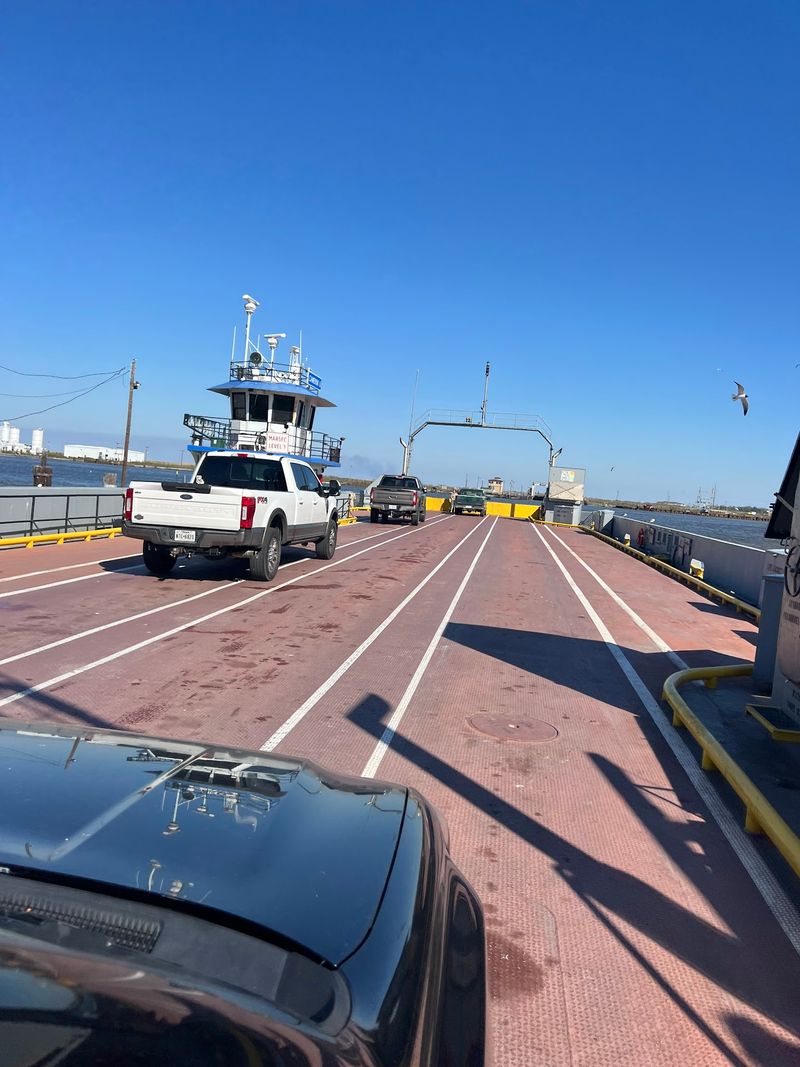
Here is the part that trips up newcomers. The ferry is free in one direction and costs a dollar in the other.
Heading east, the crossing costs nothing, which is how many first-timers discover it by surprise. Heading west, there is a $1 fee.
That dollar can cause headaches. Some riders have arrived without cash on the westbound side and were told to find an ATM about two miles back, then return.
Travelers have also pointed out that the westbound fee is not clearly posted at the landing. Fee details were hard to find on official websites, too.
The simple fix is to keep a few one-dollar bills in the cup holder. That small habit avoids a frustrating turnaround.
The fee structure is described as standard for Louisiana ferries. It remains a very cheap way to cross a busy waterway, with dolphins included at no extra charge.
A Drive-On, Wrap-Around Deck
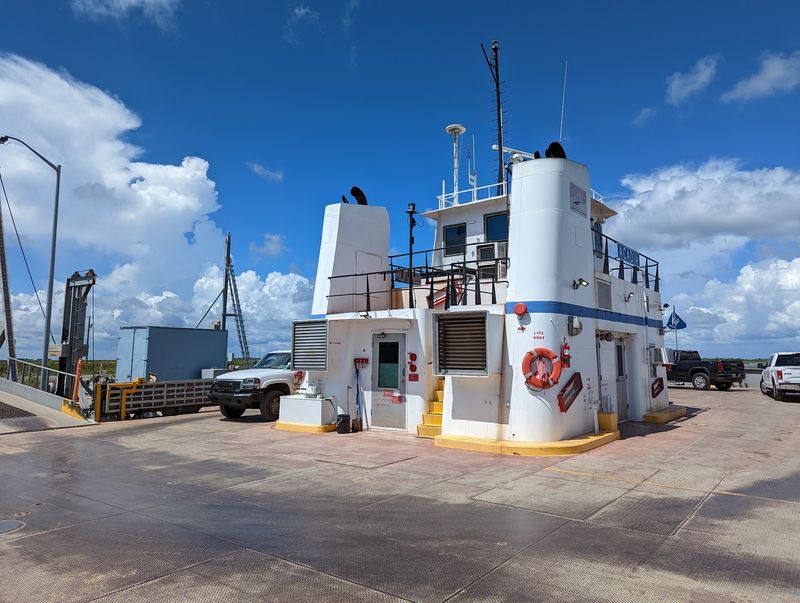
Loading onto this ferry is not quite what most people expect. The boat loads from the side rather than working as a straight drive-on, drive-off vessel.
Cars roll aboard and follow a wrap-around parking pattern on the deck. Depending on the boat and position, a driver may need to turn around on board to get off.
The current setup holds many more cars than it once did. Riders returning after a few years away noticed the bigger capacity, while the loading pace stayed quick.
Not everyone agrees on efficiency, though. Some drivers feel vehicles are sometimes loaded with empty gaps that could fit a few more cars.
Crews direct each vehicle to its spot, so the best approach is to follow the hand signals and take it slow. Motorcycles fit into the mix as well.
Once everyone is parked, the ramp rises, and the ten-minute glide across the channel begins.
The Clock Behind the Line
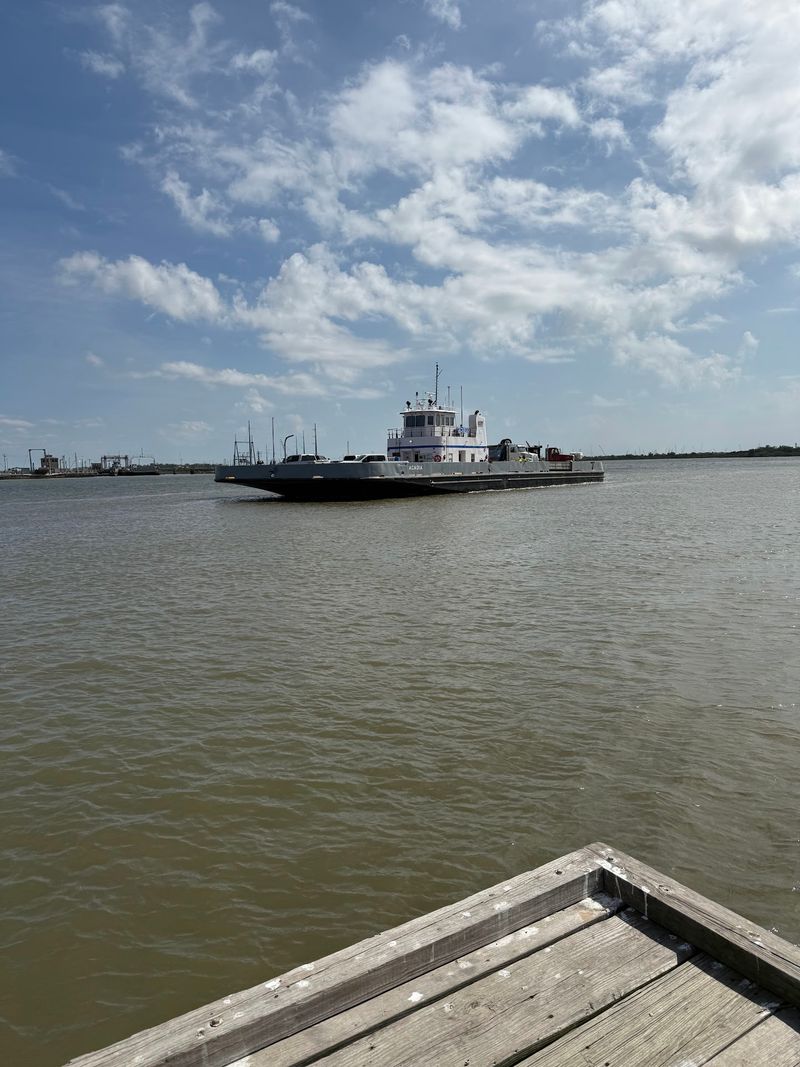
Timing can make or break a ferry day here. The ride is short, but the wait before it varies a lot.
A full round trip can take up to around 45 minutes, so arriving just after the boat leaves calls for some patience. On calmer days, the longest wait may be about 20 minutes.
Shift changes at the nearby LNG construction site are the big wild card. Crews heading to and from work can create long lines.
A 4 p.m. arrival can mean sitting for a while. Rolling in after the morning shift change, on the other hand, can mean almost no wait at all.
The takeaway is to aim for the gaps between those rush periods rather than the peaks.
The waiting area is basic, with few amenities, so bring water, snacks and something to pass the time. A charged phone for checking the ferry status helps too.
RVs Meet a Steep Ramp
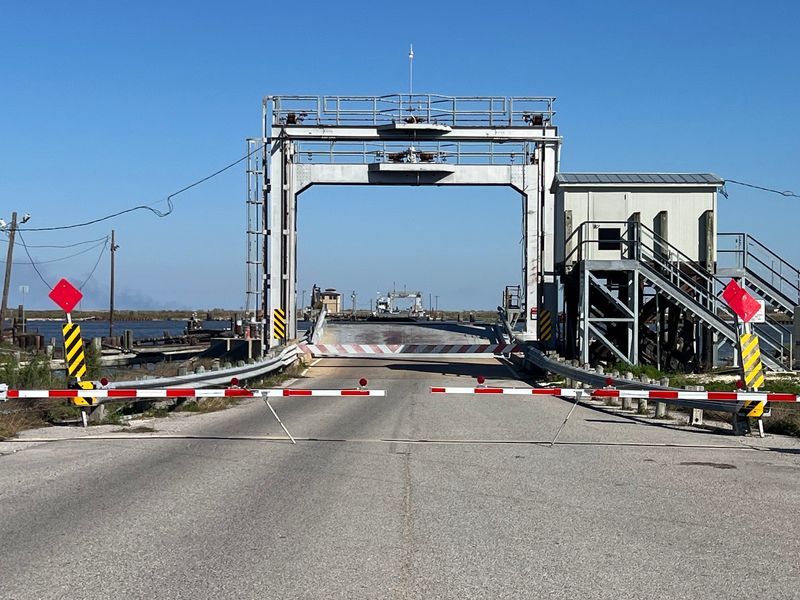
Big rigs, pay attention. This section could save an RV owner a very long backtrack.
Official information lists a vehicle length limit of 50 feet. In practice, the service runs different boats, and that changes what can board.
A contract boat that sits lower in the water creates a steep ramp with a hump in the middle. That hump can scrape the undercarriage of low-slung vehicles.
Because of this, a 25-foot RV has been turned away, and pusher RVs have not been permitted on some days. A 40-foot Class A motorhome was also denied because of its long wheelbase.
Drivers in those situations had to retrace their route up to Interstate 10. Highway 82 from Kaplan is described as a fairly good road for RVs.
Calling ahead helps, but ask about ramp clearance and wheelbase, not just length. Large commercial trucks may face limits as well.
When the Ferry Takes a Day Off
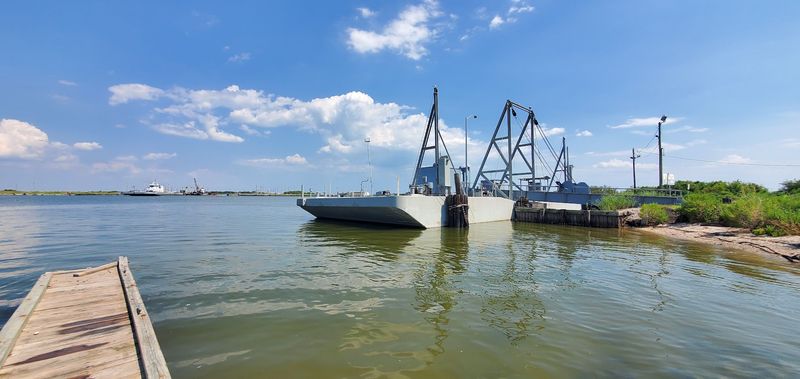
Every ferry has off days, and this one has had its share. Unexpected closures are the biggest frustration travelers mention.
Some drivers arrived to find the boat out of service with no information posted. A simple sign at the entrance would have saved them time and a turnaround.
A newer schedule has also caused confusion. Some regulars feel the ferry has not always followed it, which makes planning tricky for long-distance trips.
Finding updates can be harder than it should be. Complaints about the website and phone system come up often, with people struggling to get clear answers.
The best move is to check the Louisiana DOTD ferry status page right before leaving. Having a backup plan through Interstate 10 is also smart.
None of this erases the ferry’s value. It just means treating it as a helpful shortcut rather than a guaranteed one, especially on a tight schedule.
Hands on Deck
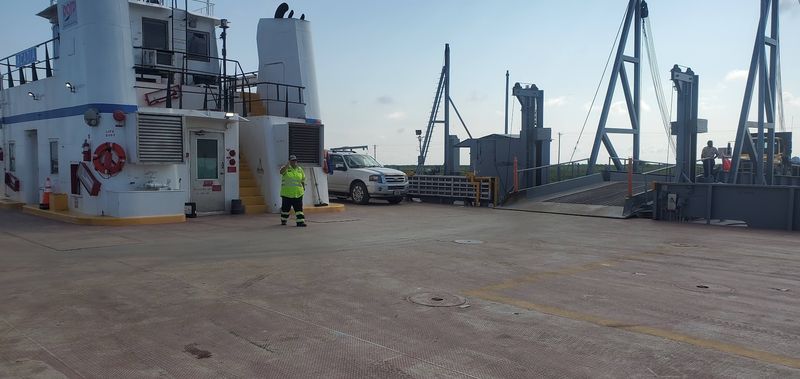
Behind every smooth crossing is a crew moving fast. Plenty of riders praise the team for loading and unloading efficiently.
Staff are often described as professional, safe and kind. Several people noted how quickly the whole process went, calling it simple and fast.
Not every encounter is perfect, though. A few drivers have run into loaders who came across as short or rude during busy moments.
Even then, others on the same trip found the deckhands calm and respectful. Experiences can vary from shift to shift.
The job is not easy. Crews juggle long lines, tight parking and a steady stream of trucks, cars and motorcycles.
A little patience goes a long way on both sides. Following directions and having the dollar ready when heading west both help the line move, and most crossings end with everyone docked and on their way within minutes.
A Link in a Gulf Coast Road Trip
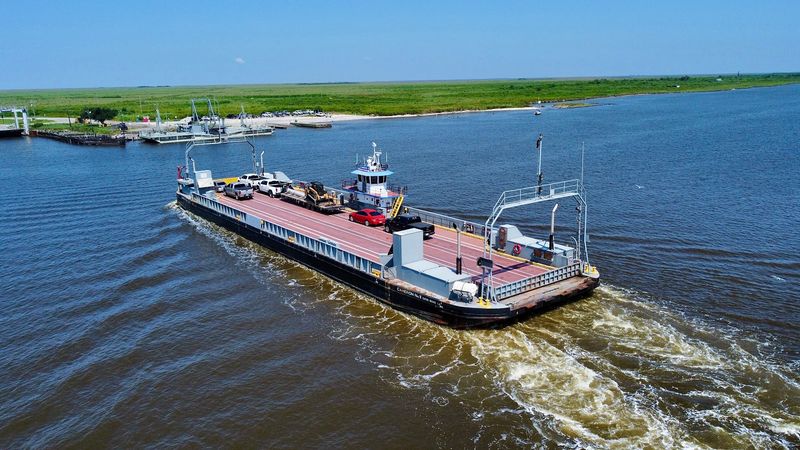
For road trippers, the ferry is more than a shortcut. It is a fun link in some long coastal routes.
One popular style of trip follows country roads along the Gulf of Mexico from Freeport, Texas. That route runs down Galveston Island, past the Seawall drive and harbor area, then continues through Bolivar, Winnie and Port Arthur.
From there, drivers cross into Louisiana, hop the ferry at Cameron and keep rolling east along the coast toward Houma and the back roads of bayou country.
Motorcycle riders enjoy it too. Some call the crossing a pleasant surprise in the middle of their trip.
Many travelers do not even realize they will be crossing water until they reach the landing. That unplanned break often becomes a highlight.
The ferry fits neatly into a slow-travel mindset. It rewards people who choose back roads over the interstate with a floating detour that works as a small adventure.
The Verdict on This Little Crossing
So, is the ride worth building into a trip? For most drivers in cars, small trucks or on motorcycles, the answer leans toward yes.
The crossing is short, costs nothing heading east and just a dollar heading west. Dolphins, pelicans and passing ships add a free show along the way.
It does come with caveats. Waits can stretch during shift changes, closures happen without much warning and larger RVs may be turned away.
Treat it like a bonus rather than a sure thing. Check the status page, carry cash and keep a backup route in mind.
Some see it as a slice of classic Americana, a simple public service that makes a trip more memorable. Others focus on the frustrations.
Both views have merit. On a good day, though, few ten-minute stretches of Louisiana highway deliver this much personality, and the long drive around Lake Charles rarely comes with dolphins.
Share this story