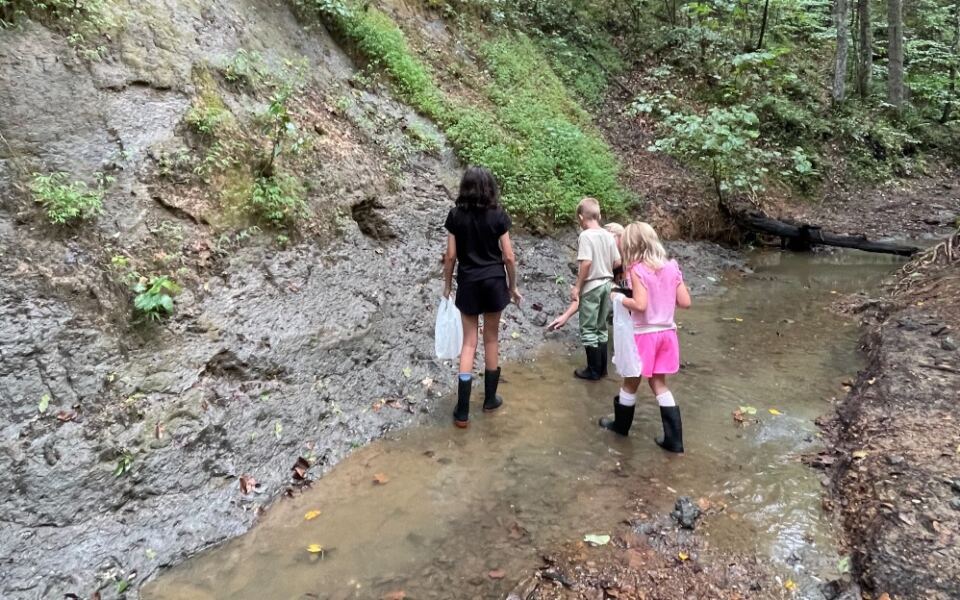
Some of the best finds in Tennessee sit at the bottom of a quiet creek, waiting for someone curious enough to crouch down and look. Out in the rural western part of the state, kids and grown-ups wade into a stream, pull out real fossil shells, and carry them home in their pockets.
There are no replicas here and no glass case between you and the past. Stick around to learn who runs the place, what to wear, and why people who went decades ago still keep their finds on the shelf.
A Fossil Site Off a West Tennessee Back Road
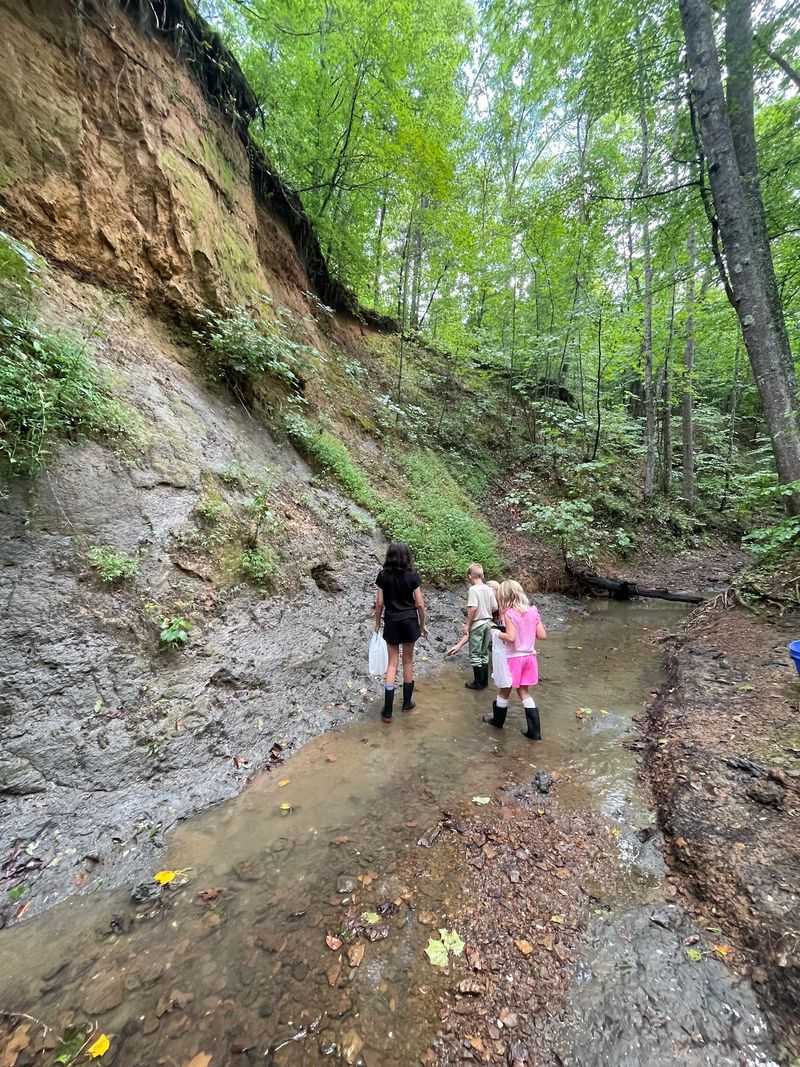
Finding the place takes a little intention. Coon Creek Science Center sits at 2983 Hardin Graveyard Rd, Adamsville, TN 38310, in the rural stretch of West Tennessee, United States.
The center is classified as a museum, but it works more like an outdoor classroom with a creek attached. Groups come here to learn about paleontology and then head outside to search for fossils on their own.
People in the area call it a treasure of the local community, and that pride shows up in how often families and schools return. The site is also described as an easy trip from Memphis, which makes it a realistic day outing for much of the western half of the state.
Road trippers from nearby states can fold it into a weekend without much trouble. Keep the full address handy for the drive.
Just know that the real destination is not the building. It is the water running behind it.
The University Behind the Mud
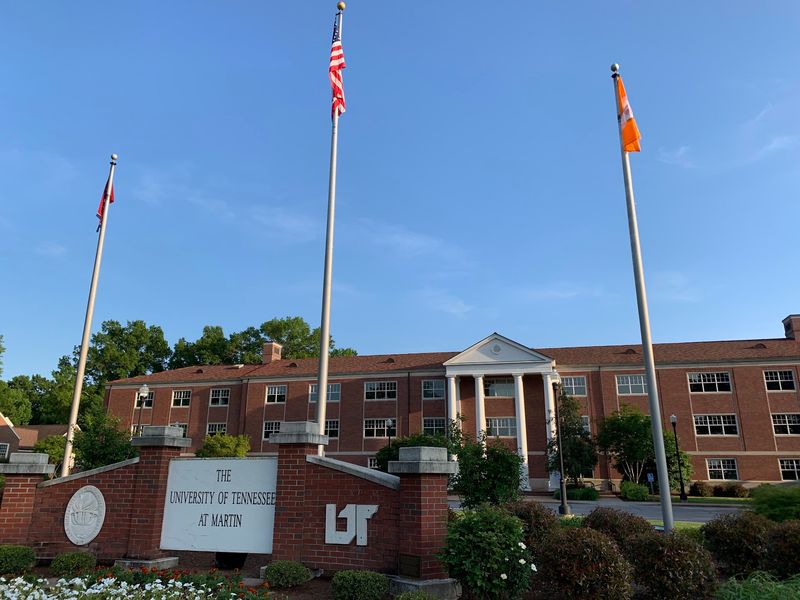
Not many science centers come with a university name attached. This one is run by the University of Tennessee at Martin, and its official page lives on the UT Martin website.
That academic connection shapes the whole experience. Programs are led by people who know the subject, and a faculty member known as Dr. Gibson, along with his students, has earned praise for teaching groups about the history of Coon Creek.
College students have used the site for serious study, too. One former student took a paleontology course here back in 1998, which shows how long the university has treated the creek as a working classroom.
Years ago, word spread that UT Martin planned to update the location, a sign the school kept investing in it. For families, the result is simple.
You get real scientific guidance without the stiff feel of a lecture hall, and kids leave knowing more than they expected.
Shells Hiding in Plain Water
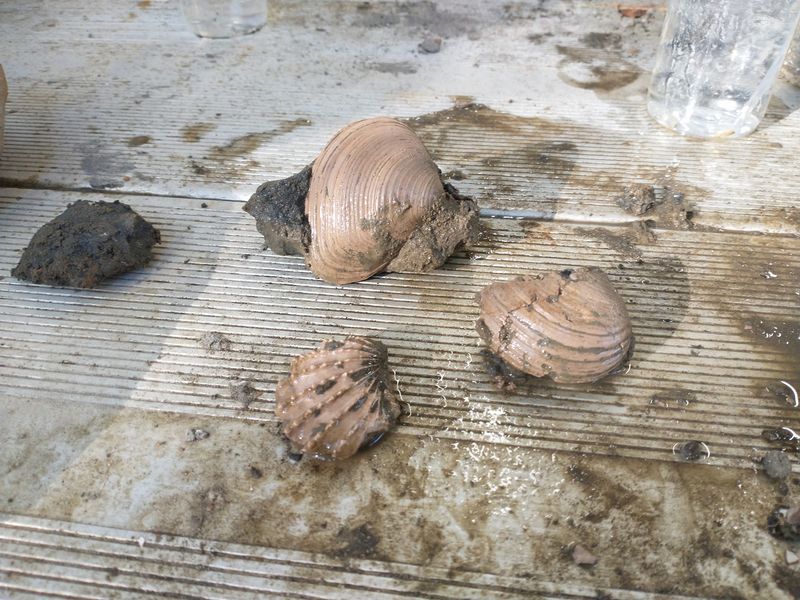
Here is the fun twist. The fossils are not locked away, because they sit right in and along the creek, where anyone in a group can go looking for them.
Coon Creek is known for fossil shells, and the hunt happens outdoors in the stream itself. After a good rain, the water can uncover a surprising number of shells lying right there in the creek bed, ready to be picked up.
That makes the timing of a trip part of the adventure. A wet day before a visit may actually improve the odds of finding something good.
The surrounding grounds get credit as a great area, with room for groups to spread out and explore. Nature lovers find plenty to enjoy beyond the fossils, since the center is also praised as a place to learn about the natural world.
Every trip here mixes a little science with a lot of time outside.
A Crash Course Before the Creek
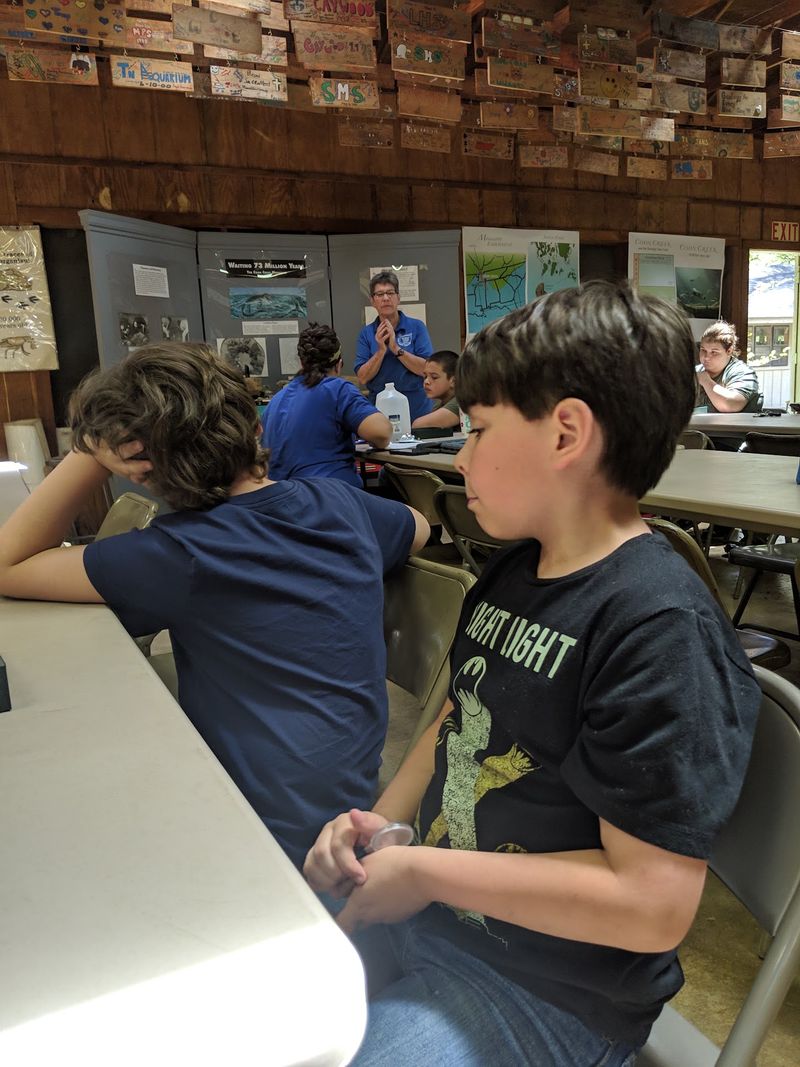
Nobody gets tossed into the water without a little background first. Trips typically begin with a presentation, and it tends to be a highlight on its own.
The opening talk is described as both fun and informative, which is a tricky balance to strike with a mixed crowd. Groups with adults alongside children between six and thirteen have come away with everyone engaged.
Why start indoors? The short lesson helps people understand what they are about to find, so a shell in the creek becomes a clue about the past rather than just a pretty object.
Staff members answer questions along the way, and kids tend to ask plenty. Patience seems to be part of the job description here, since hosts are known for handling endless curiosity with good humor.
By the time the talk wraps up, most people are eager to get their hands wet.
The Main Event of Fossil Hunting
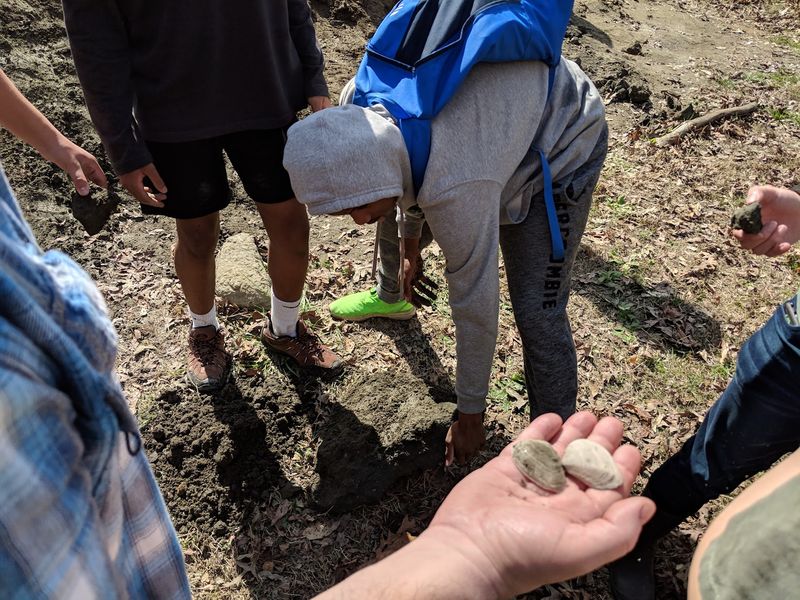
Fossil collecting is the reason most people make the drive, and it earns its top billing. Groups head to the creek to search for shells, and the supply seems generous.
One family trip happened on an unseasonably cold day, and the group still found several impressive fossils while learning a lot. Other groups have come away amazed by how many fossils turn up during a single outing.
The search itself is hands-on. You look, you scoop, you inspect, and experts nearby can help identify what you found.
Kindergarten classes have joined in, so the activity works for very young hunters with a bit of guidance. Older students and adults get just as absorbed.
The appeal is easy to explain. Holding a genuine fossil that you personally pulled from a creek beats looking at one behind glass, and that thrill keeps groups coming back.
Finders, Keepers, Fossil Edition
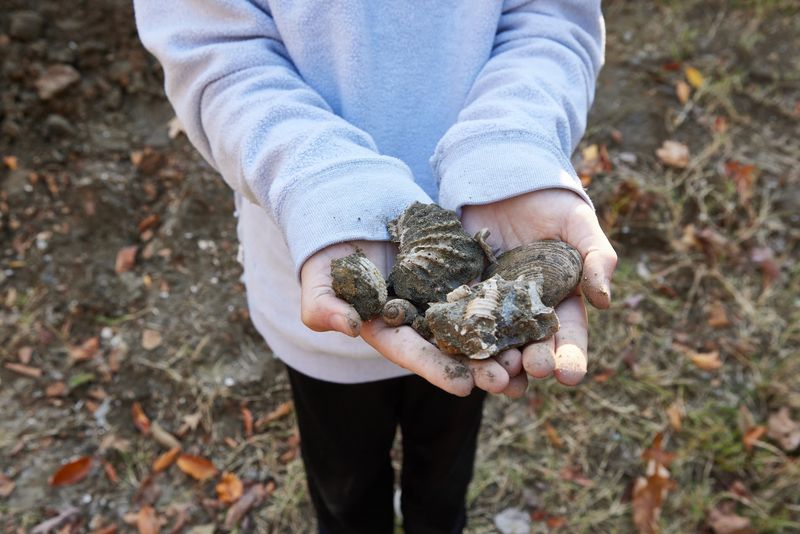
Most museums have strict rules about touching the exhibits. At Coon Creek, the policy flips completely, because you get to keep what you dig.
That single detail changes the whole mood of a trip. Kids are not just observing science.
They are building their own small collection, one shell at a time.
The staying power of those finds is remarkable. A person who collected fossils here during a 1998 college course still has every single one, along with plenty of good memories attached.
For parents, the takeaway matters too. A souvenir that is also a real piece of natural history tends to stick around much longer than a plastic toy from a rest stop.
Bring a small container or bag for the trip home so fragile shells travel safely. Your future bookshelf will thank you, and so will the kid who wants to show off at school on Monday.
Church Groups, Families, and Mixed Ages
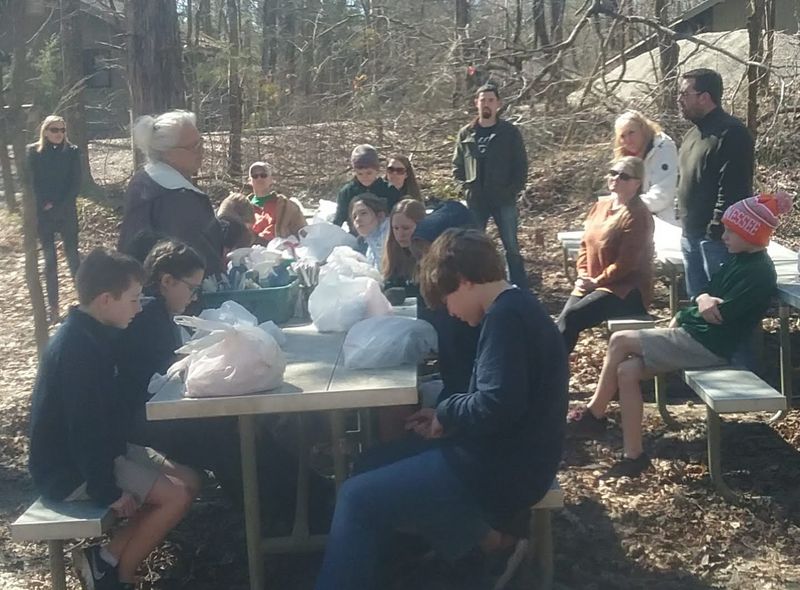
Not every group arrives on a school bus. Families, church groups, and community organizations spend time here too, and the experience adapts well to a mixed crowd.
One church outing brought adults along with kids ranging from six to thirteen, and everyone found something to enjoy. That is a wide age spread, yet the presentation and creek time kept both the little ones and the grown-ups interested.
Families who go once often talk about coming back. The blend of learning and outdoor exploring makes it an easy sell for households that like weekend adventures with some substance.
Locals lean on the center repeatedly, calling it a gem of the community where they always have a good time. That kind of loyalty usually comes from consistency, and the staff here seem to deliver it.
Grandparents, parents, and kids can all work the same creek together. Few outings in rural Tennessee give three generations such a shared goal.
Memories That Outlast the Trip
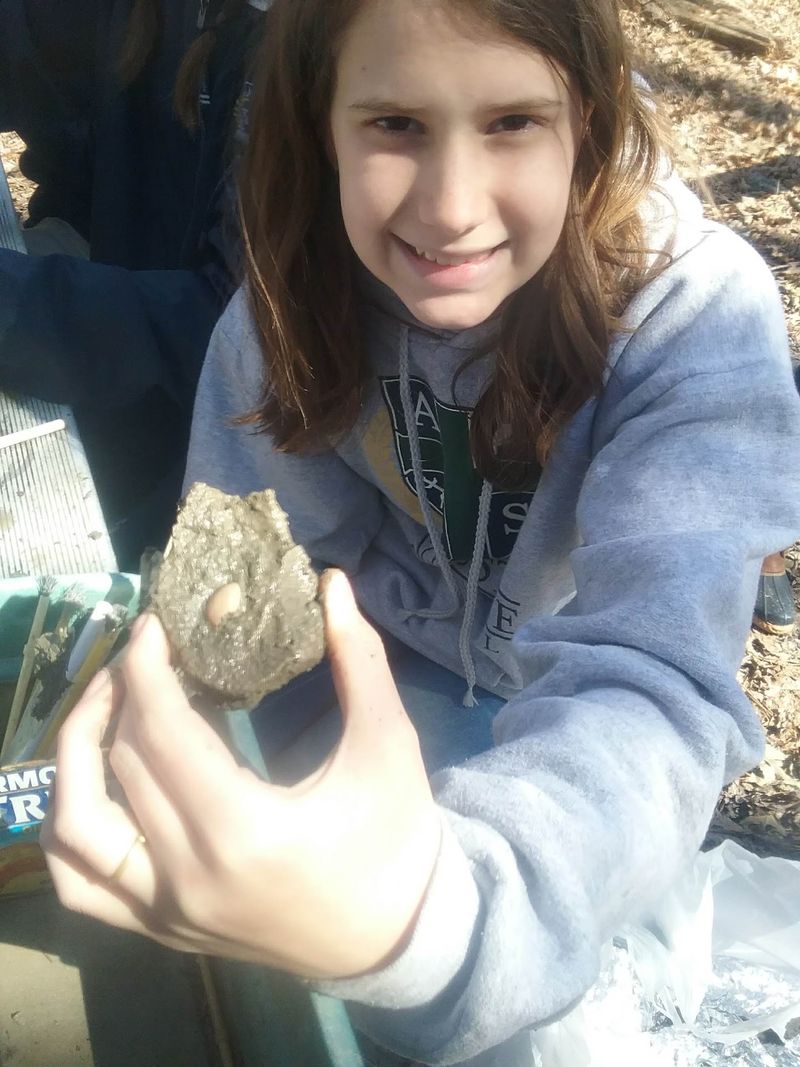
Some trips fade by the next week. Coon Creek has a habit of sticking with people for decades.
Back in the 1990s, the center hosted a summer sleep away camp, and kids spent several summers there exploring and learning. Former campers still speak fondly of those seasons, and some wish the program were still offered for children today.
That same era produced a college student who took a paleontology course at the creek in 1998. More than twenty-five years later, the fossils from that class remain in a personal collection.
Tennessee has plenty of attractions, but few create memories that get handed down. Parents who came as kids can bring their own children to the same creek, and the fossils found then can sit right next to the ones found now.
That generational thread is part of what makes the place special. It is less a one-time stop and more a family tradition waiting to begin.
Dress for the Creek, Not the Camera
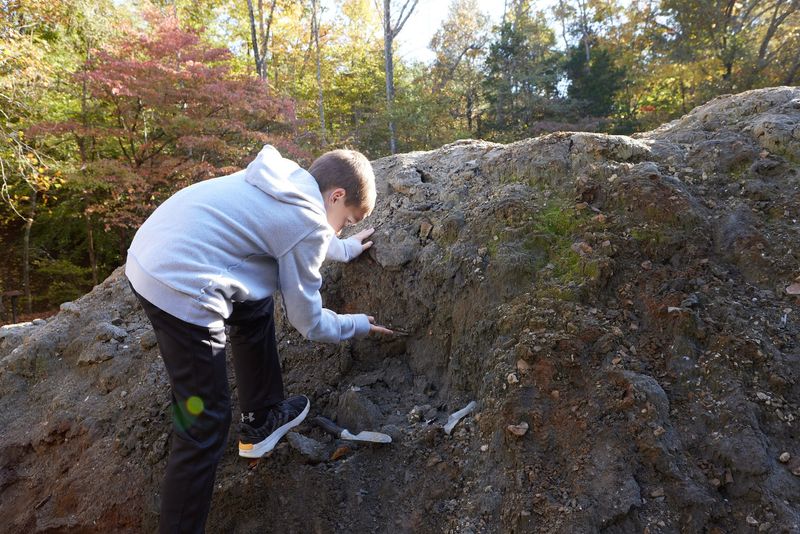
Here is the tip that matters most: plan to get wet. Fossil collecting happens in and around the creek, so muddy shoes and damp clothes come with the territory.
Conditions can turn cold, especially after rain or on chilly days. Warm layers are a smart choice, and a full change of backup clothes waiting in the car can save the ride home.
Rain actually cuts both ways. A trip scheduled the day after a storm may reveal loads of shells sitting in the water, but it also means colder, wetter conditions for the whole group.
Groups have enjoyed great hunts even on unseasonably cold days, so weather does not have to spoil the fun. Preparation simply makes it more comfortable.
Consider waterproof boots, a towel, and a bag for wet gear. Small kids especially benefit from an extra pair of socks, and a little planning turns a soggy afternoon into a story worth retelling.
Planning Details Before You Go
Hours and admission details are not posted here in a fixed schedule, so checking ahead is the way to go. The center’s official page on the UT Martin website at utm.edu/ccsc is the best starting point for current programs and booking information.
Many experiences center on groups, including school classes, church outings, and families joining a session. Reaching out early is a smart move for any group.
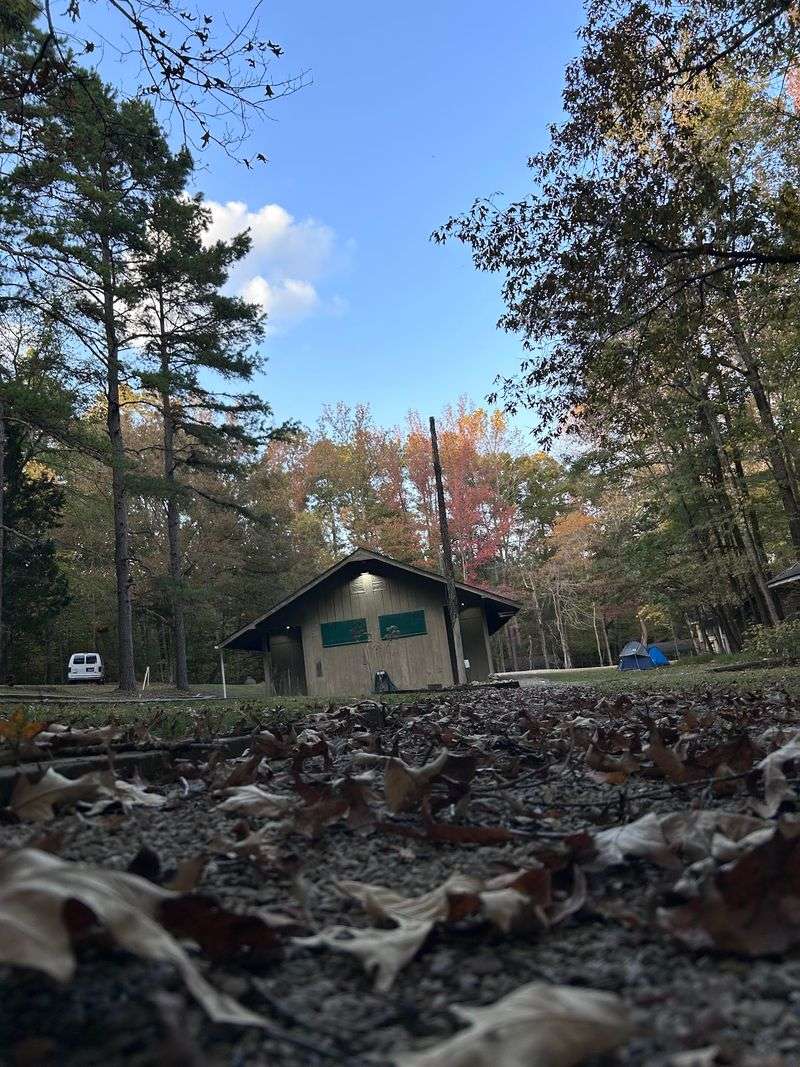
A few on-site details help with planning. The restrooms get praise for being nice, which is always welcome at an outdoor site.
Cell service is limited in this rural area, so download directions before leaving town. The drive is considered manageable from Memphis, making the center a practical outing for West Tennessee families and nearby road trippers.
Pack snacks, water, and those spare clothes. A prepared group spends less time worrying and more time finding fossils, which is exactly the point of the trip.
A Soft Verdict From the Creek Bank
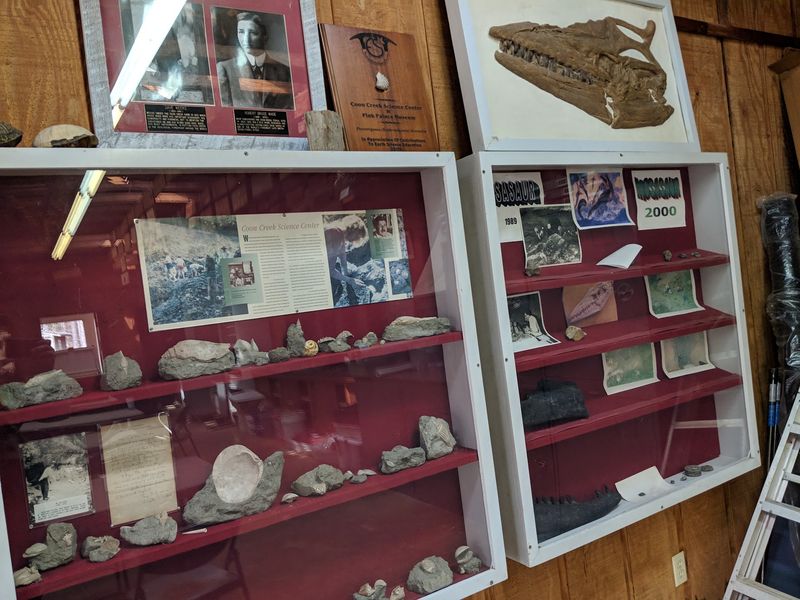
So is it worth the drive? Science fans, outdoor lovers, and collectors of good stories all have solid reasons to say yes.
The center offers something rare in Tennessee: real fossil shells you can find yourself and carry home. Add knowledgeable university staff, patient hosts, and a creek that can reveal fresh finds after a rain, and it becomes clear why people return.
It is not flashy. Your phone might not even find a signal, and your shoes will almost certainly get muddy.
What it does offer is a quiet chance to connect with the past, learn from people who care, and start a collection that may last a lifetime. Former students still hold onto fossils found decades ago, which says plenty about the staying power of this place.
Pack warm clothes, bring curious kids, and leave room on a shelf at home. The next great fossil story in West Tennessee might start in this very creek.
Share this story