There is a university sitting quietly in St. Paul, Minnesota, that has been shaping lives, training teachers, and building community for well over a century. Most people drive right past it without realizing just how much history is packed onto that campus.
Founded in 1893, this school has weathered world wars, cultural shifts, and an ever-changing city, yet it keeps showing up for students year after year. If you have never taken a closer look at what makes this place tick, now is a great time to start.
A Campus With Deep Roots in St. Paul History
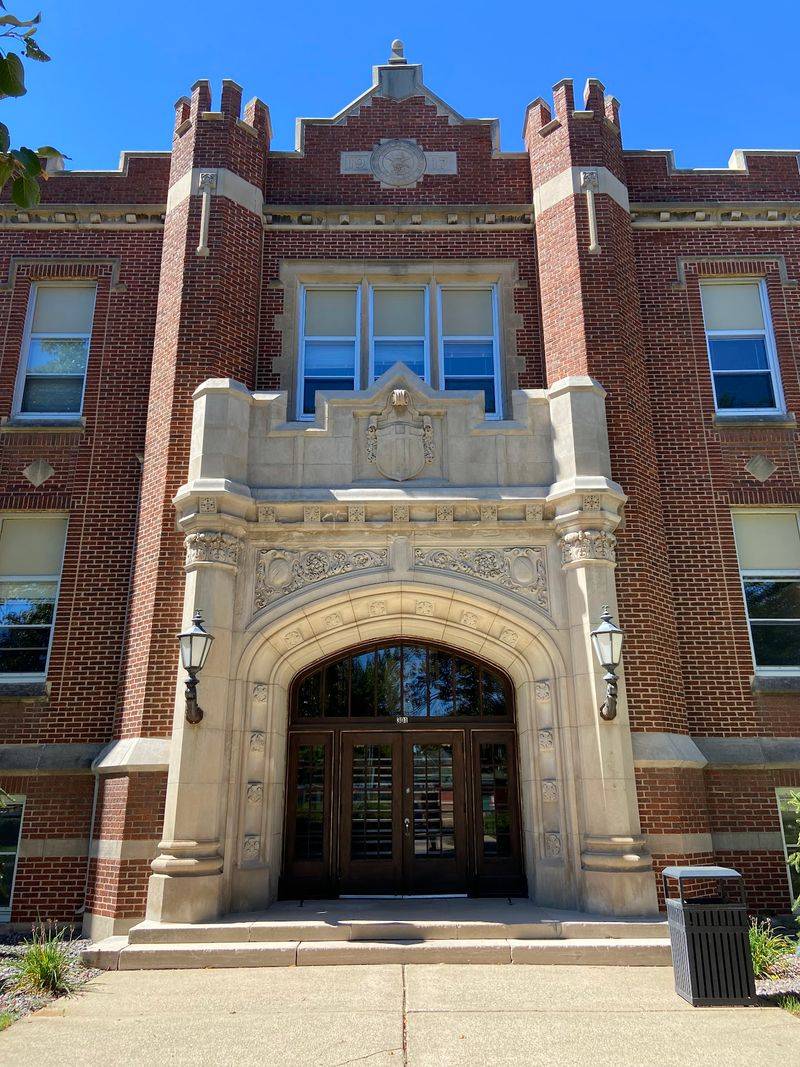
Few universities in the Twin Cities can say they have been standing in the same neighborhood since the 1890s. Concordia University, St. Paul, located at 1282 Concordia Ave, St. Paul, MN 55104, opened its doors in 1893 as a Lutheran institution committed to faith-based education.
That is more than 130 years of continuous presence in a single city, which is genuinely rare for any private university in the Midwest. The campus grew alongside St. Paul itself, watching the city transform from a growing river town into a thriving state capital.
Walking the grounds today, you can feel that long timeline in the architecture and the tree-lined paths. The university has always carried a sense of purpose that goes beyond just handing out degrees, and that mission has kept it relevant through generations of change in Minnesota.
The Lutheran Mission That Still Shapes Campus Life
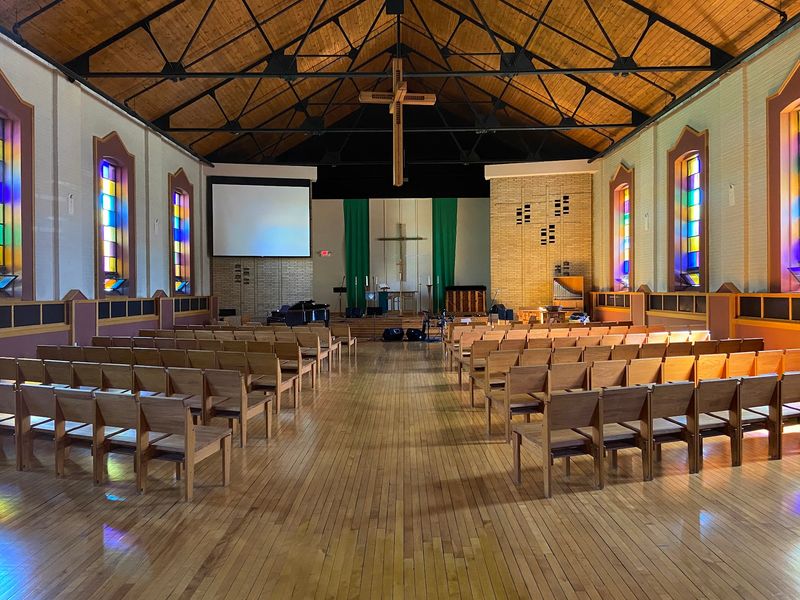
Concordia University, St. Paul, was founded by the Lutheran Church-Missouri Synod, and that faith identity has never quietly faded into the background. It remains a real and active part of how the university defines its purpose and how students experience campus life.
Required coursework in theology has been a part of the curriculum for decades, and that is something prospective students should know going in. For many, that structure adds meaning to their education.
For others, it raises questions worth asking before enrolling.
What stands out is that the faith mission does not feel like a marketing tagline here. It shapes how the institution talks about education, community, and service.
Whether you share that faith or not, understanding it is key to understanding why Concordia has stayed true to its original identity for more than a century while so many other small private colleges have changed course or closed entirely.
Sea Foam Stadium and the Surprising Sports Scene on Campus
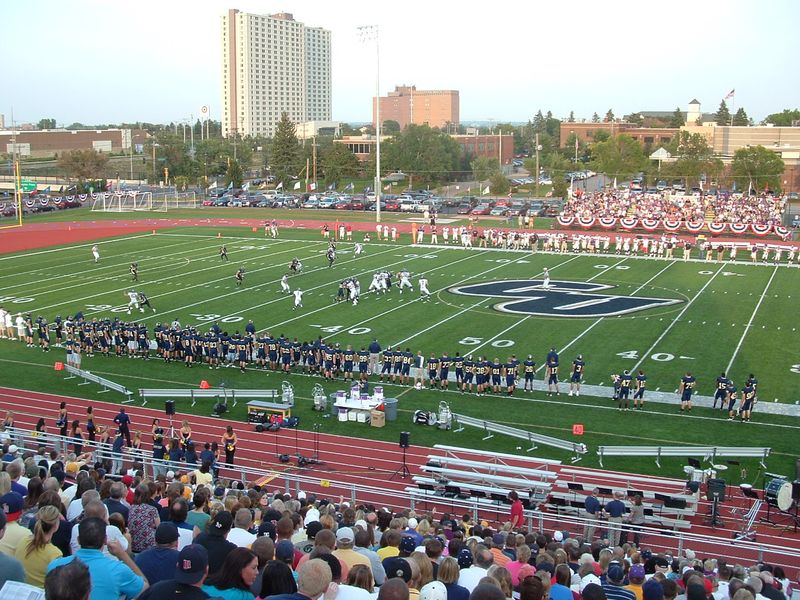
One of the most unexpected things about this campus is Sea Foam Stadium, a venue that draws crowds well beyond the university’s own student body. The facility has hosted events like Minneapolis Wind Chill Ultimate Frisbee matches, drawing families looking for a clean, well-organized outdoor sports experience.
Visitors consistently note how well-maintained the stadium is, and the food trucks that set up during events have become a reliable part of the atmosphere. It is the kind of setup that turns a casual sports outing into a genuinely fun afternoon.
The stadium also hosts high school state championship events, including robotics competitions, which means the campus regularly welcomes thousands of visitors who might not otherwise set foot on a university campus. That kind of community access is something worth appreciating, and it shows how Concordia has positioned itself as more than just a school in St. Paul.
Academic Programs Built Around Working Adults
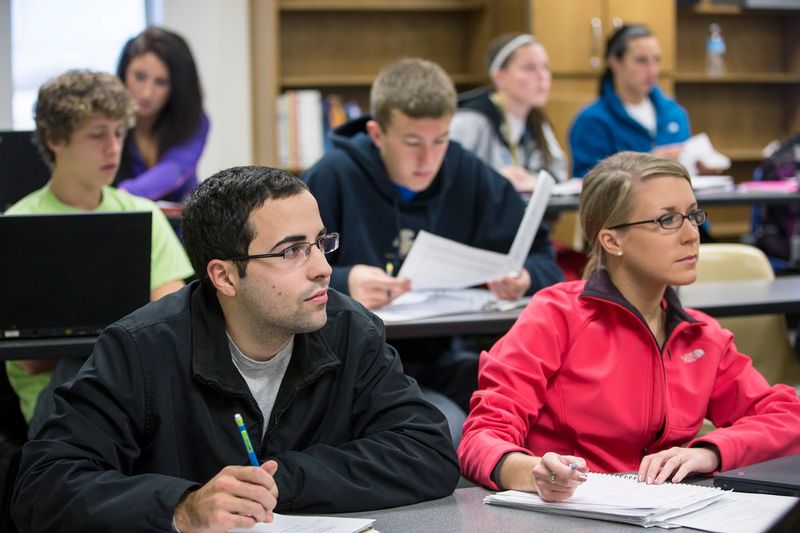
One thing Concordia has leaned into over the years is serving students who already have jobs, families, and full lives outside the classroom. The university has built a strong reputation for hybrid and online programs designed specifically for working adults who cannot put everything on hold for a traditional four-year schedule.
Graduate programs in fields like human resource management, education, and business have attracted students who want a flexible path to a degree without sacrificing quality. Some alumni have credited their Concordia graduate degrees with directly advancing their careers and increasing their earning potential.
The 18-month hybrid format that some programs offer is particularly appealing for professionals who want structured learning without the rigidity of a full-time campus schedule. That practical design reflects how the university has adapted over time to meet students where they actually are, rather than expecting everyone to fit the same traditional mold.
The E.M. Pearson Theatre and a Performing Arts Tradition
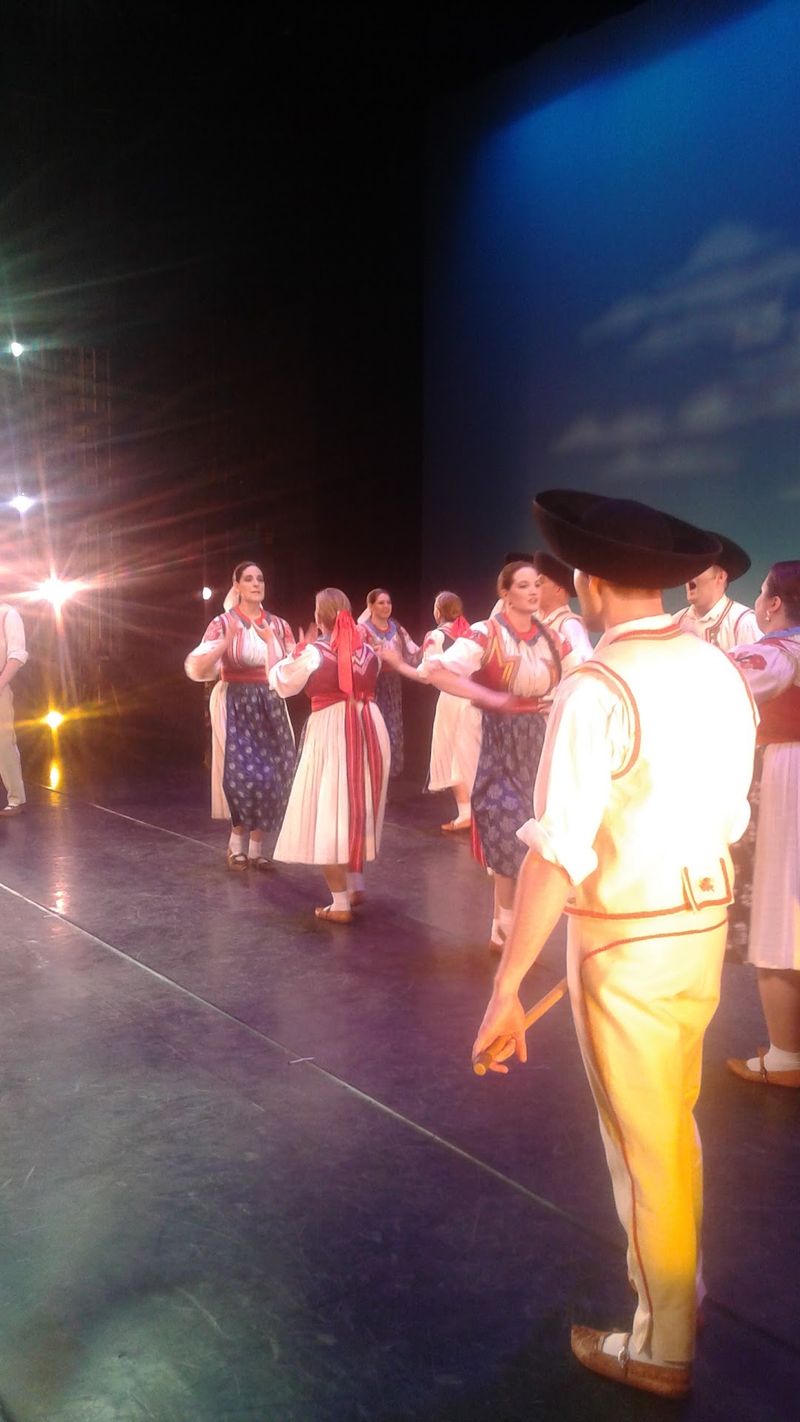
Not every small university can boast a theater that performers genuinely look forward to working in, but the E.M. Pearson Theatre on campus has earned real respect among musicians and performers in the Twin Cities area.
Those who have worked in it describe it as one of the better college theater spaces around.
The Buetow Auditorium serves as a recital space, and the black box theater on campus rounds out a performing arts complex that supports a range of productions throughout the year. Summer plays, music performances, and student productions regularly bring outside audiences onto campus.
For a university of its size, that arts infrastructure is impressive. It signals that Concordia has always taken creative disciplines seriously, not just as electives but as a genuine part of what a well-rounded education looks like.
The performing arts scene here is one of the quieter but more enduring strengths of the campus.
Teacher Education Programs With a Cultural Focus
Teacher preparation has been central to Concordia’s identity for much of its history, and some of its most praised programs sit within the education department. The Southeast Asian Teacher Program, designed to prepare culturally competent educators for diverse classrooms, has drawn particular attention for its thoughtful approach.
The program is open to all minorities, not just Southeast Asian students, and it focuses on giving future teachers the tools to connect meaningfully with students and families from different cultural backgrounds. Alumni who have gone through it speak about it with genuine enthusiasm, calling it a well-kept secret that quietly does important work.
In a state like Minnesota, where classroom demographics have shifted significantly over the past few decades, that kind of culturally focused teacher training carries real weight. It is one of the areas where Concordia’s mission and its practical academic offerings align most clearly, producing educators who are prepared for the realities of modern Minnesota classrooms.
Graduate Scholarship Opportunities Worth Knowing About
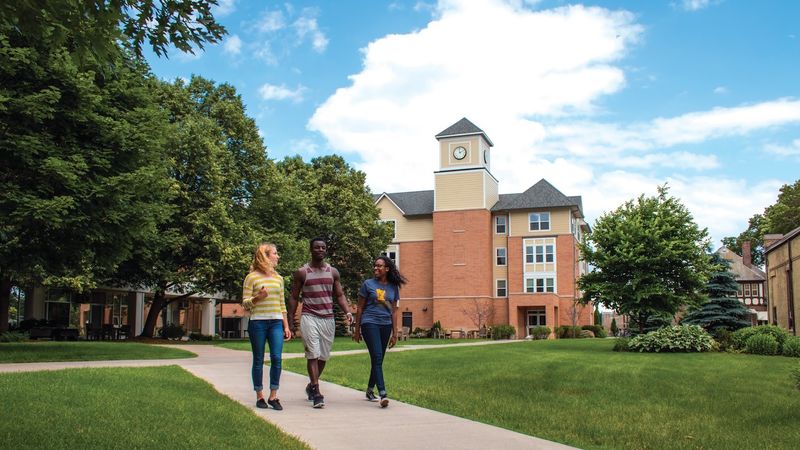
Paying for a graduate degree is one of the biggest concerns for most adult learners, and Concordia has worked to address that with scholarship options tied to academic performance. GPA-based scholarships have helped make the university more accessible for students who might otherwise rule out a private institution on cost alone.
That financial support matters especially for working adults who are balancing tuition payments alongside mortgages, childcare, and other real-world expenses. Knowing that strong academic performance can translate into meaningful financial relief changes the calculation for a lot of prospective students.
The university has positioned these scholarships as part of a broader commitment to student support, which reflects a genuine understanding of who its student population actually is. Affordable pathways to graduate education at a private university are not always easy to find in Minnesota, so this is one of the more practical reasons Concordia continues to attract students from across the region.
A Compact Campus That Feels Genuinely Walkable
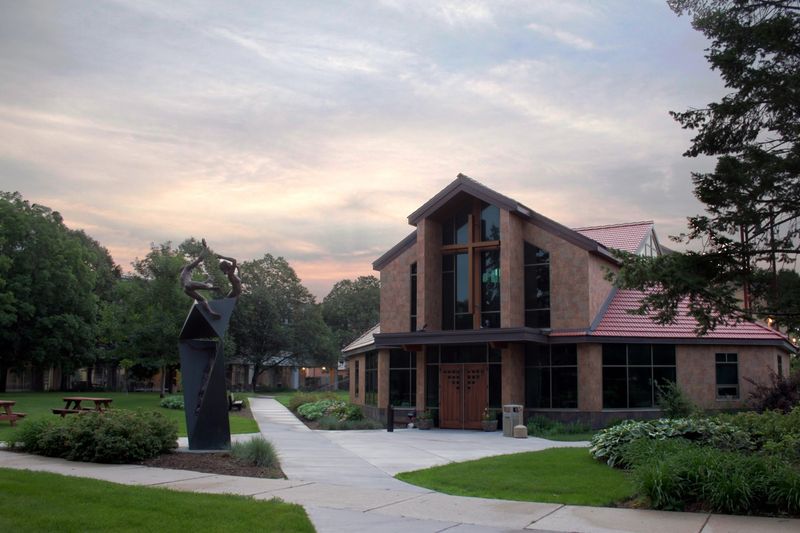
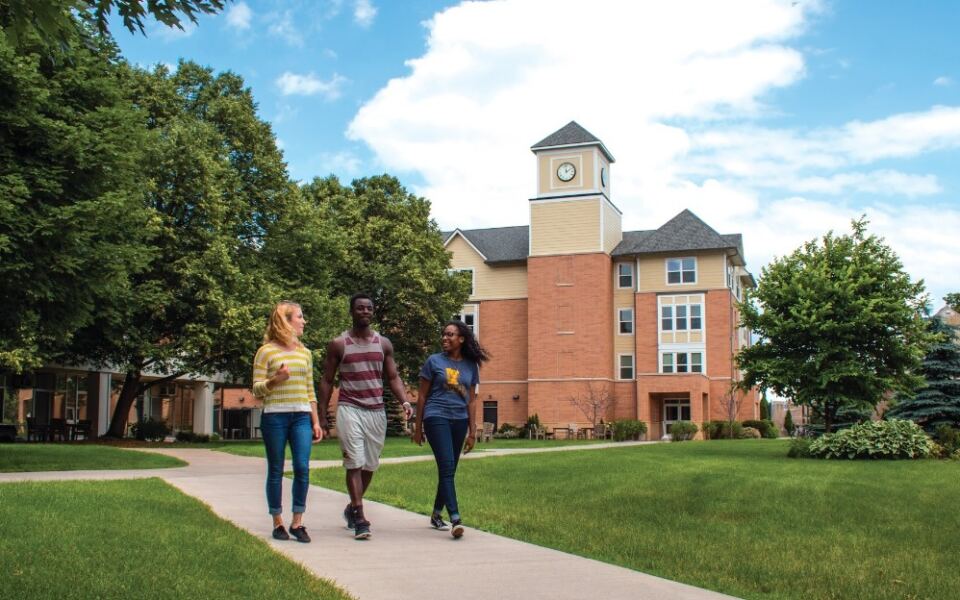
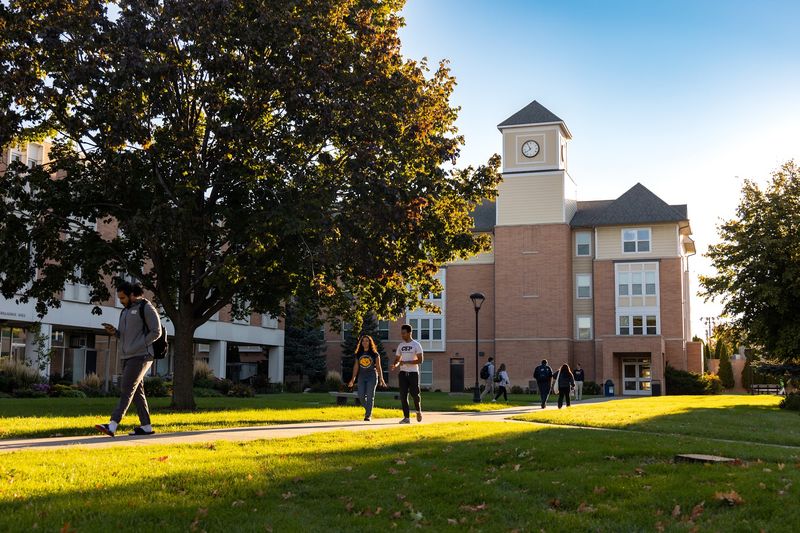
Concordia’s campus is not sprawling, and that is actually one of its more underrated qualities. The compact layout means students can move between buildings quickly, find familiar faces easily, and build a real sense of community without getting lost in a massive university system.
First-time visitors often comment on how clean and well-kept the grounds feel, and how the calm atmosphere sets it apart from the busier energy of larger campuses. There is something grounding about a university that fits neatly into a residential neighborhood rather than dominating it.
The surrounding area of St. Paul adds to that feeling. The campus sits in a part of the city with real character, close enough to urban amenities to feel connected but quiet enough that studying outdoors on a warm Minnesota afternoon is actually pleasant.
That balance between city access and campus calm is something many students genuinely appreciate about their time here.
More Than 130 Years of Graduating Students Into Minnesota Communities
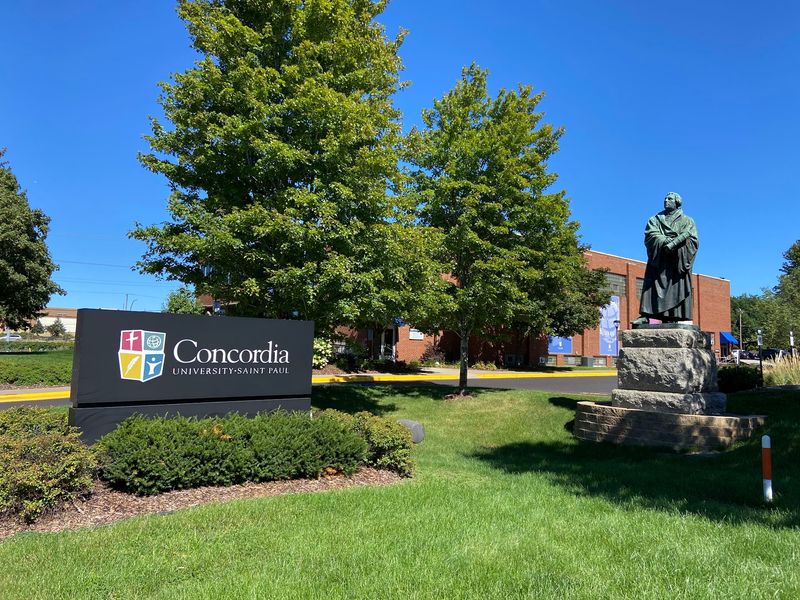
When a university has been producing graduates for more than 130 years, those alumni spread into every corner of a state. Teachers, nurses, business professionals, and community leaders across Minnesota have Concordia degrees behind them, even if the school does not always get the same headlines as larger state universities.
That quiet, steady output of graduates is part of what makes Concordia’s long history in St. Paul so meaningful. Every decade, new students have walked across that campus, earned credentials, and carried them into careers that touched real lives in real communities.
There is something worth recognizing in a school that has kept doing that work through every era of Minnesota history, from the early twentieth century through the digital age. Not every institution survives that long while staying true to its founding mission.
Concordia has, and that kind of consistency deserves more attention than it typically receives from people outside the Twin Cities.
What Visiting the Campus Feels Like Today
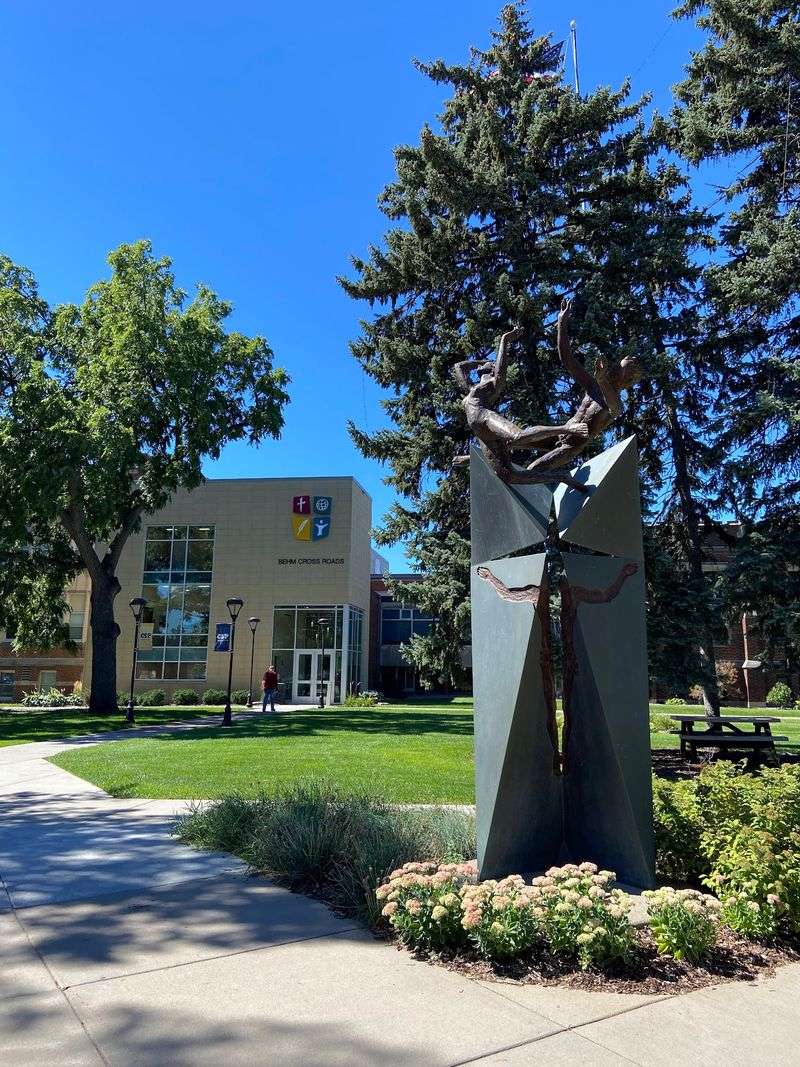
Showing up on the Concordia campus for the first time, whether for a sports event, a performance, or an open house, tends to leave a particular impression. The cleanliness of the facilities is one of the first things people notice, followed by how easy it is to navigate a campus that does not try to be bigger than it needs to be.
Staff members are generally visible and willing to point visitors in the right direction, which makes the experience feel welcoming rather than overwhelming. Events like high school championships and community productions bring a steady flow of outside visitors throughout the year, so the campus does not feel closed off or exclusively academic.
For anyone curious about what 130-plus years of university life looks like in a single St. Paul neighborhood, spending an afternoon on this campus offers a surprisingly rich answer. The history is in the buildings, the mission is in the programs, and the community shows up in the people.
Share this story