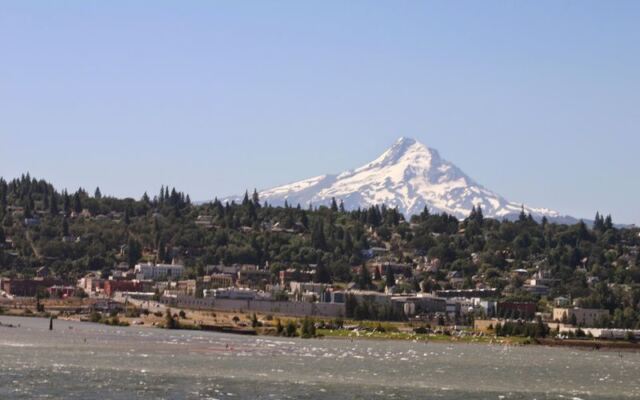
Oregon has a way of pulling people in, and a large survey of residents who moved there helps explain why. Travel Oregon’s 2023-24 Resident Sentiment survey asked 4,688 people who had not lived in Oregon their whole lives what originally drew them to the state, and their answers covered everything from mountain views to career goals.
The results paint a layered picture of a place that means very different things to different people. If you are curious about Oregon or already call it home, these reported reasons are worth understanding honestly, not as promises, but as a starting point for your own research.
Landscape and recreation draw surveyed residents

Among respondents in Travel Oregon’s 2023-24 Resident Sentiment survey, landscape and natural features ranked as the most frequently reported reason for originally moving to Oregon, selected by 42% of participants who had not lived in the state their whole lives. That figure stands apart from two related but separate responses: summer recreation, reported by 31%, and winter recreation, reported by 14%.
The survey counted 4,688 completed responses, and respondents could select more than one reason, so these percentages reflect individual choices, not a single ranked list of causes.
What the numbers suggest is that the sheer visual character of Oregon, its volcanoes, old-growth forests, coastline, and high desert, registered as a pull factor for a meaningful share of people before recreation even entered the conversation. Outdoor access clearly matters to many who moved, but the landscape response and the recreation responses are distinct categories, and it would be a stretch to treat them as the same thing.
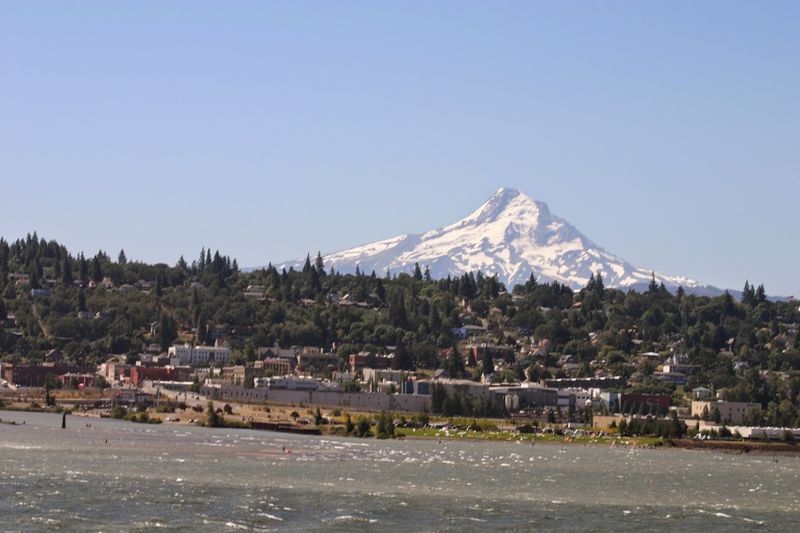
Someone drawn by the sight of Mount Hood on a clear day may or may not have been planning a ski trip.
Think of these figures as a snapshot of reported motivations, not evidence that scenery guarantees satisfaction after a move. Oregon’s natural settings are real and often striking, but what they mean day-to-day depends on where you settle and what you actually do outside.
Climate appeal depends on where you land
Climate or weather was selected by 35% of survey respondents as a reason they originally moved to Oregon, making it the third most frequently reported factor in the Travel Oregon findings. That is a notable share, but it comes with an important caveat: Oregon does not have one climate.
The state spans the wet, mild coast; the temperate Willamette Valley; the wetter west slopes of the Cascades; and the much drier, hotter high desert east of the mountains.
Prospective movers who picture mild, overcast Portland-style winters should check NOAA’s U.S. Climate Normals, which provide 1991-2020 station-level data for specific cities and regions rather than a statewide average.
Medford in southern Oregon, for example, runs significantly hotter in summer than Astoria on the coast. Pendleton, east of the Cascades, sees temperature swings that would surprise anyone expecting a year-round moderate experience.
Summer heat deserves particular attention. Oregon’s emergency management guidance on extreme heat notes that high temperatures can be significant, especially in southern Oregon and east of the Cascades.
Climate can be a genuine draw, but the appeal is specific to region and season, not a statewide guarantee.
Job opportunity can matter, but prospects vary

Job or career opportunity was reported by 39% of survey respondents as a reason for originally moving to Oregon, placing it second among all reported factors. That is a substantial share, and it reflects something real: Oregon does have a diverse economy that includes health care, technology, manufacturing, agriculture, and outdoor-recreation industries.
But “job opportunity” covers a wide range of experiences, and recent labor-market data suggest the picture is uneven.
According to the Oregon Employment Department’s August 2026 release, the state unemployment rate stood at 5.1%, and payroll employment was down 10,900 over the previous 12 months. Health care and social assistance was a clear bright spot, adding 10,200 jobs over that same period.
The department’s second-quarter 2026 survey counted 45,400 private-sector vacancies, with hiring demand concentrated in health care and social assistance.
Those figures are a useful reminder that job prospects depend heavily on occupation, employer type, and the specific community where you plan to live. A nurse practitioner and a commercial real estate agent will find very different markets.
Research openings and wages in your field and your target city before treating Oregon’s overall economy as a signal about your own prospects.
Family ties can shape a move in different ways

The Travel Oregon survey recorded two distinct family-related responses, and it is worth keeping them separate. Proximity to friends or family was selected by 32% of respondents, while family responsibilities was chosen by 14%.
These were separate options on the survey, and collapsing them into a single category would obscure what respondents actually reported. Someone who moved to be near a sibling and someone who relocated to help care for an aging parent may both check a family-related box, but their situations are quite different.
Proximity to people you already know can ease the social side of a move considerably. Arriving in a new state with a built-in network of friends or relatives reduces the time it takes to feel settled, find local recommendations, and navigate an unfamiliar community.
That practical support can matter as much as the emotional connection.
Family responsibilities, on the other hand, may involve caregiving, custody arrangements, or obligations that make a move feel less like a choice and more like a necessity. Both reasons are valid and human, and the survey’s distinction between them is a reminder that “family” as a motivation covers a wide range of personal circumstances that no single percentage can fully capture.
Cost of living needs a local reality check

Cost of living was reported by 20% of survey respondents as a reason for originally moving to Oregon. That is a real finding, and for some households at some points in time, Oregon has offered a cost advantage over higher-priced coastal metros.
But describing Oregon as generally affordable would be misleading given what the data actually show.
According to U.S. Census Bureau QuickFacts for Oregon, the 2020-24 period estimates put the statewide median gross rent at $1,525 and the median value of owner-occupied housing at $477,600.
These are statewide period estimates, not live listings or a comparison with any other location, and housing markets vary significantly from Portland to Bend to rural eastern Oregon. Oregon Housing and Community Services, in its 2024 State of the State’s Housing Report, documented a shortage of affordable, available housing for extremely low- and very low-income households statewide.
Taxes add another layer of complexity. Oregon has no general sales tax, but residents pay state personal income tax, and property taxes vary by location.
The absence of a sales tax does not mean lower total costs. Any serious cost-of-living comparison should weigh local rents, home prices, wages in your occupation, and housing availability together before drawing conclusions.
Education and political climate are separate measures of fit

Education and political climate both appeared in the Travel Oregon survey as reported reasons for moving, but they belong in separate conversations. Education was selected by 13% of respondents, a figure that likely reflects a range of motivations: access to universities, public school quality, community college options, or proximity to specialized programs.
Oregon has a mix of institutions and school districts, and what counts as a good educational fit depends entirely on a household’s specific needs and which community they are considering.
Political climate was reported by 18% of respondents as a reason for originally moving to Oregon. That figure supports saying that some people factored the state’s political environment into their decision.
It does not establish that newcomers share a single political outlook, and it certainly does not describe every Oregon community the same way. The state includes rural counties, mid-size cities, and urban centers with genuinely different political characters.
Both education and political climate are personal measures of fit, not promises about what Oregon will deliver. A prospective mover who values a particular school system or a particular civic environment should research the specific community they are targeting, not rely on a statewide label to do the work for them.
Dining and entertainment round out the list

Restaurants and dining were reported by 12% of survey respondents as a reason for originally moving to Oregon, while entertainment was selected by 8%. Both figures sit at the lower end of the list, and that relative positioning matters.
Dining and entertainment contributed to some people’s decisions, but they were far less commonly reported than landscape, career opportunity, or climate. Treating them as major selling points would misrepresent what the survey actually found.
Oregon does have a food culture that residents often appreciate, built around local agriculture, seafood from the coast, and a range of culinary traditions that vary by region. Cities like Portland, Eugene, and Bend have developed recognizable food scenes over the years, while smaller towns offer their own local character.
What “restaurants and dining” meant to each of the 12% who selected it could range widely, from access to diverse cuisines to simply having more options than a previous location offered.
Entertainment at 8% reflects a similarly broad category. Live music, arts venues, festivals, and community events all fall under that umbrella.
These amenities can add real texture to daily life without being the primary reason anyone packs up and relocates. They are worth factoring in, but proportionally, not as headline attractions.
Choose a community, not just a state
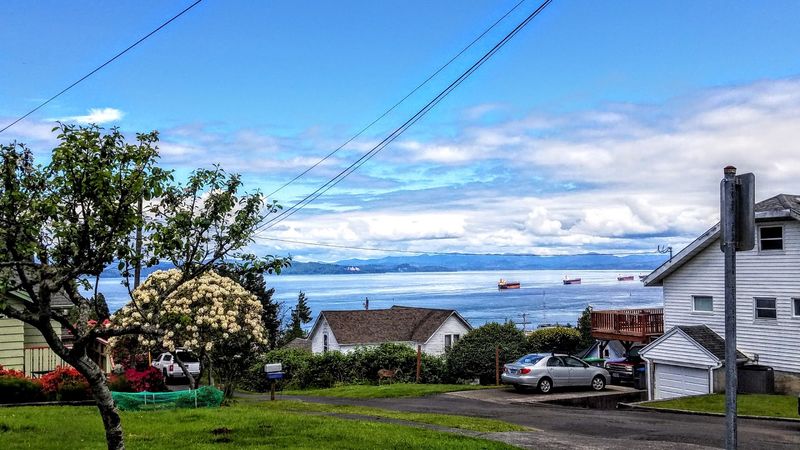
Survey findings can point you toward Oregon, but they cannot tell you which part of Oregon fits your life. A practical approach starts with a specific community rather than the state as a whole.
Compare housing costs and availability, wages in your field, and current job openings in your target city before committing to a move. The statewide Census estimates and employment figures discussed earlier are useful context, but local conditions can differ sharply from state averages.
Climate and hazards deserve equal attention. Oregon’s Department of Land Conservation and Development lists hazards that vary by region, including wildfire, extreme heat, drought, flooding, landslides, coastal erosion, and winter storms.
Air quality is a seasonal concern in many parts of the state. The Oregon Health Authority advises checking local air-quality conditions and limiting outdoor activity when smoke levels are elevated.
Access to the specific activities or educational options that matter to your household, whether that is a particular school district, a hiking trail system, or a health care facility, should factor into the community comparison. The reasons surveyed residents reported for moving are genuine, but they are starting points for research, not guarantees that the same experience awaits every newcomer who follows.
Share this story