Oklahoma has a way of hiding its best surprises in plain sight, and natural history museums are no exception. Somewhere on a university campus in the heart of the state sits a place that pulls you in with the promise of dinosaur bones and keeps you for hours with everything else it has to offer.
Free general admission sweetens the deal considerably, turning a casual afternoon into one of those unexpectedly rich days you end up talking about for weeks. Whether you are a lifelong fossil enthusiast or just looking for something genuinely worth your time, this museum delivers far more than the parking lot suggests.
Where the Museum Sits and What It Is
Anchored to the University of Oklahoma campus at 2401 Chautauqua Ave in Norman, the Sam Noble Oklahoma Museum of Natural History is one of the largest university-based natural history museums in the entire United States. The setting itself sets the tone: a well-maintained building surrounded by campus greenery, with an interior that opens up into something far grander than the modest exterior implies.
The museum is operated by the University of Oklahoma and functions as both a public attraction and an academic research institution. That dual identity shows in the quality of the exhibits, which carry the rigor of scholarly research without losing the accessibility that casual visitors need.
Labels are written in plain language, displays are organized logically, and the overall layout rewards wandering.
Covering natural and cultural history that stretches back an estimated four billion years, the scope here is genuinely ambitious. Artwork, fossils, artifacts, and interactive installations share space across multiple floors.
Visitors consistently remark on how well organized and clean the building feels, which makes a long visit comfortable rather than exhausting. For anyone in central Oklahoma looking for a meaningful outing, the address alone is worth saving.
Four Billion Years Under One Roof
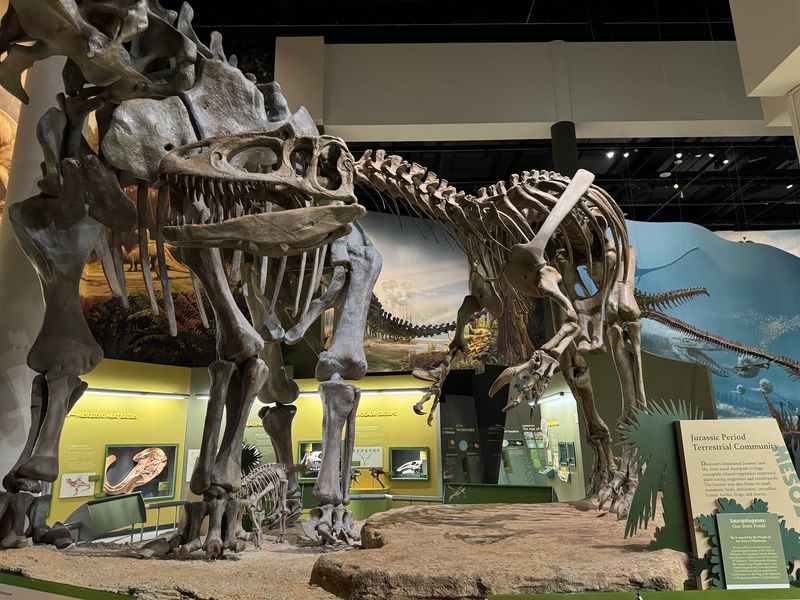
Few museums anywhere can honestly claim to cover four billion years of history, but the Sam Noble Museum makes that claim and backs it up. The exhibits move through deep geological time with a confidence that reflects decades of curatorial work by University of Oklahoma researchers.
Visitors walk through eras rather than simply reading about them, which changes how the information lands.
The progression from ancient earth formations through prehistoric life and into more recent natural and cultural history gives the museum a satisfying narrative arc. You are not just looking at objects in cases; you are following a story with an enormous timeline.
That structure helps both adults and younger visitors absorb information without feeling overwhelmed.
Families who have visited multiple times mention that there is always something new to notice, partly because the volume of content is genuinely large and partly because rotating exhibits refresh the experience on a regular basis. One visitor noted that even after multiple visits, they still had not read everything on display.
For a museum that charges no general admission fee, the depth of content on offer is remarkable by any standard. Oklahoma history, natural science, and deep time all share the same building without competing for space.
The Dinosaur Hall That Earns Every Bit of the Hype
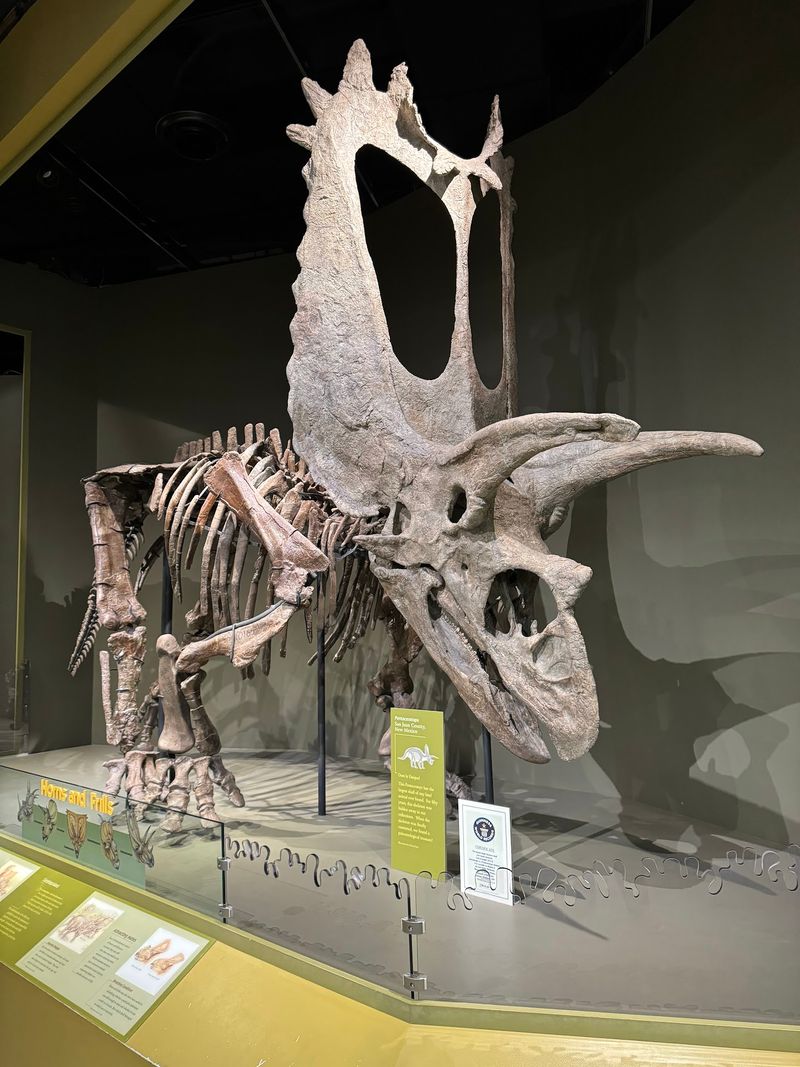
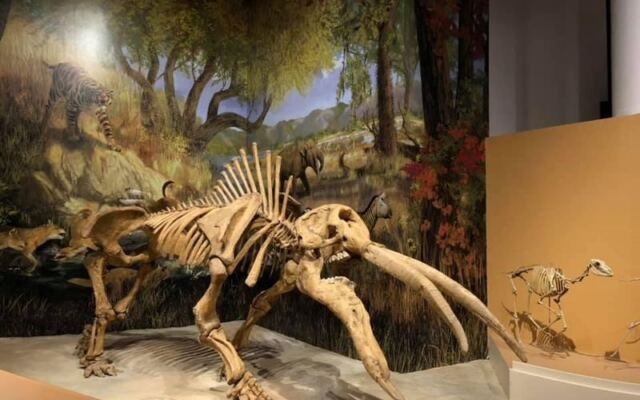
Dinosaurs earn more mentions from visitors than any other feature at this museum, and standing inside the hall makes it immediately obvious why. The bones are real, the skeletons are massive, and the presentation respects both the science and the spectacle.
Several full-sized dinosaur mounts rise toward the ceiling in a way that makes the scale of these animals feel genuinely staggering rather than abstract.
What separates this hall from a typical museum dinosaur display is the quality of the accompanying information. Each section is thoroughly documented in language that does not require a geology degree to follow.
Visitors have pointed out that the content reads clearly for all ages, which is harder to achieve than it sounds when the subject matter involves Cretaceous stratigraphy and species classification.
The museum also addresses some of the popular misconceptions that movies have created around paleontology, and staff members have been known to engage visitors in lively conversations about the difference between cinematic dinosaurs and the real fossil record. One visitor recalled a particularly memorable exchange with a knowledgeable older gentleman in the exhibit who walked them through the inaccuracies of popular dinosaur films versus actual paleontological findings.
Moments like that turn a museum visit into something closer to a personal education.
Fossils, Skulls, and the Thrill of Ancient Finds
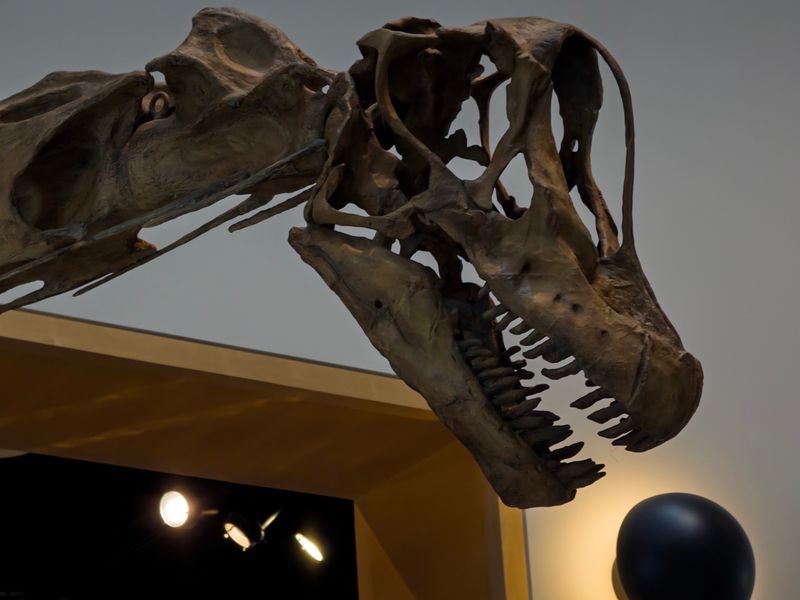
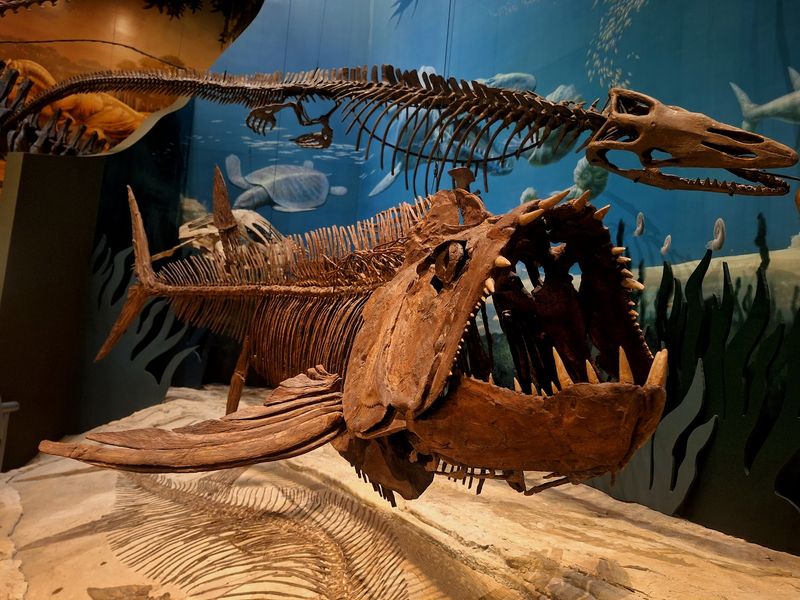
Beyond the dramatic dinosaur mounts, the fossil collection at Sam Noble reaches into corners of prehistoric life that most visitors do not expect. Skulls, bones, and preserved specimens from creatures that roamed Oklahoma millions of years before humans arrived are arranged with careful attention to context.
The exhibits do not just show you what existed; they explain the conditions under which these animals lived and how scientists pieced together that knowledge.
Fossils draw repeat visitors in a way that static displays sometimes do not, because each one carries a story embedded in its shape and texture. The museum leans into that quality by pairing specimens with clear explanations of how they were found, where they came from, and what they reveal about prehistoric Oklahoma.
That local focus adds a layer of connection that generic natural history exhibits often lack.
Staff members occasionally demonstrate the difference between real fossil bones and cast reproductions, a detail that surprised and delighted visitors who attended special events. Knowing whether you are looking at an actual prehistoric object or a high-quality replica changes how you engage with it.
The museum is transparent about this distinction, which builds trust and makes the genuine specimens feel even more significant. For fossil enthusiasts, this floor alone justifies the trip from anywhere in the state.
Native American and Oklahoma Cultural Exhibits
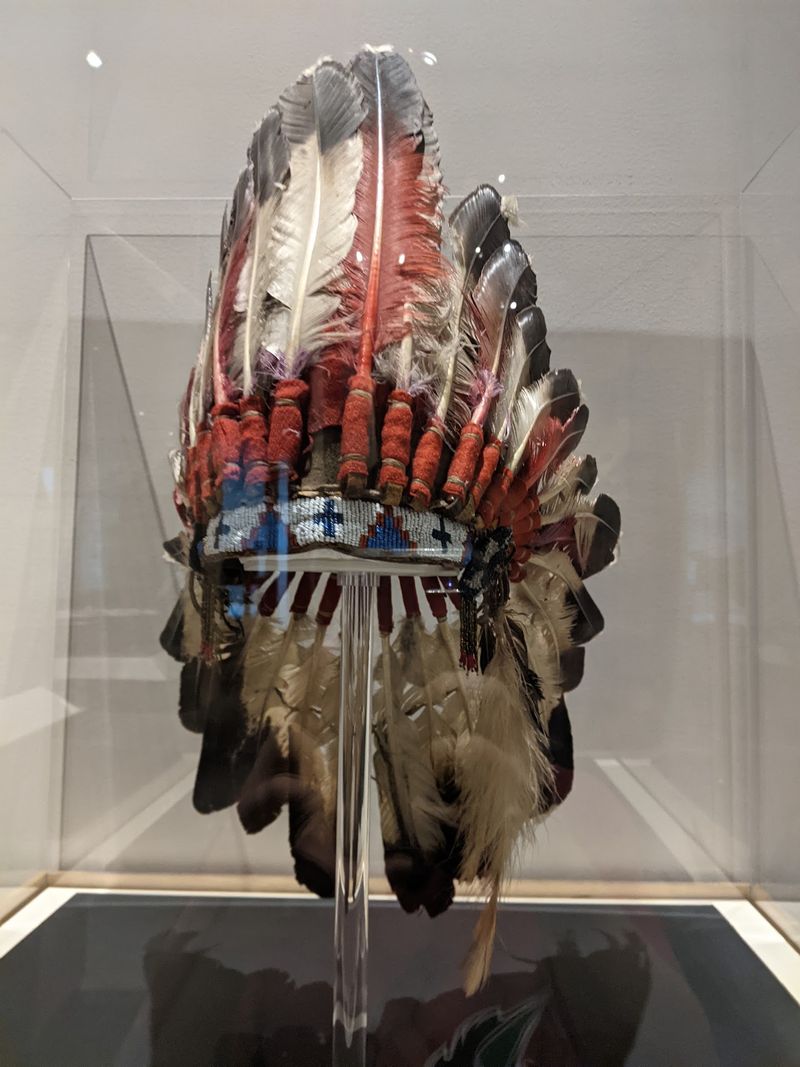
Natural history at Sam Noble extends well beyond bones and rocks. The museum devotes significant space to the cultural history of Oklahoma’s Native American communities, presenting artifacts, traditions, and historical context with evident care and scholarly depth.
Visitors who make their way to the second floor encounter a different kind of richness, one rooted in human story rather than prehistoric life.
Oklahoma’s relationship with its Indigenous communities is long and layered, and the museum handles that complexity with the seriousness it deserves. The exhibits avoid the oversimplified framing that sometimes appears in tourist-facing presentations and instead reflect the academic rigor of a research institution.
That approach resonates with visitors who appreciate substance over spectacle.
Multiple themed areas across the building touch on the broader natural and cultural landscape of the Midwest, creating a museum experience that feels genuinely regional rather than generic. The wildlife of Oklahoma gets its own dedicated space, and visitors who came primarily for dinosaurs often find themselves lingering in sections they did not plan to explore.
That quality of unexpected discovery, finding something compelling in an exhibit you wandered into by accident, is one of the things that keeps families and solo visitors coming back year after year. The museum rewards curiosity in every direction you point it.
The Discovery Room and Hands-On Learning for Kids
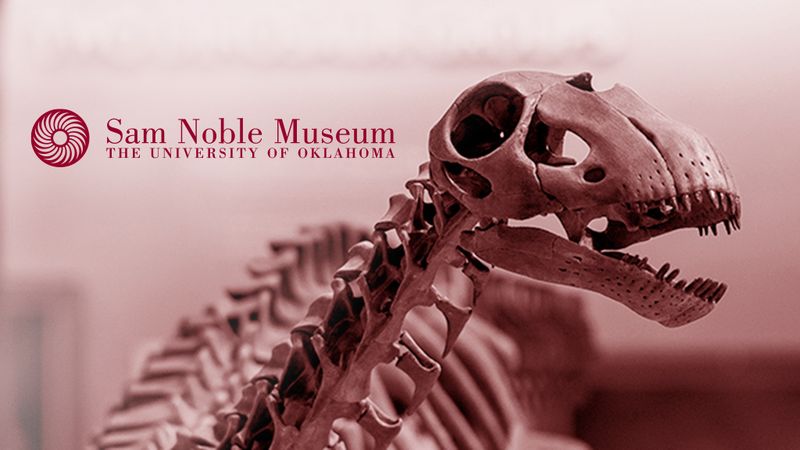
Not every museum manages to hold the attention of young children for more than twenty minutes, but the Discovery Room at Sam Noble was clearly designed by people who understand how kids actually learn. Fossil digging, puzzles, and tactile interactive stations give younger visitors something to do with their hands, which keeps energy levels manageable and curiosity engaged simultaneously.
Parents traveling with children under ten consistently highlight this space as a highlight of the visit. The room functions as a pressure valve of sorts: after absorbing a lot of visual information in the main exhibit halls, kids can shift into active mode and process what they have seen through play.
That rhythm of looking and doing is genuinely effective for retention and enjoyment.
Weekend programming adds another layer of engagement, with special activities and events scheduled at least once a month according to regular visitors. The butterfly-related event that some families attended included live demonstrations involving microscopes and hands-on nature interaction that left a strong impression on both children and adults.
Staff members who run these programs are frequently described as energetic and genuinely invested in involving kids rather than just talking at them. For families making a day trip, combining the main exhibits with a Discovery Room session makes for a full and satisfying afternoon without spending anything beyond the basic admission.
Rotating Exhibits and Special Events That Reward Return Visits
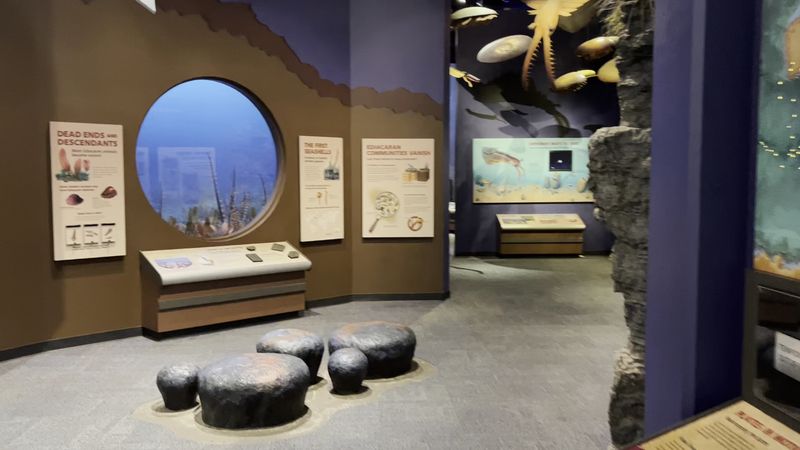
One visit to Sam Noble is rarely the last. The museum runs rotating temporary exhibits alongside its permanent collection, and regular visitors mention that these special displays are often worth a dedicated trip on their own.
The variety keeps the experience fresh even for people who grew up visiting the museum and know the permanent halls well.
Past rotating exhibits have covered topics ranging from rainforest ecosystems to narwhal biology, pulling in subjects that extend well beyond Oklahoma’s immediate natural history. That willingness to reach outward while keeping a strong local foundation gives the museum a breadth that surprises first-time visitors.
You might arrive expecting dinosaurs and leave having learned something unexpected about marine mammals or tropical ecology.
Special membership benefits accompany these rotating offerings, giving frequent visitors early access and discounted entry to ticketed events. For families who visit multiple times a year, membership makes practical financial sense and deepens the sense of connection to the institution.
The museum also hosts weekend programming beyond its standard hours, which adds value for those willing to plan around the schedule. Staff members who facilitate these events receive consistent praise for their enthusiasm and knowledge, suggesting that the museum invests in the human side of the experience as much as the exhibits themselves.
That combination of rotating content and engaged staff is a reliable formula for a museum that stays relevant.
Who Enjoys It Most and What to Expect from the Atmosphere
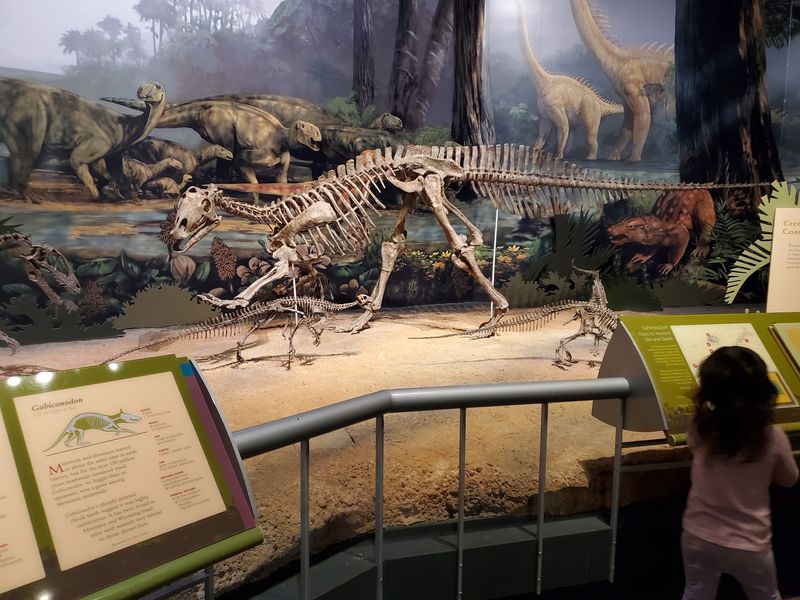
Sam Noble pulls a wide range of visitors, from toddlers on their first museum trip to university students doing research and adults returning for nostalgia. The museum skews most naturally toward families with school-age children and anyone with a genuine interest in natural history, paleontology, or Oklahoma culture.
That said, the depth of the permanent collection means that adults visiting without children often find themselves absorbed for two to three hours without noticing the time pass.
The atmosphere inside is calm and organized. Wide walkways, clear signage, and a logical floor plan make navigation easy, and the building includes an elevator for visitors who need it.
The air conditioning runs noticeably cool, which is worth knowing before you visit: bringing a light layer makes the experience more comfortable, particularly for children who may get chilled during a long exploration.
Visitors who arrive expecting a small regional curiosity sometimes leave genuinely impressed by the scale and quality of what is on offer. The museum is large, the collection is substantial, and the presentation throughout reflects the academic standards of a major research university.
Some visitors with older teenagers or adults in the group have found certain sections less engaging than others, which is worth factoring into expectations. For most audiences, though, the combination of real fossils, interactive programming, and rotating content creates an experience that holds up across age ranges and multiple visits.
Hours, Admission, and Getting There
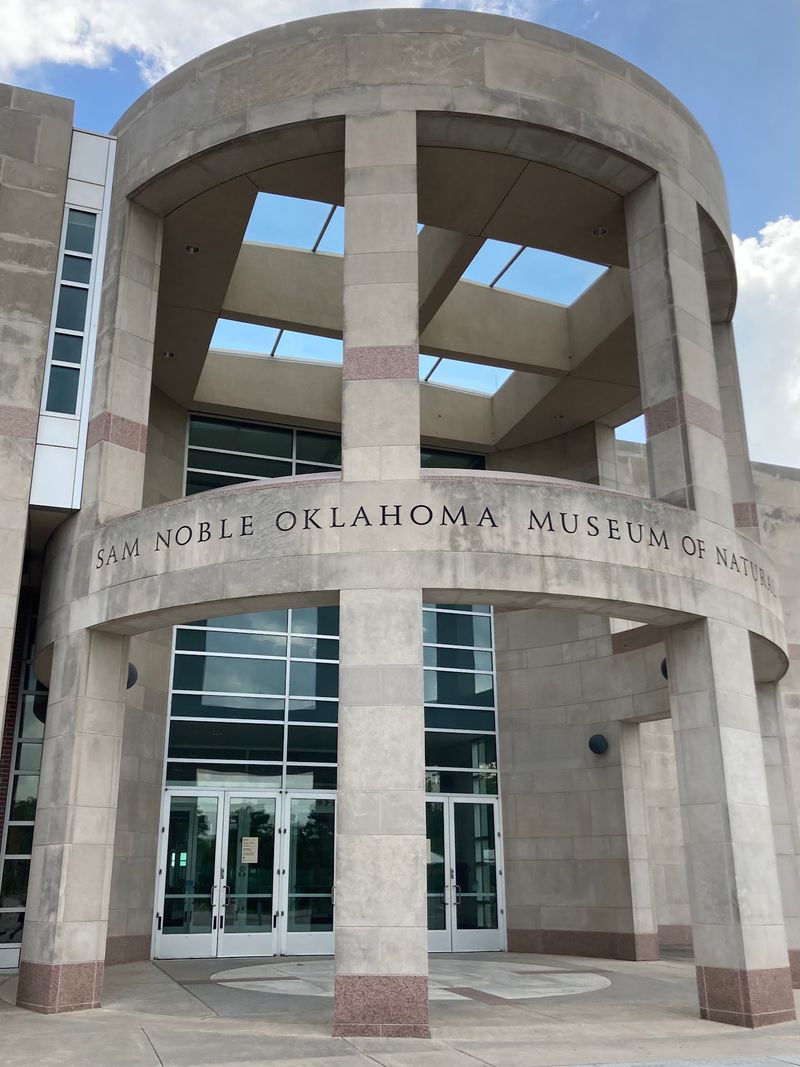
Planning a visit to Sam Noble is straightforward once you know the schedule. The museum is open Tuesday through Saturday from 10 AM to 5 PM and on Sundays from 1 PM to 5 PM.
Mondays are closed, so building your trip around a weekday or weekend window is the key logistical step. Arriving closer to opening time on weekdays tends to mean smaller crowds and more room to move through the exhibits at a comfortable pace.
General admission is free, which is a genuine rarity for a museum of this size and quality. Military members and veterans also receive complimentary entry, and pricing for ticketed special events remains notably affordable by museum standards.
The gift shop offers a range of items at various price points, including inexpensive dinosaur and insect figurines that have been appreciated by budget-conscious families who still want to leave with something memorable.
The museum is located at 2401 Chautauqua Ave in Norman, on the University of Oklahoma campus, and is reachable by phone at 405-325-7977. The website at samnoblemuseum.ou.edu carries updated information on rotating exhibits and upcoming events.
Parking on or near campus is generally manageable, and the building is accessible for visitors with mobility needs. For anyone within a reasonable drive of central Oklahoma, the combination of free entry and high-quality exhibits makes this an easy recommendation.
Share this story