Oklahoma has a way of surprising you when you least expect it. You might be cruising through the plains on a road trip, thinking you know exactly what the state has to offer, and then something stops you in your tracks.
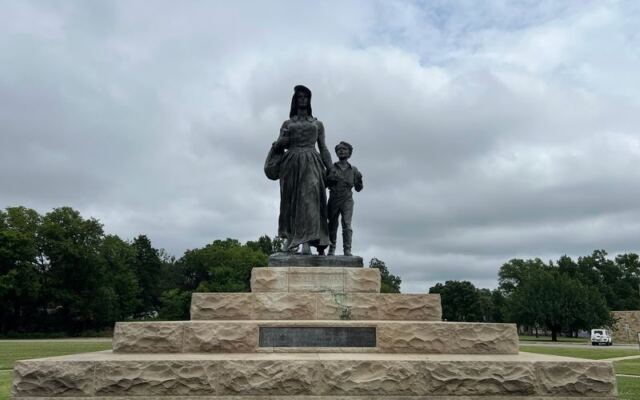
Standing face to face with a massive bronze statue of a pioneer woman carrying a child on her hip is one of those moments that shifts your perspective entirely. The museum behind that statue is just as powerful, telling the stories of the fearless women who helped shape this land.
Where the Pioneer Woman Museum Stands
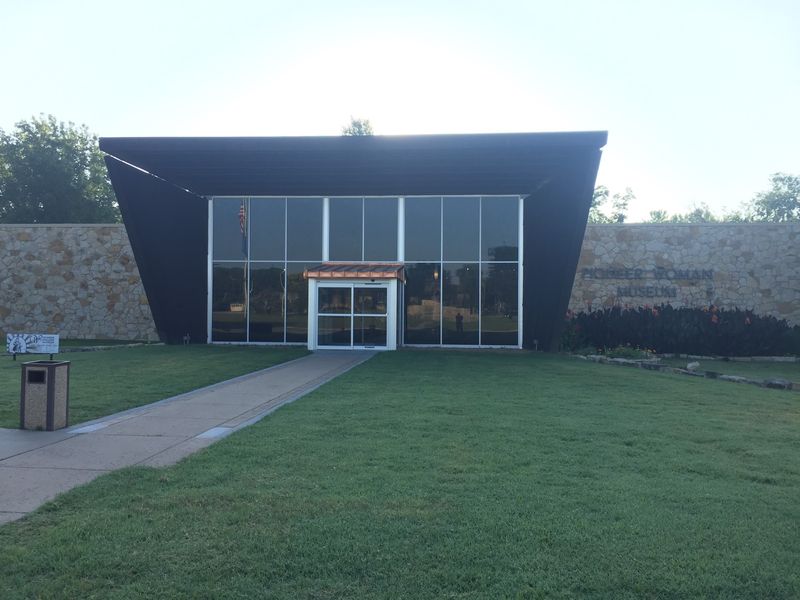
Ponca City, Oklahoma sits in the north-central part of the state, roughly an hour south of the Kansas border, and it holds a cultural treasure that many road-trippers overlook entirely. The Pioneer Woman Museum is located at 701 Monument Road, positioned directly behind one of the most recognizable bronze statues in the entire state.
The museum was built to complement the famous statue that stands on the grounds, giving visitors a full picture of what pioneer life actually looked like for women on the Oklahoma plains. Rather than simply admiring the statue from a distance, guests can walk through rooms filled with artifacts, photographs, and stories that breathe life into the history surrounding it.
Ponca City itself has a rich frontier heritage, and this museum anchors that identity in a meaningful way. Visitors often describe it as a compact but rewarding stop, the kind of place that delivers more than its modest exterior suggests.
If you are passing through north-central Oklahoma, this is one destination worth adding to your itinerary without hesitation.
The Towering Bronze Statue Out Front
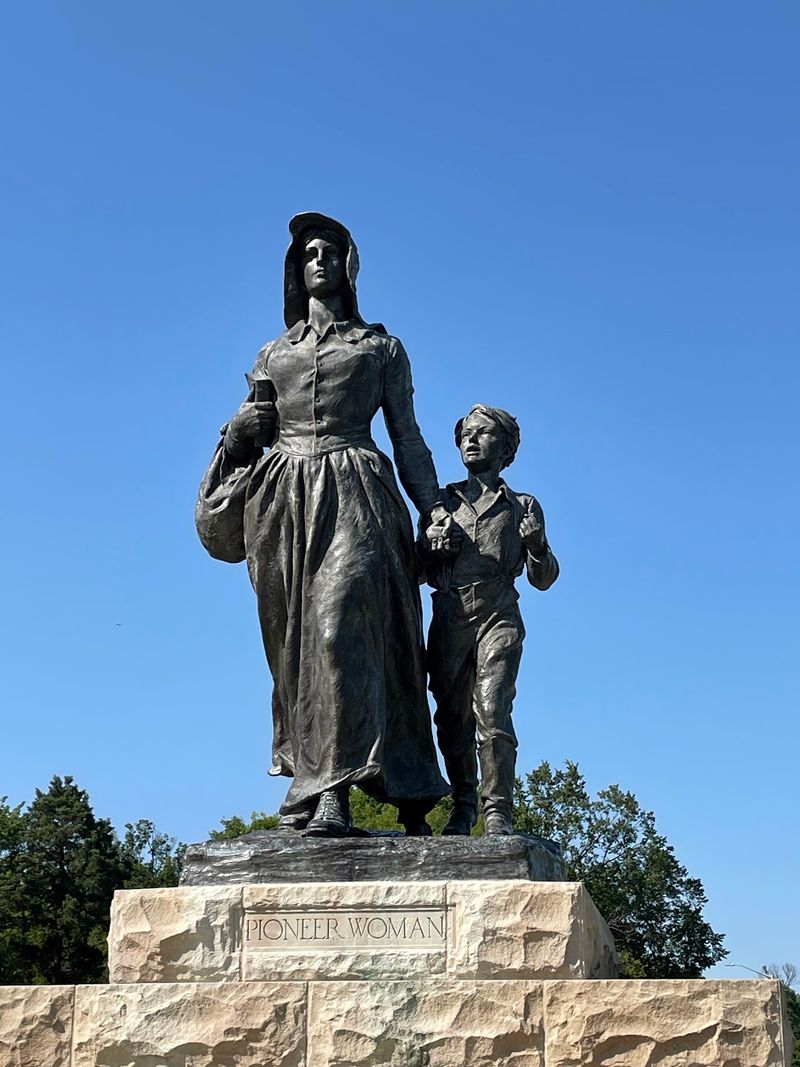
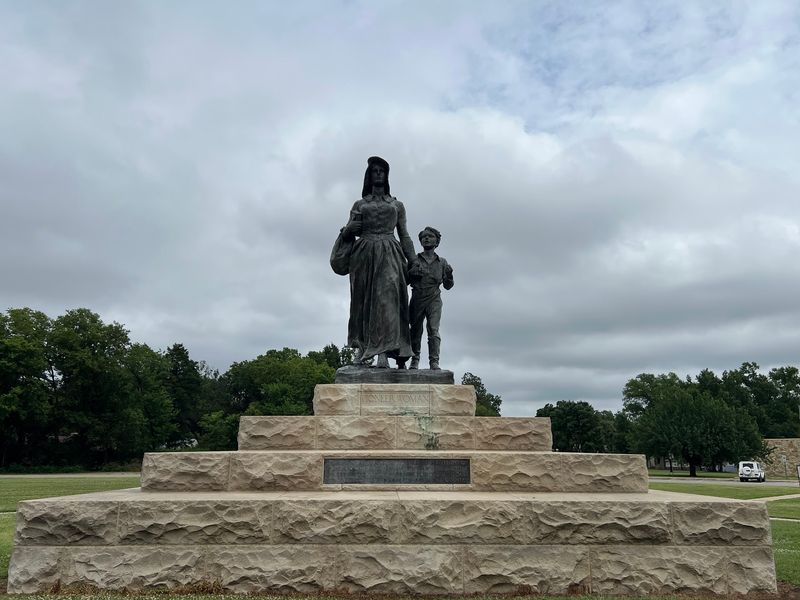
Before you even step inside the museum, the statue stops you cold. Standing 17 feet tall on its pedestal, the bronze Pioneer Woman sculpture depicts a determined mother striding forward with a child clinging to her side and a rifle slung over her shoulder, a posture that radiates both tenderness and resolve.
Ernest Thompson Seton, Bryant Baker, and eight other sculptors competed to create this piece back in the 1920s, and Bryant Baker ultimately won the commission. Oklahoma oil pioneer E.W.
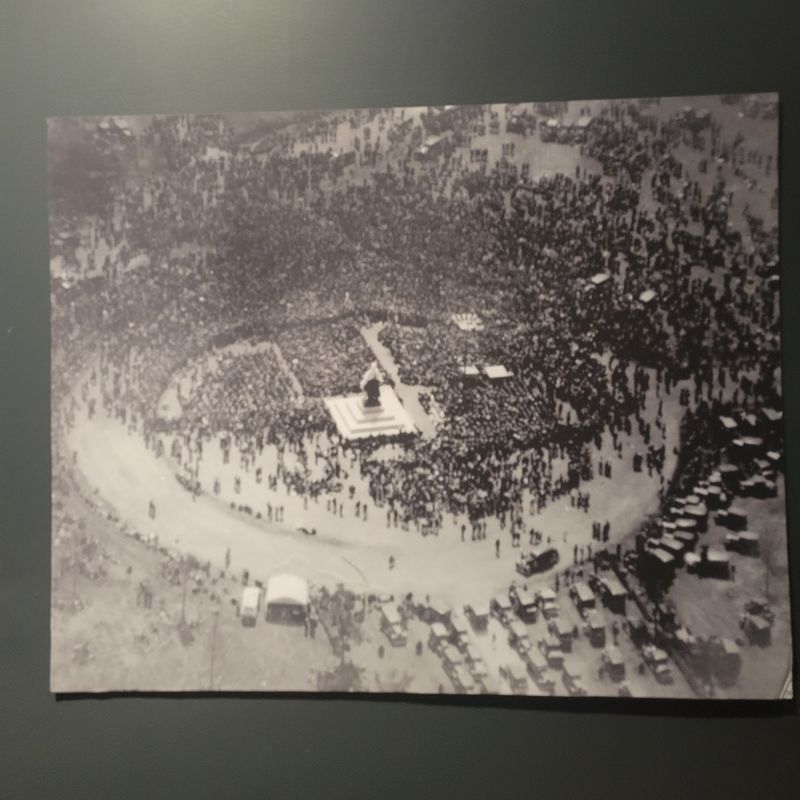
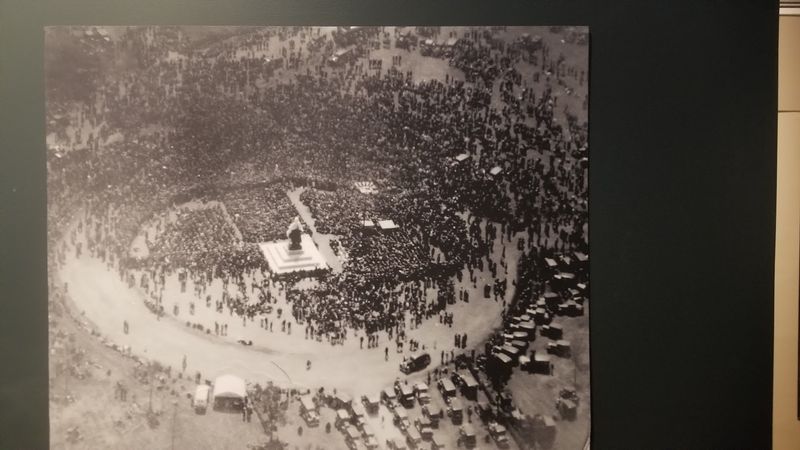
Marland funded the project as a tribute to the women who helped settle the territory, and the statue was unveiled in 1932 in front of an enormous crowd that reportedly numbered twice the population of Ponca City at the time.
Visitors mention the statue repeatedly as the highlight of the stop, and standing next to it in person makes clear why. The scale alone is breathtaking, but the emotion captured in the sculpture is what lingers.
A newsreel filmed at the original 1932 unveiling, discovered later in a coffee can, can actually be viewed inside the museum, making the connection between past and present feel remarkably vivid.
The Story Behind the Museum’s Creation
Few museums in Oklahoma carry a founding story as compelling as this one. E.W.
Marland, the oil baron who transformed Ponca City into a prosperous city during the early 20th century, commissioned the Pioneer Woman statue as a personal tribute to the women who endured the hardships of frontier settlement. His vision extended beyond a simple monument, eventually inspiring the creation of a full museum to house the broader history of Oklahoma women.
The museum formally opened to honor not just the anonymous pioneer mother depicted in the statue but also the many named women who carved out careers, raised families, and built communities across Oklahoma’s challenging landscape. Exhibits were designed to cover the arc from early settlement days through the modern era, celebrating women in journalism, business, civic life, and everyday homesteading.
What makes the backstory especially fascinating is the discovery of that original 1932 newsreel footage inside a coffee can, found years later and carefully developed to reveal a crowd-filled ceremony featuring a speech by Will Rogers himself. Staff members describe the footage as surprisingly well-preserved for its age, and visitors who watch it often say it adds an unexpected emotional depth to the entire visit.
Artifacts From Pioneer Days on Display
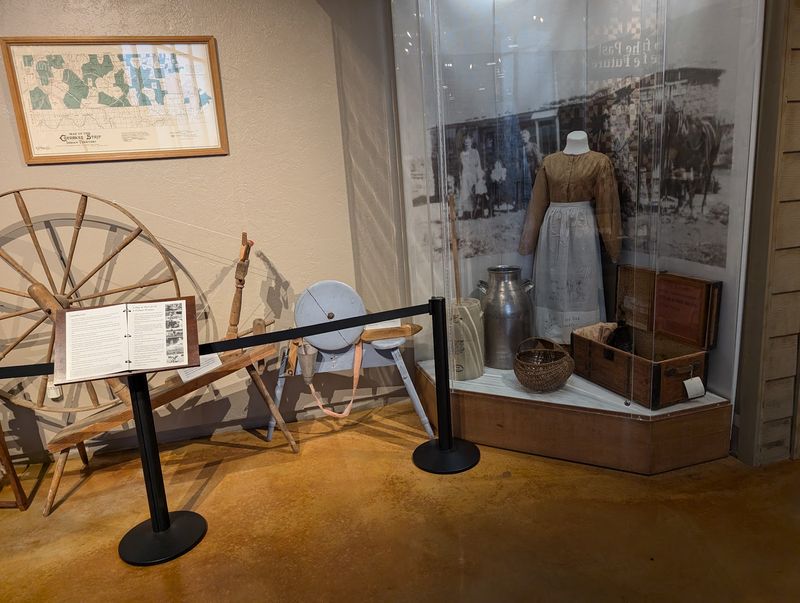
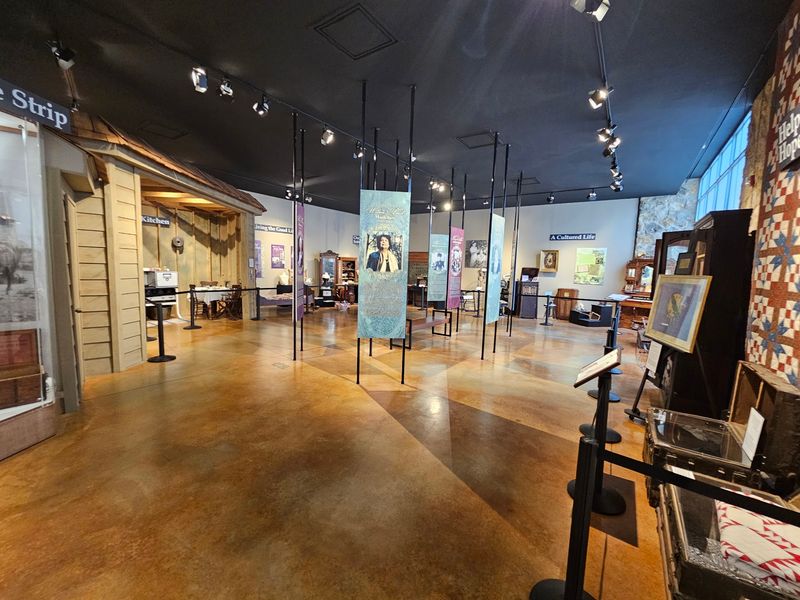
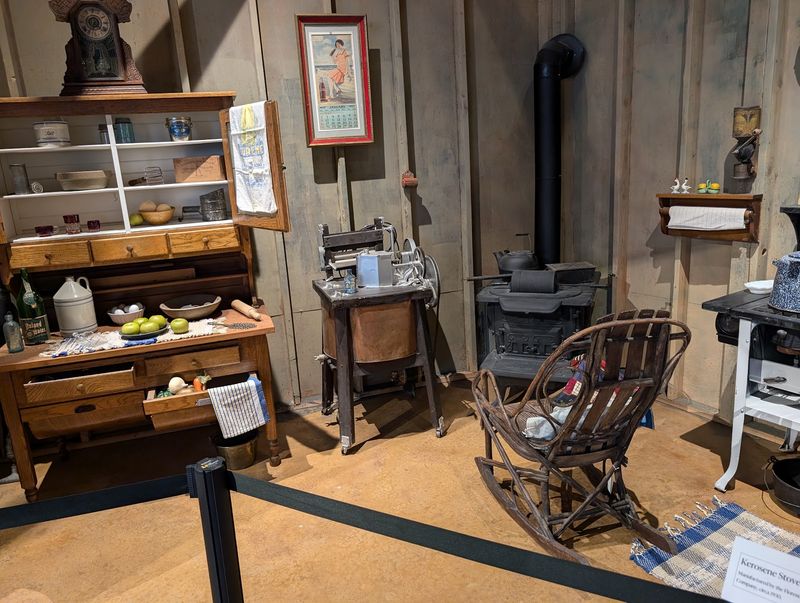
Walking through the museum’s rooms feels like flipping through a very personal scrapbook of frontier life. Clothing worn by actual pioneer women, tools used to manage homesteads, and personal items from daily life on the Oklahoma plains fill the display cases with a kind of quiet intimacy that photographs alone could never achieve.
Visitors frequently mention the pioneer days items as a highlight, noting how tangible the history feels when you are standing inches away from objects that real women actually handled. There are pieces tied to the legendary 101 Ranch, one of the most famous cattle operations in American history, adding another layer of Oklahoma heritage to the collection.
Each room is organized to guide visitors through different chapters of pioneer experience, with placards on the walls providing context for what they are seeing. The curators have done a thoughtful job of letting the objects tell their own stories without overwhelming the space with text.
Reviewers often note that even a brief visit leaves a lasting impression, particularly because the artifacts feel carefully chosen rather than randomly assembled. The experience rewards slow, attentive looking rather than a quick walk-through.
Celebrating Oklahoma Women Across Careers
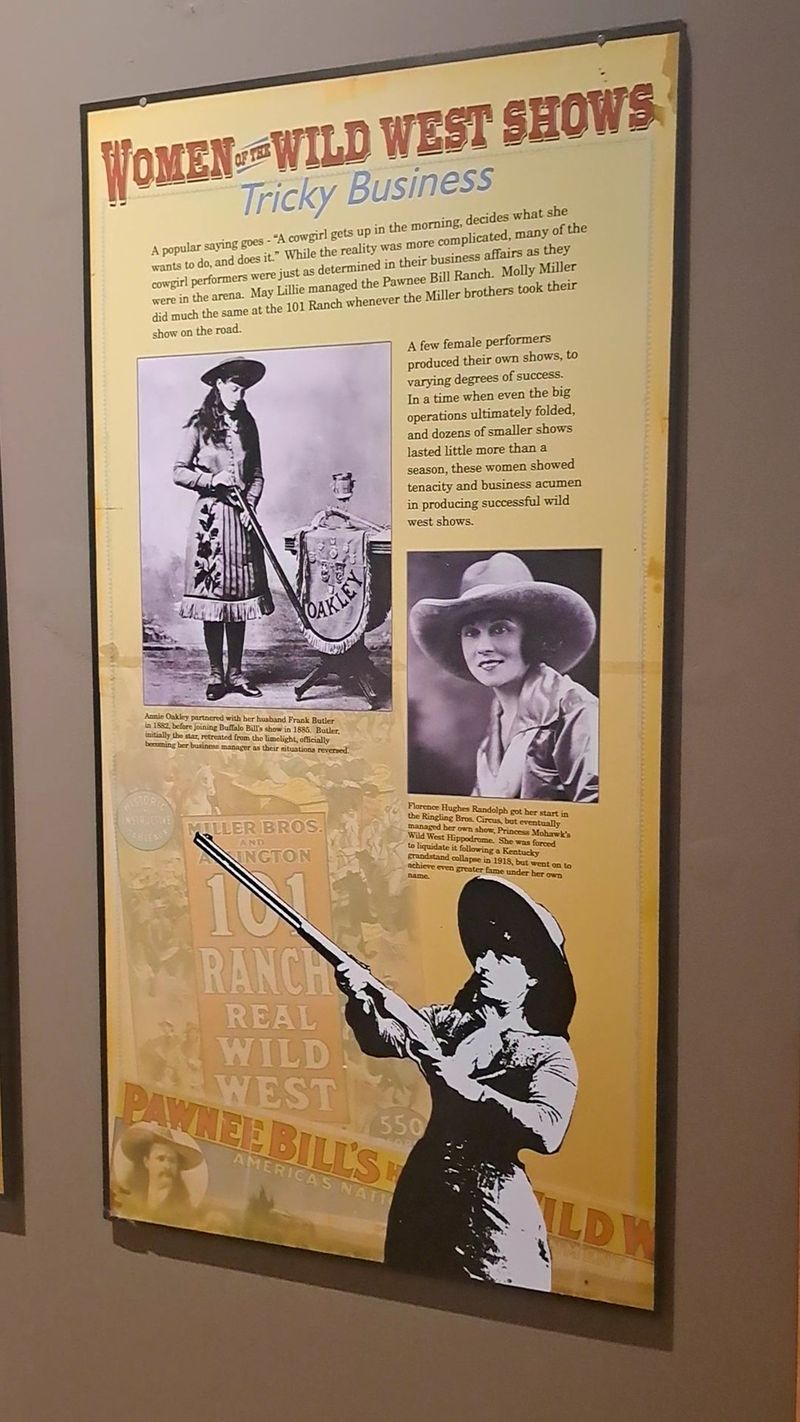
Beyond the bonnets and butter churns, the museum takes a broader view of what pioneering actually means. Several exhibit areas are dedicated to Oklahoma women who broke into fields like journalism, advertising, and public service, treating their professional achievements as a natural extension of the frontier spirit that came before them.
Some visitors arrive expecting only a homesteading history lesson and leave pleasantly surprised by the scope of the collection. The museum makes a clear argument that pioneering is not just about crossing the plains in a covered wagon but about claiming space in a world that was not always ready to welcome you.
That framing gives the exhibits a relevance that stretches well beyond the 19th century.
Photographs, newspaper clippings, and personal documents fill these sections, giving faces and names to women whose contributions might otherwise have faded from public memory. The approach feels both celebratory and grounding, reminding visitors that the strength depicted in the bronze statue out front did not disappear when the frontier closed.
It simply changed shape and kept moving forward, generation after generation, across every corner of the state.
The Will Rogers Newsreel Hidden in a Coffee Can
One of the most unexpected treasures inside the museum is a piece of footage that almost never made it to the public eye. A staff member discovered an old film reel stored inside a coffee can, and after having it carefully developed, it turned out to be newsreel footage from the original 1932 unveiling ceremony of the Pioneer Woman statue.
The film features a speech by Will Rogers, the beloved Oklahoma humorist and commentator, delivered in his signature dry and gently comedic style. Visitors who watch the footage often describe it as surprisingly entertaining, noting that Rogers’ wit comes through clearly even across the decades.
The condition of the film is reportedly quite good considering it sat undiscovered for so many years.
What makes this clip so striking is the scale of the crowd visible in the footage. The gathering reportedly drew twice the entire population of Ponca City at the time, turning the statue’s unveiling into a genuine regional event.
Watching that moment play out on screen, inside the very museum built to honor the same history, creates a layered sense of connection between the visitor and the past that is genuinely hard to shake.
The Knowledgeable Staff Who Bring History to Life
A museum is only as good as the people inside it, and the Pioneer Woman Museum benefits from staff members who genuinely care about the history they are sharing. Visitors frequently mention the guides and front desk staff as a standout part of the experience, describing them as personable, well-informed, and eager to share details that go beyond what the placards say.
One staff member in particular has been praised for his ability to walk visitors through the exhibits with real enthusiasm, connecting individual artifacts to broader historical narratives in a way that makes the collection feel alive. The on-site historian approach, where a knowledgeable person adds context and color to the displays, is something reviewers consistently point to as what elevates the visit above a standard self-guided tour.
That said, the museum also works perfectly well as a self-guided experience for visitors who prefer to move at their own pace. The wall placards are informative, the exhibit organization is logical, and the layout flows naturally from room to room.
Whether you prefer a guided conversation or a quiet solo exploration, the museum accommodates both styles without making either feel like a compromise.
A Small Museum With a Big Emotional Footprint
Compact is probably the most honest word to describe the Pioneer Woman Museum’s physical size. Most visitors move through the space in about 30 minutes, and the building itself is modest in scale.
But size and impact are not the same thing, and this museum makes a strong case for that distinction.
Reviewers repeatedly use phrases like “gem” and “must stop” to describe their experience, noting that the quality of the artifacts and the care put into the exhibits punch well above the museum’s square footage. The emotional weight of standing among objects that belonged to real women who endured genuine hardship has a way of lingering long after you leave the parking lot.
For travelers who worry about committing a full afternoon to a small attraction, the compact nature of the museum is actually an advantage. You can get the full experience without rearranging your entire road trip schedule, and the admission price keeps the stakes low enough that stopping in feels like a smart decision rather than a gamble.
Visitors with younger children also note that the kid-friendly layout and play area make it an easy family stop without much logistical stress.
101 Ranch Memorabilia and Oklahoma Heritage
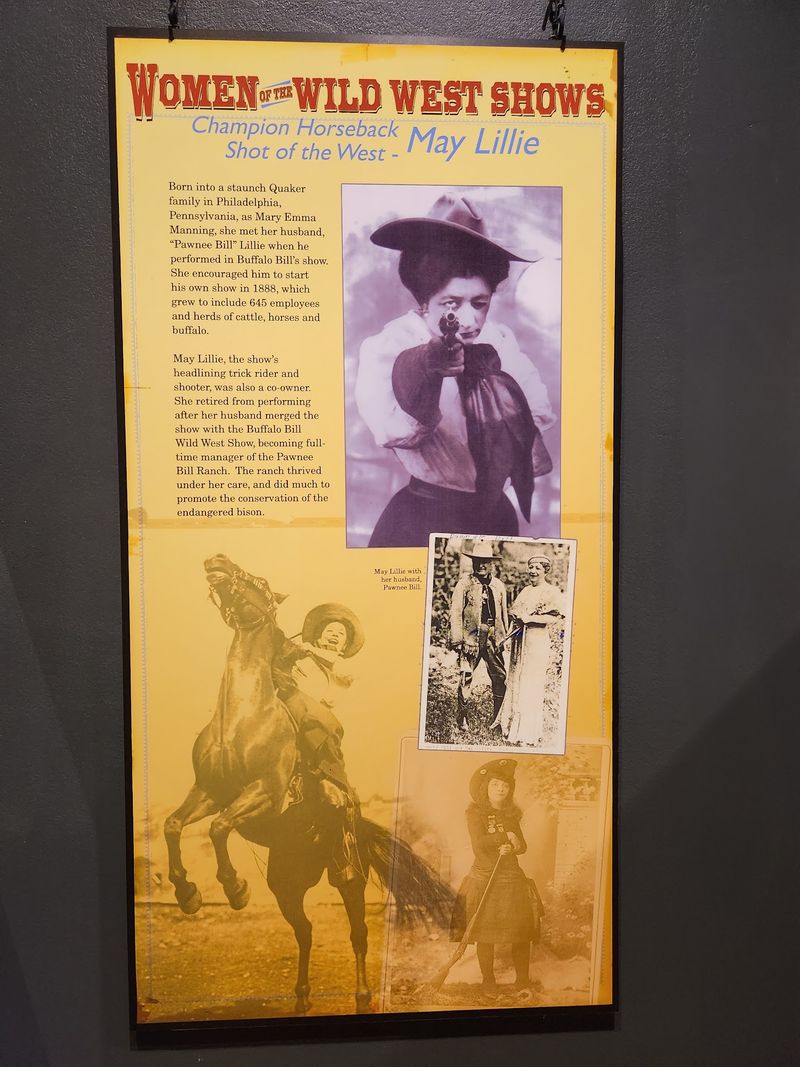
Among the many threads woven through the museum’s collection, the 101 Ranch memorabilia stands out as a particularly rich vein of Oklahoma history. The 101 Ranch was one of the most famous and expansive cattle operations in American history, covering hundreds of thousands of acres in north-central Oklahoma and leaving a cultural legacy that stretched far beyond ranching into Wild West shows and early entertainment.
Finding pieces connected to the 101 Ranch inside the Pioneer Woman Museum adds a layer of regional context that history enthusiasts will genuinely appreciate. The ranch was deeply tied to the Ponca City area, and its story intersects naturally with the broader narrative of women who helped build and sustain frontier communities in this part of Oklahoma.
Seeing these artifacts alongside the domestic and professional items in the rest of the collection gives visitors a fuller picture of just how complex and layered pioneer life actually was. It was not a single story but dozens of overlapping ones, and the museum does a commendable job of holding multiple narratives at once without letting any single thread dominate the whole.
For Oklahoma history buffs, this particular section alone makes the visit worthwhile.
The Gift Shop Worth Browsing Before You Leave
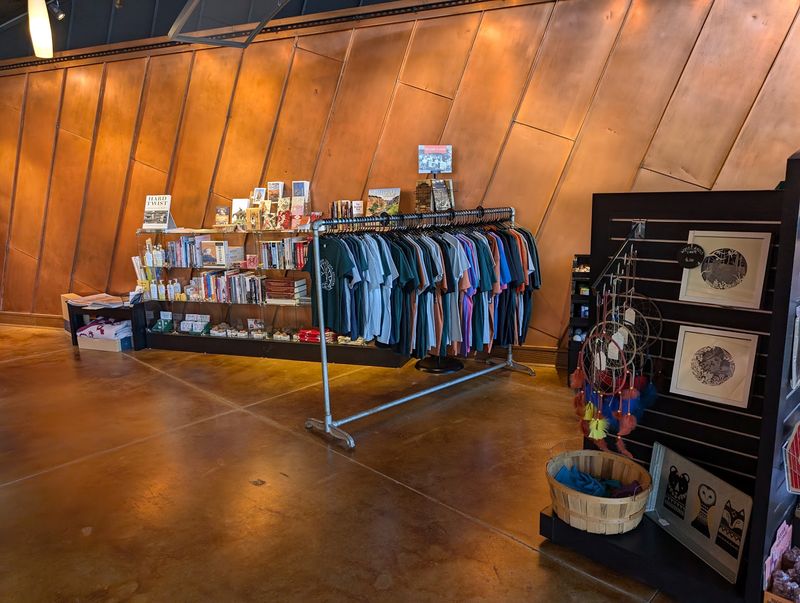
Right before you head back out to the parking lot, the museum’s gift shop gives you one last reason to linger. Visitors consistently mention it as a genuinely enjoyable part of the experience, stocked with Oklahoma-made products, books, and souvenirs that feel thoughtfully curated rather than generically slapped together.
The selection includes items tied to the museum’s themes, making it easy to bring home something that actually connects to what you just learned. T-shirts, locally made goods, and history-related reading material are among the options, and the pricing is described as reasonable relative to what you find at larger museum shops in bigger cities.
For families, the gift shop offers a natural endpoint to the visit, giving kids and adults alike something to browse while the experience settles in. Some visitors note that staffing at the shop can be inconsistent, so it pays to flag someone down if you need assistance rather than waiting to be approached.
Overall, though, the shop earns its place as a satisfying final stop before you walk back out into the Oklahoma sunshine and take one last look at that towering statue on your way to the car.
Who Will Enjoy the Pioneer Woman Museum Most
Road-trippers with a taste for Oklahoma history will feel right at home here, but the museum’s appeal is broader than that narrow description suggests. Families traveling with school-age children find the exhibits accessible and engaging, and the play area keeps younger visitors occupied without pulling parents away from the displays they came to see.
History enthusiasts, particularly those interested in women’s history or frontier America, will get the most out of the collection. The depth of the artifacts and the range of stories covered reward visitors who take their time and read the accompanying materials rather than moving quickly from room to room.
Casual travelers who are simply passing through Ponca City and looking for a worthwhile hour-long detour will also leave satisfied. The admission price is low enough that the risk-reward calculation is easy, and the combination of the outdoor statue and the indoor museum gives the stop a natural two-part structure that feels complete.
Visitors who describe themselves as skeptical before entering often end up among the most enthusiastic afterward, which says something meaningful about what the museum manages to deliver within its modest walls.
Hours, Admission, and Getting There
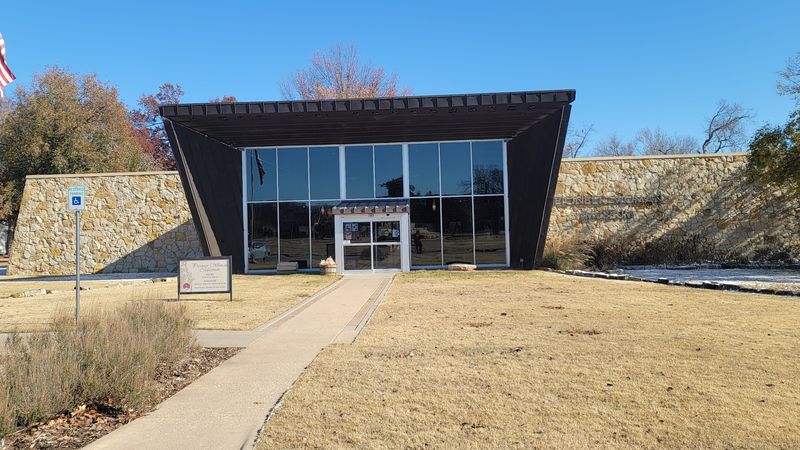
Planning a visit to the Pioneer Woman Museum is straightforward, but a few practical details are worth knowing before you make the drive. The museum is open Tuesday through Saturday from 10 a.m. to 5 p.m. and is closed on Sundays and Mondays, so mid-week or Saturday visits are your best options.
Admission is $7 per adult, a price point that most visitors consider reasonable given the quality of the collection. A few reviewers felt the fee was slightly steep for the museum’s size, but the majority describe it as fair or even a bargain relative to what they experienced inside.
There is also a play area for children, making the stop family-friendly for visitors traveling with younger kids.
The museum sits at 701 Monument Road in Ponca City, Oklahoma, which is easy to find once you are in the city. You can reach the museum by phone at 580-765-6108, and the official website at pioneerwomanmuseum.com offers additional information for planning purposes.
Ponca City is accessible via US-60 and US-177, and the drive from Oklahoma City takes roughly an hour and a half. Parking on-site is available, and the statue on the grounds is visible from the road, making it nearly impossible to miss.
Share this story