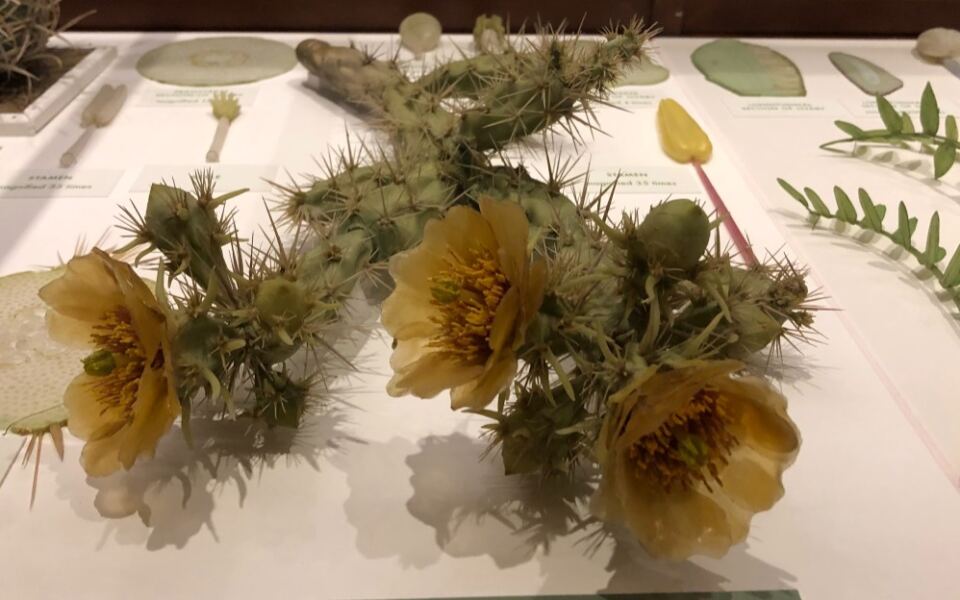
Some of the best surprises in Massachusetts hide behind old brick walls on a college campus. Inside one of them, a whole garden of flowers never wilts, because every petal, stem, and leaf is made of glass.
People press close to the cases, squinting, sure there must be a trick. Keep reading to find out where this garden lives, what else shares the building, and how to plan an easy, low-cost day around it.
A Brick Treasure House on Oxford Street
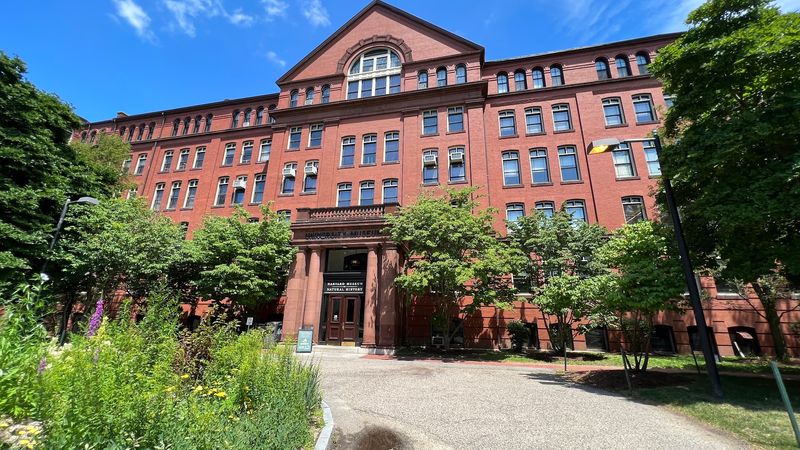
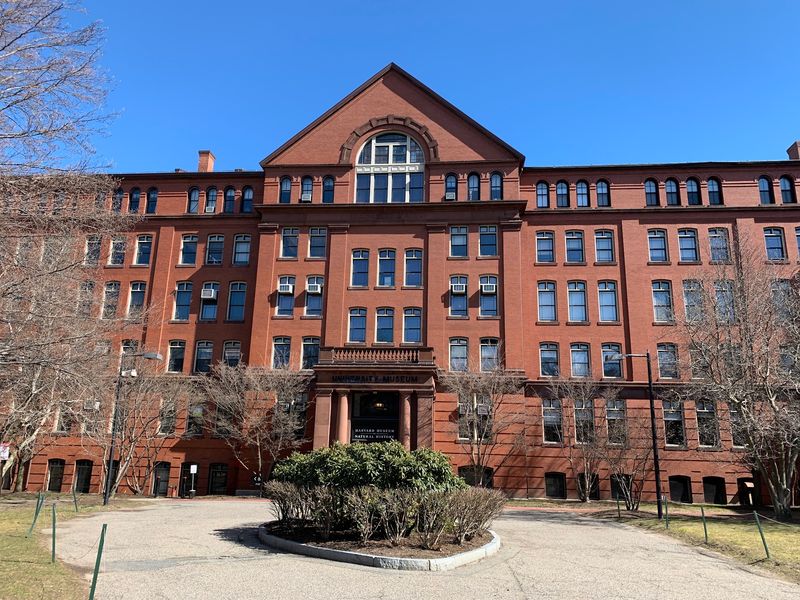
The mystery garden sits inside The Harvard Museum of Natural History, at 26 Oxford St, Cambridge, MA 02138, on the Harvard University campus in Massachusetts.
It is a natural history museum with a big job. The building holds extensive natural science collections, including animals, minerals, and the famous Glass Flowers.
From the outside, it looks like one more handsome brick hall among many. The campus around it features clean, traditional brick buildings, so the museum blends right in.
That low profile is part of the fun. Plenty of people stroll past on campus tours without realizing what waits upstairs.
Once inside, the experience feels like getting a close look at a naturalist’s collection of the whole world. Earth’s history and the evolution of life are laid out in one spot.
For locals, it is the kind of place that makes a regular Saturday feel like a real discovery, no plane ticket required.
The Glass Garden That Fools Everyone
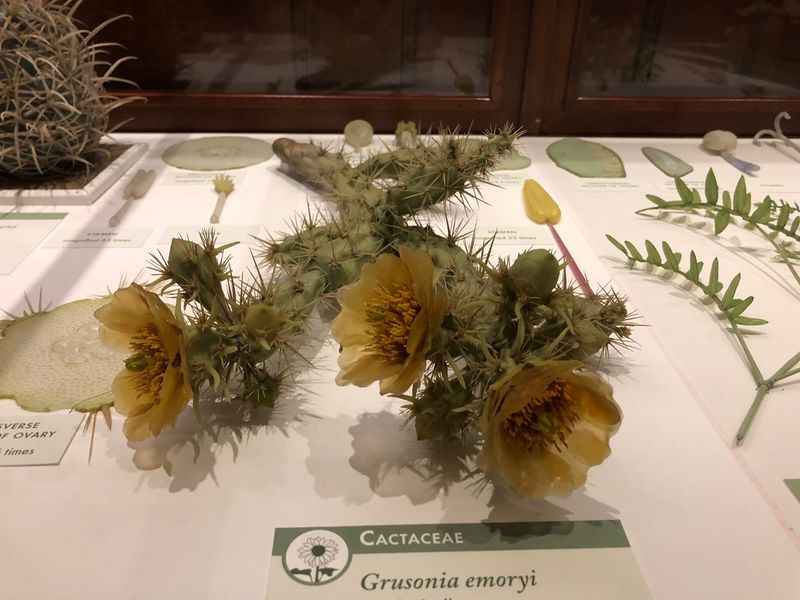
Second floor, please. That is where the famous Glass Flowers collection lives, and it is the reason many people make the trip.
The models are the work of the Blaschkas, and the detail is hard to believe. Even people who know every piece is glass still find it almost impossible to accept.
Each specimen looks like a real flower. The plants appear delicate and lifelike, down to tiny parts you would normally need a botany textbook to spot.
Some displays go even further. They show plants and flowers taken apart, almost like a dissection, so you can study how they are built.
This exhibit alone is often called worth the visit. It is also a one-of-a-kind collection that remains on display today.
A quick tip for photo fans: the LED lighting can make clean pictures tricky. Sometimes the best souvenir is just looking a little longer.
Sea Creatures Spun From Glass
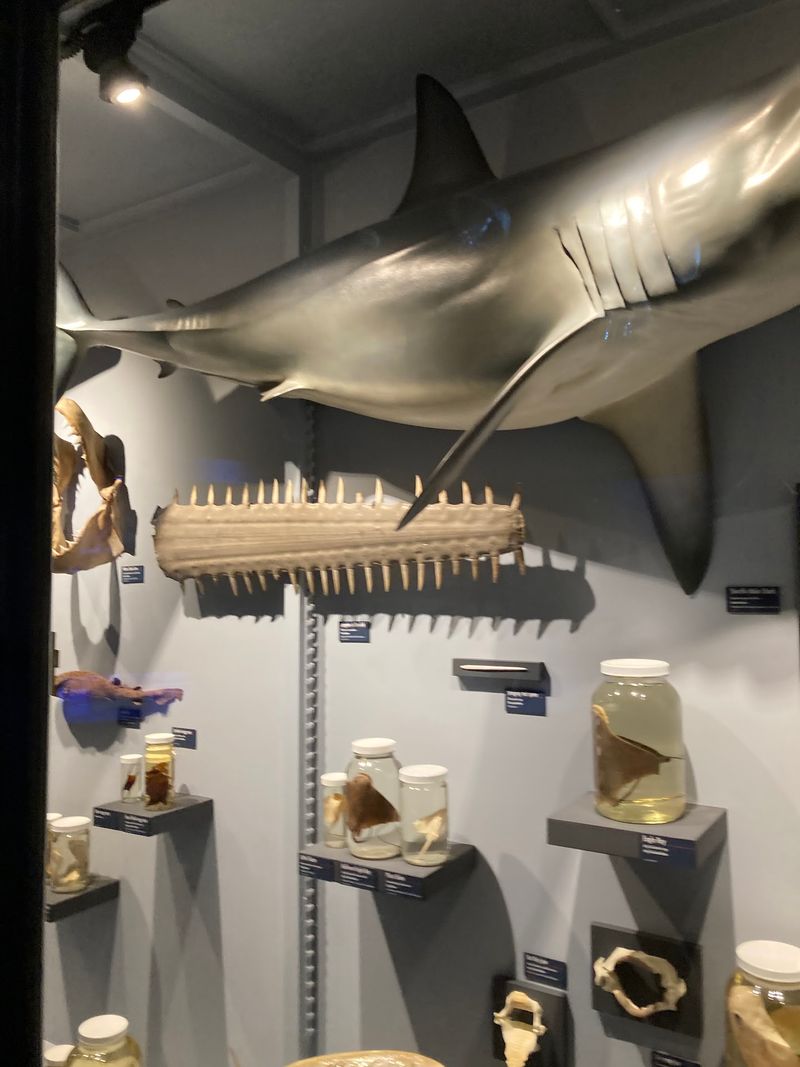
Flowers get the headlines, but they are not the only glass wonders here. The Blaschkas also crafted sea creatures, and a small group of them is on view.
These marine models are often described as otherworldly. The details are exquisite, and they show a whole other side of the same craft.
Fair warning, though. The marine exhibit is rather small compared to the huge selection of glass flowers and plants.
For someone traveling just for the sea animals, that might feel like a short chapter. For everyone else, it is a bonus stop that adds depth to the story.
Seeing both collections together makes it easier to understand how skilled the makers were. They could shape soft ocean life as convincingly as a flower petal.
Give this corner a few minutes before heading on. It is easy to rush past, and it deserves better than a quick glance.
A Whale Overhead and Bones Below
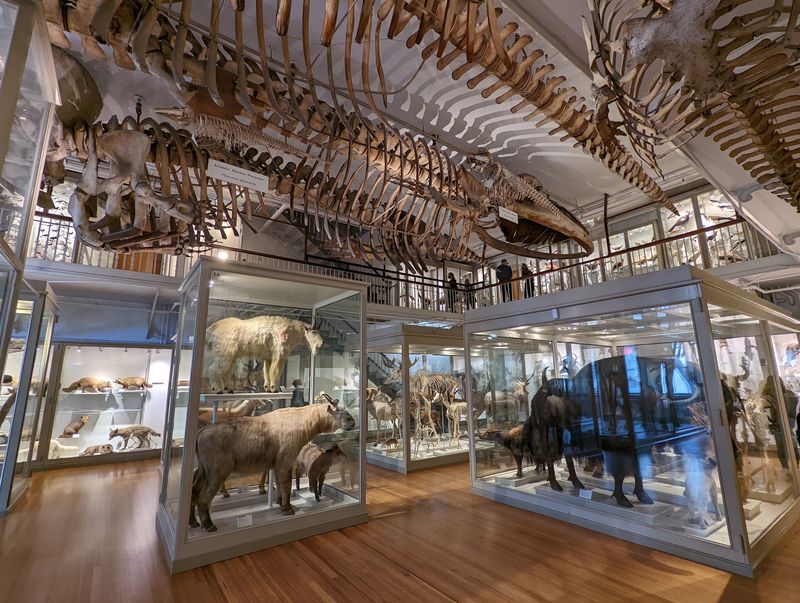
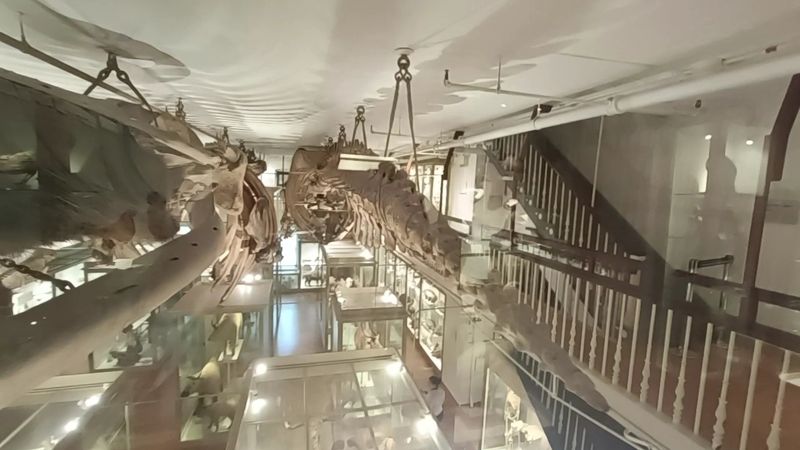
Look up. An enormous whale skeleton hangs from the ceiling, and it tends to stop people mid-step.
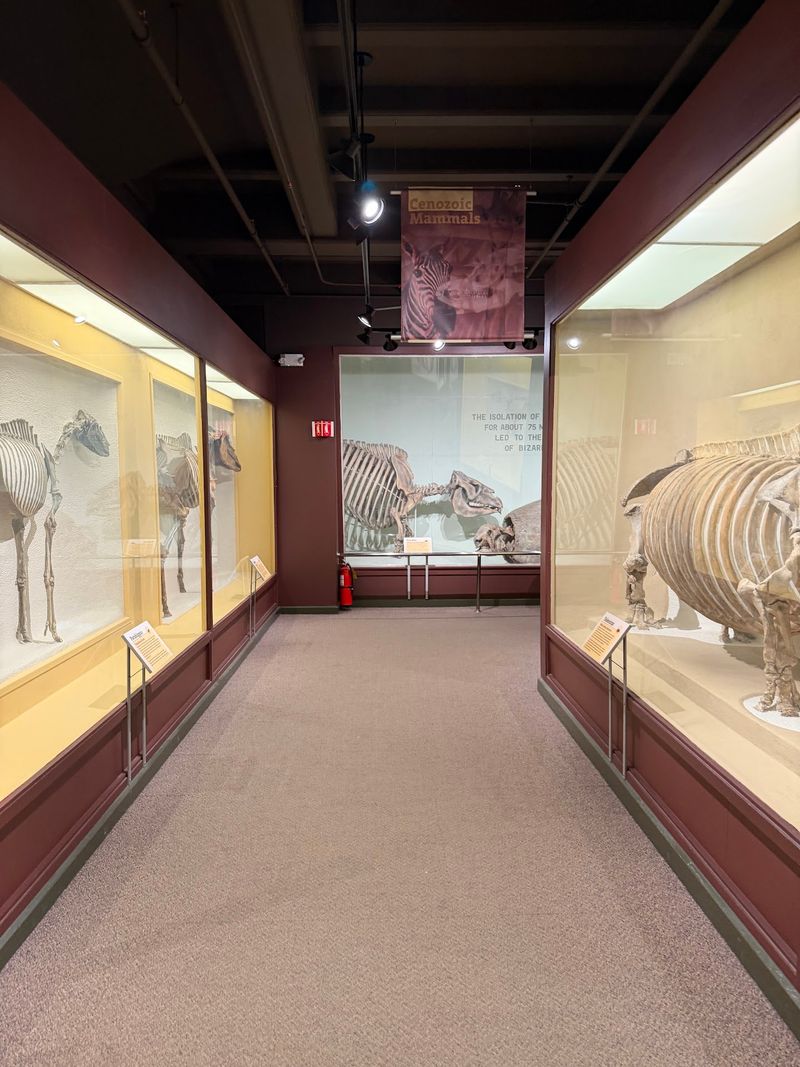
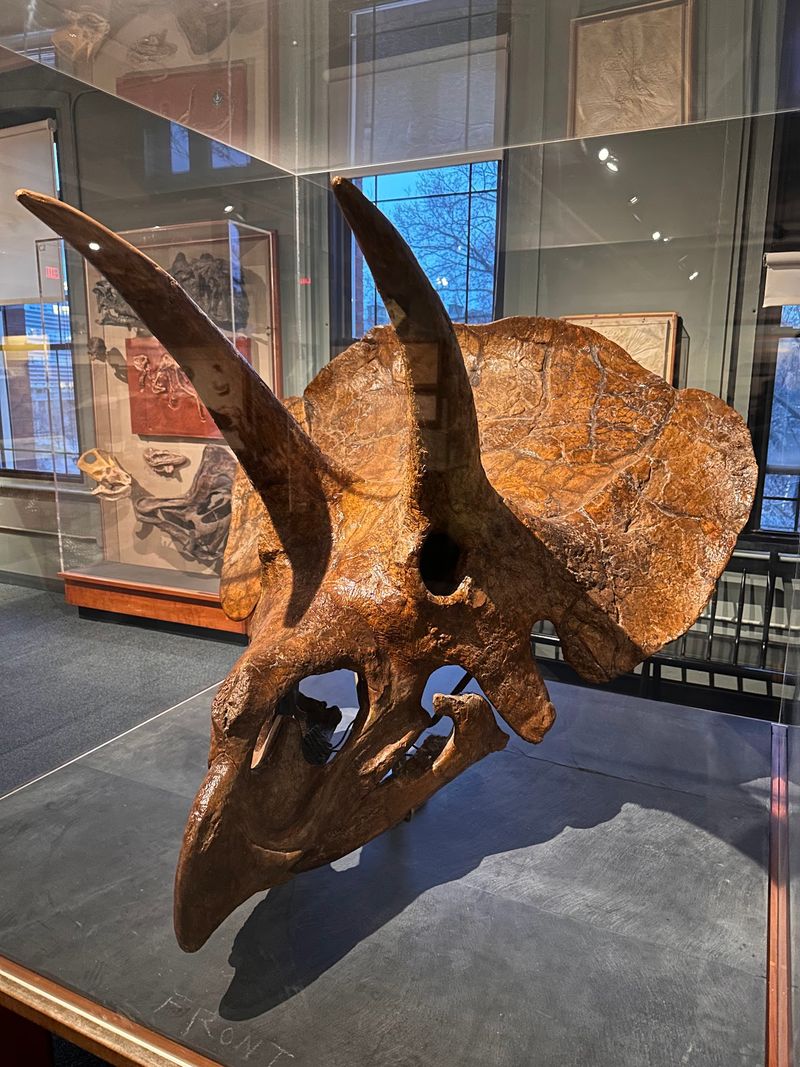
Skeletons are a big part of the museum’s personality. There are dinosaur bones, great fossil displays, and bones of old extinct animals and mammals.
What makes these halls stand out is the signage. The labels beside the bones are useful, readable, and explain how items are grouped, which helps a casual guest actually learn something.
Another smart touch is how skeletons sit next to taxidermy skins. That placement makes side-by-side comparison easy, so you can see the frame and the outside of an animal at once.
Kids especially love the dinosaur fossils. Adults tend to linger over the whale, trying to take in its size.
Either way, this is the section where the museum’s scale really sinks in, and where the phones come out for a picture.
Rooms Full of Animals From Every Continent
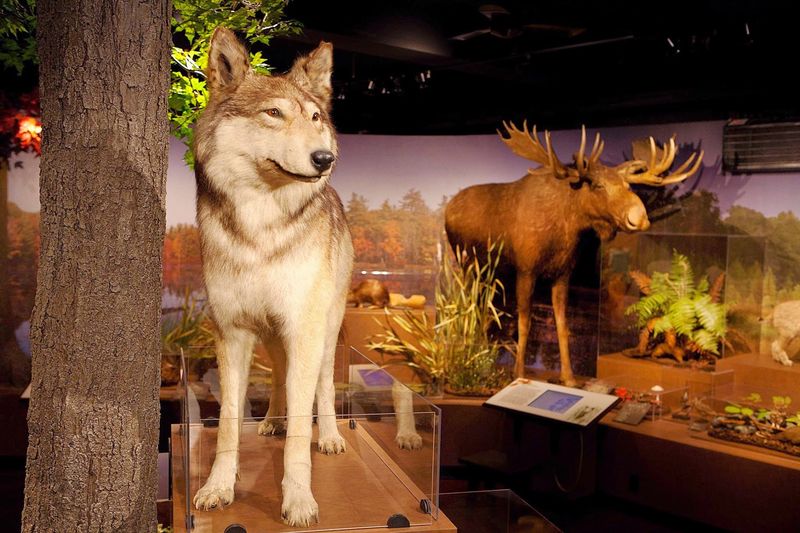
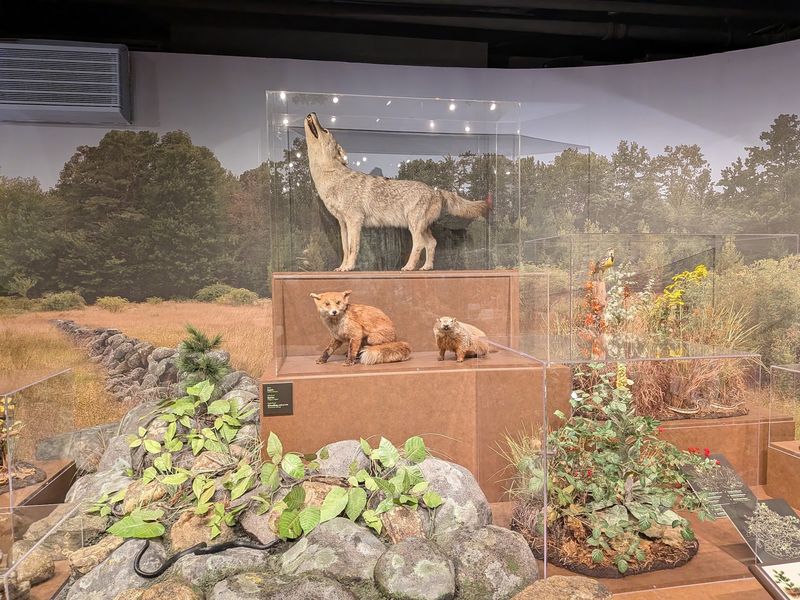
Many, many, many species fill these galleries. The taxidermy sections are often called wild, and that is no exaggeration.
The zoology halls hold mammals, fish, and birds from all continents. The left wing of the museum leans heavily on taxonomy, grouping creatures by how they are related.
Keep in mind the collection is more than 100 years old. Animals can feel jammed together, and some specimens have held up better than others.
That older style is part of the charm. It feels like a classic museum from another era, complete with low ceilings in some rooms.
Insects make an appearance too, adding smaller surprises between the big mammals. Families tend to move slowly here, pointing at one animal after another.
For anyone who likes to read every label, this wing alone can eat up a good chunk of the afternoon. Pace yourself, because more is coming.
Gems, Geodes, and Space Rocks
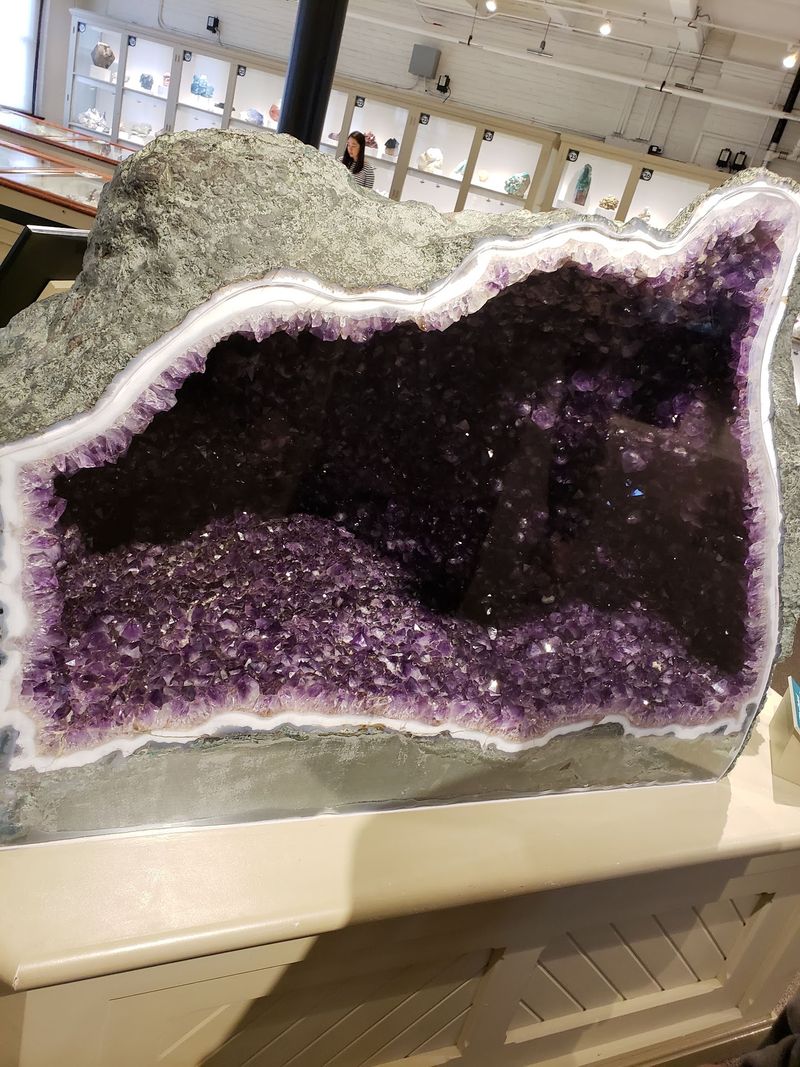
Head to the right wing for what many call the best mineral display they have seen. It seems to go on forever.
These are not small rocks. Huge gemstones, crystals, geodes, and even meteorites fill the cases, grouped into rock families so the layout makes sense.
The sheer number can feel almost overwhelming. That is a good problem to have, especially for rock hounds of any age.
A fun game here is hunting for your birthstone. It turns a big room into a personal scavenger hunt.
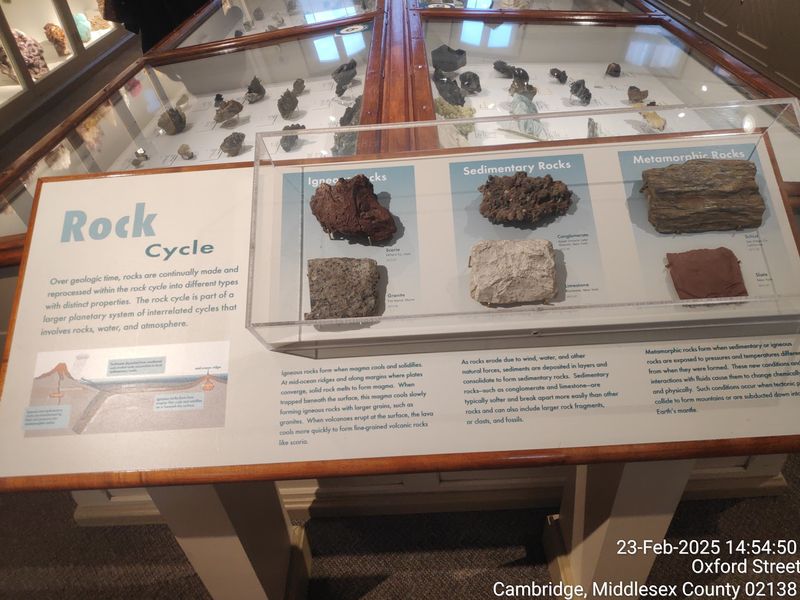
Geology exhibits round out the space, explaining how all these colorful pieces formed. The signs keep things clear without getting too technical.
Even people who arrive for the glass garden often leave talking about this wing. It is proof that a museum’s supporting cast can steal a scene or two.
One Ticket, Several Museums
Here is the insider bonus most first-timers miss. Admission covers more than natural history.
The Peabody Museum is connected to the building, and entry includes a visit to this anthropology museum. That is where you will find exhibits on the Americas, including Central American history and culture.
Nearby, the ticket also opens doors to the Near East museum and a museum of scientific instruments. Some folks call it four museums for the price of one.
Plenty of people run out of time before reaching everything. A two-hour visit often skips the anthropology section and the climate change exhibit.
So plan ahead if you want the full sweep. The artifacts in these connected spaces add a human story to all the rocks and animals.
Balancing science, culture, and history under one pass makes this outing feel like a real value.
Helpful Signs and Friendly Volunteers
Good museums teach without lecturing. This one manages that balance well.
The signs are a major strength. They are insightful, easy to read, and explain why objects sit where they do.
Volunteers and staff also roam the floors. They are known for being informative and ready to answer questions about the exhibits.
School groups often move through on scavenger hunts, searching the cases for answers. It is a clever way to keep young minds busy.
The museum also hosts programs. One family caught a lecture on axolotls, and their young kids were completely hooked.
Not every room lands the same way. The evolution and natural selection room is considered fairly basic by some.
Still, the overall feel is organized and easy to follow. Curious minds leave knowing more than when they arrived, which is exactly the point.
Who Will Love It Most
Short answer: nearly everyone. Even people who do not usually enjoy museums often call this one a pleasant surprise.
It is not a giant building, but every exhibit feels thoughtfully curated. That size works well for families with young kids who might tire in bigger places.
Children tend to love the dinosaur fossils and life-sized animals. One pair of sisters, ages five and eight, reportedly loved every single room.
Science fans, history buffs, and nature lovers all find something here. The mix of animals, plants, minerals, and culture covers a lot of ground.
Even travelers who have seen the world’s larger museums find new things to learn. The collection has a way of filling gaps you did not know you had.
It also makes a great add-on to a Harvard campus walk. Many people pair the two for an easy, well-rounded day.
Timing Your Visit Right
Nine o’clock sharp is the sweet spot. The museum opens at 9 AM and closes at 5 PM, seven days a week.
Arriving right at opening pays off. Early mornings tend to be calm and quiet, while things get noticeably busier around noon as families arrive.
School field trips can make the halls lively at times. Rainy days also draw bigger crowds, since everyone wants an indoor plan.
How long should you budget? Two to three hours covers the natural history exhibits, and three to four hours suits people who like to see everything.
Some spend four hours and still wish they had more time. Adding the connected museums could easily fill a whole day.
A weekday visit can feel more relaxed. Either way, wear comfortable shoes and plan a snack stop before or after, since there is plenty of ground to cover.
Tickets, Parking, and Finding the Door
Money first. Recent guests mention paying around $15 for a regular adult, which many consider a fair price compared to other museums, especially with the connected collections included.
Some visitors use a City pass for entry. Check the official website before you go, since prices and policies can change.
Parking takes some planning. The museum has no lot of its own, so options are street parking or a nearby paid garage.
One handy tip is to sign up for the museum’s parking arrangement at the garage at 52 Oxford. It sits very close by.
GPS can lead people to the wrong entrance, so allow a few extra minutes. There is an elevator, but expect to use stairs to move between some floors.
Public transit and short rides from Boston work well too. Many find the trip simple and quick.
Worth the Lean-In
Before heading out, save a few minutes for the gift shop. It stocks fantastic souvenirs and some of the most reasonably priced postcards around.
A glass flower postcard makes a fitting keepsake. It is a small reminder of the moment you leaned close to a case and doubted your own eyes.
So, is the trip worth it? For a Massachusetts local looking for an easy, affordable outing close to home, the answer leans strongly toward yes.
The building mixes a famous glass garden, a hanging whale, rooms of animals, and a dazzling mineral wing. Add the connected Peabody and other museums, and the value grows.
It is not flashy, and some rooms show their age. That old-school character is part of what makes it memorable.
Bring a friend who has never been, and let the Glass Flowers do the talking.
Share this story