Some of the best afternoons in Tennessee start with a plan that costs nothing at all. You park, walk through a front door, and suddenly an hour disappears into tiny rooms, giant glass sculptures, and paintings of the mountains you drive past every week.
Nobody asks for a ticket. Nobody hands you a bill on the way out.
This spot has been quietly welcoming families for years, and some of those kids now come back as grown adults. Keep reading to find out where it is, what to see first, and how to fit it into your next weekend.
A Free Art Stop Beside World’s Fair Park
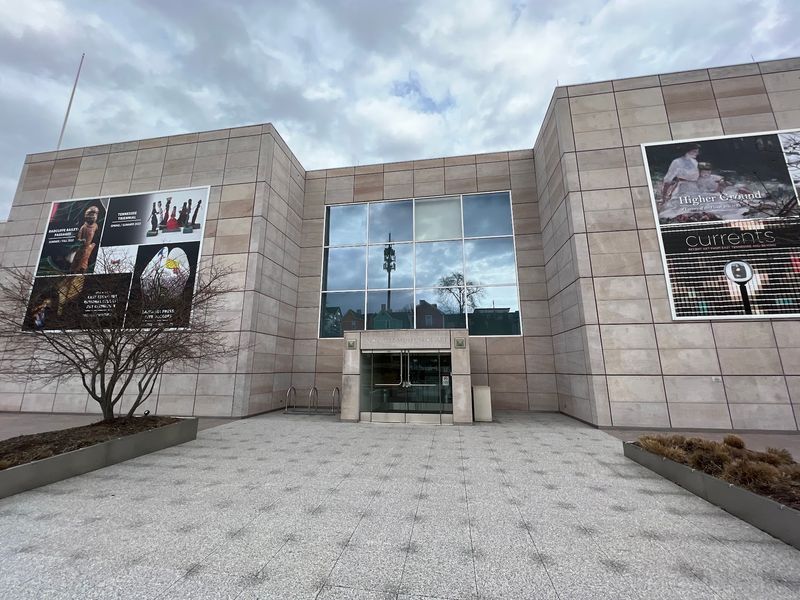
Right on the edge of downtown sits a museum that makes a strong first impression without asking for a single dollar. The Knoxville Museum of Art is found at 1050 Worlds Fair Park Dr, Knoxville, TN 37916, in the heart of East Tennessee.
Admission is free, and that detail comes up again and again when people talk about the place. It is a big reason so many folks stop in on a whim.
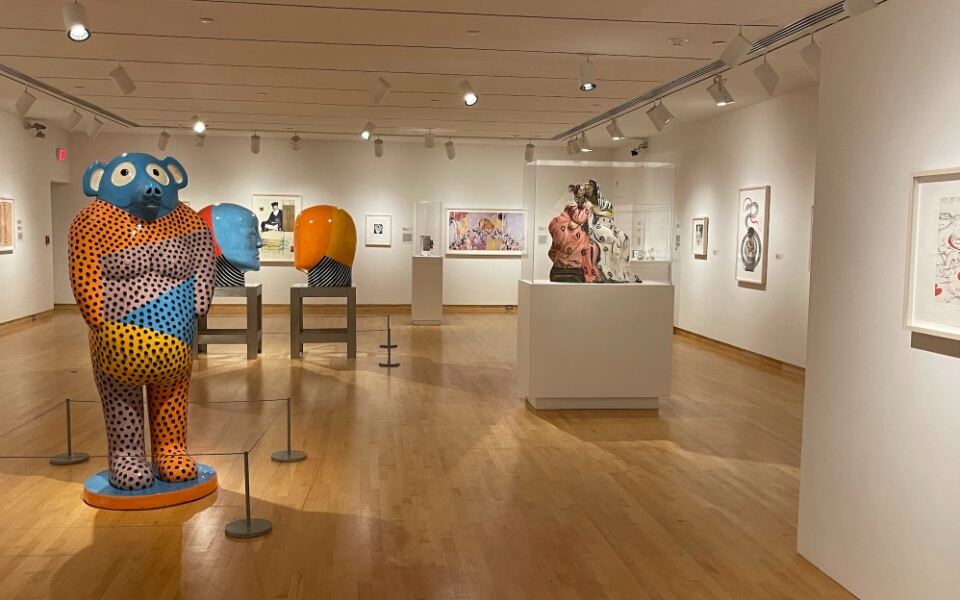
The museum is known as a modern showcase for regional artists. Its galleries mix work tied to East Tennessee with traveling shows that come and go throughout the year.
Concerts and classes also fill the calendar, so the building works as more than a quiet gallery. It is a community space with a creative streak.
For a road-tripper passing through Knoxville, it is an easy detour. For locals, it is the kind of spot worth bragging about to out-of-town cousins.
The Four-Story Building Itself
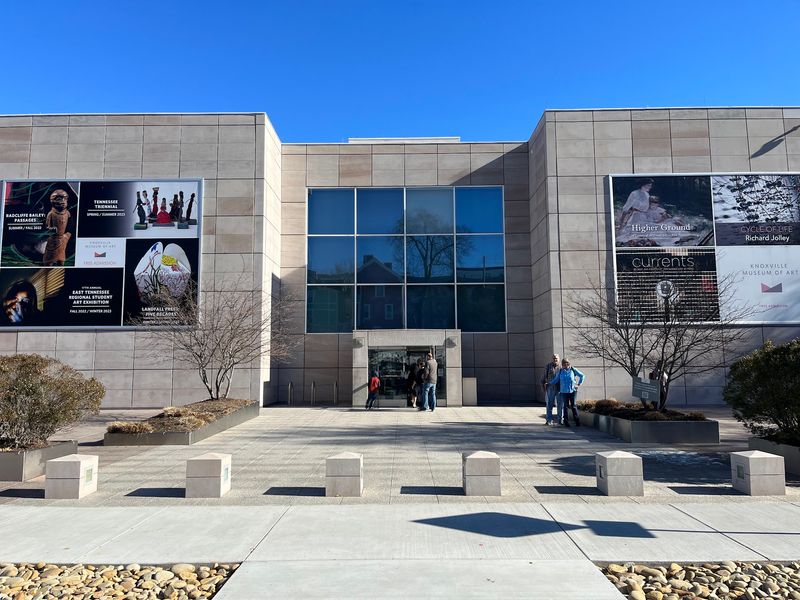
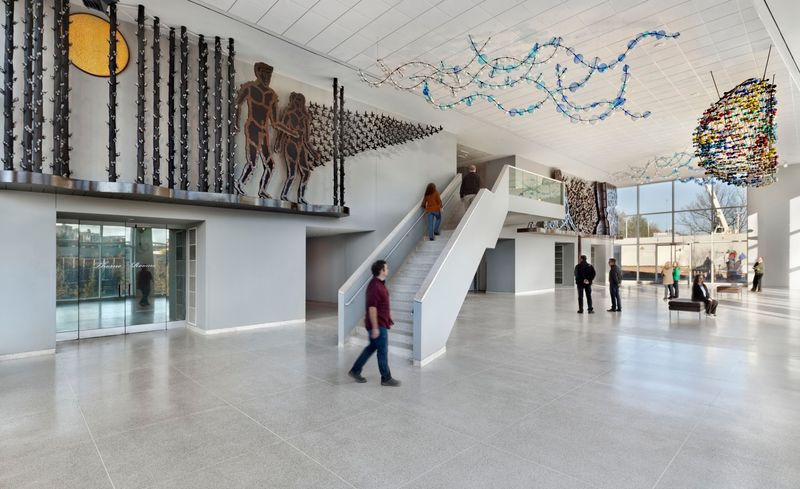
Architecture fans tend to get distracted before they even reach the first painting. The museum lives in a modern four-story facility, and its design earns plenty of praise on its own.
Clean lines and open spaces give the building a calm, organized feel. People often mention how tidy and well arranged the whole place is from floor to floor.
Exhibits spread across multiple levels, so a visit becomes a gentle climb through different moods and styles. Each floor offers a fresh set of rooms to explore.
Some guests note that the building is large while the gallery space feels more compact than expected. That can actually be a plus for anyone with limited time.
A smaller footprint means less wandering in circles and more time with the work. It is a museum that respects both your schedule and your curiosity, which is a rare and welcome combination.
Tiny Worlds in the Thorne Rooms
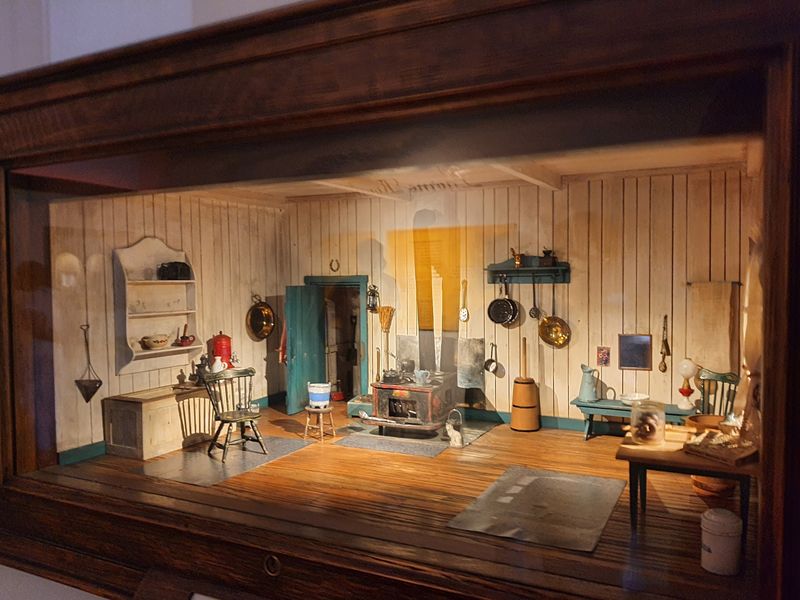
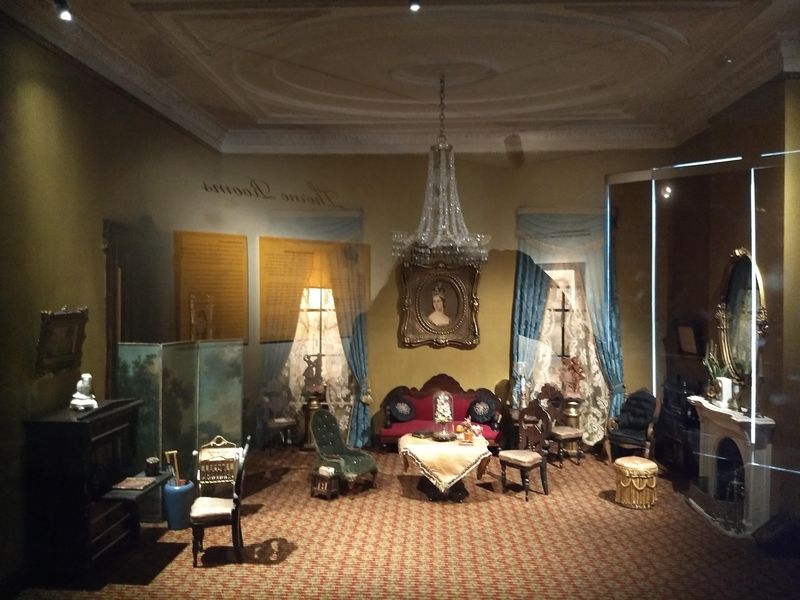
Small things can steal the whole show. The Thorne Miniature Rooms are the exhibit guests seem to talk about most, and for good reason.
Each room is a detailed diorama built at a tiny scale. Furniture, walls, and decorations are all shrunk down into scenes that invite close study.
People who admit they are not big art fans still find themselves leaning in for a better look. The level of detail makes these rooms feel unique compared to the rest of the museum.
Even guests with mixed feelings about other galleries call the miniatures the most impressive part of the building. That kind of agreement is hard to come by.
Families with kids will find this section especially easy to enjoy. Children can hunt for little objects inside each scene, turning a gallery stop into a game of spot-the-detail that can last longer than you might plan.
Richard Jolley’s Monumental Glass
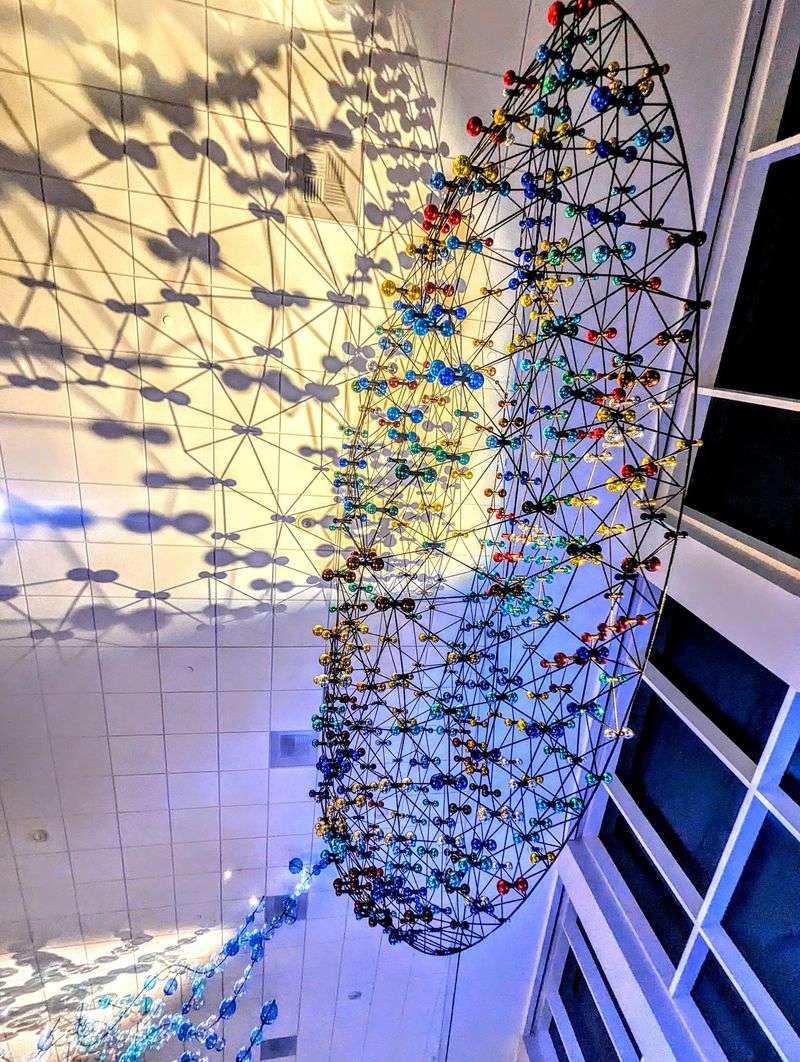
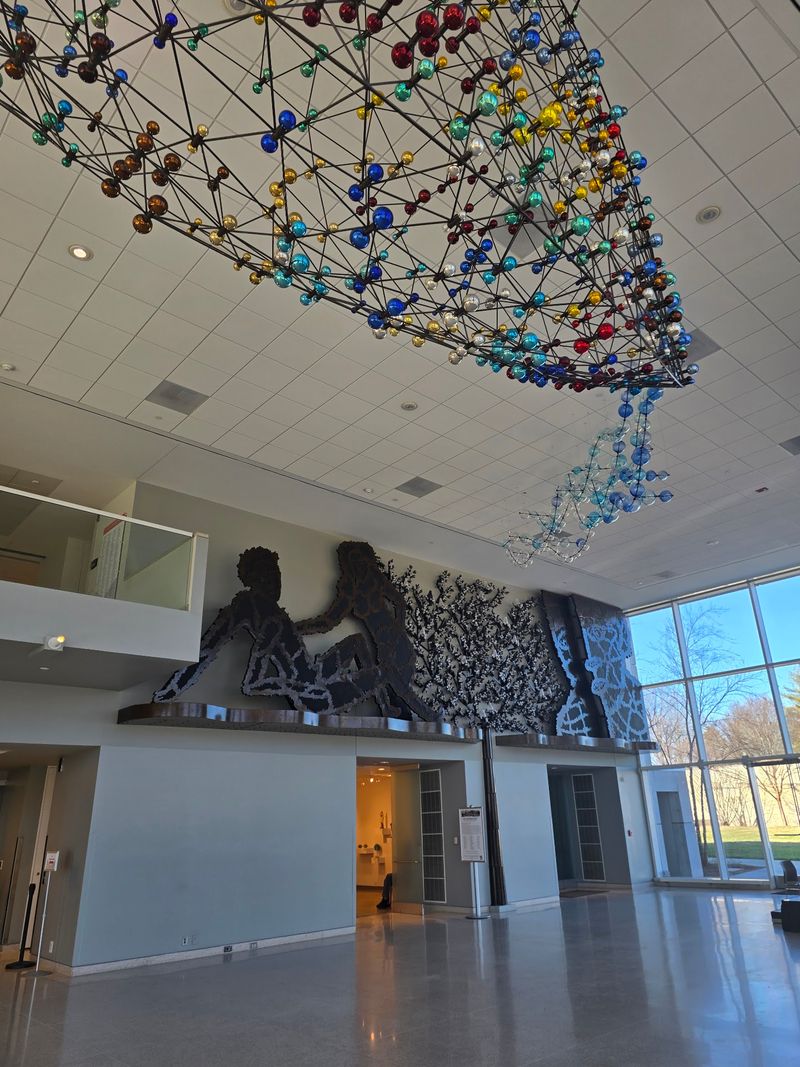
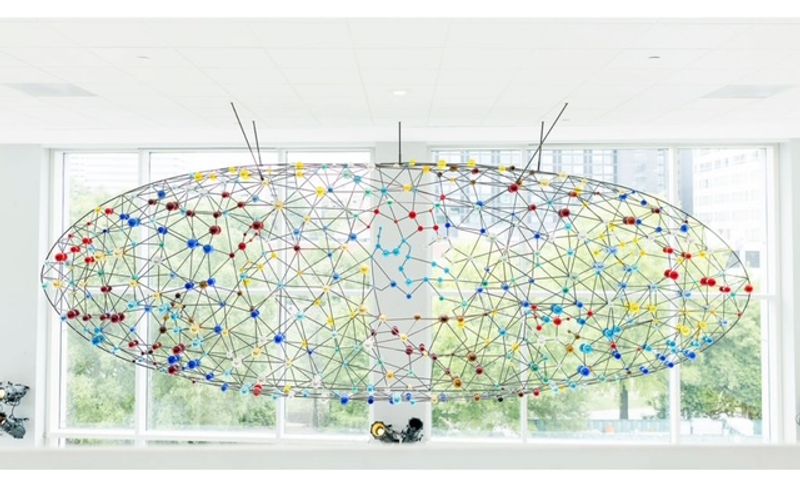
Glass on a grand scale is one of the museum’s signature surprises. Richard Jolley’s monumental installation, titled Cycle of Life, Within the Power of Dreams and the Wonder of Infinity, serves as a true centerpiece.
The piece is large enough to shape the space around it. It is often described as a highlight that sets the tone for the entire building.
Glass art in general earns frequent mentions, and guests call the glass exhibit very cool. It is a medium that tends to win over even casual browsers.
Jolley’s work has become so tied to the museum that it even serves as a backdrop for special events. Couples have chosen it as the focal point of their wedding day.
Give yourself a few extra minutes here. Walking around the installation from different angles reveals new shapes, and it rewards a slow, patient loop more than a quick glance.
East Tennessee Artists on the Walls
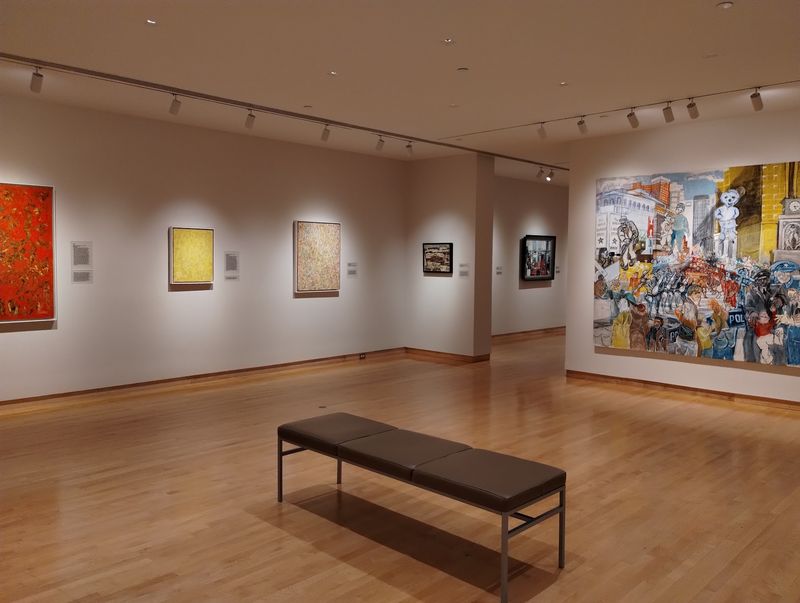
Hometown pride runs deep in these galleries. Plenty of the work on display connects directly to East Tennessee and the artists who called this region home.
Landscape paintings, scenery, and portraits get warm attention from guests who prefer traditional styles. They offer a view of the region through local eyes.
One name that stands out is Beauford Delaney. His collection has been called a special find by people seeing his art for the first time.
Local artists are one of the most mentioned features here. Many people leave with a new favorite painter they had never heard of before walking in.
Supporting the museum also means supporting those artists, a point regulars are quick to make. For Tennesseans, it is a chance to see their own backyard celebrated on gallery walls instead of waiting for some far-off city to notice.
Rotating Exhibits and Modern Surprises
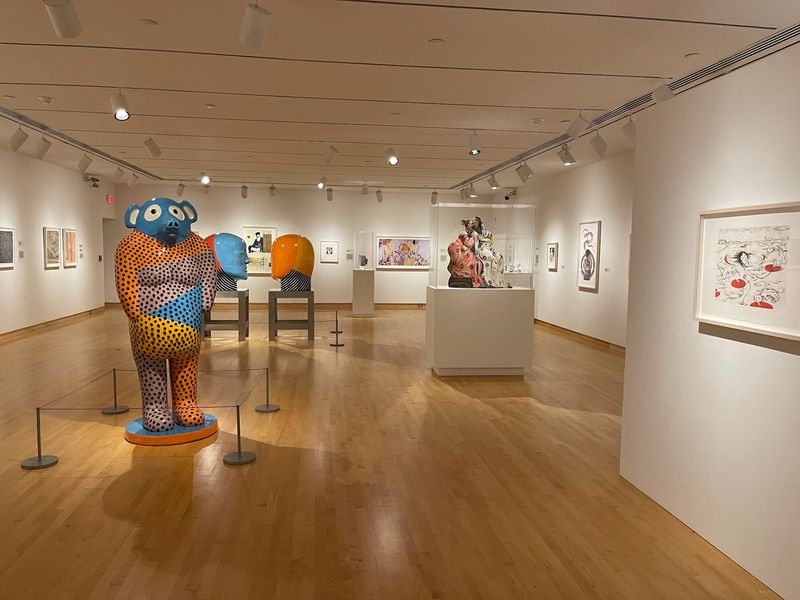
No two visits look exactly alike. Contemporary works get swapped out regularly, and the museum is always installing new exhibitions.
Modern and abstract art fill several rooms dedicated to different styles. The presentation is often described as neat and striking.
Here is a fun twist. Some guests arrive convinced they dislike abstract art, then find a few pieces they genuinely enjoy once they see several side by side.
Not every room will click with every person, and that is part of the adventure. Tastes vary, and the museum admits its collections are always changing.
Past shows have tackled serious subjects too, including an exhibit called Flowers of War that invited deep reflection. Checking the website before a trip is smart, since the current lineup can shift between seasons and give repeat guests a brand new reason to return.
Friendly Faces at the Front Desk
Friendliness might be the museum’s most talked-about feature after the free admission. The staff earns over a hundred mentions for being kind and helpful.
A volunteer named Ken has become something of a local favorite. He checks people in, explains the map, and points out highlights with a sense of humor.
Docents also get credit for being informative. They are happy to share background on the work without making anyone feel rushed.
The overall atmosphere is described as welcoming, even for people who rarely visit museums. There is no stuffy vibe or pressure to act like an expert.
That warmth matters. A museum can have great art, but a good greeting at the door often shapes how people feel about the rest of their day.
Here, the welcome seems to be part of the collection, and it keeps people coming back for another round.
The Gift Shop Worth a Detour

Budget warning ahead. Admission may be free, but the gift shop has a way of tempting people into spending.
Guests call it great, and some joke that they spent way too much there. It is often listed among the best parts of the whole visit.
The selection mixes art-inspired gifts, books, and locally crafted items. Handmade pieces fill a good portion of the shelves.
There are also little trinkets for kids, so younger shoppers can find a small souvenir. It is an easy place to pick up a present for an art lover back home.
The shop sits upstairs, which makes it a natural final stop before heading out. Buying something here is also a nice way to give back to a museum that opens its doors at no cost, and it turns a free afternoon into a small act of local support.
Concerts, Classes, and Big Days
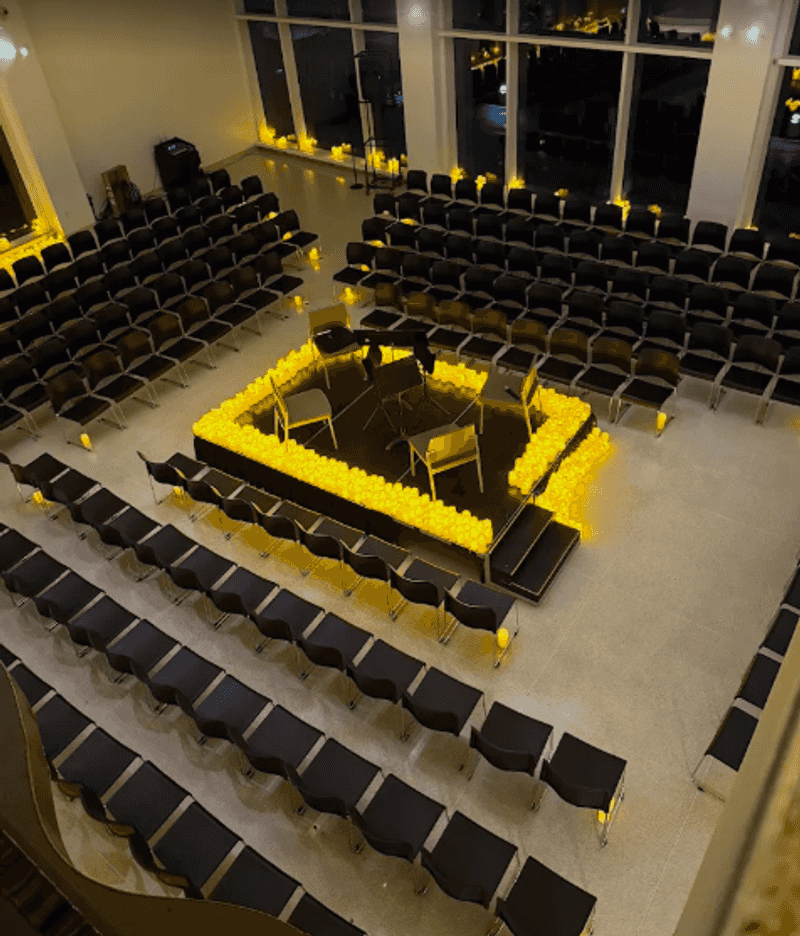
After the galleries, the building has another life. Concerts and classes are part of the regular programming.
Music events draw strong praise for talented, professional musicians. Guests describe the performances as outstanding and the venue as beautiful.
One practical tip comes from concert attendees. When the stage sits in the center of the floor, some sightlines can be limited, so arriving early for a good seat is wise.
Special talks also happen, including sessions with artists whose work is on display. Groups have used the spaces for receptions as well.
Weddings are part of the story too. Families have celebrated big milestones here with the glass installation as a backdrop and staff working closely with vendors.
So the museum is not only a daytime stop. It can also be the setting for an evening out or a once-in-a-lifetime celebration.
Who Will Love an Afternoon Here
Short on time or looking for a rainy-day plan, this museum fits neatly into both. Most guests spend between thirty minutes and two hours.
That makes it ideal for travelers passing through Knoxville. People in town for events like the Big Ears music festival have popped in between plans.
Families benefit from the kids’ areas and patient staff. Couples and solo explorers can take their time without crowds of pressure.
It is a smaller art museum, and that is worth knowing upfront. People hoping for a massive big-city collection may find it modest.
Still, the variety of styles means most guests find something that speaks to them. One person even shared that a delicate piece nearly moved them to tears in a single half hour.
Low commitment, free entry, and real rewards make it an easy yes for almost any schedule.
Hours, Parking, and Handy Details
Timing matters, because the schedule has a few quirks. The museum is open Tuesday through Friday from 10 AM to 5 PM.
Sunday hours run from 1 to 5 PM. It is closed on Mondays and Saturdays, so plan weekend trips around a Sunday afternoon.
Parking is free, which keeps the whole outing budget friendly. The museum also sits within walking distance of World’s Fair Park.
Inside, restrooms are placed throughout the building. Coat racks and storage lockers help guests explore without carrying bags.
Non-flash photography is allowed, so feel free to capture favorite pieces. Just keep a respectful distance from the artwork.
For the latest exhibit schedule and events, check knoxart.org before heading out. Hours and programs can change, and a quick look online saves a wasted drive from Nashville, Chattanooga, or anywhere else in the region.
A Free Afternoon Worth Repeating
Few things in life are free and still leave people wanting more. This museum manages that balance with surprising ease.
The tiny Thorne Rooms, Richard Jolley’s glass, and walls full of East Tennessee talent give plenty of reasons to stop in. The friendly welcome and a tempting gift shop round things out.
It is not the biggest museum in the country, and it does not try to be. Instead, it offers a relaxed, approachable look at art with strong local roots.
Views of World’s Fair Park and the city skyline add one more bonus. Pair a visit with a stroll through the park for a full, low-cost day.
Because exhibits rotate, the museum you see this season may look different next time. That alone makes it worth a return trip, and maybe a tradition worth passing down to the next generation of Tennessee art lovers.
Share this story