A discount store that now sits in cities across the country got its start in a Twin Cities suburb in 1962. The doors opened, shoppers walked in, and a red bullseye began its climb.
Most people pass this suburb without knowing that it launched one of the most familiar stores in America. Here is the story, plus a few other surprises about the place where it all began.
The Store That Started It All
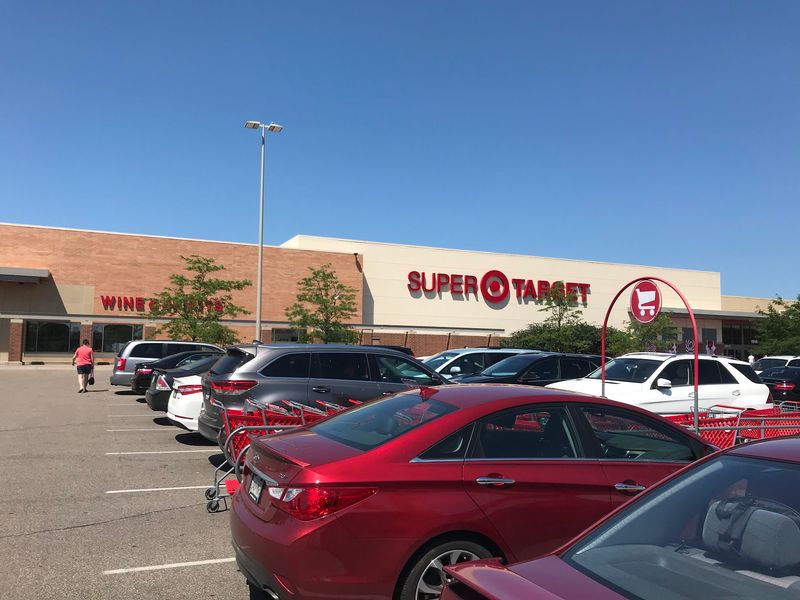
Back in 1962, a brand new kind of store opened its doors in Roseville. The first Target opened there on May 1 of that year, and it was run by the Dayton Company, a Minneapolis department store business.
The idea was simple. Put many everyday items under one roof, keep prices fair, and make shopping easy for busy families.
Target is now known across the country, yet the beginning was small and local. Shoppers in a suburb just north of Saint Paul got the first look at something that would grow far beyond Minnesota.
That first store was built around a plain promise of convenience. Clothes, toys, and household goods sat together, and customers could finish errands in one trip.
It sounds ordinary today, but back then it felt fresh. Next, let me explain how a department store company came to try such a bold experiment.
The Dayton Company Behind the Idea
Behind the first bullseye stood the Dayton Company, a well-known Minneapolis retailer. Its leaders saw discount shopping growing in popularity and wanted to try it in a new format.
They chose a suburb where families were moving in and roads were improving. Roseville fit the plan well because it sat between Minneapolis and Saint Paul.
The company already had a strong name in the Twin Cities, so the team could build on trust while testing something different. A discount store gave them room to keep costs low and still offer a wide range of goods.
That choice of location was smart. Cars were becoming the main way to shop, and a suburban site with parking made trips easy.
Curious about how this suburb looks today? Keep reading, because the setting has its own story.
Where Roseville Sits on the Map
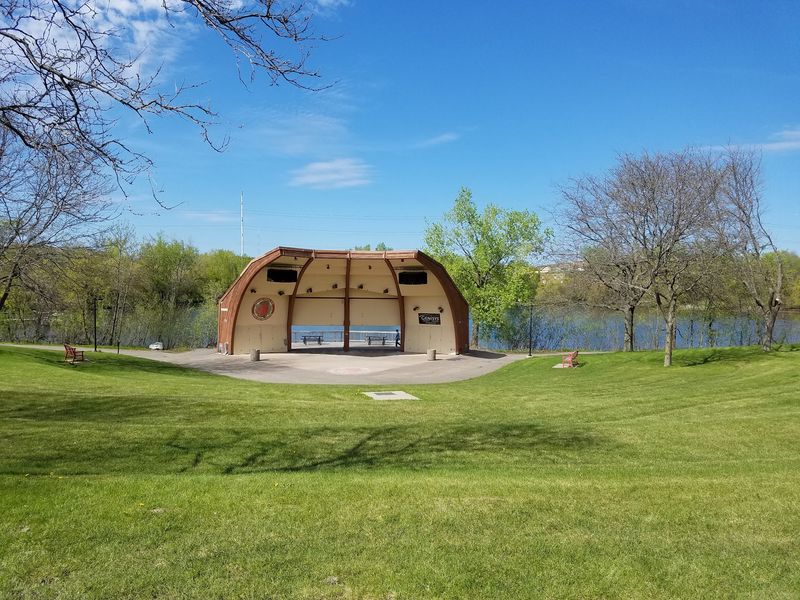
Roseville is a city in Ramsey County, Minnesota, United States. It is one of two Twin Cities suburbs that border both Saint Paul and Minneapolis, which makes it a handy crossroads for the region.
The 2020 census counted 36,254 residents. That is a healthy size, large enough for busy shopping streets but small enough to feel like a neighborhood.
Its central spot explains a lot about why retailers liked it. Drivers from either big city can reach Roseville without a long trip, and major roads pass through the area.
Once you understand the map, the choice of this place for a test store makes sense. Shoppers from both sides of the river could visit easily.
Now let me show what the area feels like on the ground.
A Simple Idea With a Red Bullseye
The bullseye logo is one of the easiest brand marks to spot from a car window. Red circles, a white ring, and a red center make it stand out in any parking lot.
The name Target fit the store’s goal of hitting the mark on price and choice. Together, the name and the logo made a clear message that people could remember at a glance.
Many shoppers today never think about where that symbol first appeared. Yet it began in Roseville, on a store front that welcomed customers in 1962.
Fun fact: the brand grew so strong that the company later became the main name over the older Dayton department stores. Small beginnings can carry a long way.
Before we talk about shopping today, a quick look at how the suburb grew is worth a stop.
How the Suburb Grew Around Shoppers
After the middle of the twentieth century, many families moved to the edges of big cities. Roseville was part of that change, with new homes, schools, and businesses appearing across the area.
Retail followed the people. Stores needed room for parking, and suburbs had open land that downtowns often lacked.
This shift helped shape how Americans shop even now. Big stores with large lots became a normal sight, and Roseville was an early example.
Walking through neighborhoods here, you can still sense that postwar growth in the street layouts and tidy blocks. It is a quiet reminder that a small suburb can shape national habits.
Up next, let me point you toward one of the best green spaces in town.
Fresh Air at Central Park
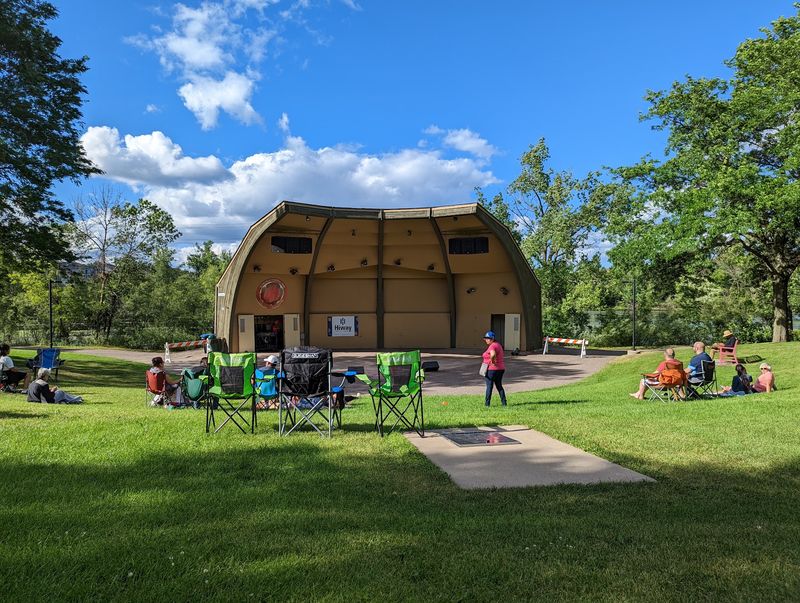
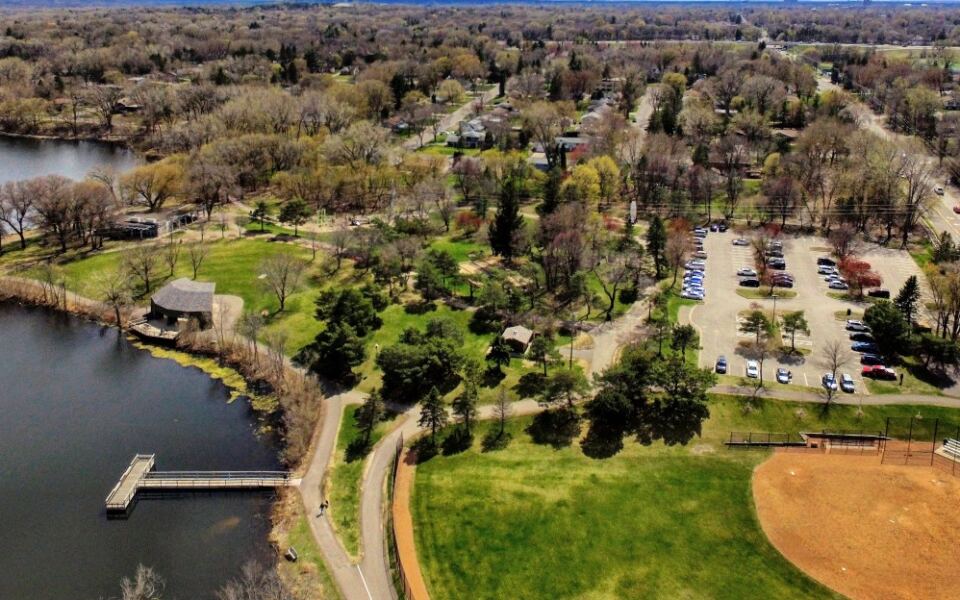
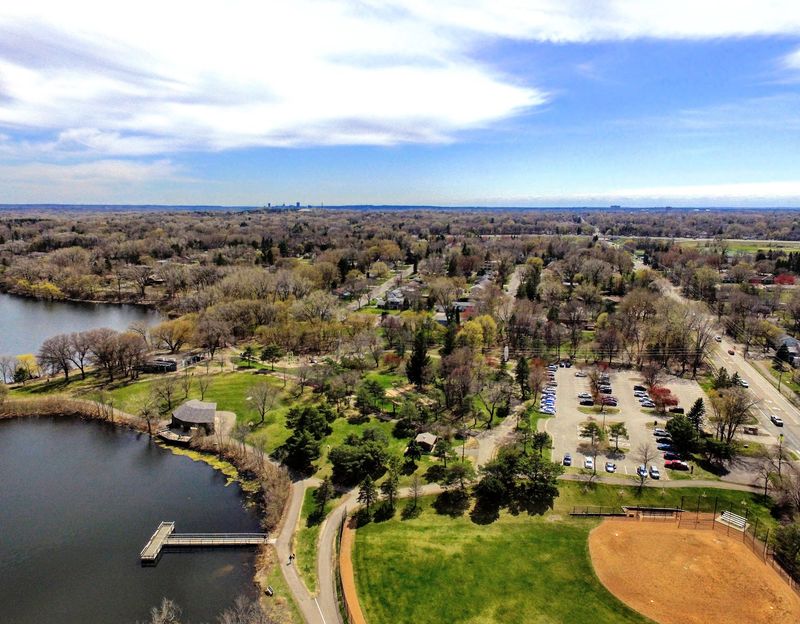
After a day of thinking about retail history, a walk outdoors feels good. Roseville has a large park called Central Park, which the city maintains for residents and visitors.
Paved paths, open lawns, and sports fields give families room to spread out. It is a easy place to stretch your legs before or after running errands.
Bring a light jacket in cooler months, since Minnesota weather changes fast. In summer, the trees add welcome shade over the walking routes.
Having green space so close to busy shopping roads is one reason locals like living here. You can go from a crowded aisle to a quiet trail in a few minutes.
That balance is a big part of the city’s everyday charm.
Skating and Sports at the Oval
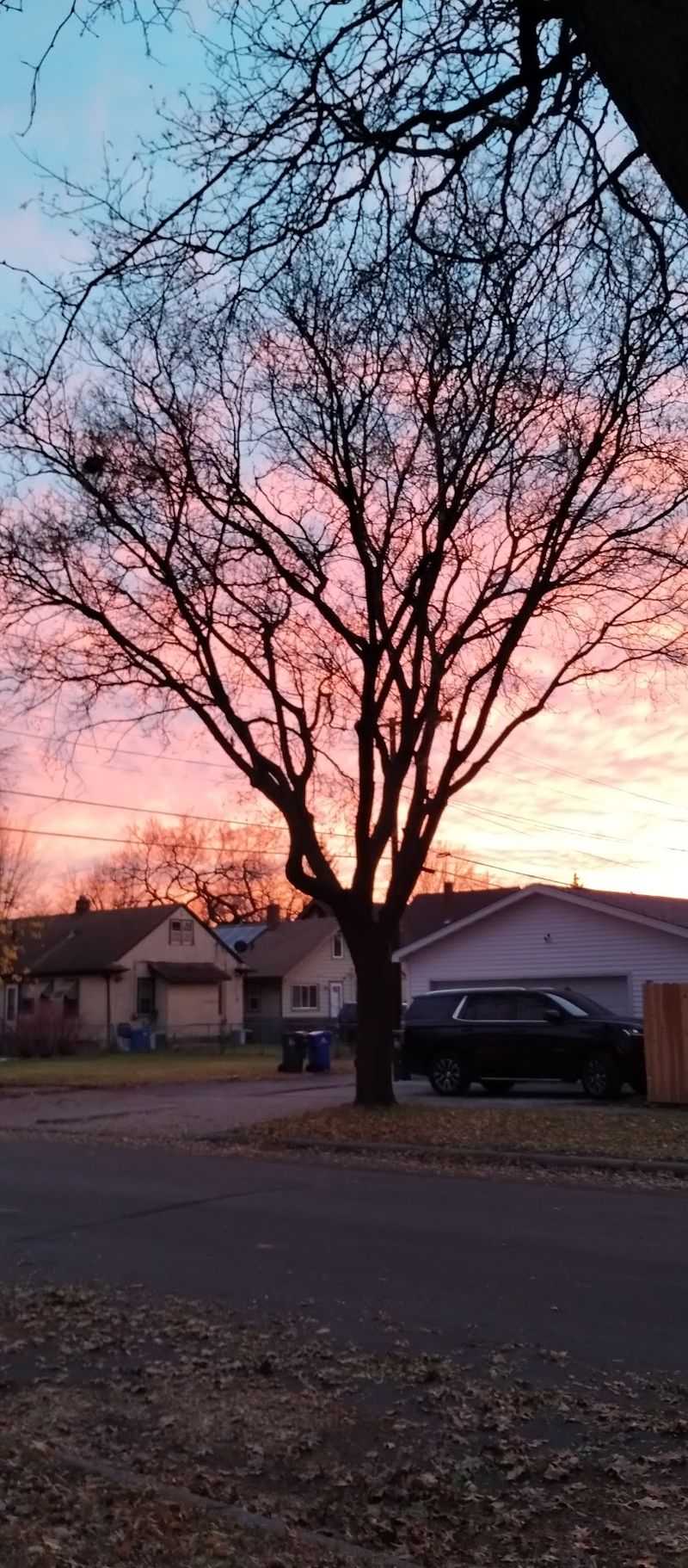
Winter in Minnesota calls for skates, and Roseville has a spot for that. The Roseville Skating Center includes an outdoor oval that draws skaters when the ice is ready.
Long, smooth loops let beginners and confident skaters share the same space. It is a nice way to enjoy the season instead of hiding from it.
Dress in layers, wear warm gloves, and check the city website for current conditions before you go. Ice depends on the weather, so plans can change from day to day.
Visiting in cold months also lets you see how Minnesotans turn chilly days into fun. It makes the trip feel more local.
After skating, you might want to know what else the city keeps ready for visitors.
Shopping Along Snelling Avenue
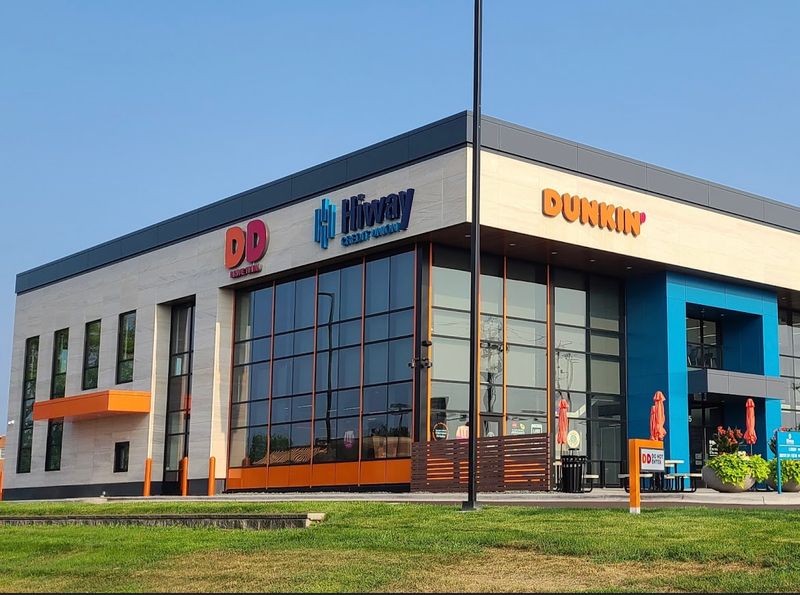
Retail is still a big part of Roseville life. Snelling Avenue and nearby roads hold many stores and services, keeping the shopping tradition alive.
The area includes Rosedale Center, a large mall that has served the region for decades. Plan for parking time on busy weekends, especially near the holidays.
Walk through with a list, or wander with no plan at all. Both approaches can work when there are so many choices in one place.
Since the first Target opened here, it feels fitting that shopping remains a main attraction. The story of retail in this city never really stopped.
Now that you know the shopping side, let me share a tip about planning your own visit.
Tips for Planning Your Visit
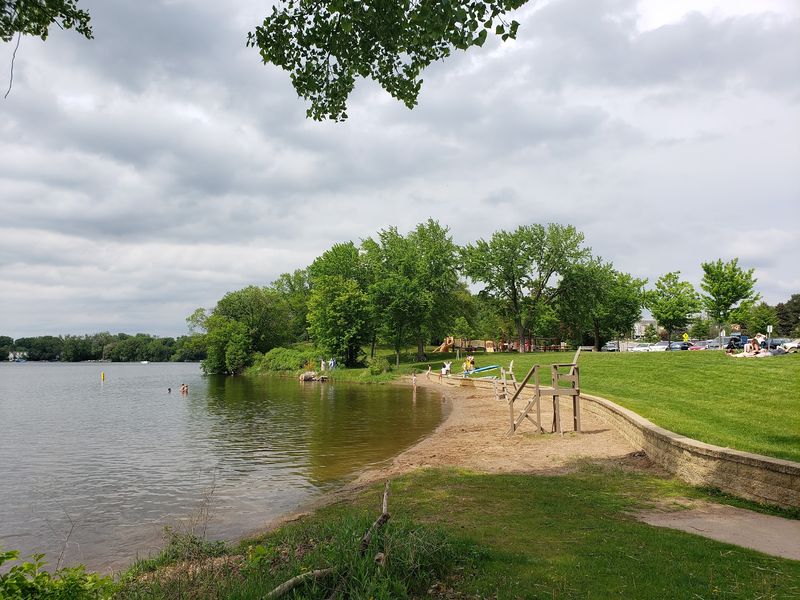
Roseville is easy to reach by car, and it sits close to both Saint Paul and Minneapolis. That makes it simple to fit into a larger Twin Cities trip.
Check store hours and park schedules online before you go, since they can change by season. Weekday mornings are often calmer than weekend afternoons.
Bring comfortable shoes for park paths and long mall walks. In winter, add a hat and gloves, because wind can make cold days feel sharper.
Give yourself half a day to see the city at an easy pace. You can visit the retail areas, enjoy a park, and still have time to explore nearby neighborhoods.
A relaxed schedule lets small surprises stand out.
Why the Story Still Matters
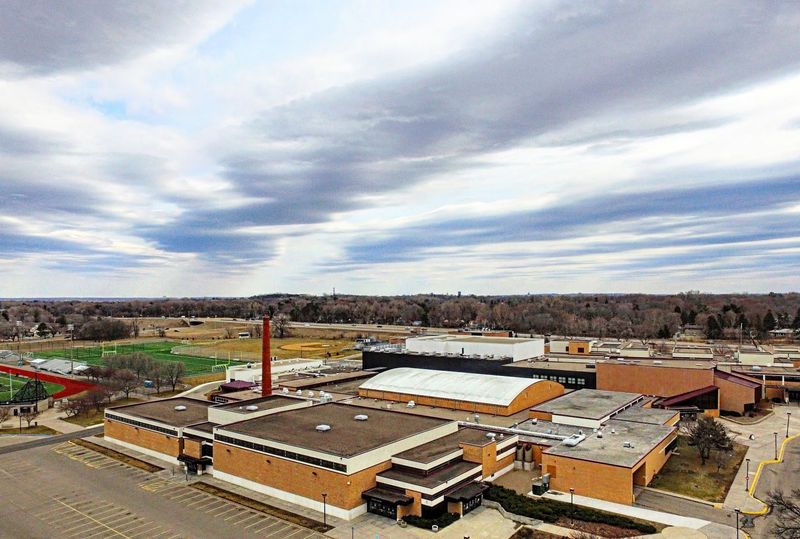
Every big brand starts somewhere, and this one started close to home for many Minnesotans. Knowing that gives an ordinary errand a bit more meaning.
Roseville shows that big ideas can come from everyday places. A suburb, a department store company, and a bold test led to a store found in communities nationwide.
If this story caught your interest, try exploring other places with surprising business history. Many towns across the Midwest hold similar tales, from first factories to early shops.
Next time you see a red bullseye, think about that first opening day in 1962. Then plan a trip to the Twin Cities, where you can see the roots for yourself and discover more nearby cities worth a visit.
Share this story