I almost drove right past it, figuring a quick stretch of the legs was all Oklahoma had in store for me on that road. Then I saw the signs, the statues, and a row of little buildings that looked like a whole town had been tucked behind the pavement.
One peek through a window and my plans for a fast stop disappeared. Some places in Oklahoma sneak up on you, and this one left me curious about every door.
A Route 66 Landmark on Elk City’s West Side
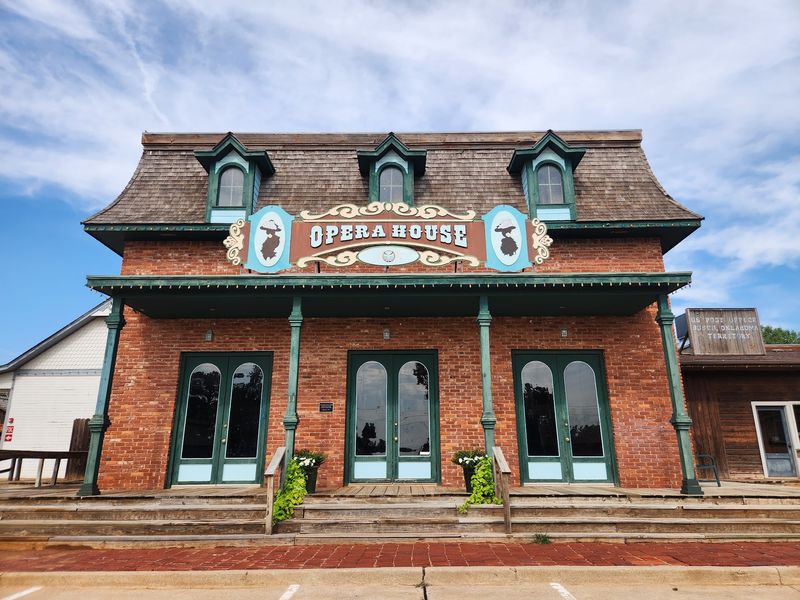
Cruise west along Third Street in Elk City and a cluster of vintage signage will tell you to slow down. That is the front door to the National Route 66 Museum and Transportation Museum, a Museum listed at 2717 W 3rd St. It sits right along the historic highway, so the setting fits the story it tells.
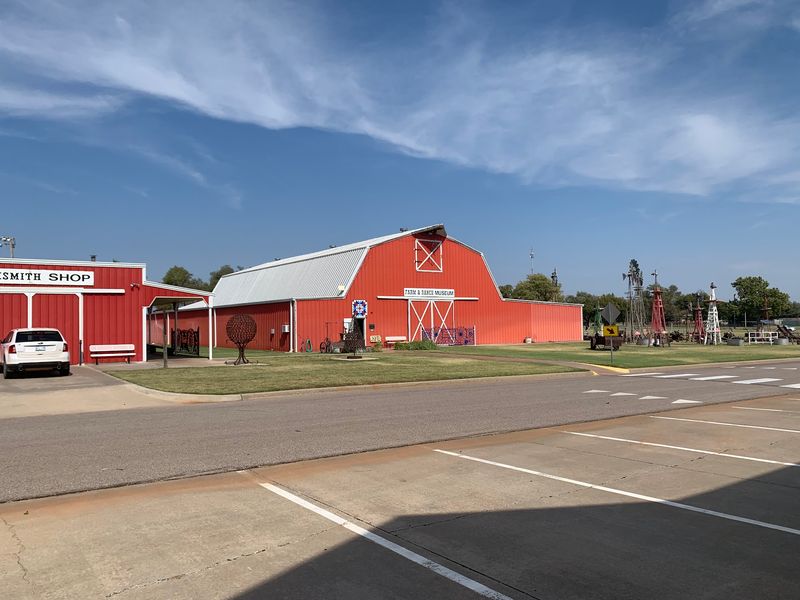
What makes it different from a typical roadside stop is its size. Visitors describe a complex of several buildings that you walk through and around, rather than one single hall.
One traveler called it a rare treat among the many Route 66 museums scattered across the country.
The place is run as part of the city’s museum system, and the official page lives on the Elk City website. That gives it a community-driven feel, with local historians and volunteers shaping what you see.
Here is the big picture before the details. You get Route 66 memorabilia, old vehicles, recreated scenes, a small town of historic-style buildings, and plenty of spots for pictures.
Everything is arranged so you can wander at your own pace, which suits both quick road trippers and slow browsers who love reading every label along the way.
Why a Whole Town Hides Behind the Museum Door
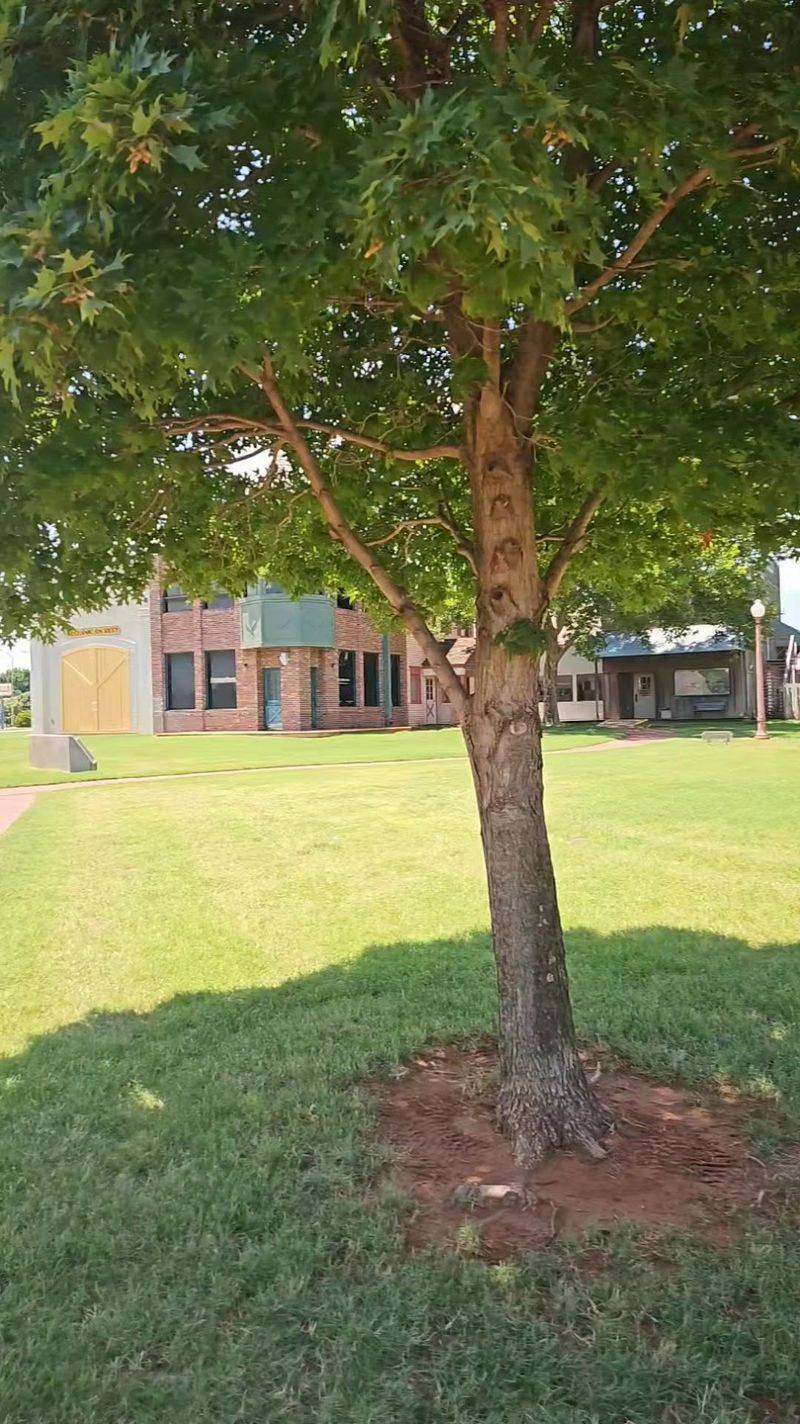
Plenty of guests arrive expecting one building and leave talking about a village. One visitor said they were only looking for the Route 66 museum, then found an entire town of exhibits right beside it.
They ended up spending four to five hours.
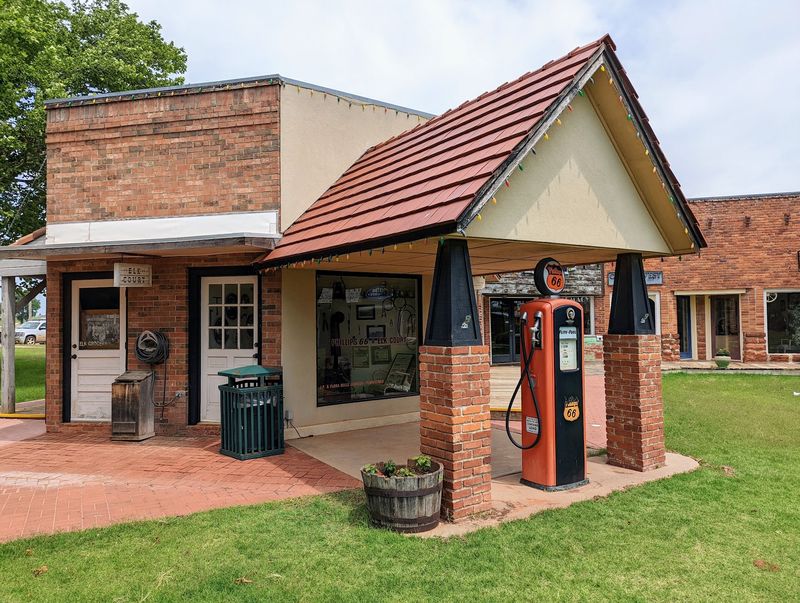
Walking through feels a bit like strolling down Main Street in another era. Reviewers describe buildings you pass through like a town, with period displays set up in each one.
Another visitor counted around eight buildings you can enter, out of roughly seventeen in total that let you look inside.
That mix of open doors and window views keeps the pace relaxed. You are never locked into a single route, and the tour is entirely self guided.
The setup also stretches the story beyond the highway itself. A small town complex gives you a feel for local history and the way daily life used to look in the community, not just what drivers saw on the road.
If you like museums that reward curiosity, this one does it well. Give yourself room in the schedule, because people who planned for a short stop keep mentioning how far past that they went.
Centennial Timing for a Highway Milestone
Timing can make a museum stop feel extra special, and visitors say the highway’s 100th anniversary year is a fine moment to pull in here. One traveler working through the Oklahoma Route 66 passport book found this stop on the list and called it well worth the detour.
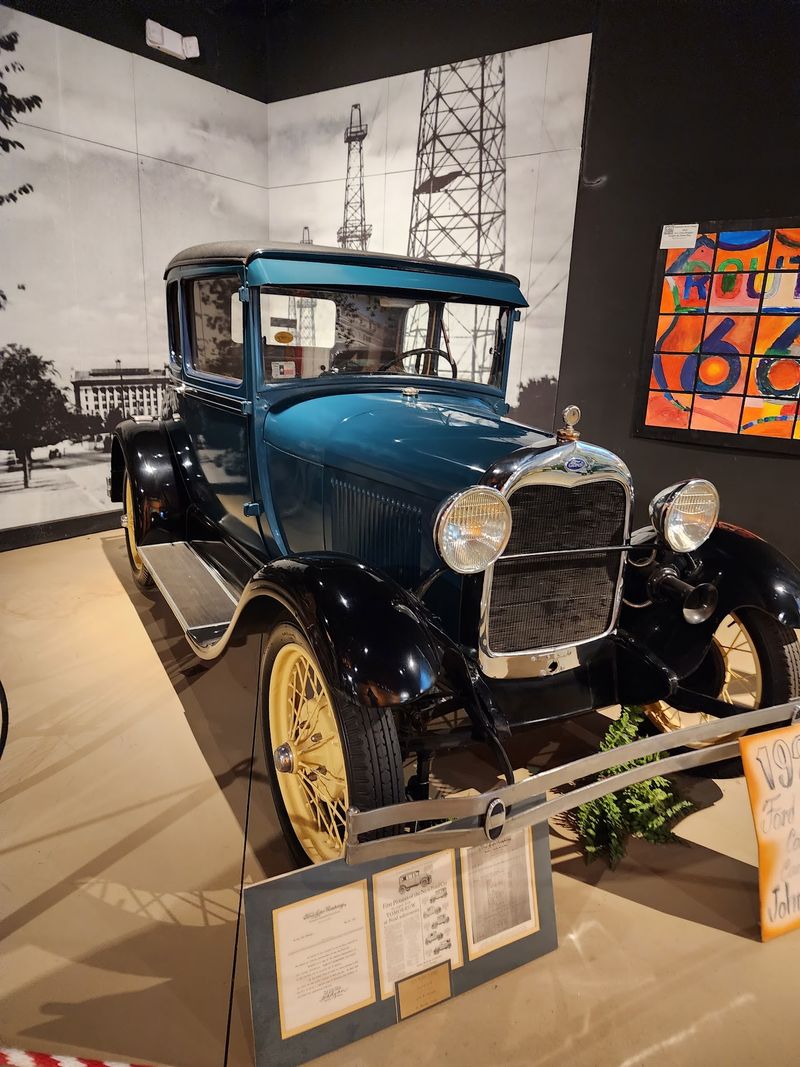
Anniversary year or not, the collection speaks for itself. Guests note a large amount of Route 66 memorabilia, fantastic displays, and interactive exhibits that keep things lively.
Another guest pointed out that the museum is not as big as the Route 66 museum in Clinton, which is helpful to know when you plan a multi-stop drive. Think of this place as a complement to other stops rather than a copy of them, since the town complex adds its own flavor.
Some visitors are even collecting keepsakes for the whole journey. One couple received a license plate showing the entire route, planning to attach it to their car when they reach the Santa Monica Pier.
Road trippers heading across Oklahoma will feel that celebratory energy. It is a great place to compare notes with fellow travelers, stamp a passport, and get in the mood for the miles ahead.
Vintage Vehicles, Neon-Era Signs and Memorabilia
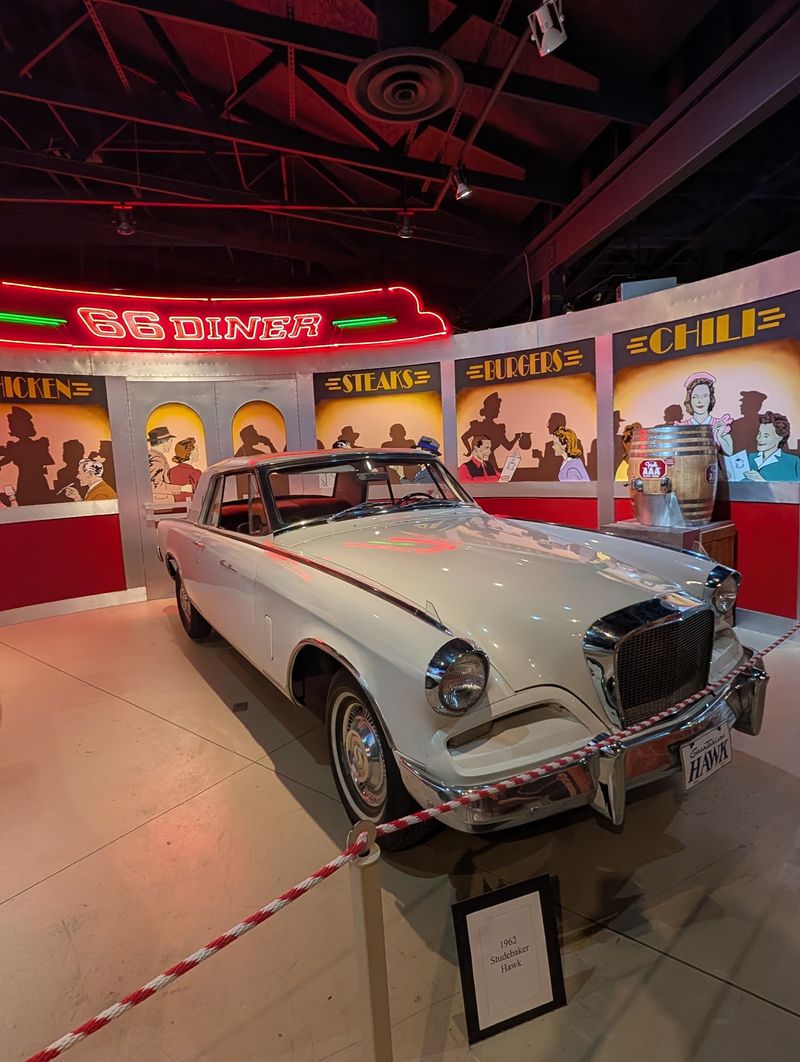
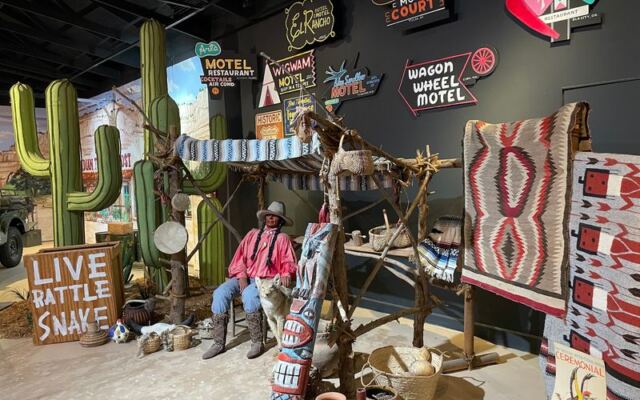
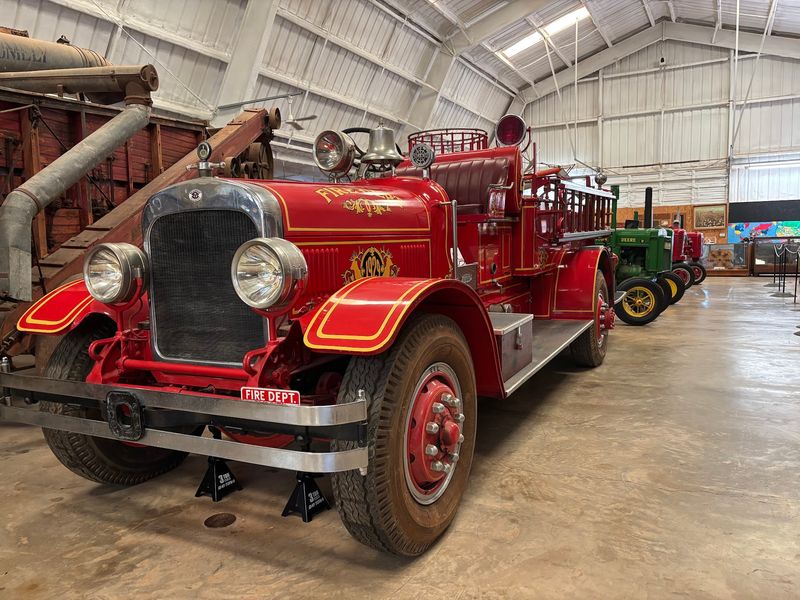
Chrome, paint, and old road signs do most of the talking in the main Route 66 gallery. Guests mention vehicles, signs, and memorabilia arranged to show what travel felt like when the highway was the main road west.
One visitor loved that the Route 66 portion is well done, with vehicles and memorabilia that pull you into the story. Another said they saw old cars, signs, and recreated scenes, calling it nostalgic and fun to walk around.
The Popular Topics from visitors back this up, with old cars mentioned again and again alongside the highway itself. If you are the kind of person who slows down for a classic bumper, you will probably linger.
Beyond the cars, small objects carry surprising charm. Travel souvenirs, signage, and everyday items give context for the people who once rolled through Elk City with dusty windshields and full gas tanks.
A guest with a Polaroid collection on exhibit even praised how carefully the museum is curated, and said they had visited many museums along the entire route. That is a nice endorsement from someone who has seen a lot of them, and it tells you the displays are taken seriously.
Roadside Scenes That Talk as You Walk
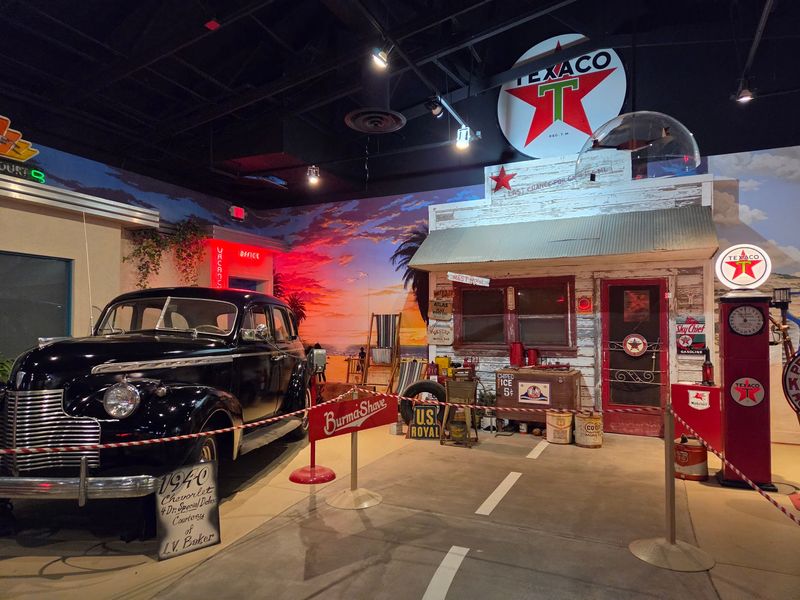
Here is a detail that surprises first timers: the exhibits speak. A visitor described roadside scenes set up with automatic narration that follows you as you move through the museum, and called the whole thing very well done.
That kind of storytelling works nicely for families and history fans alike. Instead of reading every plaque, you can simply step into a scene and listen, letting the story unfold as you walk.
Recreated scenes are a big part of the appeal. Guests keep pointing to them when they describe the Route 66 section, along with the vehicles and memorabilia that fill in the details.
Interactive exhibits get a mention too, which helps keep younger travelers engaged. Reviewers say the place is enjoyable for kids and adults, and that even children will like this stop.
Consider taking your time here rather than rushing to the next building. The narration and layered scenes work best when you pause, look around, and imagine a family in a loaded station wagon pulling up for gas and a cold drink.
It is a small bit of theater that turns a museum visit into something closer to a walk back in time.
Jukebox Oldies in the Nostalgic Diner
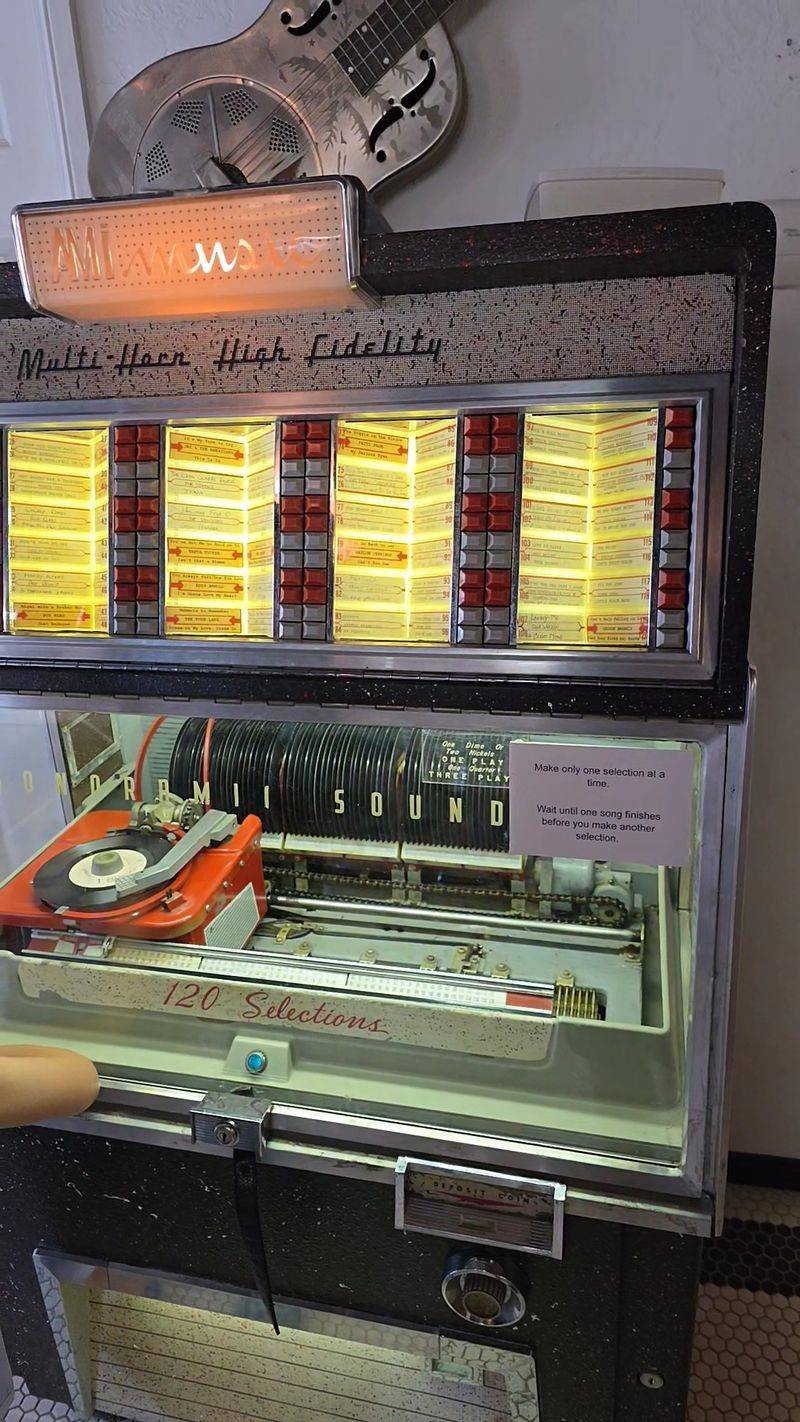
Drop a coin, press a button, and the past starts humming. One guest named the diner with its old school record jukebox as their favorite part, and said it played nothing but nostalgic oldies.
The diner is not a restaurant experience so much as a display you can actually enjoy with your ears. It is a small stage set where music makes the era feel real, and visitors say it feels like a step back in time.
Kids seem to love it as much as grown-ups. Another family stop mentioned playing music on the jukebox as one of the highlights, which says a lot about how a simple machine can hold attention.
Songs shape memory in a way that objects sometimes cannot. Standing near a jukebox while a familiar tune plays, you may find yourself picturing travelers dancing at a roadside stop after a long day of driving.
Bring a little patience if others are picking tunes, and enjoy the wait. Listening to a stranger’s choice is part of the fun, and it gives the room a shared, friendly mood that fits the highway spirit beautifully.
A Tiny Soda Shop for a Sweet Break
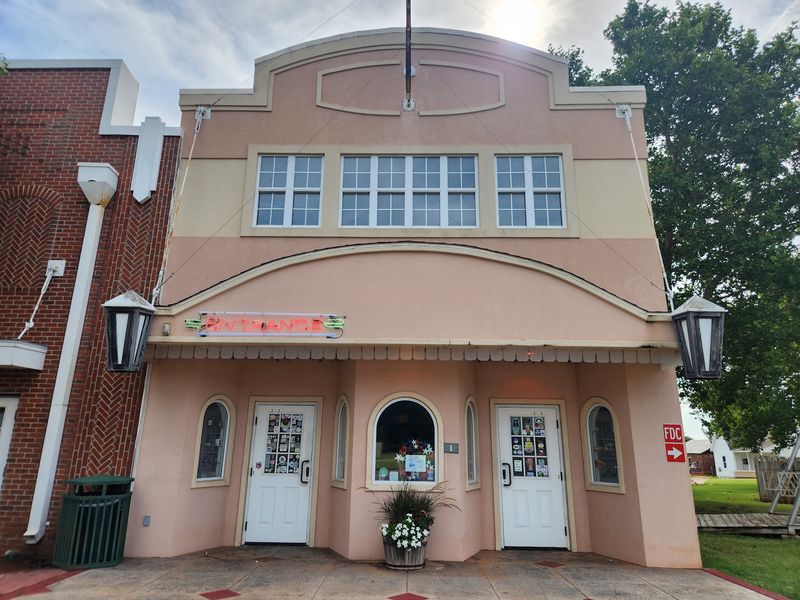
Museum legs need a snack break now and then, and a small soda shop makes that easy. A family visitor noted that it stocks candy bars and pop, right there in the middle of the historic buildings.
It is a quick and charming pause, especially on a longer visit. With several buildings to explore and an average stay measured in hours by many guests, a little sugar boost can keep everyone happy.
The soda shop also adds to the sense of stepping into a small town. Combined with the diner and its jukebox, it gives the complex a lively, lived-in mood rather than a quiet hush.
Since the complex is more of a walking experience, you will likely be moving between buildings often. A sweet stop along the way turns the visit into a bit of a treat, especially for younger travelers who might start to fade after the third building.
Details on what is sold beyond candy and pop are not spelled out, so it is best to think of it as a simple nostalgic touch. Grab something small, sit for a moment, and let the old-time setting do the rest.
Peeking Through Windows at Old Storefronts
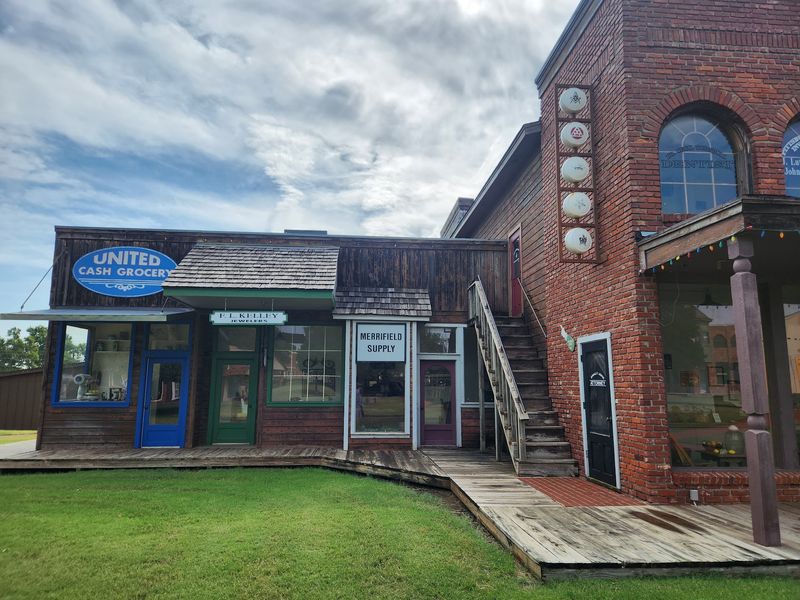
Some of the best moments here happen with your nose close to the glass. A visitor described being able to look in the windows and get a snapshot of how things were set up, along with the attire of the day.
The buildings mix replicas and actual old structures, as one guest put it, so you get both authenticity and imagination. Period correct displays fill many of them, laid out so the rooms feel like a moment paused in time.
Popular topics from visitors include old buildings, with several mentions, and the old town museum feels like the heart of that interest. Walking from door to door, you see how a community might have looked in another century.
Not every building opens for a full walk-through. That is part of the charm, since window views let you glimpse extra rooms without feeling rushed, and the count of roughly seventeen buildings suggests plenty to peek into.
Bring your curiosity and look closely at the small things, like the clothing, the furniture, and the tools of daily life. Restrooms are also available in a couple of the buildings, and visitors say they are nice and clean, which is a welcome bonus on a long day of wandering.
Farm, Ranch, and Rodeo Corners
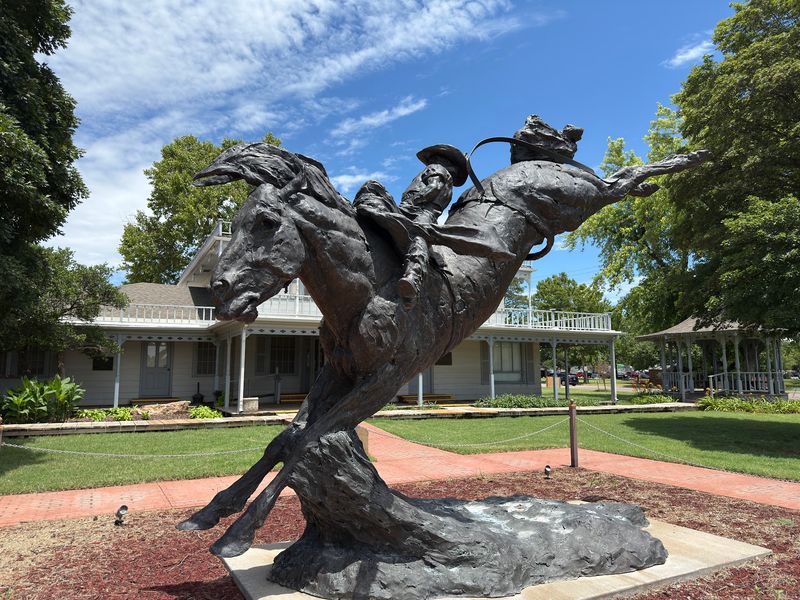
Cowboy hats and hay hooks share the spotlight with highway history here. Visitors list a farm and ranch museum and a rodeo museum among their favorite stops, with rodeo memorabilia mentioned too.
These areas give context to the region. Western Oklahoma’s identity was shaped by fields and cattle as much as by highways, and the exhibits reflect that in their own way.
One visitor was surprised that the place leans toward the old west more than Route 66, and said the advertising felt misleading. That honest note is worth keeping in mind, so you can go in with the right expectations: this is a broad complex, not only a road-themed one.
Even that same visitor praised the many buildings with period displays, a self guided tour that was well laid out, and clean restrooms. Plenty of others enjoyed the variety and called it a huge series of museums on several topics.
If you like saddles, ranch gear, and stories of rural life, take extra time in these buildings. If you came only for chrome and neon, consider these rooms a bonus that adds local flavor before you get back behind the wheel.
Statues, Signs, and Photo Ops by the Curb
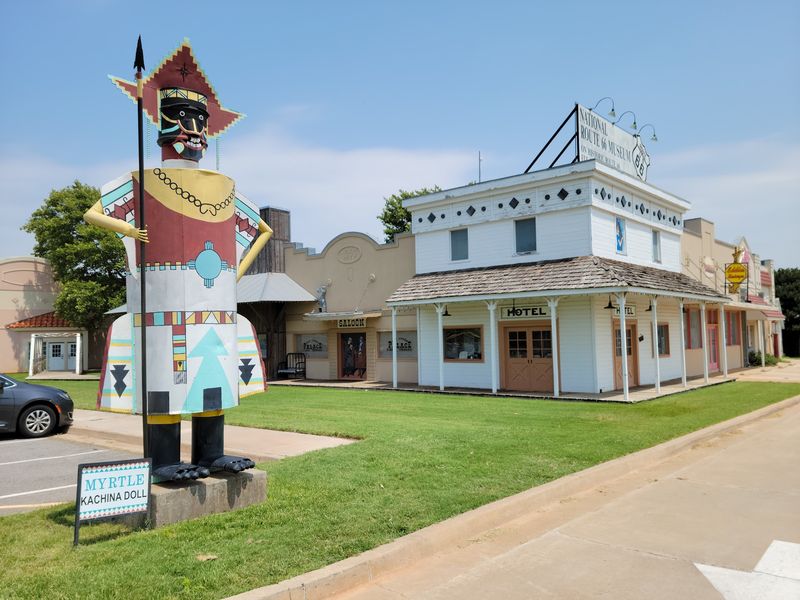
Cameras come out before the car doors even close. Photo opportunities are the most mentioned topic in visitor feedback, with sixteen mentions, and the entrance area shows why.
One traveler explained that the Route 66 signage and Kachina statues are easily visible from the road. Once you pull in, you can park right there for a great photo before going on into the parking lot.
That little trick is handy for anyone building a road trip album. A quick snapshot with the sign and statues makes a fun marker for the Oklahoma leg of the trip, and it takes only a minute.
Inside, the photo fun continues. Guests mention many great photo ops among the buildings, the vintage vehicles, and the recreated scenes, which suit both kids and adults.
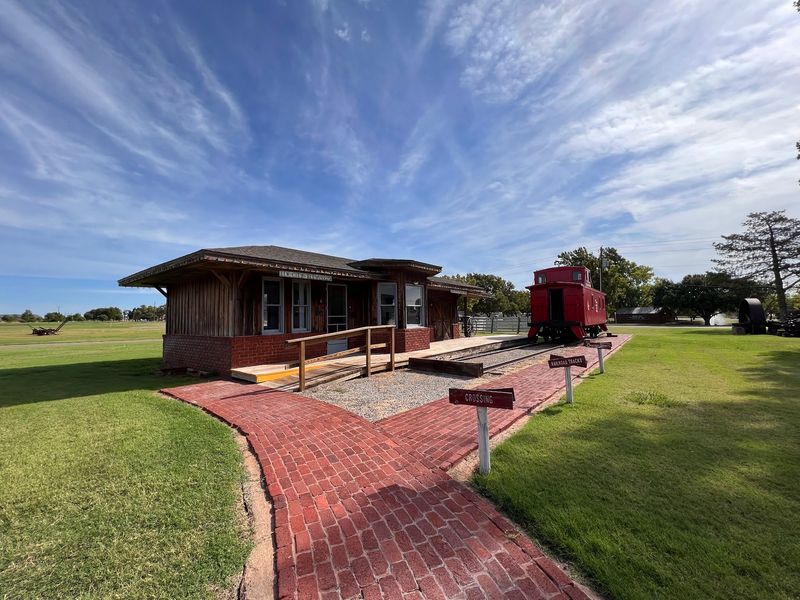
A caboose gets several mentions in visitor comments as well, adding another eye-catching backdrop. Old railcars carry a special charm in pictures, especially with the museum’s other transportation pieces nearby.
Plan for light and pace. Mid-morning or late afternoon sun can make outdoor shots glow, and a slow stroll gives you time to frame each scene without hurrying past details.
Gift Shop Finds and Passport Keepsakes
Souvenir hunters, take note. Visitors praise a great selection of merchandise for sale, and one couple happily picked up t-shirts even though the museum was near closing time.
Route 66 travelers often collect keepsakes as they go, and this stop fits neatly into that habit. One guest was filling in an Oklahoma Route 66 passport book, and this location was among the stops that made the journey feel like a real quest.
Small mementos can turn a quick stop into a lasting memory. A shirt, a sign, or a trinket from the museum shop gives you something to hold onto long after the road ends.
The staff adds to the shopping experience. Guests mention friendly, knowledgeable employees who were happy to chat, including a visiting couple from Canada traveling the route.
Another traveler was given a license plate showing the full highway, meant to be attached to their car when they reach the coast. Details on what is given away are not specified, but the story shows a welcoming attitude.
Leave a little room in the budget and the suitcase. Admission is low, so a souvenir feels like a fair way to say thanks.
Friendly Faces Behind the Counter
Ask almost any visitor about this stop and warm welcomes come up fast. Guests describe the ladies working there as friendly, knowledgeable, and welcoming, and one even called the manager fabulous.
Volunteers get praise too. A senior visitor noted friendly volunteers, which fits the community-run spirit that runs through the complex.
Small kindnesses stand out in the stories. One group arrived as the museum was closing, and an associate still let them look around for a few minutes before they bought some shirts.
Travelers from far away seem to appreciate it most. A couple from Canada enjoyed chatting with the staff while driving the highway, and another visitor said they would stop in again on their next drive through.
Good conversation adds something no display case can. Staff can point you to favorite corners, share bits of local history, and make first timers feel at ease.
Take a moment to say hello when you walk in. A short chat can lead to tips about the buildings, and it reflects the hospitality that has become a big part of the museum’s reputation among road trippers.
Hours, Admission, and How Long to Stay
Planning helps, so here are the basics. The museum is open Monday through Saturday from 9 AM to 5 PM, and Sunday from 1 to 5 PM.
Admission is a big selling point. Visitors repeatedly mention five dollars per adult and four dollars for kids or seniors, and many said they could hardly believe how low the price felt for so many buildings.
How long you stay depends on your style. Some guests spent about an hour or more, some allowed two to three hours, and one group happily stayed four to five hours.
Getting there is simple. The address is 2717 W 3rd St in Elk City, right along the old highway, with parking on site.
You can call ahead at 580-225-3542 or check the museum page on the Elk City website for updates.
Clean restrooms are available in a couple of the buildings, and the tour is self guided, so you can move at your own speed. Wear comfortable shoes, since you will walk between structures outdoors.
Arriving earlier in the day gives you the most time. Late arrivals may be rushed, though some staff have been kind about it.
A Soft Verdict for Curious Road Trippers
Some stops earn a longer stay than you planned, and this one seems to do it often. Visitors describe a quick in-and-out turning into an hour or several, with a bucket list feel that suits families and solo explorers alike.
The strengths are easy to name. There are low prices, friendly people, a large collection of memorabilia, vintage vehicles, recreated scenes, a diner with a jukebox, and enough photo spots to fill a phone.
One honest caution is worth repeating. A guest felt the place leans toward the old west more than the highway, so if you want a pure Route 66 experience, you may find the wider town complex a bit different from what you expected.
Still, most travelers seem to love that variety. It gives the museum a personality that other roadside stops do not quite match, and it makes the visit feel like an Oklahoma discovery rather than a single-topic exhibit.
If you are rolling through western Oklahoma, put this on your route. Bring curiosity, comfortable shoes, and a little time, and you will likely leave with stories, pictures, and a fresh appreciation for the road.
Share this story