I walked past a plain old warehouse in California expecting nothing special, and I walked out with sooty hands and a grin I could not shake. Inside, fires roared, hammers rang, and total beginners were shaping hot metal like it was clay.
Places like this matter because they let regular people learn real skills that most of us only see in movies. If you have ever wondered what it feels like to make something solid and useful with your own two hands, keep reading.
A Maker School on Seventh Street
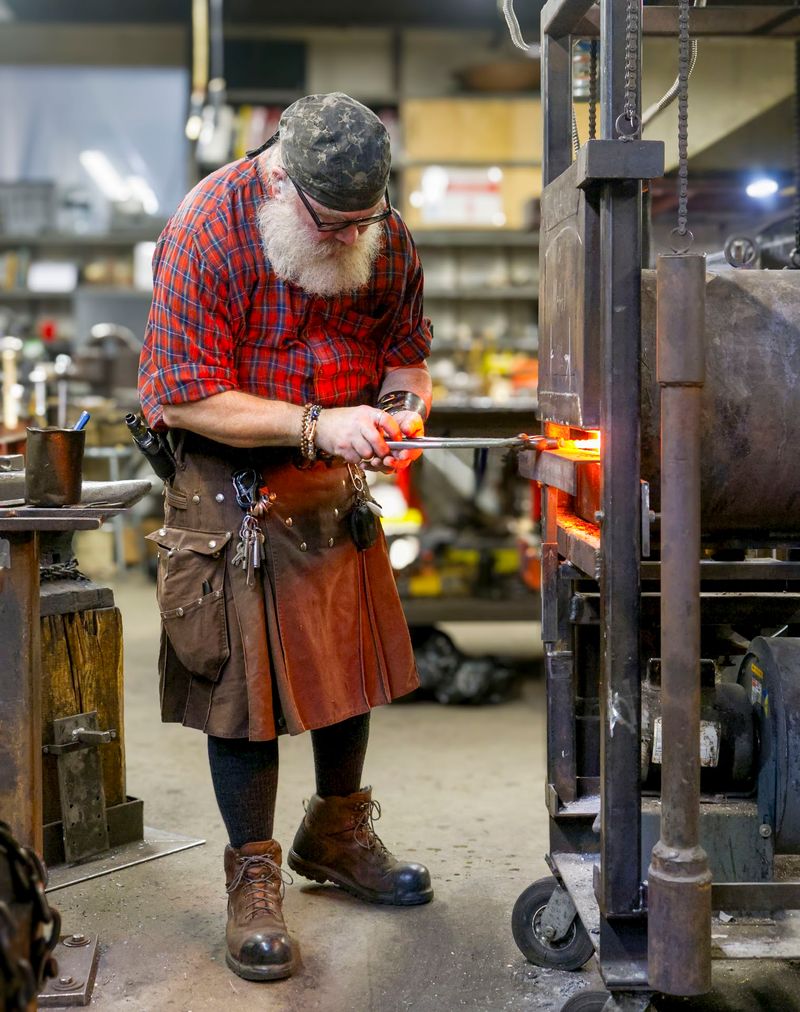
Tucked along 7th Street in West Oakland sits The Crucible, an art school that feels more like a giant workshop than a classroom. Its full address is 1260 7th St, Oakland, CA 94607, and you will know it by the warehouse size alone.
Inside, people learn the industrial arts. That means working with metal, fire, glass, clay, and wood in ways most of us never get the chance to try.
Blacksmithing is the star attraction for many visitors, and it is the class people bring up most often.
Still, the menu of skills runs far wider than hammers and anvils. Welding, glassblowing, flameworking, ceramics, jewelry-making, woodworking, and even bike repair all have a home here.
Think of it as a place where curiosity gets a pair of safety glasses and a real chance to build something with heat and muscle, no prior experience required.
From Old Foundry to Fiery Classroom
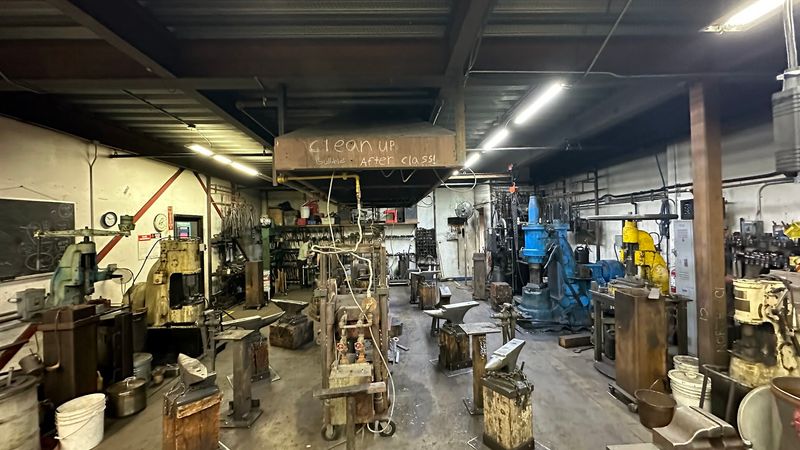
Some buildings seem born for their job. Visitors describe The Crucible as an old foundry that has been turned into a school, and that history hangs in the air the moment you step through the door.
The space itself is a huge warehouse packed with tools and equipment for building with metal and glass. High ceilings leave room for sparks, smoke, and big ideas.
You can wander past glowing furnaces, rows of workbenches, and studios humming with activity.
One guest suggested taking time to simply explore, and that is solid advice. There are handmade, one-of-a-kind items for sale from artisans, so the building doubles as a showcase for what trained hands can produce.
Even before you pick up a hammer, the setting gives you a sense that serious craft happens here every single day, and that you are welcome to join in.
Hammer, Tongs, and a Glowing Bar of Steel
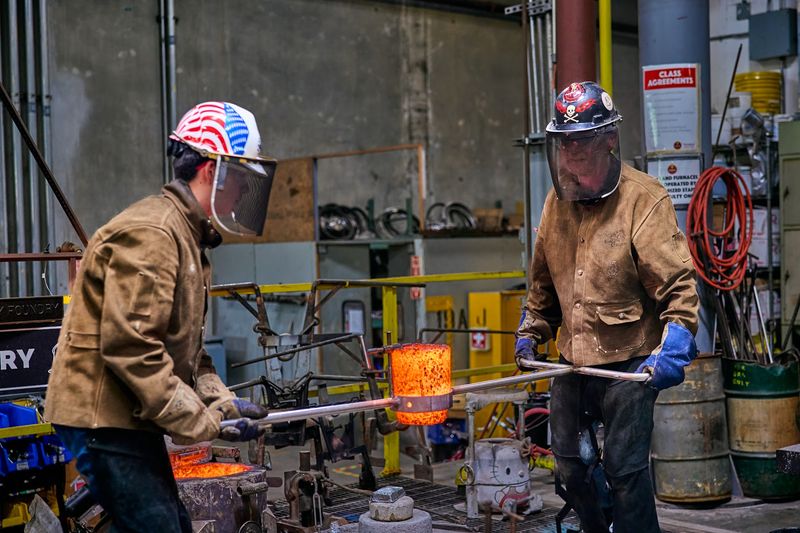
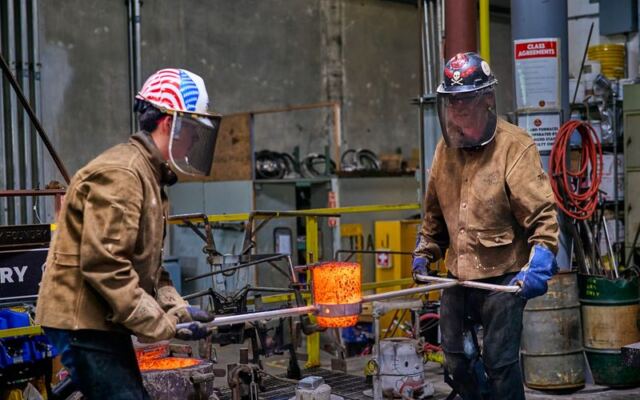
Picture a bar of steel glowing orange, and you are the one holding the hammer. That moment is exactly why blacksmithing is the most talked-about class at The Crucible.
Beginners rave about how the staff walks them through each step. Heat the metal, move it to the anvil, strike, turn, repeat.
Instructors explain the reasons behind every move, so it never feels like guesswork.
One visitor summed it up nicely, saying that if you ever wanted to take a hammer and tongs to some metal, this is a great place to start. Guests also admit it gets hot and takes some effort.
Most say that is part of the fun. You feel the work in your arms, you see the metal slowly obey, and you realize old-school craft still has a very modern thrill to it.
Take-Home Treasures You Shaped Yourself
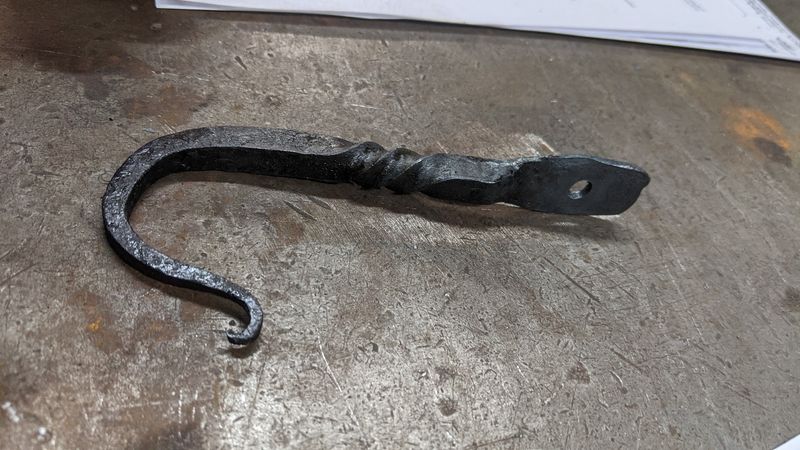
Nothing beats pointing at an object and saying, I made that. Students at The Crucible regularly leave with a souvenir born in the fire.
In the three-hour blacksmithing class, one beginner finished with a hook and a small opener, both forged by hand. Couples who tried the sample class described heading home with a neat keepsake plus a clearer idea of whether they want to keep going.
Other studios send people off with goodies too. A welding student built a mini sculpture during a basics class.
A team that tried hot glass sculpting carried out super cool paperweights.
Those small pieces carry big meaning. They sit on a desk or hang by the door, reminding you of the heat, the noise, and that proud moment when raw material finally took the shape you pictured.
It is a gift that tells a story every time someone asks about it.
Teachers Who Love the Craft
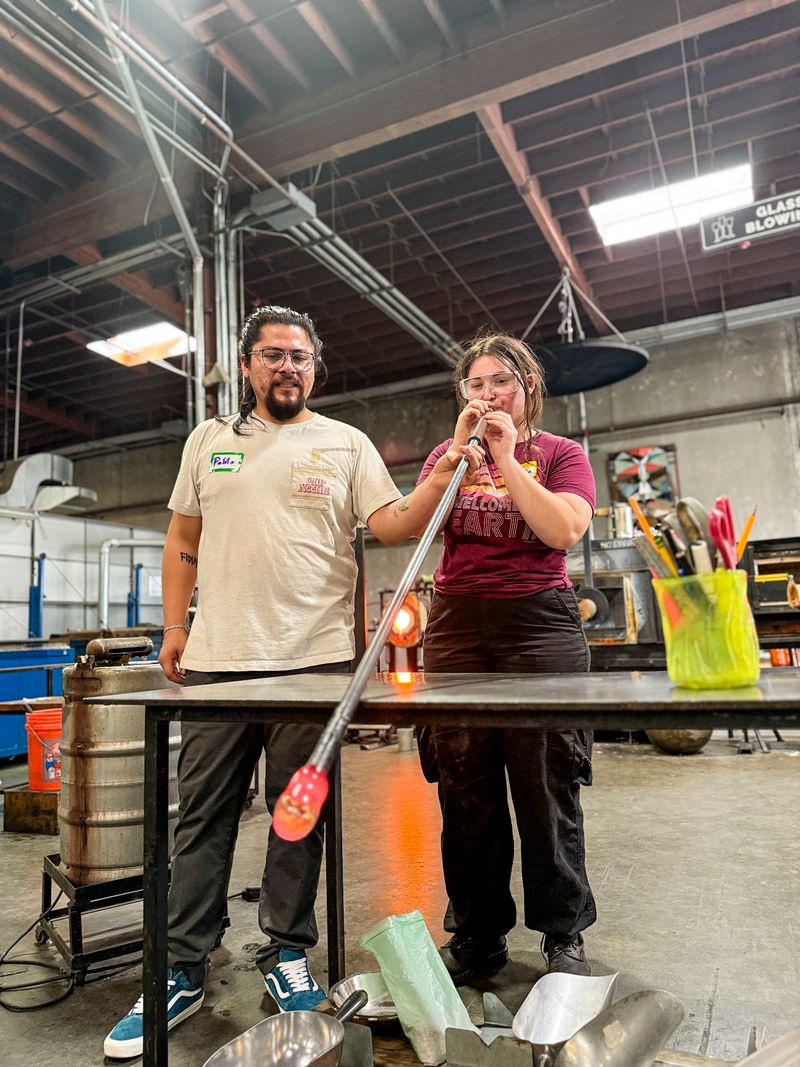
Good teachers can turn a scary hot shop into a playground. That is the word on the instructors here, who show up again and again in visitor stories as patient, knowledgeable, and clearly passionate.
Guests say you can tell the staff genuinely enjoy what they teach. Steps get broken down in clear, encouraging ways, and nobody gets left behind.
A small student-to-teacher ratio means personal guidance instead of shouting across a crowded room.
Welding instructor Christian earns special praise. Students describe him as full of metal know-how, eager to help with any idea big or small, and armed with a steady supply of dad jokes.
Friendly volunteers round out the crew, helping from start to finish. For a nervous first-timer, that combination of skill and warmth makes all the difference between feeling lost and feeling capable.
Glass, Clay, and Sparks Beyond the Forge
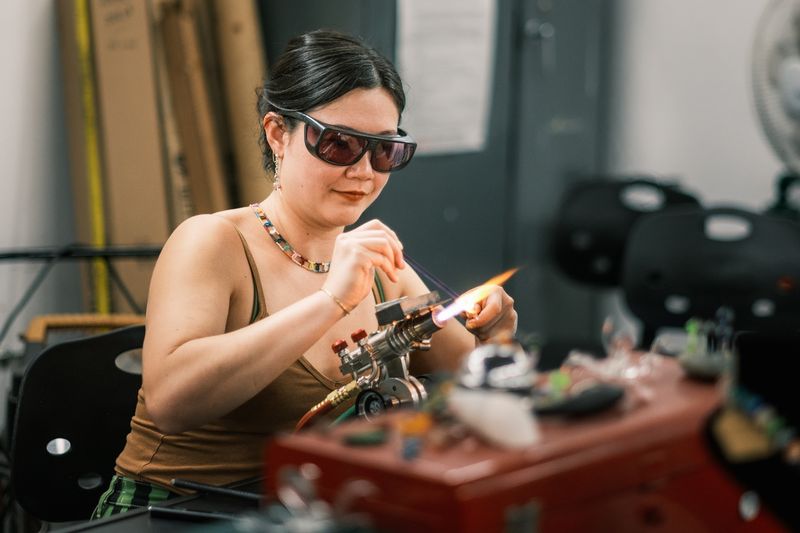
Blacksmithing may lure you in, yet the rest of the building might keep you coming back. The Crucible runs a surprising lineup of classes across many materials.
Glassblowing and hot glass sculpting draw plenty of fans. Flameworking, glass fusing, and ceramics add even more options for people who love color and shape.
On the metal side, there are welding classes covering MIG and TIG, plus a basics course that samples four main types of welding.
Jewelry-making, woodworking, and bike repair also appear on the list. One first-timer finished Bike Repair 1 and immediately started eyeing woodworking next.
The studios are described as top-notch, stocked with industry-grade tools and safety gear, and kept impeccably tidy. So whether you crave molten glass or a spinning bike wheel, there is likely a class that fits your curious side.
Team Days That Beat Any Conference Room
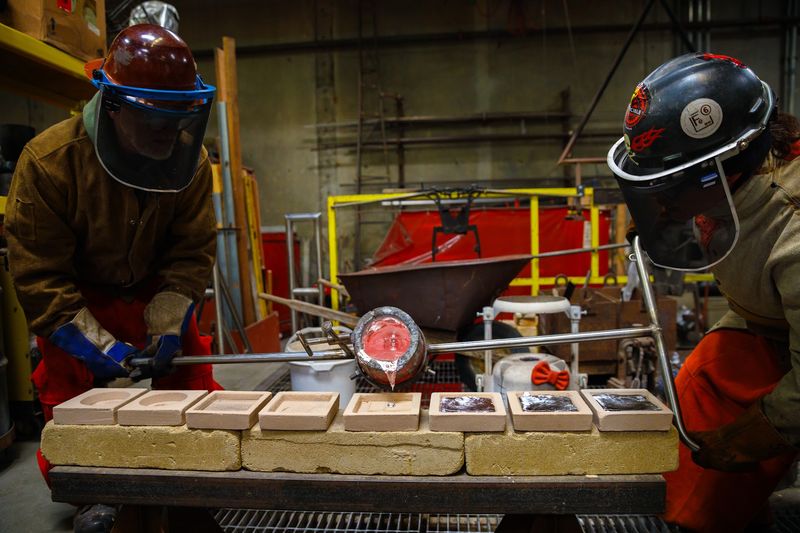
Forget trust falls. Companies have found a far more memorable way to bond at The Crucible.
Groups book team builds and corporate off-sites here, and the stories are lively. A small team of five tried hot glass sculpting with an instructor named Kate guiding them.
They admitted it was tough, but everyone did well and walked out with paperweights they were proud of.
Bigger groups work too. One 20-person corporate outing described staff who helped plan the project and then made sure the whole team enjoyed the building process.
Another team spent eight hours in an industrial arts workshop, trying blacksmithing, welding, plasma cutting, and aluminum casting at their own pace.
Not every group session lands perfectly, as one glass etching class felt disorganized to its attendees. Asking plenty of questions while planning helps set the right expectations.
Young Makers and Science Field Trips
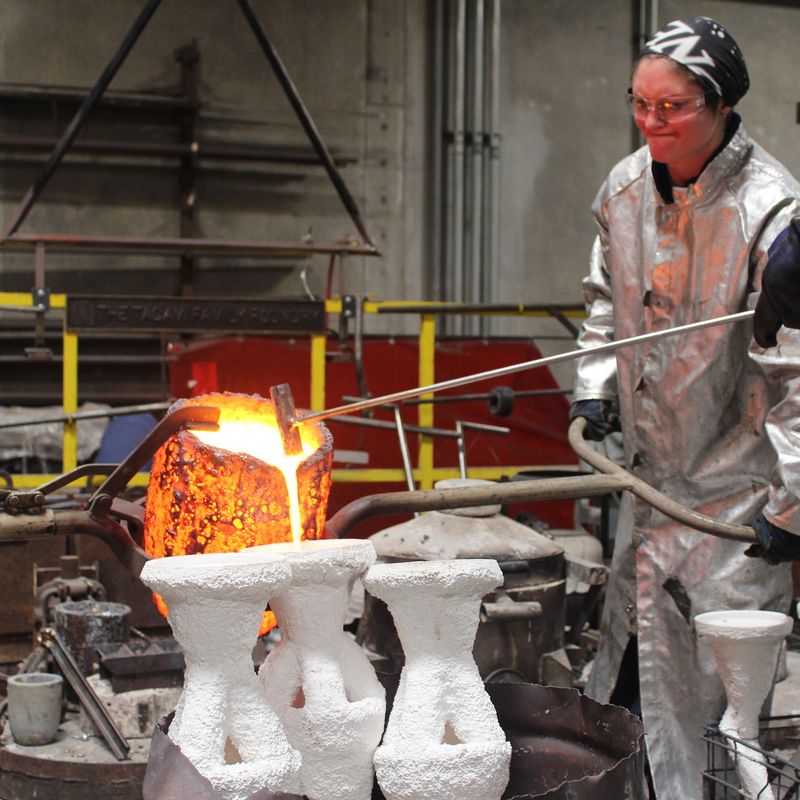
Chemistry homework rarely comes with a real fire. High school classes visiting The Crucible got exactly that.
Students on field trips described watching acetylene mix with oxygen to create a flame hot enough to cut metal. They saw neon glowing through glass tubes, arc welding fuse metal together, and heat change how glass and metal can be shaped.
Several said it made science feel real outside of a lab.
Younger makers have a place here as well. Parents praise the kids summer camp, calling the teachers amazing and the faculty impressive.
Visitors do share one sensible tip. The spaces involve serious heat, so the experience suits responsible kids and adults best.
One student cheerfully noted it may not be ideal for anyone afraid of fire, which is fair, since flames are basically the main event.
The Vibe Inside the Hot Shop
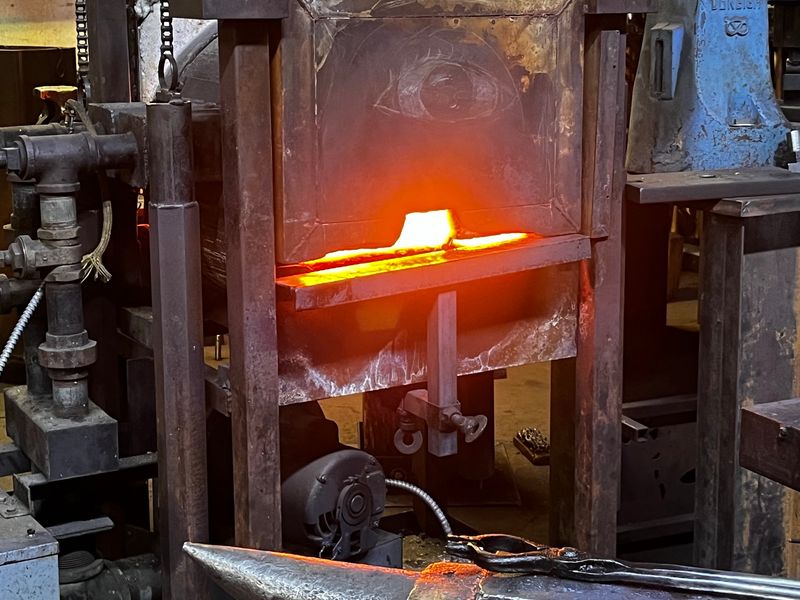
Loud, warm, and full of good energy. That is the feeling most people carry away from a day at The Crucible.
Visitors call it a maker’s paradise and a great space to learn. One welding student described the environment as awesome and warm, and many first-timers say they never felt intimidated, even as total beginners.
So who fits in best? Curious adults looking for a fresh hobby, couples wanting a date with a little sweat, gift-givers hunting for an experience instead of stuff, and experienced crafters ready to level up.
Science lovers will find plenty to geek out over as well.
Expect heat, noise, and some physical effort. Guests say that is part of the charm.
You leave a bit tired, a bit smudged, and oddly energized, with new confidence to tackle projects you once thought were only for professionals.
Hours, Parking, and Planning Ahead
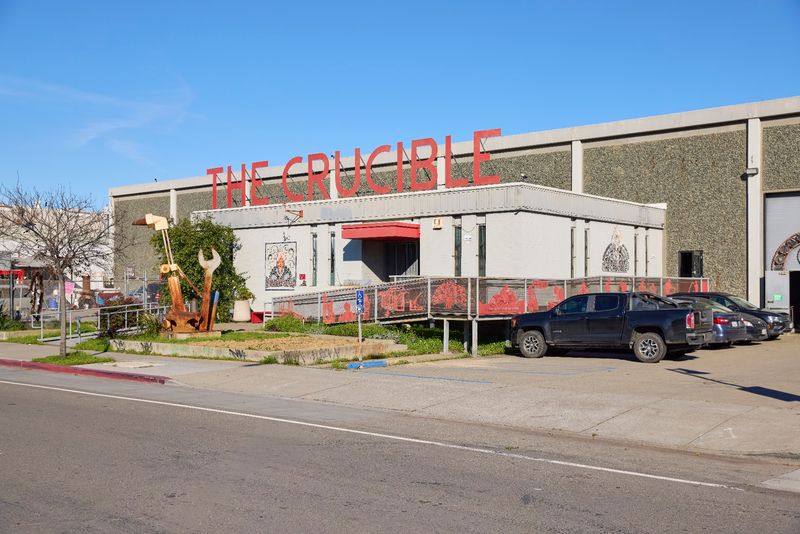
A little planning goes a long way before your first swing of the hammer. The Crucible keeps longer weekday hours, open Monday through Thursday from 11 AM to 9:30 PM.
Friday, Saturday, and Sunday run from 10 AM to 6 PM.
Class details and sign-ups live on the website at thecrucible.org, and the phone number is 510-444-0919. Some visitors mention trouble reaching the office by phone or email, including one person waiting on a refund after a cancelled class.
Keeping records of bookings and following up early is a smart move.
Parking can be tight, according to guests. The surrounding area also gets mixed comments, so many suggest arriving early and grabbing a spot right in front of the warehouse.
Budget-wise, advanced courses can cost several hundred dollars, while shorter sample classes offer an easier starting point.
Worth the Heat and the Sweat
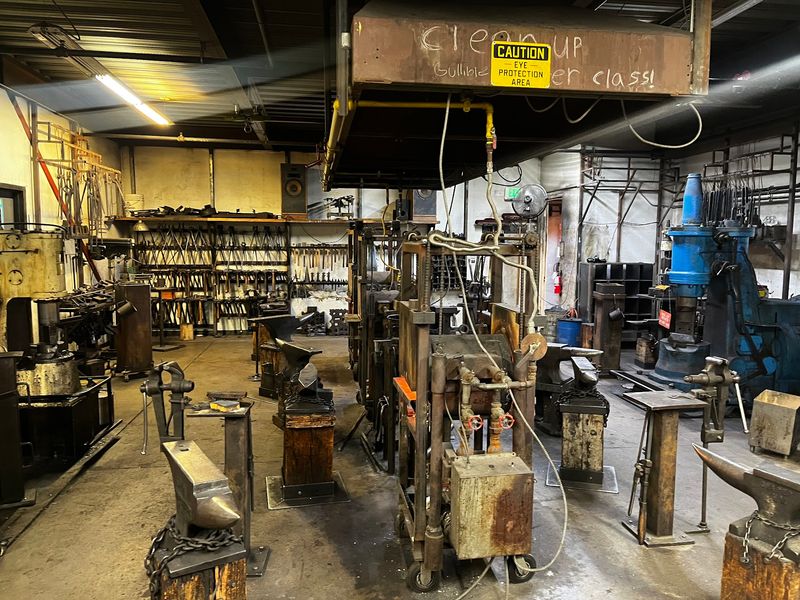
Some outings fade from memory by the next week. A class at The Crucible tends to stick around, partly because you bring a piece of it home.
Fans love the skilled teachers, the well-kept studios, and the chance to try crafts that are nearly impossible to learn elsewhere. Blacksmithing leads the pack, though welding and glass work have plenty of devoted followers too.
A few guests ran into communication hiccups, so stay organized with bookings.
If you want a gift that feels personal, a team outing with real laughter, or simply a new way to spend a Saturday, this place deserves a spot on your list. Start small with a sample class and see where the sparks lead.
You might find yourself hooked, dreaming of forging that first knife and already planning your next visit to the anvil.
Share this story