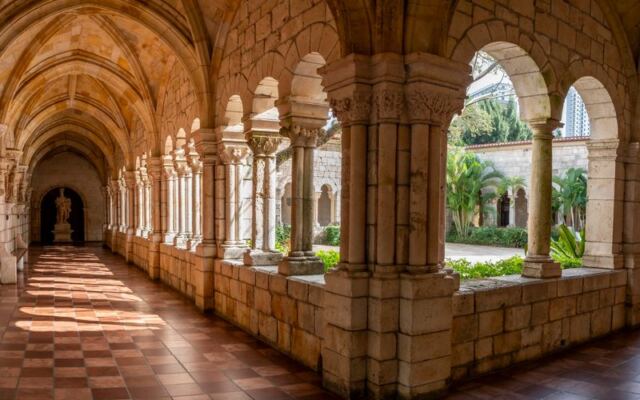
Some of the best finds in Florida hide in plain sight, right beside a busy highway you have driven past a hundred times. I went in expecting a quick look and a few photos, and I walked out feeling like I had crossed an ocean and gone back several centuries.
Behind a quiet gate sit real stone arches, cloisters, and gardens that once stood in Spain. If you are hungry for a calm, affordable escape with a story you will want to retell, this one is worth your curiosity.
A Medieval Cloister Beside a South Florida Highway
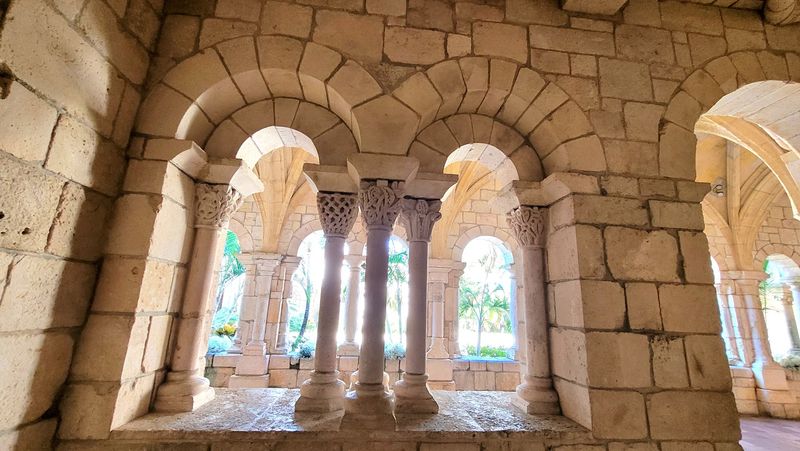
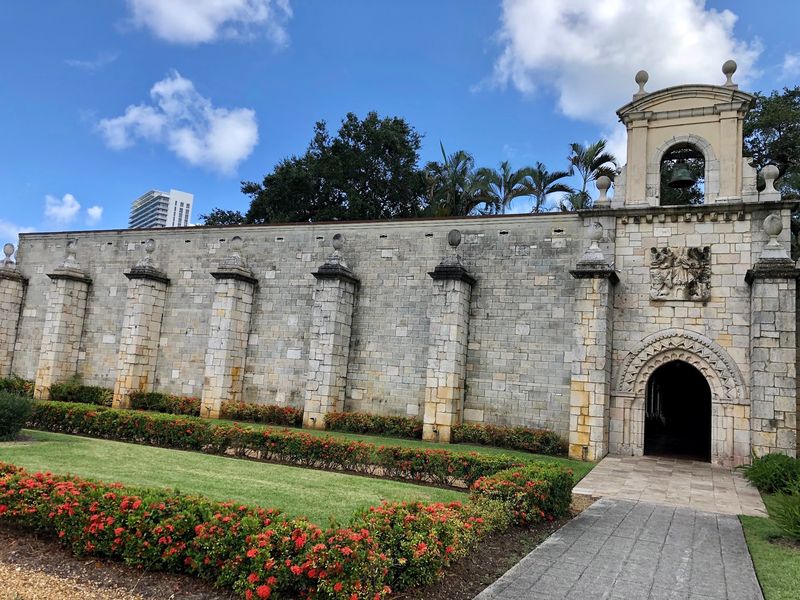
Picture a stretch of West Dixie Highway in North Miami Beach, full of traffic lights and strip-mall signs. Now picture a 12th-century Spanish monastery tucked right there, and you have The Ancient Spanish Monastery at 16711 W Dixie Hwy.
It is listed as a historical landmark, and it feels like a secret hiding in the middle of Miami-Dade County.
Plenty of visitors admit they drove by for years without knowing it existed. One person mentioned passing it many times before finally pulling in, only to be amazed at how atmospheric it was.
That kind of surprise is part of the fun.
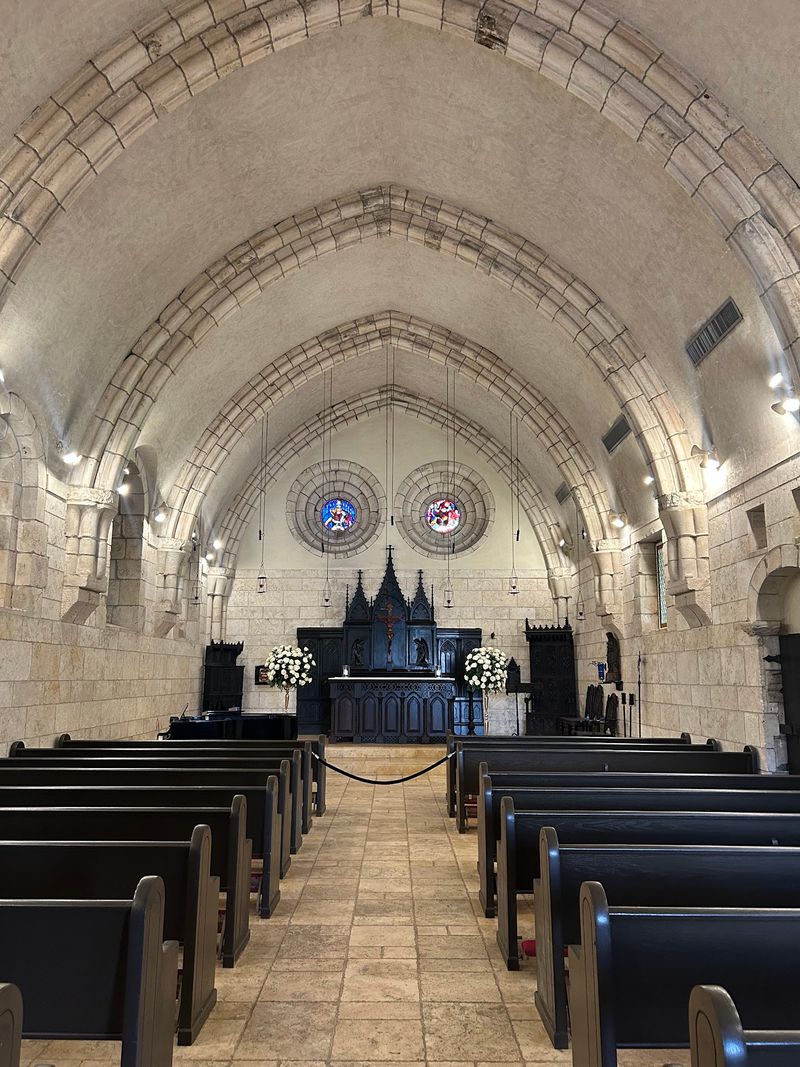
What you will find inside are reconstructed cloisters, a chapel, peaceful courtyards, and well-kept gardens. The site also hosts Sunday mass, events, and tours, so it is still a living, working place rather than a frozen museum.
It is not huge, and guests say that is part of its charm. You can take it all in without rushing, and still leave feeling like you traveled much farther than a few miles off the highway.
Stones That Crossed the Atlantic
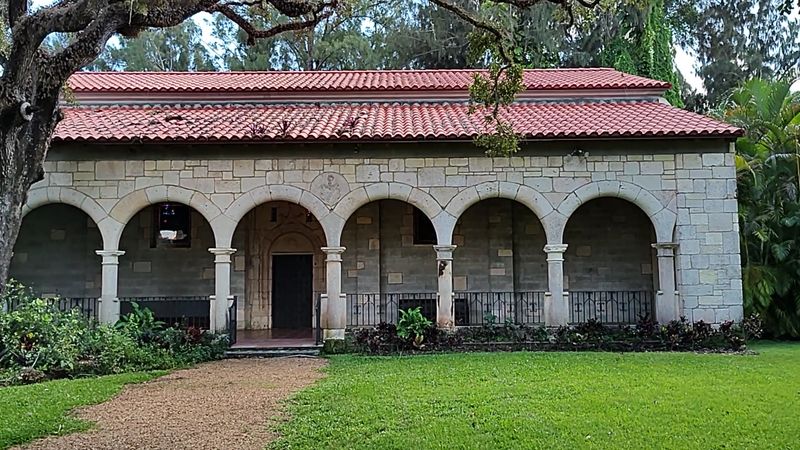
Few buildings in Florida can claim a passport, but this one practically earned one. The monastery was first built in Spain in the 1100s, with visitor accounts pointing to the years between 1133 and 1141.
That makes the stones far older than anything else you will likely touch on a Florida road trip.
Later, the whole structure was carefully taken apart stone by stone, shipped across the ocean to the United States, and then left waiting. Reassembly came decades afterward, with reconstruction work stretching from the 1920s into the 1950s.
Guests describe it as a building that has lived more than one life.
Fun fact: the site is proud to be one of only two medieval cloisters of this kind in the U.S. The other is The Met Cloisters in New York City, and visitors often compare the two.
Knowing all this before you walk in changes everything. Every arch suddenly feels like a small miracle of patience and puzzle work.
Cloisters and Romanesque Stonework
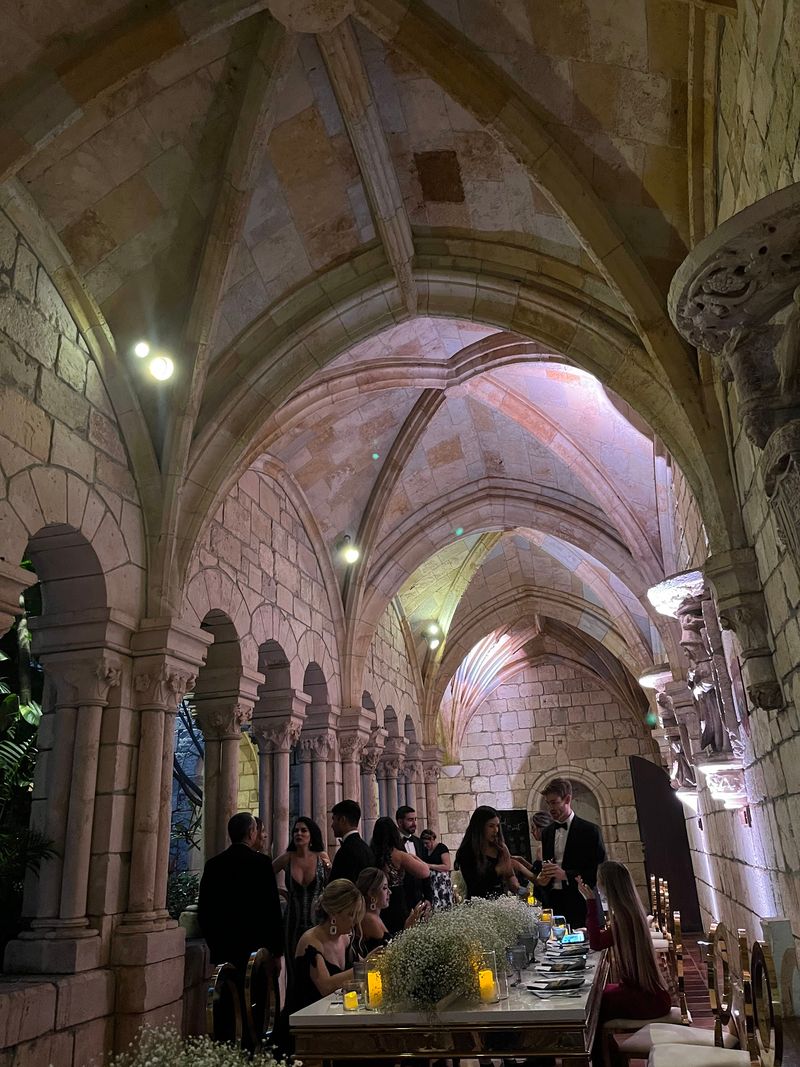
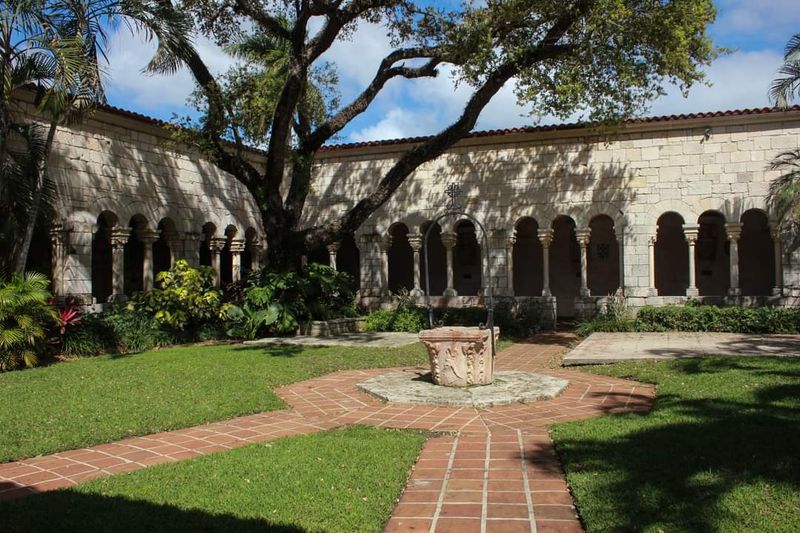
Walk slowly here. The cloisters are the heart of the monastery, with rows of rounded arches and aged stone columns that frame the courtyard like a picture.
Guests point out the Romanesque details, the texture of weathered stone, and the way green plants soften all that rock. The owner has noted that the layout follows the classic plan used by medieval cloisters everywhere, so what you see is the real shape of monastery life from centuries ago.
Look closely at the carved details as you go. Every corner seems to have its own little surprise, from worn edges on a column to patterns in the stonework that someone shaped by hand long ago.
A sound tip from visitors: listen too. The hallways carry voices in a way that feels almost musical, and one guest said the acoustics were truly next level.
Even a soft word seems to linger on the walls.
Photographers love this area for good reason. Shade, rhythm, and history all line up in one long walkway.
The Chapel and Its Stained Glass Glow
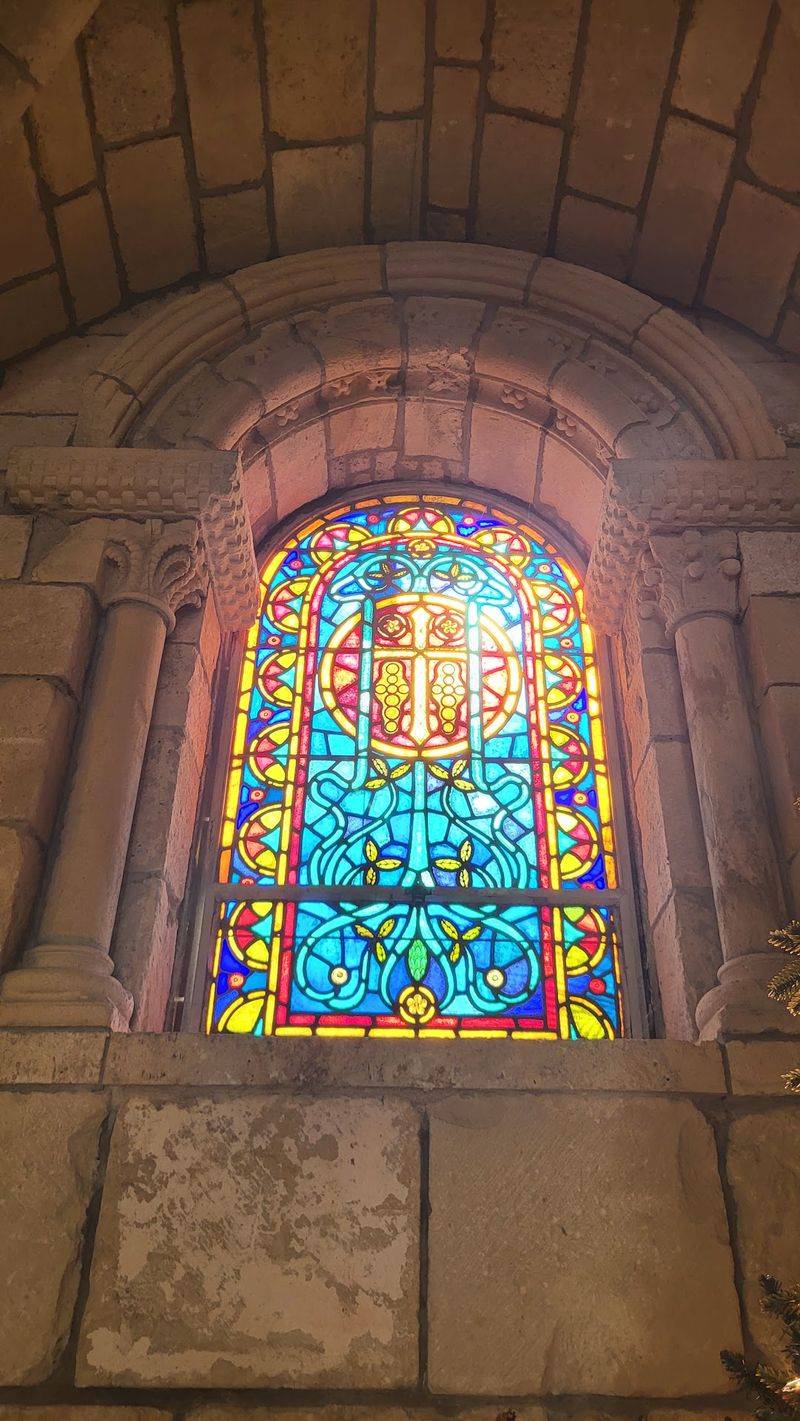
Step out of the Florida sun and into the chapel, and the temperature of your mood seems to drop a few degrees. Visitors describe it as especially charming, with a hushed, peaceful feeling you notice right away.
Medieval stained glass is one of the highlights people mention most. Colored light falling across old stone makes the room feel warm and a little magical, even on a busy afternoon.
You do not need to be religious to feel something here. Several guests said the spiritual calm reaches everyone, whether they come to pray, reflect, or simply sit for a moment.
Services still happen on site too. One couple shared that they attended a lovely Easter mass held in the courtyard, which shows the place is still a gathering spot for worship today.
Gardens, Fountains, and a Little Labyrinth
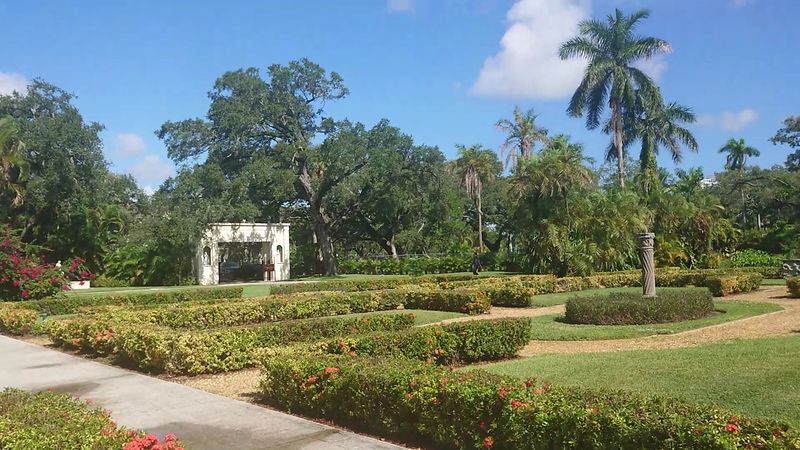
Ask a regular about a favorite spot, and the gardens often win. They are the most talked-about feature of the property, and people keep using words like serene, immaculate, and well kept.
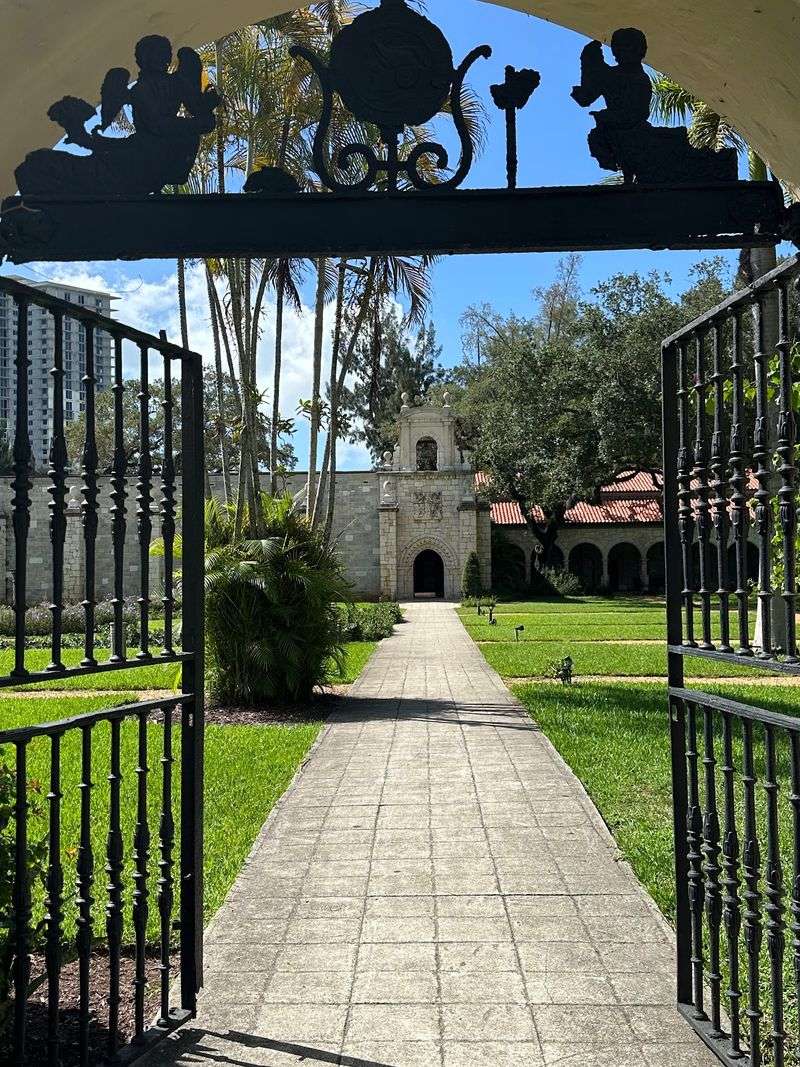
Palm trees stand beside old stone walls, which is a mix you will not see many places. It is Spain and South Florida sharing the same view, and somehow it works beautifully.
Listen for the fountains as you wander. That gentle splashing sound pairs nicely with a bench and a few quiet minutes away from Miami traffic.
There is also a labyrinth on the grounds for anyone who likes a slow, thoughtful walk. One longtime Miami resident said they return again and again mostly for these outdoor spaces, just to sit and slow down.
Weddings, Quinceañeras, and Photo Shoots
Don’t be surprised if you spot a bride, a photographer, or a girl in a sparkling quinceañera gown during your visit. The monastery is a very popular event venue, and wedding talk comes up more than almost anything else about the place.
Couples rave about the staff and the coordinators, describing them as attentive and helpful from start to finish. One couple said their ceremony felt deeply personal and left guests in happy tears.
Photographers call the setting timeless. Ancient walls, arches, and garden light make it easy to get romantic shots, and several teams said they cannot wait to come back.
Casual visitors should plan for company, though. Guests mention stepping around engagement sessions, and one person counted three shoots happening on a weekday afternoon.
Photography fees also help pay to maintain the site, so the crowd is supporting the stones.
Quiet Moods, Friendly Faces, and Resident Cats
Peaceful is the word that keeps coming back. Visitors describe the mood as reflective and slow, a sharp contrast to the beaches and busy streets most people link with Miami.
The people working here add to it. Staff get lots of praise for being welcoming and knowledgeable, and one guest noticed the ticket seller could chat in several languages with travelers from different countries.
Then there are the cats. A community of stray cats lives on the grounds, and the monastery feeds them, which many guests find sweet.
Animal lovers sometimes bring cat food as a donation.
Who will enjoy it most? History fans, architecture lovers, photographers, and anyone needing a calm hour.
Even the restrooms got a shout-out for being clean and full of character.
Hours, Tickets, and Parking Tips
Good news for budget-minded explorers: entry is about $10, according to the monastery itself. Visitors call that very reasonable for touching stonework this old.
Timing matters, so check the calendar. The site is closed Monday and Tuesday, open Wednesday through Saturday from 10 am to 4 pm, and open Sunday from 2 to 5 pm.
Most people need about an hour to see everything. Grab the paper brochure when you pay so you can learn as you stroll, and peek into the small museum near the ticket area for helpful background.
Parking is easy, with guests reporting plenty of free spaces. Before heading over, you can call +1 305-945-1461 or visit spanishmonastery.com, especially if events might affect your plans.
Worth the Detour Off Dixie Highway
Sometimes the best trips are the short ones. For the price of a modest lunch, you get an hour inside a building older than almost anything on this side of the ocean.
It is small, and you may share it with a photo shoot or two. Still, visitors keep saying the pictures never do it justice and that the quiet stays with them long after they leave.
If you live in South Florida and have never stopped, consider this your nudge. Go on a weekday morning, bring curiosity, and maybe a little cat food, and let an old Spanish cloister surprise you right here at home.
Share this story