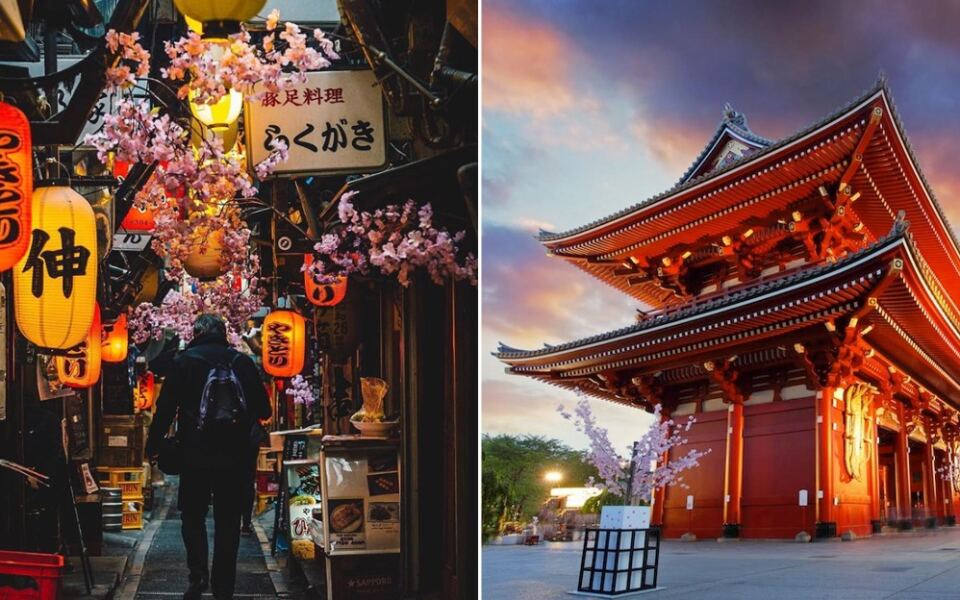
Tokyo can feel huge when you are planning a first trip. There are old temples, tall towers, busy crossings, quiet gardens, and shopping streets packed into one city.
This list narrows it down to 17 places that first-time visitors often put at the top of their plans. Some are famous landmarks you have probably seen in photos.
Others are easy neighborhood stops that show how the city works day to day. You will find views, food, culture, parks, and a few quirky corners, all spread across different parts of Tokyo.
Use it to build a simple plan, pick a few favorites, and leave room for wandering. Every stop here is a real, well-known Tokyo destination that welcomes visitors, so you can save the list and start mapping your days.
Senso-ji Temple, Asakusa
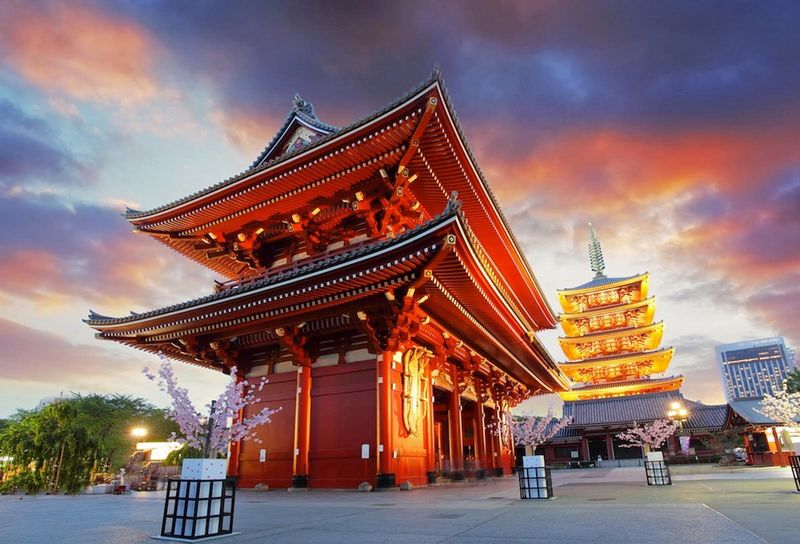
Tokyo’s oldest temple sits in Asakusa, and the walk to it is half the fun. Senso-ji is a Buddhist temple that dates back to the year 645, long before Tokyo grew into a giant city.
Visitors enter through Kaminarimon, the Thunder Gate, which is known for its huge red lantern. Beyond it, Nakamise Street leads to the main hall, lined with small shops selling snacks, fans, and souvenirs.
Ningyo-yaki cakes and rice crackers are common treats along the way.
The temple grounds are open to visitors all day and there is no entry fee. The main hall is generally open from early morning until evening, while the outer grounds stay accessible at all hours.
Going early gives you more room for photos and a calmer walk down the shopping street.
Many travelers try omikuji, paper fortunes you can draw for a small donation. Save time to explore the five-story pagoda and the smaller shrines nearby, too.
Shibuya Scramble Crossing, Shibuya
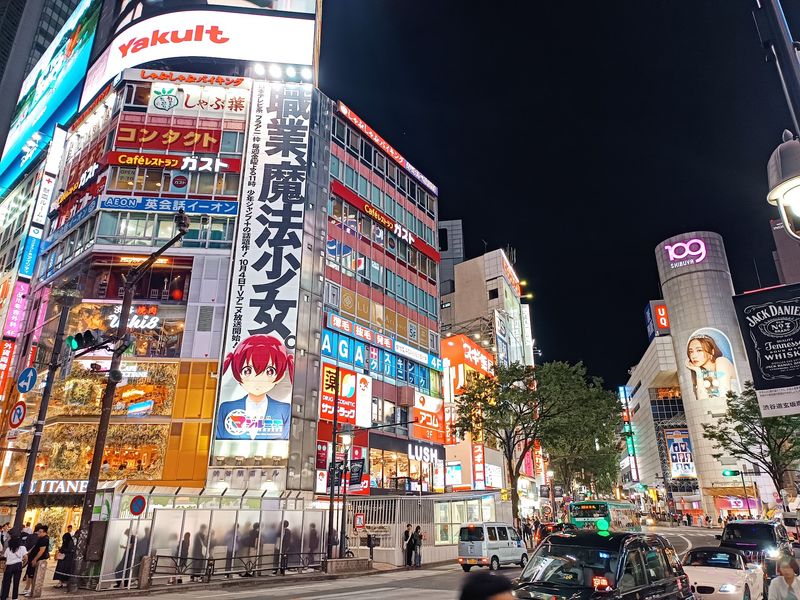
Few street corners in the world are treated like an attraction, but this one earns it. Shibuya Scramble Crossing sits right outside Shibuya Station, where traffic lights stop cars in every direction and pedestrians cross at once.
Waves of people move across the intersection each time the signal changes. Watching it from above is a popular choice, and options include the windows of nearby cafes and the station’s connected buildings.
Walking across it yourself takes less than a minute, so it is easy to add to any day. Just keep to the flow of the crowd and you will be fine.
Right beside the station is the statue of Hachiko, the loyal dog, which is a common meeting point. Shops, department stores, and restaurants surround the area, making it a good place to spend an evening after sunset when the screens and signs light up the buildings.
Shibuya Sky, Shibuya
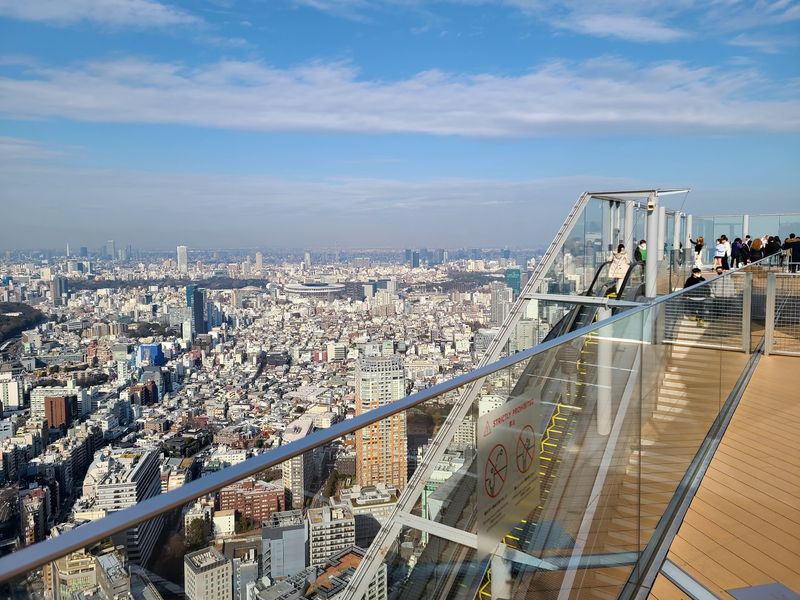
Ever wanted to stand on a rooftop and look straight down at a famous crossing? Shibuya Sky makes that easy.
The observation deck sits on top of Shibuya Scramble Square, about 230 meters above the street.
The outdoor rooftop area is open air, with glass panels that keep the view clear for photos. On bright days, visitors can look out toward Tokyo Tower, Tokyo Skytree, and, in the right conditions, Mount Fuji.
Tickets are sold for timed entry, and booking ahead online is a smart move, especially for sunset slots, which tend to fill up first. Bring your ticket confirmation and plan to arrive a little early.
The building connects to Shibuya Station, so getting there is simple even on a rainy day. Weather can affect the outdoor deck, so check conditions on the day before you go.
Meiji Jingu Shrine, Harajuku
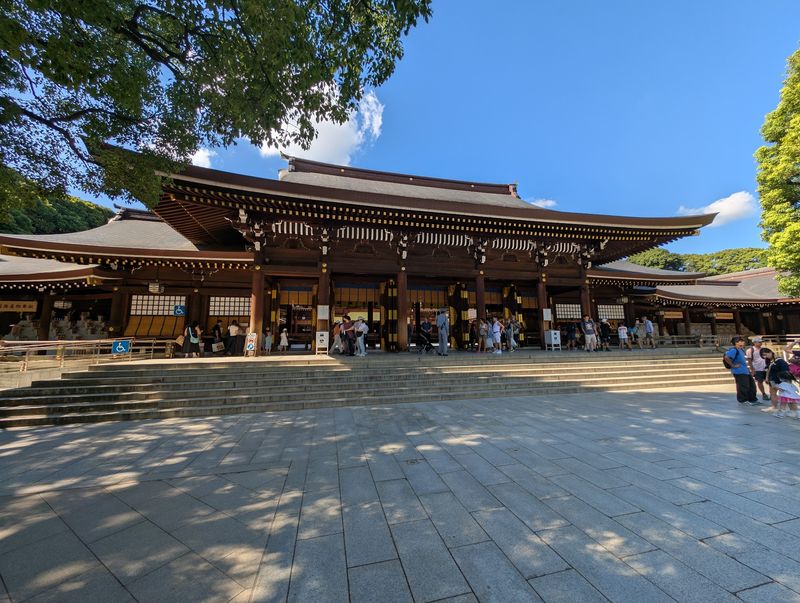
A forest in the middle of Tokyo sounds unlikely, yet Meiji Jingu sits inside one. The shrine is dedicated to Emperor Meiji and Empress Shoken, and it was completed in 1920.
The forest around it was planted with donated trees from across Japan, and it now covers about 170 acres beside Harajuku Station. Walking from the main entrance takes you through big wooden torii gates and along wide gravel paths.
Entry to the shrine grounds is free. Opening hours change with the season, usually starting around sunrise and closing near sunset, so check the times before you go.
Visitors often see wedding processions on weekends, with couples in traditional clothing walking toward the main hall. Near the path, you will also find a wall of decorated sake barrels, displayed as offerings.
Give yourself an hour or so to walk slowly and enjoy the quiet.
Takeshita Street, Harajuku
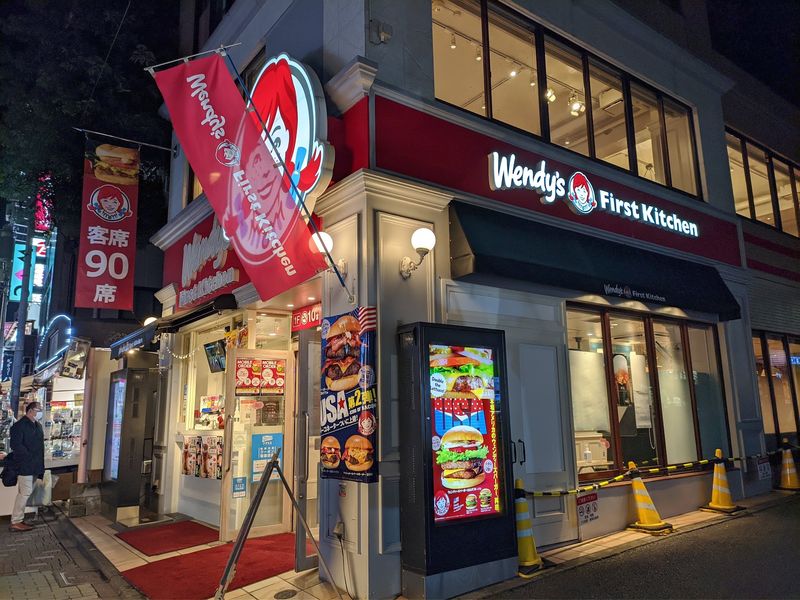
Crepes stuffed with cream, fruit, and cake pieces are the calling card here. Takeshita Street is a short pedestrian lane in Harajuku, about 350 meters long, and it is packed with youth fashion shops and snack stands.
The street starts right across from Harajuku Station, so it is easy to combine with a visit to Meiji Jingu. Stores sell clothing, accessories, character goods, and costume pieces at a range of prices.
Along with crepes, you will spot rainbow cotton candy and other colorful treats that make good photos. Bring cash just in case, since some small vendors still prefer it.
Weekends and holidays get very crowded, so a weekday visit gives you room to browse. If the main street feels too busy, the side streets nearby, including Cat Street, offer a slower pace with independent boutiques and cafes.
Tokyo Skytree, Sumida
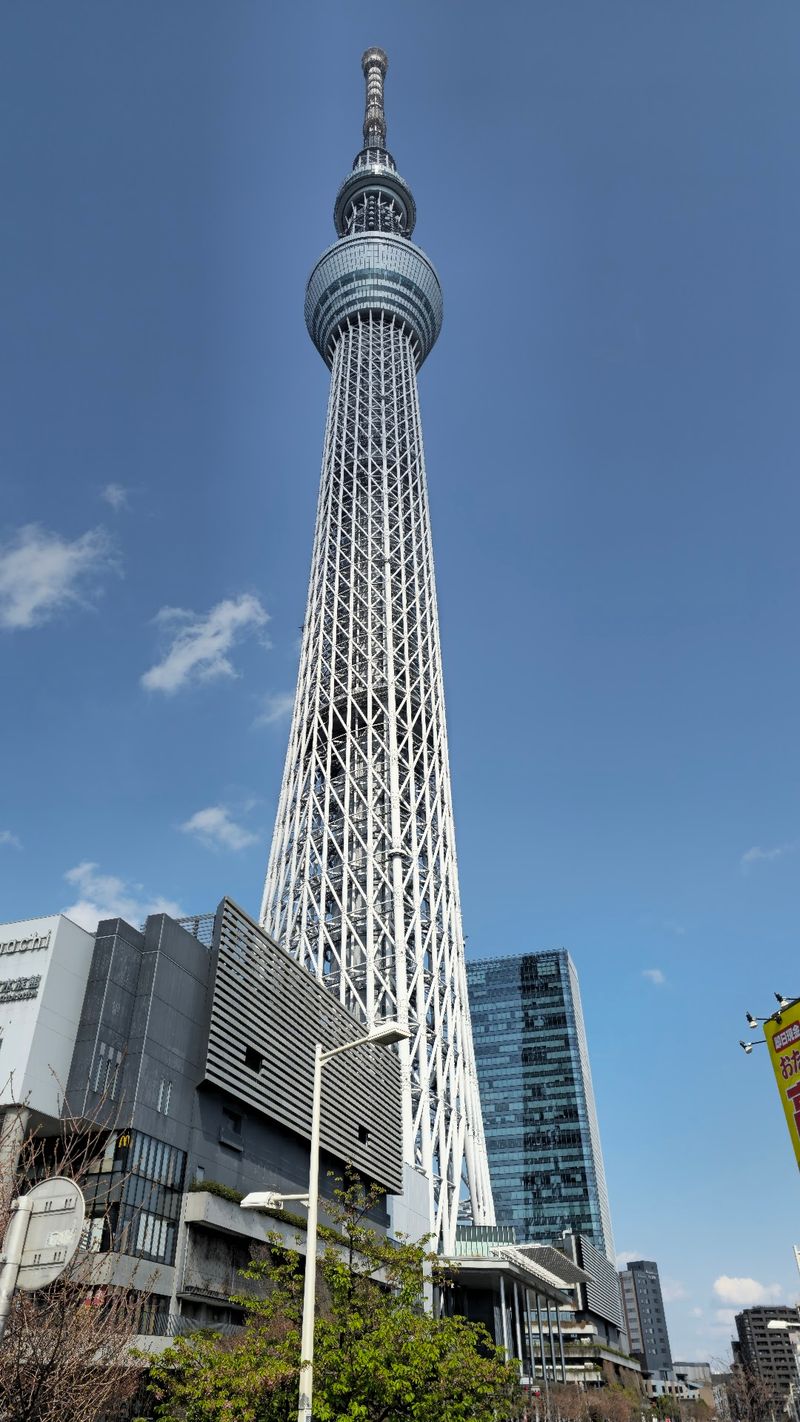
At 634 meters, Tokyo Skytree is the tallest tower in Japan and one of the tallest structures in the world. It opened in 2012 and stands in Sumida Ward, close to Asakusa.
Two observation decks are available. The Tembo Deck sits at 350 meters, and the Tembo Galleria sits at 450 meters, giving visitors two different heights for the same skyline.
Tickets can be bought in advance online, which helps skip some of the line. The elevator ride up is quick, and on clear days the view stretches across the entire Kanto plain.
At the base is Tokyo Solamachi, a large shopping and dining complex with souvenir shops, restaurants, and an aquarium. It is an easy place to spend extra time, especially if the weather is not cooperating with the view.
Pair it with Senso-ji for a full day in the east side of the city.
Tokyo Tower, Minato
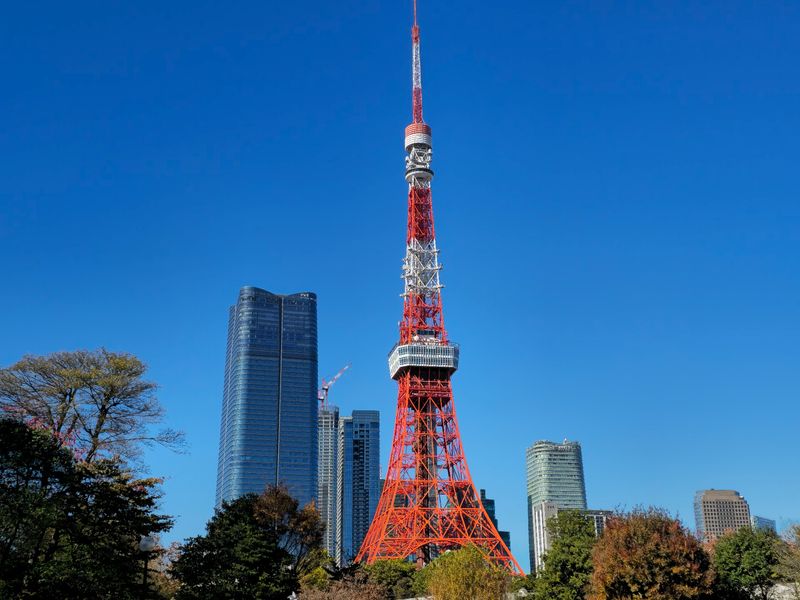
Modeled after the Eiffel Tower but painted in bright orange and white, Tokyo Tower has been part of the skyline since 1958. It stands 333 meters tall in Minato Ward and is still a favorite with visitors.
The Main Deck sits at 150 meters, and the Top Deck, a guided upgrade, reaches 250 meters. Both offer wide views over central Tokyo, and the tower is close enough to the buildings around it that the city feels within reach.
At the base is a building called Foot Town, which includes shops, food spots, and attractions. Zojoji Temple is a short walk away and gives a classic photo of old and new Tokyo together.
Evening visits let you see the tower lit up, and the lighting changes with the season. Tickets can be purchased online or at the entrance, and timing your visit outside weekends can mean shorter lines.
teamLab Planets TOKYO, Toyosu
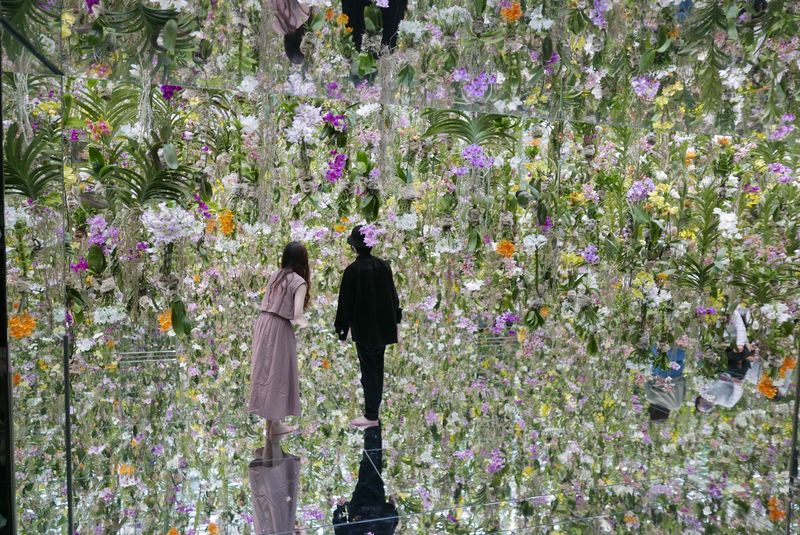
Bare feet are part of the plan here. At teamLab Planets TOKYO, visitors remove their shoes and walk through rooms of water, mirrors, and digital light art.
It is a museum that you move through instead of just viewing. Some rooms have knee-deep water, so shorts or pants that roll up are a smart choice, and lockers are available for your belongings.
The exhibit is in Toyosu and is reached by the Yurikamome line or the Tokyo Metro. Tickets are sold for specific time slots, and they often sell out, so booking ahead online is strongly suggested.
A gardens section with living plants is also part of the visit, giving a break from the digital rooms. Plan on about two hours to see it all.
Skirts and very long dresses can be tricky in some rooms, so comfortable clothing works best.
Tsukiji Outer Market, Chuo
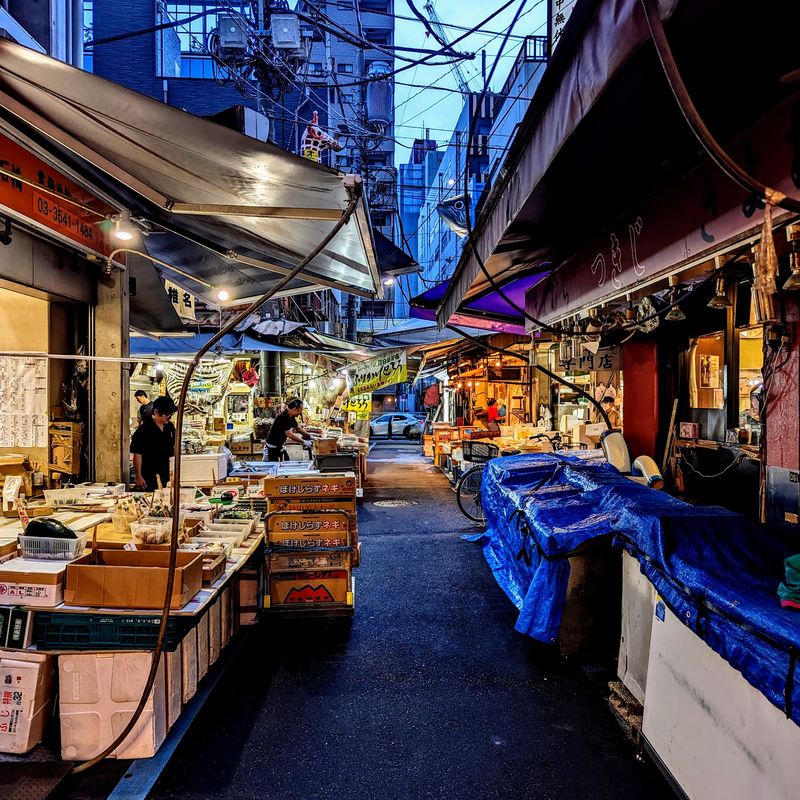
Breakfast might be the best reason to set an early alarm in Tokyo. The famous inner wholesale market moved to Toyosu in 2018, but the Tsukiji Outer Market stayed and remains a lively food district in Chuo.
Narrow lanes are packed with stalls and small restaurants selling fresh seafood, sushi, grilled skewers, and tamagoyaki, the sweet rolled omelet. Kitchen knives, tableware, and dried goods also fill several shops.
Many vendors open early in the morning and wrap up by early afternoon, so go before lunch for the widest choice. Hours and closing days vary by shop, and the market is often closed on Sundays and some Wednesdays.
Eating while walking is discouraged in some spots, so look for signs and enjoy your food near the stall. Carry a little cash, since some small shops may not accept cards.
Sharing several small bites lets you try more.
Imperial Palace and East Gardens, Chiyoda
Stone walls and moats give the heart of Tokyo a very different look. The Imperial Palace is the home of Japan’s emperor, and the main grounds are not open for regular visits.
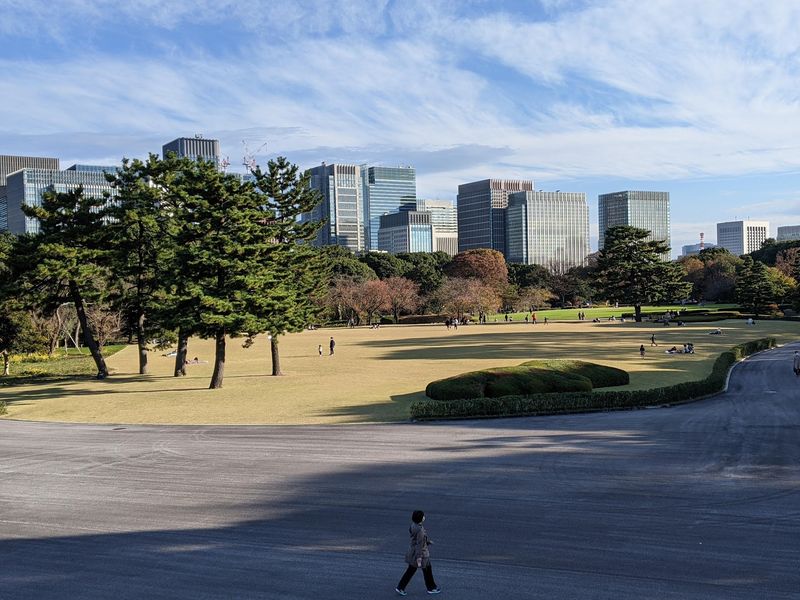
The East Gardens, however, are open to the public and free to enter. They sit on the site of the former Edo Castle, and visitors can still see old stone walls, gates, and the base of the main keep.
Wide lawns and walking paths make the gardens a peaceful place to slow down. Seasonal flowers add color, and the grounds are close to Tokyo Station, so it is an easy stop between other plans.
The gardens are closed on certain days each week, usually Mondays and Fridays, so check the calendar before you go. Nijubashi Bridge, seen from outside the palace grounds, is a popular photo spot and a good starting point for a short walk.
Akihabara Electric Town, Akihabara
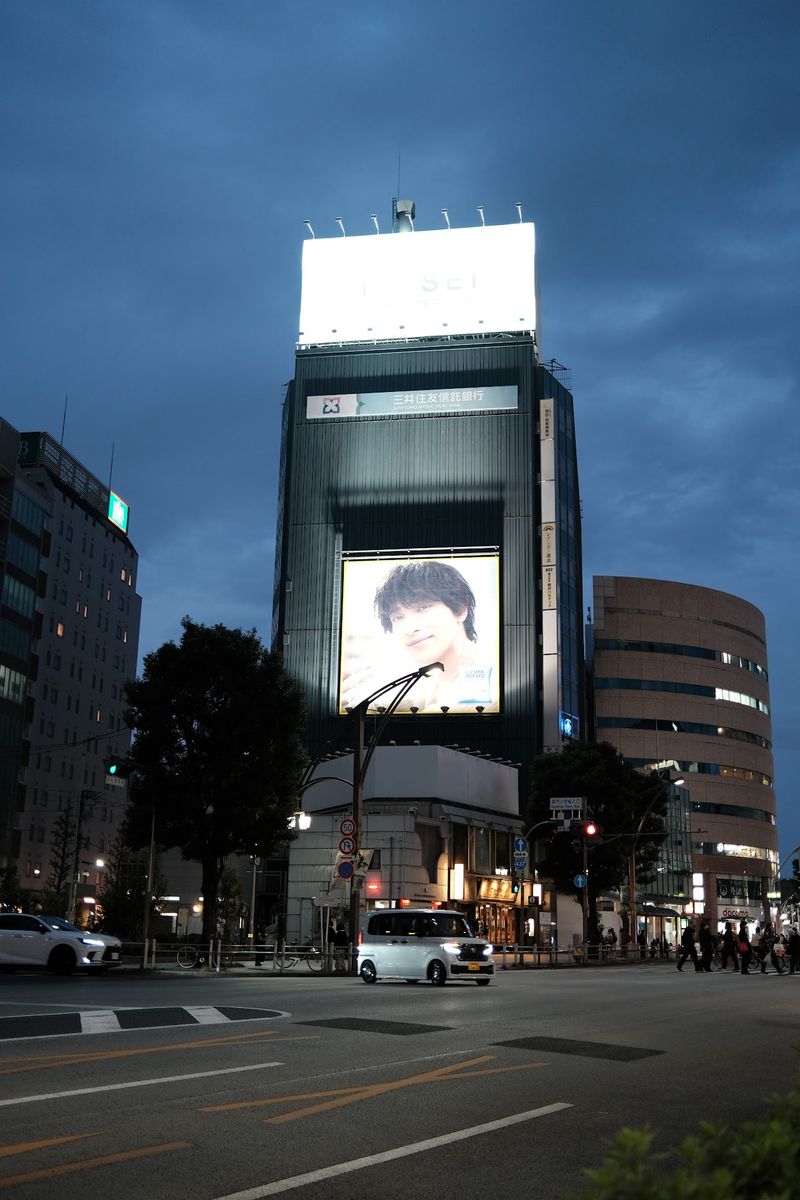
Anime posters, game arcades, and electronics stores stack up along the streets of Akihabara. The district grew from a post-war electronics market into a center for gaming, manga, and pop culture.
Multi-floor shops sell figures, trading cards, retro video games, and collectibles. Big retail buildings also carry cameras, headphones, and other gadgets, and many offer tax-free shopping for tourists with a passport.
Arcades, known as game centers, fill several buildings with claw machines, rhythm games, and fighting games. Visitors can play for a few coins and see how much fun the machines are.
Themed cafes are also part of the scene, with staff in costume and character-inspired menus. Sundays often have part of the main street closed to traffic, which makes walking easier.
Weekday afternoons can be calmer if you prefer to browse without a crowd.
Shinjuku Gyoen National Garden, Shinjuku
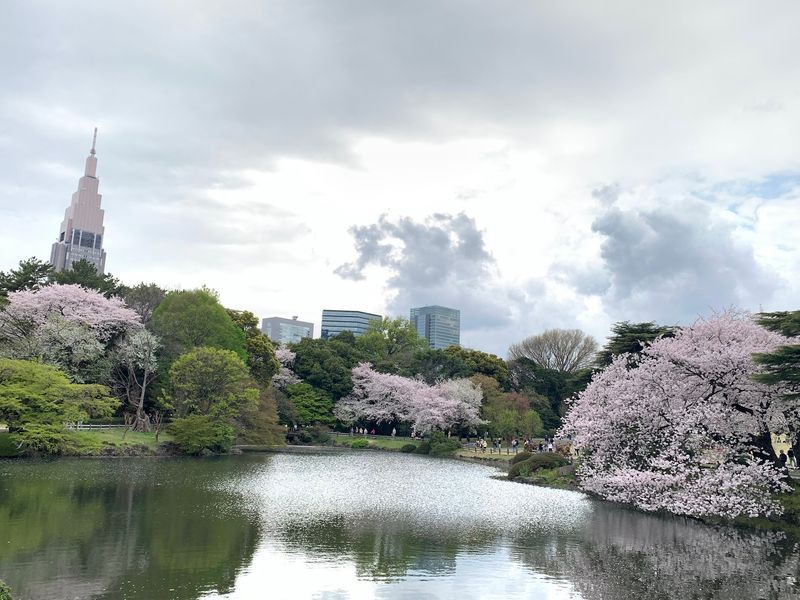
Right beside one of the busiest stations in the world, a huge garden offers a break. Shinjuku Gyoen covers about 144 acres and combines Japanese, French, and English landscape styles.
Visitors can walk through a traditional Japanese garden with ponds and bridges, then step onto a formal French rose section and wide English lawns. A greenhouse also holds tropical and subtropical plants.
The garden is famous for cherry blossoms in spring, with many varieties that bloom over several weeks. Autumn leaves bring another busy season.
There is an entrance fee, and the garden is closed on Mondays, so plan around that. Picnicking is allowed on the lawns, but drinks of certain kinds and loud activities are restricted, so read the posted rules at the gate.
Bring a light lunch and take your time.
Omoide Yokocho, Shinjuku
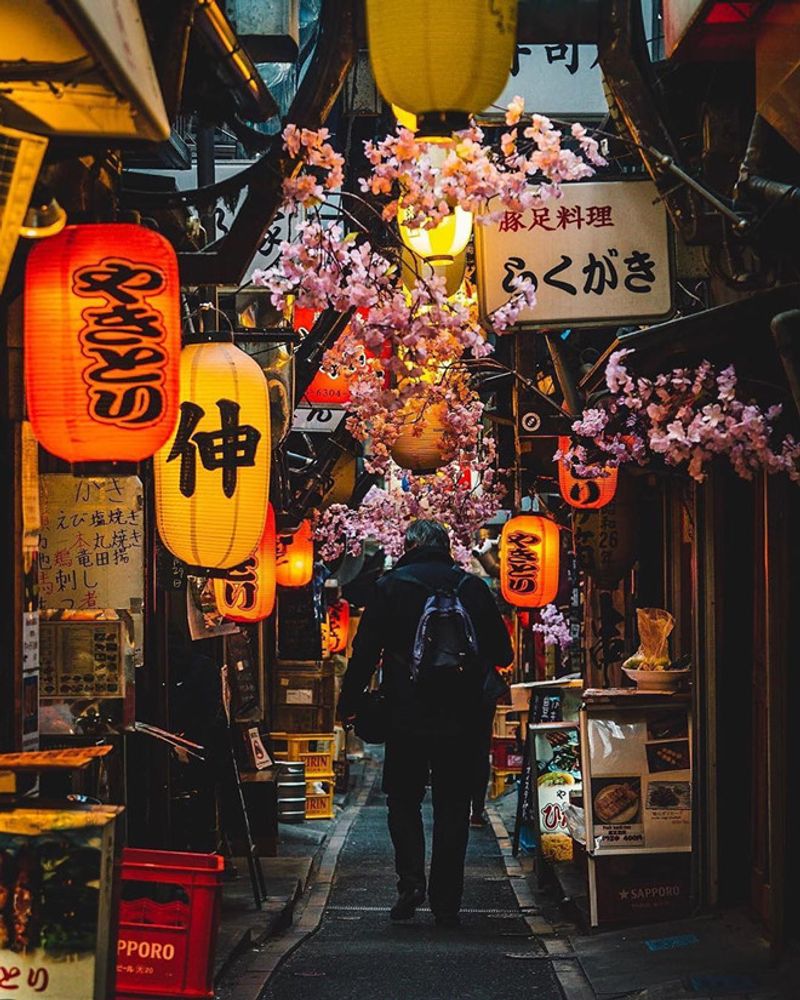
Also called Memory Lane, Omoide Yokocho is a tight cluster of alleys beside Shinjuku Station. It began as a post-war market and still looks like a piece of that era.
Tiny restaurants with just a handful of seats line the lanes. Many specialize in yakitori, grilled chicken skewers, while others serve ramen, noodles, and small plates.
Because the spaces are so small, groups often split up or wait for seats. Some places ask for a table charge, so look at the sign or ask before ordering.
Evenings are the busiest time, when the lanterns are lit and the counters fill up. Lunch visits are quieter and still let you see the atmosphere.
Cash is useful, since some small shops do not take cards, and it helps to carry small bills.
Ginza, Chuo
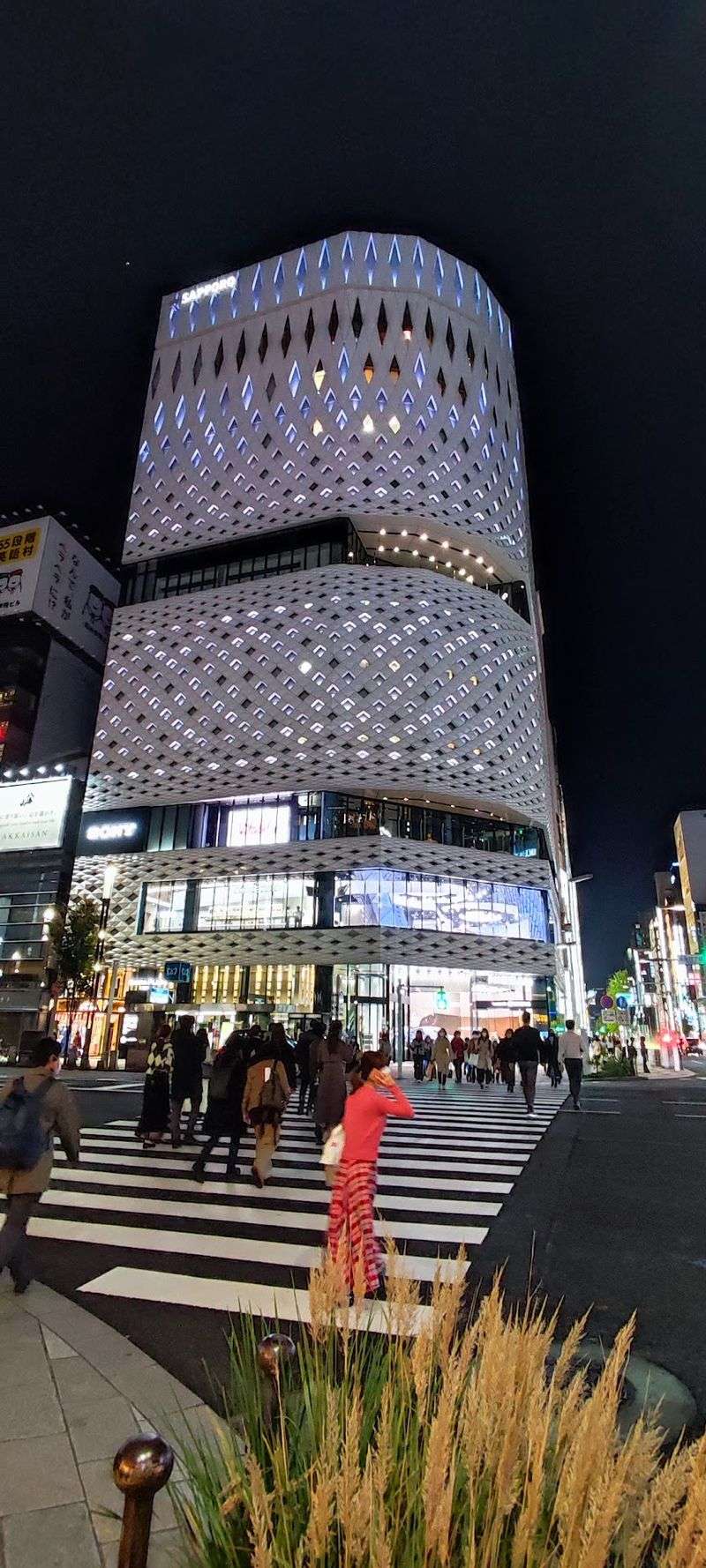
Tokyo’s upscale shopping district has a wide main road that turns into a pedestrian zone on certain days. Ginza is known for department stores, flagship brand shops, and refined dining.
Mitsukoshi and Ginza Six are among the well-known department stores, and Uniqlo and Muji have large stores here as well. Stationery lovers can spend time at Itoya, a multi-floor shop dedicated to pens, paper, and craft supplies.
The Kabuki-za Theatre is also in the district and hosts traditional kabuki performances. Visitors can often buy tickets for a single act, which is helpful if you only want a short taste.
On weekend afternoons, the main street, Chuo-dori, is often closed to traffic, and people stroll down the middle of the road. Even if you do not plan to shop, a walk here shows another side of the city.
Ueno Park and Ameyoko, Ueno
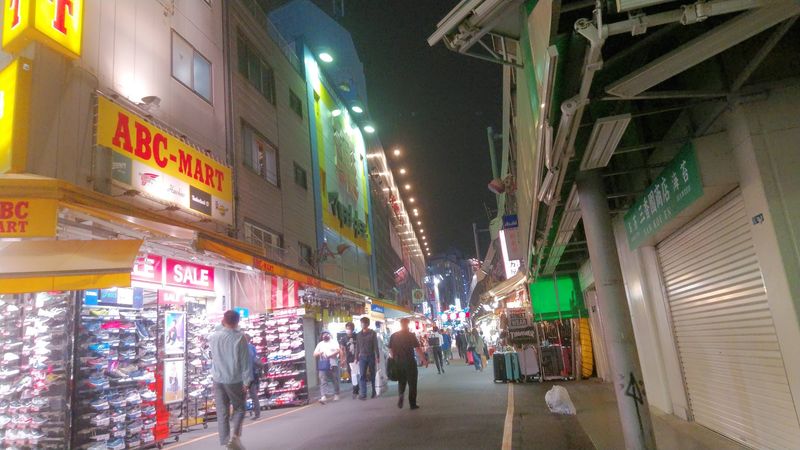
One stop gives you museums, a zoo, a lake, and a lively market street. Ueno Park is a large public park in the Ueno district, home to several of Tokyo’s major cultural institutions.
The Tokyo National Museum holds a huge collection of Japanese art and artifacts. Ueno Zoo is also inside the park, and it is well known for its giant pandas.
Shinobazu Pond adds a scenic spot for a walk.
In spring, the park is one of the best-known places in the city for cherry blossom viewing, so weekends in that season can be very busy.
Right next to the station, Ameyoko is a bustling market street with stalls selling seafood, dried snacks, clothing, and cosmetics. It began as a post-war black market and is now a fun place for bargains and street food.
Pair it with the park for a full afternoon.
Odaiba, Tokyo Bay
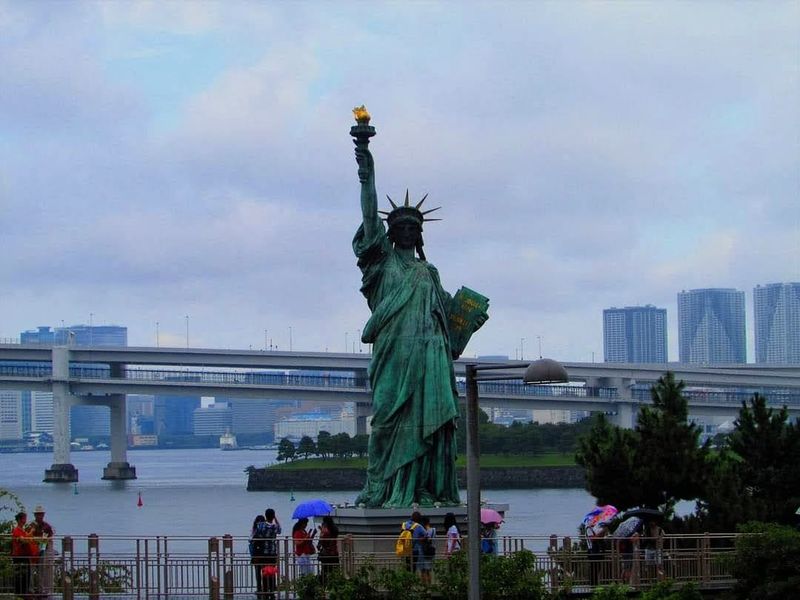
A man-made island in Tokyo Bay, Odaiba has a very different feel from the crowded city center. Wide walkways, shopping malls, and waterfront views make it easy to explore at a relaxed pace.
The area is home to a life-size Unicorn Gundam statue near DiverCity Tokyo Plaza, which is a favorite for fans of the anime series. Odaiba Seaside Park offers a small beach and a view of Rainbow Bridge.
There is also a replica of the Statue of Liberty near the waterfront, popular for photos with the bridge behind it. Shopping centers include Aqua City and DiverCity, with restaurants and stores under one roof.
Getting there is part of the fun, since the automated Yurikamome line runs over Rainbow Bridge. Sit near the front or back windows for the best views.
Evening visits show off the bridge lights and the skyline.
Hamarikyu Gardens, Chuo
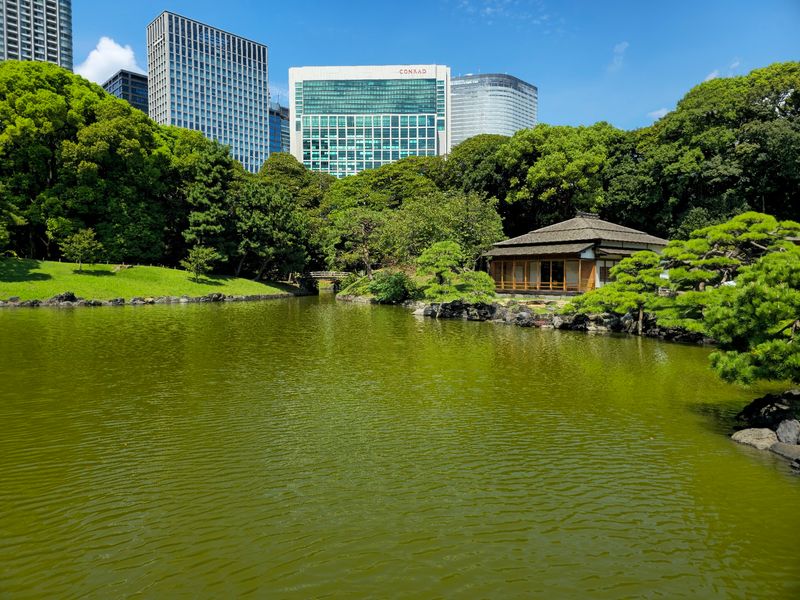
Skyscrapers rise behind a traditional teahouse here, and that contrast is what makes the place memorable. Hamarikyu Gardens is a landscaped garden in Chuo, set beside Tokyo Bay, with roots in the Edo period when it served as a feudal lord’s residence.
The centerpiece is a large tidal pond, filled with seawater that changes with the tide. The Nakajima no Ochaya teahouse sits on an island in the pond, and visitors can enjoy matcha and a sweet there.
An entrance fee applies, and the garden is generally open during the day, closing in the late afternoon. It is close to Shiodome and Shimbashi stations, so it is simple to reach.
Many visitors combine it with a river cruise. A water bus runs between the garden and Asakusa, offering a scenic way to travel from one sight to the next.
Share this story