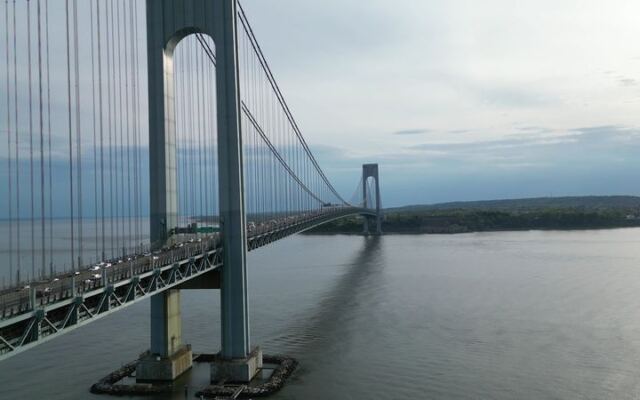
I expected just another toll crossing on a gray afternoon in New York, but the Verrazzano-Narrows Bridge had other plans for me. Halfway up the upper deck, the wind tugged at the car, the harbor spread out below, and the skyline appeared like a postcard someone forgot to put away.
What seemed like a simple way to get from one place to another turned into the most memorable few minutes of my whole trip. If you have ever wondered whether a bridge can feel like a destination, keep reading.
A Giant Standing Guard Over The Narrows
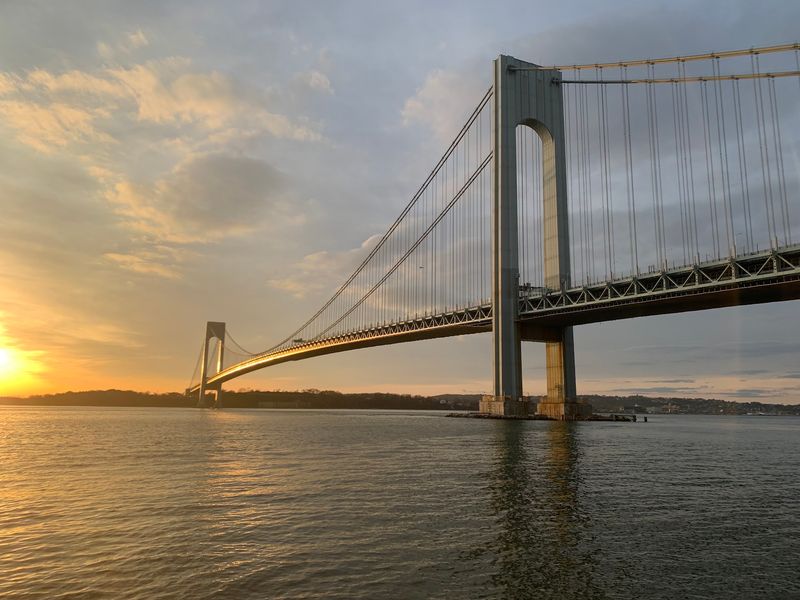
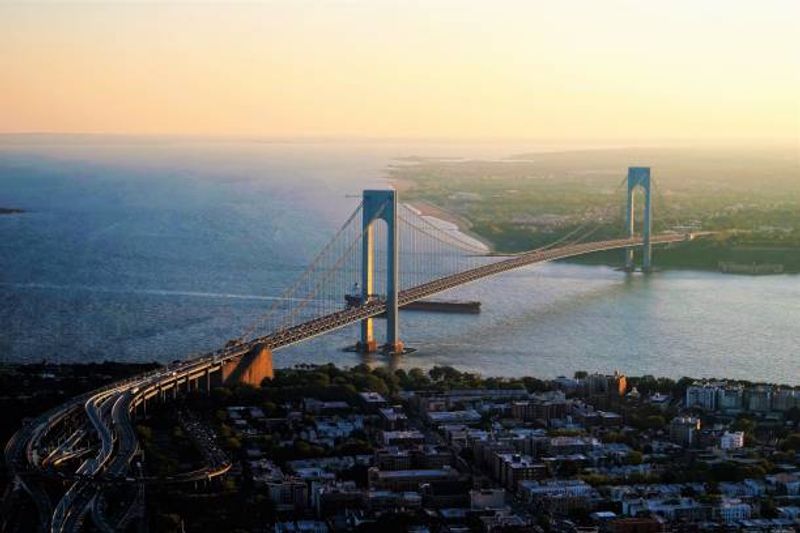
Picture two boroughs separated by a strip of fast-moving water, and one enormous steel span stitching them together. That is the job of the Verrazzano-Narrows Bridge, a suspension bridge linking Brooklyn and Staten Island across The Narrows, the tight channel leading into New York Harbor.
Its towers rise about 693 feet, which is taller than many buildings you might picture when you think of a skyscraper. Visitors often describe the structure as elegant and grand, and plenty of locals call it their favorite bridge in the entire city.
From a distance, it looks almost delicate, with long cables sweeping down in graceful curves. Up close, though, the size hits you all at once.
Ships pass beneath it, traffic hums across it, and the whole thing seems to watch over the entrance to one of the busiest harbors on the planet. For a piece of highway, it has surprising presence.
Decades of Dreams Before the First Car Rolled Across
Long before steel ever touched the sky here, people crossed this water by canoe, then by boat and ferry. A railroad tunnel from Brooklyn was started in 1923 but never finished, and plans for a vehicle tunnel were studied in 1929 and 1942 before being dropped.
Finally, in 1946, New York State gave the go-ahead for a bridge. Construction came in the 1960s, and the span opened to traffic on November 21, 1964.
The lower deck followed five years later.
The name honors Giovanni da Verrazzano, who in 1524 became the first European explorer to sail into New York Harbor. When it opened, the bridge was the longest suspension bridge in the world, a title it held until 1981.
History buffs love that it took nearly half a century of false starts to get here, which makes every crossing feel a little like a victory lap.
Record-Setting Engineering in Steel and Cable
Numbers tell a big part of the story here. The main suspension span stretches about 1,298 meters, which makes it the longest single-span suspension bridge in the United States and the longest in the Americas.
Fun fact for trivia night: it beats the famous Golden Gate Bridge by roughly 10 meters. Plenty of people assume the West Coast icon wins, so this one tends to surprise folks.
Worldwide, the bridge now ranks around 18th for main span length, since newer bridges have pushed the limits even further. Still, fans of architecture point to the sweeping cables and towering double-decker design as proof of serious human ingenuity.
Visitors also mention how clean it looks, free of graffiti and trash. Ongoing construction and renovation work shows up often in conversations, too.
Regular maintenance may slow traffic now and then, but it keeps this sixty-year-old giant in excellent shape for the next generation of drivers.
The Upper Deck and Its Wild Winds
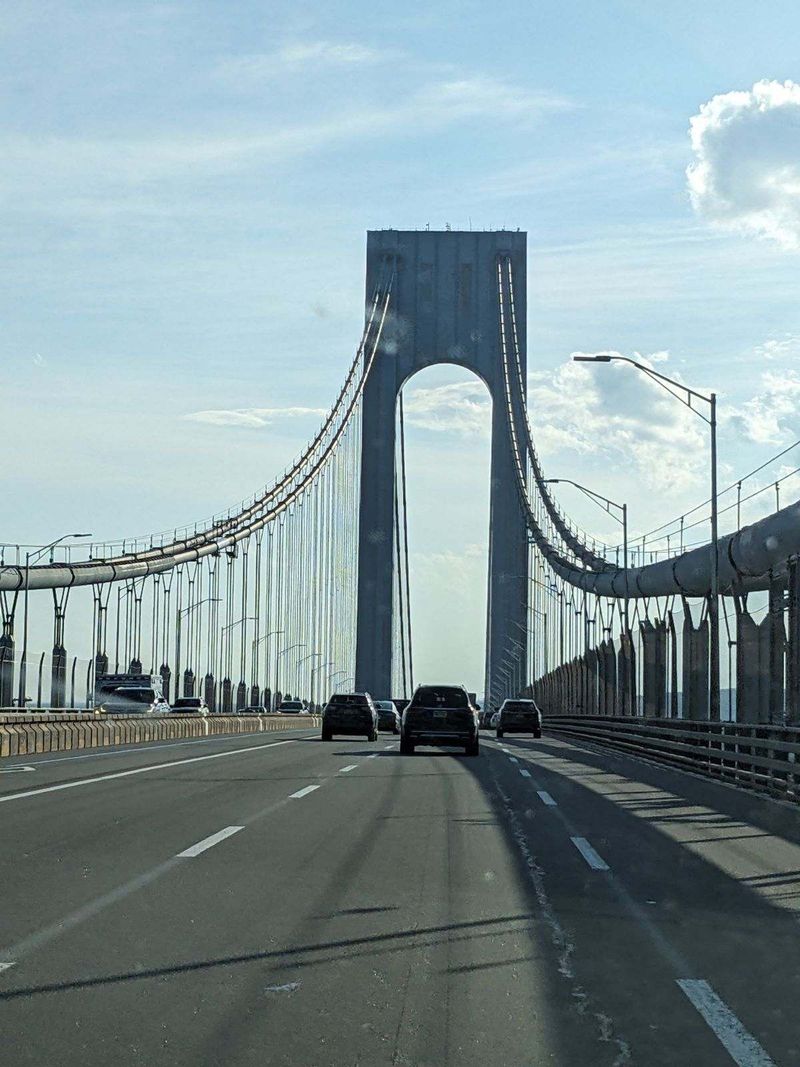
Hold the steering wheel a little tighter up here. The bridge is a double-deck structure, and the upper level sits high and open, exposed to whatever the Atlantic decides to throw at it.
Drivers say the wind can get intense, especially on stormy days. Anyone in a larger vehicle should be ready for gusts, and speed limits and wind advisories are sometimes put in place for safety.
So why do people love it? Because that same openness gives you nothing but sky and water in every direction.
Many regulars say they choose the upper deck on purpose just for the scenery. One handy tip shared by visitors: the left lane is great for photos of the bridge itself, while the right lane offers the best views outward.
The lower level, meanwhile, keeps you sheltered from rain and sun. Two levels together carry 13 lanes, so there is room for every mood.
Harbor Panoramas from Manhattan to the Atlantic
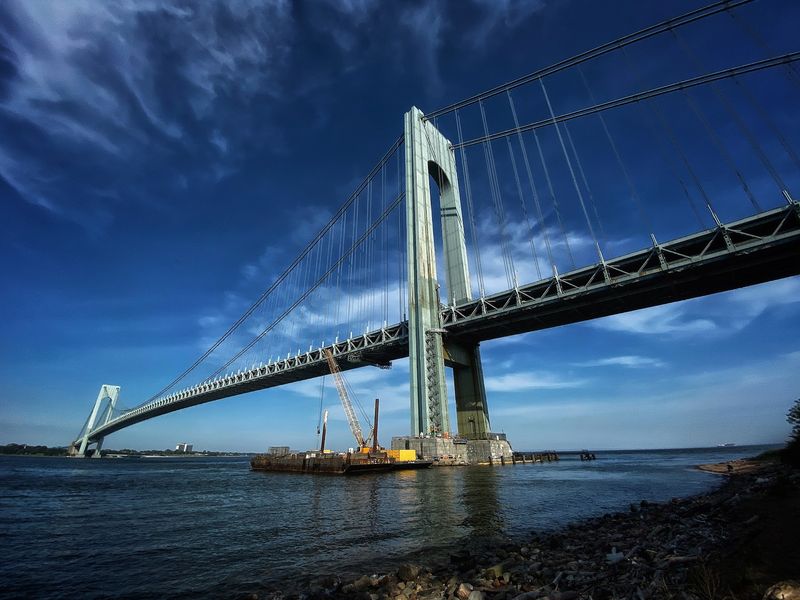
Ask anyone what they remember about crossing, and the answer almost always starts with the view. It comes up more than any other topic, and for good reason.
Look north and the Manhattan skyline rises across the harbor. On clear days, the Statue of Liberty stands out in the distance.
Turn your eyes south, and the open Atlantic Ocean stretches toward the horizon.
People also point out Brooklyn, Staten Island, and New Jersey all spread around the water like pieces of a giant map. Some describe the views heading into Staten Island as especially lovely.
Whether it is early morning light or the soft glow of evening, the scenery keeps shifting like a painting that refuses to stay finished. Frequent drivers say it never gets old, which is quite a compliment for something they see on a regular commute.
Just remember that whoever is driving should keep their eyes mostly on the road.
Sunset Glow and a Necklace of Night Lights
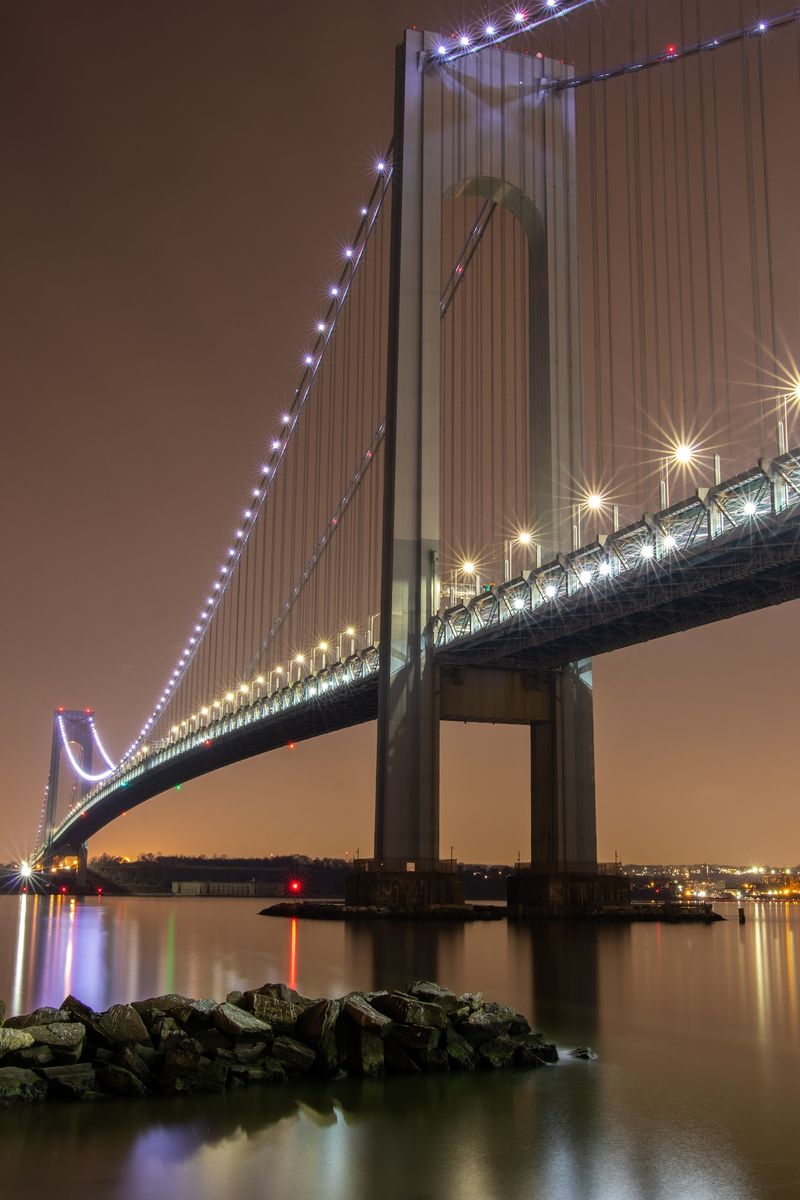
Timing matters, and evening might be the sweetest hour of all. As the sun drops, long lines of headlights stream across the deck while the skyline starts to glow.
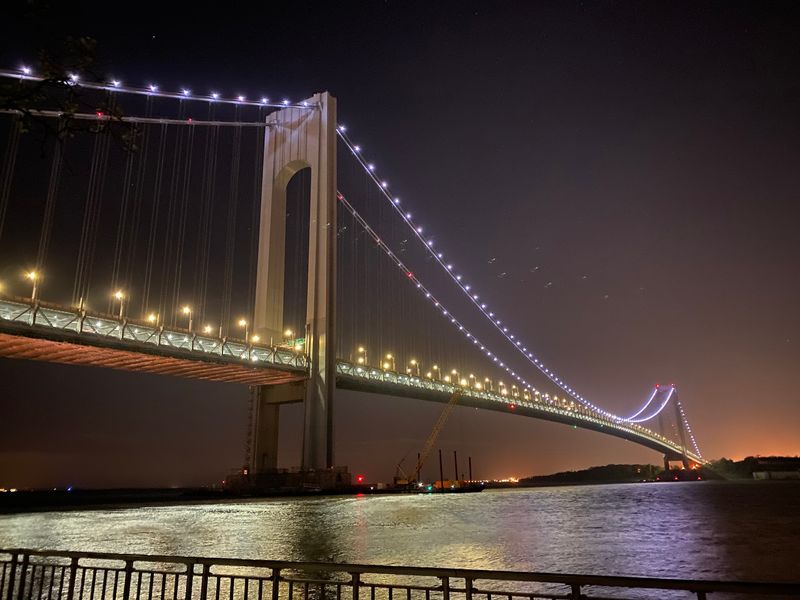
Once darkness settles, the bridge really shows off. Lights strung along the cables sparkle so brightly that one admirer compared them to rubies, emeralds, and diamonds.
Many visitors say nighttime is the best moment to see it, calling it beautifully lit and magnificent against the dark water.
Couples seem to agree. A romantic atmosphere comes up again and again, and sunrise and sunset get plenty of praise too.
If you want the most dramatic look, try watching from the shoreline as the sky fades from orange to deep blue. Photographers can grab striking shots with the illuminated towers reflected in the harbor.
It is the kind of scene that makes even lifelong New Yorkers slow down and stare for a moment.
Seeing the Span from the Water Below
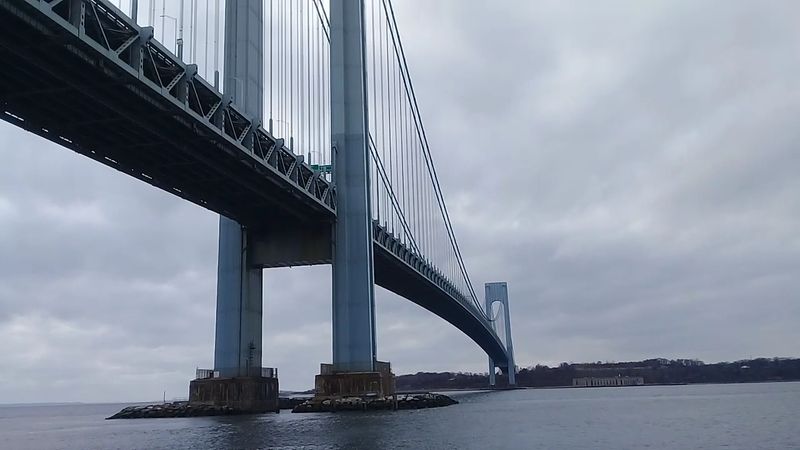
Here is a secret some travelers swear by: the best seat might not be on the bridge at all. Plenty of people say gliding underneath it offers a completely different perspective.
Cruise passengers love the moment their ship passes beneath. Travelers on large ocean liners describe clearing the deck by only a few meters, which sounds thrilling and a bit nerve-wracking at once.
Smaller boats offer a similar thrill with lovely views of the shoreline.
For a budget-friendly option, one visitor recommends the NYC Ferry route to Rockaway, which runs under the bridge. They mentioned paying about $4.50 per person and called it one of the most scenic ferry rides in the city.
From the water, you really understand how tall those towers are and how gracefully the cables hang. Bring a camera, find a spot on the outside deck, and get ready to tilt your head way back.
Marathon Starts, Commuters, and Romantics
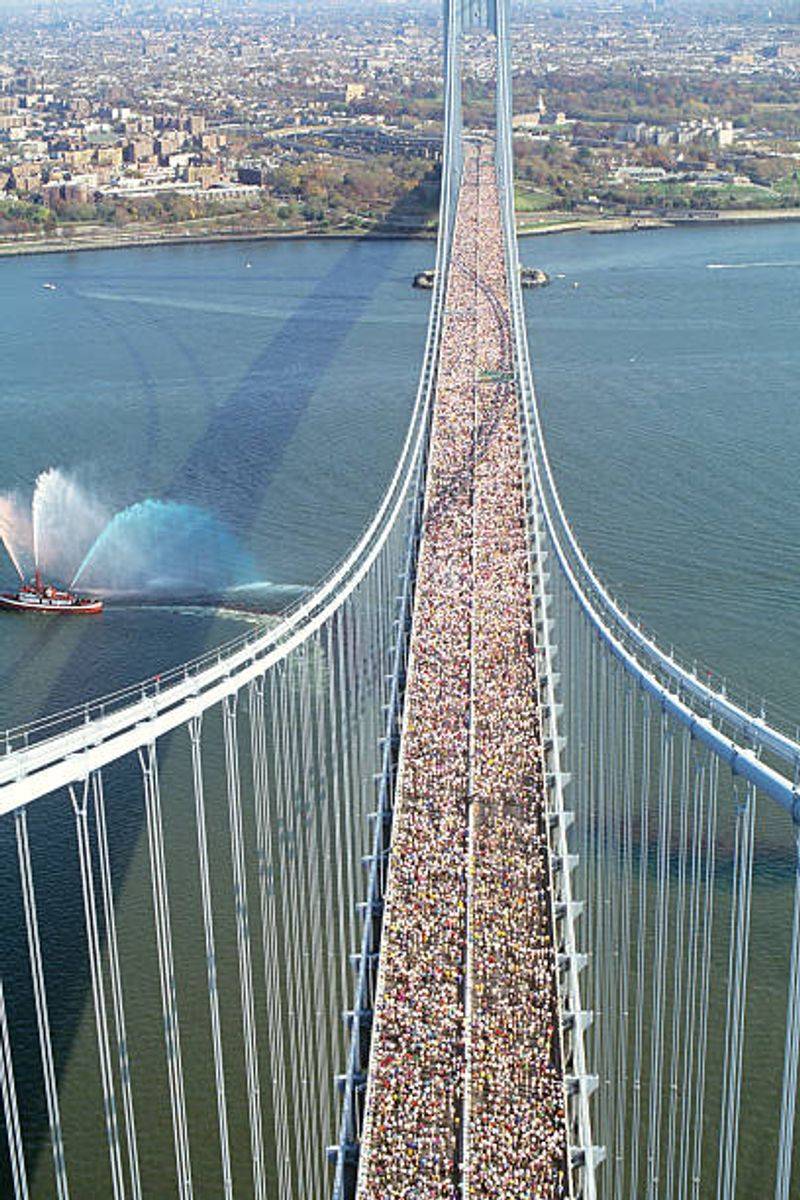
Once a year, cars give way to sneakers. The New York City Marathon begins right on this bridge, sending thousands of runners across the span at the start of their 26.2 mile journey through all five boroughs.
Runners describe it as one big party and say the bridge holds a special place in their hearts. Imagine starting a race with the whole harbor sparkling beside you.
On regular days, the crowd looks different. Commuters use it constantly, and some find it a chore when traffic is heavy.
Others treat every trip as a classic New York moment worth savoring. Scenic drive lovers, photographers, and couples looking for a romantic sunset outing all find reasons to come.
There is even mention of a bike lane among visitors, though the bridge is mainly known as a driving route. In short, it suits anyone who enjoys big views, big engineering, and a little bit of wind in their hair.
Tolls, Traffic, and a Final Take
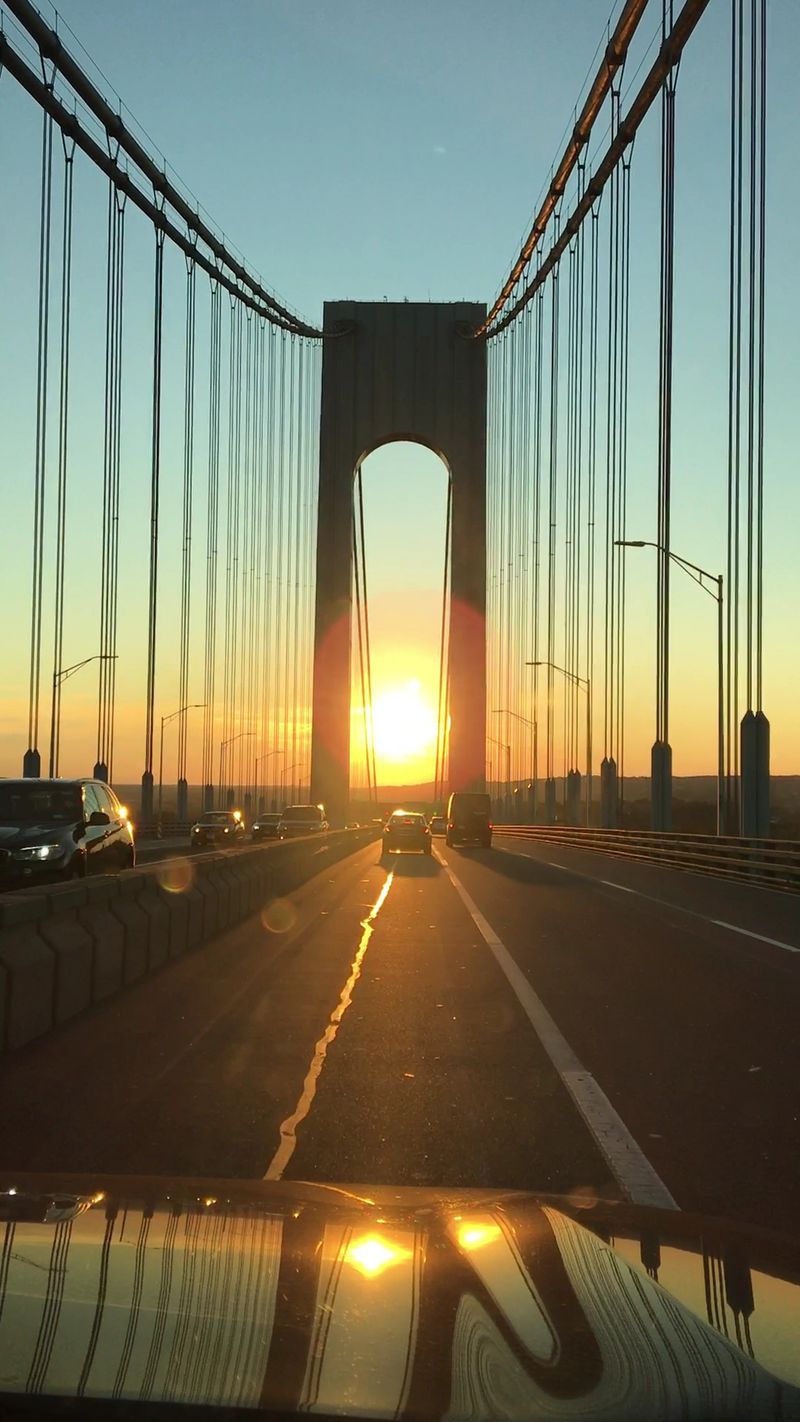
Before you go, plan for the practical stuff. Tolls come up often, and many drivers wish they were lower.
One regular mentioned about $15 round trip with a New York E-ZPass, while others note prices have climbed over the years. Having E-ZPass ready makes things smoother.
Traffic can be heavy during peak hours, and a few visitors found the crawl frustrating. Others say it is rarely a problem outside rush times.
Aim for quieter hours if you want to enjoy the ride. Construction work may also affect lanes.
For questions, the MTA Bridges and Tunnels line is +1 212-360-3000, and details are on the MTA website. So is it worth it?
For most people, absolutely. Pick a clear evening, choose the upper deck, and let the harbor do the rest.
You may arrive thinking it is just a bridge and leave with a favorite new memory.
Share this story