Some of the best places in Minnesota are the ones you almost drive right past. Way up the North Shore, there is a quiet spot by Lake Superior where an old footpath, a rebuilt trading post, and costumed storytellers wait for whoever bothers to pull over.
I went in curious and a little hungry for something new, and I left wondering why more people were not talking about it. If you love history, big lake views, and the feeling of having a place nearly to yourself, keep reading.
A National Monument at Minnesota’s Far Northeastern Tip
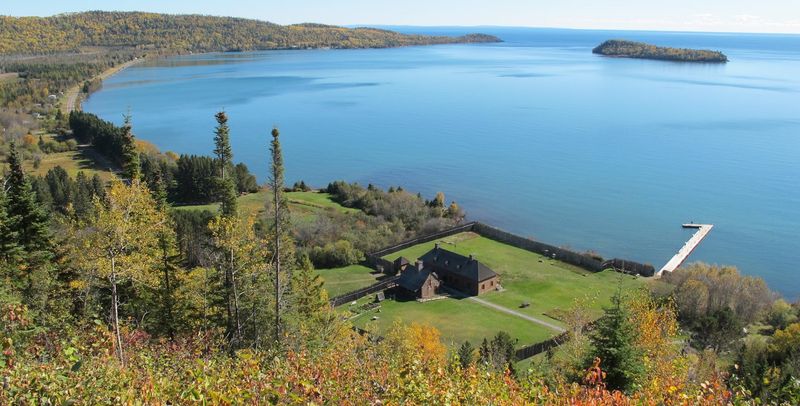
Picture the very last stretch of Minnesota before the Canadian border, where Highway 61 hugs Lake Superior and the forest grows thick and quiet. Tucked right there, at 170 Mile Creek Rd in Grand Portage, sits Grand Portage National Monument, one of the most rewarding stops on the entire North Shore.
The National Park Service describes it as scenic parkland with trails and historic sites, including a landmark 8.5-mile trail with waterfalls and an old fur trading post. Visitors often call it a hidden gem, and some admit they drove past for years before finally stopping.
Here is the part Minnesotans will love. The monument covers the northernmost corner of the state on Lake Superior’s shoreline, telling a story of trade, culture, and survival in a land of brutal winters.
It also gives big famous parks out east some real competition, without the crowds or the hassle that usually come along with them.
Fur Trade Roots and a Story Shared With the Ojibwe
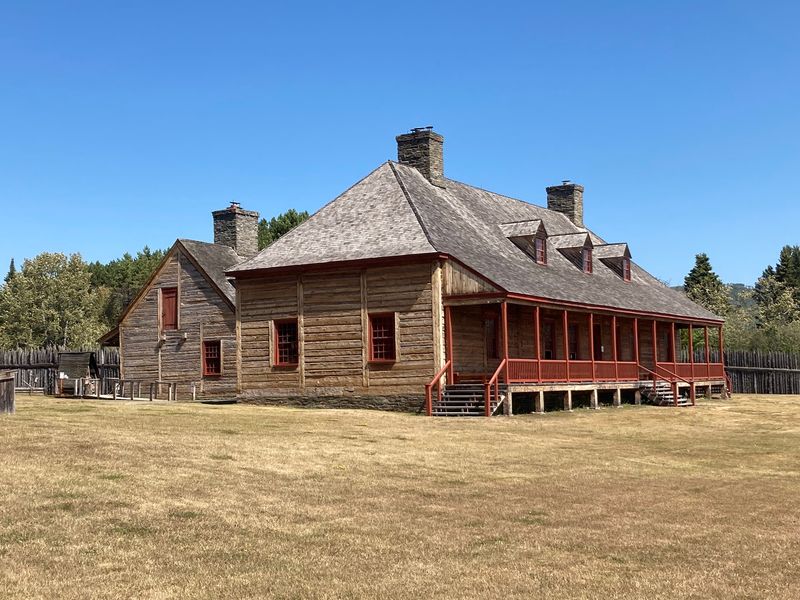
Long before highways, this shoreline was a busy crossroads. Exhibits explain how the fur trade shaped the Great Lakes region, and how voyageurs relied on relationships with the local Anishinaabe people to make the whole system work.
What makes the story feel different here is how it is told. The monument is a joint effort between the National Park Service and the local Ojibwe, and visitors frequently say they appreciated that partnership.
Instead of one narrow viewpoint, you get a fuller picture of the tribes who lived here and who still call the area home today.
One guest mentioned being fascinated by how voyageurs earned their Spanish dollars, and by just how lively this place once was. The North West Company Depot comes up often too.
For anyone who thinks Minnesota history starts with the lumber camps and railroads, this site rewinds the clock in a way that feels both personal and surprisingly global.
The Ancient Footpath Behind the Name
Grand Portage literally means the great carrying place. Travelers once hauled canoes and heavy packs overland here to get around rough water, and that route lives on as a landmark 8.5-mile trail with waterfalls along the way.
Not up for the full distance? No problem at all.
A loop trail behind the heritage center offers a much shorter taste, and one visitor called it gorgeous, adding that the whole stop beat the waterfalls at a nearby state park.
Walking these paths, you may notice how quiet it gets. Footsteps on dirt, wind in the birches, maybe a bird or two.
It is easy to imagine voyageurs trudging past with loads on their backs. You will probably be glad your own pack holds only a water bottle and a snack.
Few trails anywhere in the Midwest connect you this directly to the people who first carved them.
Inside the Reconstructed Trading Post and Fort
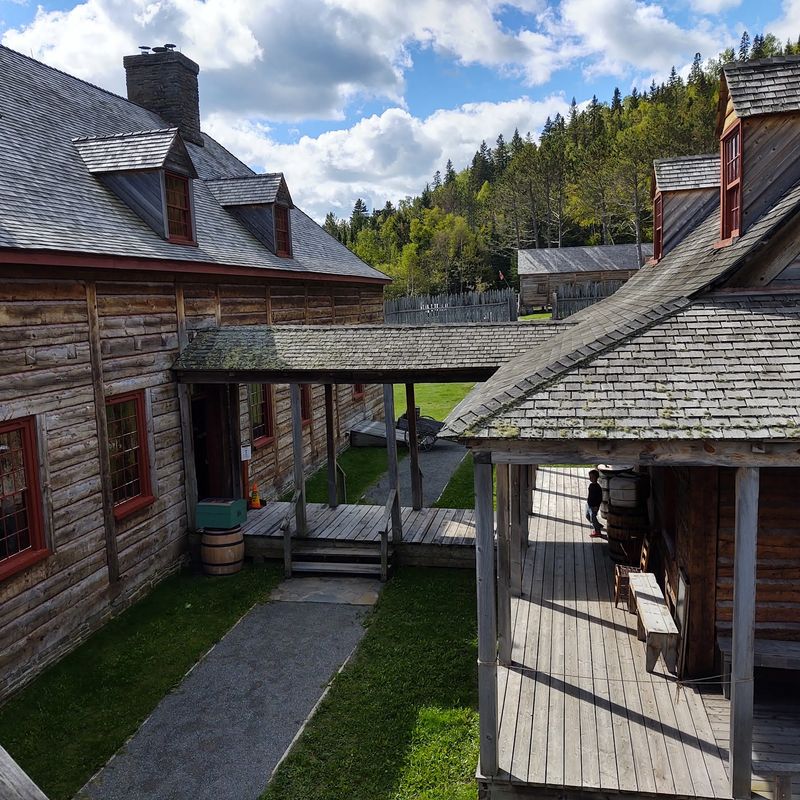
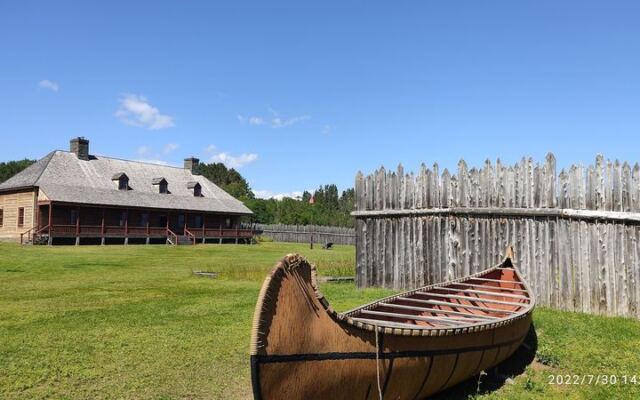
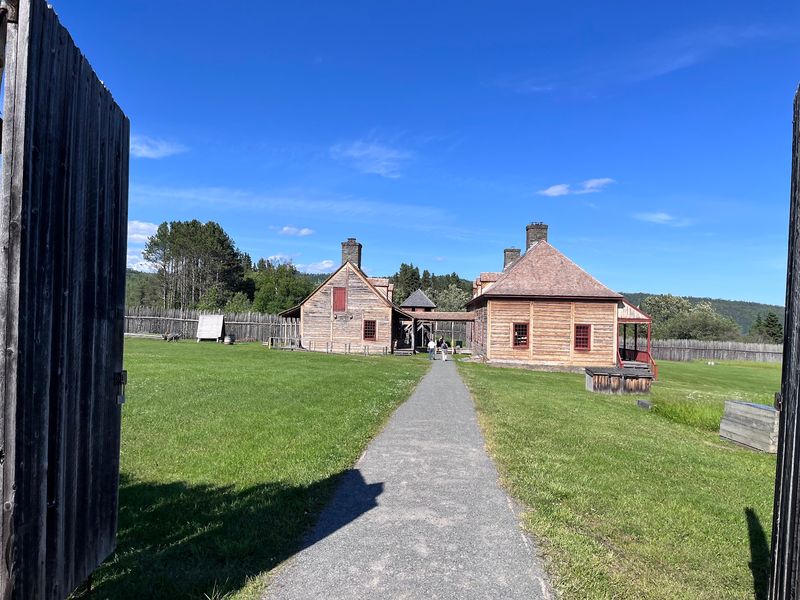
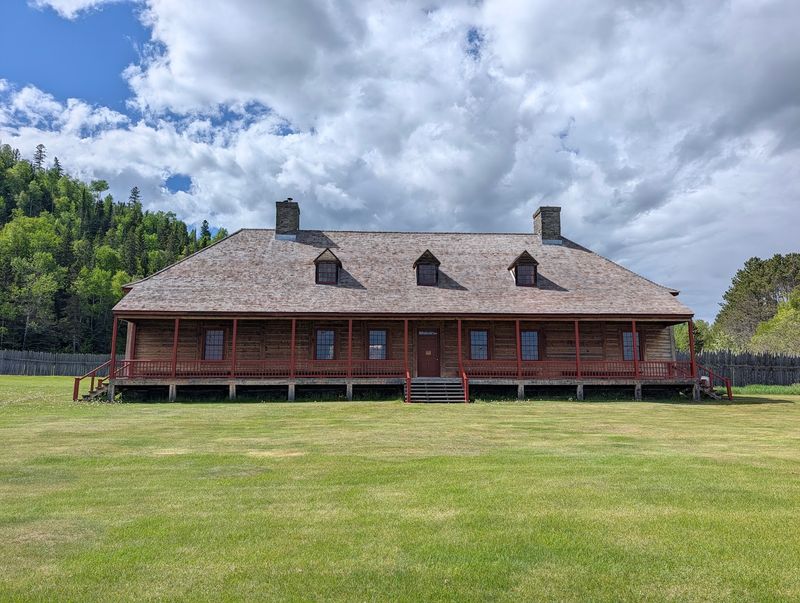
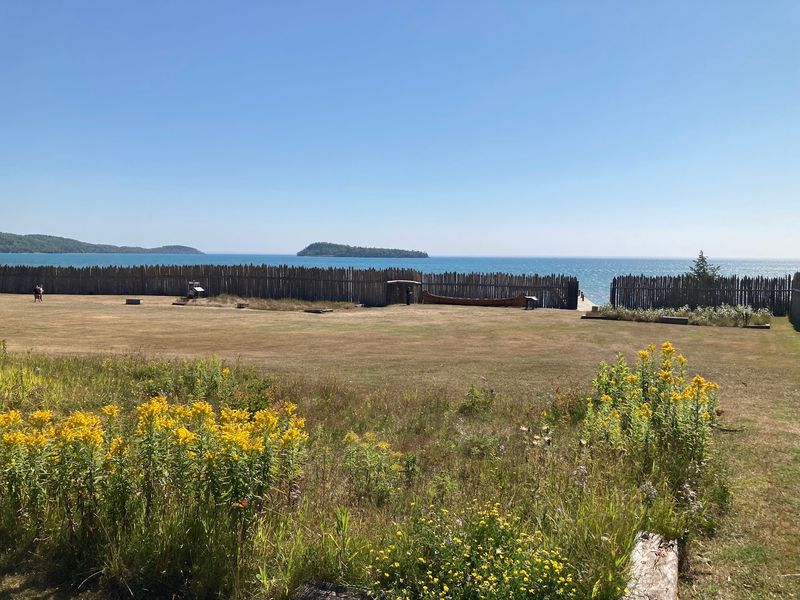
Tall wooden palisade walls rise just down the hill from the heritage center, and stepping through them feels like slipping back a couple of centuries. Visitors explore a life-sized reconstruction of the fur trading post that once stood in this very spot.
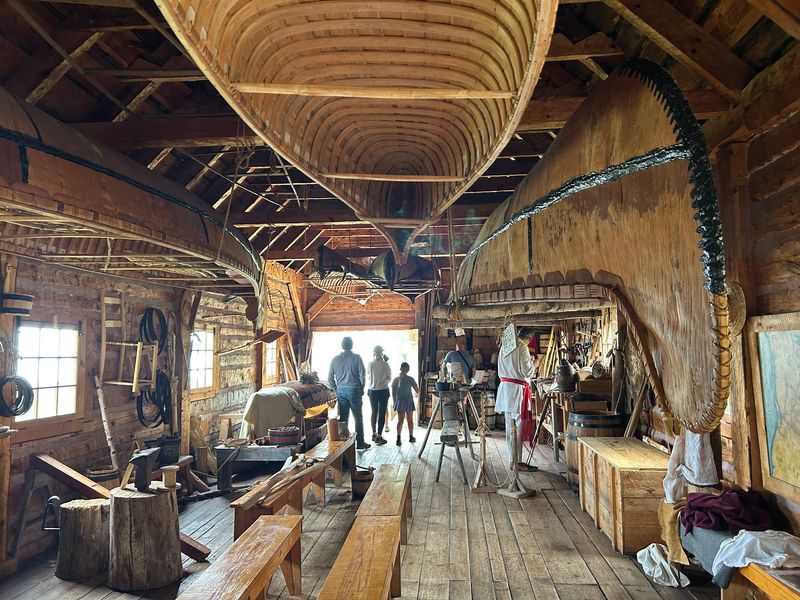
Guests often describe the fort as picturesque, with those striking fences blending right into the landscape. Inside, the historic buildings invite slow wandering, and one person was delighted that you can step off the path to look at everything up close.
A quick heads up for shoulder-season travelers. The trading post may be closed early or late in the year, and one visitor found it shut for the season, though outdoor exhibits around it still held their interest.
Another noted that during a government shutdown the visitor center closed, yet the village grounds stayed walkable. Checking ahead before the drive is a smart move.
Costumed Interpreters Who Bring the Past to Life
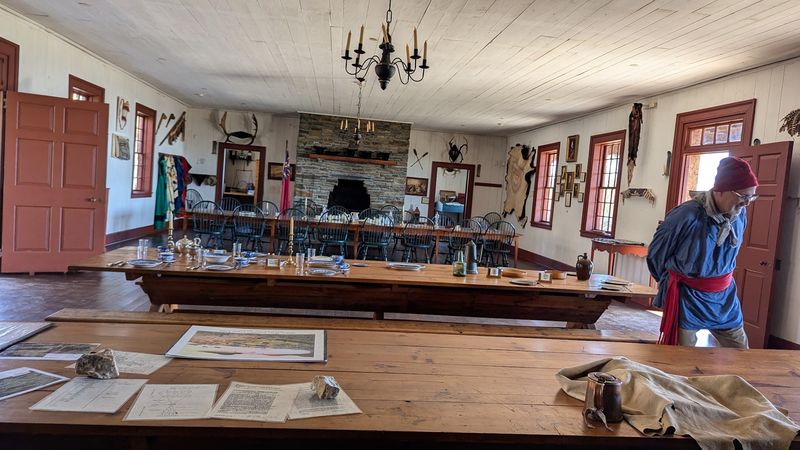
“How did they cook that?” is a question you might actually get answered here, by someone dressed for the 1790s. Interpreters in period clothing are stationed at different points around the grounds, ready to explain how the depot operated and who lived and worked here.
Visitors rave about these encounters. One family watched historical cookies being prepared, which sounds like the tastiest history lesson in the state.
Others call the interpreters the best part of the entire trip.
Like any living history program, the experience can vary a bit. One guest found some reenactors more engaged than others, though they visited just thirty minutes before closing.
The takeaway is simple. Arrive with time to spare, ask lots of questions, and let the storytellers do their thing.
Few museums in Minneapolis or Chicago can hand you this kind of face-to-face connection with history.
Heritage Center Exhibits, Film, and a Moose Gallery
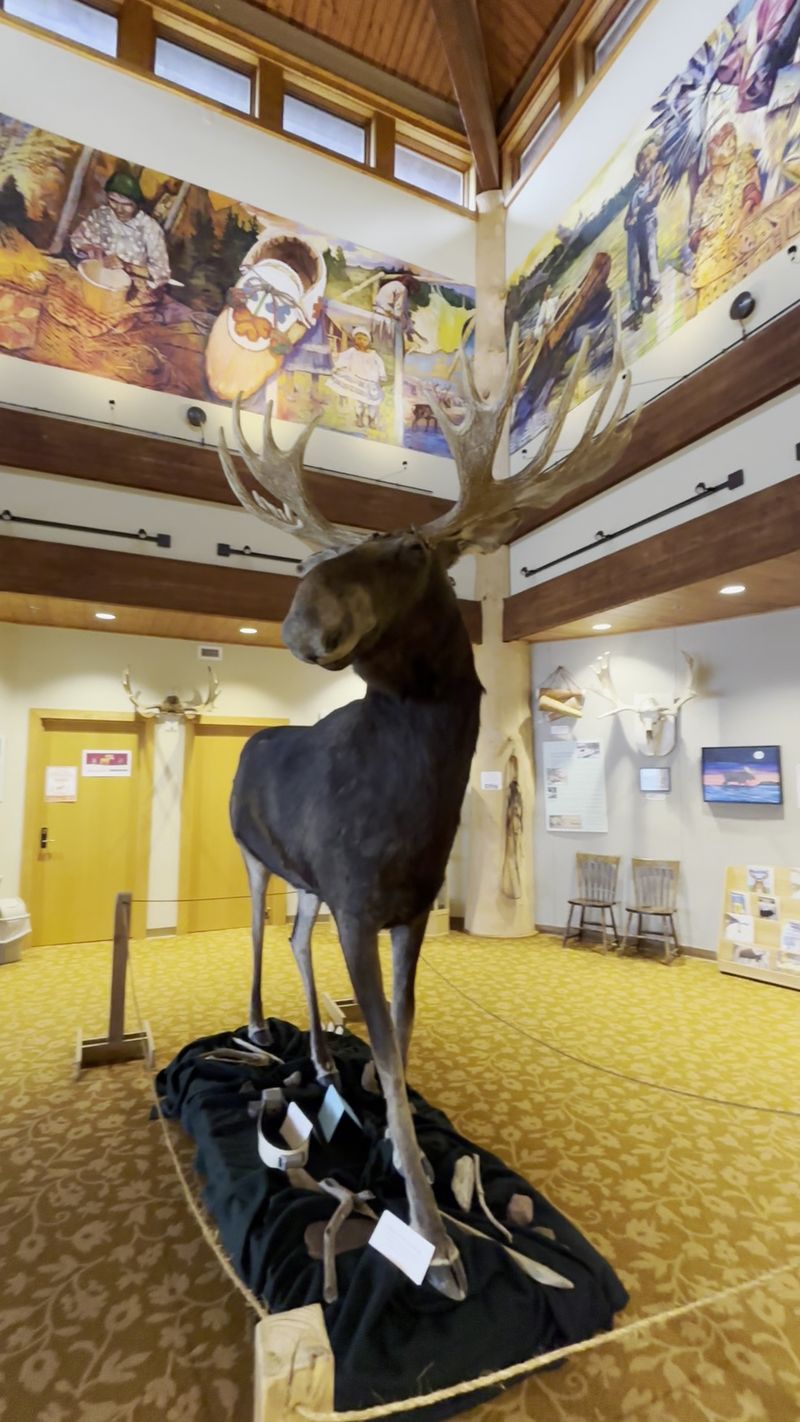
Curators managed something tricky: squeezing an impressive sweep of history into a fairly small space without making it feel cramped. Guests repeatedly mention the visitor center as a trip highlight, packed with artifacts and interactive, hands-on displays.
Start in the theater. A roughly 20-minute film introduces Grand Portage’s history, and visitors almost universally recommend catching it before heading outside.
It sets the scene so the fort makes far more sense later.
Then head upstairs. The second floor holds a gallery focused on moose, those towering residents of Minnesota’s northern woods, and one family could not stop talking about the impressive moose on display.
Exhibits also cover fur trapping, Ojibwe life, and how people endured harsh winters through the ages. A small gift shop rounds things out with plenty of souvenirs, though one collector noted a lack of stickers.
Lake Superior Views, Wildflowers, and a Long Dock
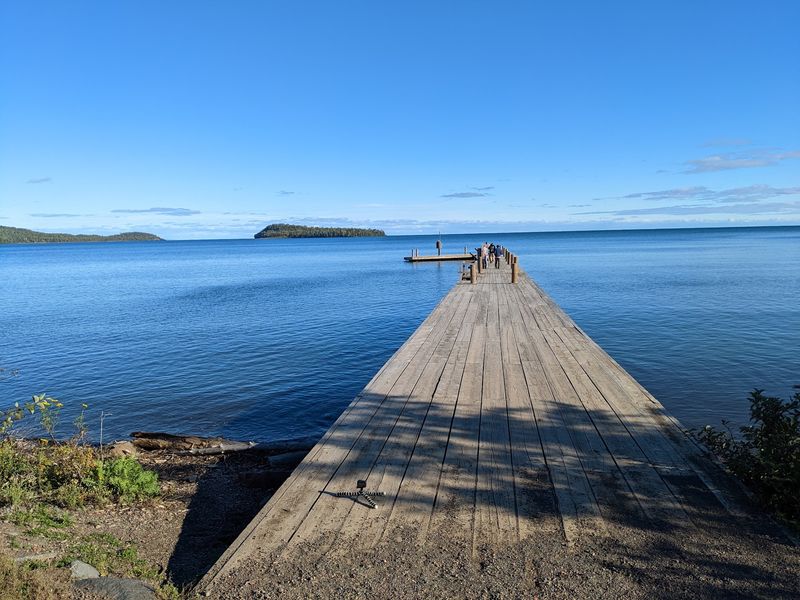
Beauty sneaks up on you here. Several visitors said the wildflowers and lake views alone would have justified the trip, even before counting all the history.
Down by the shore, a large dock reaches out into Lake Superior, giving you a wide-open look at that famously deep blue water. Families enjoy wandering outside the fort walls along the shoreline, where the scenery shifts with every cloud passing overhead.
The setting feels nestled, with the forest wrapping around the grounds and the big lake spreading out ahead. In summer, it is a fresh, breezy escape from city heat.
On cooler days, the gray water and dark pines take on a moody charm that suits a thermos of hot cocoa. Either way, bring a camera.
Minnesotans already know the North Shore is stunning, but this corner shows it off in a quieter, more personal way.
Junior Rangers and Hands-On Fun for Kids
Ask a few families about Grand Portage and you will likely hear a story about a kid getting sworn in. The Junior Ranger program is a real hit, with children working through an activity booklet and then returning to the main building for an official induction.
One volunteer in particular has won hearts. Multiple families described her warm welcome, her enthusiasm with young visitors, and the sweet little ceremony she leads.
That is national park spirit at its finest.
Beyond the badge, there are plenty of hands-on activities and interactive exhibits to keep restless legs busy. Parents appreciate sneaking some learning into a vacation without anyone groaning about it.
Kids get to touch, explore, and meet people in old-fashioned clothes. Grown-ups get a stop that genuinely entertains everyone, which is no small feat on a long North Shore road trip.
Quiet Crowds and Who Will Love It Most
No elbows. No lines.
No jostling for a photo. One visitor described their trip as feeling like a private tour through time, with peaceful views and hardly any crowds, and that sense of calm comes up again and again.
So who should go? History lovers, obviously.
National park passport collectors too, since you can stamp your book here. Families looking for an educational day trip will find it easy, and travelers worn out on pure nature stops will welcome the change of pace.
Guests mention that the monument is thorough without overwhelming, leaving you satisfied rather than exhausted. You can move at your own speed, linger where you like, and skip what you do not need.
Pair it with Fort William across the border, one guest suggested, for an even richer look at the fur trade story from both sides.
Hours, Cost, Parking, and Getting There
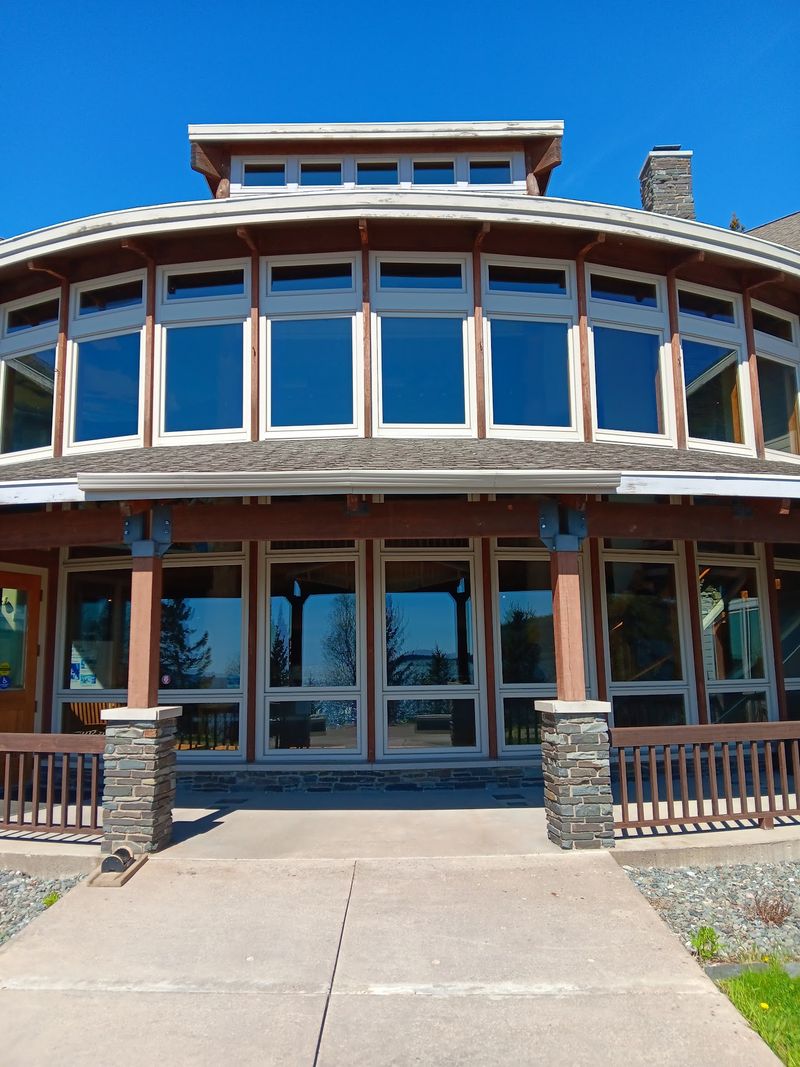
Good news for budget-minded Minnesotans: visitors report it is free to tour, with donations welcome. Many guests encourage chipping in to help keep this special place going for years to come.
Listed hours run 9 am to 5 pm, seven days a week, though seasonal changes may apply, especially for the trading post. Calling +1 218-475-0123 or checking the National Park Service website before you leave is a wise idea.
Find the heritage center at 170 Mile Creek Rd, Grand Portage, MN 55605, right off the North Shore route near the Canadian border. Parking is typically easy, and a picnic area sits right by the lot, so packing a lunch makes perfect sense.
Plan on at least a few hours to watch the film, explore exhibits, and stroll down the hill to the fort and dock without rushing.
Why the Long Drive North Pays Off
Plenty of travelers call this their favorite stop in all of Minnesota, and some even rank it among their top national monuments anywhere. That is quite a statement for a place so many people simply cruise past on the way to Canada.
Consider what you get. Free admission, friendly and knowledgeable staff, a moving story shared with the Ojibwe, a historic footpath, a reconstructed fort, and those sweeping Lake Superior views.
Big-city attractions charge serious money for less.
So next time the North Shore calls, keep driving a little farther. Bring the kids, your passport book, and a picnic.
Grab a friend who loves history and tag them in your plans. Grand Portage proves once again that Minnesota’s quiet corners can hold their own against anywhere, and you may leave feeling like you discovered a secret worth sharing.
Share this story