Delaware’s shoreline has more to offer than two famous beach towns. Head a little north or south and the map fills up with a lightship painted bright red, a World War II bunker buried in the dunes, and a treehouse built from scrap metal.
There are also wetlands where tens of thousands of birds stop each fall, and a museum full of coins pulled from sunken ships. This list covers fifteen stops that fit a rainy day, a bike day, a history day, or a plain old sandy towel day.
Each entry shares real details, like opening seasons, trail lengths, and what is free, so you can plan without guessing. Some stops take an hour and some can fill a weekend.
Pack sunscreen, a curious mind, and maybe a pair of binoculars. The first stop is a huge park where the bay meets the ocean, and it works as a home base for several other places on the list.
1. Cape Henlopen State Park, Lewes, Delaware
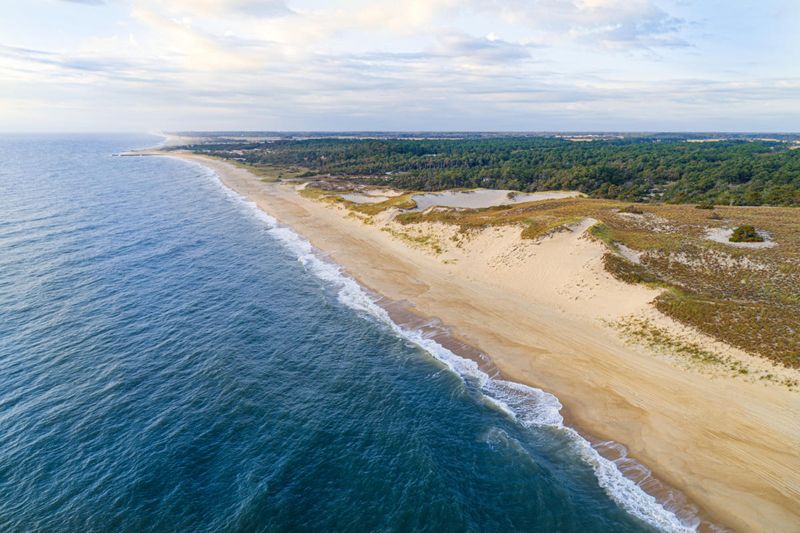
Some parks pick one specialty. This one collected several and never gave any back.
Cape Henlopen covers 5,450 acres where Delaware Bay meets the Atlantic. Land here was set aside by William Penn in 1682, and it became a state park in 1964.
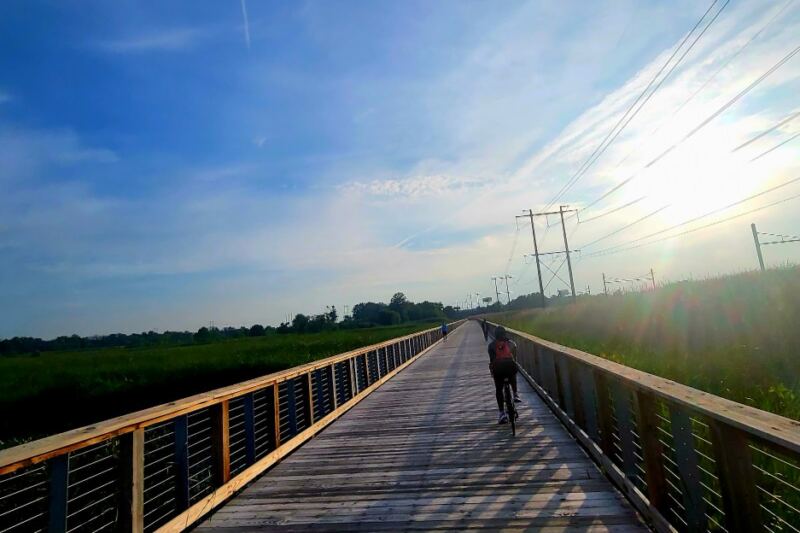
Bike riders get more than 10 miles of trails, including a paved 3.8-mile loop and the 2.5-mile Walking Dunes Trail. Free bikes can be borrowed for two hours at the Seaside Nature Center.
Herring Point draws surfers, while The Point is a favorite for birding. A 24-hour fishing pier reaches into the bay, and camping sites sit among the pines.
Plan a full day. Swim in the morning, pedal after lunch, and save the nature center touch tank for the end.
2. Fort Miles Historical Area, Lewes, Delaware
On May 14, 1945, a German submarine surrendered here. It was the first enemy vessel to give up to U.S. continental forces since the War of 1812.
Fort Miles guarded Wilmington and Philadelphia during World War II, and later took on secret Cold War work. At its peak it housed over 2,000 soldiers and civilians.
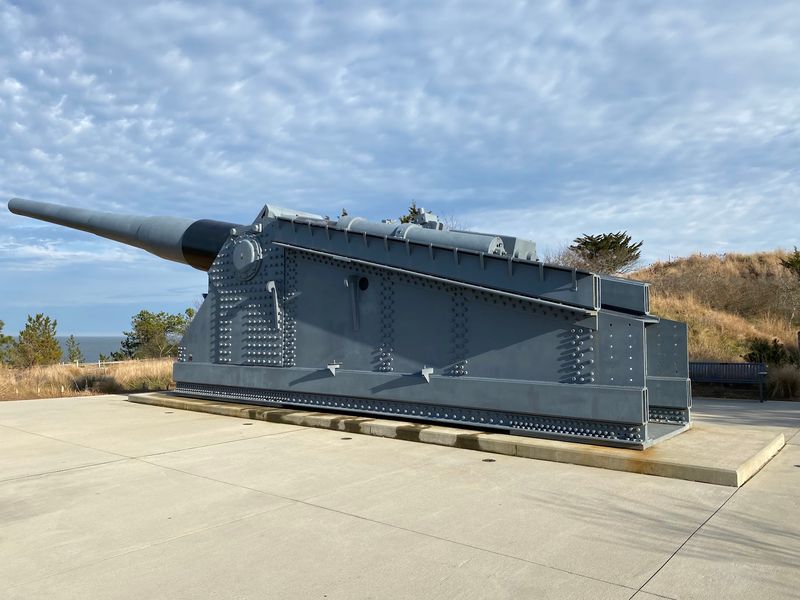
Battery 519 is a 15,000-square-foot underground bunker that now holds the museum. It once held two 12-inch guns that could send a shell more than 17 miles.
Next door, the Artillery Park displays guns in several sizes, and walking tours are offered.
Climb Tower 7 for wide views of the coast. Wear comfortable shoes, since the bunker tours involve a lot of standing.
3. Zwaanendael Museum, Lewes, Delaware
A slice of Dutch town hall landed in Lewes in 1931, and nobody has asked it to leave.
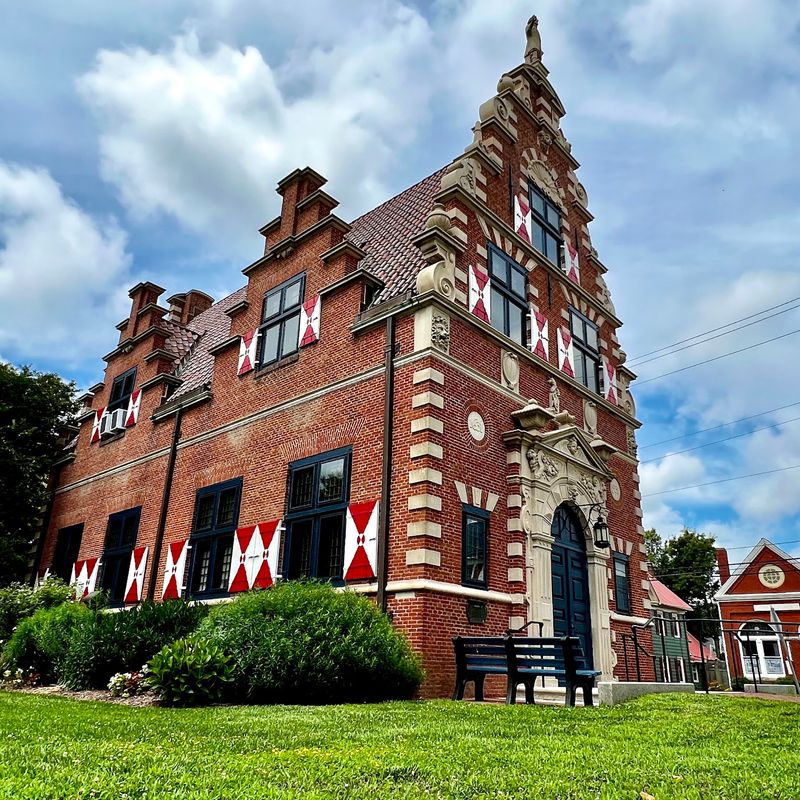
The building copies the town hall in Hoorn, the Netherlands. It honors Swanendael, the first European colony in Delaware, founded by the Dutch in 1631.
Look up to spot the sandstone statue of David Petersen DeVries, plus carved stone and decorated shutters. The colony itself lasted only a short time after a misunderstanding with Native people.
Inside, exhibits cover Sussex County’s maritime, military and social history. One odd favorite is the Fiji merman, a monkey head sewn onto a fish body in the 1800s.
Admission is free, and the first floor is wheelchair accessible. Budget about an hour.
4. Lightship Overfalls, Lewes, Delaware
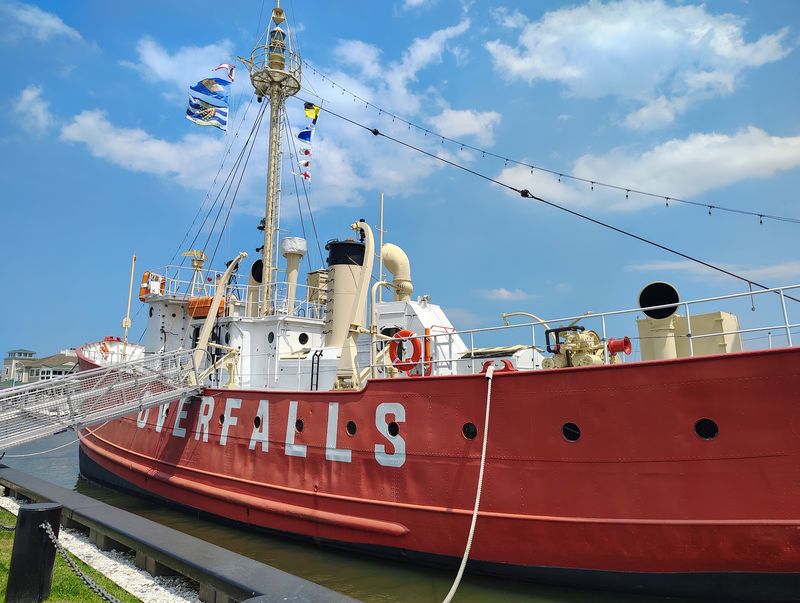
Out of 179 lightships built between 1820 and 1952, only 17 are still around. Lewes has one of them.
Launched in 1938, the red vessel served at stations off Connecticut and Massachusetts. It was retired in 1972 after storm damage and later renamed Overfalls, after the station near the mouth of Delaware Bay.
Volunteers formed the Overfalls Foundation in 1999 and restored the ship piece by piece. It earned National Historic Landmark status in 2011.
Tours go above and below deck, often led by volunteers or Navy veterans. You will see how sailors lived on a floating beacon with foghorns and lamps.
The nearby American Lightship Museum adds more history. Check the seasonal tour schedule before you go.
5. Lewes CanalFront Park, Lewes, Delaware
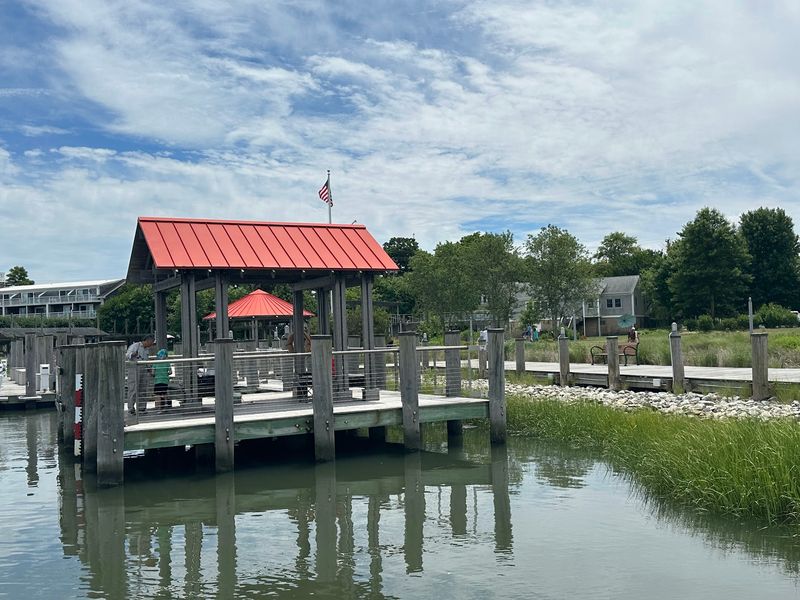
Bring a picnic and a slow schedule. This three-acre park was built for both.
Dutch settlers launched ships from this spot in 1631, and the modern park opened around 2009 to link the historic town with its waterfront.
A cedar boardwalk follows the canal, and a 19-slip marina has floating docks. There is a fishing pier, plus a ramp for kayaks and canoes.
On land you will find a village green, native gardens, shade arbors, tennis courts that double for pickleball, and a boat-themed playground.
Free movies, plays and the Concerts by the Canal series fill the summer calendar. Parking is a 28-space metered lot, so arrive early on event days.
6. Prime Hook National Wildlife Refuge, Milton, Delaware
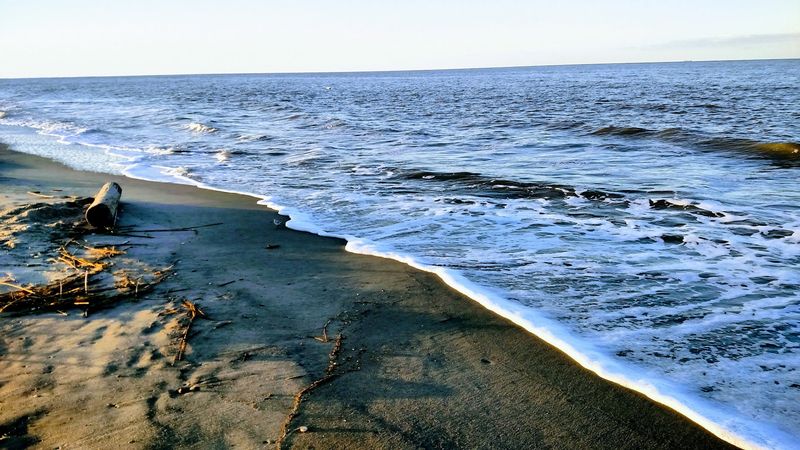
Up to 100,000 snow geese can pass through here in one fall migration.
President Kennedy established the refuge in 1963. It now protects over 10,000 acres of marsh, wooded swamp, grassland and forest along Delaware Bay.
Birders have logged more than 245 species. May is strong for shorebirds and warblers, and autumn brings big flocks of waterfowl.
The Boardwalk and Dike Trails are easy half-mile loops with observation platforms. The 1.4-mile Blue Goose Trail is a tougher option through fields and forest.
Paddlers can follow a 7-mile canoe trail along Prime Hook Creek. Fowler Beach closes seasonally to protect nesting piping plovers.
Admission is free, and the visitor center has wildlife displays.
7. Dogfish Head Milton Brewery, Milton, Delaware
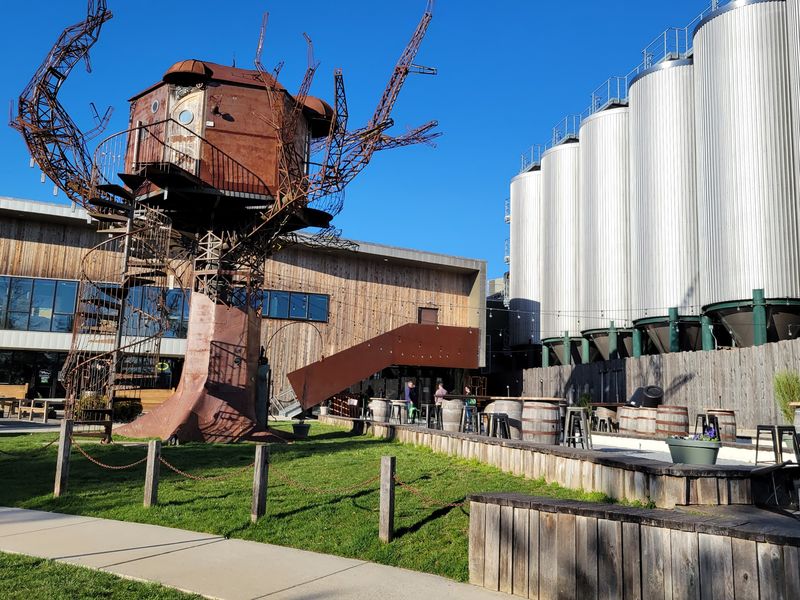
A 40-foot treehouse made of steel and salvage greets you in the parking area. It first appeared at Burning Man in 2007 and moved here in 2010.
Artist Sean Orlando and his crew built it in a Victorian style inspired by Jules Verne. Visitors can admire the outside, while the inside is used by staff for meetings.
The company began as a Rehoboth Beach brewpub in 1995. Most production moved to this converted cannery of 100,000 square feet in 2002.
The free 25-minute Quick Sip Tour shows the brewhouse. The hour-long Off-Centered Tour adds packaging and research areas.
The kitchen serves pizzas, salads and wraps, and the shop sells merchandise. Live music runs on select days.
8. DuPont Nature Center, Milford, Delaware
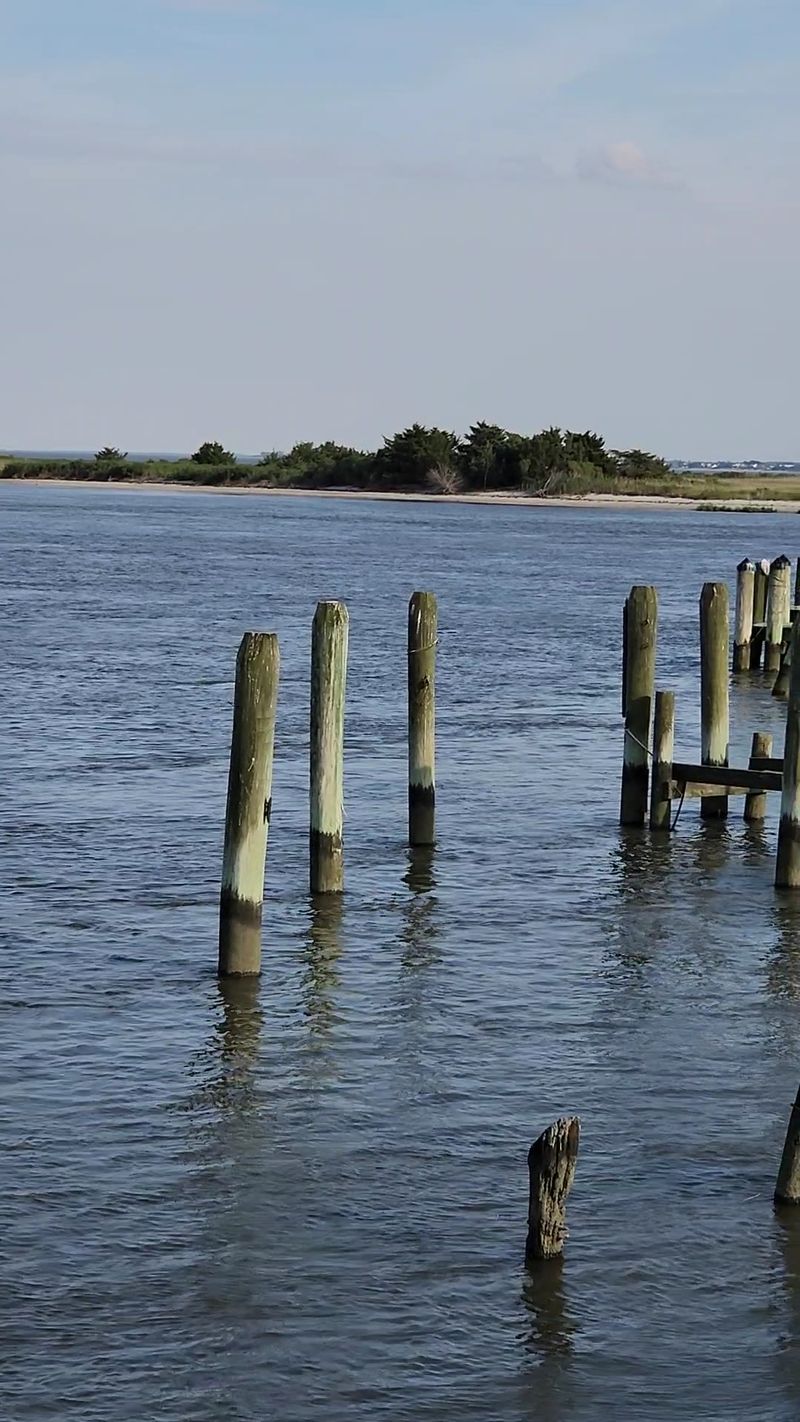
Every spring, thousands of shorebirds crowd this harbor for a horseshoe crab egg buffet.
The center sits where the Mispillion River and Cedar Creek meet Delaware Bay. Federally threatened red knots are among the birds that stop to feed.
Inside, aquariums hold live horseshoe crabs, fish, shellfish and terrapins. A remote camera and a 42-inch screen let you watch the shoreline from indoors, and live cameras follow nesting ospreys.
The outdoor deck has spotting scopes and stays open from dawn to dusk all year, even when the building is closed.
Programs run April through September, and the Peace, Love, and Horseshoe Crab Festival happens in May. Admission is free.
9. Mispillion Riverwalk, Milford, Delaware
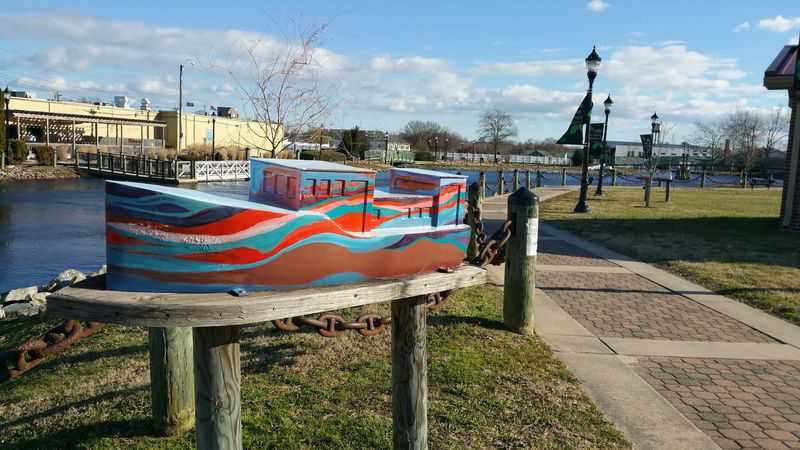
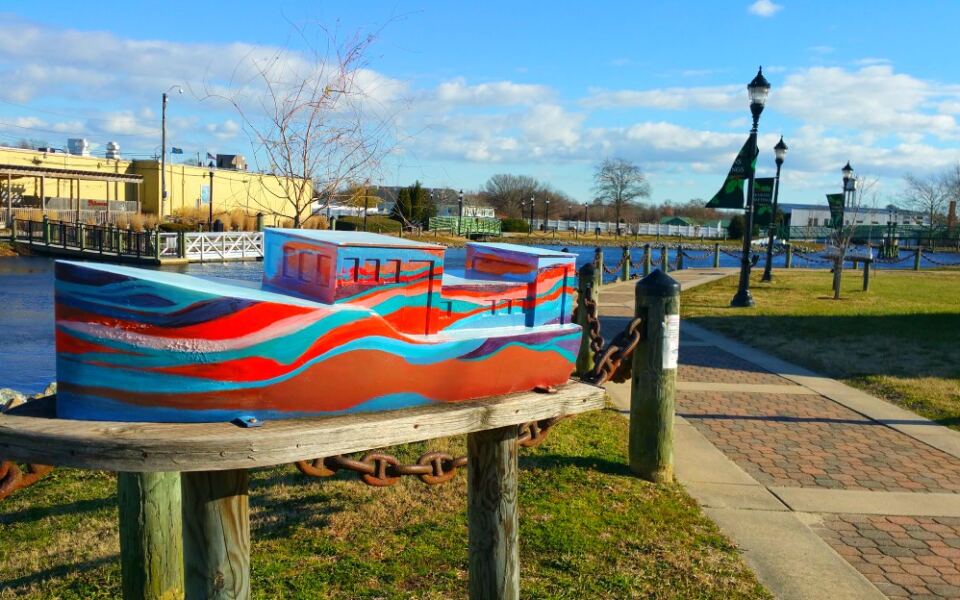
Eighteen decorated sculptures based on a classic yacht called Augusta line this path.
Milford once had seven shipyards, and the riverwalk tells that story through markers and signs. The path runs along both banks of the Mispillion, connecting parks, landmarks and downtown streets.
Near Goat Island, it turns into the Gary L. Emory Nature Trail, a boardwalk of roughly half a mile.
Eagles, otters, deer and foxes are sometimes spotted here, though the surface is not ideal for bikes.
Shops, Gallery 37 and the Riverfront Theatre sit a short walk away.
The Riverwalk Farmers Market runs from May to early December. Park at Bicentennial Park or along Denny Row.
10. Abbott’s Mill Nature Center, Milford, Delaware
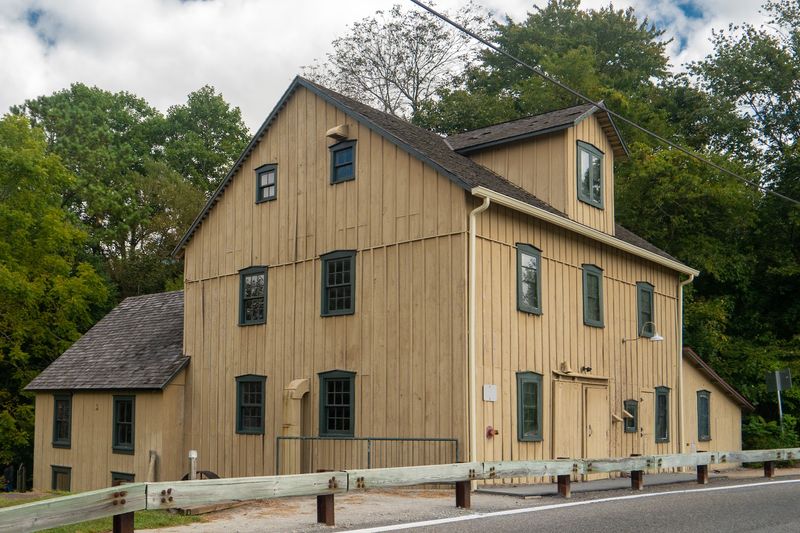
A grain mill that ran until 1960 still stands beside the pond. It was first built in 1795 and rebuilt after a fire in the early 1800s.
Inside are four floors of original machinery, including the Oliver Evans Grain Elevator system. A small working model on the second floor explains how the milling worked.
Tours are offered on the third Saturday of each month from March to November, but check for repair pauses.
The preserve covers 376 acres of woods, wetlands and meadows. Leashed pets are welcome on trails, and a wheelchair-accessible boardwalk follows a stream to a picnic area.
The 20-acre pond allows paddling and fishing. Trails are open daily from dawn to dusk.
11. Delaware Seashore State Park, Delaware Coastal Region
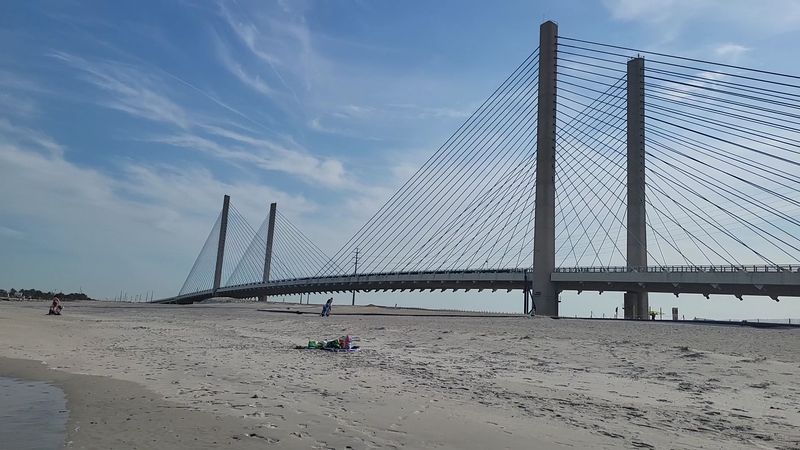
Most drivers cross this park at highway speed. Slow down, because it packs in six miles of ocean shoreline and twenty miles of bay shoreline.
Opened in 1965, the park has two ocean swimming areas with bathhouses and concession stands. Surfers head north of the Indian River Inlet, and the calmer bays suit windsurfing and sailing.
The Charles W. Cullen Bridge has pylons 247.5 feet high and a 12-foot path for walkers and bikers.
Fishing and photography are popular here.
Nearly seven miles of trails include a Burton’s Island nature trail. Campgrounds sit on both sides of the inlet.
The restored 1876 Life-Saving Station serves as the visitor center. Beach wheelchairs and Mobi-Mat are available.
12. Holts Landing State Park, Dagsboro, Delaware
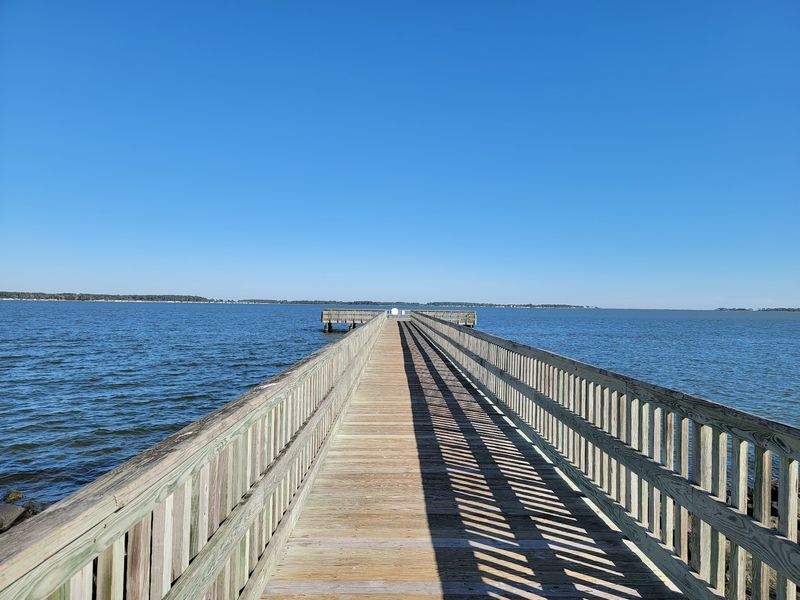
Nobody here is racing you to the water. The pace is slow, and the itinerary is optional.
The park spans 194 acres on Indian River Bay. Its 200-foot pier is set up for fishing and crabbing, with spot, croaker, flounder and bluefish among the catches.
A public boat ramp serves powerboats and sailboats, and the calm bay works well for kayaks and paddleboards.
The Sea Hawk Trail runs about 2 miles through fields and hardwood forest, with bay views and frequent sightings of ospreys, herons and egrets.
Picnic areas have tables and grills, and there is a playground. Shellfish beds attract clammers when open.
A vehicle fee usually applies from March 1 to November 30.
13. James Farm Ecological Preserve, Ocean View, Delaware
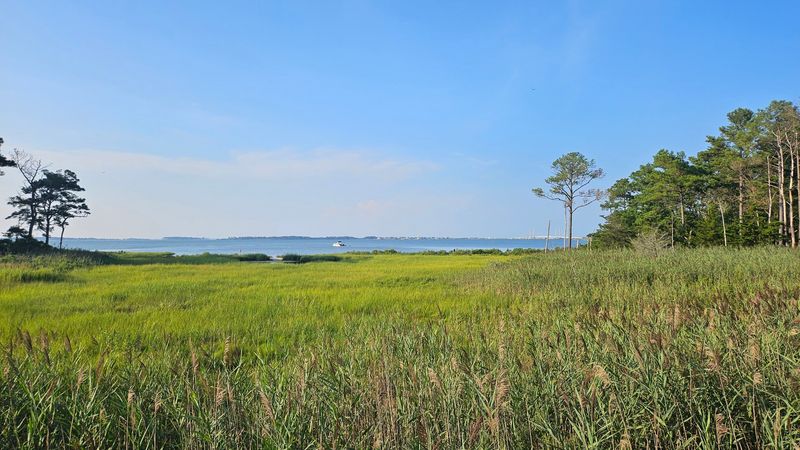
Close to busy beach towns, yet hardly anyone seems to know about it.
The 150-acre preserve is owned by Sussex County and managed by the Delaware Center for the Inland Bays. More than three miles of flat trails cross maritime forest, freshwater wetlands and salt marsh.
Boardwalks span the delicate marsh, and overlooks give views of ospreys, eagles, herons and egrets. Signs explain the plants and animals along the way.
The trail ends at a bayside beach with calm water, good for wading, fishing or crabbing. A public kayak launch is available.
Educational programs and summer camps run here, and entry is free.
14. Fenwick Island State Park, Fenwick Island, Delaware
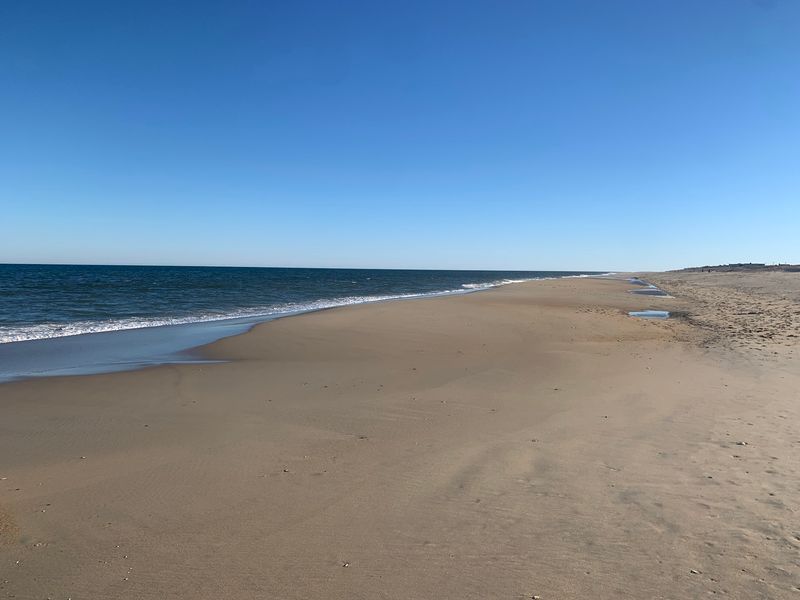
Sometimes the best plan is a towel, a cooler and three miles of sand.
The park sits at the southern end of Delaware’s barrier islands, with far less development than the boardwalk towns. Lifeguards watch the swimming areas in summer.
Surf fishing is allowed in designated spots, and vehicles with a valid permit can reach certain beach sections.
On the west side, Little Assawoman Bay offers kayaking, paddleboarding and clamming. A boat launch gives access for small craft.
Bathhouses have showers and changing rooms. Picnic areas, beach wheelchairs and Mobi-Mat help with accessibility.
Expect a vehicle entry fee, with annual passes for regular visitors.
15. DiscoverSea Shipwreck Museum, Fenwick Island, Delaware
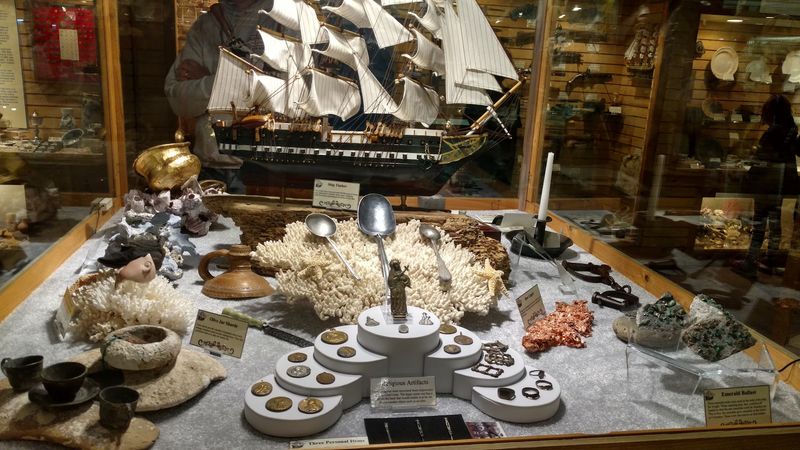
Gold doubloons in a beach town sound made up, but here they are, above Sea Shell City.
The private museum is curated by Dale Clifton. It holds artifacts recovered from wrecks off Delaware and around the world.
Cases show Spanish reales, pieces of eight, jewelry, ceramics, weapons and navigation tools from the 16th to the 20th centuries. Each display explains the ship and how it was found.
Local wrecks get plenty of space, including the Faithful Steward, lost off the Delaware coast in 1785.
Staff share stories readily, so ask questions. It is a good rainy-day backup, and admission is charged with rates for adults and children.
Share this story