Some of the best afternoons in Massachusetts cost nothing at all. Tucked behind a quiet brick facade sits a museum where Monet, Van Gogh, and Picasso share space under a glass roof that pours daylight into every floor.
Most people stroll right past it on their way to somewhere else. Stick around, because this free stop might become your new favorite rainy-day secret.
A Free Treasure Across From Harvard Yard
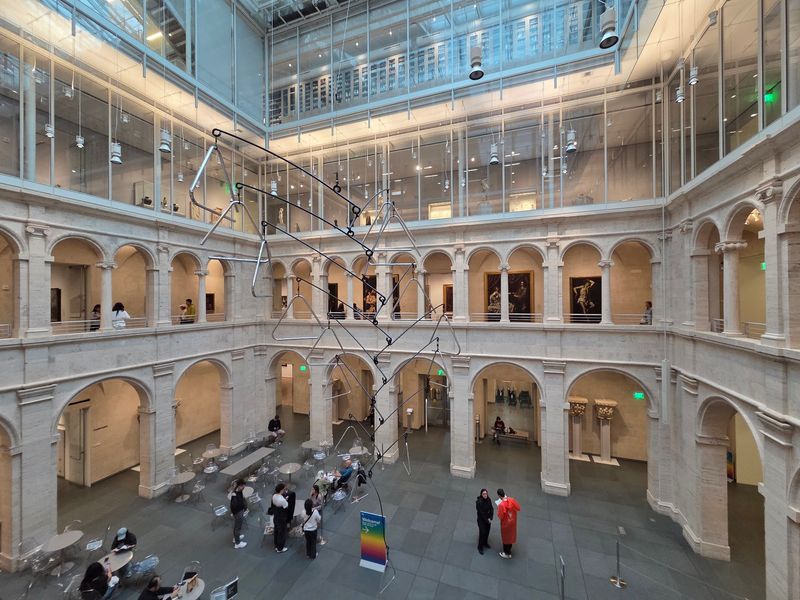
Right across the street from Harvard Yard, a short walk from Harvard Square, sits the Harvard Art Museums at 32 Quincy St, Cambridge, MA 02138. It is the kind of place locals mention quietly, almost as if they want to keep it to themselves.
Admission is free every day the doors are open, a policy in place since June 2023. That alone sets it apart from many paid museums in the area.
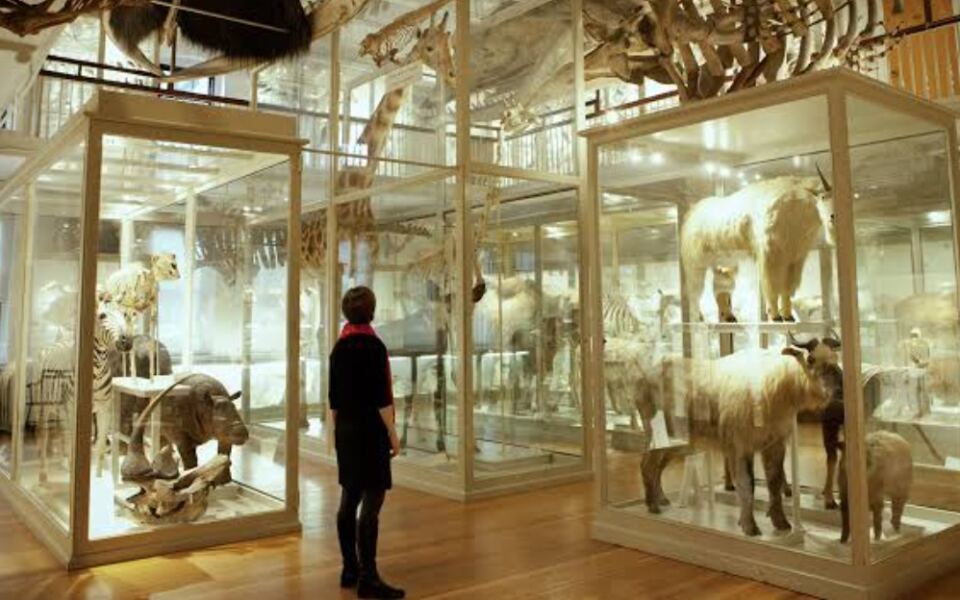
The museum is Harvard’s oldest, and its collection covers European and American art from the Middle Ages to the present day. Works from Asia, North Africa, and the ancient Mediterranean round things out.
Spread across several floors, the galleries hold famous names that usually come with a hefty ticket price. Here, the only cost is your time.
For anyone in Greater Boston hunting for a low-effort outing with a big payoff, this address deserves a spot near the top of the list.
Three Museums Sharing One Roof
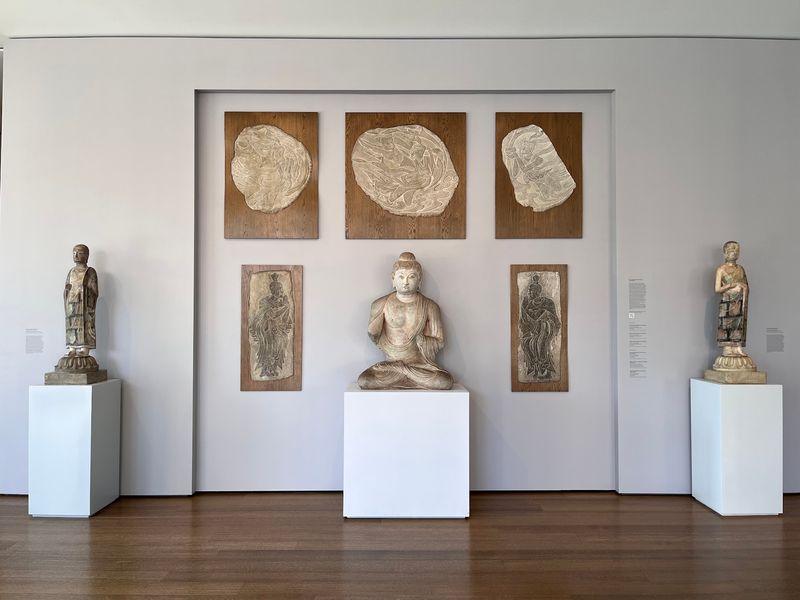
Three collections, one building, zero admission fee. The Harvard Art Museums actually bring together the Fogg, the Busch-Reisinger, and the Arthur M.
Sackler Museums under a single roof.
Each has its own personality. Together, they create a journey that crosses continents and centuries without ever leaving Cambridge.
The Fogg carries the European and American story. The Busch-Reisinger leans into German art, a strength that surprises many first-timers.
Asian treasures and antique relics add yet another layer.
Bundling everything into one elegant space makes the visit easy to manage. There is no need to cross campus or juggle separate entrances.
Many guests find the building bigger than expected, yet it still feels like the right size for a few relaxed hours. The galleries are not packed wall to wall, which lets each piece hold its own.
Quality clearly wins over quantity in how the collection is displayed.
Daylight From a Renzo Piano Ceiling
Here is the headline feature: a central atrium topped with a glass ceiling that floods the building with natural light. Even on gray, drizzly Massachusetts days, the interior stays bright.
The design comes from famed architect Renzo Piano. Architecture fans often treat the building itself as one of the exhibits.
The courtyard at the heart of the main floor offers tables and wide views up through the surrounding levels. A small cafe sits there too, making it an easy place to pause between galleries.
There is a bonus for design lovers. Next door stands the only Le Corbusier building in the United States, and the museum gives a chance to peek over at it.
So a single trip delivers two architectural landmarks for the price of none. Not a bad trade for a casual afternoon wander.
Monet, Van Gogh, and Famous Company
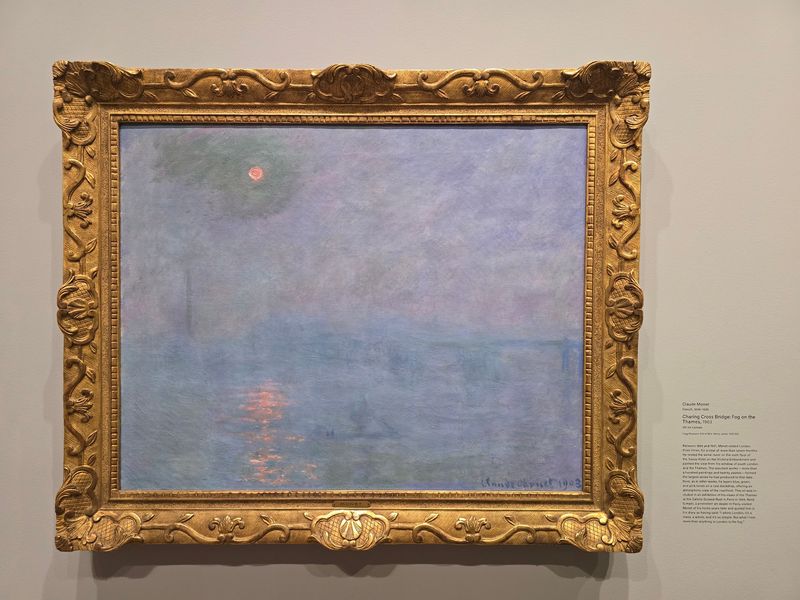
Monet gets the title billing, but he hardly hangs alone. The impressionist and post-impressionist galleries rank among the most talked-about rooms in the building.
Van Gogh’s self-portrait draws steady attention. Works by Renoir, Picasso, Kandinsky, and Klimt also appear across the collection, along with Gustave Moreau’s haunting Apparition.
Seeing these names in a free museum still feels a little unreal. Many guests head straight for the impressionist section and call it the highlight of their day.
Special shows add even more reason to return. An Edvard Munch exhibit has drawn plenty of buzz, and a Celtic exhibit was on view in spring 2026.
Modern and contemporary pieces fill other rooms. Opinions on those run hot and cold, which honestly makes for fun conversation on the walk home.
Either way, the range means nearly everyone finds a favorite.
Greek Vases and Ancient Wonders Upstairs
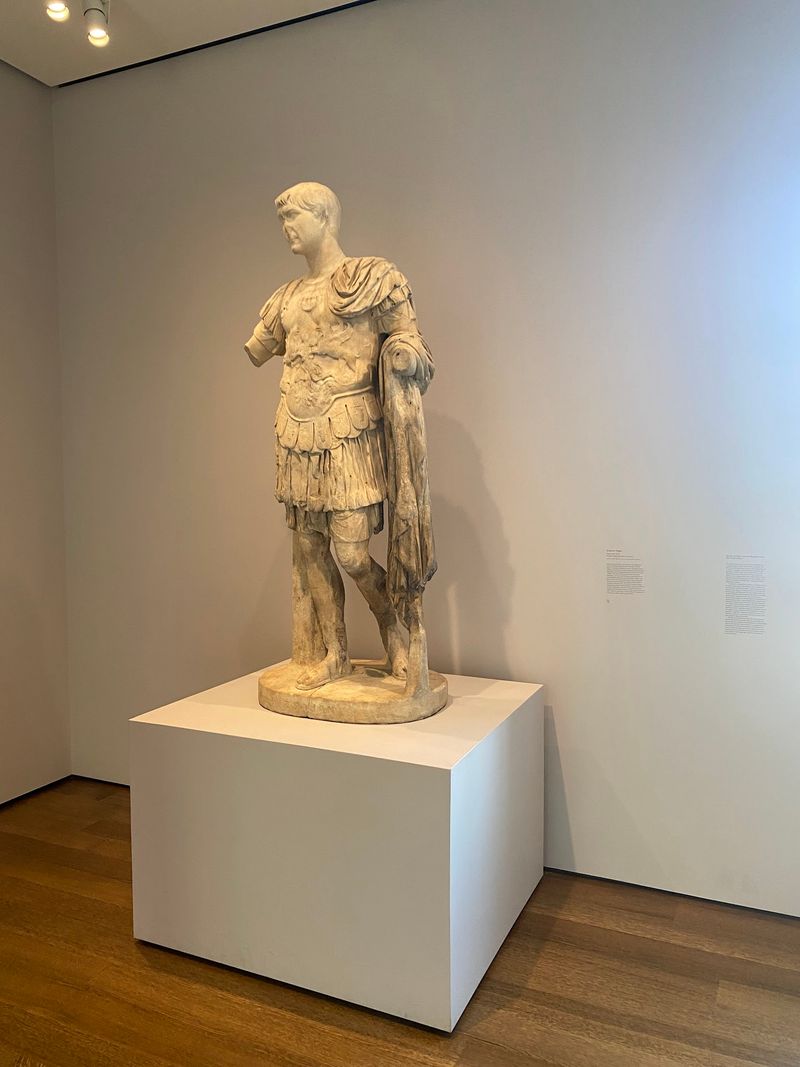
Plenty of people come for the painters and leave talking about pottery. The Ancient Mediterranean and Middle Eastern collection holds some of the museum’s most impressive material.
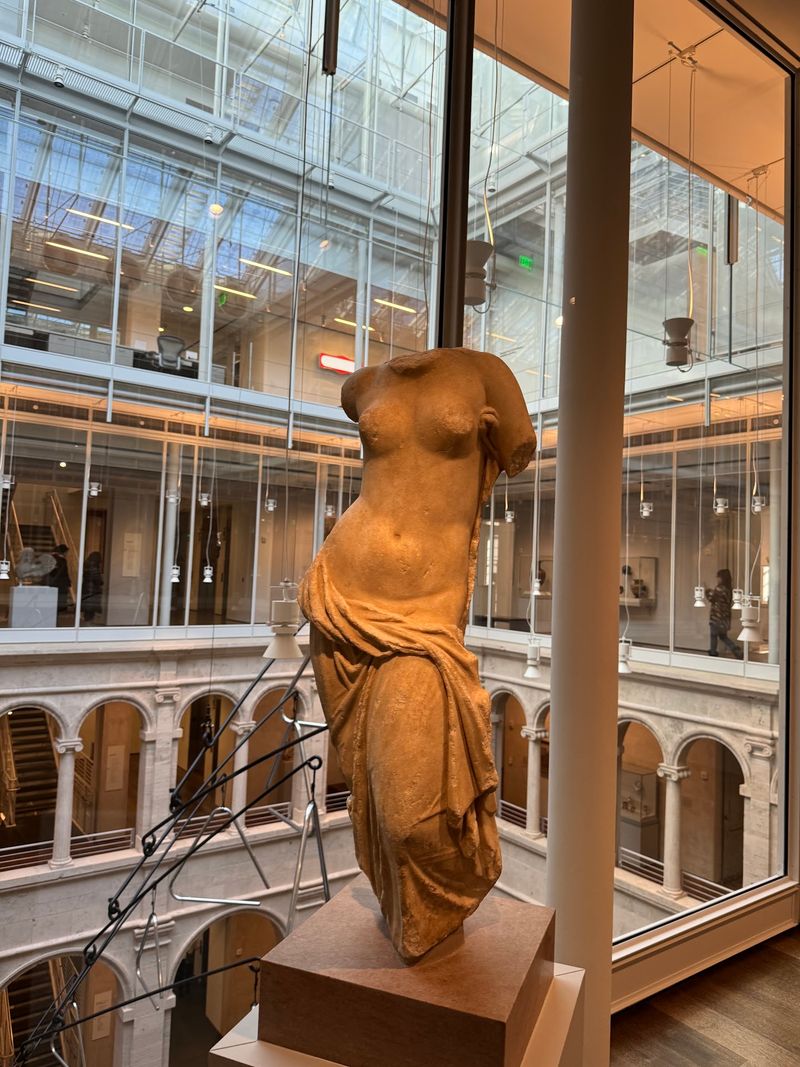
Greek marble figures, sculptures, and coins fill the space. The real stars are the painted vases, both red-figure and black-figure, showing mythological scenes and everyday ancient life.
Curators have arranged the pieces with clear care. Each case offers a small window into the foundations of Western history.
Beyond Greece, the collection stretches back across cultures spanning tens of thousands of years. Etruscan art and antique Asian relics broaden the picture even further.
Wall text and displays help explain the stories behind the objects. That makes these rooms a solid fit for curious kids and history buffs alike.
Give them extra time, because rushing through would be a missed opportunity.
Scavenger Hunts, Strollers, and Family Ease
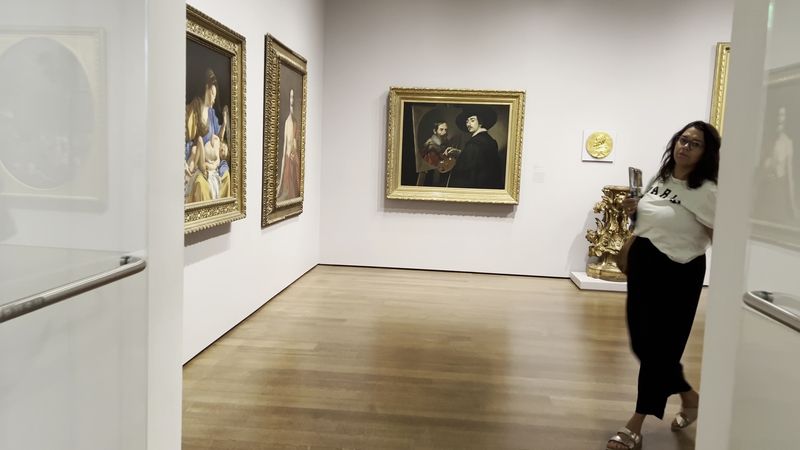
Kids and art museums do not always mix, yet families keep coming back here. The secret weapon is a little thing called the kids scavenger hunt.
Young explorers move floor by floor looking for specific pieces. Parents often find their children studying every room instead of begging to leave.
Little ones get help too. The museum offers umbrella strollers for small children to use inside the galleries.
Comfort details make a long visit easier. Well-placed seats let tired legs rest, the building is air-conditioned, and restrooms and water fountains are easy to find.
Staff earn steady praise for being friendly, helpful, and informative at check-in. Classes sometimes take place in the building, since it is part of the university, so a bit of chatter may drift through.
Even when busy, the galleries rarely feel uncomfortably crowded, which matters a lot with kids in tow.
Hours, Lockers, and Getting There
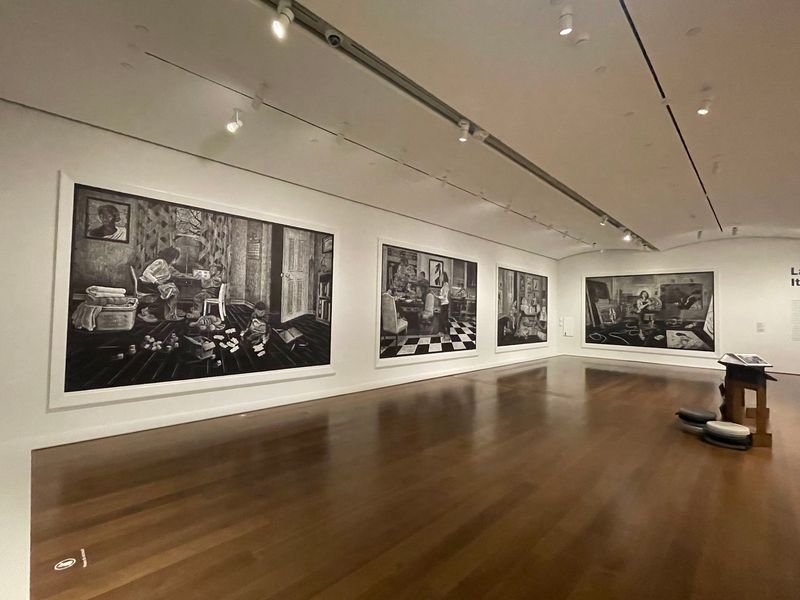
Planning is refreshingly simple. Doors open Tuesday through Sunday from 10 am to 5 pm, and the museum is closed on Mondays.
Weekdays tend to be calmer. Sundays can get crowded, so a Tuesday or Wednesday visit may offer more breathing room.
Bags, purses, and umbrellas can be stored for free in lockers on the lower and ground levels. The basement also has seating, tables, and a free phone charging station.
The top two floors serve as study and research areas. Focus on the first three floors, where the main galleries live.
Parking is not provided, so public transit or walking from Harvard Square makes the most sense. A gift shop and small eating spots round out the practical perks.
Bring comfortable shoes and a flexible schedule. A few hours works well, though art lovers could easily stay all day.
Worth the Trip to Cambridge
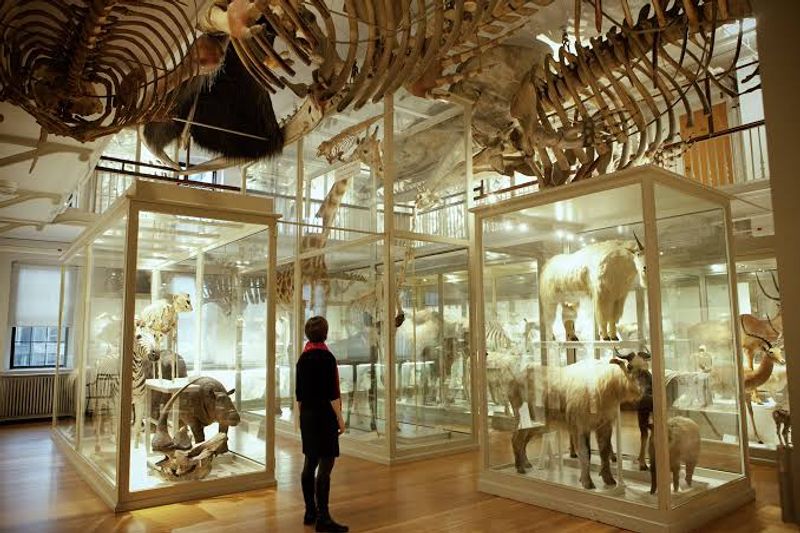
Free art rarely comes this good. Between the Renzo Piano atrium, the impressionist rooms, and those remarkable Greek vases, the Harvard Art Museums deliver far more than expected.
It works as a quick stop after touring Harvard Square. It also works as a full-day outing for anyone who loves art.
Fall makes a fine time to go. Leaves turn along Quincy Street, and the sunlit galleries offer a cozy escape on chilly or rainy afternoons.
Events like the Harvard Arts Festival, with live music, add extra energy during certain times of year. Special exhibits rotate too, so repeat trips keep paying off.
Locals who live within easy reach have the biggest advantage. Masterpieces sit just a train ride away, waiting under that glass roof.
Tell a friend, or maybe keep this one between you and Monet for a little while longer.
Share this story