Some of the best places in South Carolina hide behind a plain park sign you have driven past a dozen times. You pull in expecting a quick stretch of the legs, and suddenly you are standing in the footprint of a whole lost town.
Crumbling walls, a lonely brick tower, and quiet river views make you hungry to know who lived here and why they left. Grab some cash and your curiosity, because this little stop has big stories to tell.
A Lost Town on the Ashley River
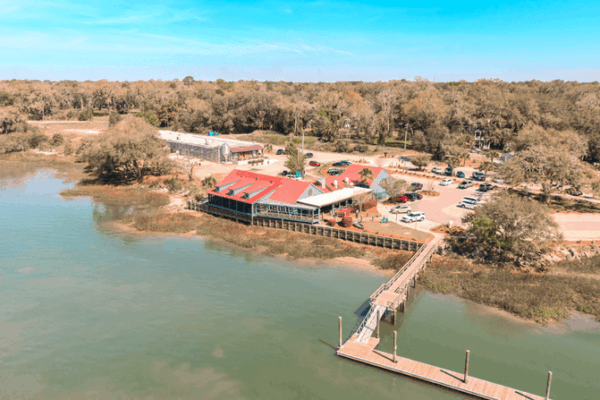
Tucked off State Park Road in Summerville, Colonial Dorchester State Historic Site protects the remains of a colonial-era settlement right along the Ashley River. It is a state park, but think of it less like a playground and more like an open-air history book.
The site holds original ruins, archaeological digs, and paths that let you stroll where a busy trading town once stood. Visitors often describe it as a hidden treasure, the kind of place they passed for years before finally turning in.
Once inside, the scale surprises people. You are not just looking at one old building.
Instead, you are walking across the outline of an entire community that has slowly faded into grass, trees, and riverbank. It sits close enough to Charleston for an easy side trip, yet it feels miles away from city noise, which is a big part of its charm for many guests.
Roots of a 17th-Century Trading Post
Long before Summerville had shopping centers, settlers chose this bend of the Ashley River to build a trading town. Its story stretches back to the late 1600s, and the remains here span that early period into later colonial times.
Why here? Many guests say the answer becomes obvious once they arrive.
The setting is lovely, with water nearby and wide open ground, and more than one visitor has remarked that they could easily see why people settled on this spot centuries ago.
Some structures still standing partially date to the era of the Revolutionary War. That layering of time is what makes the site fun to explore.
One moment you are reading about early traders, and the next you are picturing soldiers behind thick walls. The town eventually emptied out, leaving behind just enough to spark your imagination and plenty of questions for the ranger.
Walls Made of Oyster Shell Tabby
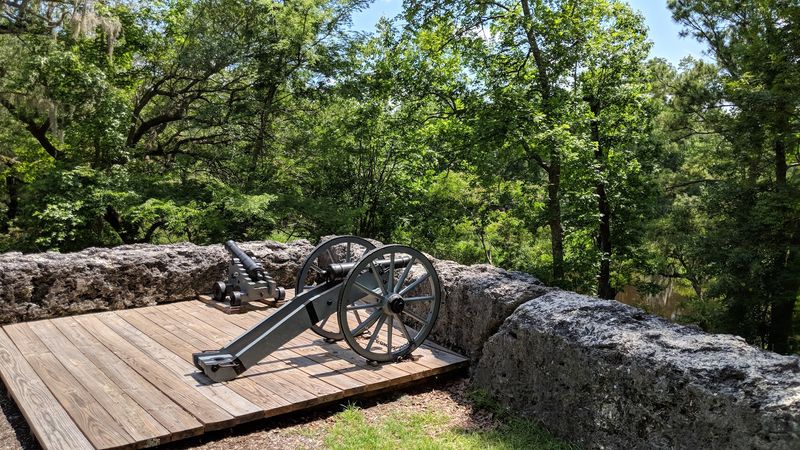
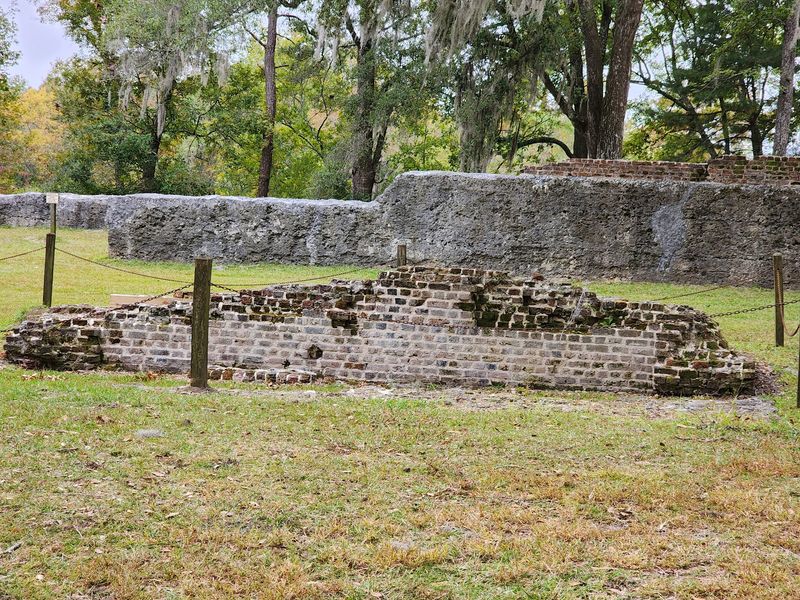
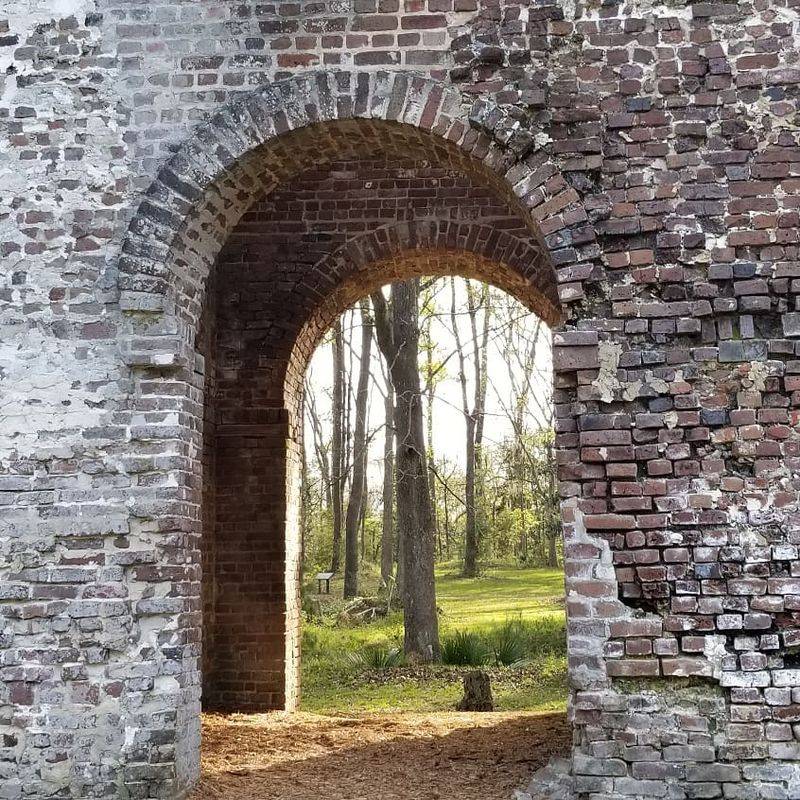
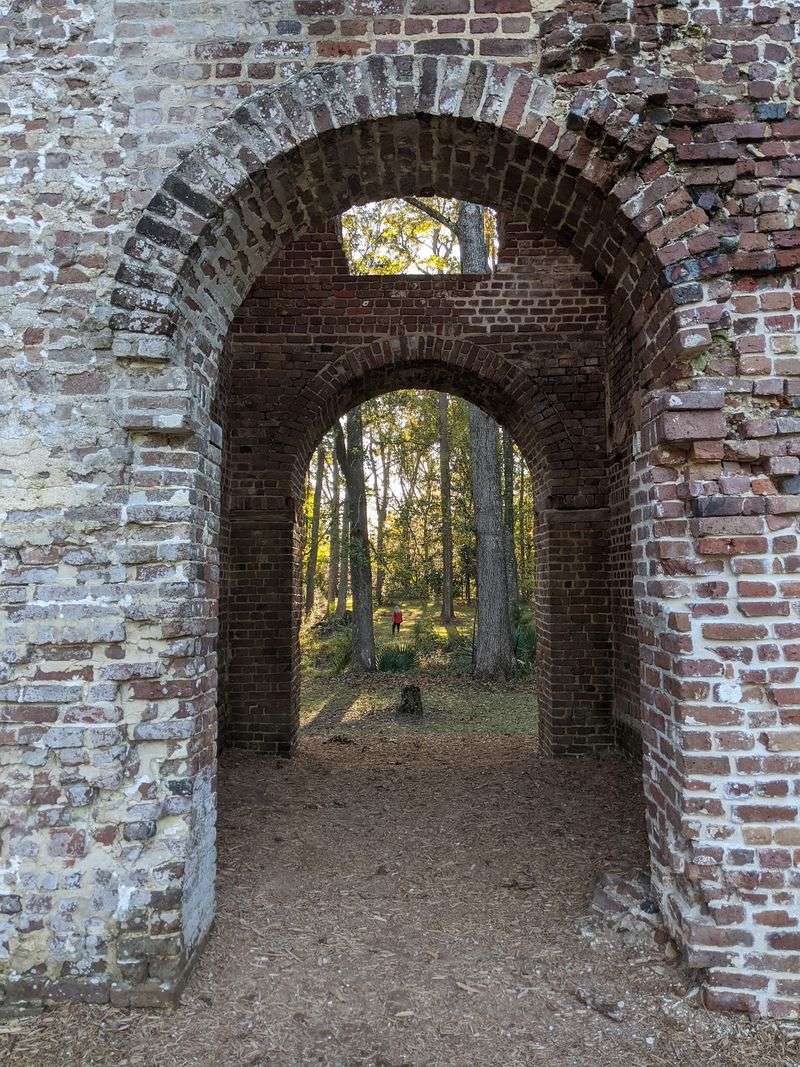
Run your eyes along the fort walls and you will notice something odd. Tiny bits of shell poke out everywhere.
That is tabby, a colonial building material made with oyster shells, and it is the star of the show for many visitors.
The tabby fort remnants are among the most talked-about features of the park. Guests call them amazing and say it is fascinating to see what is left of a fort built this way.
The ruins are well preserved, so you get a real sense of their thickness and shape.
Fun fact for kids: tabby was a coastal favorite because oyster shells were easy to find near the water. Standing beside these walls, it is easy to imagine how sturdy they felt when new.
Bring your camera, because the rough texture photographs beautifully, especially when the afternoon light hits it from the side.
St. George’s Lonely Bell Tower
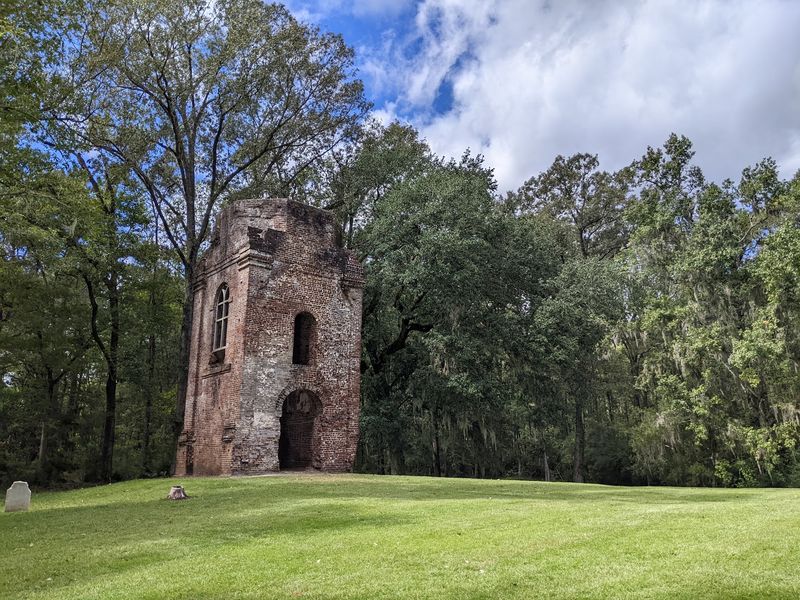
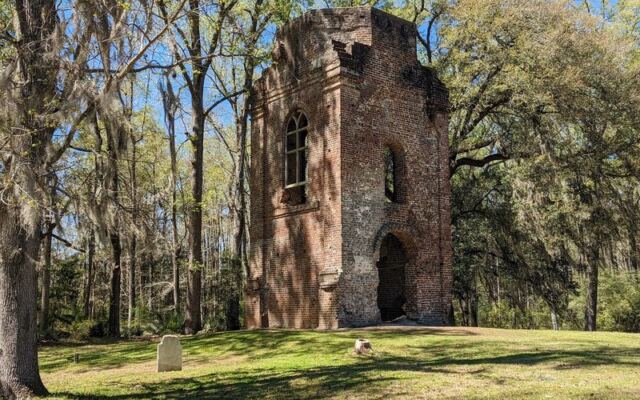
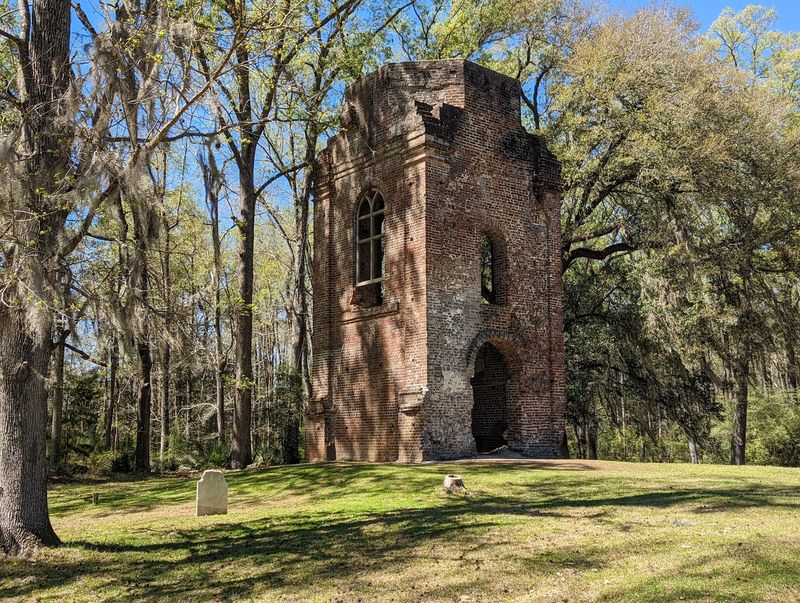
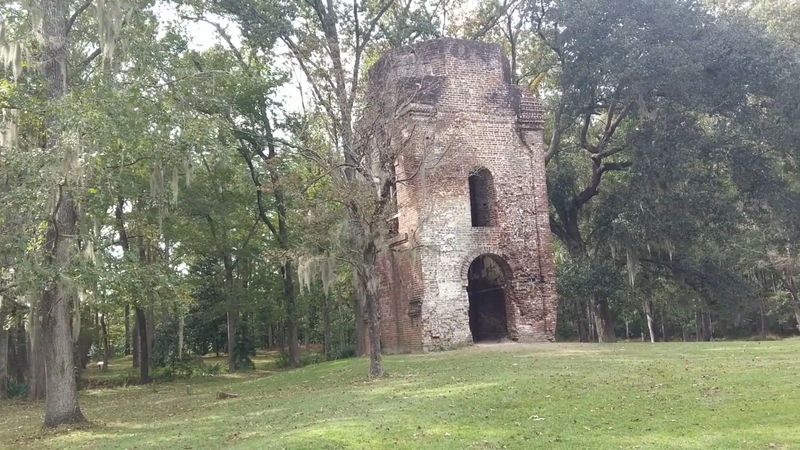
Picture a brick tower rising alone among the trees, its church long gone. The ruins of St. George’s Bell Tower are often called iconic, and once you see them, you will understand why.
The tower once belonged to the town church, and today it stands as one of the clearest reminders that a real community gathered here. Visitors frequently list it alongside the fort as a highlight, and families say it ranks among the most memorable sights of the day.
There is something quietly dramatic about it. No bells ring now, yet the structure still pulls your gaze upward.
Photographers love framing it against the sky, while history fans enjoy imagining Sunday mornings when townspeople walked over for services. Take a slow lap around the base, read the nearby signs, and let the silence do some of the storytelling for you.
Headstones Full of Personal Stories
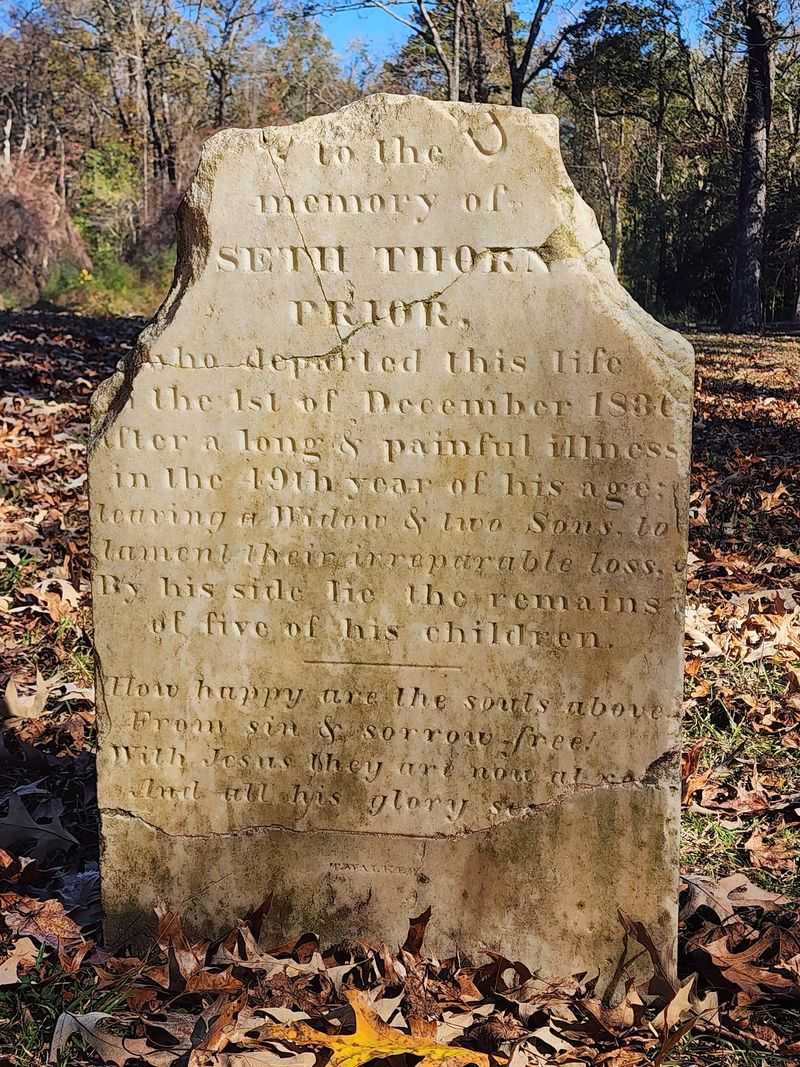
Old stone markers have a way of making history feel personal. The small cemetery at Colonial Dorchester is one spot where guests tend to slow down and linger.
Visitors describe reading the headstones as one of the most fascinating parts of the trip. The names and dates offer a glimpse into the lives of the people who once called this town home, turning a list of facts into real neighbors and families.
It is a peaceful corner, shaded and calm. Kids who might yawn at a plaque often perk up here, trying to read the worn carvings and guess how old they are.
Please walk respectfully and stay on paths, since these are genuine historic markers. Many guests say this stop adds a human connection that the walls and tower alone cannot provide, and it often becomes the moment people talk about on the drive home.
Signs, Plaques, and a Handy Diorama
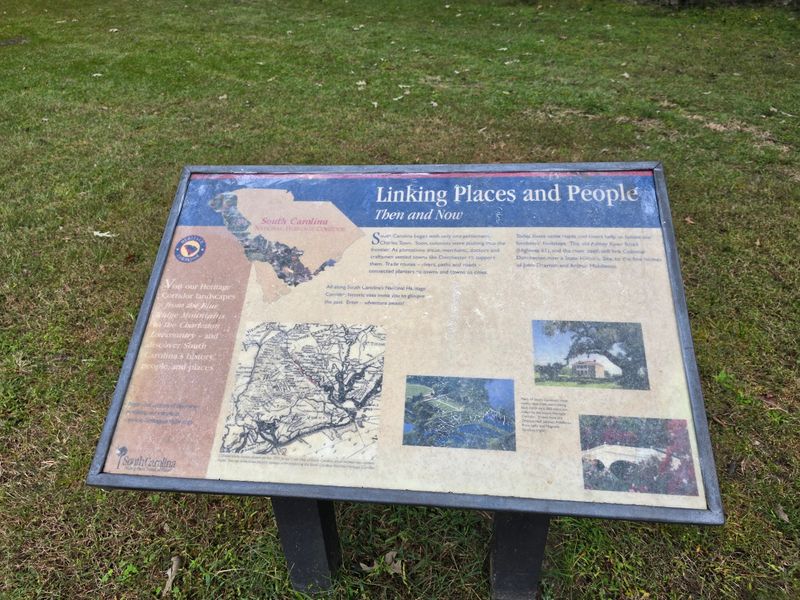
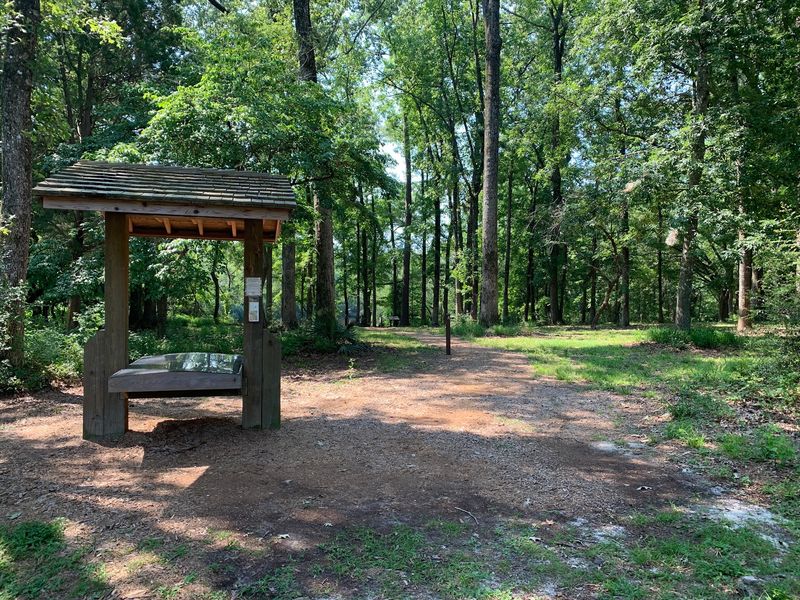
Good signage can make or break a history site, and here it shines. Guests regularly praise the interpretive plaques posted along the way, calling them clear, helpful, and easy to understand.
Each sign offers a short read, so nobody gets stuck under a wall of text. Together they explain what you are looking at and how the pieces of the town fit together.
A favorite extra is a neat diorama showing what the settlement looked like at its peak. Seeing the full layout in miniature helps you picture the empty ground filled with buildings and people.
Several visitors say they left having learned quite a bit, even on a short visit. For younger readers or anyone new to colonial history, these displays work like a friendly tour guide who never gets tired of answering the same question twice.
Self-Guided Loop From the Parking Lot
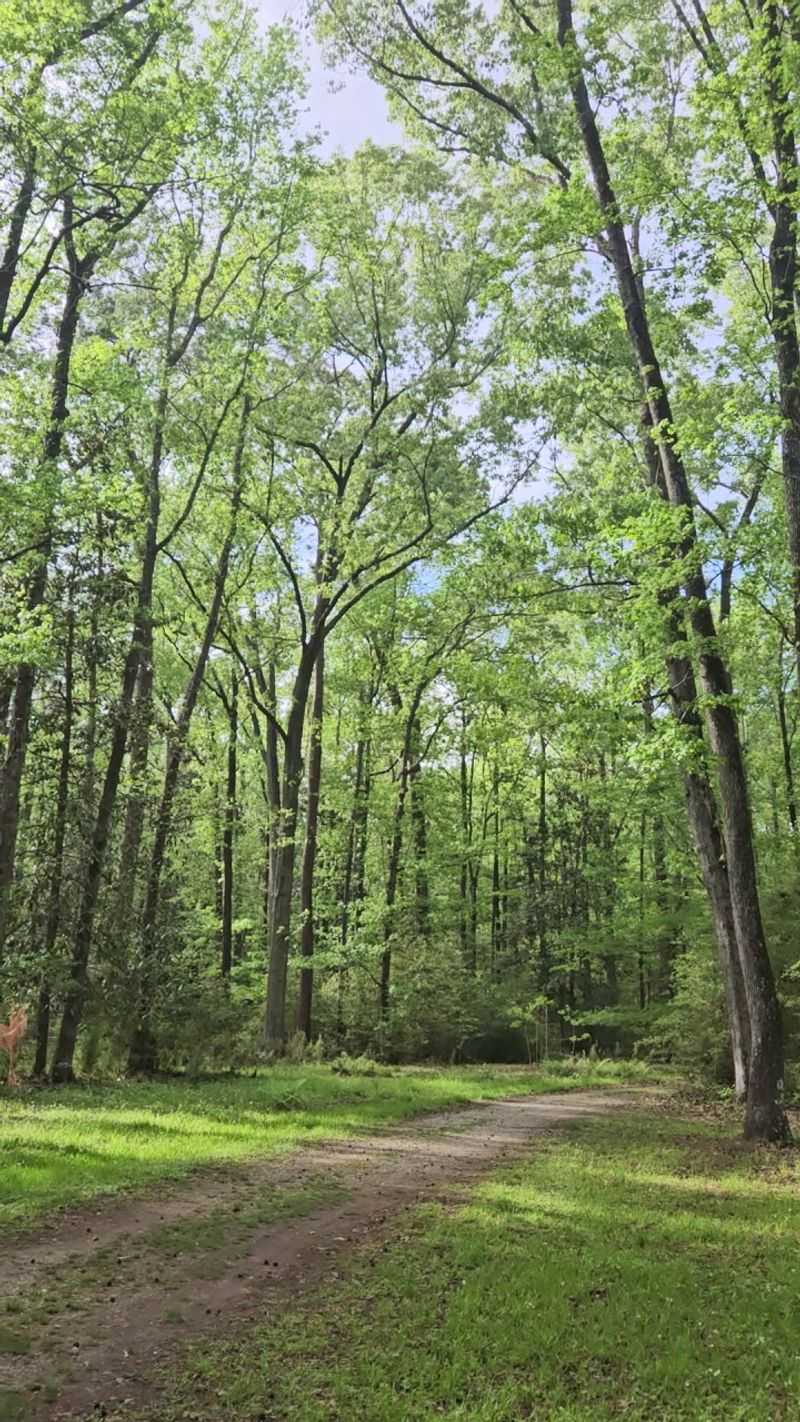
Getting around is refreshingly simple. Start at the parking area, grab the guide map available there, and follow the signs as they lead you from stop to stop.
The self-guided tour is one of the most mentioned features, and guests describe the walking trail as easy to follow. One visitor noted the printed guide was packed with great information, pairing nicely with the signs along the route.
There is also a short hiking trail through the woods. Most people find it gentle, though one guest called it moderate, so wear decent shoes.
The whole loop works at your own pace, whether you want to read every word or simply wander and soak in the scenery. No tour schedule, no rush, just you, a map, and centuries of history waiting around each bend of the path.
Rangers Who Bring the Past to Life
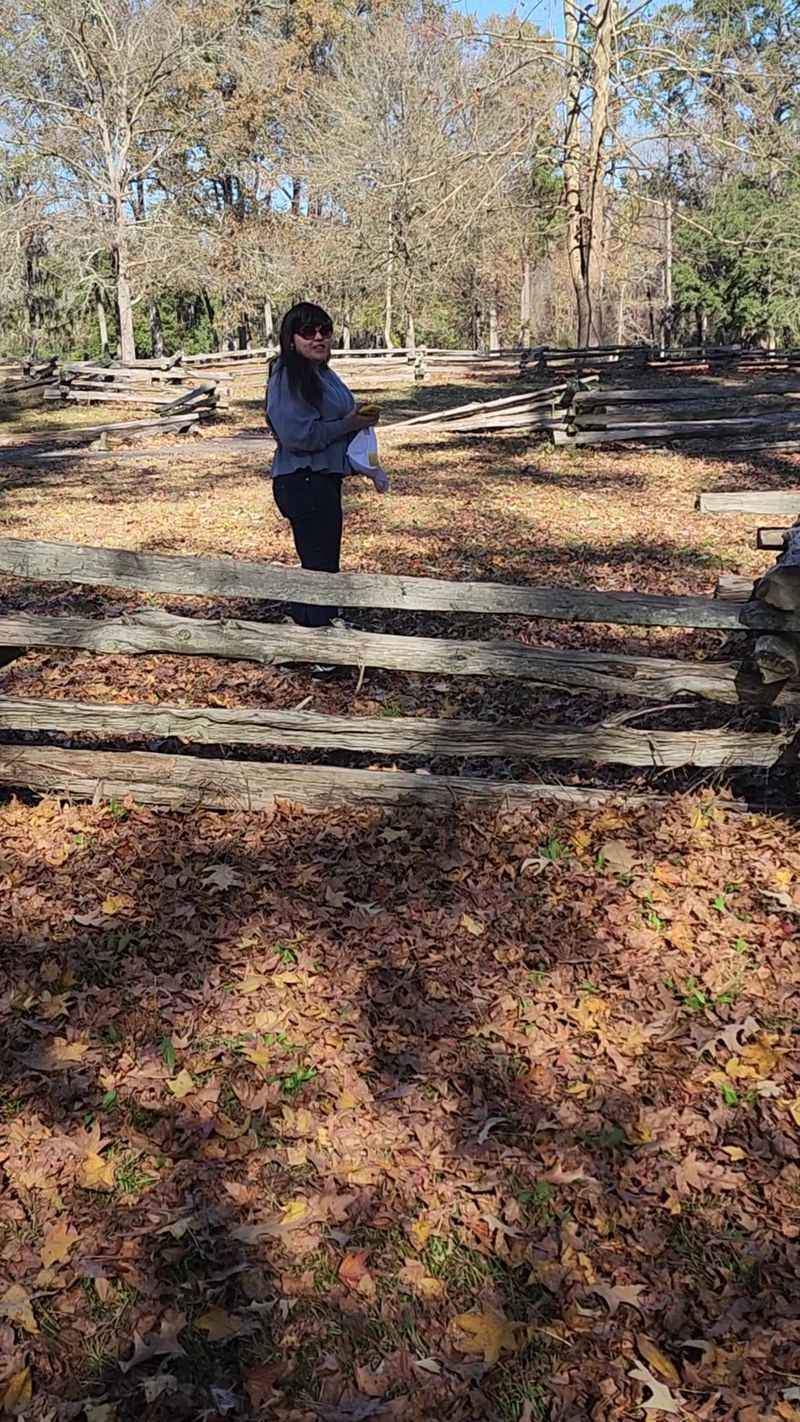
Luck into a ranger on duty and your visit can go from good to unforgettable. Guests rave about the staff here, describing them as knowledgeable, warm, and genuinely excited to share the story of the town.
One family shared how a ranger gave them a personal, in-depth tour, patiently answering every question from their curious son. Others mention staff members offering helpful details along the trail, and some visitors enjoyed a special ranger-led hike on the first day of the year.
Topics can range from the tabby structures to the archaeological excavations, explained in ways no sign could match. Staff are not always stationed out front, since visitors note there is often no gate or ranger at the entrance.
If you spot one, though, say hello. Their passion for preserving this piece of South Carolina heritage really shows.
Riverside Nature and Wildlife Sightings
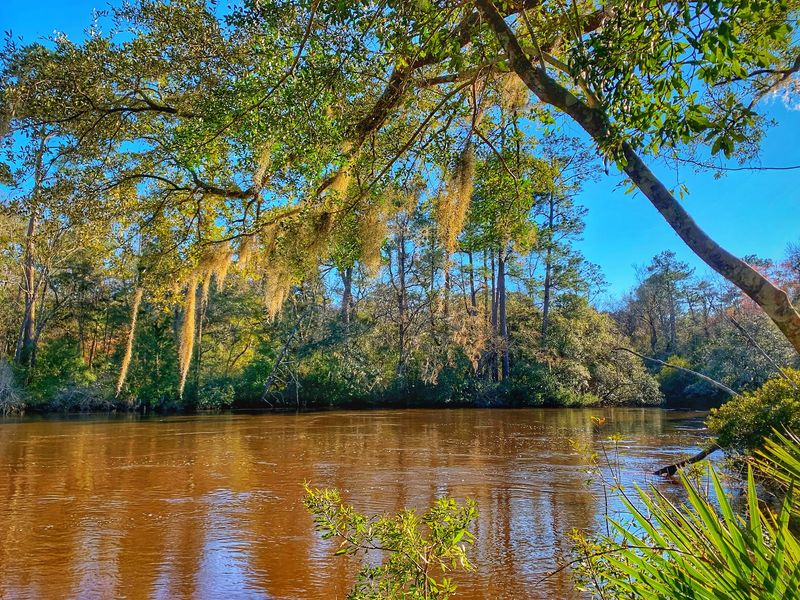
History is only half the draw. Plenty of folks show up simply for the outdoors, and the riverside setting makes that easy to understand.
Walking trails run near the Ashley River, and the scenery is described as beautiful, scenic, and nature filled. One guest who visited on a Saturday noticed many people there just to enjoy the natural surroundings rather than the ruins.
Keep your eyes open while you stroll. Visitors mention spotting wildlife during their trips, which adds a nice surprise for kids and nature lovers alike.
The woods and open fields offer lots of acres to roam, so you can find a quiet patch to sit and listen to birds. On a pleasant weather day, many say the park feels especially lovely, with sunlight filtering through branches and the river slipping quietly by.
Picnic Tables and Peaceful Breaks
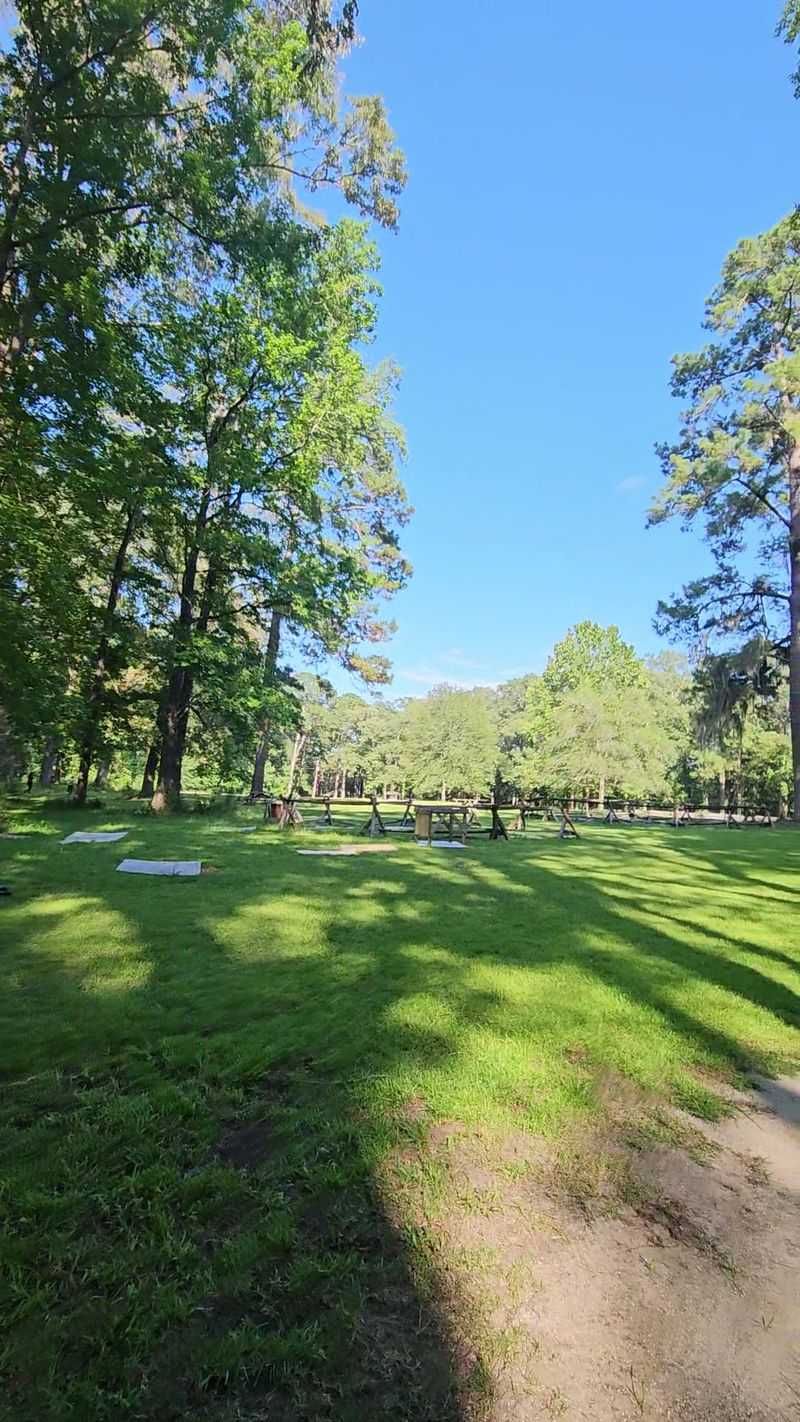
Hungry after all that exploring? Pack a lunch.
Guests recommend bringing a picnic, since the park offers tables in a peaceful area perfect for a midday break.
Visitors mention clean restrooms, trash cans, and ample parking, so a relaxed afternoon here is easy to plan. One family called it a great place to spend the afternoon, mixing a meal with wandering through the ruins.
Eating outdoors beside a centuries-old town has a special feel. Sandwiches somehow taste better when you can see a historic fort from your bench.
Many reviewers also comment on how tidy the grounds are, noting little to no litter and a well-kept look throughout. Please help keep it that way by packing out what you bring.
A simple meal, some shade, and a calm view can turn a quick history stop into a full, happy outing.
Quiet Atmosphere for Curious Wanderers
Crowds are rarely a problem. Visitors often describe arriving to find the park nearly empty, with a calm that makes the history sink in deeper.
Words like peaceful and quiet show up again and again. One guest said it literally feels like going back in time, which sums up the mood nicely.
The open space invites you to mill about without bumping elbows.
So who will love it? History buffs top the list, but nature fans, photographers, and families looking for a relaxing outing all find something to enjoy.
Dogs are welcome too, as long as they stay on a leash, making it a nice walk for four-legged friends. It is not a place packed with rides or shops.
Instead, it rewards anyone who enjoys slowing down, reading a sign, and letting their imagination rebuild the town brick by brick.
How Long a Visit Takes
Short on time? Good news.
Guests agree this park is easy to see in a relatively short visit, making it a handy stop on a busy travel day.
Several visitors say you can tour it in about an hour, and one person managed it in under 45 minutes. It is not a big park, and one guest admitted it is not a spot for spending hours upon hours.
Still, do not let the size fool you. There is a lot to learn packed into those acres, and lingering with the signs, cemetery, and river views can easily stretch your stay.
One visitor stopped by just before closing and still left impressed. Think of it as a perfect snack-sized adventure, ideal on the way home from Charleston or as a break during a Summerville day.
Hours, Cash Fee, and Packing Tips
Plan ahead with a few simple details. The park is open daily from 9 a.m. to 5 p.m., seven days a week, so weekend and weekday trips both work.
Bring cash. Visitors report a fee of $3 per adult, paid by dropping money in an envelope at the entrance on the honor system.
Some found the ticket booth a little confusing at first, but it is simple once you see the envelopes. One family paid $7 total for everyone.
Bug spray is a must, especially in summer months like July, according to several guests. Comfortable shoes help on the trails.
You can reach the park at 300 State Park Rd, Summerville, SC 29485, or call 843-873-1740 with questions. The official South Carolina Parks website also has updated information before you head out.
Worth the Detour Off the Highway
After a walk through these grounds, it is easy to see why so many guests call it well worth the stop. A small fee, an hour or so, and you leave with a richer sense of how South Carolina began.
The tabby fort, the lonely bell tower, the shaded cemetery, and the riverside trails each add their own flavor. Clear signs and friendly rangers tie it all together into a story that sticks.
Not every outing needs to be huge to be memorable. Some of the best ones are quiet, simple, and full of little surprises.
If you live nearby or find yourself driving through Summerville, carve out a little time and some cash for the envelope. You might just discover, like plenty of others before you, that a sleepy park sign was hiding a whole lost world.
Share this story