Some of the best surprises in Minnesota hide behind a plain gravel turnoff you could easily zip past. I pulled over one morning out of pure curiosity and found marshes full of wings, quiet roads, and a hush that felt miles from the city.
Places like this remind you that wild beauty does not always need a famous name or a long drive. Grab your binoculars, because this one is hungry to be explored.
A Wild Escape North of the Twin Cities
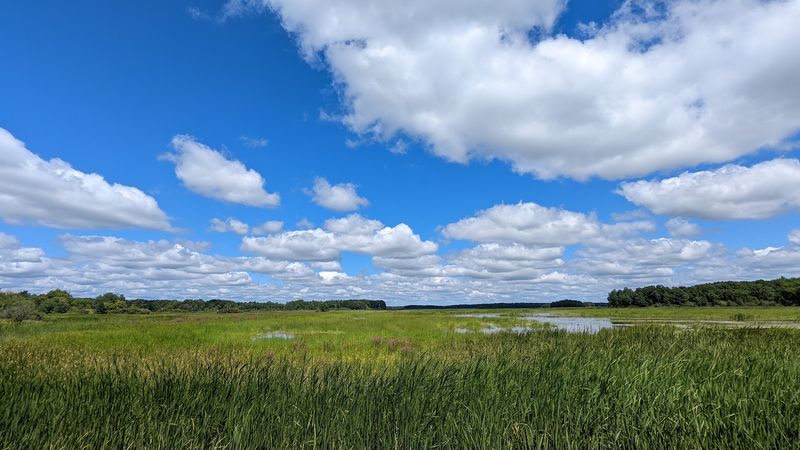
Just a short hop from the metro, Columbus, Minnesota hides one of the state’s biggest wild backyards. Carlos Avery State Wildlife Management Area sits at 5463 W Broadway Ave, and it covers roughly 24,000 acres, according to visitors who love it.
Managed by the Minnesota DNR, the area blends wetlands, forests, and prairies into one sprawling sanctuary. People come for wildlife watching, hunting, hiking, biking, and simply breathing a little easier.
Here is the fun part for anyone who loves a good Minnesota win. You do not need a plane ticket or a pricey park pass to find this kind of scenery.
Many big cities would charge admission for a fraction of this space, yet here the gates typically open early and the land feels refreshingly uncrowded. For Twin Cities folks craving nature without the long haul up north, it may be the easiest escape on the map.
Wetlands, Woods and Prairie in One Landscape
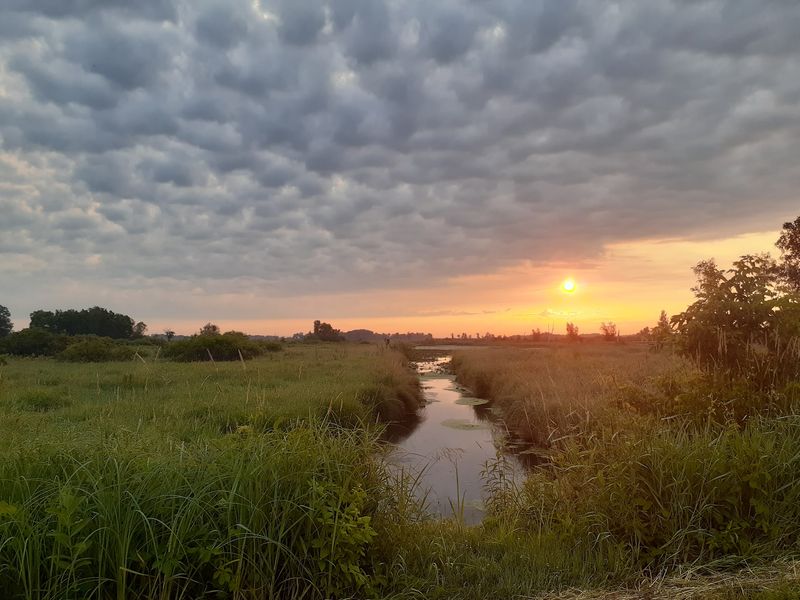
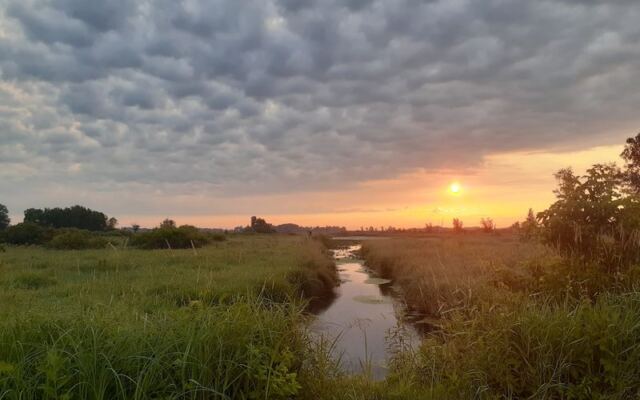
Picture a patchwork quilt stitched by nature. On one side, shallow marshes shimmer with reeds, and on the other, stands of forest roll toward open prairie.
Visitors often say they expected more woods and found far more wetland than anticipated. Plenty of forest still remains, though, and that mix is exactly why so many creatures call the place home.
Water draws birds, trees shelter deer, and grassy edges burst with life.
One walker described a stretch with a lake on one side and the start of a river on the other, plus a cool little dam along the way. Paths can get a little wild in spots, so sturdy shoes help.
Every turn seems to reveal a slightly different scene. It is a living classroom on how Minnesota’s landscapes fit together, and you can soak it in without spending a dime.
Egrets and Herons of the Summer Marsh
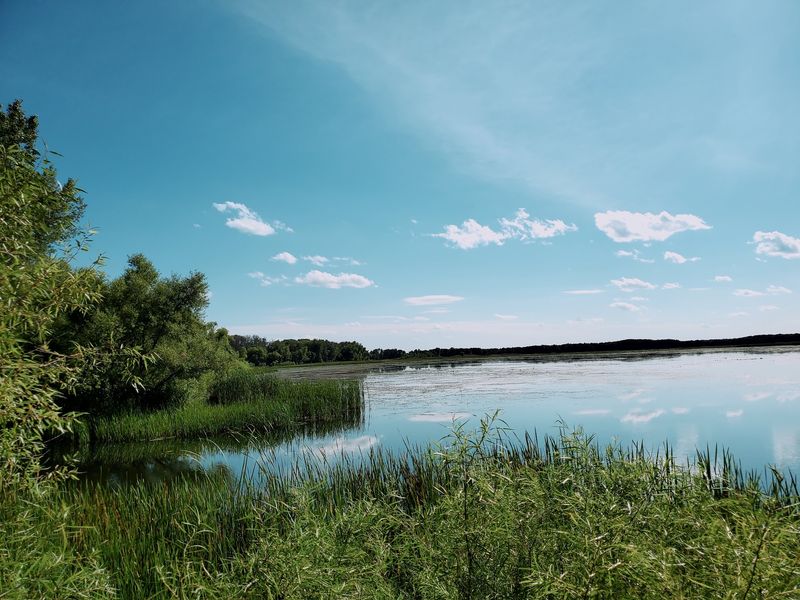
Bright white feathers against green cattails make quite the picture. Wildlife photographers who visit say egrets typically arrive here from late June through August, turning the marshes into a stage for long-legged waders.
Hikers have also spotted egrets alongside swans and sandhill cranes while circling the loop south of the highway. Patience pays off, since some stretches stay quiet before suddenly delivering a sighting worth the walk.
Bring binoculars or a zoom lens. These elegant birds tend to keep their distance, and one group even snapped photos through binoculars with a smartphone to capture the moment.
Slow movements and soft voices go a long way. Watching an egret freeze, then strike at the water with lightning speed, is the kind of small thrill that makes a summer morning in Minnesota feel truly special.
Swans, Cranes and Clouds of Waterfowl
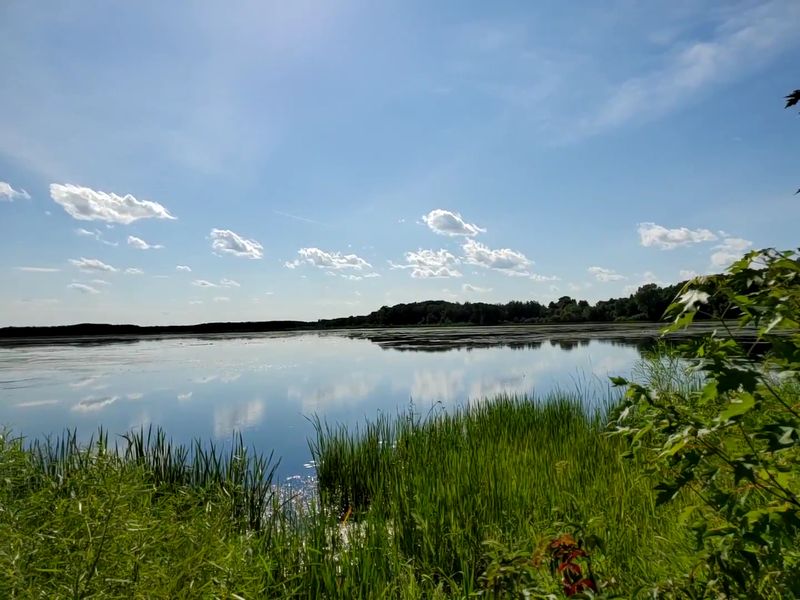
A dozen sandhill cranes. Twenty to thirty swans.
Loads of other birds besides. That was one first-time visitor’s tally after a single pleasant trip.
Waterfowl seem to rule this place. Regulars describe days when ducks and geese are out in force and flying everywhere, filling the sky with motion and noise.
Trumpeter swans glide across open water, while cranes call from distant fields with that rattling, ancient sound.
Families of geese with tiny goslings sometimes paddle into view in early summer. Hikers have also spotted blue jays, sparrows, red-winged blackbirds, kingbirds, and warblers along the trails.
For birders across the state, it adds up to a strong case. One visitor put it simply, saying it may not be a hunter’s paradise, but it sure is a birder’s one.
Hard to argue with that.
Raptors, Owls and Other Sky Watchers
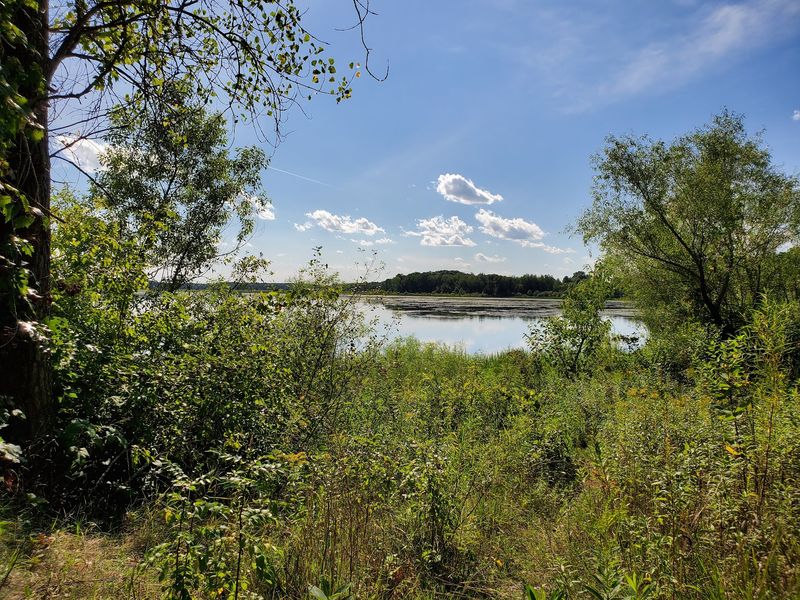
Look up. Over open marsh and treetops, big birds of prey often patrol for a meal, and a place this rich in fish and waterfowl naturally draws attention from above.
Photographers who frequent the area mention spotting owls from time to time, which always feels like winning a little lottery. Those quiet hunters blend into bark so well that you might walk right past one.
Bald eagles are a classic sight across Minnesota wetlands, and huge spaces like this offer the elbow room they love. Scanning tall trees near the water may reward you with a white head gleaming in the sun.
Morning and late afternoon tend to be lively times for raptor activity. Pack a thermos of coffee, park at a pullout, and give the skyline a few unhurried minutes.
Nature usually rewards that kind of patience.
Slow Drives Down Gravel Roads
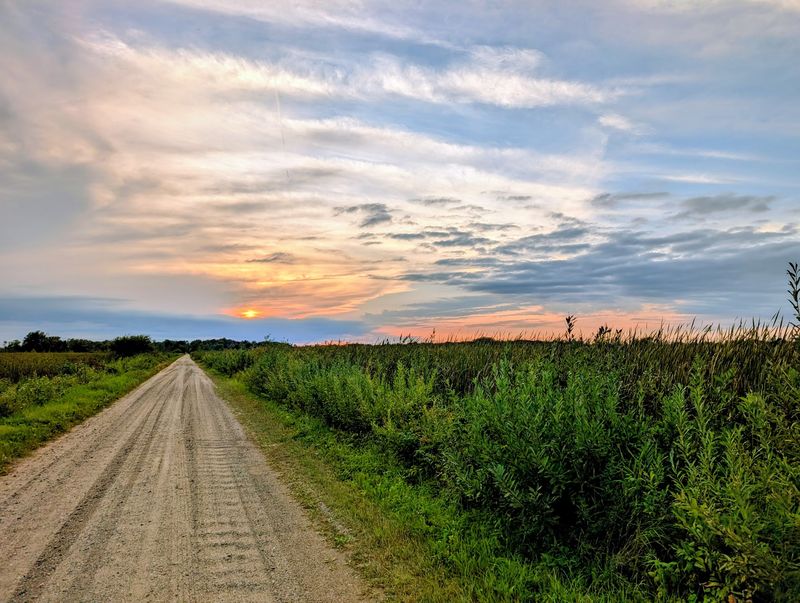
Windows down, engine humming low, eyes on the cattails. Many visitors swear the best way to enjoy this sanctuary is simply to drive slowly and watch.
Gravel roads wind through marsh and forest, and folks often describe them as well maintained, especially in dry weather. Traffic stays light, so pausing for a heron or deer rarely bothers anyone.
One person reported seeing only four or five other cars during an entire visit.
Motorcycle riders love the secluded forest roads too, calling it a fine getaway from the hustle of the Twin Cities. Since the grounds are so large, regulars recommend some kind of vehicle, whether bike or motorized, to cover real ground.
A handy tip from past visitors: grab a map on your way in. With this much territory, a little planning makes the scenic loop far more rewarding.
Hiking the Loop South of the Highway
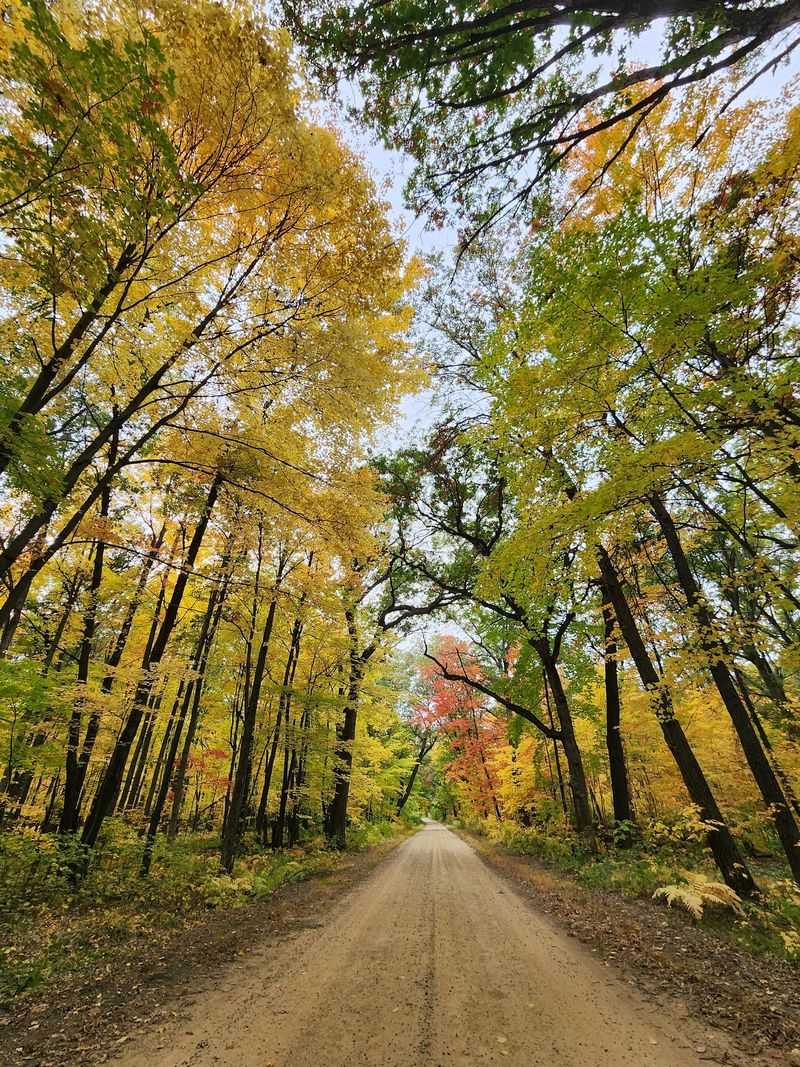
Finding the trail takes a little know-how. According to hikers, the old unused road sits across the highway, south of the spot with the buildings and sign, and it lacks a trail marker beyond a leash notice for dogs.
The first part runs sandy, then firms up into easier gravel around the loop. Expect a mix of forest and marsh scenery as you go.
One group measured the full circuit at about seven miles, while an app pegged it near six and a half. A shortcut path offers a shorter loop if legs get tired.
Wildlife sightings can be streaky, so going farther sometimes pays off. Others prefer a shorter stroll, like the easy mile and a half one visitor enjoyed.
Either way, wide gravel trails and many deer paths, often with parking at their start, give walkers plenty of options.
Bike Rides and Skiing Through the Seasons
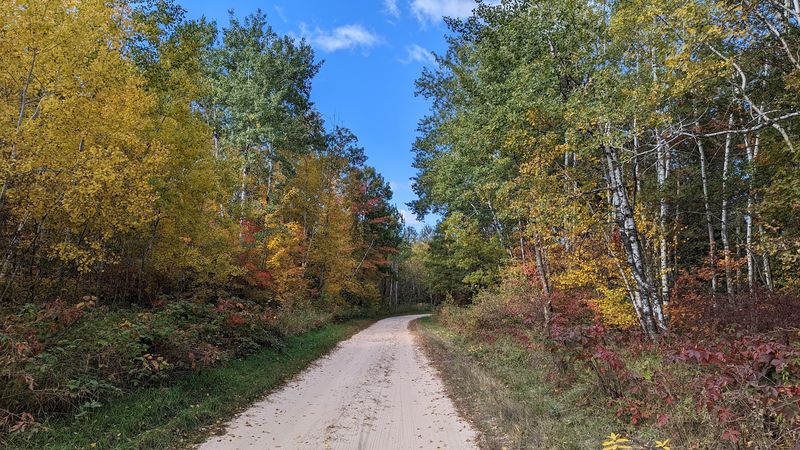
Two wheels might be the sweet spot. Cyclists rave about the light traffic and solid road conditions when things are dry, and the south unit is usually closed to cars, which makes for peaceful pedaling on slightly softer ground.
Late summer brings tons of wildflowers along the edges, adding splashes of color to every mile.
Winter does not shut the fun down either. One regular calls this a favorite spot to ski, bike, and walk, praising the natural beauty and lack of disturbance.
Another visitor enjoyed a sub-zero but sunny day on a long, flat walk out and back.
Minnesotans know how to embrace every season, and this place rewards that spirit. From spring migration to snowy silence, the scenery keeps changing, so no two rides or ski outings ever feel quite the same.
Public Hunting Grounds and Fishing Spots
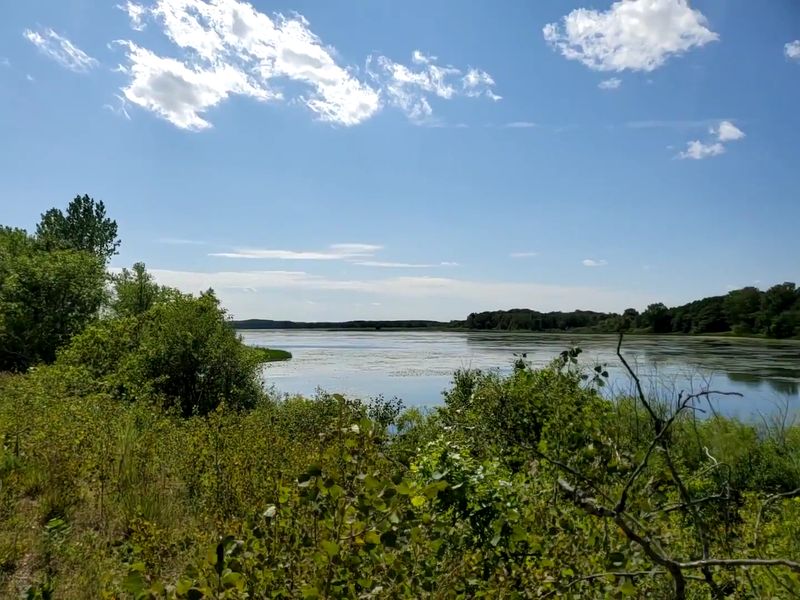
For generations of Minnesota sportsmen, public land like this is a treasure. Hunting comes up more than anything else in visitor chatter, from duck hunting to deer and turkey seasons.
Honest regulars admit the hunting season can bring big crowds, which may thin out the action. Turkey hunters note plenty of birds but a heavy hen ratio and toms that ignore amateur calls.
Still, so many spots exist that there is always somewhere new to try.
One longtime visitor calls the area almost a second home, enjoying waterfowling plus some good fishing at certain times of year. Another found the summer growth so thick that better layers would have helped.
A friendly request from the community: pick up spent shells and trash. Keeping the grounds clean honors the tradition for everyone who follows.
A Photographer’s Gold Mine
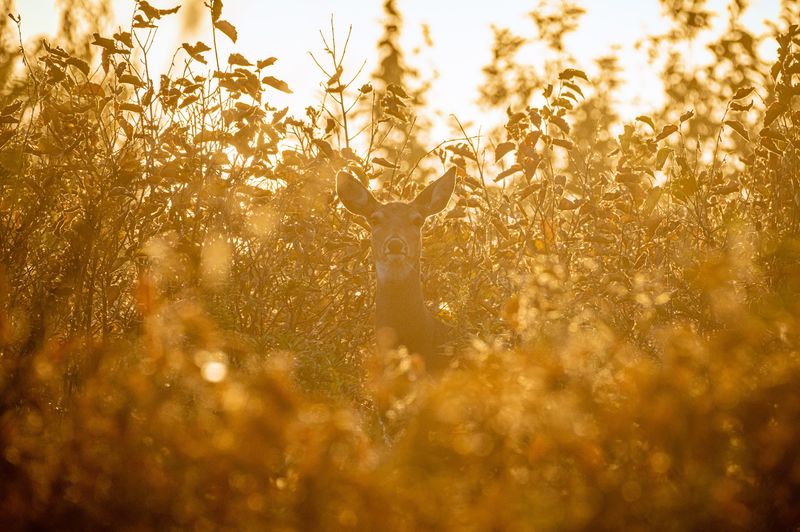
Gold mine. That is how one wildlife photographer describes the place, and plenty of others agree.
Shutterbugs across the greater Twin Cities area often put this sanctuary on their shortlist. Scenic marshes, abundant waterfowl, seasonal egrets, and the occasional owl give endless subjects, while outside hunting season you may barely see another soul.
Some prefer shooting right from the car window, cruising slowly and waiting for animals to appear. Others hike into quieter corners for more intimate frames.
Visitors also mention lots of photo opportunities in every season, including crisp winter scenes.
Golden light over misty water can make even a beginner look like a pro. Pack extra batteries, a long lens if you have one, and plenty of patience.
The wildlife works on its own schedule, but the payoff can be frame-worthy.
Peace, Quiet and Room to Roam
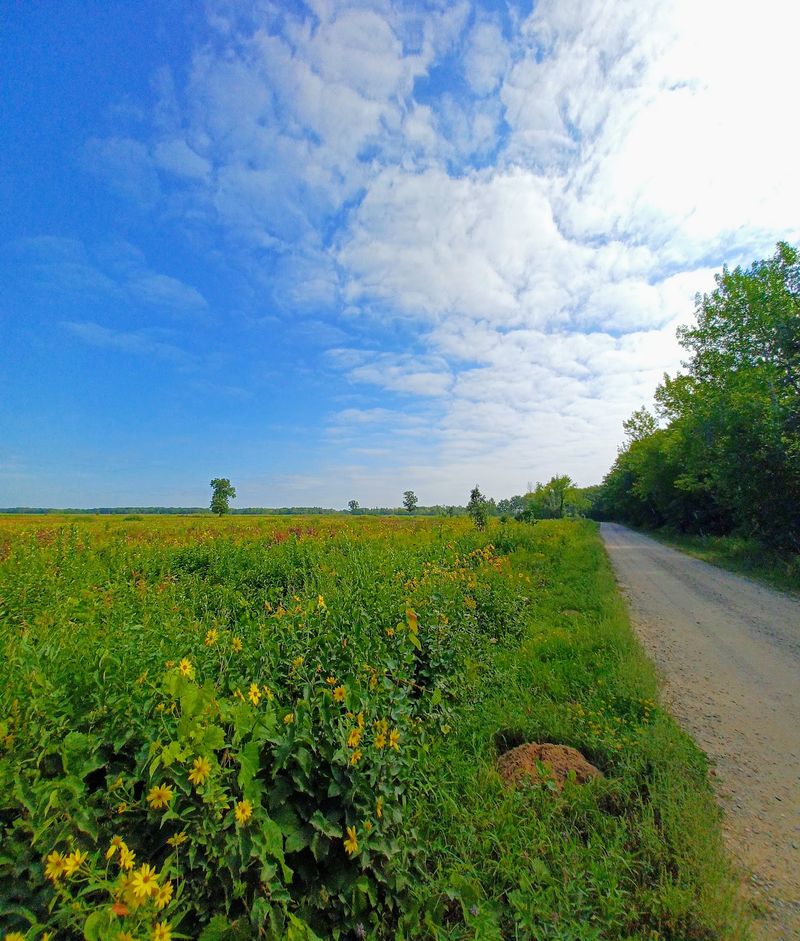
Silence is the real luxury out here. Visitors keep coming back to words like peaceful and quiet, describing a place far enough from the metro to truly feel nature settle in.
Dog owners appreciate that leashed pups are welcome. One walker met only a single other person on the trail, strolling with an adorable dog.
Families, couples, solo hikers, birders, and hunters all seem to find a corner of their own. One cheerful visitor recommended bringing bug spray and your special person, which sounds like a sweet date idea.
Those looking for amenities should plan ahead, since reviews note no restrooms and very little parking in some areas. Bring water, snacks, and anything else you need.
Treat it as a back-to-basics outing, and the calm makes up for the missing frills.
Hours, Cost and Bug Season Tips
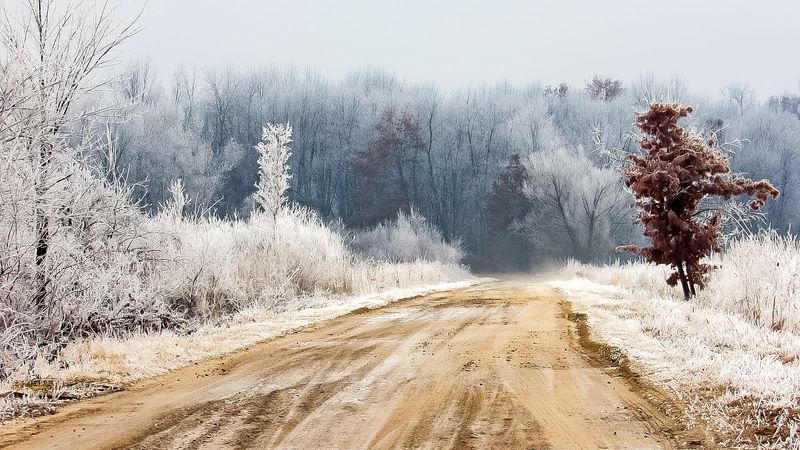
Good news first: entry and parking are free, according to visitors. Hours typically run from 5 AM to 10 PM every day of the week, so sunrise birding and evening drives are both on the table.
Questions can go to the DNR line at 651-539-3300, and the Minnesota DNR website lists area details.
Now for the itchy truth. Regulars warn that May through August brings ticks, mosquitoes, and flies, with one recent summer visitor saying horse flies made leaving the car tough.
Wood ticks show up early in spring too.
A bug suit, long sleeves, and repellent go a long way, and photographers say those precautions make summer manageable. Spring, fall, and winter often feel far more comfortable.
Choose your timing wisely, and the experience can be pure joy rather than a swatting contest.
Why the Detour Is Worth It
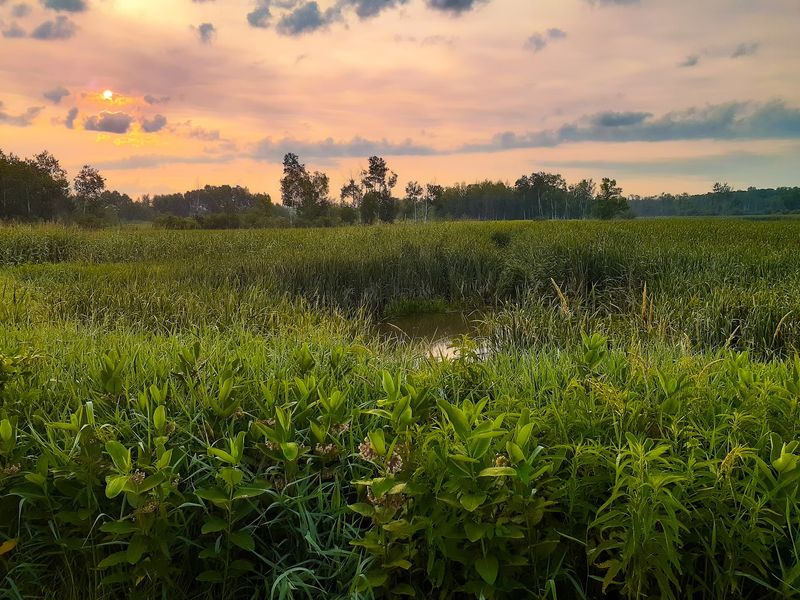
Sometimes the best finds sit right under our noses. Thousands of drivers pass near Columbus each day without realizing such a vast wild refuge lies just off the road.
Free admission, sweeping wetlands, egrets in summer, swans and cranes, quiet gravel drives, and year-round trails make a pretty convincing package. Few metro areas anywhere can boast this much open land so close to home, and that feels like another quiet win for Minnesota.
It is not perfect. Bugs bite, restrooms are missing, and some walks deliver more trees than birds.
Yet visitors keep calling it a favorite place in the state, a spot they plan to return to again and again.
So pack the binoculars, tag a friend who loves birds, and take that exit. A memorable morning might be waiting in the marsh.
Share this story