Some meals are so good that people plan whole trips around them. Across Asia, street vendors cook simple dishes with skill passed down through families.
Each plate tells a story about local flavors, history, and daily life. Here are fifteen street foods that deserve a spot on any traveler’s list.
1. Pad Thai, Thailand
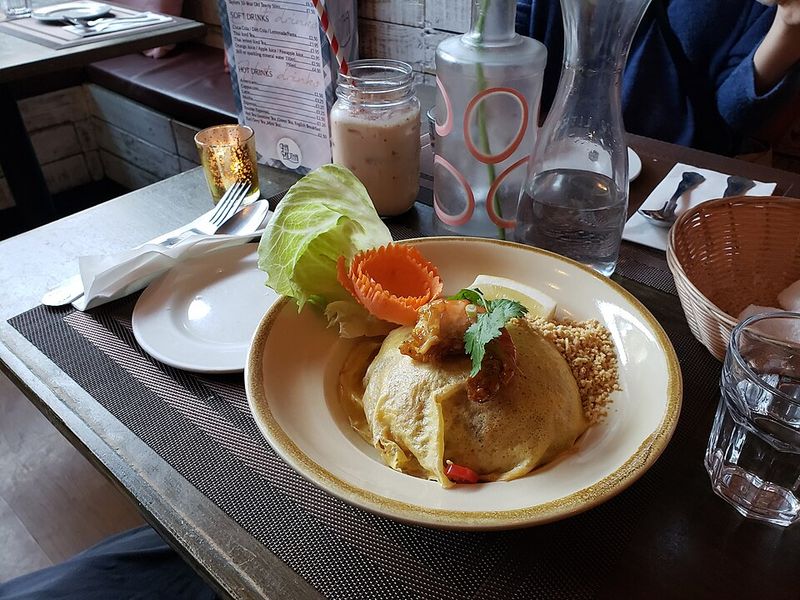
The sizzle of a hot wok is the soundtrack of a Bangkok evening. Pad Thai is made right in front of you, with rice noodles tossed in tamarind, fish sauce, and palm sugar.
Eggs, tofu, shrimp, and crushed peanuts finish the plate.
The dish became a national favorite in the 1930s and 1940s, when Thailand promoted it as a symbol of national pride. Today it is sold from carts, night markets, and small shops in every corner of the country.
For the best bite, squeeze fresh lime over the noodles and add a pinch of chili flakes. Look for a stall with a short line of locals, since fast turnover means fresh ingredients.
Try a few different vendors, because each cook balances sweet, sour, and salty in a slightly different way. A plate usually costs only a couple of dollars.
2. Bánh Mì, Vietnam
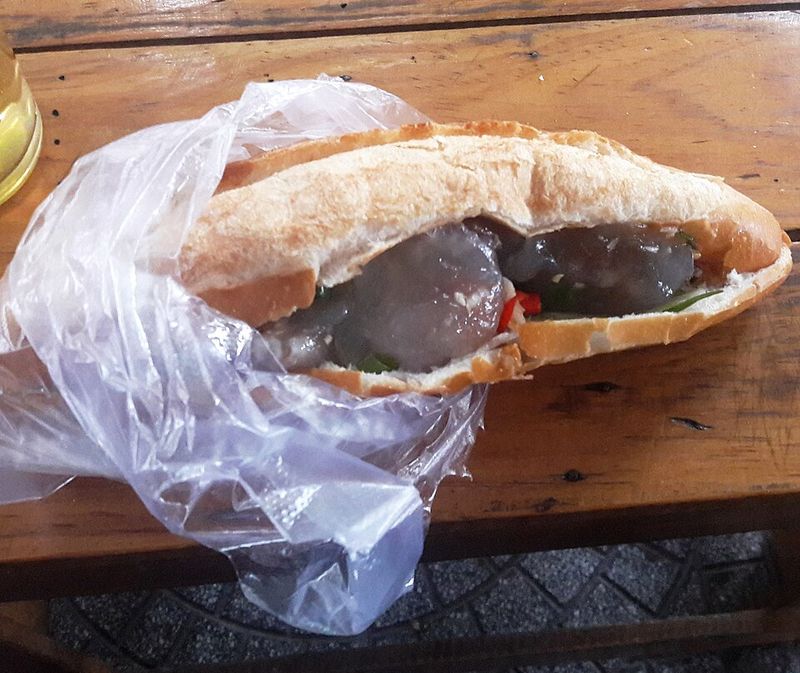
Crackle goes the crust, and the whole sandwich comes alive. Bánh mì pairs a light, airy baguette with savory meats, pâté, pickled carrots and daikon, cucumber, cilantro, and chili.
Every bite mixes crunchy, soft, tangy, and rich.
French colonists brought baguettes to Vietnam, and local cooks made them their own. The result is a blend of two food cultures that now feels completely Vietnamese.
Fillings vary by region. In Hoi An you might find roast pork with herbs, while Saigon stalls often offer grilled meat or fried egg.
Ask for it with less chili if you are sensitive to spice. Most sandwiches are made to order in under a minute, so they make an easy breakfast or snack while you explore the city on foot.
3. Takoyaki, Japan
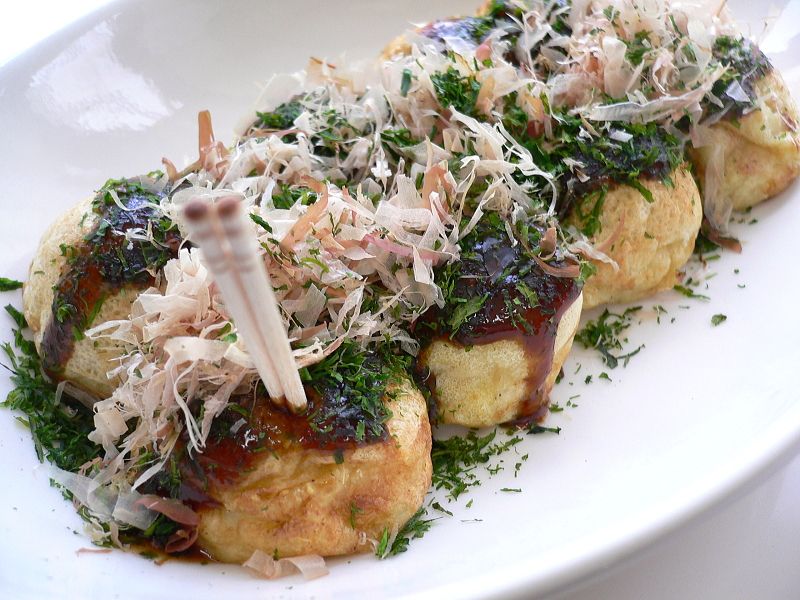
Watching a takoyaki cook is like watching a magic show. With two thin picks, they flip dozens of batter balls in a special round-molded pan, turning each one golden and crisp.
The dance happens in seconds.
Takoyaki began in Osaka in the 1930s. Each ball holds a bit of octopus, pickled ginger, and green onion inside a soft, almost creamy center.
They are brushed with a sweet-savory sauce, drizzled with mayonnaise, and topped with bonito flakes that seem to wave from the heat. Be careful, because the middle stays very hot.
Let each ball cool for a moment before eating. The Dotonbori area in Osaka is the most famous place to try them, and many stalls let you watch the whole process.
4. Jianbing, China
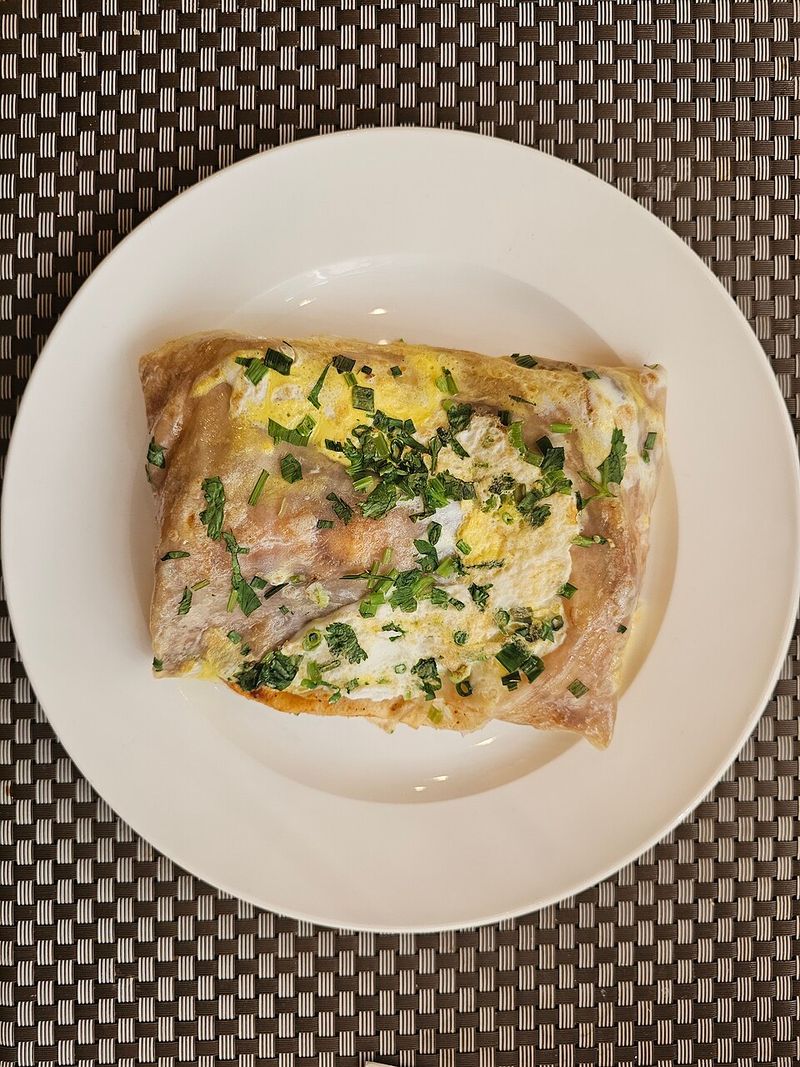
Mornings in northern China often start with a thin, warm crepe. Jianbing is made by spreading wheat and millet batter across a hot round griddle, then cracking an egg on top and spreading it thin.
Next come brushed-on sauces, such as sweet bean paste and chili, plus scallions and cilantro. A crispy fried cracker goes in the center for crunch, and the whole thing is folded into a neat packet.
Many people eat it on the way to work, much like a breakfast burrito. The snack is especially linked with Tianjin and Beijing.
You can ask for extra egg, a sausage, or no chili, depending on your taste. Eat it right away while the cracker is still crisp.
The speed of the vendor, who finishes one in about two minutes, is a treat to watch.
5. Tteokbokki, South Korea
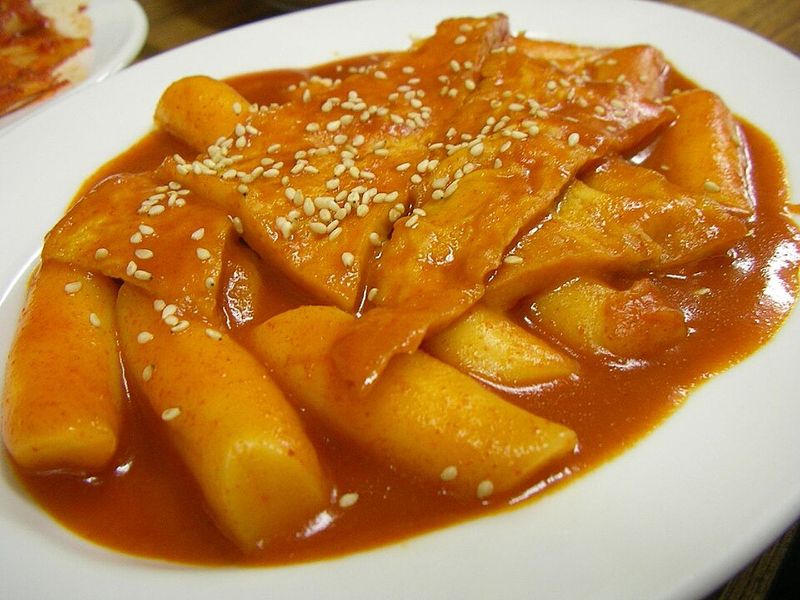
Picture chewy rice cakes swimming in a bright red, sweet and spicy sauce. That is tteokbokki, one of the most loved snacks on Seoul’s streets.
Fish cakes and boiled eggs often join the pot.
The sauce is built on gochujang, a fermented red chili paste, and gets its depth from anchovy broth. The rice cakes soak it up and turn soft and satisfying.
Many Koreans grew up eating it after school, so the dish carries warm memories. Stalls in Myeongdong and Gwangjang Market are popular places to try it.
If the heat feels strong, pair it with sweet or savory fried items called twigim, or sip some of the broth that comes with fish cakes. Some shops add cheese on top to soften the spice.
6. Satay, Indonesia
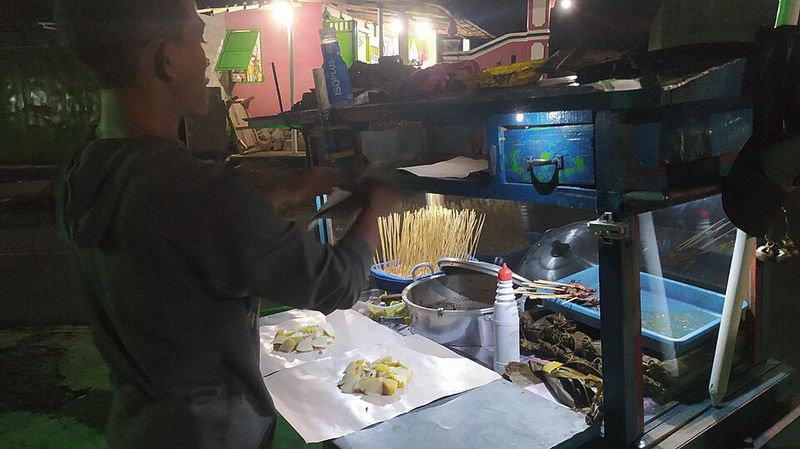
Smoke curls into the night air, and the smell alone draws a crowd. Satay is made of small pieces of marinated meat, threaded on bamboo sticks and grilled over charcoal.
Chicken, goat, and beef are common choices.
The meat is often marinated in turmeric, garlic, and sweet soy sauce. Most plates come with a thick peanut sauce, sliced shallots, and sometimes rice cakes called lontong.
Satay likely grew from Indonesian cooks adapting kebabs brought by traders. Today, each region has its own style.
Madura satay is known for its sweet, dark sauce, while Padang satay uses a spiced yellow gravy. Order a dozen sticks to share, since they disappear quickly.
Eating them with your fingers, pulling the meat off the stick, is completely normal and part of the fun.
7. Pani Puri, India
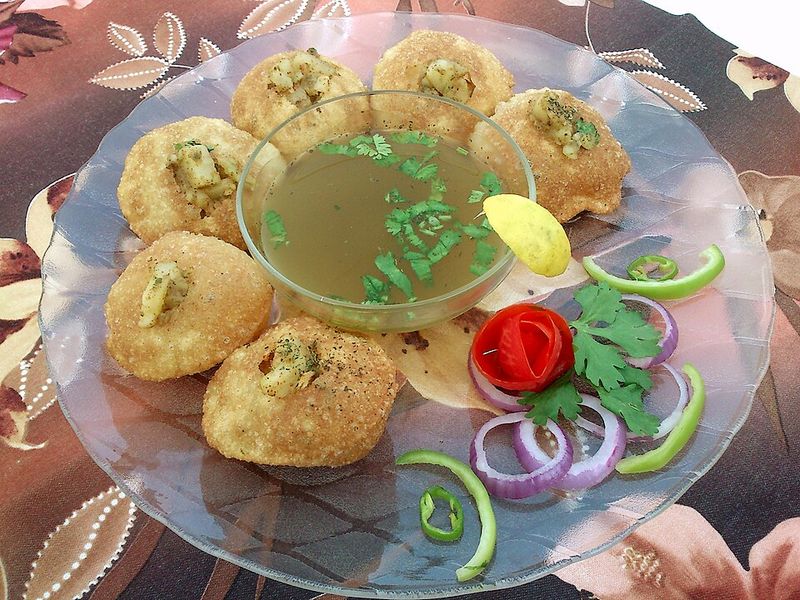
One bite, and your mouth gets a surprise party. Pani puri is a tiny, hollow, crispy shell filled with spiced potatoes, chickpeas, and tangy mint-flavored water.
You pop the whole thing in your mouth at once.
The shell cracks, the cool liquid bursts out, and sweet, sour, and spicy flavors arrive together. In different regions, it goes by other names, such as golgappa in the north and puchka in Kolkata.
Vendors serve them one by one, so you can finish each before the next arrives. Stick to busy stalls and choose vendors who use bottled or filtered water, especially if your stomach is not used to local street food.
A plate usually has six to eight pieces, and most people ask for a few extra rounds.
8. Gua Bao, Taiwan
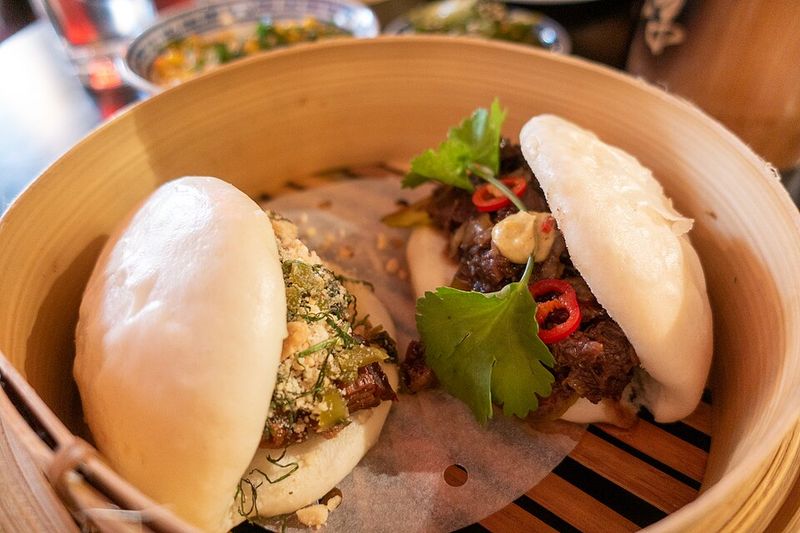
Soft as a pillow and full of savor, gua bao is often called a Taiwanese hamburger. A folded, steamed bun holds slices of braised pork belly, pickled mustard greens, cilantro, and sweet crushed peanuts.
The pork simmers for hours in soy sauce, rice wine, and spices until it practically melts. The pickles cut through the richness and keep each bite lively.
The snack has roots in Fujian cuisine and became a favorite at Taiwan’s night markets. Many vendors in Taipei, such as those near Raohe Street Night Market, serve them hot and wrapped in paper.
Ask for lean pork if you prefer less fat, or mix lean and fatty cuts. Because the buns are small, it is easy to try one before moving on to other stalls.
9. Roti Canai, Malaysia
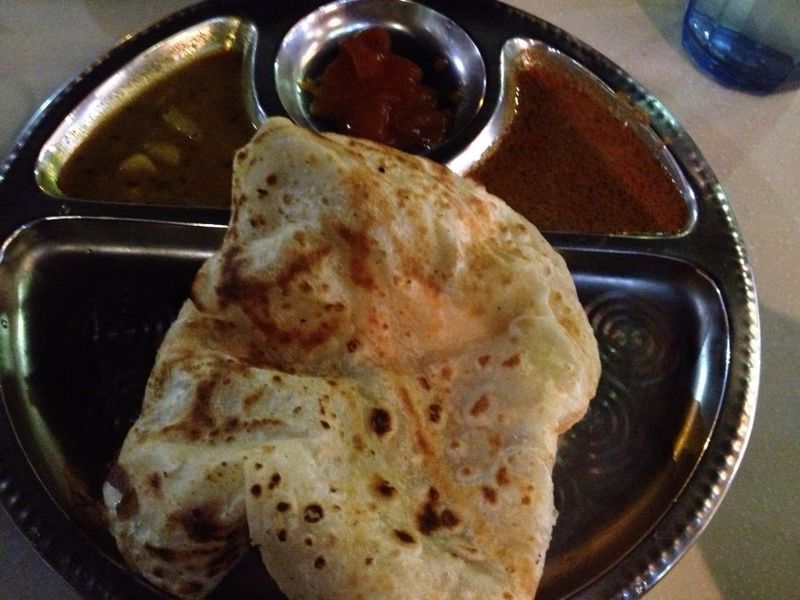
Flick, spin, stretch. The roti maker tosses dough into the air until it becomes paper thin, then folds it and cooks it on a hot griddle.
The result is flaky outside and soft inside.
Roti canai came to Malaysia with Indian Muslim immigrants and is now a breakfast staple across the country. It is served with dhal or chicken curry for dipping.
Mamak stalls, open late and run by Indian Muslim families, are the classic places to find it. You can also order versions with egg, onion, or sweet condensed milk.
Pair it with teh tarik, a frothy pulled milk tea, for a true local morning. Tear the bread with your right hand and scoop up the curry, the way many Malaysians do.
10. Kwek-Kwek, Philippines
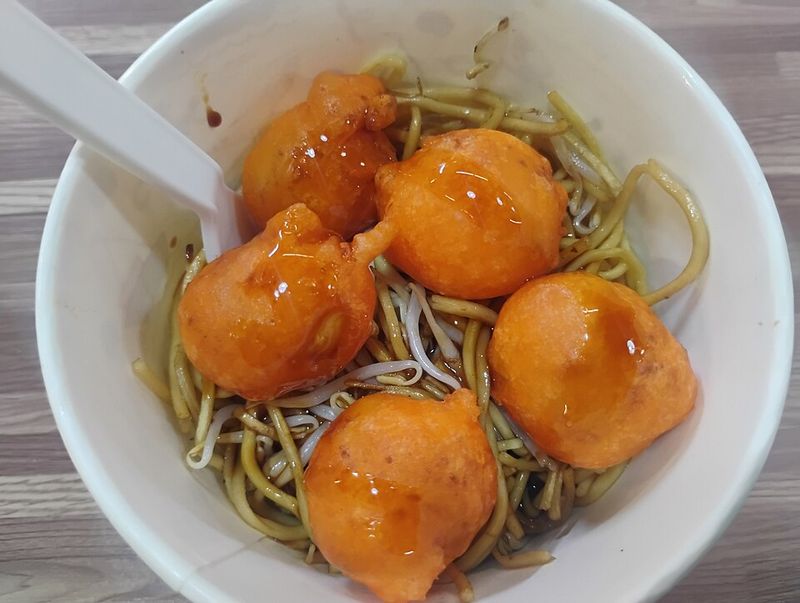
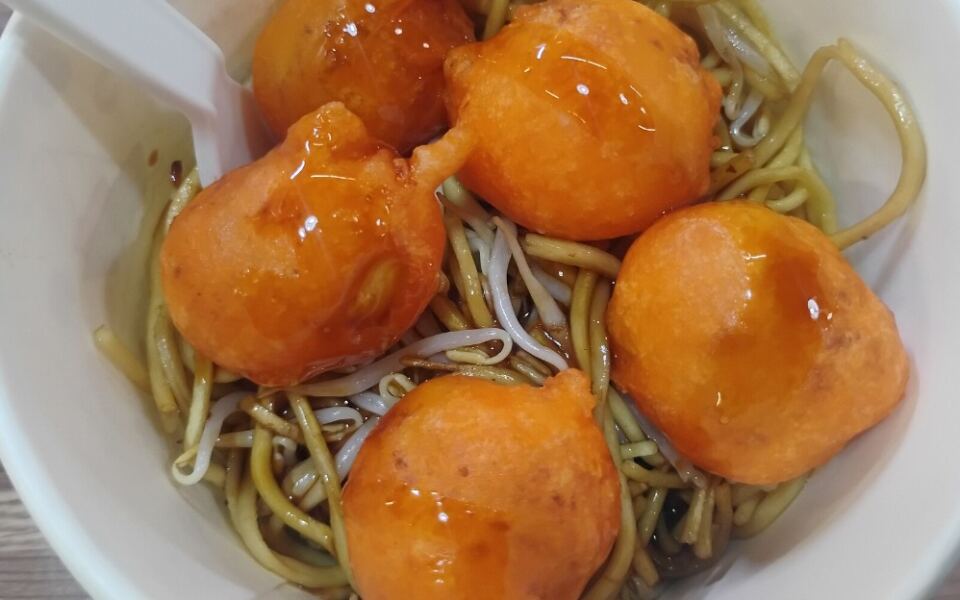
Bright orange and crunchy, kwek-kwek is the snack that makes Filipino afternoons better. Hard-boiled quail eggs are dipped in a colored batter and deep-fried until crisp.
The golden coating usually gets its color from food dye or annatto. Vendors serve the eggs on sticks, with a sweet and sour sauce or spiced vinegar for dipping.
It is part of a larger group of Philippine street snacks, including fish balls and squid balls, that people eat after school or while waiting for a ride. Tokneneng is a similar snack made with larger duck or chicken eggs.
A cup of kwek-kwek is very affordable, so you can share with friends and try several snacks at once. Add a little chili to the vinegar for extra kick.
11. Kottu Roti, Sri Lanka
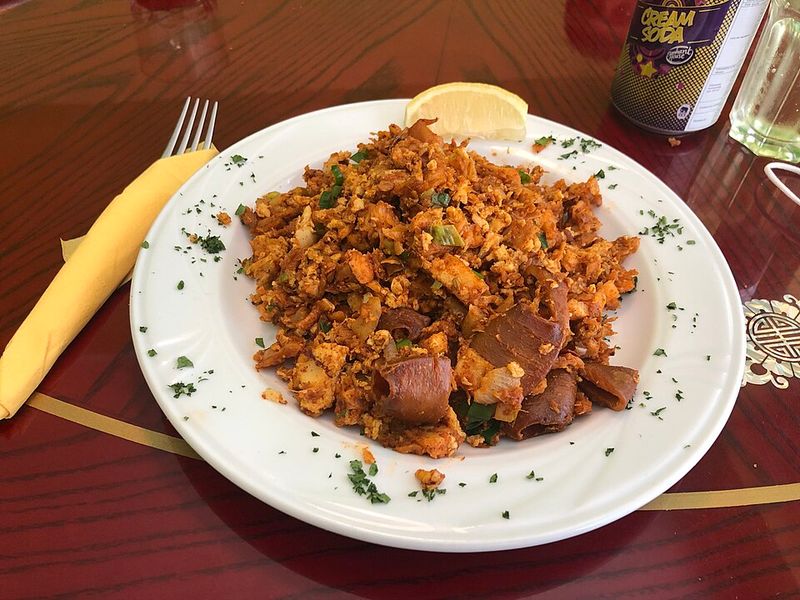
You will hear kottu roti before you see it. Cooks chop flatbread, vegetables, egg, and meat on a hot griddle using two metal blades, creating a loud, rhythmic clanging that echoes down the street.
The mix is seasoned with curry spices, chili, and sometimes a splash of curry gravy. The end result is hearty, savory, and a little smoky.
Kottu began as a way to use leftover roti and is now one of the island’s favorite late-night meals. Popular versions include chicken, beef, cheese, and vegetable.
Many people say the sound tells them dinner is close. Order a plain version first if you are new to spice, then try cheese kottu for a creamier taste.
It is usually filling enough to share between two people.
12. Murtabak, Singapore
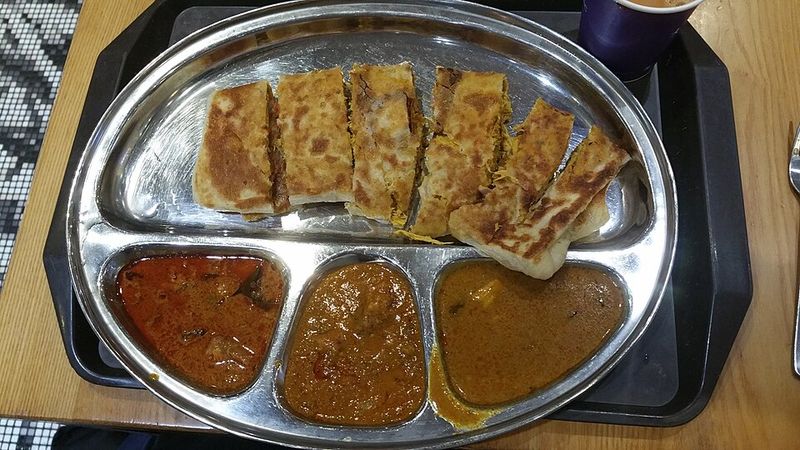
Thin dough, a savory filling, and plenty of sizzle: murtabak is a stuffed pan-fried pancake loved in Singapore’s hawker centers. Cooks stretch the dough, add minced meat, egg, and onion, then fold it into a square.
It is cooked until crisp and golden, then cut into pieces and served with curry gravy or pickled onions. The edges are crunchy while the center stays rich and juicy.
The dish traces back to the Middle East and South Asia, and it became part of Singapore’s mix of cultures. Mutton, chicken, and sardine fillings are common.
Head to areas like Kampong Glam to find well-known stalls. A single portion is large, so bring a friend to share.
Eat it hot, since the crispness fades as it cools.
13. Momos, Nepal
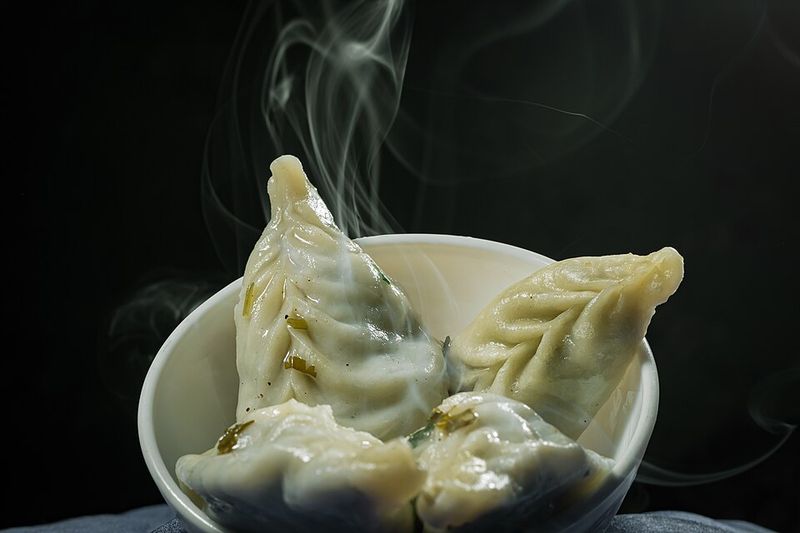
On a chilly Kathmandu afternoon, a steaming basket of momos is hard to resist. These small dumplings are filled with minced buffalo, chicken, or vegetables, and wrapped in thin dough.
They are usually served with a spicy tomato chutney that has a hint of sesame and Timur pepper, a local spice that gives a tingly feeling. Steamed momos are the classic, but fried and kothey styles are also popular.
Momos arrived with Tibetan and Newar communities and have become a national comfort food. Many Nepali families eat them for celebrations as well as snacks.
When ordering, try a mixed plate to taste different fillings. Jhol momo, served in a warm, tangy soup, is a favorite after a day of trekking or sightseeing.
14. Khanom Krok, Thailand
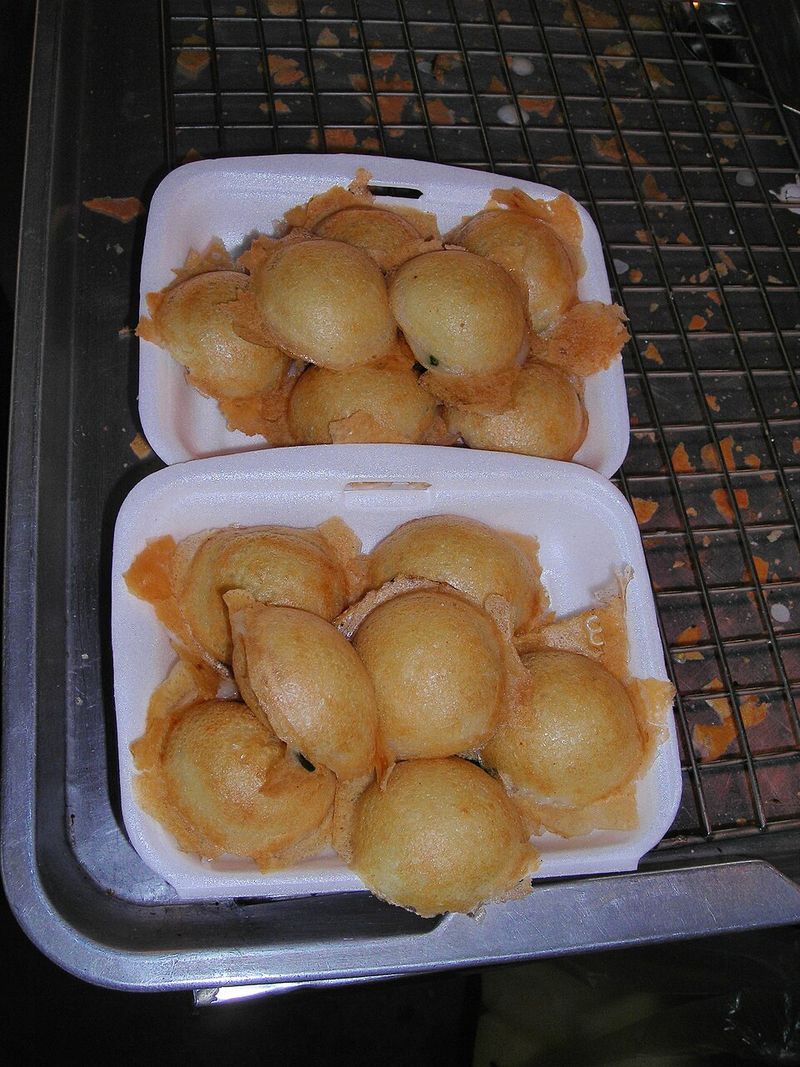
Tiny, round, and a little bit crispy: khanom krok are Thailand’s coconut pancakes. Vendors pour a mix of rice flour and coconut milk into a special pan with half-sphere molds, and the batter bubbles as it cooks.
The edges turn golden and lacy, while the center stays creamy and sweet. Toppings may include green onion, corn, or taro.
Two halves are pressed together to form a small ball, then placed in a paper tray. They are best eaten right away, when the contrast between crisp edges and custard-like center is at its peak.
Many Thai people enjoy them in the morning or as an afternoon treat. Look for them at local markets, where the cast-iron pans sit over small charcoal fires.
A tray usually costs very little.
15. Bánh Xèo, Vietnam
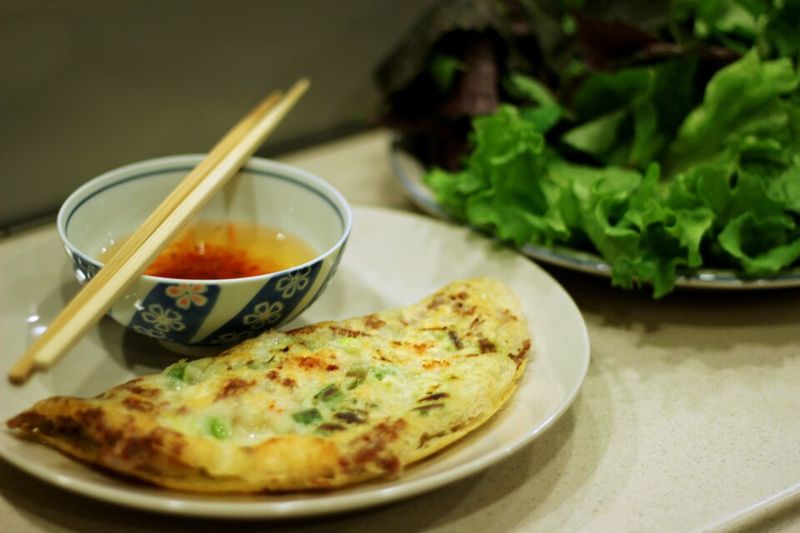
Hear that loud sizzle? That is how bánh xèo got its name, which means sizzling cake.
Rice flour and coconut milk batter hits a hot pan and forms a thin, crispy crepe, tinted yellow by turmeric.
It is stuffed with pork, shrimp, and bean sprouts, then folded in half. Diners tear off a piece, wrap it in lettuce and fresh herbs, and dip it in a sweet, tangy fish sauce.
The dish differs across regions. Southern versions are large and crisp, while central Vietnam offers smaller, thicker ones.
Eating it is a hands-on experience that makes meals feel social. Do not rush the wrap, because the herbs add freshness that balances the rich, fried crepe.
It makes a satisfying lunch or an early dinner.
Share this story