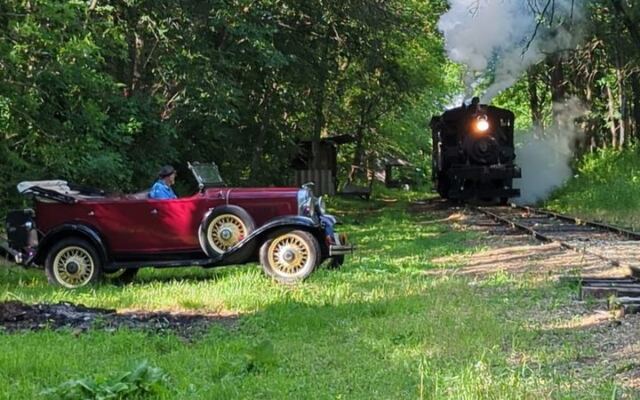
Some of the best Illinois discoveries hide down quiet country roads, past fields you would never think twice about. I went looking for a little history and found the smell of woodsmoke, a hissing old locomotive, and a crew that treats every visitor like a long-lost cousin.
It sounds like something from a picture book, but it is real, and it runs right here in Illinois. If you have ever wanted to feel what travel was like a century ago, this ride through the trees might be your new favorite day trip.
A Country Railroad Outside Freeport
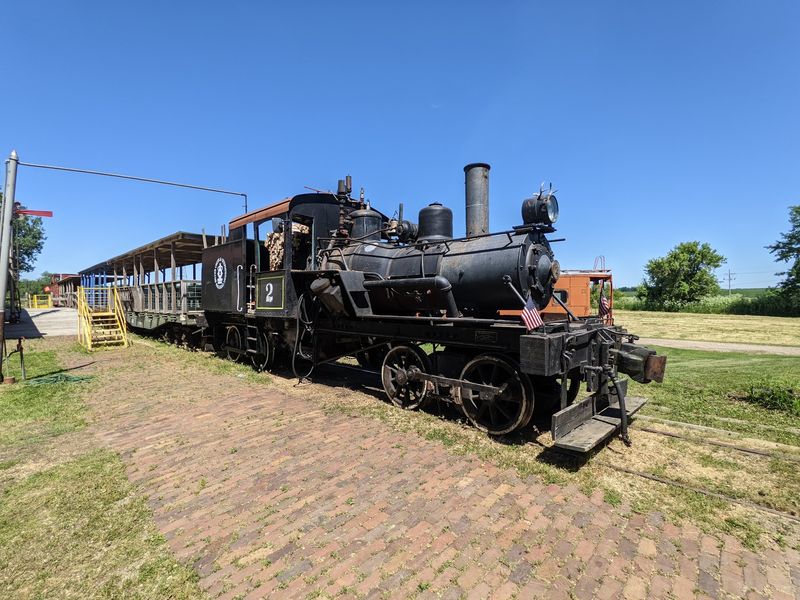
Tucked along W Lamm Rd just outside Freeport, the Silver Creek & Stephenson Railroad & Museum sits where you might expect a cornfield instead. Drive past too fast and you could miss it entirely.
What you will find is part heritage railroad and part museum, run by people who clearly love what they do. A steam train rumbles down a stretch of old branch line, while a museum across the street holds room after room of rural life and local industry.
Visitors often call it a real gem in the country, and that fits. Nothing here is flashy or polished for show.
Instead, it feels like a place that grew out of a community’s stubborn wish to keep its past moving, quite literally, on the rails.
For northern Illinois families, it is the kind of spot you brag about finding and secretly hope stays uncrowded.
Firewood Where the Coal Should Be
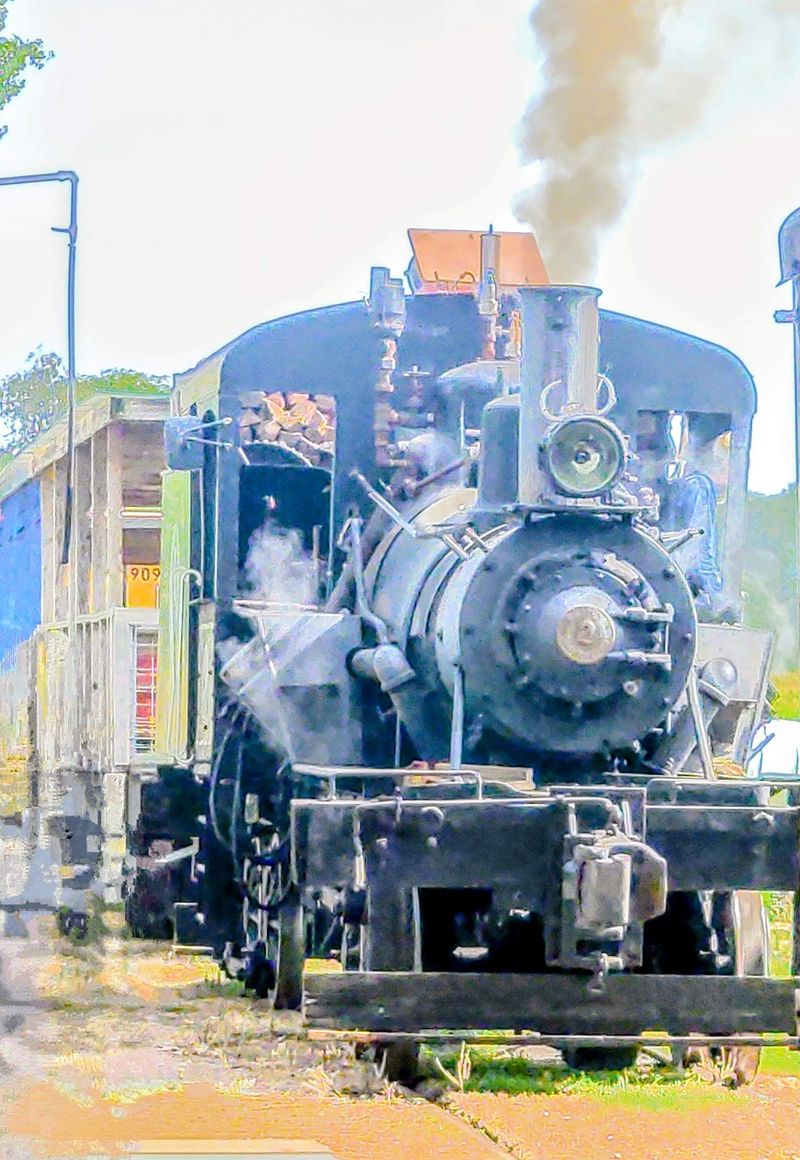
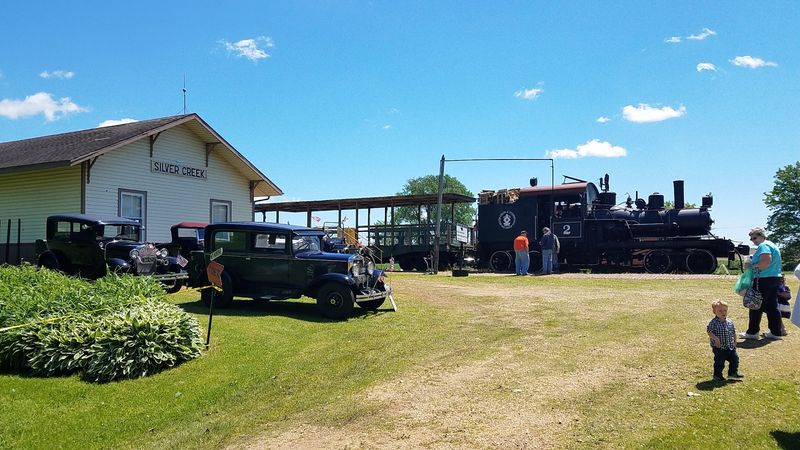
Most old steam engines you read about gobble coal. The little locomotive here does something far less common: it burns wood.
One visitor described it simply as very unusual, a wood fired locomotive, and that detail alone makes the trip worth it for train fans. Instead of black, gritty coal smoke, you get the cozy scent of a campfire drifting back over the cars as the engine works.
Fun fact: many early American railroads actually ran on wood before coal took over, since forests were close and fuel was cheap. Riding behind a wood burner is like stepping into that earlier chapter of railroad history.
Watching the crew feed the firebox gives you a fresh respect for how much labor went into every mile. It is noisy, warm, a little smoky, and completely charming.
Kids notice the smell right away, and adults tend to start telling stories about grandparents and old depots.
The Ride Through Woods and Farm Fields
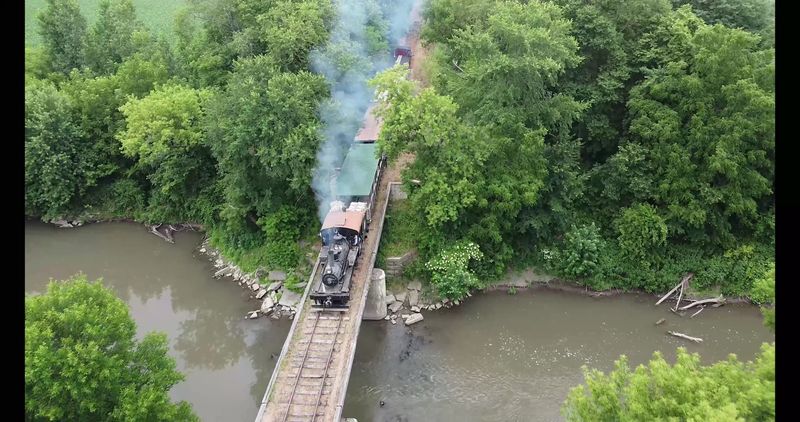
Picture a slow roll down a straight track, trees crowding close on both sides, then a gap that opens onto wide farm fields. That is the heart of the experience.
The trip runs out and back for about a mile and a half along a former branch line. When the train reaches the end, it simply reverses and carries everyone back to the station.
No loops, no tunnels, just a peaceful stretch of countryside.
Guests describe the pace as very leisurely, and honestly, that is the point. You have time to spot birds, feel the breeze, and listen to the engine chuff.
One family mentioned that older kids wished it went faster, though they still admitted they had fun.
Think of it less like an amusement ride and more like a moving porch swing. Bring a camera, relax on the bench, and let the woods do the talking.
Caboose or Open-Air Seating
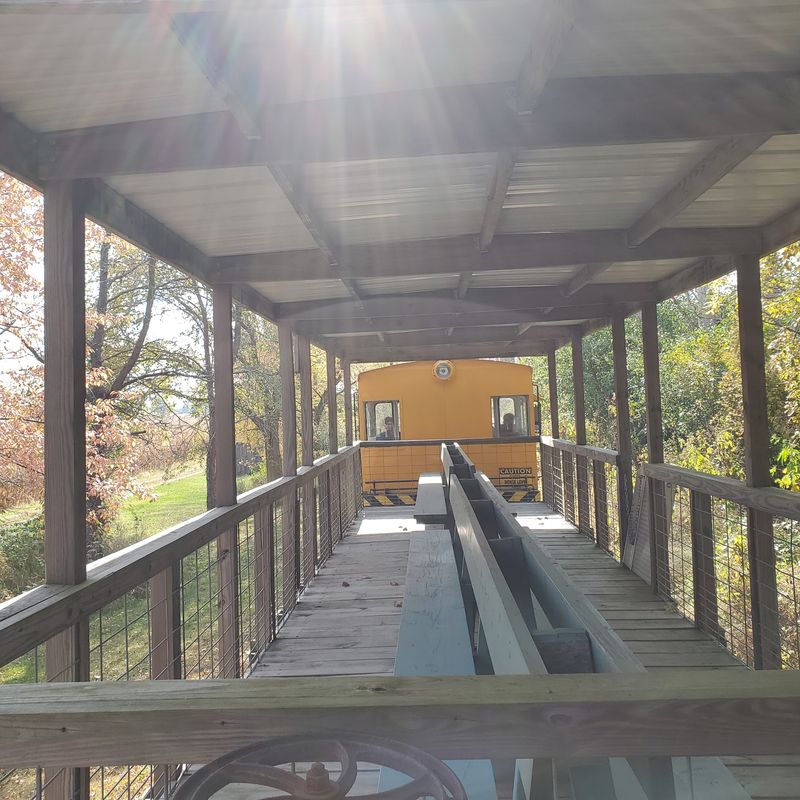
Here is a fun choice to make before the whistle blows: do you want to sit in a caboose or out in the open?
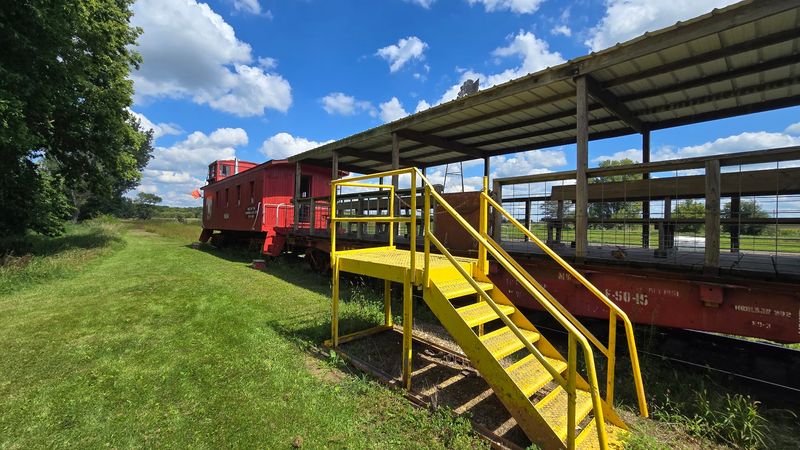
The train pulls open-air cars built from old flatcars, fitted with bench seating, usually around three of them. On a nice day, these are the place to be, with nothing between you and the trees but fresh air.
Riders can also settle into the caboose for a more classic railroad feel.
Either way, keep a hand on something at the start. One rider cheerfully warned that the first lurch of the train can knock you over if you are not seated.
Consider yourself warned, and maybe hold onto little ones.
Docents on board have shared stories about the very cars people were riding in, so it pays to ask questions. Every seat comes with a bit of history attached, whichever one you pick.
A Seat in the Engine Cab
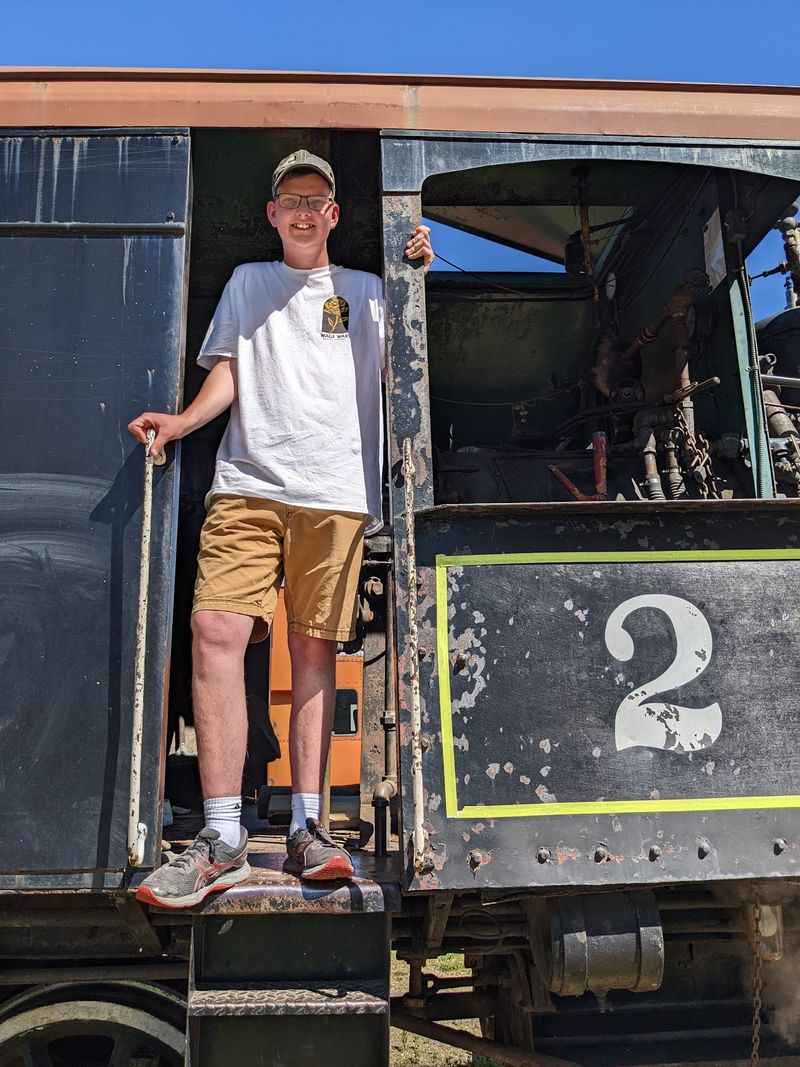
Ask any rail fan about their dream, and riding up front in a working steam locomotive usually tops the list. At this little railroad, that dream is surprisingly within reach.
Cab rides are offered for what one guest called a very modest cost, and their advice was short and sweet: take it. Another visitor who rode in the steam engine with a friend said it was absolutely worth it, praising the engineer and conductor as friendly and welcoming.
Up there, you see the gauges, feel the heat from the firebox, and watch the crew handle the controls. It is loud and hands-on in the best way.
Not every run uses the steam engine, though. Some trips are pulled by a small diesel switcher instead, so if steam is your goal, check ahead before you go.
Few memories beat waving from the cab window.
Rolling Stock to Explore Up Close
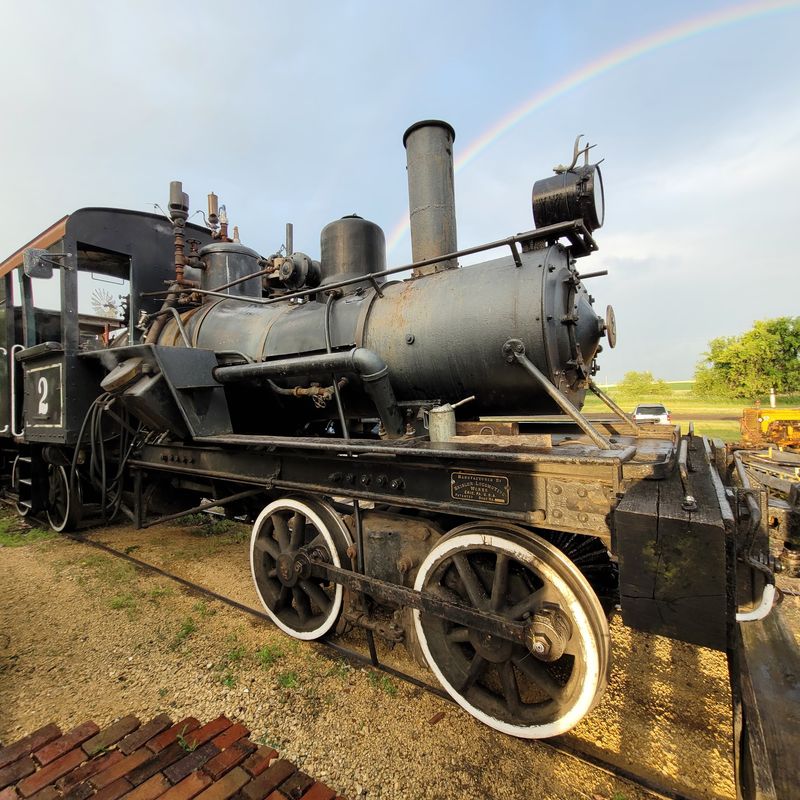
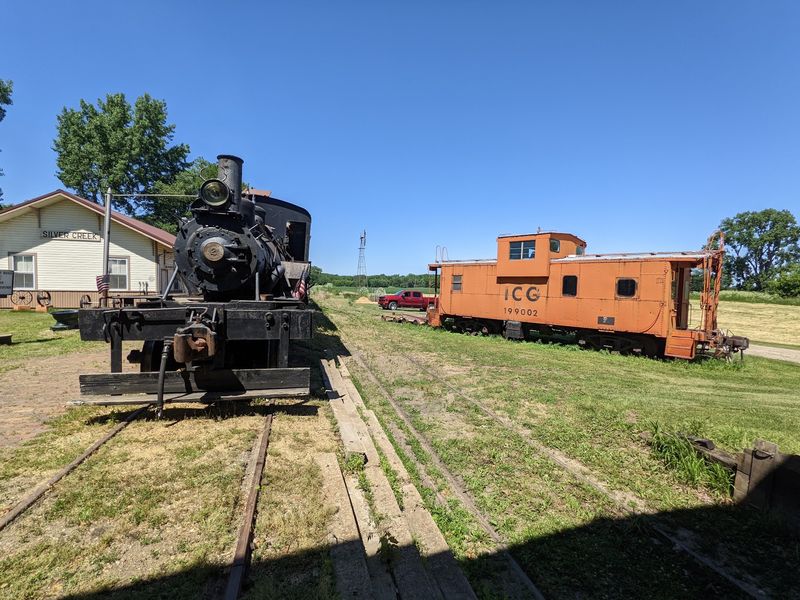
Once you step off the train, the adventure is not over. Around the station sit old train cars and steam engines just waiting for curious eyes.
Visitors mention being able to explore these pieces, which is a treat for anyone who likes to peek at rivets, wheels, and couplers. Several guests noted the equipment looked well maintained and the station building itself was lovely.
Opinions are not unanimous, of course. One past visitor felt some displays looked old and worn, so expectations matter.
These are working relics, not shiny replicas, and a little patina comes with the territory.
Still, for kids who have only seen trains in books, standing next to a real engine is a big deal. Let them guess what each part does, then ask a volunteer for the real answer.
The crew seems to enjoy those conversations as much as the visitors do.
Themed Rooms of Rural Life
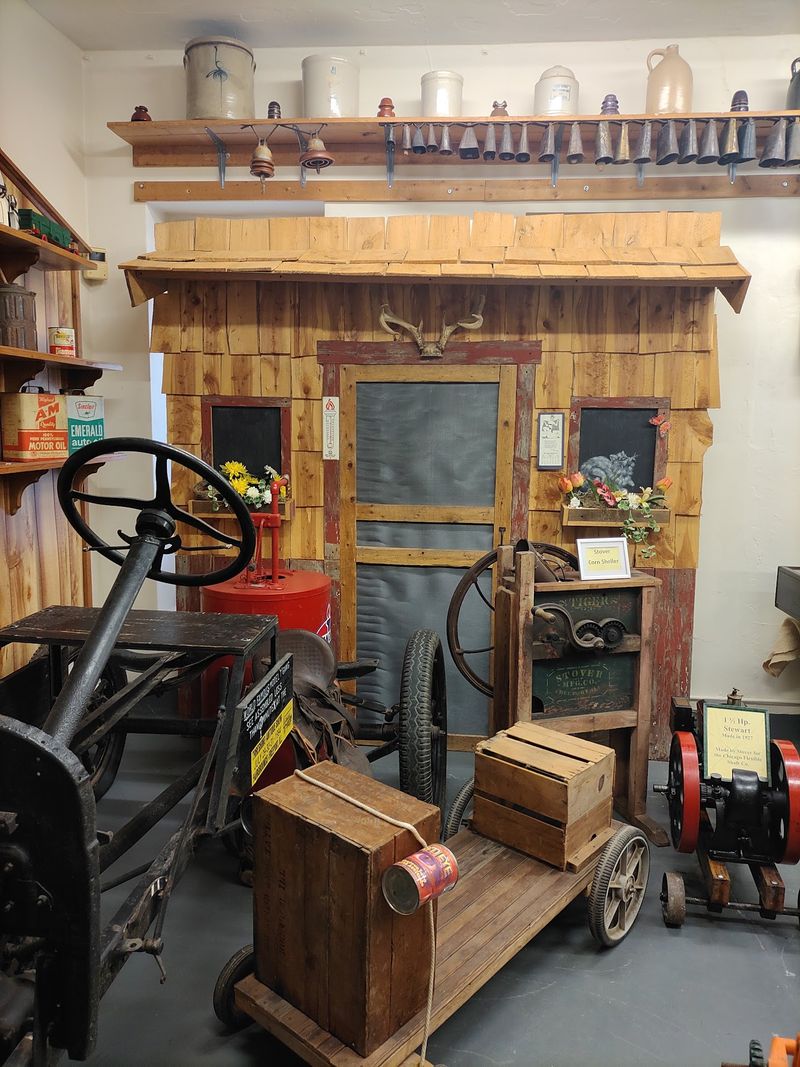
Cross the street and you enter a completely different kind of time machine. The museum of rural life is a highlight many visitors did not see coming.
Spread across two levels, it is laid out room by room, each with its own theme showing places and scenes from times gone by. Guests describe it as well thought out, clean, educational, and fun, with excellent displays.
One visitor spent two hours here and said they could easily have stayed longer. That is a good sign for a museum in the countryside.
Wandering from room to room feels a bit like flipping through a family photo album from northern Illinois. You might spot tools, goods, and everyday items that your great-grandparents would have known by heart.
Bring grandparents along if you can, because their stories will make every room richer.
The Rawleigh Story and a Hometown Mural
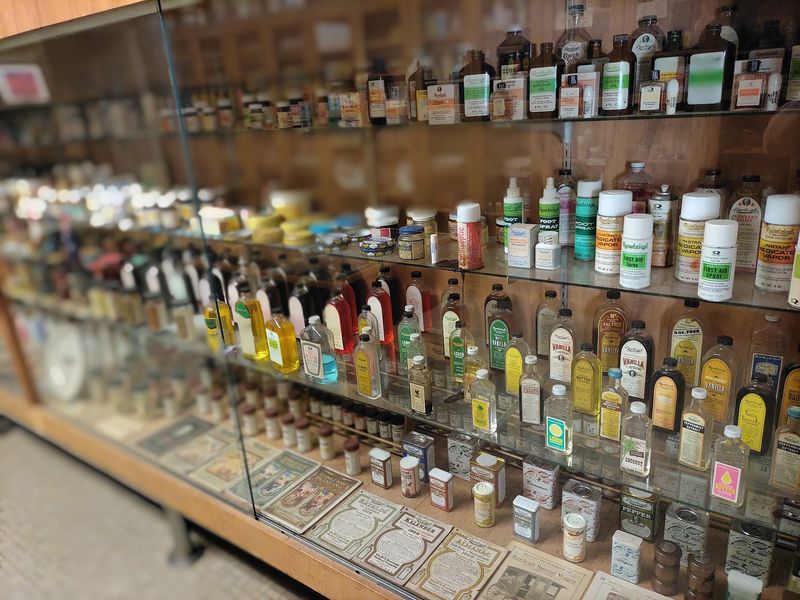
Freeport has a big chapter in American business history, and the museum leans into it. A large collection focuses on a hometown company that one guest said seemed to make nearly everything you could think of.
Shelves hold bottles and examples of the company’s products, offering a close look at what filled cupboards and medicine cabinets decades ago. It is surprisingly fun to compare old packaging with what you buy today.
Near the front door, a room features a striking wall painting of Freeport. Take a moment there, since it helps connect the town’s past to the streets you drove in on.
There is also a detailed model railroad, a crowd-pleaser for kids and grown-up hobbyists alike. Between the products, the mural, and the tiny trains, this part of the visit gives a real feel for local pride.
The Giant Corliss Engine Barn
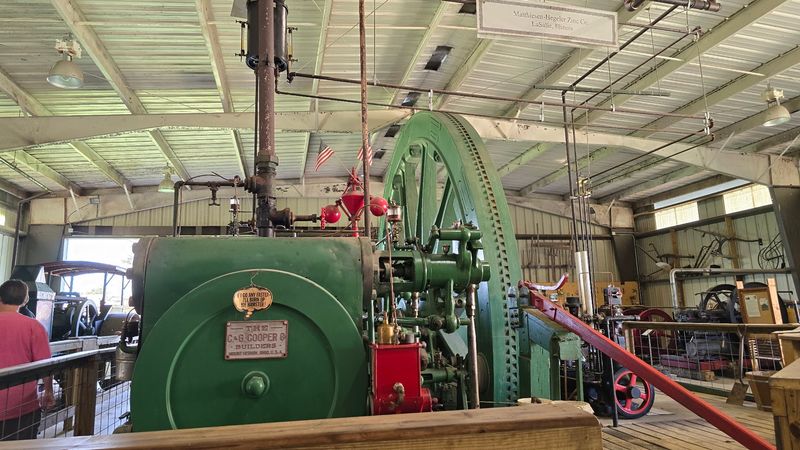
Out behind the museum waits something truly massive. A building houses a huge Corliss engine, along with a good-sized collection of antique engines.
Some of those engines were manufactured in Lockport, another Illinois link that history buffs will appreciate. A Corliss engine is a classic stationary steam engine known for its big flywheel and efficient valves, and seeing one in person shows how factories were once powered.
It may not be running when you visit. One guest suggested looking up videos online to see it in motion, which makes a fun follow-up at home.
The real treasure, though, is the staff. Visitors describe great stories about acquiring, taking apart, moving, and putting the Corliss back together.
Ask about any engine in the room and you are likely to get a detailed, enthusiastic answer. Plan extra time here.
Train of Terror at Halloween
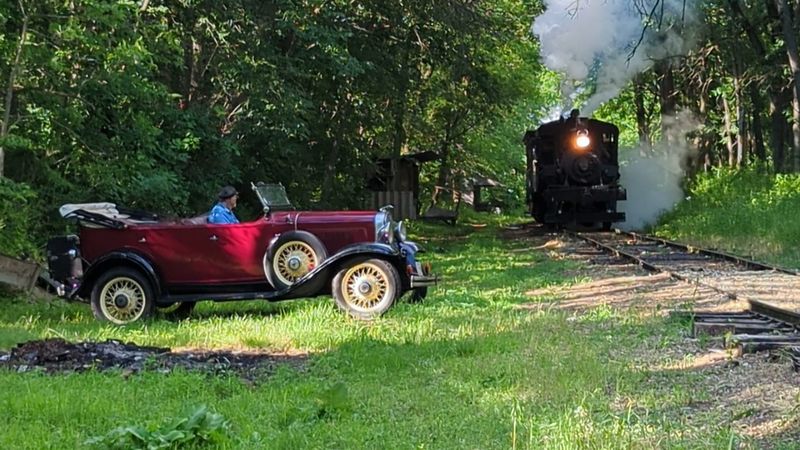
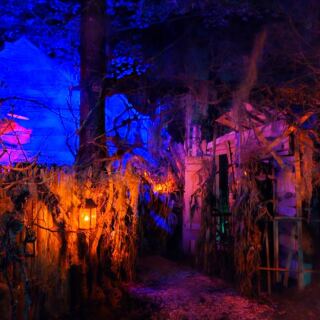
When October rolls in, the peaceful woods get a spooky makeover. The Train of Terror is easily one of the most talked-about events here.
Families return year after year for this nighttime ride. Guests call it a blast, a little scary at points, but not too frightening.
Several describe it as kid friendly and good for all ages, making it a solid pick for families with mixed comfort levels.
Small snacks like popcorn are sold, and one visitor noted accessibility was not an issue for them. People also praise how affordable it is.
One catch: tickets cannot be purchased ahead of time, so arrive prepared to buy at the gate. Dress warm, bring cash, and be ready for that first jolt as the train starts.
Laughter and a few happy shrieks are pretty much guaranteed.
Volunteers Who Love Their Work
Ask almost anyone what made their visit, and the answer often circles back to the people. Friendly is the word that pops up again and again.
Docents explain the museum, the area, the railroad that once owned the track, and even the cars you ride in. One guest summed it up nicely: this is a group of people who enjoy what they do.
That kindness stretches beyond business hours, too. A visitor once happened to drive by while it was closed, and two gentlemen let her train-loving husband look around anyway.
Stories like that say a lot about a place.
Heritage railroads survive because people give their time and energy to keep them running. Chatting with the crew, asking questions, and saying thanks goes a long way.
You might leave with more stories than photos.
Before You Make the Drive
A little planning saves a lot of frustration. Several visitors drove long distances only to find the gates closed, so call ahead before heading out.
The phone number is 815-235-2198, and the website is thefreeportshow.com. One guest learned the season ends in October, and others found online information did not match the actual schedule.
A quick call is the safest bet.
Bring cash. A visitor noted it was cash only, with no credit or debit cards accepted.
Prices are often described as affordable, and the cab ride costs only a modest amount.
You will find it on W Lamm Rd in Freeport, IL 61032, an easy road trip for much of northern Illinois. Plan for a couple of hours at least if you want both the train and the museum.
A weekend afternoon is ideal.
Why It Earns a Spot on Your Illinois List
Not every outing needs roller coasters or big crowds. Sometimes the best memories come from a slow ride, a whiff of woodsmoke, and a friendly wave from the engineer.
This little railroad delivers exactly that. A rare wood-burning locomotive, a winding peek at farm country, themed museum rooms, a giant Corliss engine, and a Halloween ride families repeat every year all add up to a full, satisfying day.
It is not fancy, and it does not try to be. Some may find the ride too gentle or the schedule tricky.
For curious kids, train lovers, and anyone who enjoys local history, though, it hits the sweet spot.
Call ahead, pack some cash, and point your car toward Freeport. Chances are you will leave smelling a bit like a campfire and already planning a return trip.
Share this story