Some trophies turn up in the strangest places, and one of North Carolina’s most surprising sits on a shelf nobody expected. It belongs to something you probably pour into a glass without a second thought.
Judges tasted it side by side with samples from other places, and the results made headlines. Before you start boasting to your kitchen faucet, let’s sort out who really earned the shine.
Raleigh Water earned the bragging rights
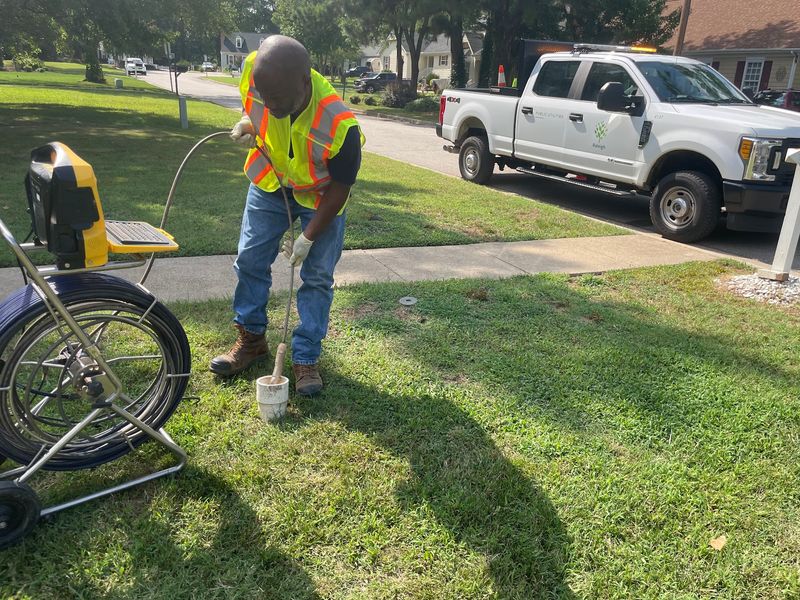
Plot twist: the trophy belongs to Raleigh Water, not to the faucet over your sink. According to the city’s list of accolades, Raleigh Water won North Carolina’s taste-test competition in both 2022 and 2023.
The story did not stop at the state line. The American Water Works Association also recognized the utility’s strong showing, and Raleigh placed third at the 2023 AWWA international conference.
Those honors belong to the utility’s competition sample, a bottle of water prepared for judges. They do not mean every household faucet in Raleigh or the surrounding area won anything, which is the key detail to carry through the rest of this story.
What do the judges actually taste?
Picture a row of small cups and a panel of people with scorecards. AWWA’s Best of the Best contest, described on its water taste test winners page, compares samples from regional competition winners.
Judges score flavor characteristics, so the contest is about how the water tastes and feels in the mouth. Think of it like a cook-off for clean, crisp, pleasant sips.
What the trophy does not do is rank safety, healthfulness, or purity. A taste win is a fun sensory distinction, not a safety certificate and not a ranking of the best water for every person.
A winning sample is not every kitchen faucet
Your sink is a long way from the judging table. The contest compares samples that utilities enter, and it does not test the water at each household connection, as the AWWA competition description makes clear.
Between the utility and your glass sits plumbing that varies from home to home. EPA guidance notes that lead can enter water from pipes, fittings, faucets, and fixtures, and that how long water sits in contact with them can affect exposure.
That does not mean every home is affected, or affected the same way. It simply means a prize-winning sample cannot speak for the specific water at your tap.
Falls Lake and treatment provide context, not a proven recipe
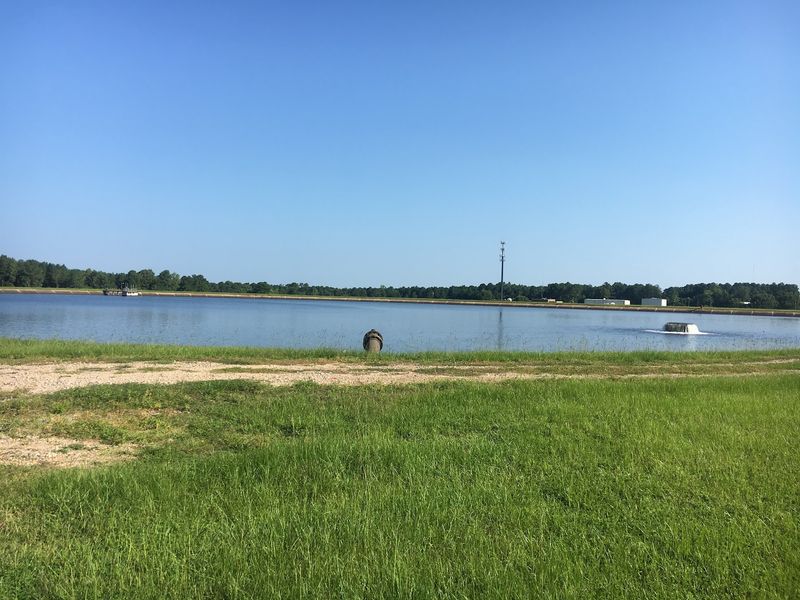
Here is the local backstory. As the city’s Falls Lake facts explain, most of Raleigh’s drinking water comes from Falls Lake and is treated at the E.M.
Johnson Water Treatment Plant.
The plant’s process is documented in a city project description. It includes rapid mixing, flocculation, sedimentation, ozonation, filtration, and disinfection.
It is tempting to point at the lake or one treatment step and call it the secret ingredient. The sources do not say why the sample won, so that part stays a delicious mystery.
The 2025 result is a separate chapter
Fast forward to 2025, when a fresh result landed. The city’s conference recap reports that Raleigh’s E.M.
Johnson plant placed third in the state taste competition.
That is a later, separate result. It is not a continuation of the 2022 and 2023 state wins, and it is not tied to the 2023 international third-place finish.
Keeping the timeline straight helps the story stay honest: two state wins, one international third place, and then a 2025 state bronze for the plant.
Start with your utility’s water-quality report
Want real information about your own water? Start with paperwork, not a trophy.
The CDC advises customers of public water systems to read their utility’s annual water-quality report, as covered in its drinking water overview.
These reports describe the water your utility supplies, and many utilities post them online or mail them out. A quick read on a rainy afternoon can answer more questions than any taste test.
Not everyone needs a home filter, so there is no need to rush out and buy one. Let the report guide your next step.
Taste and appearance cannot answer every safety question
Your senses are handy, but they have limits. The CDC says a change in taste, color, or smell is not necessarily a health concern, though sometimes it can signal a problem.
The flip side matters too. EPA guidance on nuisance chemicals notes that odor-free water is not necessarily safe.
Lead is the classic example. EPA says it cannot be seen, tasted, or smelled, and testing is how you find out whether harmful amounts are present.
So enjoy the taste, read the report, and test if lead worries you. A great glass of water and a safe one are two different questions.
Share this story