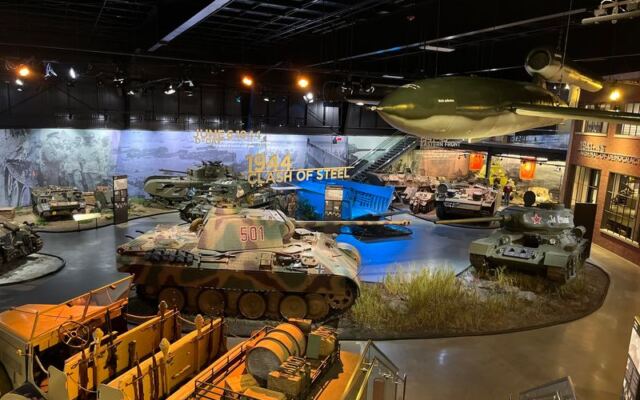
Somewhere off a quiet main street in Massachusetts, a set of doors opens onto a collection that makes jaws drop. Rows of restored tanks, rare aircraft, and military vehicles stretch through the halls, many of them still able to run.
Some pieces here exist nowhere else on the planet, which is a big claim for a spot so close to home. Keep reading to learn where it is, what makes it special, and how to plan a day that may run longer than you expect.
A Main Street Address With Big Surprises
Hudson does not look like a town hiding world-class history. Yet the American Heritage Museum sits right at 568 Main St, Hudson, MA 01749, in the heart of central Massachusetts.
The museum lies just up the road from Worcester, making it an easy drive for much of the state. It is also a reasonable trip from the Boston area, which helps explain why so many out-of-town guests make the effort.
Inside, the focus is military history, told through tanks, planes, uniforms, flags, and personal stories. The collection covers conflicts from the last century and beyond, arranged so guests can follow events in order.
For locals, it is the kind of place that earns bragging rights. Many people across the country have heard of it, while plenty of neighbors a few towns over still have no idea it exists.
That gap is exactly why it belongs on your list.
History Arranged Like a Timeline
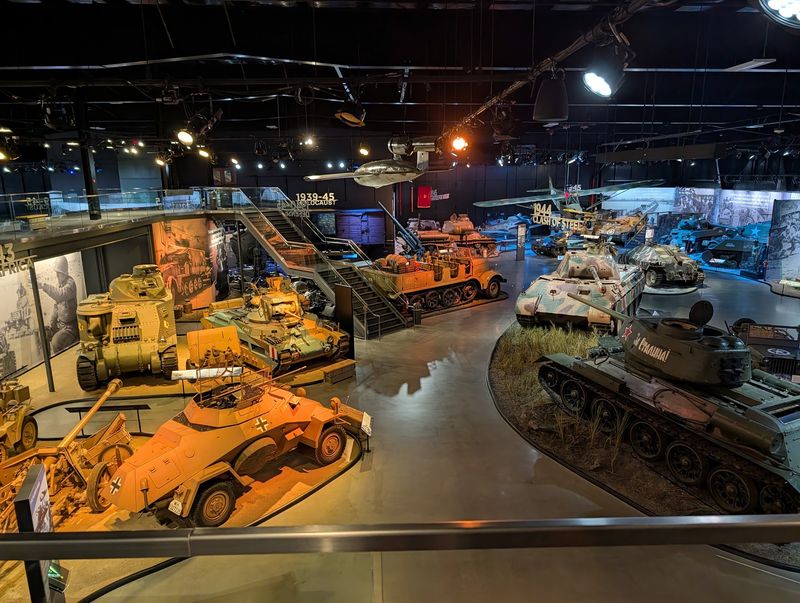
Chronology is the secret weapon of the layout here. Exhibits move in order through time, so guests can follow how machines and strategies changed from one era to the next.
Each display comes with detailed written histories, and videos add context along the way. The result feels less like a warehouse of vehicles and more like a walk through a story with chapters.
Many tanks still carry their original unit markings. Photos often show those same vehicles in action in the regions where they served, which connects each machine to real people and places.
The presentation is clean and carefully designed. Lighting, narration, and signage all work together, so the details stay clear without overwhelming anyone.
Watching the evolution of armored vehicles unfold hall by hall is part of the thrill. By the end, the progress from early designs to modern machines makes a lot more sense.
An Opening Act Worth Keeping Secret
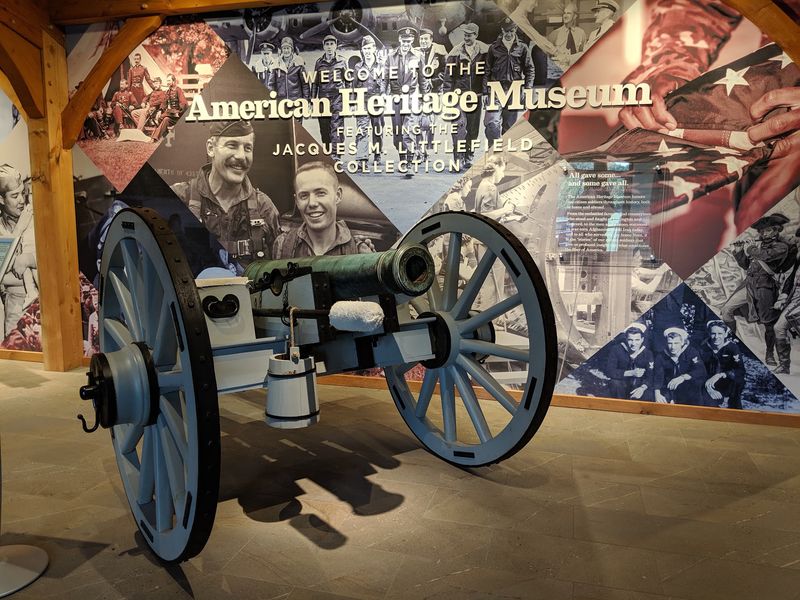
First stop is the gift shop, where tickets are handled. From there, the experience kicks off in a theater room before anyone reaches the main exhibits.
Fans of the museum tend to stay quiet about what happens in that room. Keeping the surprise intact seems to be part of the local etiquette.
After the presentations, guests head downstairs into the museum itself. Next comes a trench experience that offers a sense of what conditions were like for soldiers in that setting.
No spoilers here either. It is enough to say the opening sequence sets the tone and gets people invested before they ever see a tank.
The shows are a smart way to start. They give context to everything ahead, so the vehicles feel like part of a larger human story.
Arrive with time to sit through them. Rushing past would mean missing the setup for the main event.
Rare Machines You Will Not Find Elsewhere

Treasure hunters, this is your moment. Several vehicles in the collection are the only examples in the United States, and at least one is believed to be the only one left anywhere.
That standout is the Japanese Type 4 Ho-Ro, the only known survivor of its kind. Seeing it in person is a rare chance that history fans travel long distances for.
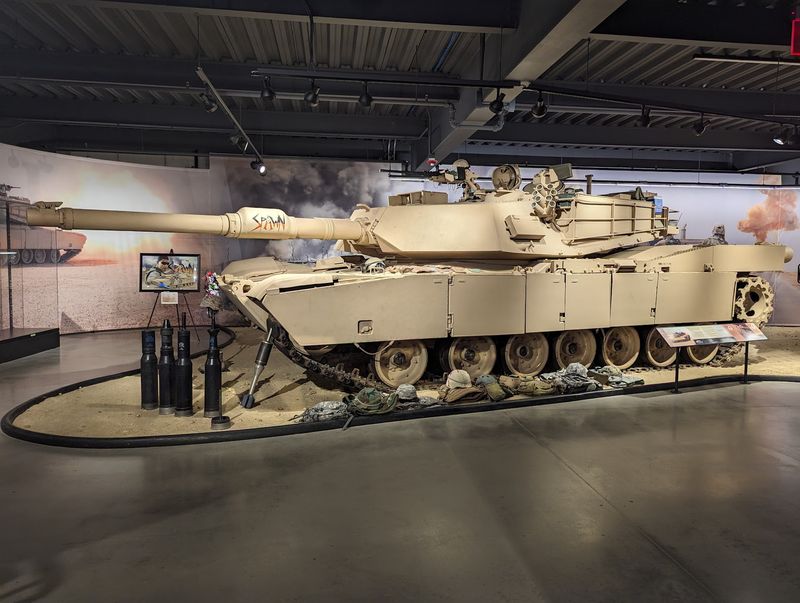
The museum also displays an M1 Abrams, one of very few on exhibit in the country. A beautifully restored German Panther draws plenty of attention too.
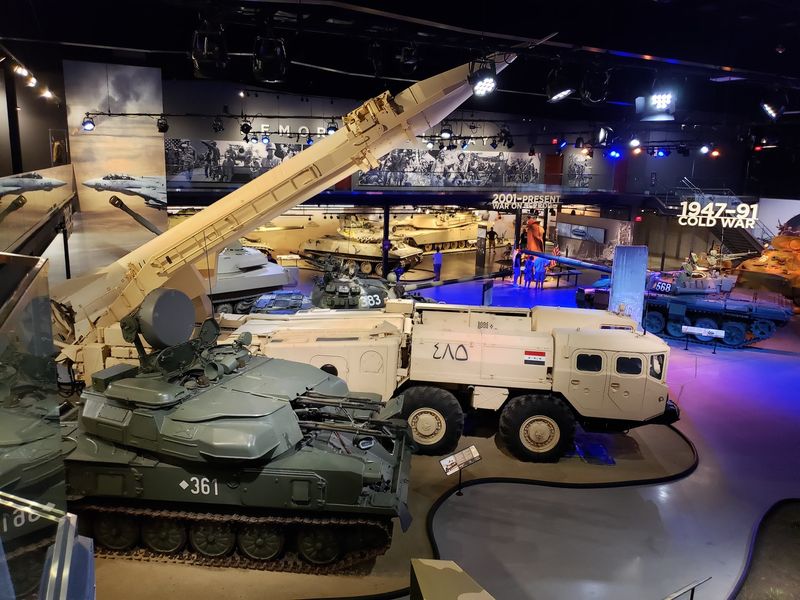
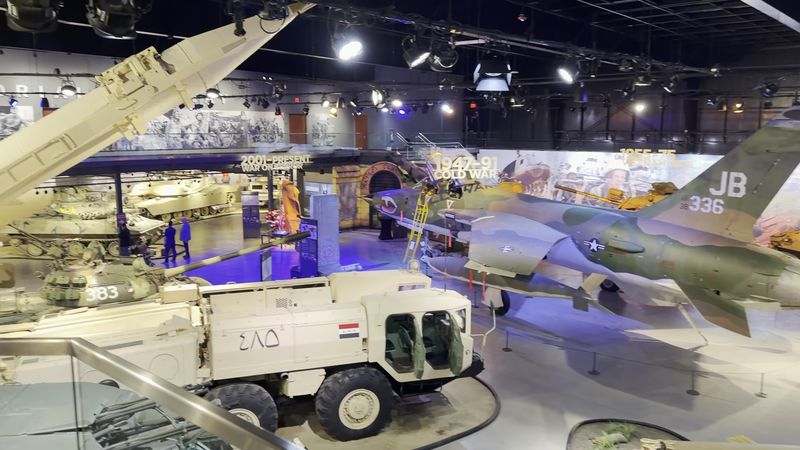
Then there is a surprising Cold War addition: an Iranian SCUD missile with its launcher. It is not the kind of thing most people expect to find in central Massachusetts.
Overall, the collection feels like well over a hundred tanks, staff cars, armaments, and small aircraft. Every corner seems to hold another find worth a second look.
Tanks That Still Run
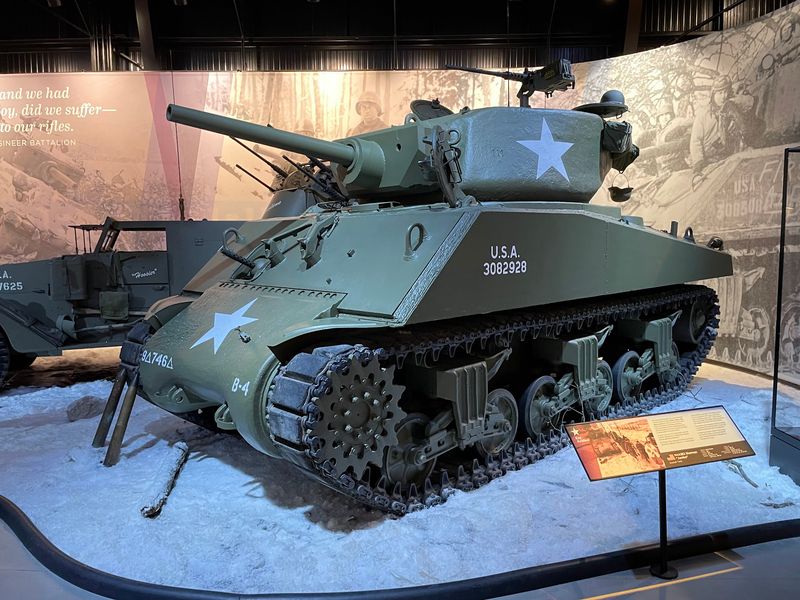
Most museums freeze their machines in place. Here, roughly 90 percent of the tanks are fully restored and still run.
That detail changes the whole experience. These are not shells or replicas but working pieces of history that have been brought back to life.
Restoration work is ongoing, so the collection keeps growing and improving. Returning guests may notice new projects completed since their last trip.
During warmer weather, the museum drives vehicles around outside. Seeing a historic tank actually moving is a very different thing from reading a plaque about it.
The care that goes into keeping these machines operational reflects real respect for the veterans who once relied on them. Each restoration preserves both the hardware and the memory attached to it.
For anyone who has only seen these vehicles in photos or films, the working condition alone makes the trip worthwhile.
Two Buildings, Two Kinds of Wonder
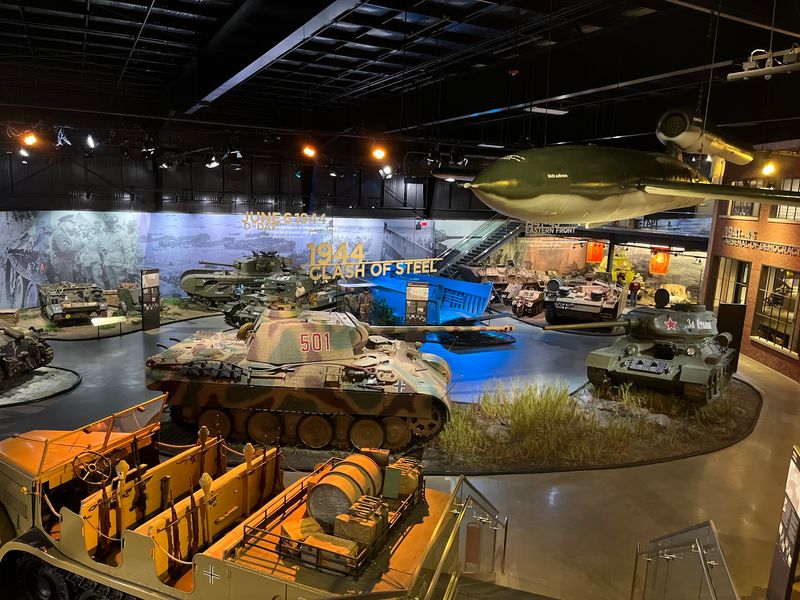
Planes or tanks? Guests do not have to choose.
The campus includes two main museum buildings, one dedicated to aircraft and the other to vehicles.
The vehicle side holds the armored stars of the collection, along with staff cars and other transports. The aircraft side shows off planes from various eras.
Beyond the big machines, there are uniforms, flags, and additional military equipment on display. These smaller pieces fill in the human side of the story.
The overall size hits a sweet spot. It is large enough to fill a day but not so sprawling that it feels exhausting.
There is also big news on the horizon. Plans for a major expansion aim to significantly increase the museum’s size and bring in more aircraft from the collection currently spread across the country.
Getting in now means seeing it before the crowds catch on.
Drive a Tank, Seriously
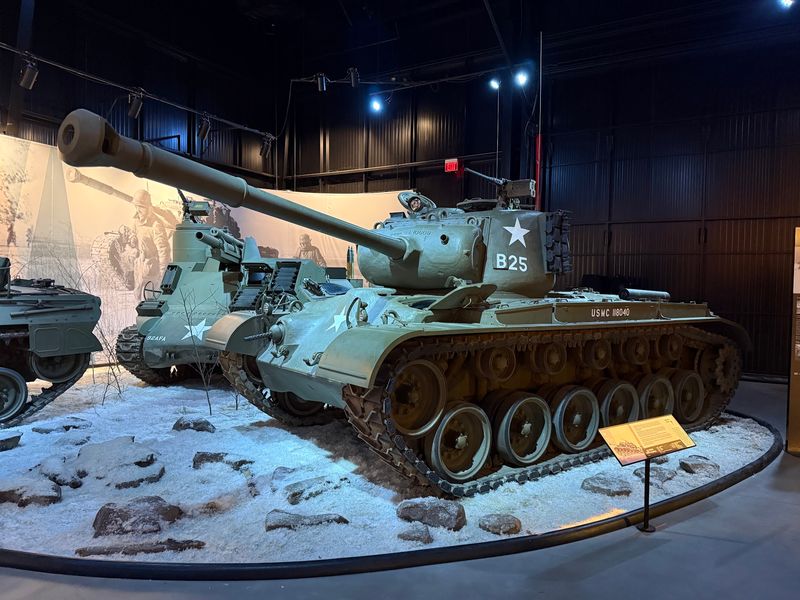
Bucket list item unlocked. For an additional fee, the museum offers several tanks that guests can actually drive.
Rides are also available on event days. One option has been a ride in an M36, with costs running around 200 dollars.
Some guests plan return trips specifically to book a ride in a Sherman tank. It is a common goal for history fans who want more than a look.
Of course, nobody needs to drive anything to enjoy the museum. The exhibits stand perfectly well on their own.
Still, the option adds a layer few museums can match. Climbing into a working machine from another era is a story that tends to get retold at family gatherings.
Since these experiences cost extra, check the museum website for current details and availability. Booking ahead is a smart move, especially around special events.
Living History Weekends and Reenactments
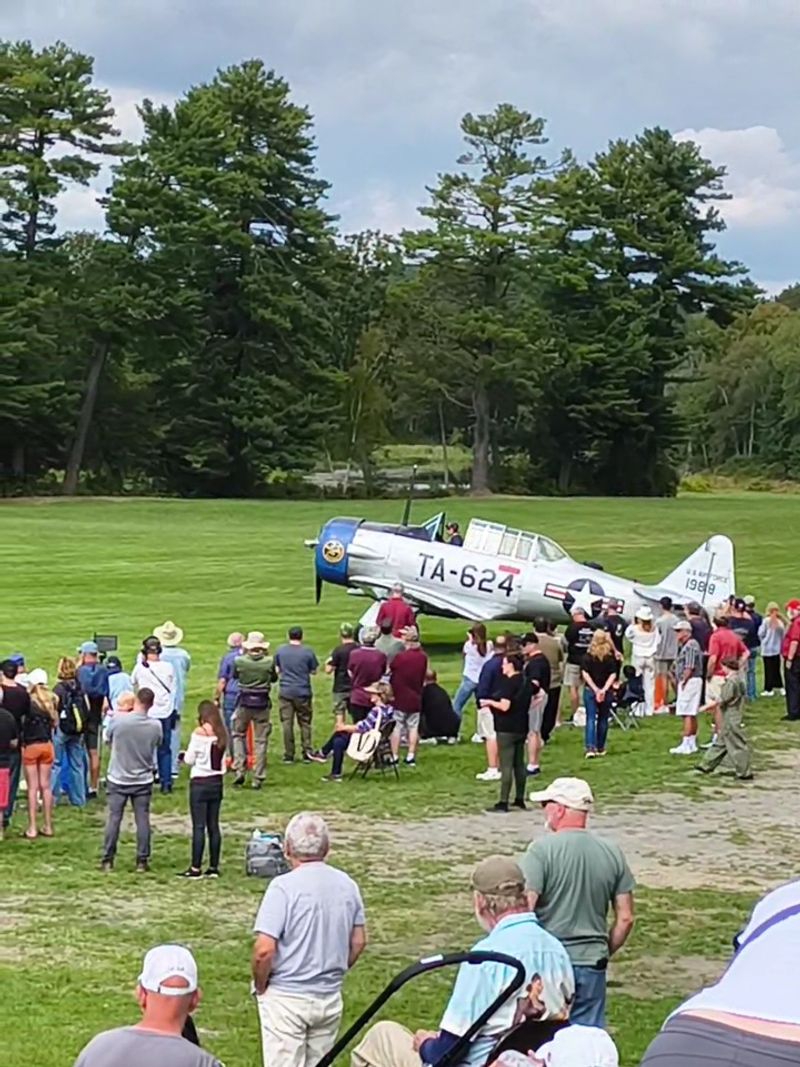
Calendars fill up fast here. The museum runs a full schedule of special events throughout the year.
Living history weekends are a big draw. Battle reenactments feature working vehicles and aircraft in action, which brings the collection out of the halls and into motion.
Families often combine an event with time exploring both museum buildings. It makes for a full and memorable outing.
Some events include activities for kids, such as painting models created by a volunteer. Small touches like these help younger guests connect with the day.
Event days are also when tank rides tend to be offered. Planning around one can turn a regular trip into something bigger.
Fall is a great time to look ahead at the schedule. Check the official website for upcoming dates, then mark the weekend before your friends claim it first.
Good Fit for Families and History Buffs
Kids and grandparents can both find plenty to love. The museum welcomes school trips, families, and longtime history fans alike.
A scavenger hunt helps keep younger guests engaged as they move through the exhibits. School groups have even had the chance to sample MREs.
Some displays may be a bit intense for children under 12. Helpful signage marks those exhibits so parents can decide what to see.
The staff is accommodating with small children. Still, waiting until kids are around 5 or 6 can help them get more out of the visit.
There is also a VR experience available, which is optional for anyone who prefers to skip it.
Seasoned museumgoers in their 70s have called this collection one of the best they have seen. That broad appeal makes it a strong pick for multigenerational outings.
Hours, Tickets, and Time to Budget
Timing matters here. The museum is open Wednesday through Sunday, 10 AM to 5 PM, and closed Mondays and Tuesdays.
Tickets can be purchased at the gift shop on arrival. Prices have been around 23 dollars, and buying online may offer a discount, so check the website before heading out.
Membership brings a bonus. A qualifying membership includes NARM reciprocal benefits, giving free admission to more than 1,000 museums and science centers across the United States and Canada.
Plan generously. A quick pass might take two hours, but many guests spend five or six, and some stay all day.
Arriving right at opening is a smart strategy. It leaves room for videos, signs, and conversations.
On-site lunch options are available, though the variety is limited. Packing patience for a long day is the real must-have.
Worth the Detour, and Then Some
Some places check a box. Others pull people back again and again, and this museum clearly belongs in the second group.
Guests have driven more than three hours each way, multiple times a year, just to return. Others have planned trips from as far away as Germany.
The collection holds its own against major national museums, all while sitting in a quiet town in central Massachusetts. That contrast is part of the fun.
Between rare vehicles, working tanks, dedicated volunteers, and a packed event calendar, there is always a reason for another trip. The upcoming expansion only adds to that list.
For Massachusetts residents, it is a low-effort day out with a huge payoff. A short drive leads to stories that span continents and generations.
Go once, and the next visit will probably already be on the calendar.
Share this story