
Some of the best fall outings in North Carolina start with a hunch and a full tank of gas. Up in the high country, a flash of orange against the autumn grass might turn an ordinary overlook stop into the highlight of your day.
Monarch butterflies pass through the mountains each fall, and with a little planning you can give yourself a real chance to spot them. Here is how to turn a scenic drive into a butterfly watch without chasing promises.
Fall migration makes October a possibility, not a promise
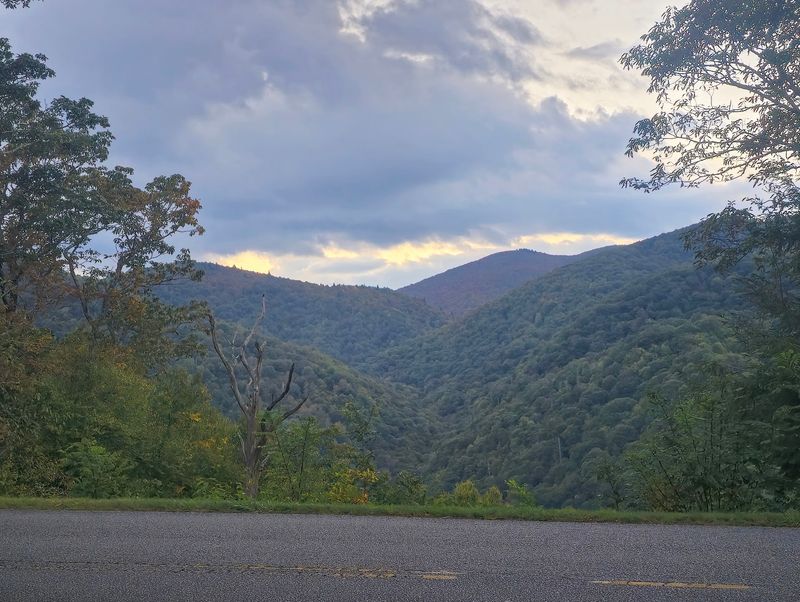
Autumn is when monarchs head south, and the Blue Ridge sits along their path. The National Park Service says migrating monarchs are often seen along high-elevation meadows in September and October, which makes this stretch of the calendar the usual viewing window.
A usual window is not a daily guarantee. Explore Asheville uses the word thousands to describe the yearly movement across the region, and it narrows the timing to mid-September through several weeks into October.
That is a description of the season, not a count at any overlook on the day you travel. Think of it as a good reason to go, with a few butterflies as a lovely bonus if luck cooperates.
A mountain passage on a much longer journey
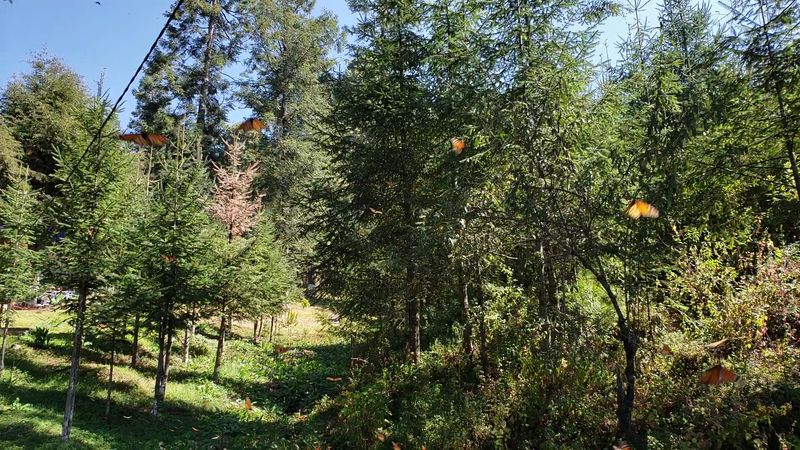
Picture a butterfly weighing less than a paperclip crossing a mountain range. According to the Butterflies of North Carolina account, many monarchs seen in the state in September and October are migrants, and they may pass over mountain ridges.
The mountains are only one leg of a bigger trip across eastern North America, generally aimed at overwintering areas in central Mexico. Monarchs are especially well known for this long-distance travel, though they are not the only butterflies that migrate.
The full cycle spans several generations, so no single butterfly makes the entire round trip. A long-term monitoring study also found that fall timing can shift over the years, so exact peak dates are hard to pin down.
Why Cherry Cove is the clearest starting point
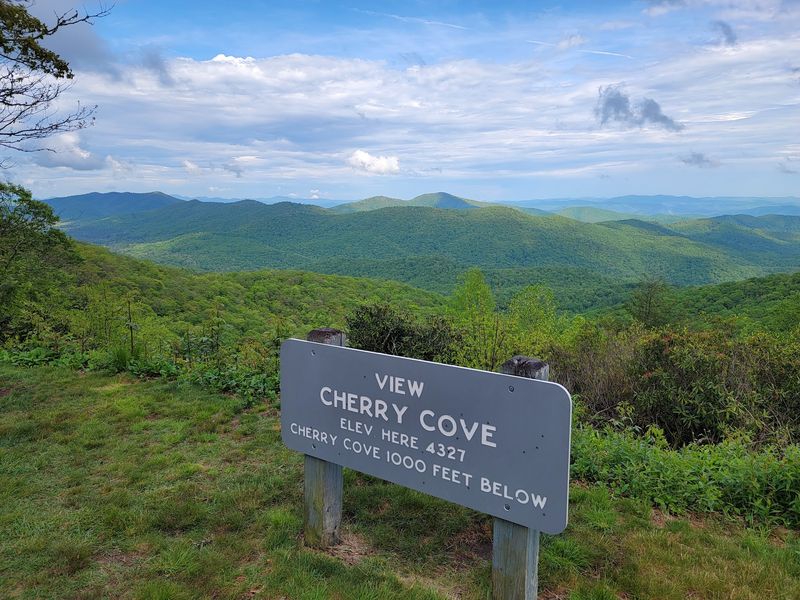
If you want one place to circle on the map, start with Cherry Cove Overlook. The National Park Service lists it at Blue Ridge Parkway milepost 417, and its monarch page points visitors toward high-elevation meadows and this overlook as spots to look.
Other sources list a different milepost for Cherry Cove, so go with the Park Service number when planning.
Treat it as a promising place to pause, not a dependable roost. Bring binoculars, scan the meadow edges and flowers, and enjoy the view even if no wings show up.
Other high-country spots can widen the search
Flexible drivers can add a few more stops. Explore Asheville also mentions Wagon Road Gap, Pounding Mill, and Black Balsam-area spots as places where visitors might look for monarchs.
Think of these as options for a relaxed scenic drive, not a ranked list or a fixed route. Confirm directions and access before you head out.
Flexibility matters because butterflies do not read itineraries. Journey North notes that roost locations vary from year to year, and even good-looking sites will not always have monarchs.
Warm, bright afternoons offer better viewing conditions
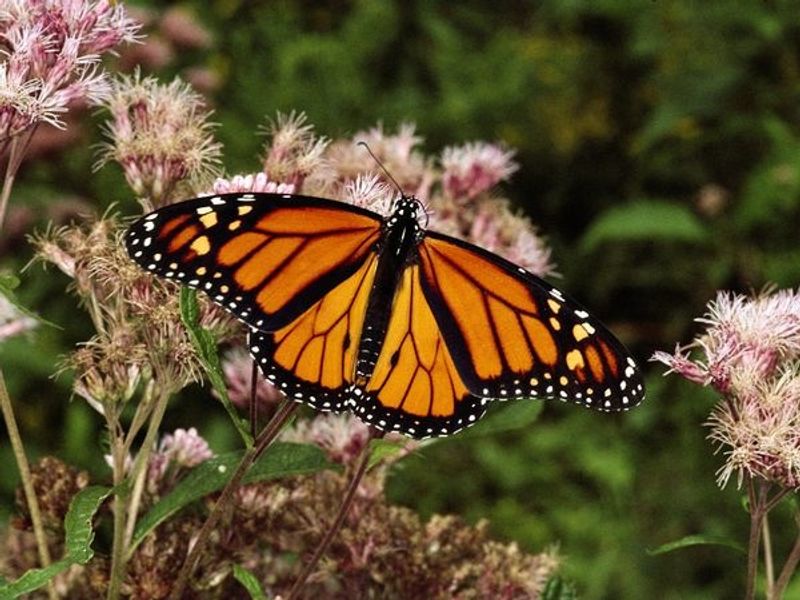
Butterflies like sunshine, and so do the people who count them. A North American monitoring guide from the Commission for Environmental Cooperation recommends daytime surveys, ideally from 10 a.m. to 4 p.m. on warm, sunny days.
It lists rain, temperatures below 60°F, and sustained winds above 30 mph as conditions that are not prime for viewing. Those are recommendations for surveyors, not a forecast that monarchs will appear.
Before you go, peek at Journey North’s fall maps for recent adult sightings and roost reports. Community reports can hint at what is happening nearby, but they cannot promise activity at your chosen overlook.
Check road status and keep every stop safe
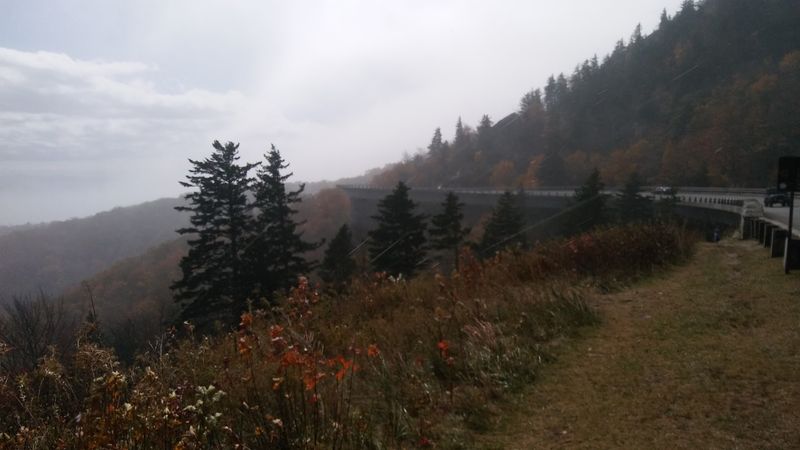
Mountain roads can change plans fast. The National Park Service status page, updated October 2, 2026, listed mileposts 411.9 to 418.7, the section near Cherry Cove, as open, while reporting closures elsewhere on the Parkway.
Conditions can change, so check the official page again before you leave instead of trusting an older update.
Once you arrive, keep it simple and safe. Parkway guidance says to obey speed limits and pull into overlooks to enjoy the scenery.
Watch and photograph from established overlooks or safe pullouts, never from the travel lane or where parking is prohibited, and never slow down on the road to look for butterflies.
Let the mountain drive be the reward
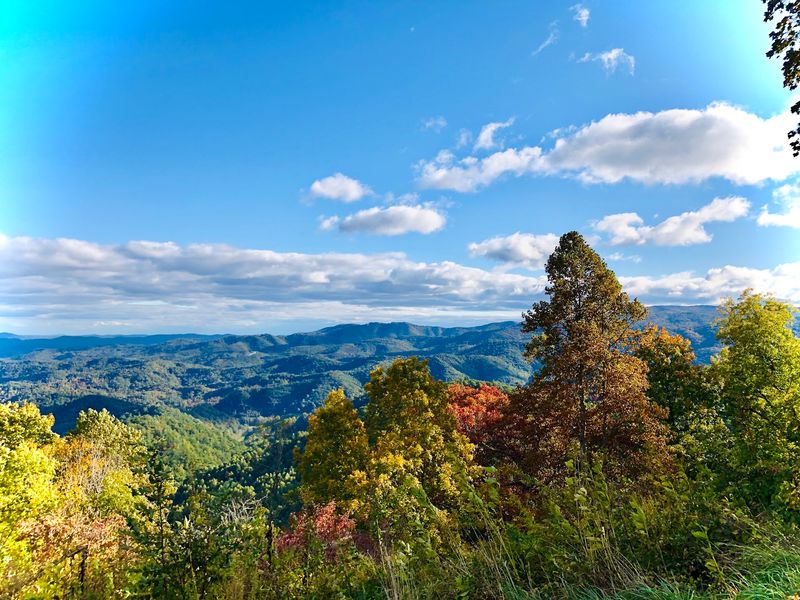
Pick a bright fall day, glance at the Parkway status page and recent sighting maps, and head up with an open mind.
The ridges will put on a show either way, and an orange flicker over the grass is simply the sweetest surprise.
Share this story