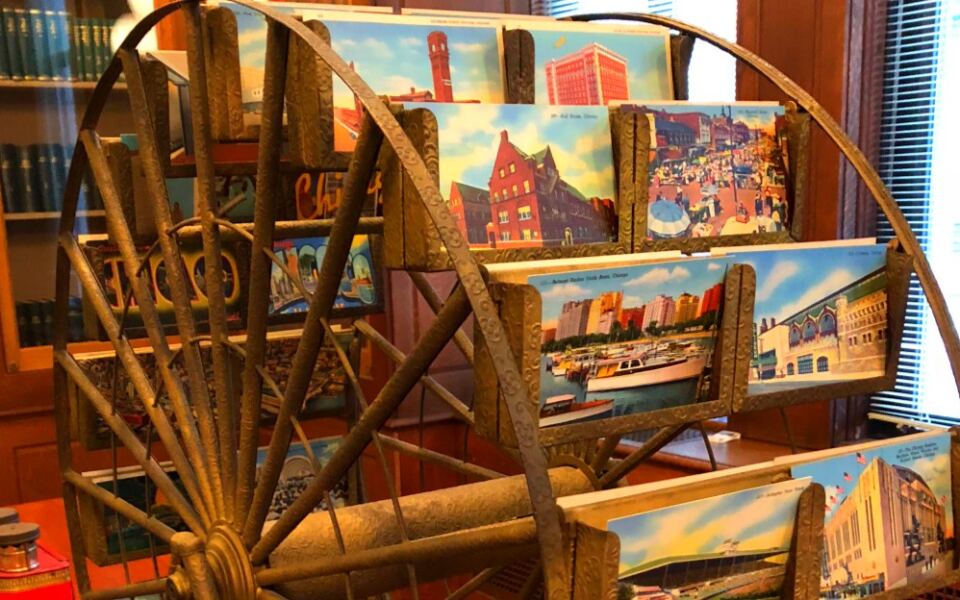
Long before anyone posted vacation photos online, people bought a picture card for a penny or two, scribbled a quick note, and dropped it in the mail. Those little rectangles showed grand hotels, roadside diners, busy downtown streets, beaches, bridges, and train stations.
Many of those places look totally different today, and some are gone completely. Here is the good news: millions of those cards survived.
Libraries, museums, and archives across America now protect huge postcard collections, and a few hold more cards than a small town has people. Each card is a tiny time capsule with a stamp on it.
In the list below, you will find where these collections live, what makes each one special, and how you can see many of them online or in person. Some are famous names in big cities, while others are small local museums with a surprising story to tell.
Grab a comfy seat, because this trip through American history comes with no luggage fees and no lost bags. Wish you were here.
1. Museum of Fine Arts, Boston, Massachusetts
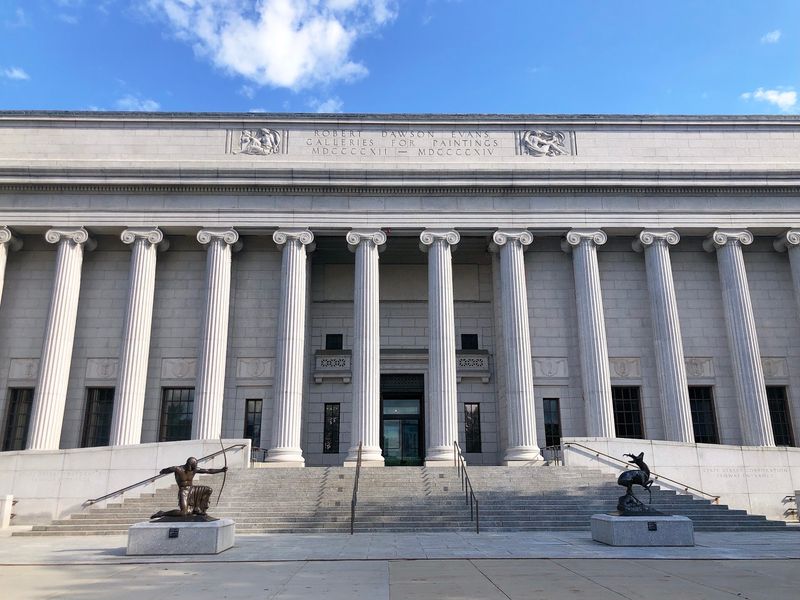
Paintings and statues get most of the attention in Boston, yet one of the museum’s quietest treasures fits in your palm. The Museum of Fine Arts holds or has been promised nearly 130,000 postcards.
That number places it among the largest postcard collections on the planet. Much of it comes from the Leonard A.
Lauder Postcard Archive, promised to the museum in 2010.
Most Lauder cards date from 1890 to 1940, the true golden age of postcards. Subjects include fashion, advertising, politics, humor, and travel.
Fans of clever design will enjoy the mechanical cards, which have moving parts that slide or flip. There is also a nearly complete set of about 15,000 Detroit Publishing Company cards.
The museum later added the Joel Wayne Collection, almost 1,600 hand-drawn cards covering holidays, fashion, and civic celebrations. Best of all, the postcards appear on the MFA website, so anyone can browse from home in pajamas.
2. William H. Hannon Library, Los Angeles, California
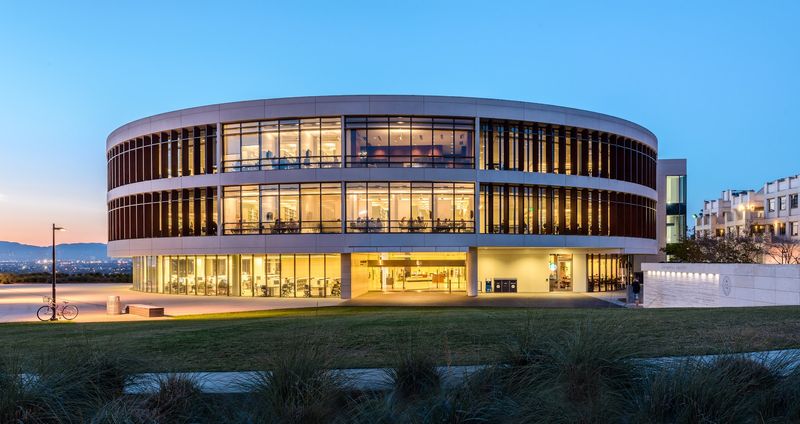
One million. That is roughly how many postcards sit inside the Werner von Boltenstern Postcard Collection at Loyola Marymount University.
The William H. Hannon Library calls it one of the largest publicly accessible postcard collections in the United States.
Cards date from the late 1800s, when postcards first appeared, right up to today.
Staff sort them into two big groups. View cards are organized by location and show nearly every country, while thematic cards cover comics, greetings, advertising, art, and politics.
Then come the oddballs. Some postcards were made from leather, wood, copper, or embroidery, which surely confused a few mail carriers.
A digital set of 200 cards focuses on Los Angeles and Southern California in the early 1900s. It shows resorts, shopping centers, celebrity homes, amusement parks, and even earthquake scenes.
Much of the physical collection is still uncataloged, so checking with librarians before a visit is a smart move.
3. New York Public Library, New York City, New York
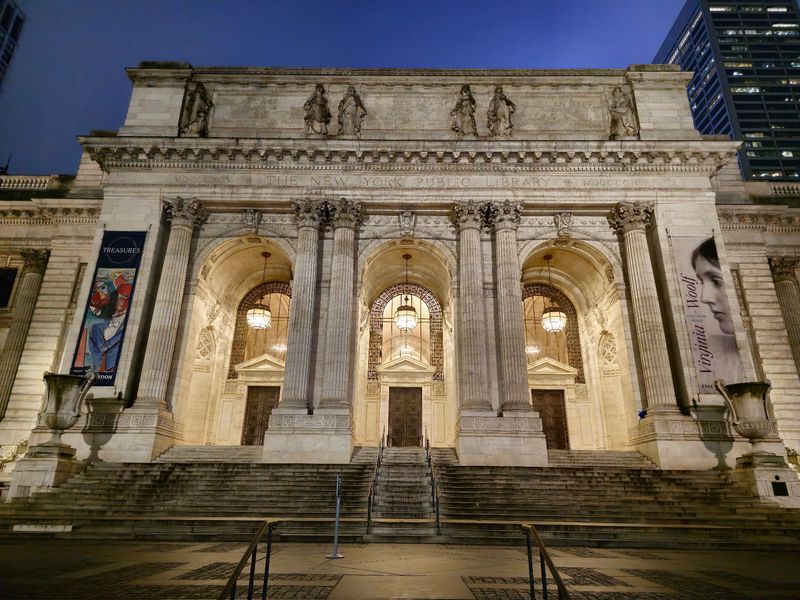
Old Manhattan theaters, hotels, and restaurants that vanished decades ago still stand tall on paper at the New York Public Library. The Milstein Division keeps a postcard collection filling 79 boxes.
These cards date from about 1890 to 2015, with a big focus on the early 1900s postcard boom. Bridges, parks, streets, and buildings appear just as travelers saw them over a century ago.
The Picture Collection adds about 50,000 reference and circulating postcards. Yes, some postcards can actually be borrowed, which makes this library a bit of a rule breaker.
Online, the Historical Postcards of New York City set shows 500 cards with both fronts and backs. Reading the backs is half the fun, since old messages reveal what senders thought of the big city.
A digitized Staten Island collection, donated by collector Catherine Robinson, gives the often-overlooked borough its own spotlight.
4. National Museum of American History, Washington, D.C.
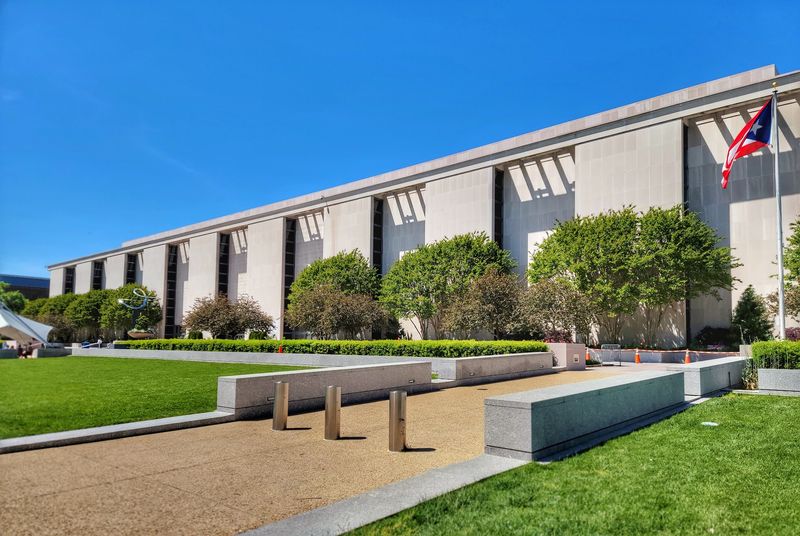
Diners, motels, and giant roadside statues earned their place in the Smithsonian, thanks to a few devoted postcard collectors. The National Museum of American History keeps cards in several archival collections.
A major one is the Victor A. Blenkle Postcard Collection.
Its 29 boxes hold cards from about 1880 to 1970.
Blenkle’s cards show landmarks and scenery from the United States, Western Europe, and other regions. Think of it as a world tour that never needed a passport.
Another collection comes from writers Jane and Michael Stern. The pair spent years driving across America to write about popular culture and local food.
Along the way, they gathered vintage cards from diners, tourist stops, monuments, and quirky commercial buildings. Their finds capture the everyday roadside life many history books skip.
Researchers can contact the museum’s Archives Center to arrange a visit. Planning ahead helps, since archival materials are kept in storage.
5. Library of Congress, Washington, D.C.
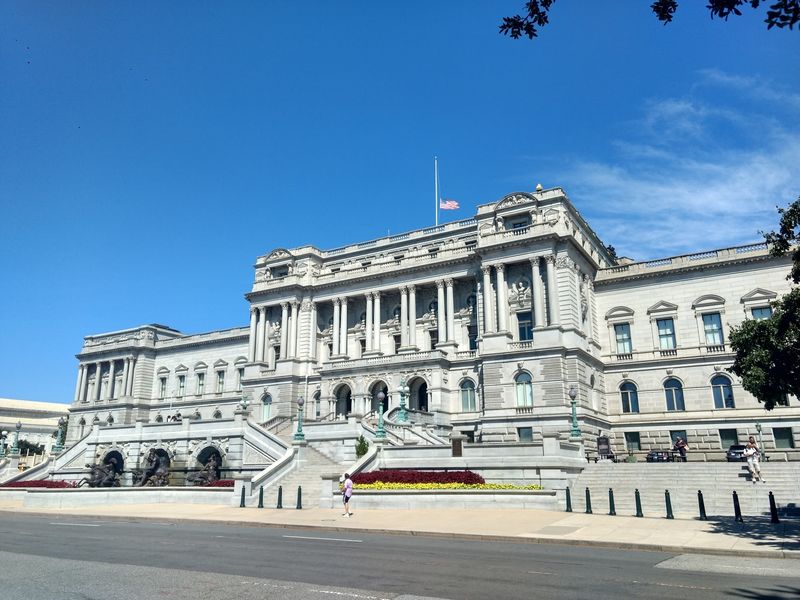
Some postcards were simply too big for a regular mailbox. The Library of Congress holds more than 400 panoramic and oversized cards from about 1900 to 1965.
These wide cards captured entire cities and landscapes in one stretch. Many have been digitized, so viewers can zoom in on details the original buyer probably never noticed.
The Prints and Photographs Division also has a Postcard Filing Series. It runs from around 1890 to today, though most cards come from before 1950.
Coverage is strong for the World Wars and for architecture in America and Europe. France, Germany, Italy, and Russia all appear often.
Here is a fun fact: only a small share of these cards were ever mailed. Many people bought postcards just to keep.
The African Section adds over 7,000 historic photo postcards. Together, these holdings show every major postcard printing method, which makes them a dream for curious history fans.
6. San Diego History Center, San Diego, California
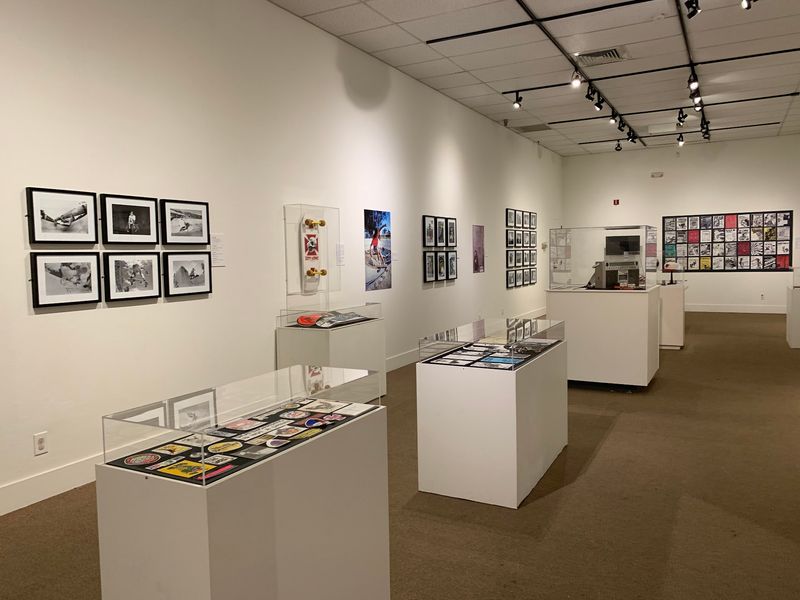
Picture a San Diego with no freeways and plenty of open hills. The San Diego History Center can show you, one postcard at a time.
Its dedicated collection holds roughly 6,000 postcards. The dates stretch from 1875 all the way to 1997.
That long timeline is the real star here. Most collections focus on one short postcard craze, but this one covers more than a century of change.
Flip through the years and you can spot new architecture rising downtown. Printing styles shift too, from early black and white images to bright modern color.
The cards also reveal changing tourist tastes. What visitors thought was worth mailing home in 1910 looks very different from 1970 picks.
The center sits in Balboa Park, so a research trip can easily turn into a full day out. Contact the research archives ahead of time to schedule a look at the collection.
7. Santa Barbara Historical Museum, Santa Barbara, California
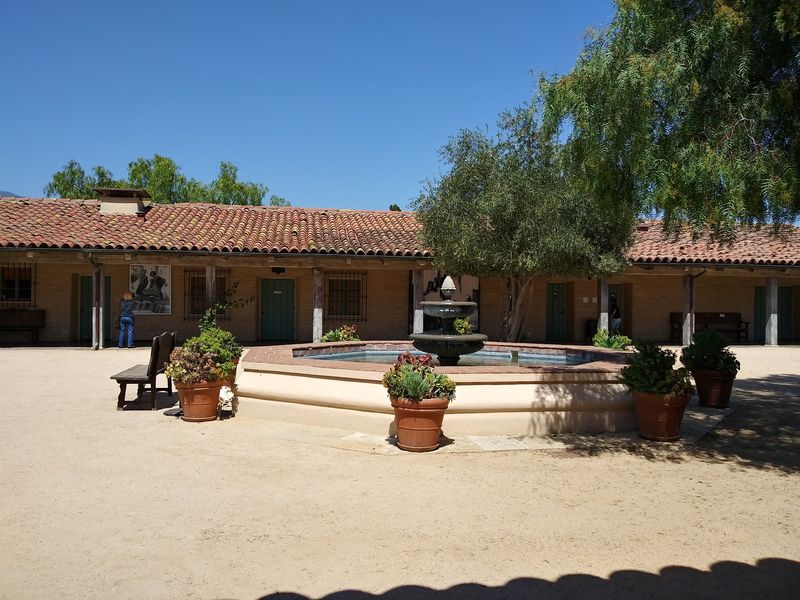
Red tile roofs and mission bells practically beg to be printed on postcards. Santa Barbara answered that call, and the evidence now rests in the Gledhill Library at the Santa Barbara Historical Museum.
The Peter Jordano Santa Barbara Postcard Collection holds about 7,300 unique cards. They date from 1901 to 1989.
Most images show Santa Barbara and nearby coastal towns. California’s historic missions also make frequent appearances.
Postcard nerds will enjoy tracking design changes. Early undivided-back cards only allowed an address on the back, so messages had to squeeze onto the front.
Later came the linen era, known for bold colors on textured paper. The chrome era followed with glossy photo-style cards.
Looking through the collection means watching both the town and the postcard itself grow up. Call the library before visiting, since research hours can be limited.
8. Pennsylvania State Archives, Harrisburg, Pennsylvania
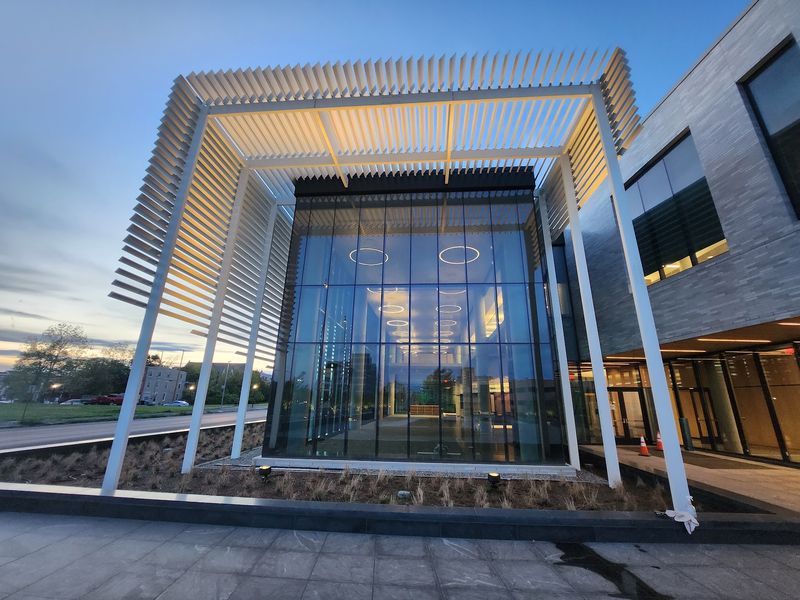
Ten cubic feet of postcards might not sound huge until you realize each card is about the size of a hand. The Pennsylvania State Archives packs that space with views of the entire state.
The collection dates from around 1880 to 1974. Cards are usually arranged by county, so finding your hometown can be fairly simple.
Subjects range from churches and bridges to factories, railroads, and country roads. Gettysburg Battlefield views sit near Pittsburgh scenes of inclines, hotels, and amusement parks.
Not every card shows a place. Some are advertising, greeting, political, or patriotic cards.
Staff even use postcards to illustrate topics like lumbering, mining, banking, and the steel industry. History lessons rarely look this cheerful.
Need more Pennsylvania? The Heinz History Center in Pittsburgh has its own General Postcard Collection covering almost every town and county.
Two archives means double the road trip without any gas.
9. The Henry Ford, Dearborn, Michigan
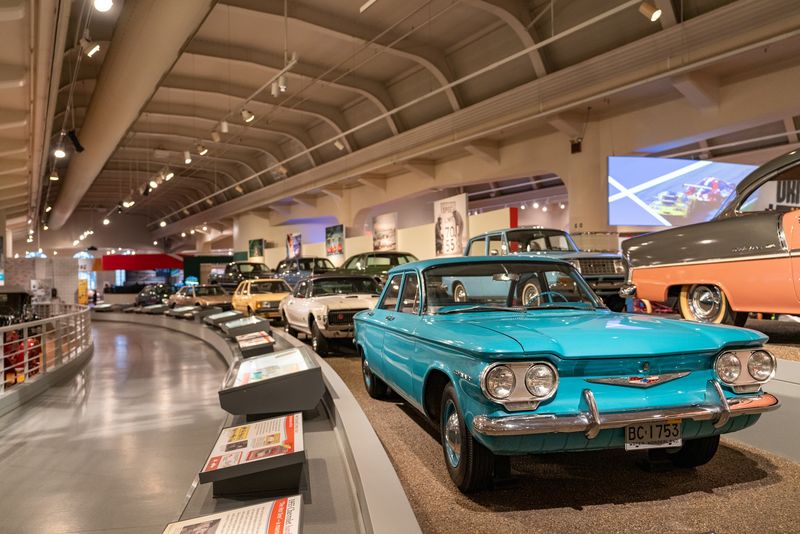
A museum famous for Model Ts and old train engines also keeps a stack of travel souvenirs. The Benson Ford Research Center at The Henry Ford preserves postcards as part of its record of American life.
Its Research Center General Postcard Collection is available by request. Researchers simply ask, and staff bring out individual cards.
Some of the brightest examples come from the Detroit Publishing Company. Its colorful views helped shape how Americans pictured cities and landmarks in the early 1900s.
The fit makes perfect sense. The Henry Ford focuses on transportation, travel, and industry, and postcards were how many travelers shared their trips.
A card of a busy highway or new factory says a lot about how people moved and worked. Pair a research visit with the museum floor, and the cars on display suddenly have scenery to match.
Requests should be made ahead of time through the research center.
10. Newberry Library, Chicago, Illinois
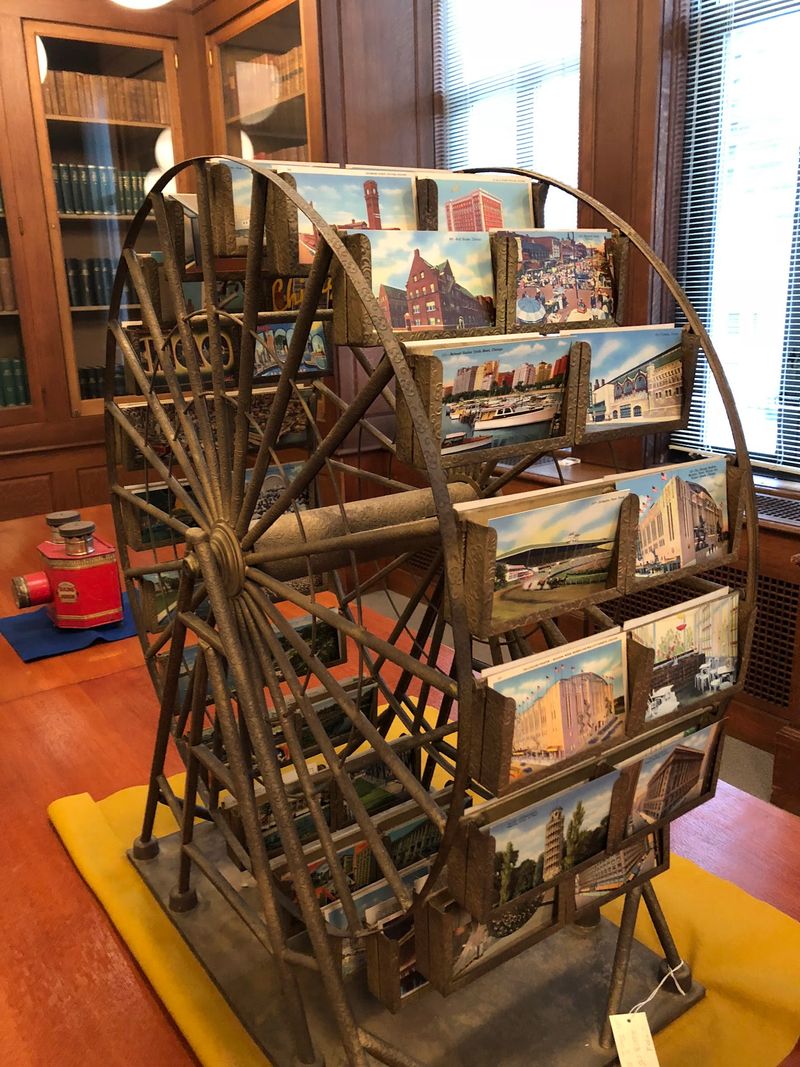
Ever seen a giant Greetings From postcard with tiny pictures tucked inside each letter? The company behind that famous style, Curt Teich and Company, left its records to history, and they now live at Chicago’s Newberry Library.
The Curt Teich Postcard Archives Collection arrived in December 2016. At the time, it held about 2.5 million items, including more than 500,000 unique postcard images.
Teich printed postcards from 1898 to 1978, so the archive covers highways, fairs, amusement parks, Route 66 stops, and even silly tall-tale cards with jackrabbits the size of cars. Over 300,000 views show North American places, with extra strength in the Midwest.
The library also holds cards from Detroit Publishing Company, Dexter Press, and others. Can’t visit Chicago?
About 27,000 postcards are on the Internet Archive.
Visitors aged 14 and older can study the collection in person with a free reader card. Bring patience, because the browsing can last for hours.
11. Seattle Public Library, Seattle, Washington
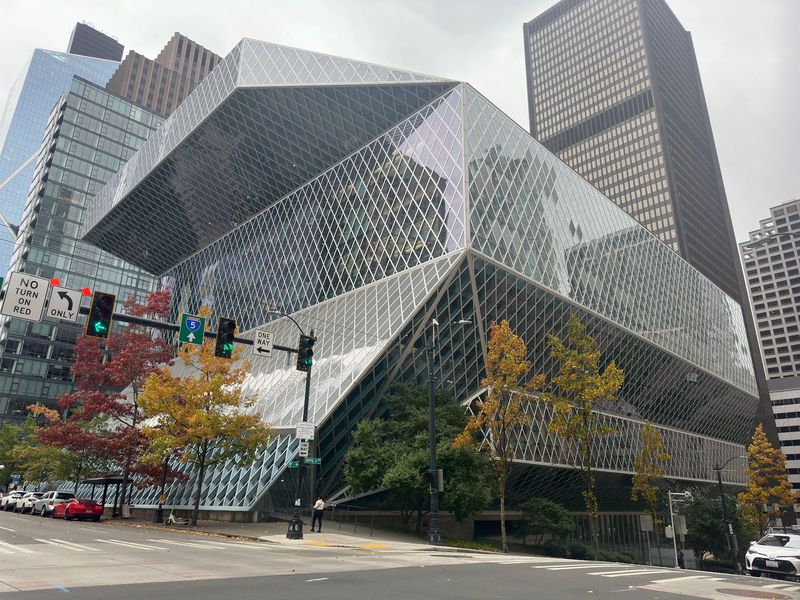
Dear Mom, the weather is rainy. That kind of note shows up on some of the cards at the Seattle Public Library, and honestly, some things never change.
The library’s historic postcard collection holds more than 800 cards. They cover Seattle from the early 1900s through the 1960s.
Buildings, waterfronts, parks, restaurants, and railroad stations all appear. Major city events got their own cards too.
What makes this group special is the handwriting. Many backs still carry personal messages, giving a peek into real people’s days.
The Seattle Room Digital Collections let anyone explore these cards online. Photos and other archival items are there as well.
The library also keeps the postcard spirit alive today. In 2025, it teamed with local artists and photographers on 27 collectible postcards, one for each branch.
Collecting all of them could be a fun weekend challenge for families.
12. New Orleans Public Library, New Orleans, Louisiana
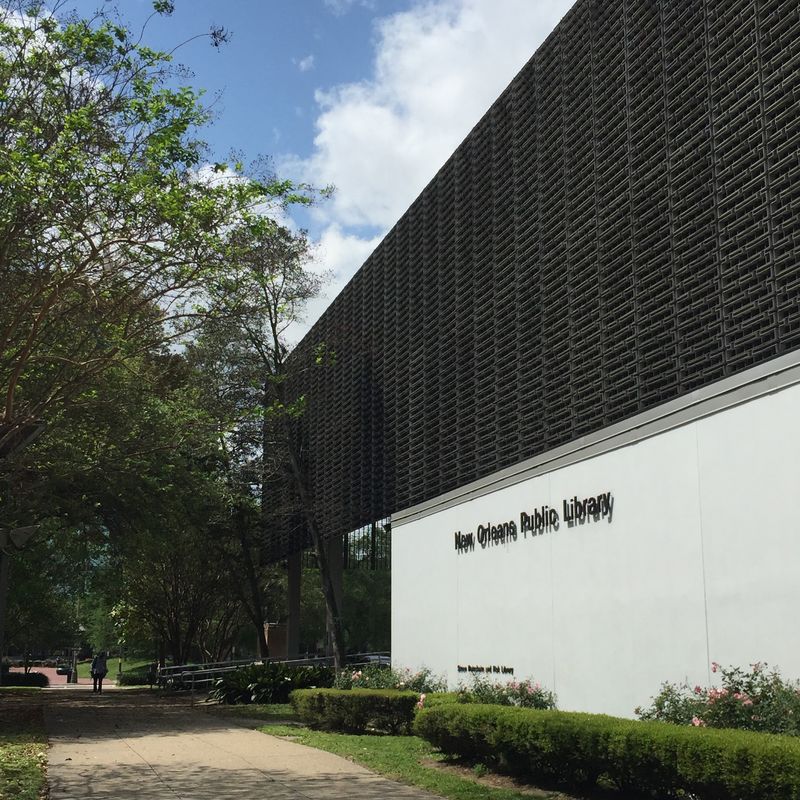
Lacy iron balconies, streetcars, and grand old hotels make New Orleans a postcard printer’s favorite customer. The New Orleans Public Library keeps five cubic feet of those cards in its City Archives and Special Collections.
The focus is New Orleans, plus Louisiana and the wider Gulf South. Sections cover general subjects, special city themes, and French Quarter views.
Albums and souvenir folders add extra charm. Folders often opened accordion-style to reveal a long strip of pictures.
Here is the twist. The original physical cards are closed for research.
Before you feel let down, the whole collection has been digitized. That means you can browse every card online without booking a flight.
This setup protects fragile paper while opening the archive to the whole world. Students working on Louisiana history projects will find it especially handy, and curious armchair travelers will enjoy a free trip down Bourbon Street.
13. Winter Park History Museum, Winter Park, Florida
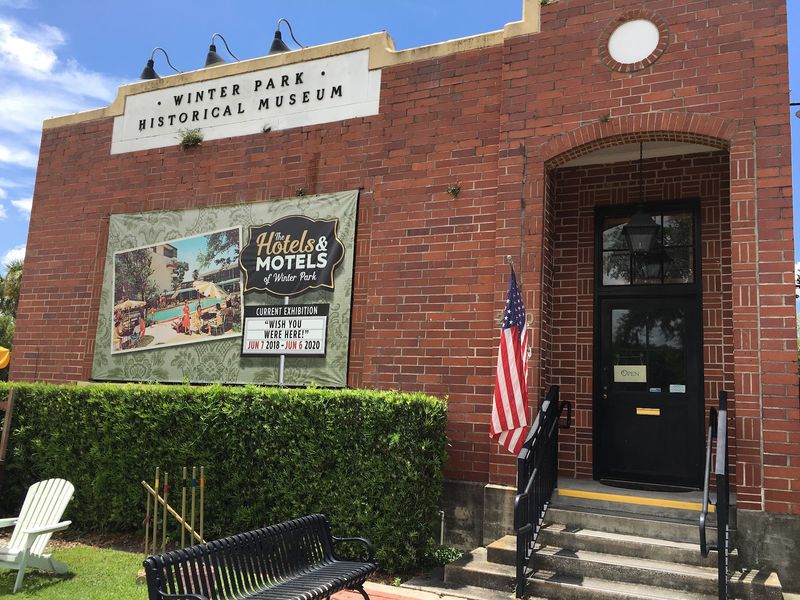
Alligators wearing sunglasses and oranges with smiling faces once sold Florida to the whole country. The Winter Park History Museum celebrates that cheerful marketing with a dedicated vintage postcard collection.
The museum’s Winter Park and Florida postcards total more than 2,000 items. Local resident Rick Frazee donated about 1,000 of them.
His gift helped launch the exhibit Hello Sunshine: Selling Florida Through the Art of Postcards in February 2024. It showed Weeki Wachee, Cypress Gardens, beach scenes, and goofy wildlife cartoons.
Winter Park cards tend to be calmer. They highlight lakes, gardens, and local landmarks rather than flashy tourist stunts.
The postcards share space with citrus labels, menus, maps, hotel items, and theater memorabilia. Together, they rebuild the resort town earlier visitors knew.
Researchers can arrange to view collections, and the historic streets outside make a pleasant walk afterward.
14. Michigan State Capitol, Lansing, Michigan
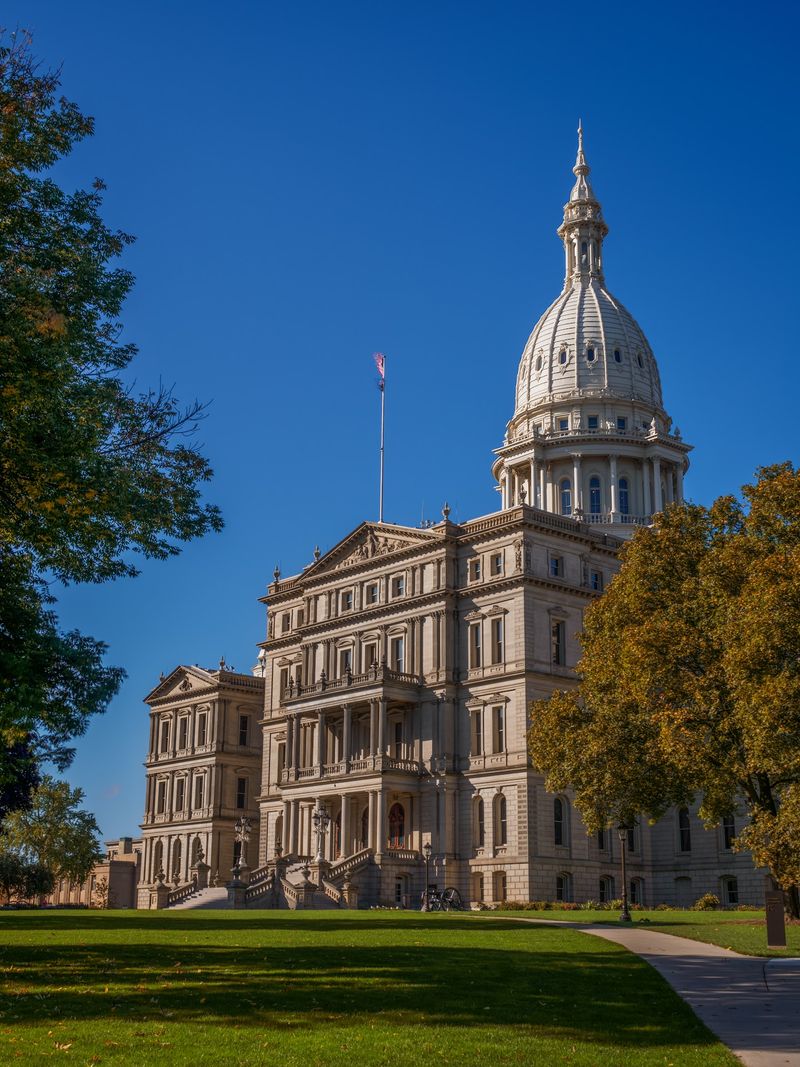
Most collections cover whole cities, but one Michigan landmark proves a single building can fill an album. The Michigan State Capitol keeps hundreds of postcards spanning more than a century.
The cards include exterior shots, interior views, and political material. Together, they track the Capitol’s life almost year by year.
Some images show rooms that no longer exist in their original form. The old state library and military museum areas survive mostly in these pictures.
Other cards reveal smaller changes. Landscaping, lighting, and nearby buildings shift from one era to the next.
Historians have even used old images to help guide restoration work. A cheap souvenir turned into a useful blueprint.
Visitors can take free tours of the Capitol and compare today’s halls with the old cards. Spotting the differences makes a great game for kids.
Who knew a postcard bought for a nickel could become a history tool?
Share this story