A sewing machine can sit in a repair shop for days, then come back running so quietly its owner barely believes it. That is the kind of story that comes out of a fabric store tucked into a downtown Louisiana building with roots going back to 1884.
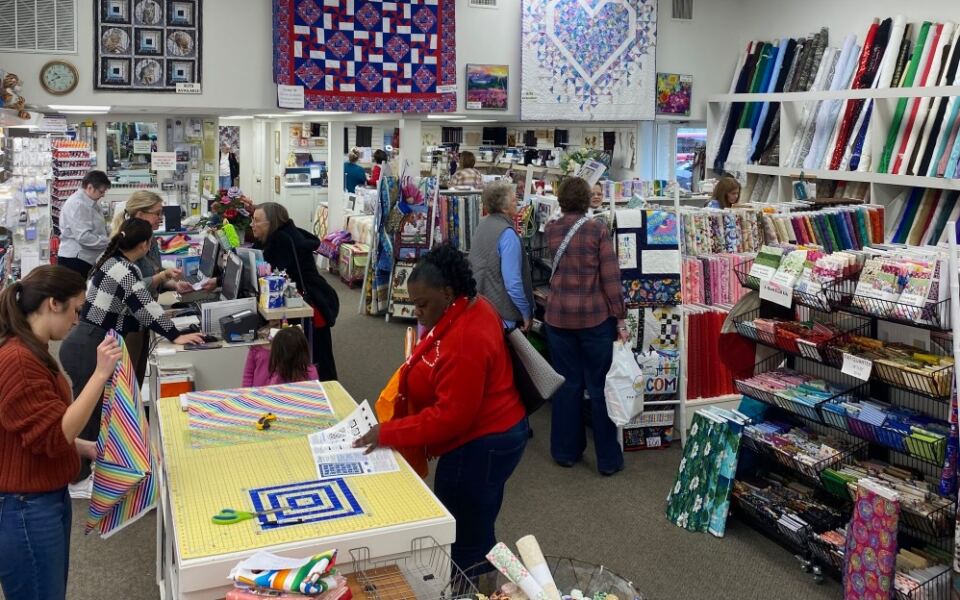
Inside, bolts of cotton, spools of thread, and rows of machines fill the space, and the lighting is bright enough to show true colors. Keep reading to see why quilters and sewers drive hours to visit.
A Downtown Building With Deep Roots
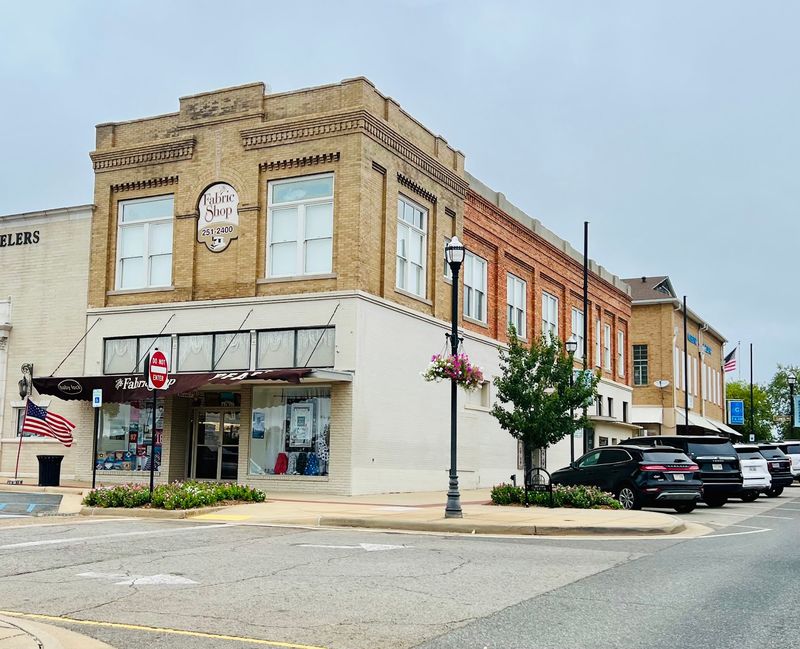
The first thing that grabbed me was the age of the place. The shop lives in a downtown building that dates to 1884, which means the walls have seen well over a century of Louisiana days.
Brick storefronts like this tell their own story before you ever open the door. Take a minute on the sidewalk and look up at the upper walls and window lines.
Older downtown buildings often hold surprises, and this one does not disappoint once you are inside. The space feels roomy, with plenty of spots to wander and look around.
I like that a business built around thread, cloth, and handmade projects sits in a structure with its own long history. Crafts and old buildings seem to go together naturally.
Next, I want to show you how to find it, because the location makes a trip easy to plan.
Finding the Shop on Park Avenue
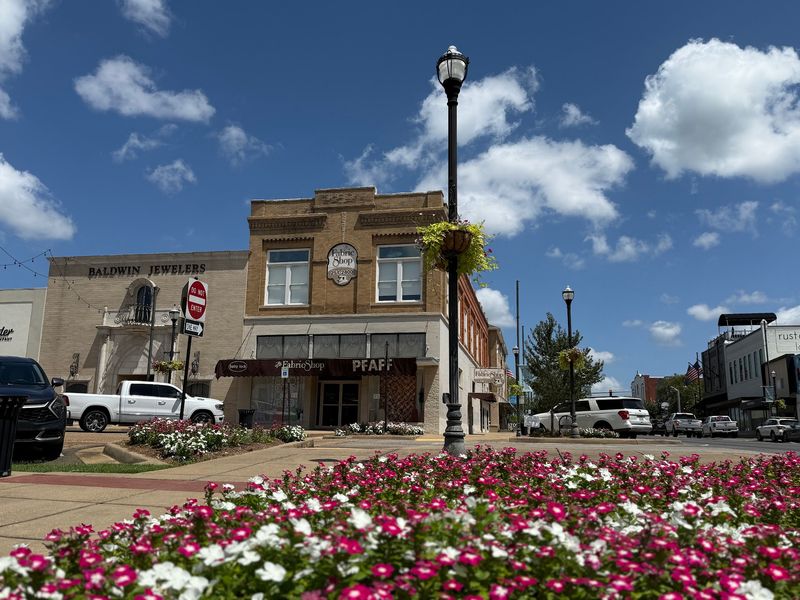
Here is the practical part. The Fabric Shop is at 100 W Park Ave, Ruston, Louisiana, United States, right in the downtown area.
Parking is easy to spot nearby, and the corner location makes the store simple to find even on a first visit.
Plan your timing, because hours are specific. Weekdays run from 10 AM to 5 PM, Saturday is 9 AM to noon, and Sunday is closed.
A morning stop works well if you want room to browse without feeling rushed. Saturdays are shorter, so arrive early if that is your only free day.
The shop also has a website for checking details before you go. Once you walk in, the first thing you will notice is the sheer amount of fabric, which is where we head next.
Walls of Fabric Worth Getting Lost In
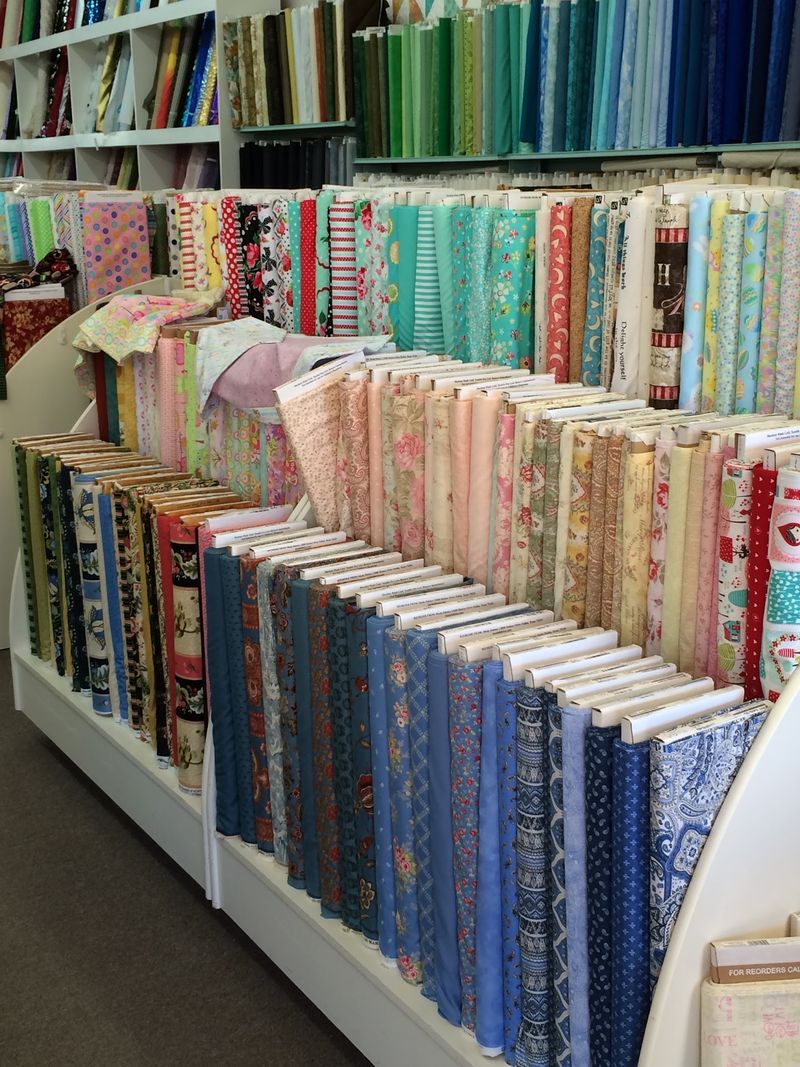
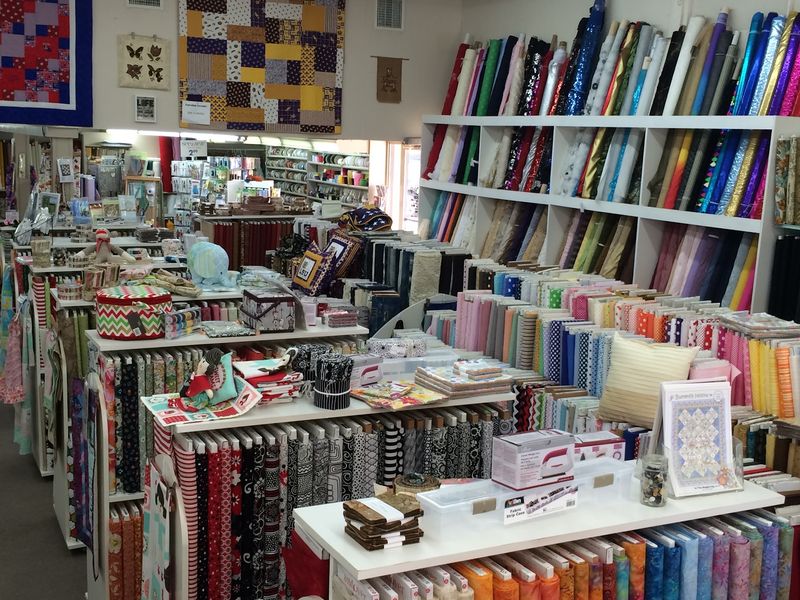
Color hits you first. Bolts of cotton stack along the shelves in patterns, solids, florals, and seasonal prints that feel current.
One shopper said you can get lost in the store, and I understand why. Every aisle turns up something you did not know you needed.
The fabric is cut to order, so you can grab a few yards for a bag or load up for a full quilt top. Quarter rolls and quilt kits make starting a project simpler for beginners.
Patterns hang nearby, which helps when you have a vision but no plan yet. Browse slowly and touch the fabrics, since feel matters as much as color.
Good lighting helps too, and that detail gets its own spotlight in the next section.
Lighting That Shows True Colors
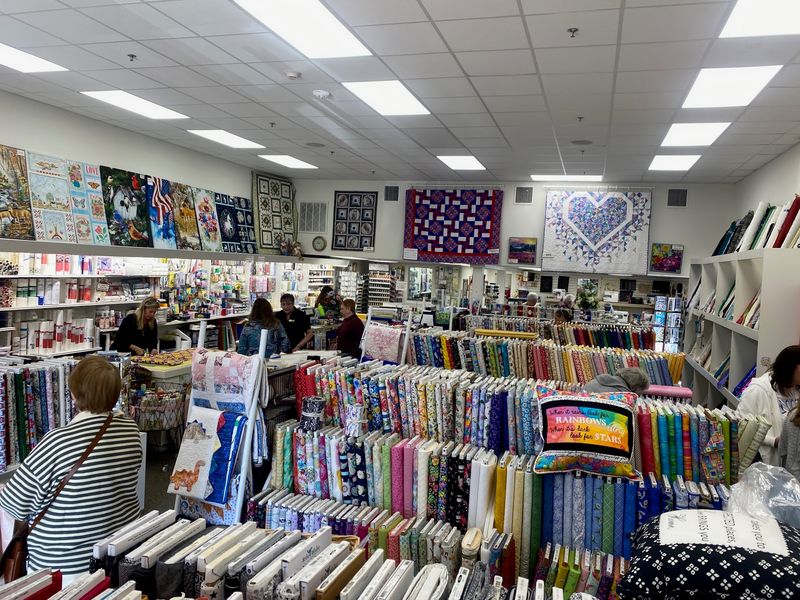
Anyone who has bought fabric under dim lights knows the disappointment of getting home and seeing a different shade. Here, bright lighting solves that problem.
A regular visitor called it the best fabric shop lighting around, and that is a detail I never thought to praise until I compared colors for myself.
Hold two prints side by side and you can see how they will actually look together. Navy stays navy, and that sage green does not turn gray.
This matters most when you are matching thread, trims, or coordinating a whole quilt palette. Take your time and bring a swatch from home if you are matching something.
With the colors chosen, you will probably need supplies to bring the project to life, so let me show you the notions wall.
Notions, Patterns, and Little Helpers
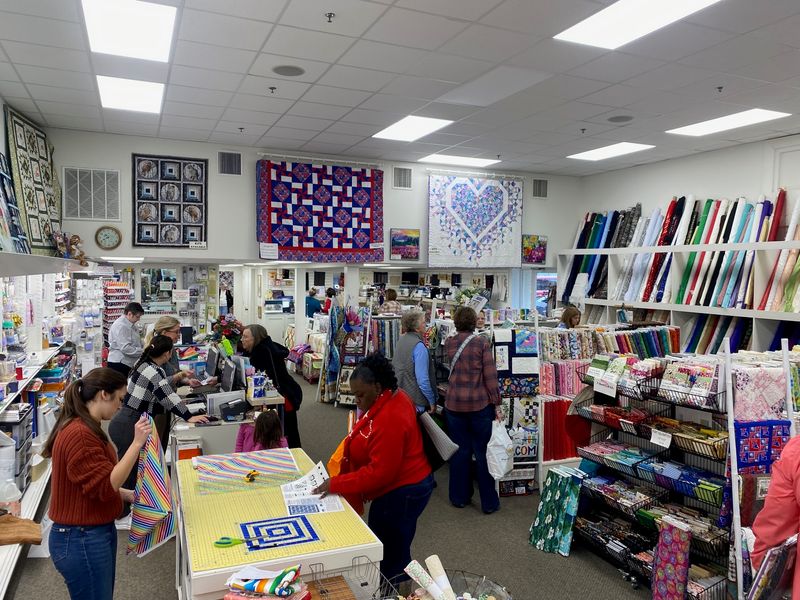
Small tools make big differences in sewing, and the notions section is where they live. Thread, needles, pins, and cutting tools fill the display.
Shoppers often mention the notions selection, and it shows. You can build a basic sewing kit in one trip without hunting around town.
Patterns add another layer. Flip through them for bags, clothing, and quilts, and you will probably leave with a new project in mind.
I always tell beginners to buy a good pair of scissors and keep them just for fabric. It saves frustration and keeps edges clean.
Tools are great, but machines are the real star here, and the shop carries some well-known brands that I will cover next.
The Sewing Machine Showroom
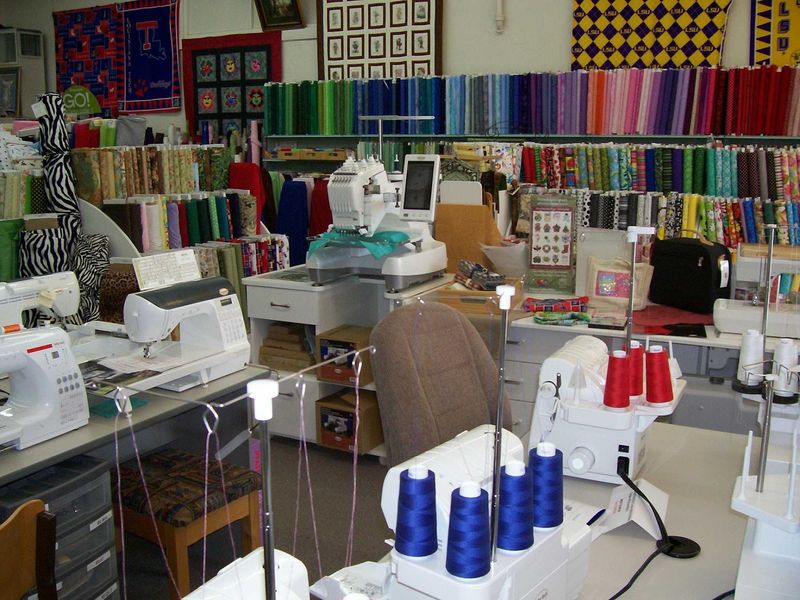
Machines get serious attention at this store. The shop carries Pfaff and Baby Lock sewing machines and sergers, a lineup that draws buyers from outside town.
Having several models to compare in person is a real help. You can see the stitch options, check the size, and decide what suits your sewing habits.
Customers say buying here comes with a walk-through on how to use the machine. That teaching step turns a big purchase into something less scary.
A serger can finish seams neatly and trim edges in one pass, so it is a favorite for clothing makers. Ask to see one run.
Buying is only half the story, since machines need care over time, and that leads us to the repair bench.
A Repair Bench With Real Experience
A quiet machine is a happy machine. One customer brought in a Baby Lock that had been loud from day one, and it came back running smooth and hushed.
The shop has a service technician who does the repair work himself on site, rather than sending machines away. Same-day service is something the shop offers for many repairs.
That convenience matters when a deadline is looming and a quilt is half finished. Call ahead to set an appointment so your visit goes smoothly.
People travel long distances to have their machines looked at, which says a lot about trust in the bench. Machines bought elsewhere are serviced too, though fees may apply.
Of course, a good machine is only useful if you know how to use it, so classes come next.
Classes That Build Confidence
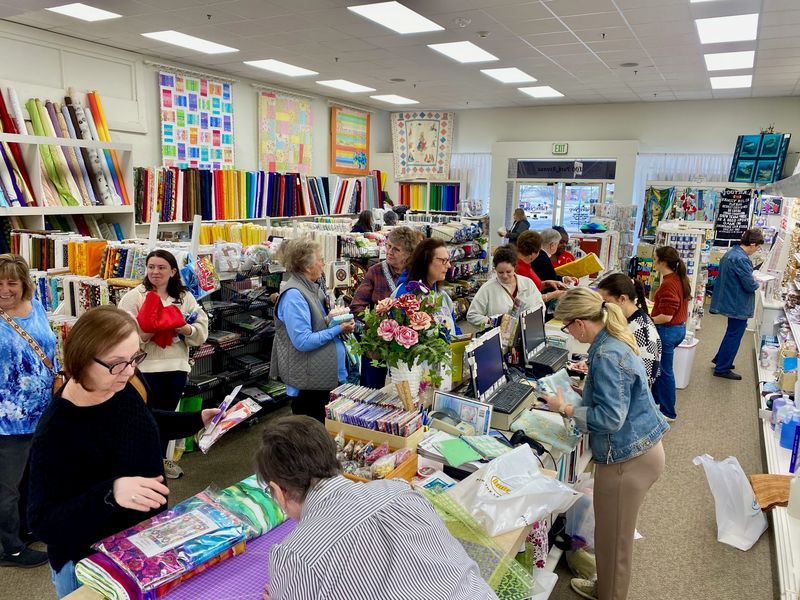
Learning beats guessing every time. The shop hosts sewing classes, and students describe them as some of the best they have attended.
One longtime sewer who had taken lessons in several states praised the instructors brought in. That kind of comment tells you the teaching is serious.
Classes can help you master a new machine, try quilting, or finally understand why your seams pucker. Confidence grows quickly once the basics click.
During one visit, shoppers were even shown how to make snappy bags, a fun little project that works up fast.
Check the shop website for current class offerings, since schedules change. After you learn a skill, you may want to buy supplies from home, and that is possible too.
Shopping Online From Anywhere
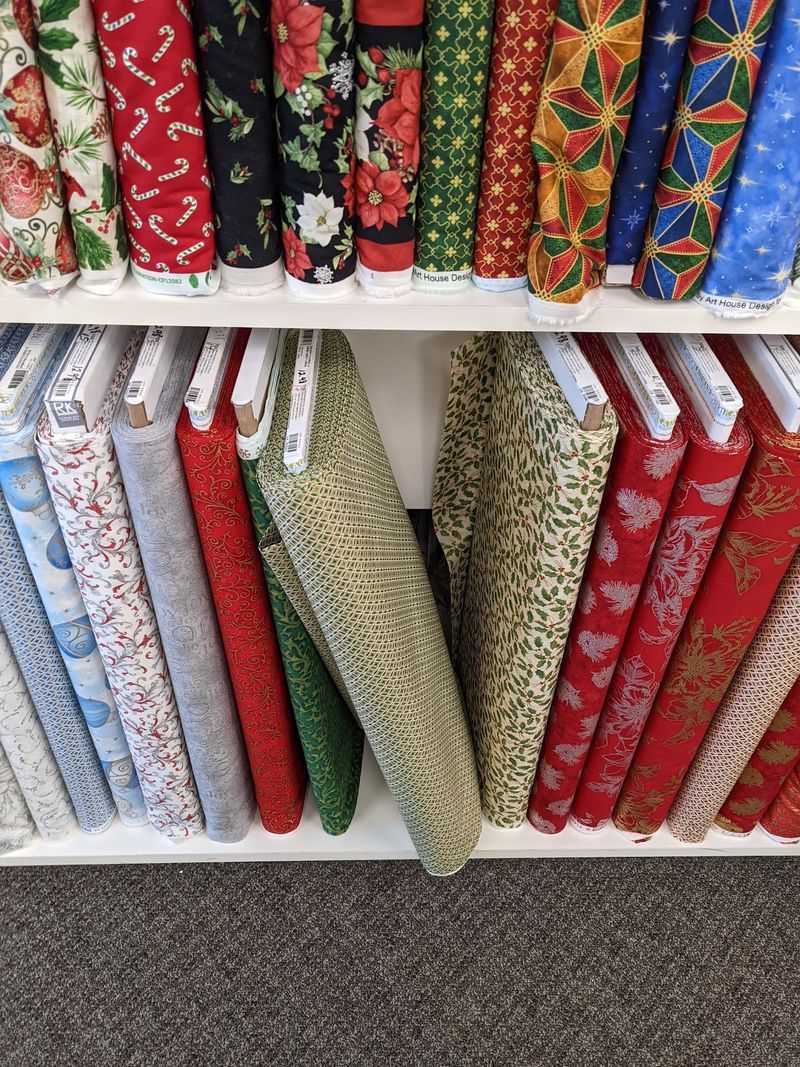
Not everyone lives close enough for a day trip, and the shop knows it. Fabric orders can be placed through its website and shipped out.
A shopper in Arkansas ordered on a Thursday morning, saw the fabric in the mail by noon, and had it in hand Saturday. A small gift was tucked inside too.
That speed makes online buying feel less risky. Fabric arrived in perfect order, which matters when you have measured for a project.
Still, online shopping cannot replace seeing colors in person. If you can, visit once and then reorder favorites later.
Whether you shop in person or by mail, the shop appeals to a community of makers, and that community is the next part of the story.
A Community of Quilters and Makers
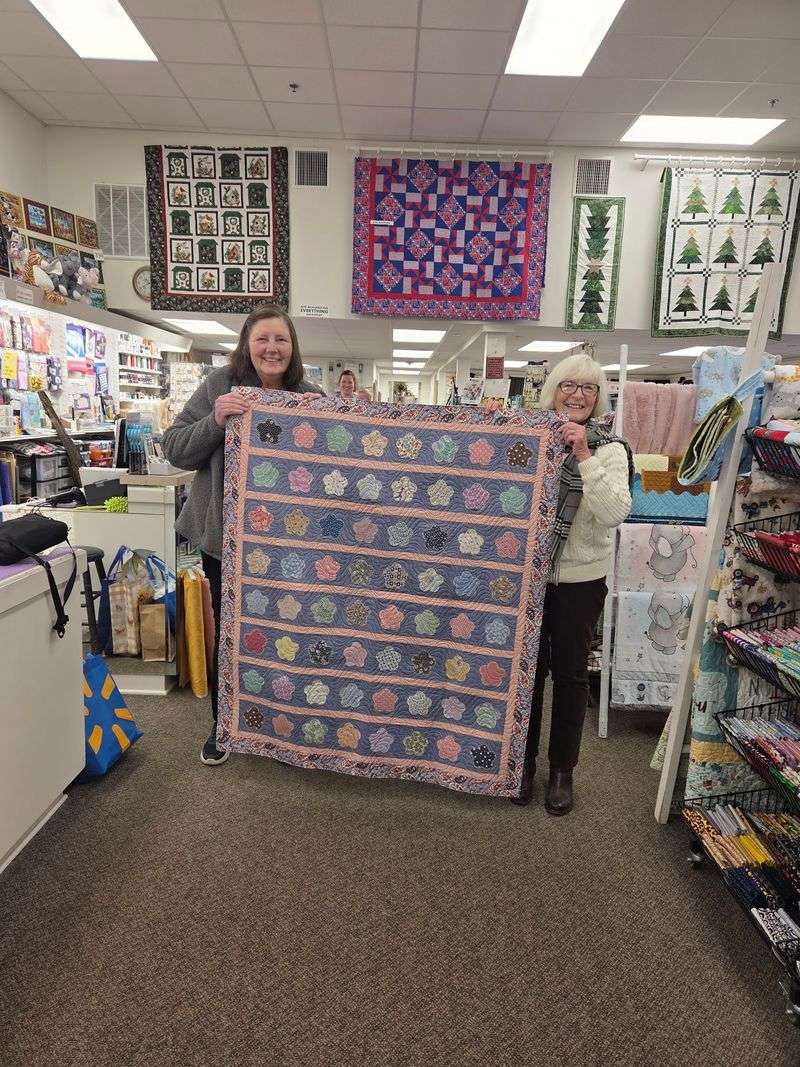
Quilts bring people together, and this shop is a meeting point. Quilters from around the region stop in for fabric, advice, and conversation.
The owners are veterans, and customers say they support Quilts of Valor and Dogs for Veterans. That gives the store a purpose beyond sales.
Visitors from places like Lake Charles have made the drive, and some call the hometown feel a refreshing change from big stores.
Ruston has several quilt stores, each with its own personality, so you could turn a trip into a small fabric tour of town.
Bring a project, ask questions, and swap ideas. Leave with fabric, a new technique, and maybe a few new sewing friends.
Share this story