Movie contracts can be tricky, and sometimes an actor earns money without ever appearing on screen. Pay-or-play deals, recasting, and deleted scenes have all led to surprising paydays in Hollywood.
Here are fifteen cases where actors were reportedly paid for films that did not include them in the end. Some details come from reported figures, so a few amounts may not be fully confirmed.
1. Nicolas Cage and Superman Lives
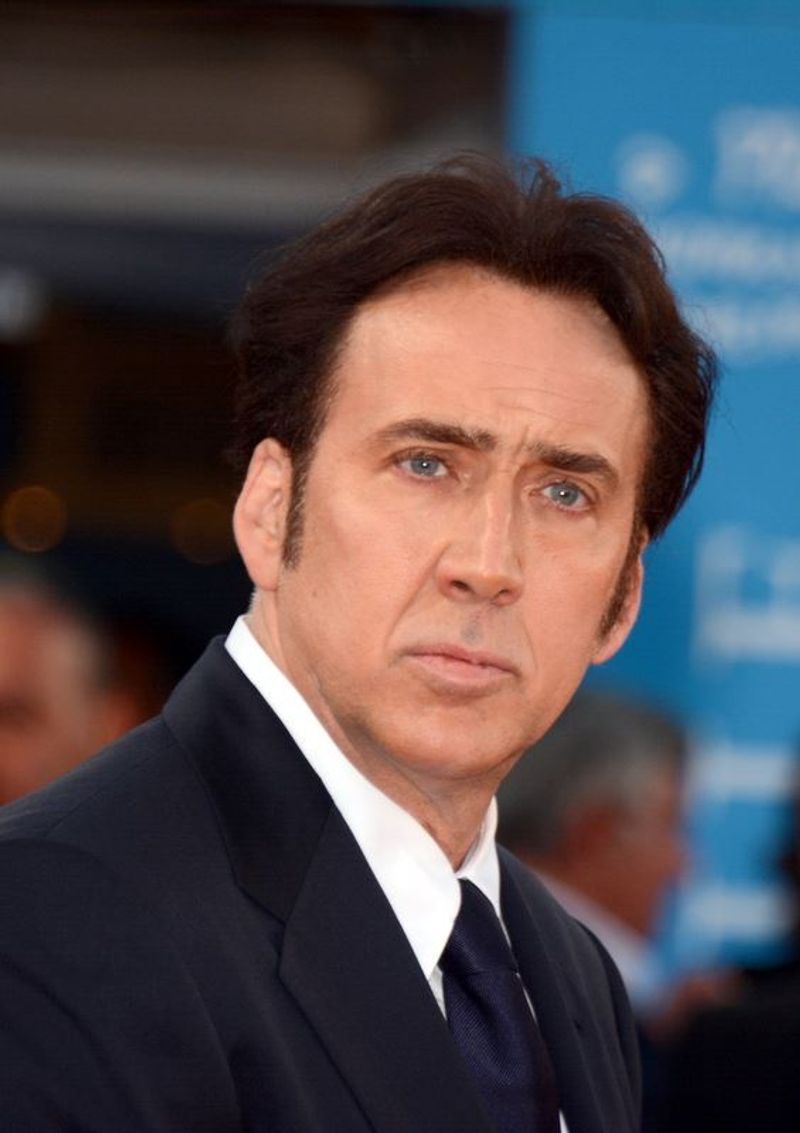
Imagine getting a huge check for a movie that never reaches theaters. That is the story of Nicolas Cage and Superman Lives, a Tim Burton project from the late 1990s.
Cage reportedly signed a pay-or-play deal worth about $20 million.
A pay-or-play contract means the studio owes the actor money even if the film is canceled. Costume tests were done, and Cage was ready to wear the cape.
Then the studio grew nervous about the budget and the creative direction, and the whole project was shut down.
Cage never filmed a finished Superman movie, yet the reported payment stayed with him. The story became one of Hollywood’s best-known tales of an unmade film.
Fans still talk about the photos from his costume tests, which show what might have been.
It also shows how protective contracts can be for actors when plans fall apart.
2. Johnny Depp and Fantastic Beasts
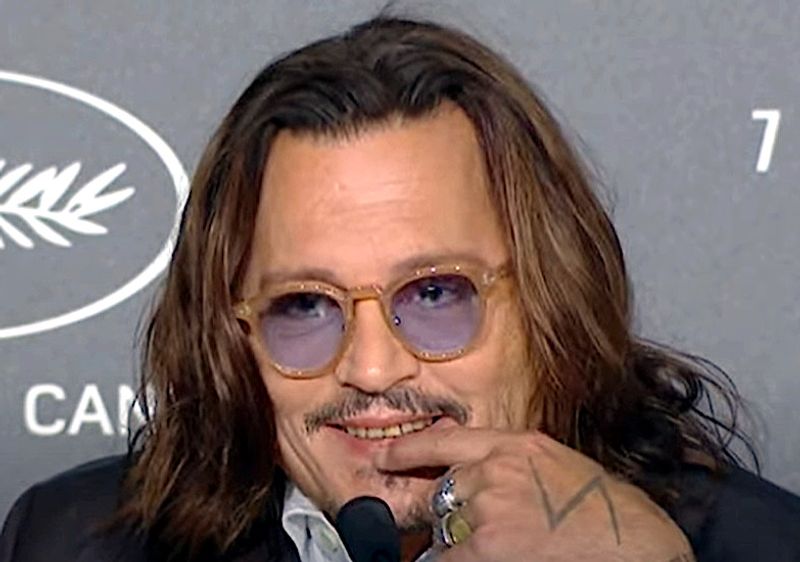
Few recasting stories got as much attention as the one from the Wizarding World. Johnny Depp had played the dark wizard Grindelwald in earlier Fantastic Beasts films.
For the third film, The Secrets of Dumbledore, he filmed one scene before leaving the project.
Mads Mikkelsen stepped into the role, and Depp’s scene did not appear in the finished movie. Reports said his pay-or-play contract entitled him to his full salary for the film.
That kind of clause protects actors when a studio changes plans after a contract is signed. It does not matter whether the actor appears in the final cut.
The payment is still owed.
The case is a clear example of how contract terms can shape what happens behind the scenes, long before audiences see a single frame.
3. Bob Hoskins and The Untouchables
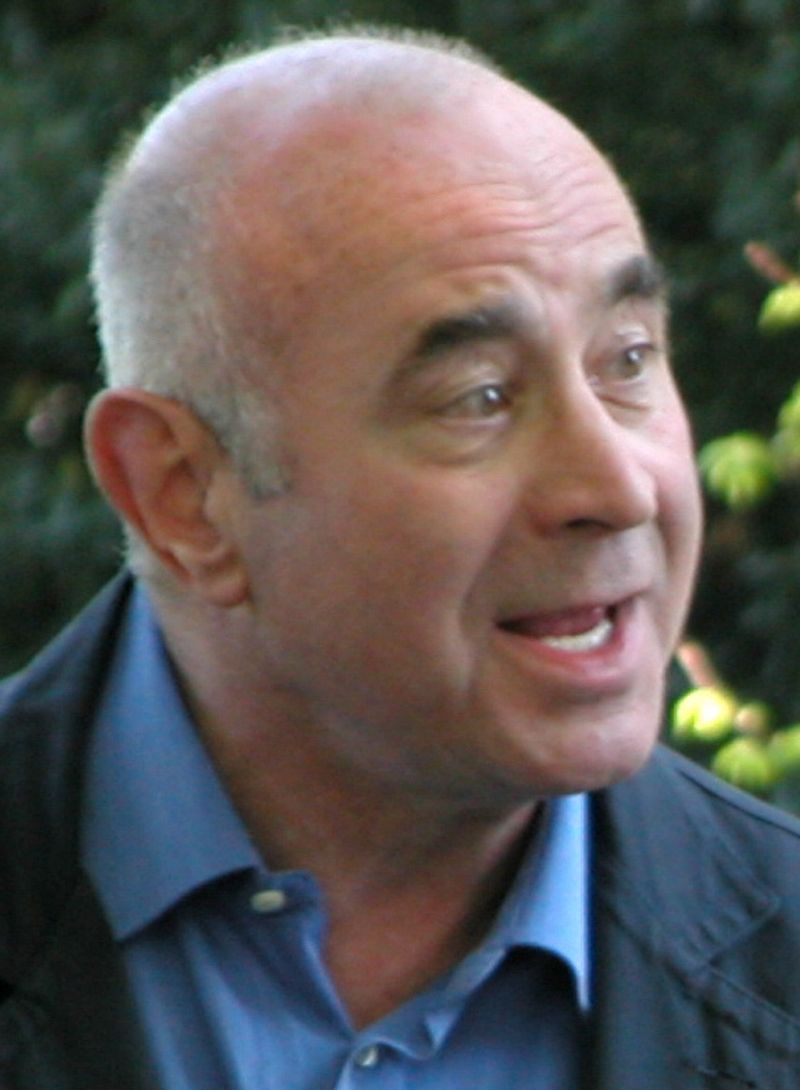
Sometimes a backup plan pays better than expected. Bob Hoskins was lined up as a fallback choice to play Al Capone in The Untouchables.
The plan was simple: if the first choice did not work out, Hoskins would step in.
Robert De Niro took the part, so Hoskins never played the gangster. Even so, he reportedly received $200,000 for being on standby.
Hoskins later joked about the situation, treating it as a funny twist in a long career. He went on to star in Who Framed Roger Rabbit and many other films.
His story shows that studios sometimes pay actors simply to keep them available. A big role can depend on one star’s schedule, so having a reserve actor ready can save a production from costly delays and last-minute scrambling.
4. Eric Stoltz and Back to the Future
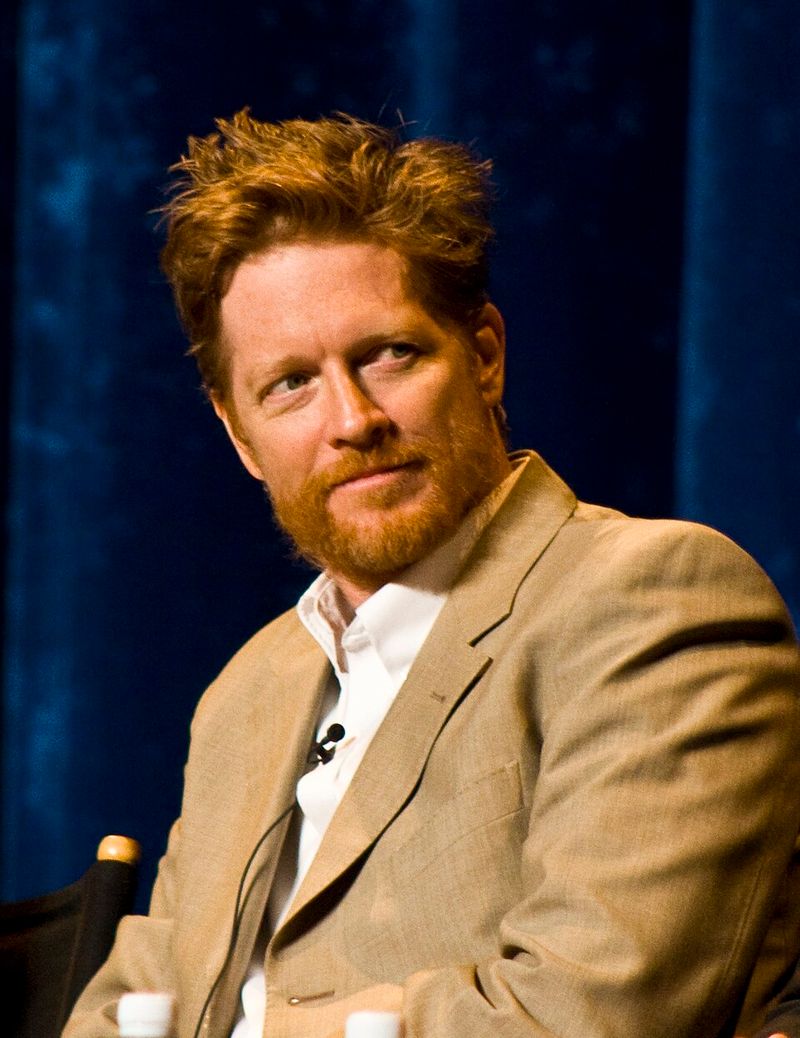
Picture Marty McFly with a different face. Eric Stoltz was the original Marty in Back to the Future and shot several weeks of footage before the filmmakers decided the tone was not right.
Michael J. Fox, who had been unavailable at first because of his television schedule, took over the role.
Scenes had to be reshot, which added cost and time to the production.
Stoltz reportedly received his full salary for the work. His scenes did not appear in the finished film, though a few brief shots of him have surfaced in behind-the-scenes material over the years.
The change turned out to be a smart one for the movie, which became a massive hit. For Stoltz, it remains a famous example of an actor who was paid for a project that moved on without him.
5. Kevin Spacey and All the Money in the World
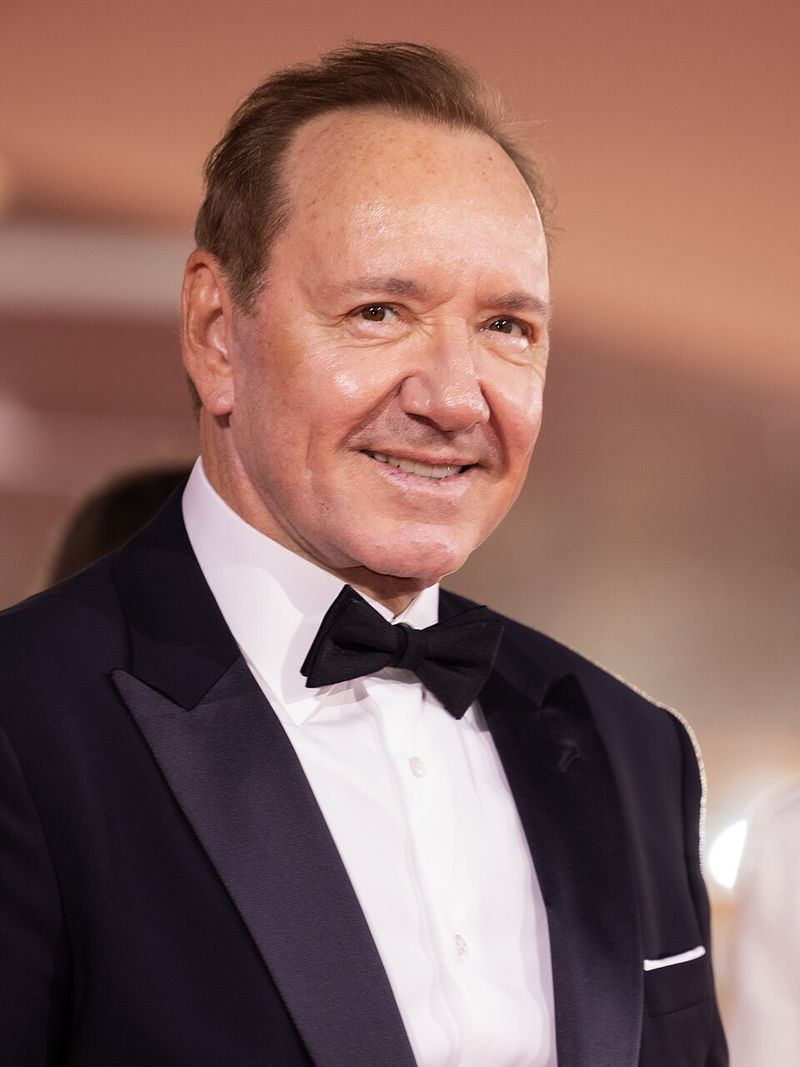
Few recasts have happened as quickly as this one. Kevin Spacey had completed his work as oil tycoon J.
Paul Getty in All the Money in the World when director Ridley Scott decided to replace him.
Christopher Plummer took over the role, and the relevant scenes were reshot in a matter of days before the film’s release. Plummer later earned an Oscar nomination for the performance.
Spacey’s finished scenes never reached audiences. The Guardian and other outlets covered the unusual speed of the reshoots and how the cast and crew returned to make them happen.
The episode is a rare case where an entire performance was removed after filming was complete. It shows how far a studio may go to change a film late in the process, even when most of the work is done.
6. Shailene Woodley and The Amazing Spider-Man 2
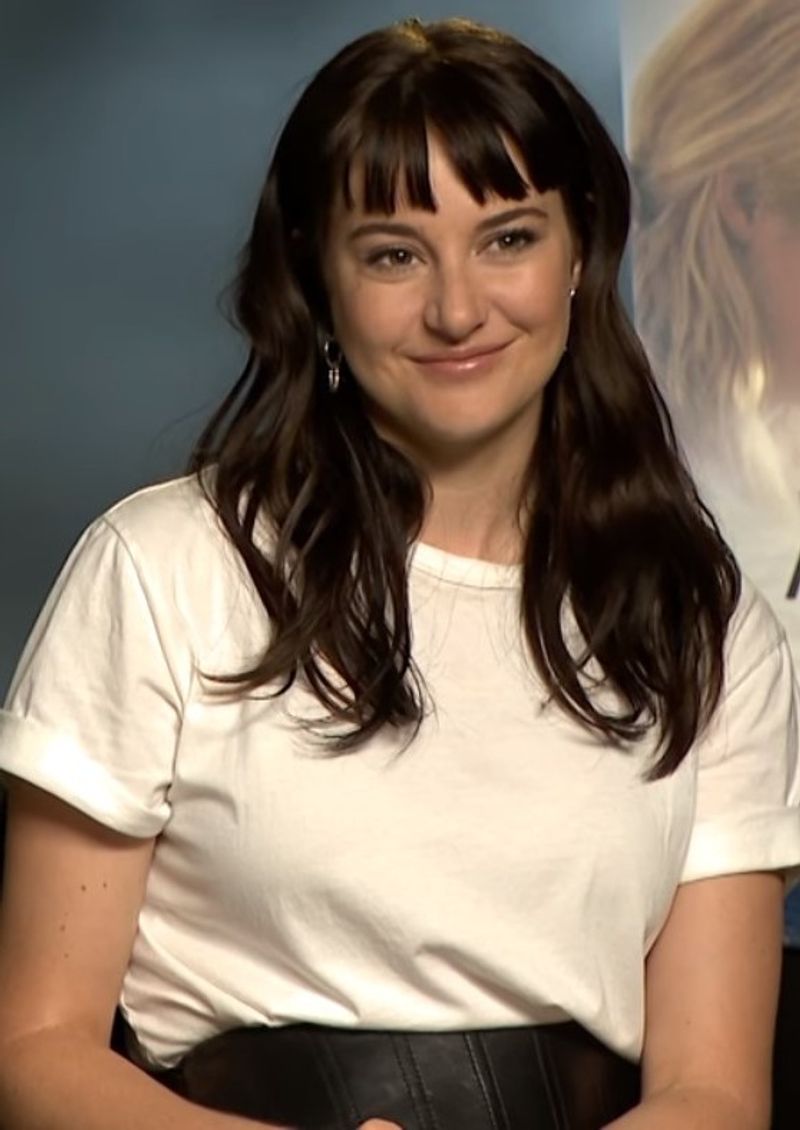
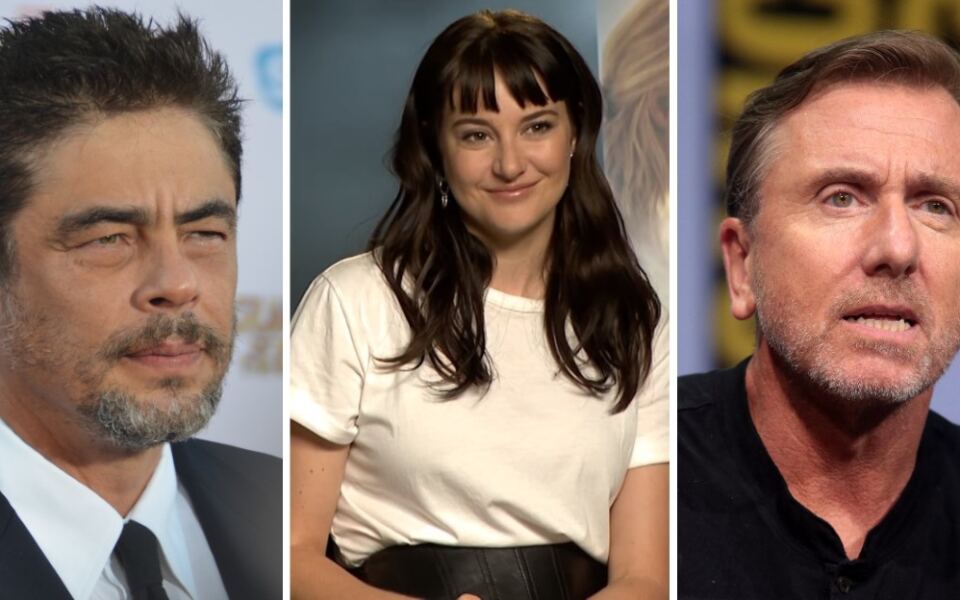
Cut scenes are common, but losing an entire character is rare. Shailene Woodley filmed scenes as Mary Jane Watson for The Amazing Spider-Man 2, yet all of them were removed from the finished movie.
The filmmakers chose to keep the story focused on Peter Parker and Gwen Stacy. Mary Jane’s part was trimmed until nothing remained in the final cut.
Woodley handled the news with grace and moved on to other projects, including The Fault in Our Stars and the Divergent series. Her career grew quickly after that point.
Actors are generally paid for the days they work, whether or not their scenes make the final edit. That means Woodley was compensated for her time on set, even though viewers never saw her as Mary Jane.
7. Tim Roth and Once Upon a Time in Hollywood
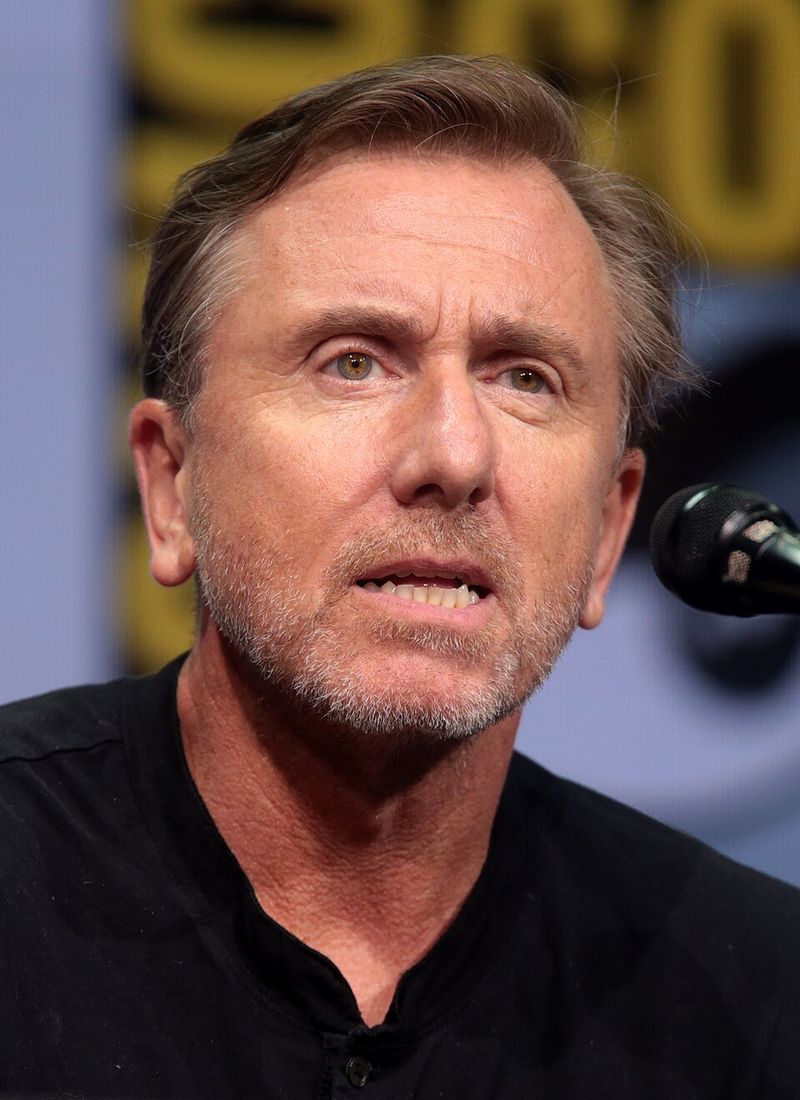
Quentin Tarantino’s films are packed with memorable faces, but some never make it to the theater. Tim Roth filmed a role for Once Upon a Time in Hollywood that was deleted from the theatrical cut.
Roth played a character who appeared in the story’s 1969 Los Angeles world. The movie was already long, so Tarantino trimmed several parts to keep the pacing tight.
Roth had worked with Tarantino before, in Reservoir Dogs, Pulp Fiction, and The Hateful Eight. That history made the cut a surprise for fans.
Actors normally receive payment for the days they shoot, no matter what the editor removes. So Roth was paid for his time on set, even though his work does not appear in the version most people have seen.
8. Paul Rudd and Bridesmaids
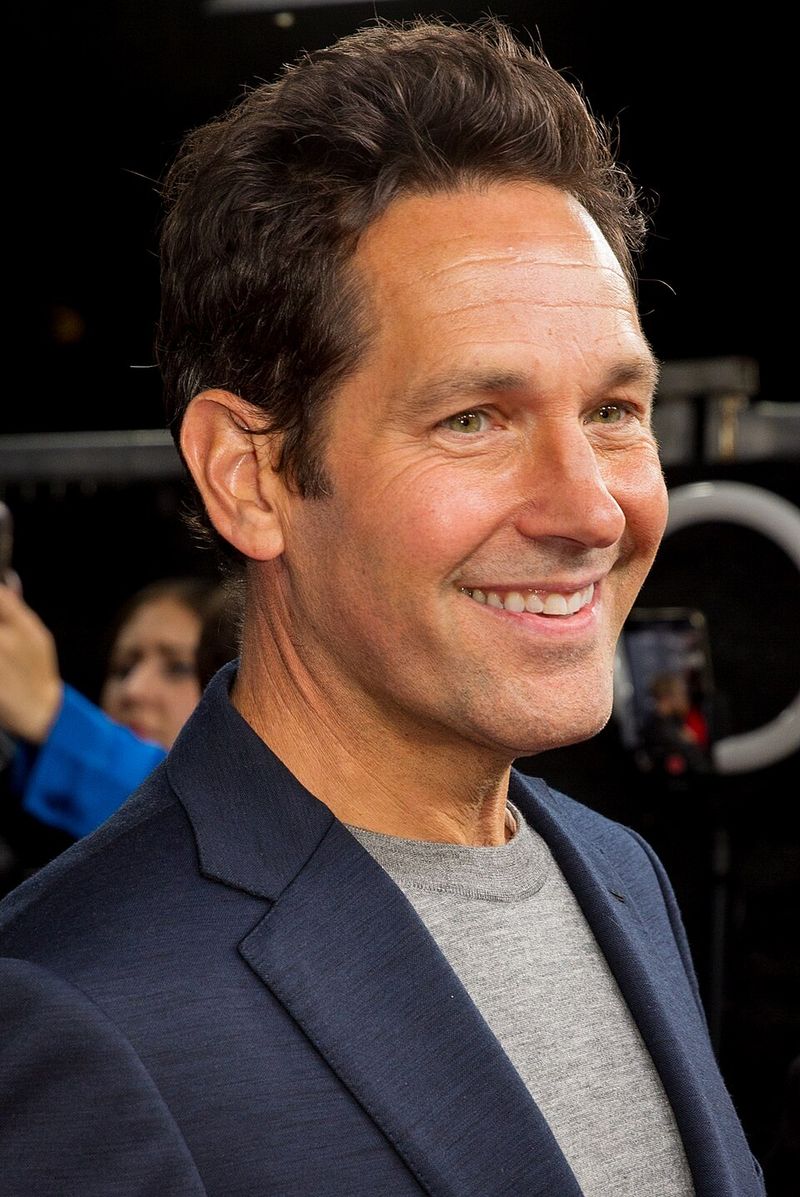
A single funny scene can disappear in the edit, even with a well-loved actor. Paul Rudd shot a scene for Bridesmaids in which he played the blind date of Kristen Wiig’s character, Annie.
The scene was ultimately cut from the finished film. Comedies often shoot far more material than they can use, and editors must choose the jokes that keep the story moving.
Rudd was a familiar face in comedy at the time, thanks to films like Anchorman and Knocked Up. His appearance would have been a fun surprise for viewers.
Because actors are paid for their shooting days, Rudd was compensated for the scene even though audiences did not see it in theaters. It is a small but classic example of how much footage ends up on the cutting room floor.
9. Tobey Maguire and Life of Pi
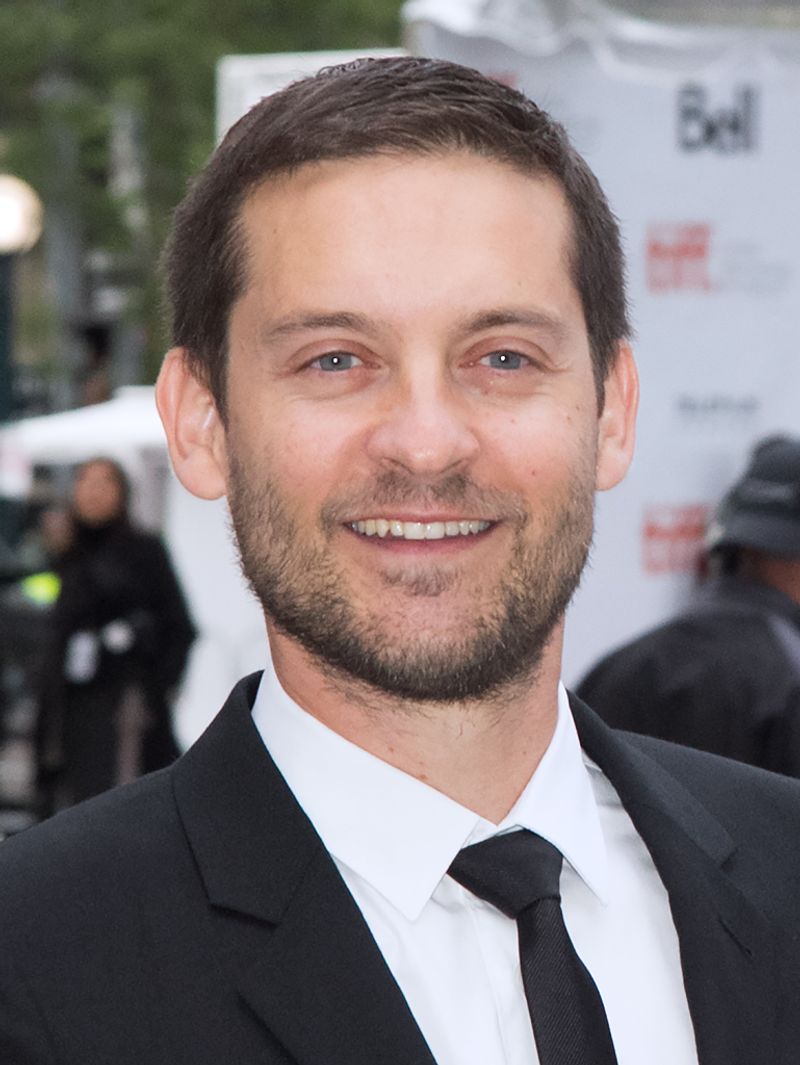
Here is a case where a role changed hands after cameras had already rolled. Tobey Maguire filmed the part of the writer in Life of Pi, the character who listens to Pi tell his incredible story.
Director Ang Lee later decided to recast the role, feeling that Maguire’s famous face might distract viewers from the tale itself. Rafe Spall took over the part.
Maguire’s scenes were removed, and the finished movie went on to win several Academy Awards, including Best Director for Lee.
As with other recasts, an actor who has already worked on set is typically paid for that time. The story is a reminder that even big stars can be replaced when a filmmaker has a different vision for how a movie should feel.
10. Samantha Morton and Her
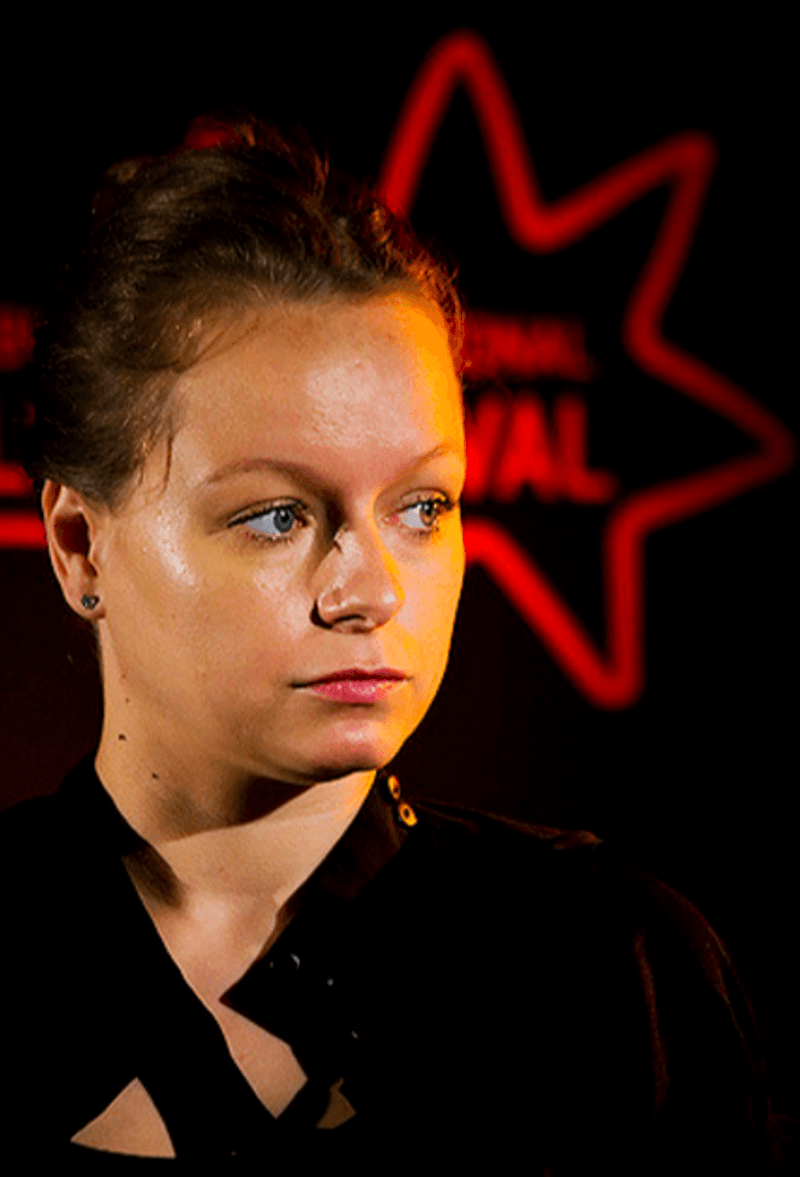
A voice can make or break a character, even when nobody sees a face. In the film Her, Samantha Morton originally performed the voice of Samantha, the artificial intelligence companion.
She recorded the part on set, speaking live with Joaquin Phoenix during filming. Later, director Spike Jonze decided the voice needed a different quality and replaced her with Scarlett Johansson.
Johansson recorded the lines in post-production, and her husky tone became a defining feature of the movie. The film earned an Oscar for Best Original Screenplay.
Morton’s performance was removed, though she had done the work and was compensated for it. It stands as one of the more unusual recasting stories, since an entire voice role was swapped long after filming.
11. Colin Firth and Paddington
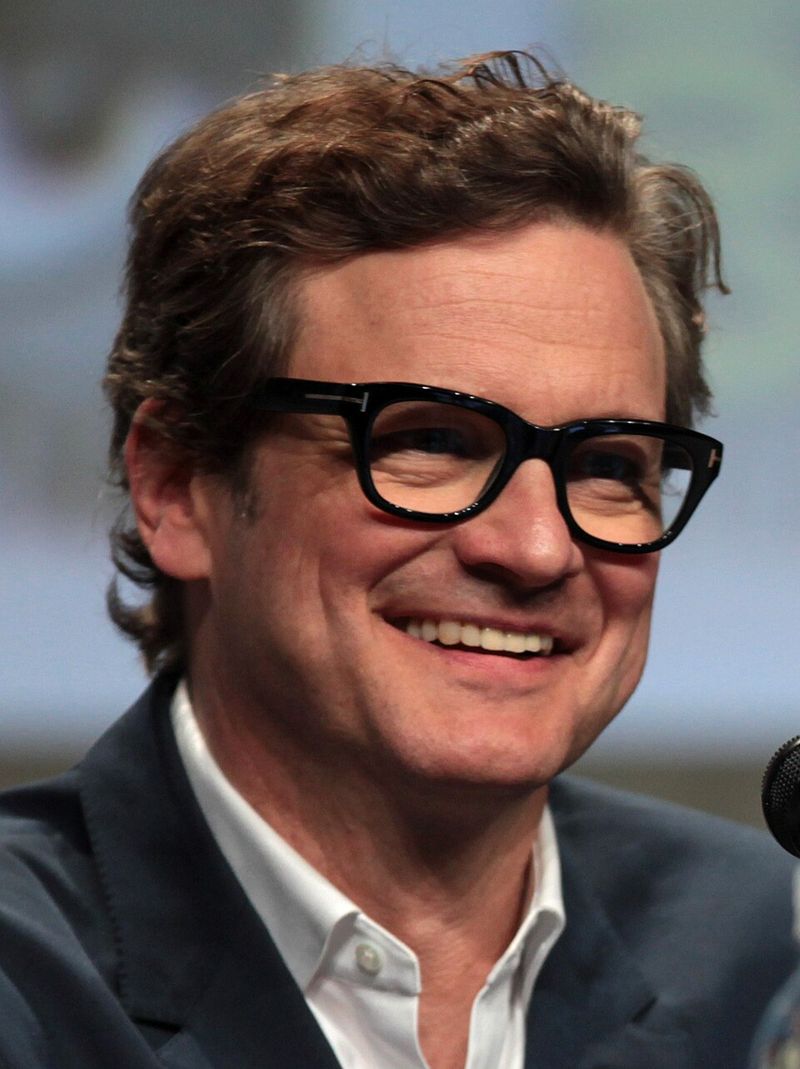
Few characters are as beloved as a bear in a red hat. Colin Firth was originally hired to voice Paddington for the 2014 film and recorded a good portion of the dialogue.
As the animation took shape, the filmmakers felt his voice did not fit the young, polite bear they imagined. Ben Whishaw was brought in to replace him, and his warm tone became the voice fans know today.
Firth spoke openly about the change, saying the decision made sense. He stayed on good terms with the production, and the film became a major success.
His recorded work was not used in the final film. Voice actors are generally paid for sessions they complete, so Firth was compensated for the time he spent working on the early version of the role.
12. Harrison Ford and E.T. the Extra-Terrestrial
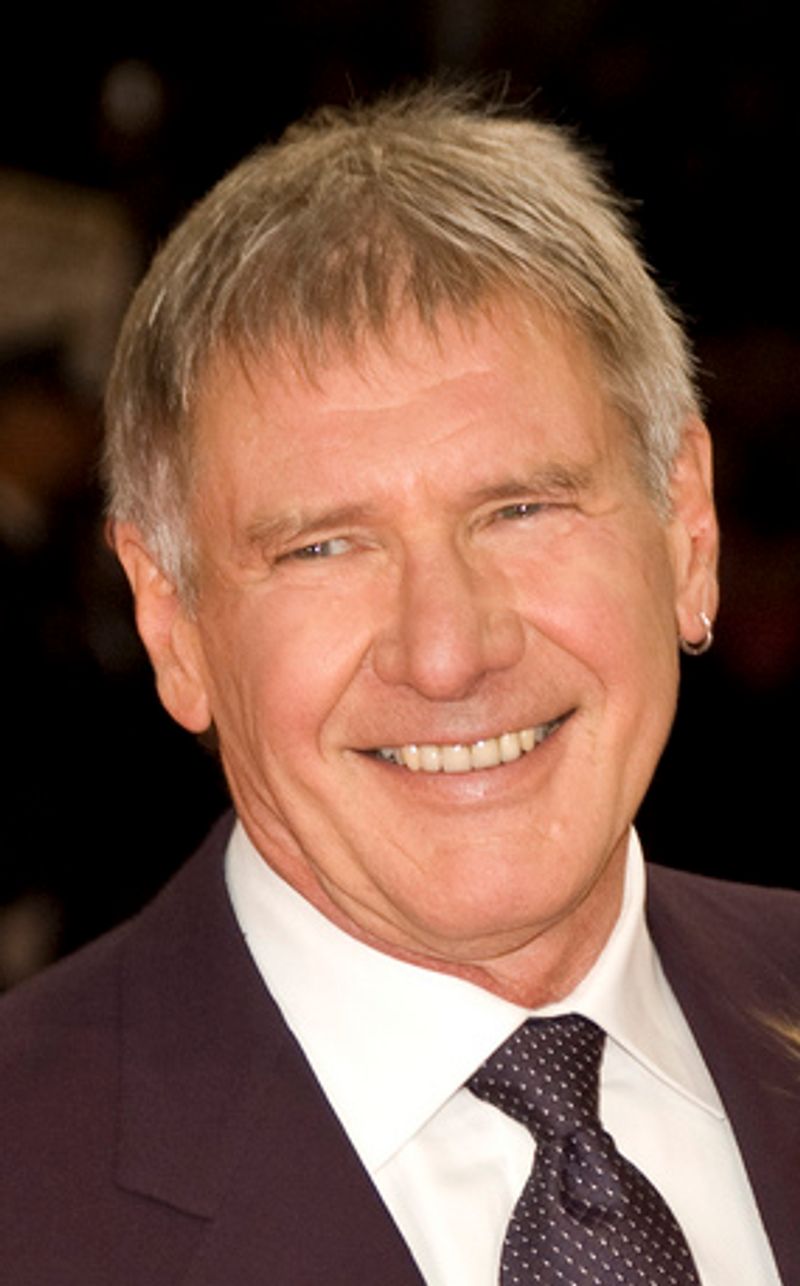
Here is a cameo most moviegoers never got to see. Harrison Ford filmed a scene for E.T. the Extra-Terrestrial in which he played Elliott’s school principal.
In the scene, the principal speaks with Elliott after the boy causes chaos at school. Ford’s face was kept out of frame in some shots, but Steven Spielberg ultimately removed the entire sequence from the film.
Ford and Spielberg had already teamed up on Raiders of the Lost Ark, so the cameo was a friendly nod between collaborators. The decision to cut it kept the story focused on Elliott and the alien.
Ford would have been paid for his time on set, though the details are not widely reported. The tale remains a fun piece of movie trivia for fans of both stars.
13. Mickey Rourke and The Thin Red Line
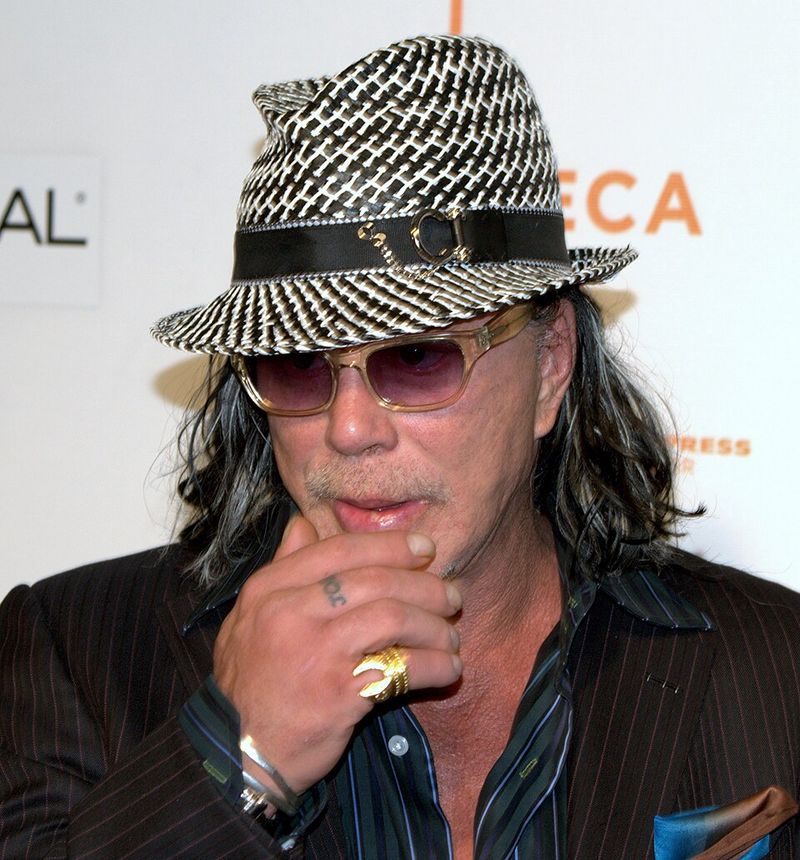
Terrence Malick is known for shooting miles of footage and then shaping the story in the editing room. The Thin Red Line is a perfect example, with a huge ensemble cast and a very long first cut.
Mickey Rourke filmed scenes for the war drama, but they did not survive the final edit. He was one of several well-known actors whose work was trimmed or removed entirely.
Others in similar situations included Bill Pullman and Martin Sheen, who appeared only briefly or not at all in certain versions. Malick’s process often changes a film’s focus long after cameras stop.
Actors on a project like this are normally paid for their days on set, no matter how the final cut turns out. For Rourke, it was one more chapter in a long and unpredictable career in film.
14. Michael Biehn and Alien 3
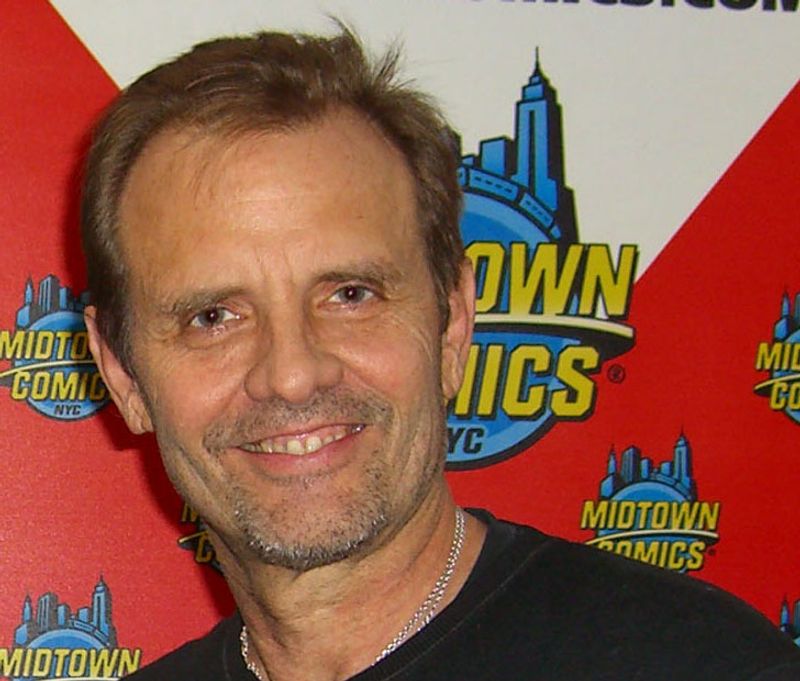
Sometimes an actor gets paid just for a photograph. Michael Biehn played Corporal Hicks in Aliens, and many fans expected him to return in Alien 3.
Instead, Hicks was killed off before the story began. Biehn did not reprise the role, yet his image appeared in the film as a photograph of the character’s remains.
According to IMDb, Biehn said the fee for using his photo was roughly equal to his entire salary for Aliens. That is a remarkable result for an image used on screen for a few moments.
Biehn has also spoken about being disappointed that Hicks was dropped so quickly. Even so, the payment became a famous example of how likeness rights can carry real value in the film business.
15. Benicio del Toro and American Gangster
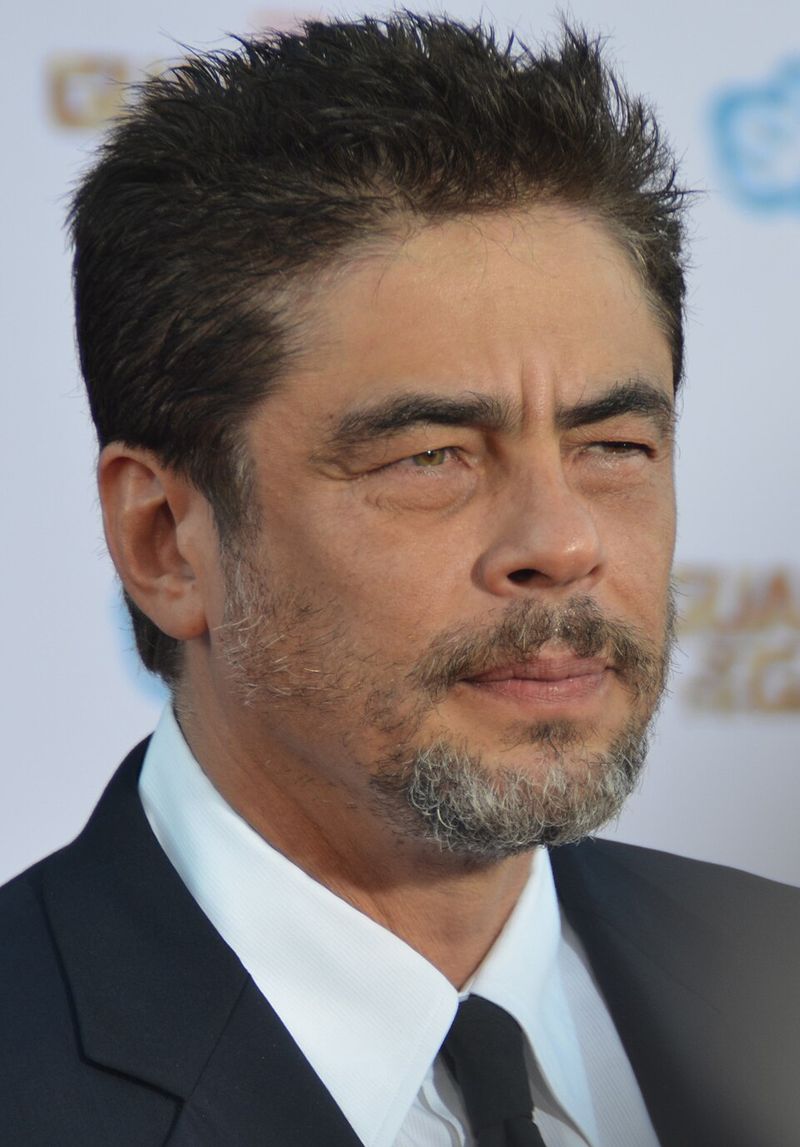
Before American Gangster became a hit, it went through many changes. Benicio del Toro had a pay-or-play arrangement connected to the project at an earlier stage, when it was set to be made in a different form.
The film changed direction over time, with new filmmakers and a revised plan. Eventually Russell Crowe took one of the lead roles, joined by Denzel Washington in the other.
A pay-or-play deal means the actor is owed money even if the project moves on without him. That protection can be valuable when a film spends years in development.
Del Toro remained busy, later appearing in Che, Sicario, and the Marvel films. His case is another reminder that many big movies change shape before a single scene is shot, and contracts help protect those who signed on early.
Share this story